This California College Was Just Named The State’s Top Hidden Gem For 2027
Every Wednesday afternoon since 1931, a women’s college in Southern California has hosted tea. Not once in a while. Every single week, for nearly a century.
Then I learned the founder landed on the cover of Time magazine in 1926 for helping invent a whole new kind of college system.
The campus has a 100-foot mural painted in 1946 by a famous Mexican artist. It also harvests olives from its own trees and presses them into oil.
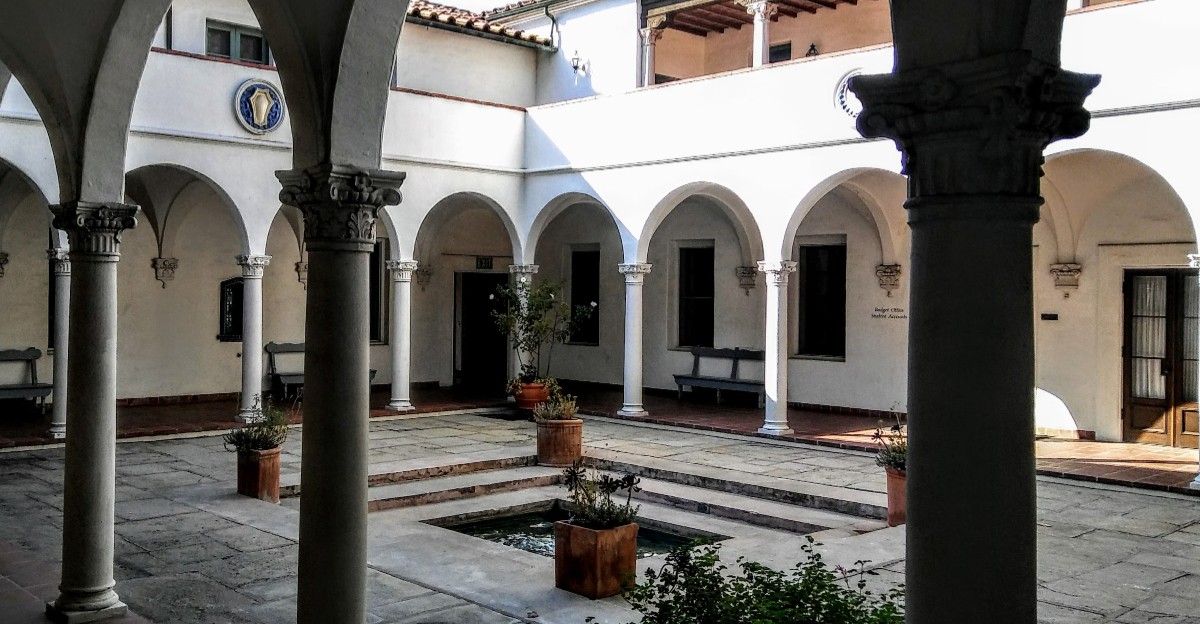
I’m a fan of places that don’t follow the usual formula. This one seems to break it on purpose, and it does so with creamy stucco walls and red tile roofs.
California has plenty of famous campuses. Why does this quieter one keep turning up on lists of the most beautiful in America?
A Newspaper Pioneer Called This Place Her Crown Jewel
Ellen Browning Scripps was a journalist, a philanthropist, and a strong supporter of women’s right to vote. In 1926, she founded Scripps College to give women a serious education.
She had funded plenty of projects in her life. Still, she considered this college her crown jewel, which says a lot.
Her influence went far beyond one campus. She helped create the group-college idea behind The Claremont Colleges, and Time magazine put her on its cover in 1926.
The plan was simple but clever. Scripps would be a women’s college sitting right beside Pomona College, which already taught men and women together.
Nearly a century later, that idea is still working. Scripps College remains a private liberal arts college for women, and it keeps earning national attention.
The College Raptor list named it a Division III Hidden Gem in 2026. The Wall Street Journal ranked it number one in the country for student experience for 2024 to 2025.
Then there’s the 2027 U.S. News list. It places Scripps at number 38 among National Liberal Arts Colleges and number 35 among Best Private Schools in the nation.
Red Tile Roofs And Stucco Walls Make Every Corner Photo-Ready
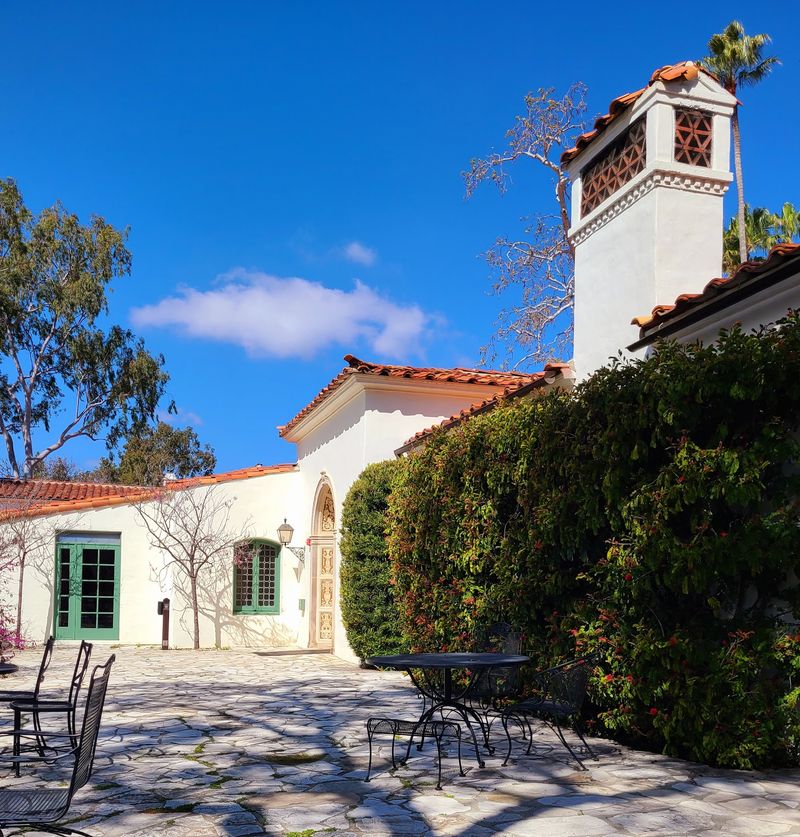
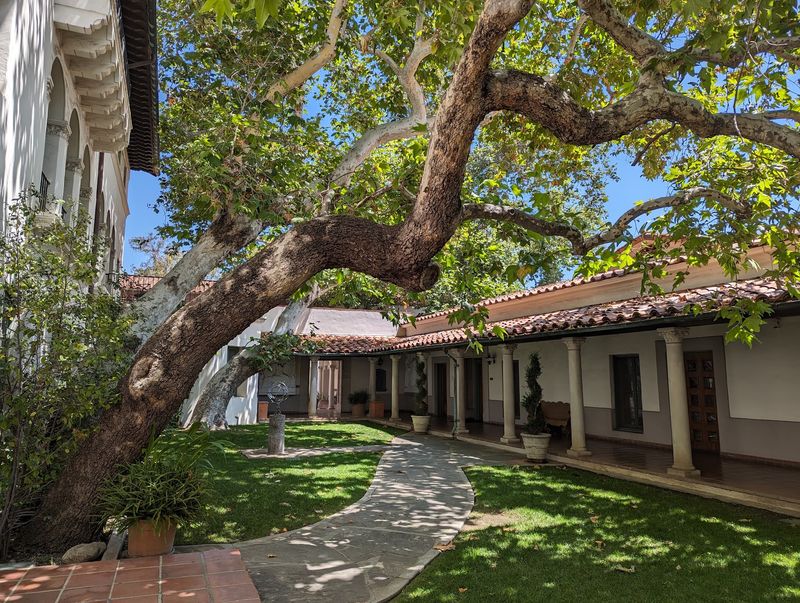
Spanish Colonial Revival is the name of the style here. Think creamy white stucco, red terracotta roofs, painted tiles, and graceful arches around nearly every turn.
Architect Gordon Kaufmann designed the buildings. Landscape architect Edward Huntsman-Trout shaped the grounds, and the two styles fit together beautifully.
The whole campus covers 32 acres. It earned a place on the National Register of Historic Places, which is a pretty big deal for a college.
One smart rule keeps things cozy. No building goes higher than three stories, so everything stays at a friendly, home-like scale.
Buildings also face inward toward lawns and gardens. That layout creates a calm, enclosed feeling that almost resembles a resort more than a school.
Orange blossoms, tiled fountains, and mountain views add to the charm. On a clear day, the foothills to the north make a stunning backdrop for photos.
Bring a phone with plenty of storage. You’ll probably want pictures of the arches, the tile work, and those red rooftops against the bright California sky.
A Quiet Cloister Garden Hides A 100-Foot Masterpiece
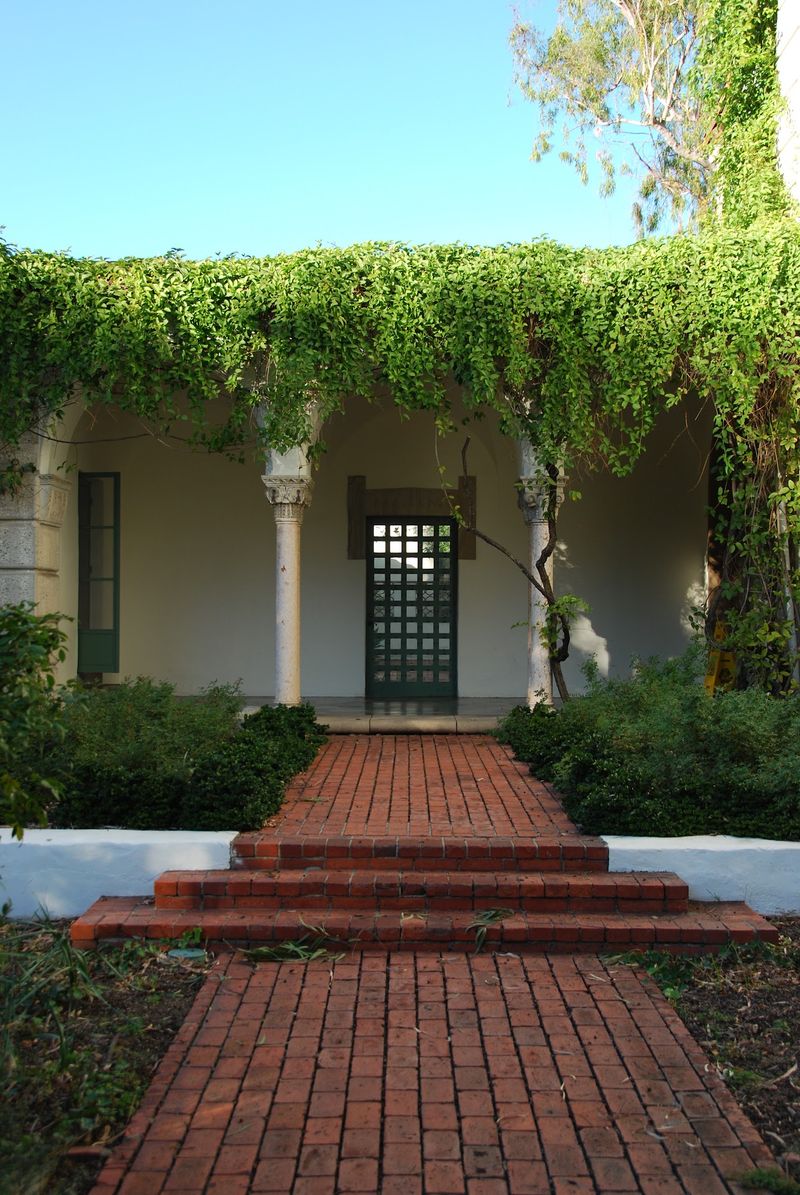
The Los Angeles Times once called it one of Southern California’s least-celebrated but best-loved hideaways. That’s high praise for a garden.
Meet the Margaret Fowler Garden, an enclosed space inspired by European medieval cloisters. Walls wrap around it, which gives the garden a peaceful, secret feeling.
The real showstopper lines its walls. “The Flower Vendors” is a mural stretching 100 feet, painted in 1946 by famed Mexican artist Alfredo Ramos Martinez.
That’s longer than most backyards. Walking its full length feels a bit like strolling through a colorful story told in paint.
Look for a stone statue too. “Eternal Primitive” was created by sculptor Albert Stewart, and it adds a quiet, timeless touch to the space.
This garden rewards slow visitors. Take a few minutes to sit, look closely at the mural’s details, and enjoy the calm.
It’s a great stop for art fans, gardeners, and anyone who needs a break. Just remember students live and study here, so keep voices soft.
Students Here Pick Olives And Turn Them Into Award-Winning Oil
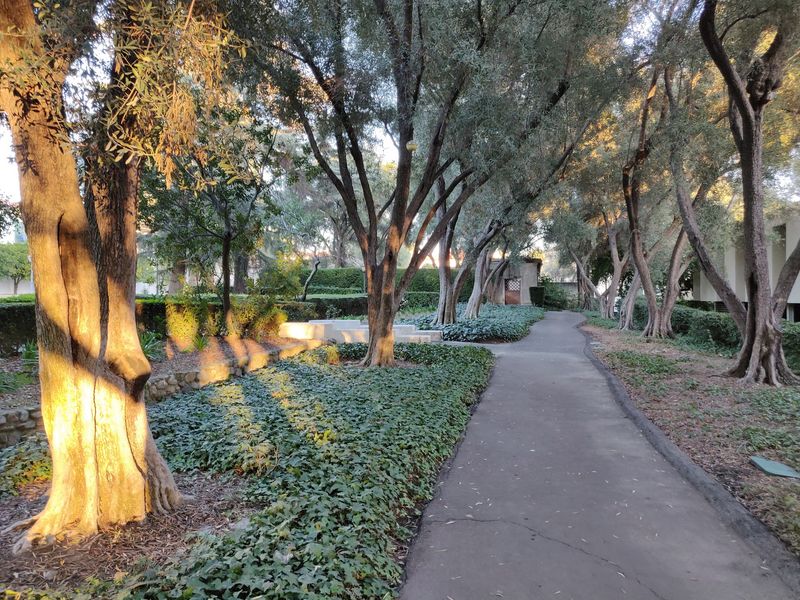
Most colleges have trees for shade. Scripps has trees that produce actual olive oil, and some of it has earned international recognition.
The annual Olive Harvest started in 2012. Students and community members gather olives from campus trees, then the fruit gets pressed into oil.
It’s a fun way to show how a campus can support sustainability. Nothing goes to waste when a tree becomes part of a yearly tradition.
The gardens get creative elsewhere too. Outside the Eckart Building, the McReynolds Family Coral Reef Garden uses coral-like succulents to copy the shapes of an ocean reef.
Yes, a coral reef in a dry inland garden. It’s playful, clever, and very well suited to the Southern California climate.
Don’t skip the Bowling Green either. This open quad was designed with gentle changes in elevation, which makes the lawn more interesting to look at.
Gardens like these show real thought. Every patch of green seems planned to surprise you a little, and that makes wandering here so enjoyable.
Over 15,000 Artworks Live Inside One Campus Gallery
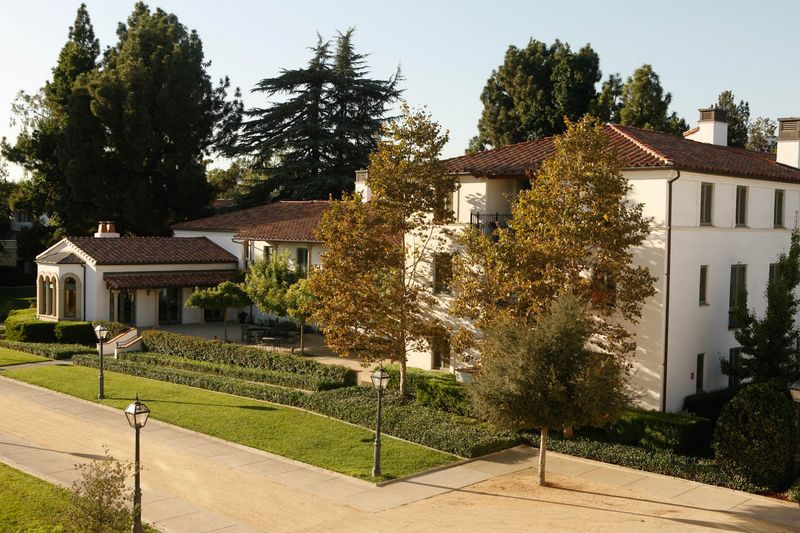
Fifteen thousand pieces of art is a staggering number. That’s the size of the permanent collection at the Ruth Chandler Williamson Gallery.
The range is impressive. You’ll find contemporary ceramics, American paintings from the 1800s and early 1900s, prints, photography, and Asian paintings and decorative arts.
Here’s a fact that surprises many people. The gallery holds the second-largest public collection of Chinese painting in Los Angeles, right after LACMA.
That puts a small college in very big company. It’s a real treat for anyone who loves art history.
Nearby, the Clark Humanities Museum hosts its own shows. Pixel Palettes: 40 Years of Digital Art at Scripps” opened on October 21, 2026, and is scheduled to run through December 4, 2026.
That exhibit explored how the college helped shape digital art. Who knew pixels and paintbrushes could share such a long history here?
Both spaces are great for curious visitors. Check the college calendar before you go, since exhibits change throughout the year and you won’t want to miss a good one.
Wednesday Teas Have Been Pouring Since 1931
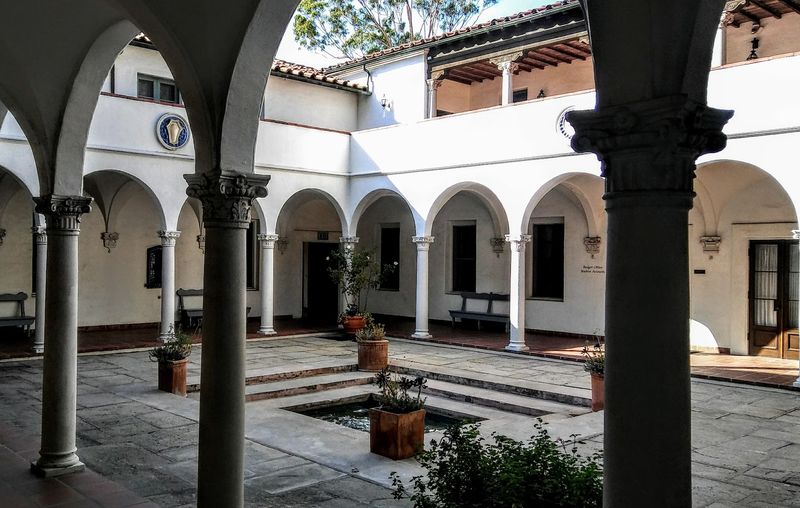
Some traditions fade after a few years. Wednesday Teas at Scripps College have kept going every week since 1931.
They happen in Seal Court. Students, faculty, and visitors from across The Claremont Colleges drop by to chat, snack, and take a breather.
Other traditions here feel just as special. During Matriculation, new students walk through the East Door of the Ella Strong Denison Library and sign their class register.
Seniors walk through that same door at Commencement. It’s a lovely way to mark the start and finish of college life.
The Ivy Chain adds another sweet moment. Juniors hold a garland of ivy as graduating seniors pass by, a symbol of friendship between classes.
Then there’s the Graffiti Wall between Toll and Browning halls. Each graduating class leaves a mural and signatures in this open-air passageway.
Walking past it feels like reading a giant scrapbook. Years of class pride cover the walls, and every mural tells a little story about the people who painted it.
Small Classes With Big University Perks Next Door
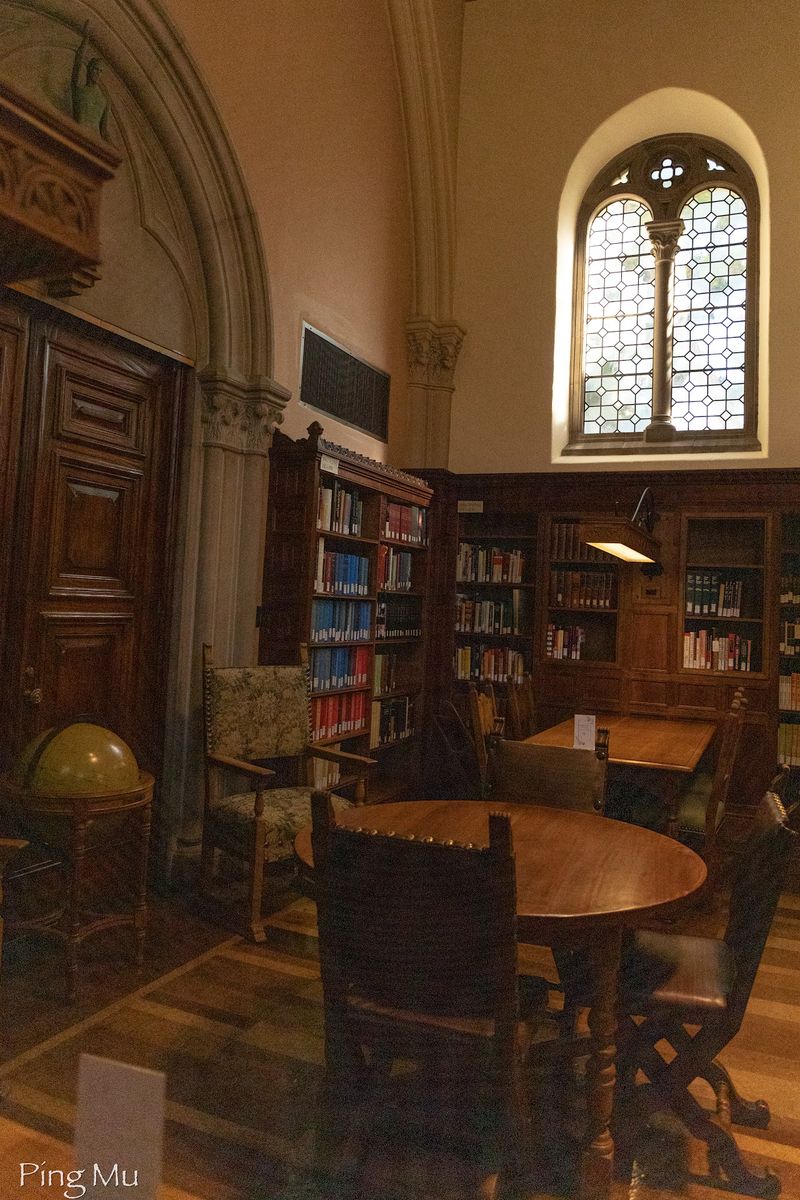
Sixteen students. That’s the average class size at Scripps, and the student-to-faculty ratio sits at a cozy 10 to 1.
Professors actually learn your name. That kind of attention can make a huge difference in how much a student grows.
But small doesn’t mean limited. Scripps belongs to The Claremont Colleges, a group that shares dining halls, libraries, and other resources.
Students can also take classes at Pomona, Claremont McKenna, Harvey Mudd, and Pitzer. It’s like getting a big university menu with a small-school feel.
The academic style leans interdisciplinary. Students connect ideas across subjects, which builds strong thinking skills for almost any career.
Results show it works. Scripps is a consistent top producer of Fulbright scholars, students who earn grants to study, teach, or research abroad.
For families touring California colleges, this setup is worth a close look. It offers the best of both worlds without forcing anyone to choose between close mentors and wide options.
Free Concerts, Talks, And Lunchtime Lectures Welcome Everyone
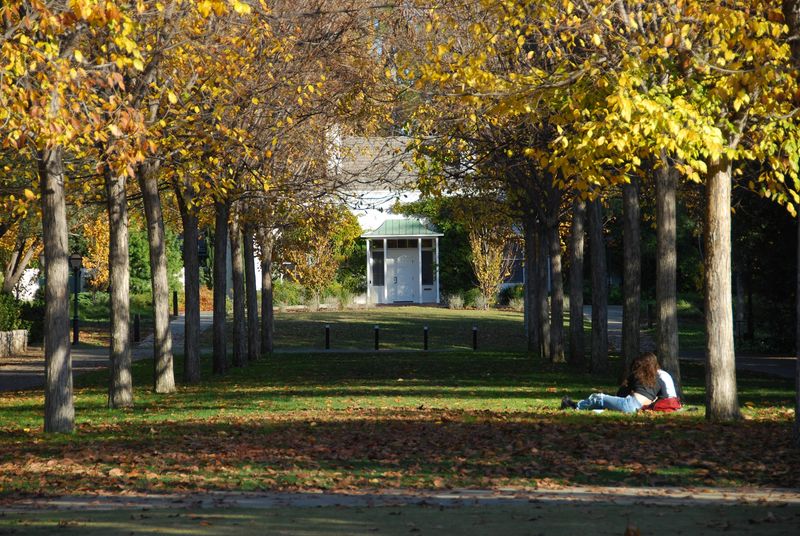
Good news for visitors on a budget. Scripps Presents offers a series of free public events, including conversations, performances, and exhibitions.
Many of these events celebrate the college’s centennial during 2026 and 2027. A hundred years deserves a proper party, after all.
Music lovers should mark their calendars for Levitt on the Lawn. This outdoor concert series mostly features female artists and women-led groups.
Spreading out on a lawn for live music sounds like a pretty great evening. Bring a blanket and arrive with time to enjoy the setting.
Prefer something brainy? The Tuesday Noon Academy offers weekly talks by faculty and scholars, and it’s open to the community.
Lunch is available at Malott Commons for those sessions. Learning something new over a midday meal is a smart way to spend a Tuesday.
The Humanities Institute also runs themed programs throughout the year. Check the college calendar often, because the lineup keeps changing and new events pop up regularly.
Plan Your Stroll With Free Parking And Mountain Views
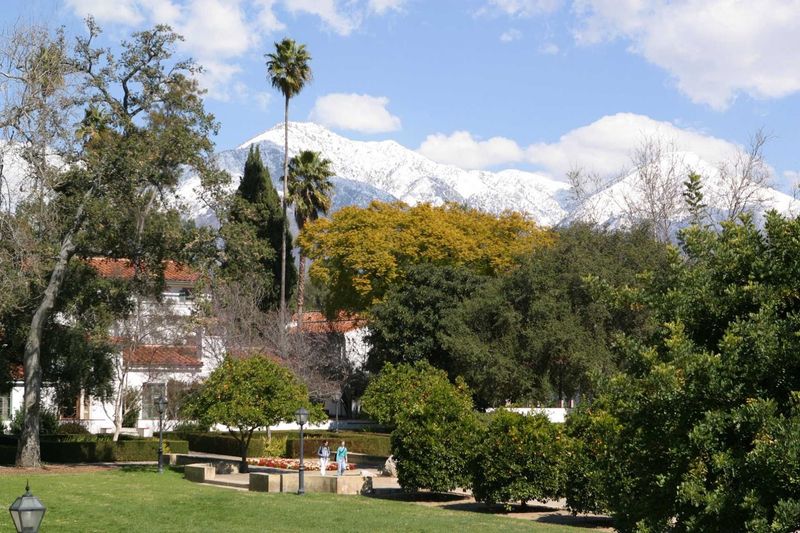
Getting here is easier than you might expect. Scripps College sits at 1030 Columbia Avenue, Claremont, CA 91711, right across from Harvey Mudd College.
Parking won’t cost a thing. Free spots are available on 10th and 11th Streets, plus the corner of Columbia Avenue and 10th Street.
Campus grounds are listed as open from 9 a.m. to 10 p.m. daily. Morning visits offer soft light, while late afternoon brings warm color to the stucco walls.
Keep in mind this is a working college. Students live and learn here, so walk respectfully and watch for private events.
A smart route starts at the Margaret Fowler Garden. From there, wander past the Bowling Green, the Graffiti Wall, and the art spaces.
Comfortable shoes are a must. You’ll want time to stop, look up at the arches, and enjoy the views of the foothills.
This corner of California makes an easy day trip. Pair it with a Wednesday Tea or a gallery show, and you’ve got a memorable outing.