Texas Residents Are Pushing Back Against Large Data Center Plans Near Their Communities
Twenty-one buildings and a 1.2 gigawatt gas power plant. That’s the answer.
Now for the question that makes it interesting: what could land on roughly 520 acres of farmland near a tiny Texas town of a few hundred people?
The plan is a giant data center campus, and the neighbors found out in a hurry.
A petition soon gathered over 3,000 signatures. A Facebook group opposing it grew past 8,000 members.
A second project east of Waco is drawing heat too. That one could pull up to 500 megawatts of power, matching about 100,000 homes on a hot summer day.
How did quiet farm country become a political hot spot?
A Farm Town Just Became The Center Of A Very Big Fight

Ross, Elm Mott, and Lacy Lakeview are not places that usually make statewide headlines.
That changed when developer Infrakey proposed a massive data center complex in McLennan County.
Its proposed site covers about 520 acres near Ross, west of Elm Mott and north of Lacy Lakeview. Early planning materials showed 21 data center buildings and a large gas-fired generating plant.
The developer now advertises a 925-megawatt campus, starting with a smaller first phase, rather than presenting that original power-plant concept as a finalized design.
The project remains in development. Lacy Lakeview has supported preliminary agreements, yet essential questions about annexation, utility service, and state permits remain.
Local opposition has been organized and sustained, with a petition drawing well over a thousand signatures and residents in the Ross area turning out at council meetings to object.
For nearby households, there’s still a substantial process between plans on paper and buildings across the fields.
The Map Lines Behind This Plan Are Surprisingly Tangled
Land boundaries sound boring until they decide who gets a say. Here, they are a huge piece of the story.
The property lies outside city limits but within Waco’s extraterritorial jurisdiction, commonly shortened to ETJ. In April 2026, Infrakey petitioned to remove approximately 522 acres from it.
Lacy Lakeview wants to annex the proposed campus, although the land doesn’t touch its present city limits.
State requirements would involve a connecting corridor at least 1,000 feet wide, crossing additional property whose owners would need to agree.
Waco also holds regional wastewater infrastructure and water-service responsibilities for the area. The cities would need agreements to support cooling.
County officials have less land-use authority in unincorporated areas than city governments. That makes municipal agreements, utility approvals, and environmental permitting especially important.
A boundary change wouldn’t settle who provides services, pays for infrastructure, and oversees the work.
Water Is The Question Nobody Can Shrug Off
Cooling thousands of computer servers can require substantial water. In a dry Texas summer, that question lands with a thud.
Early development agreements discussed treatment and reuse infrastructure capable of handling 15 to 16 million gallons a day. That figure was a proposed system capacity, not a confirmed estimate of daily water consumption.
More recent plans focus on recycling municipal wastewater, sometimes called sewer mining. The developer has estimated eventual reuse of about 2 million gallons daily, with roughly 300,000 gallons needed in the initial phase.
Lacy Lakeview produces only about 250,000 gallons of wastewater each day, meaning an expanded system would likely require Waco’s participation. New pipelines, pumps, and treatment facilities would be required.
The developer says it intends to avoid groundwater wells and use efficient cooling. Residents want to know whether those commitments, water availability, and future demand will be enforceable.
Recycled wastewater could ease pressure on drinking supplies, but engineering and agreements remain unsettled.
Riesel Has Its Own Data Center Drama Brewing
About ten miles east of Waco, the small Central Texas town of Riesel faces another proposal. Cipher Digital has acquired land near the Sandy Creek power plant for a possible large-scale computing campus.
The site under consideration covers roughly 300 acres north of town, and earlier plans carried the project name McLennan.
The developer has discussed a potential demand of up to 500 megawatts, but building size and layout have not been finalized.
That electricity figure is substantial. At peak demand, it has been compared with the power used by about 100,000 homes during a hot summer day.
The developer has sought a grid connection; details depend on future customers. It has also said Riesel’s municipal water system is not its planned source, without supplying a full alternative water plan.
Residents have organized online to follow developments, while county leaders have emphasized the limits of their regulatory authority.
For now, the unanswered questions concern water, electricity, and the scope of construction.
Starry Skies And Quiet Nights Are On The Line
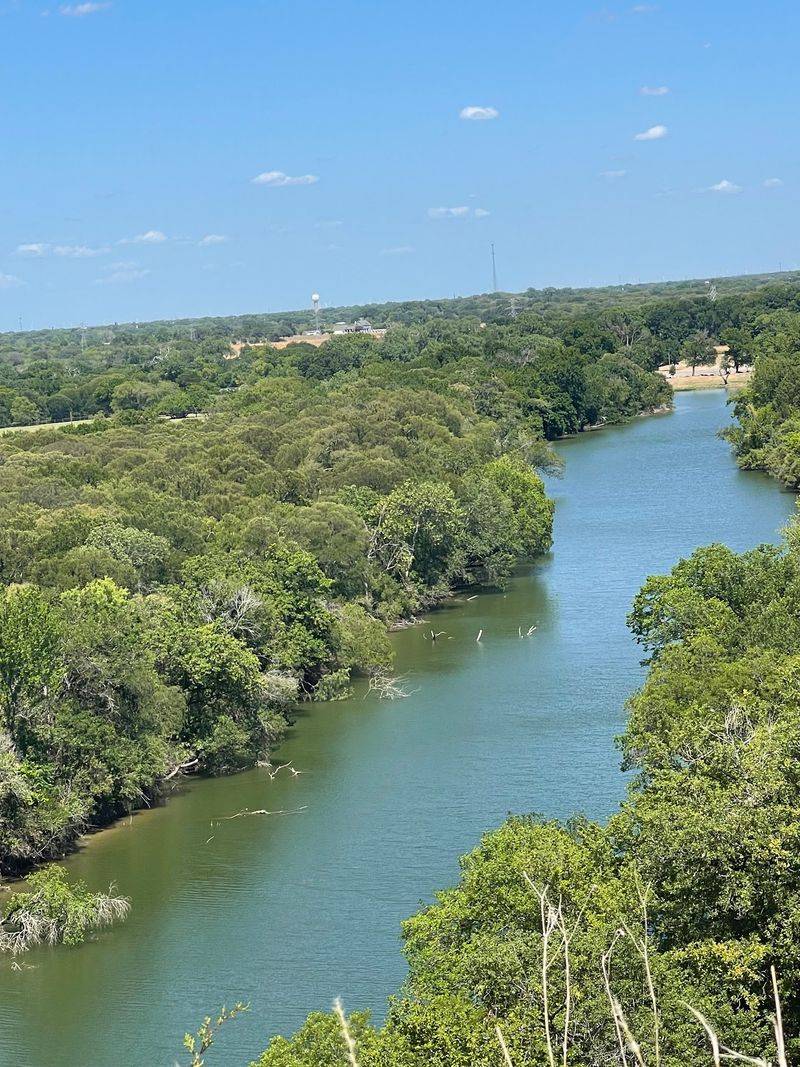
Country living comes with perks that are difficult to measure. Dark skies, quiet evenings, and long views across open fields are among them.
Neighbors worry that large buildings, security lights, industrial equipment, and construction traffic could change that setting.
Data centers operate continuously, and cooling systems can produce a persistent hum, although actual noise depends on equipment and how it is installed.
The sites raise questions about drainage, potential emissions, and conversion of agricultural land. Those effects require site-specific studies.
Developers see benefits, too. Construction could create jobs, and additional property-tax revenue might help local governments address aging roads and utilities.
Lacy Lakeview leaders have pointed to those possibilities when explaining their interest. The debate is whether those advantages justify the changes.
For residents near either site, specific questions about lighting, setbacks, sound limits, and truck routes are more useful than vague promises on either side.
Neighbors Organized Faster Than Anyone Expected
More than 8,000 members. That’s how large the STOP THE WACO DATA CENTER Facebook group became as opposition spread through the Ross area.
An online petition passed 3,000 signatures, while residents organized meetings and attended council sessions. Signs appeared near homes and along rural roads, turning a development proposal into a visible community issue.
Much of the concern centered on learning about negotiations after significant planning had already begun. Waco officials also questioned why the city wasn’t consulted earlier, given its role in regional water and wastewater systems.
Opponents have asked for clearer information about power generation, cooling water, and possible effects on neighboring properties. They also seek earlier public participation.
Those supporting development emphasize the potential tax base, private infrastructure spending, and opportunities for local employment. The developer has outlined possible construction and permanent jobs, although those remain forecasts.
City agendas, county meetings, and permit proceedings offer ways to track what happens next.
Voters Sent A Message At The Ballot Box
Petitions are one thing. Elections are another, and Lacy Lakeview voters made theirs count.
In May 2026, a council candidate who questioned the data center partnership won a seat, while an incumbent who openly supported the project was not returned. The result put a skeptical voice directly inside city government.
The project also surfaced in local and state legislative campaigns, reflecting the growing interest in rural development oversight.
City councils have a role in annexation and agreements for municipal services, while county commissioners have more limited zoning powers in unincorporated areas. State agencies handle environmental permits and major power connections.
Responsibility extends beyond a single vote. Electing a council member doesn’t automatically cancel a proposal, just as signing an initial agreement doesn’t guarantee construction.
Next steps include engineering, negotiations, and permit reviews open to public scrutiny.
Even The Governor Has Changed His Tune

For years, state leaders promoted Texas as an attractive place for major technology investment.
By June 2026, the outgoing governor was calling for much tighter conditions on data center growth.
His administration directed regulators to shield households from large users’ infrastructure costs. He also proposed water-efficient cooling, greater reporting of water and power demand, noise protections, and an end to certain data center tax incentives.
By September, approvals and environmental permits faced audits, though existing proposals weren’t automatically canceled.
Then the November 3 election brought another shift. Voters elected a new governor, who campaigned on stronger protections and a pause on new approvals while lawmakers consider additional rules.
The governor-elect is scheduled to take office in January 2027. The rules for both McLennan County proposals will depend on future state decisions and permit reviews.
Polls Show This Worry Crosses Party Lines

Fifty-six percent. That’s the share of surveyed registered voters who opposed a data center in their own community in a June 2026 University of Texas poll.
Forty-two percent were strongly opposed. In August, another survey found 57 percent opposed and 30 percent in favor.
A national Gallup survey published in May found about seven in ten Americans opposed building AI data centers in their area. Results varied by party, but resistance wasn’t confined to one political group.
Polls cannot decide what happens near Ross or Riesel. Some local leaders still see significant revenue and infrastructure opportunities; others want more safeguards before any large development proceeds.
The immediate questions are practical. How much electricity will each project require? Where will the cooling water come from?
Who pays for new roads and lines, and how will surrounding farms and homes be protected?
Those are the details that will shape the next chapter for McLennan County, long after the first headlines fade.