This Texas Museum Marks Veterans Day With A Commemoration At The Heart Of The Pacific War Story
A replica of a Japanese admiral’s study sits in a peaceful garden in the middle of Texas.
Now for the question that makes it interesting: why would the people of Japan send a gift like that to a small Hill Country town?
The explanation is worth hearing.
The garden honors a famous American admiral who grew up right there, and who greatly admired that Japanese leader. It stands as a symbol of friendship after a long, hard chapter of history.
That garden is only one corner of a six-acre campus.
Every November 11, the place also hosts a short Veterans Day ceremony that brings people together to say thank you. Curious yet?
A Hometown Admiral Started All Of This
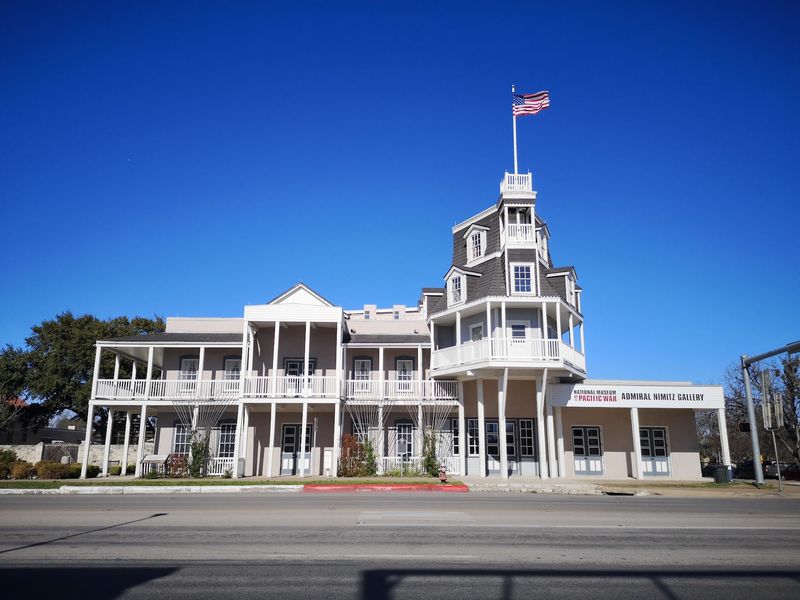
Fleet Admiral Chester W. Nimitz was born in Fredericksburg in 1885. He went on to direct American naval operations across the Pacific during the 1940s, making his hometown a fitting place to preserve the stories of those who served.
The museum grew out of a proposal to honor him inside his grandfather’s former hotel. Nimitz agreed on one condition: the institution should recognize everyone who contributed, rather than focus entirely on him.
That idea still shapes the galleries. Uniforms, letters, photographs, and recorded accounts illuminate the experiences of sailors, aviators, nurses, and families on the home front.
The landlocked setting makes the story even more compelling.
Start with his hometown connection, then follow the exhibits outward into the wider Pacific. The progression helps explain how one young Fredericksburg resident became part of an immense naval story.
The Veterans Day Ceremony Is Short, Simple, And Full Of Heart
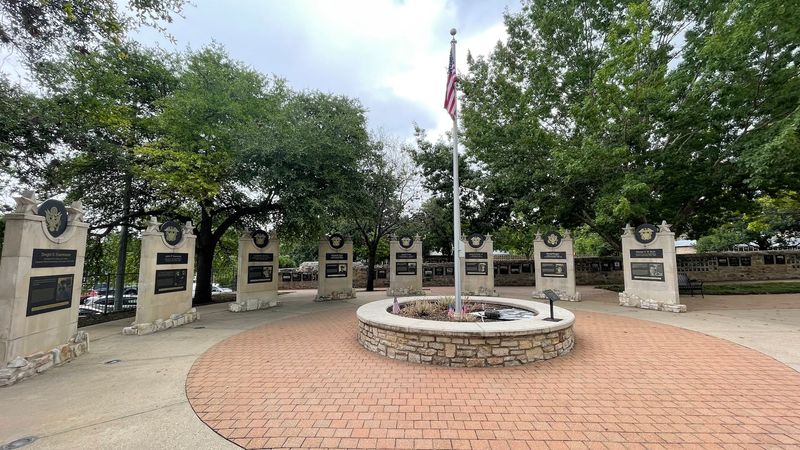
Eleven o’clock on the eleventh day of November is when the museum pauses to honor U.S. service members. The 2026 ceremony takes place Wednesday, November 11, from 11 to 11:30 a.m.
Rather than gathering in the main museum lobby, attendees meet at the Pacific Combat Zone Amphitheater, 508 East Austin Street in Fredericksburg.
Admission to the ceremony is free, with no general museum ticket required.
A retired Navy vice admiral will deliver the keynote address, and the Alamo Battalion of the U.S. Naval Sea Cadet Corps will provide the color guard.
The event stands apart from general museum admission, making it easy to attend just the remembrance program.
Arrive a little early to find the amphitheater and settle into a seat. November mornings can be cool in the Hill Country, so a light layer is sensible. Afterward, explore the nearby exhibits.
A Steamboat-Shaped Hotel Holds The Admiral’s Story
A hotel shaped like a steamboat might sound unusual in a town without a harbor. Yet the historic Nimitz Hotel has been a Fredericksburg landmark since the nineteenth century.
The future admiral’s grandfather acquired the property in 1855, and the family operated it as a lodging house for frontier travelers.
Its distinctive ship-inspired facade reflects the elder Nimitz’s seafaring past. Today the Admiral Nimitz Gallery occupies part of the old hotel at 340 East Main Street.
Renovated in 2020, the exhibition expanded the space devoted to his life and doubled the number of personal artifacts on display.
Interactive displays follow his childhood, naval training, leadership, and connections to the town. The old hotel makes that story personal.
Look at the ship-inspired facade before entering, a reminder of the family that shaped Texas history.
A Remarkable Submarine Waits Inside The Largest Gallery
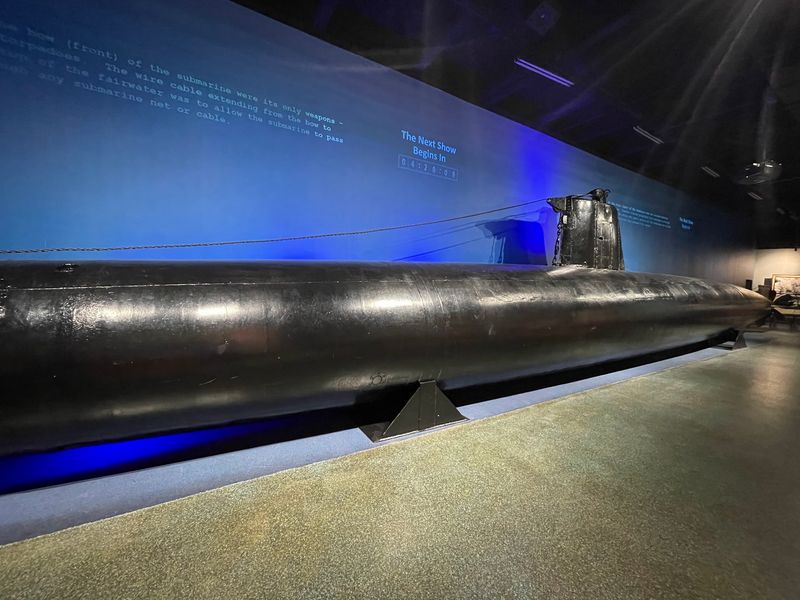
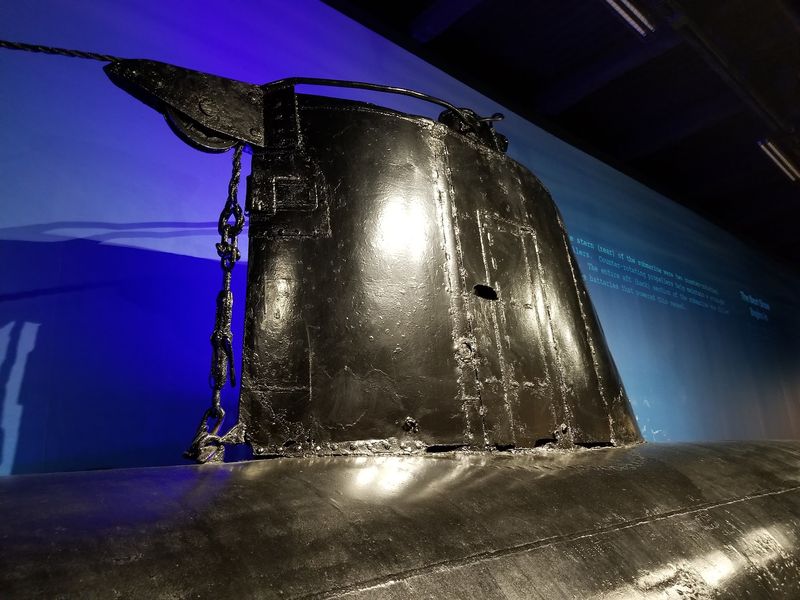
Few museums can say they hold an authentic Japanese miniature submarine associated with Pearl Harbor. The George H. W.
Bush Gallery can, and the vessel is one of its most striking artifacts.
The exhibition extends across roughly 38,000 square feet.
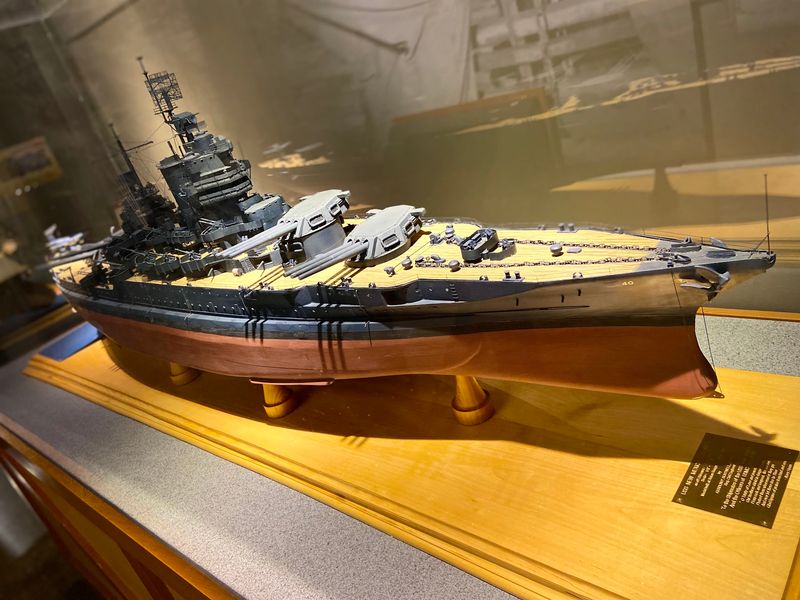
Visitors move through major Pacific events, examining uniforms, aircraft, naval equipment, photographs, and personal belongings that place a human story beside the large historical timeline.
A B-25 Mitchell aircraft is another substantial exhibit, while smaller objects deserve a closer look inside the display cases. The gallery connects this Texas town with places thousands of miles across the ocean.
Recent renovations introduced more than 300 additional artifacts and nine interactive characters based on real historical experiences.
Tactile exhibits make unfamiliar equipment easier to understand. Give this gallery time. Its quieter displays hold memorable details.
Head A Short Walk Over For Boats And Aviation History
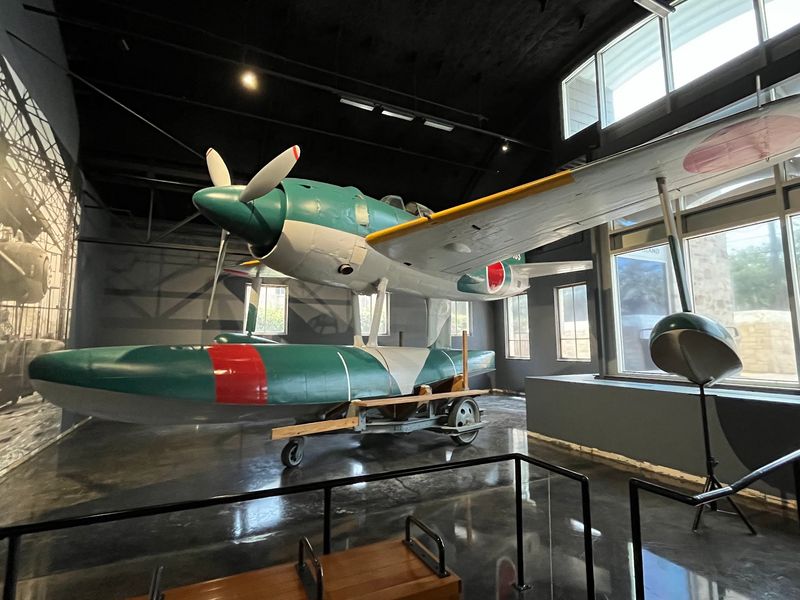
Want to swap indoor galleries for fresh air? The Pacific Combat Zone stands at 508 East Austin Street, about a quarter-mile from the main campus.
Its outdoor exhibits include a PT boat, a carrier aviation display, and a large map showing the vast distances across the Pacific.
Together, they make the geography easier to grasp. The amphitheater also hosts scheduled living-history programs.
On selected dates, historical interpreters demonstrate period equipment and explain the conditions experienced by service members.
Some presentations include loud sound effects, so check the event description when planning a family visit.
This section of the museum closes at 3 p.m., two hours earlier than the main galleries. Make it an early stop if you’re visiting after the Veterans Day ceremony.
Bring comfortable shoes; exploring several buildings takes time.
Find Calm In A Garden Gifted By Japan
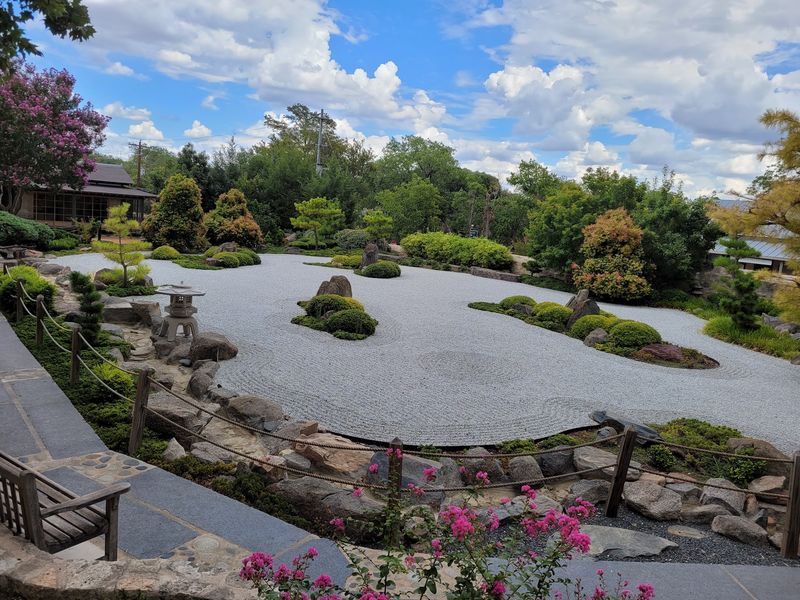
Quiet gravel, careful stonework, and a traditional study building make the Japanese Garden of Peace feel worlds away from the busy galleries.
The people of Japan presented the garden in 1976 as a gesture of friendship between the two nations.
Its design celebrates the mutual respect between Nimitz and Japanese Admiral Heihachiro Togo, whose leadership Nimitz admired.
A replica of Togo’s personal study forms the centerpiece. Craftspeople built it in Japan using traditional techniques, then dismantled it for shipment and reassembled it in Fredericksburg.
The surrounding landscape carries its own symbolism.
White gravel represents ocean waves, large stones suggest islands, and a stream winds through the garden. A bamboo-fed basin adds a quieter detail near the paths.
The garden welcomes visitors daily until 5 p.m., making this peaceful corner of Texas accessible without a gallery ticket. Pause here and enjoy the calm.
Every Brick In This Courtyard Carries A Tribute
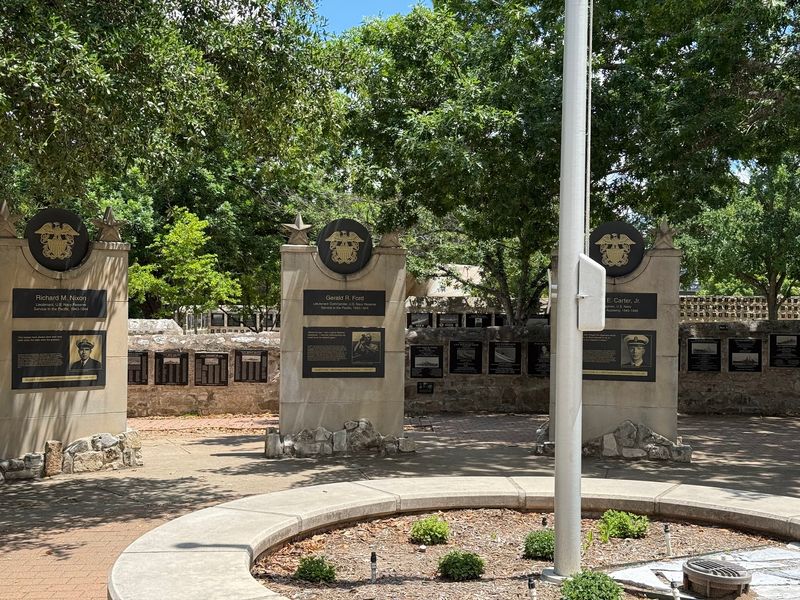
Old limestone walls from the nineteenth century surround the Memorial Courtyard, giving this quiet space a connection to Fredericksburg’s earliest buildings.
Plaques honor individuals, ships, and military units associated with service across the Pacific.
The Veterans’ Walk of Honor crosses the courtyard, its paving bricks carrying personal dedications.
You may find a family surname, a familiar ship, or a tribute connected to an earlier generation. Read a few markers slowly and consider the people behind them.
The courtyard fulfills Nimitz’s wish to honor many different contributions. Like the Japanese Garden of Peace, this outdoor space is free to enter and open daily until 5 p.m.
It’s a meaningful place to visit around Veterans Day, whether you’re traveling with family or taking a quiet moment on your own.
Follow A Child’s Extraordinary Submarine Journey
In 1944, a seven-year-old child joined a group of civilians aboard a submarine waiting off the Philippine island of Negros. That true journey inspired The Rescue, the museum’s immersive attraction.
Visitors pass through three carefully staged environments, beginning in a jungle setting and continuing aboard a recreation of the USS Crevalle.
Moving scenery and sound create the sensation of traveling with the passengers as they seek a safe route away from the island.
The submarine carried 41 evacuees, including families with children, along with documents of historic significance. The child’s perspective makes a large historical event personal.
Because the presentation includes intense sound and motion effects, it may be overwhelming for younger children or guests sensitive to sensory stimulation.
The Rescue requires a separate timed-entry ticket in addition to general admission. Choose a time before arranging your museum route.
Ten Presidents Share One Plaza
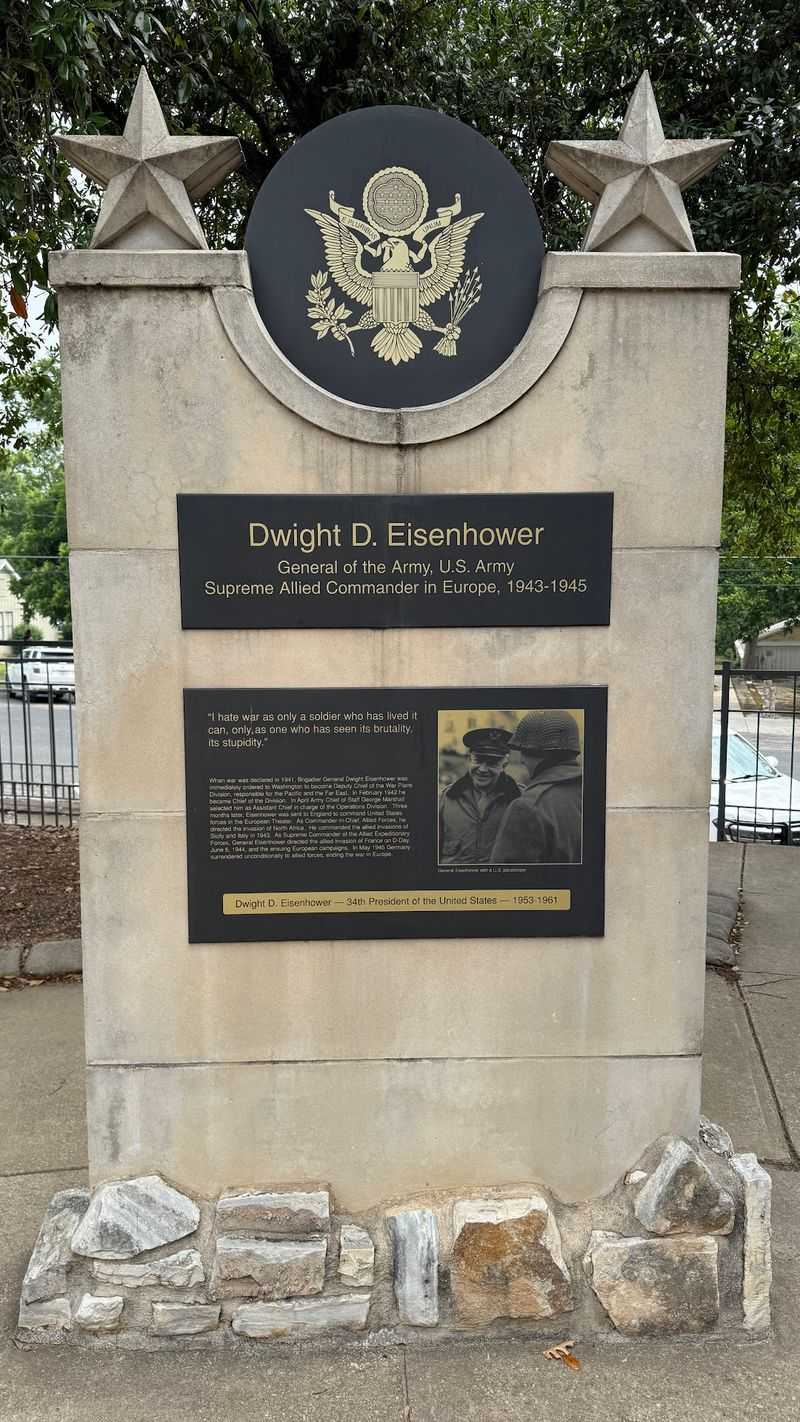
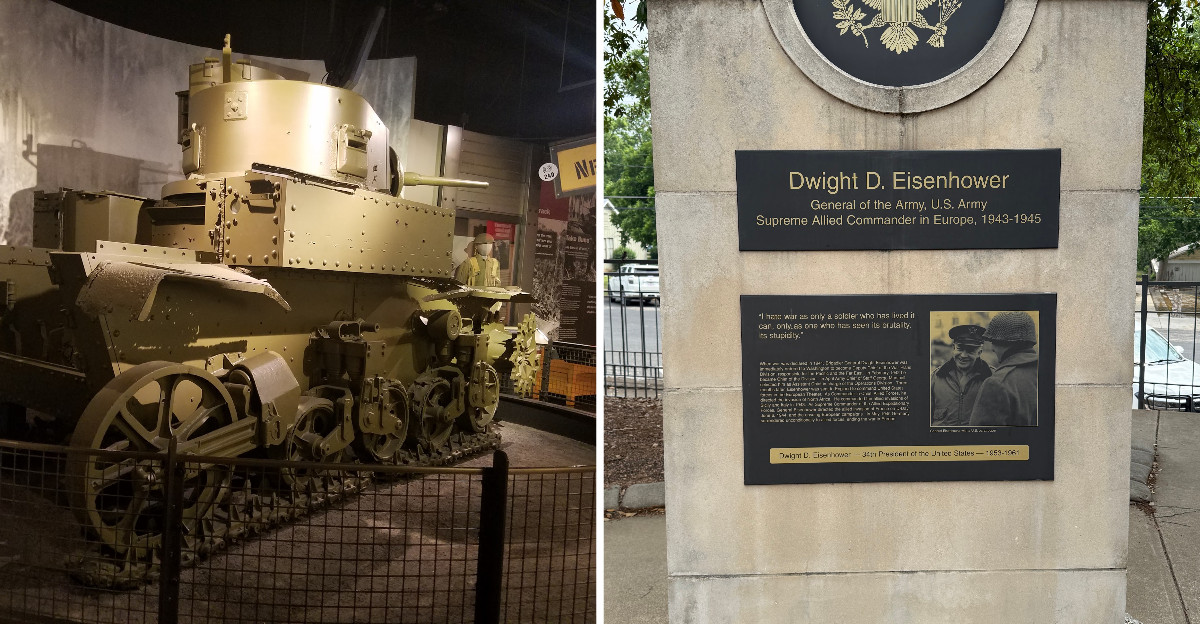
Quick trivia challenge: how many future or sitting American presidents are connected to service during the 1940s? The Plaza of the Presidents honors ten of them through individual monuments.
Two, Franklin D. Roosevelt and Harry S. Truman, served as commanders in chief during that period. Eight others, including future presidents from the following decades, served in uniform.
The plaza stands just outside the east entrance of the George H. W. Bush Gallery. It connects familiar presidential names with earlier chapters of their lives.
On selected Saturdays, the museum also holds Outpost programs, where educators share hands-on activities and stories about historical uniforms, recruitment, and everyday life.
Families can choose activities that match their interests. Even a short walk among the monuments can start a conversation.
Plan Smart To See More Than The Highlights
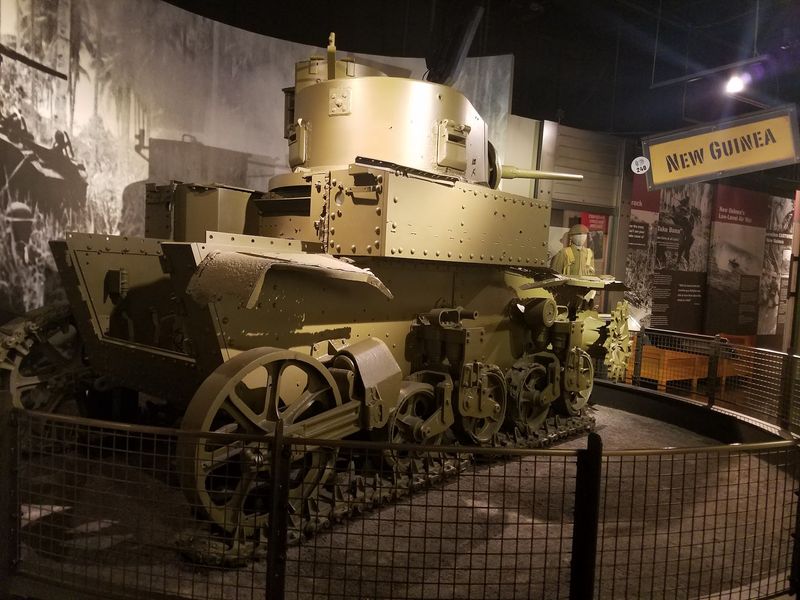
Behind the public galleries, the museum’s research center preserves thousands of documents, photographs, manuscripts, and recorded interviews.
They extend the stories told in the galleries and preserve the voices of people whose experiences might otherwise be overlooked.
Private Behind the Scenes Tours take small groups into collection and storage areas for a closer look at preservation work.
They’re offered by advance arrangement on Tuesdays and Thursdays, separate from ordinary gallery admission. The main museum entrance is at 311 East Austin Street, Fredericksburg.
Galleries generally open Wednesday through Monday from 9 a.m. to 5 p.m., closing Tuesdays, while the Pacific Combat Zone finishes at 3 p.m. The free courtyard and garden remain available daily until 5 p.m.
Allow at least half a day, especially if you plan to attend the Veterans Day ceremony or book The Rescue. This Texas museum rewards an unhurried visit. Give the details room to breathe.