This Texas Destination Lets You Meet Rescued Elephants From Surprisingly Close Range
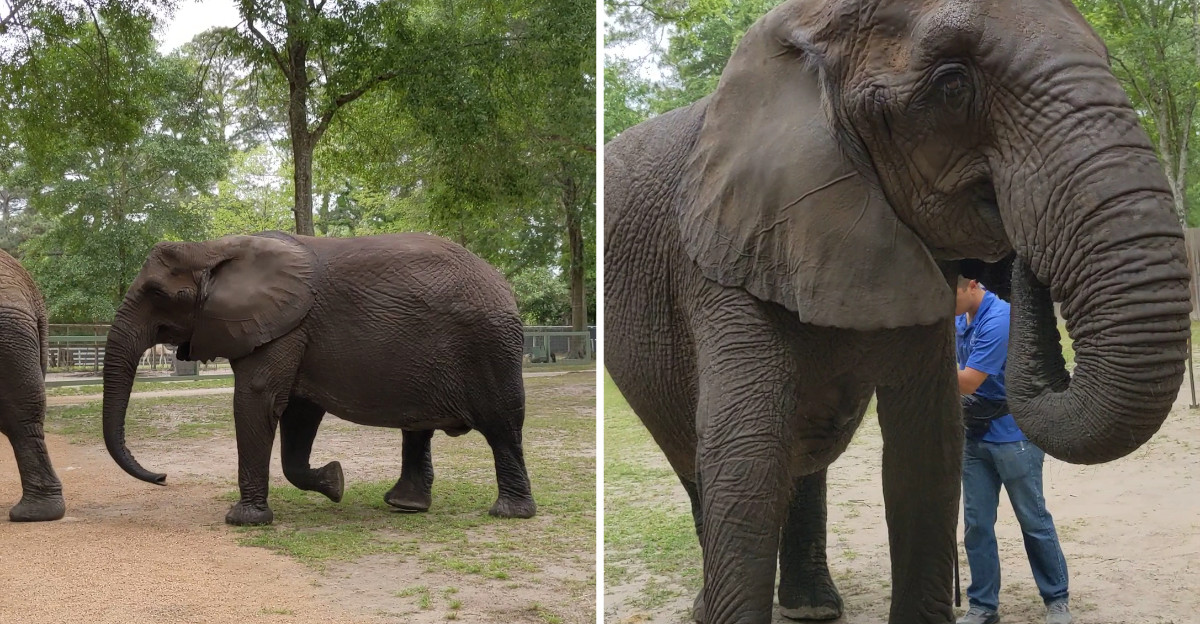
Stainless steel caps. That’s what two of the elephants wear on their tusks to keep them from cracking.
Now for the question it answers: what kind of elephant visit puts you close enough to notice their jewelry?
The answer sits in the piney woods of Texas, east of Conroe.
Three female African elephants live there, and visitors can pet them, feed them, and snap photos beside them. That’s not a view from behind a distant fence.
The backstory is worth hearing too. All three arrived in the U.S. as orphans after poachers targeted their families for ivory.
Today they help teach visitors why their wild cousins still need protecting.
You Can Actually Reach Out And Touch An African Elephant Here
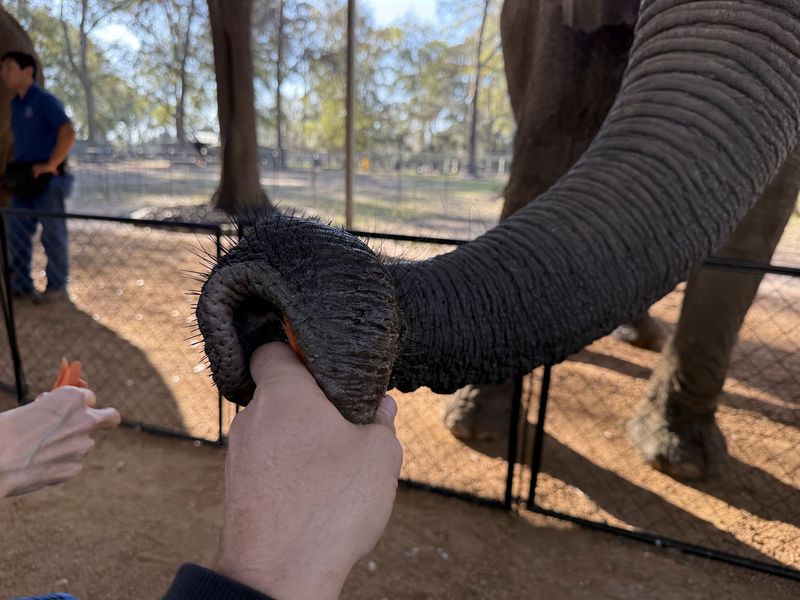
Most elephant fans spend their lives watching these giants from far away. At the East Texas Elephant Experience, a guided encounter can bring you within arm’s reach of an African elephant.
This is a small, family-operated animal facility near Cut and Shoot, rather than a conventional walk-through zoo.
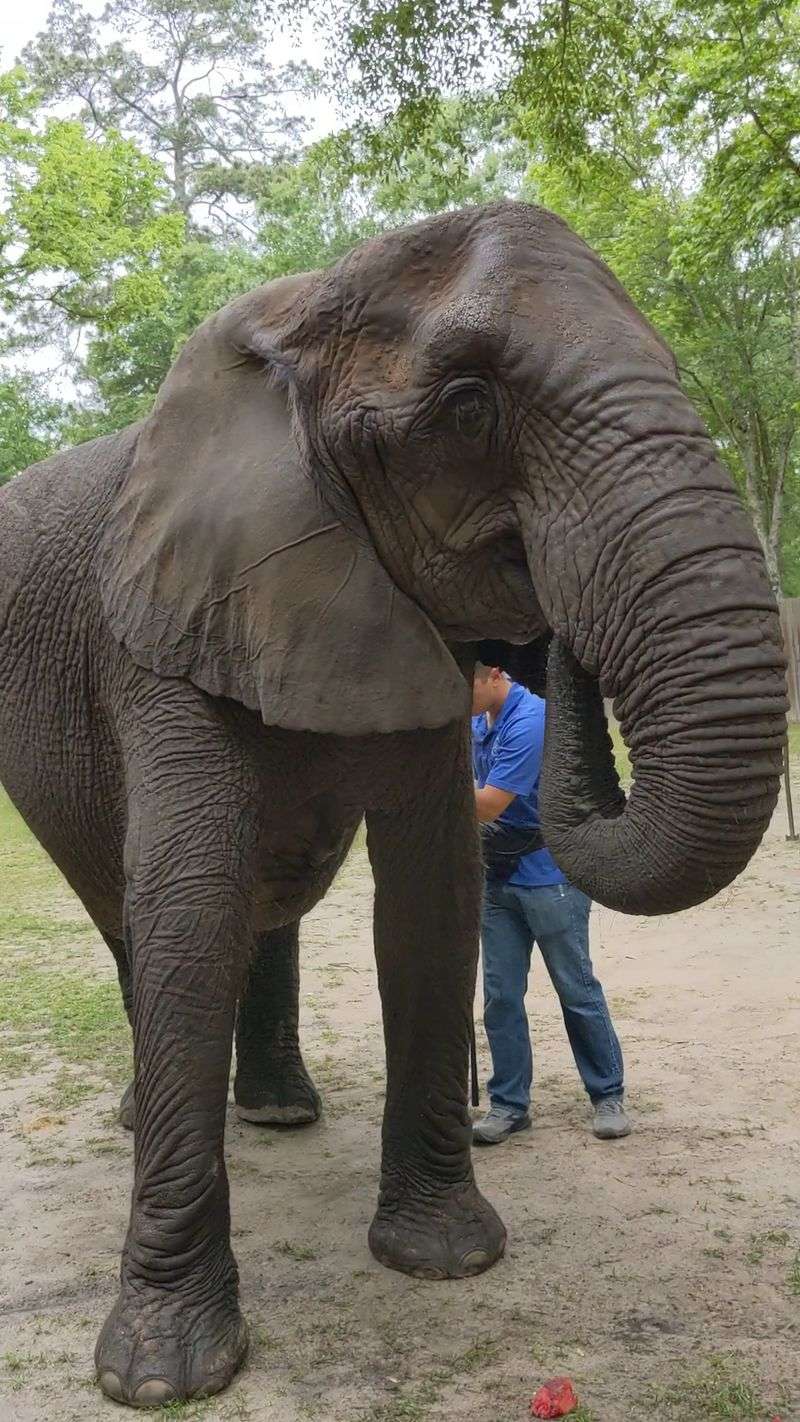
Tours are scheduled in advance and last up to an hour and a half. During a designated portion, guests may pet an elephant under staff supervision and pose for individual photographs.
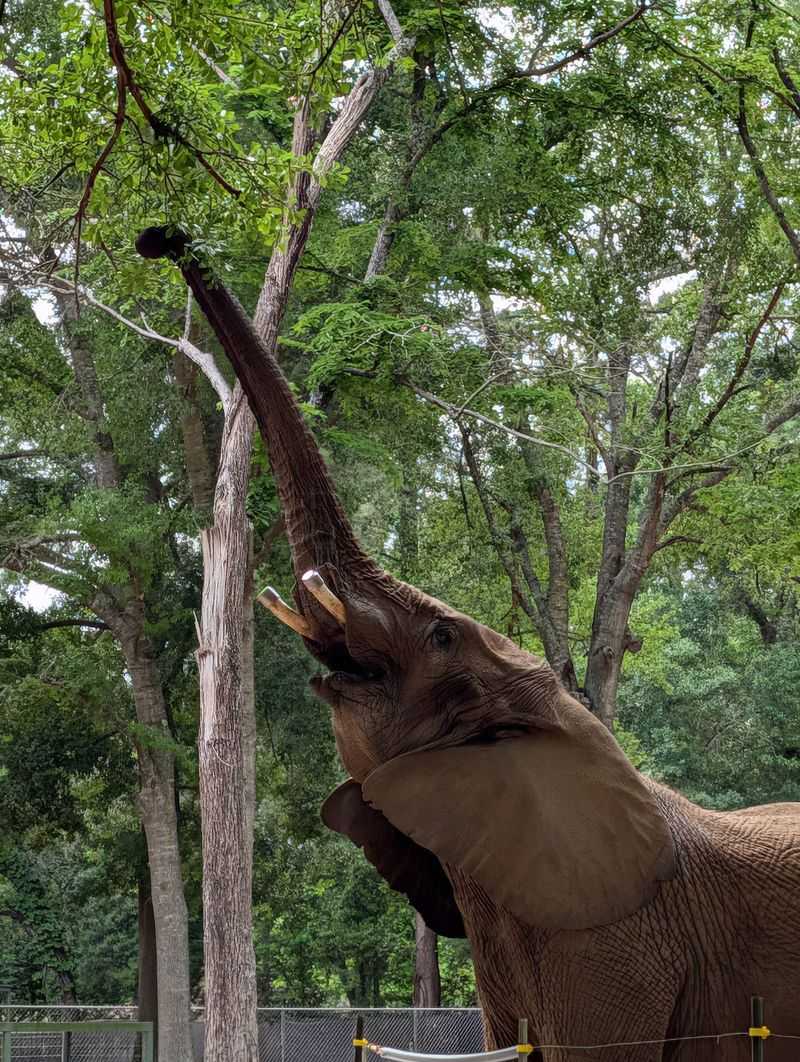
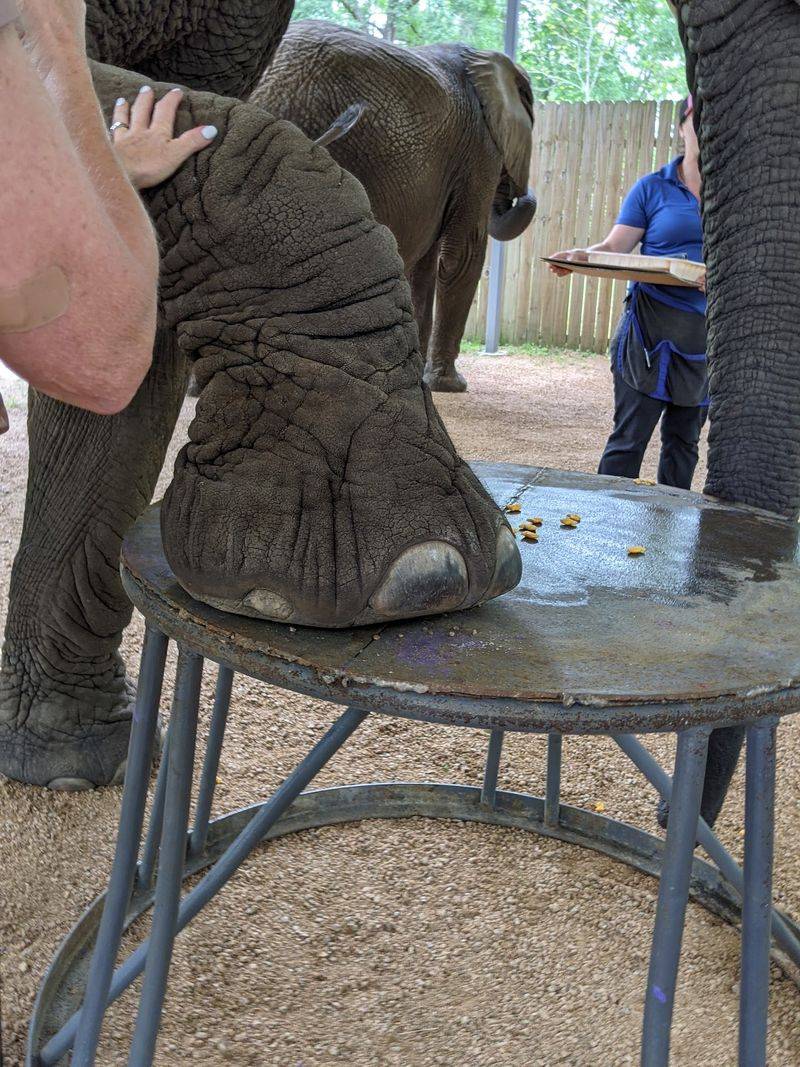
A broad trunk can investigate its surroundings with remarkable precision, while large ears and thick, textured skin reveal details easily missed from a distance.
There’s plenty to learn before the photo opportunity. The experience includes explanations of diet, exercise, and routines used in managing elephants in human care.
Bring curiosity and follow the instructions throughout the encounter. With animals this large, a guided approach matters more than getting the perfect picture.
Paige, Krissy, And Jeanie Each Bring A Different Story
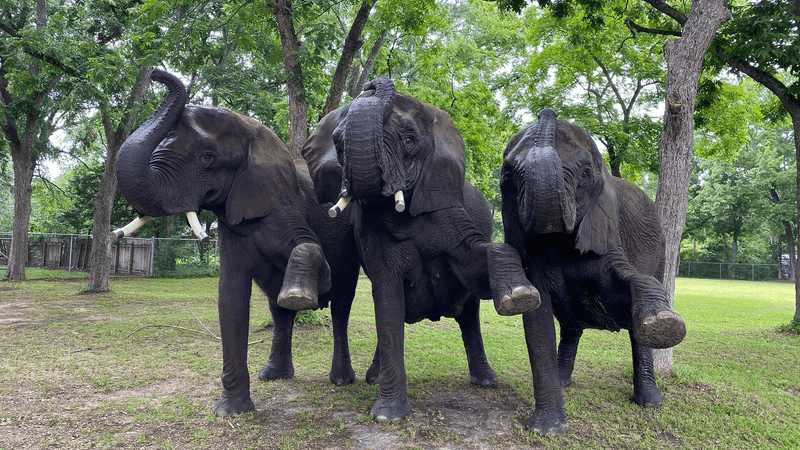
Three elephants, three very different stories. Getting to know each one is half the interest of the visit.
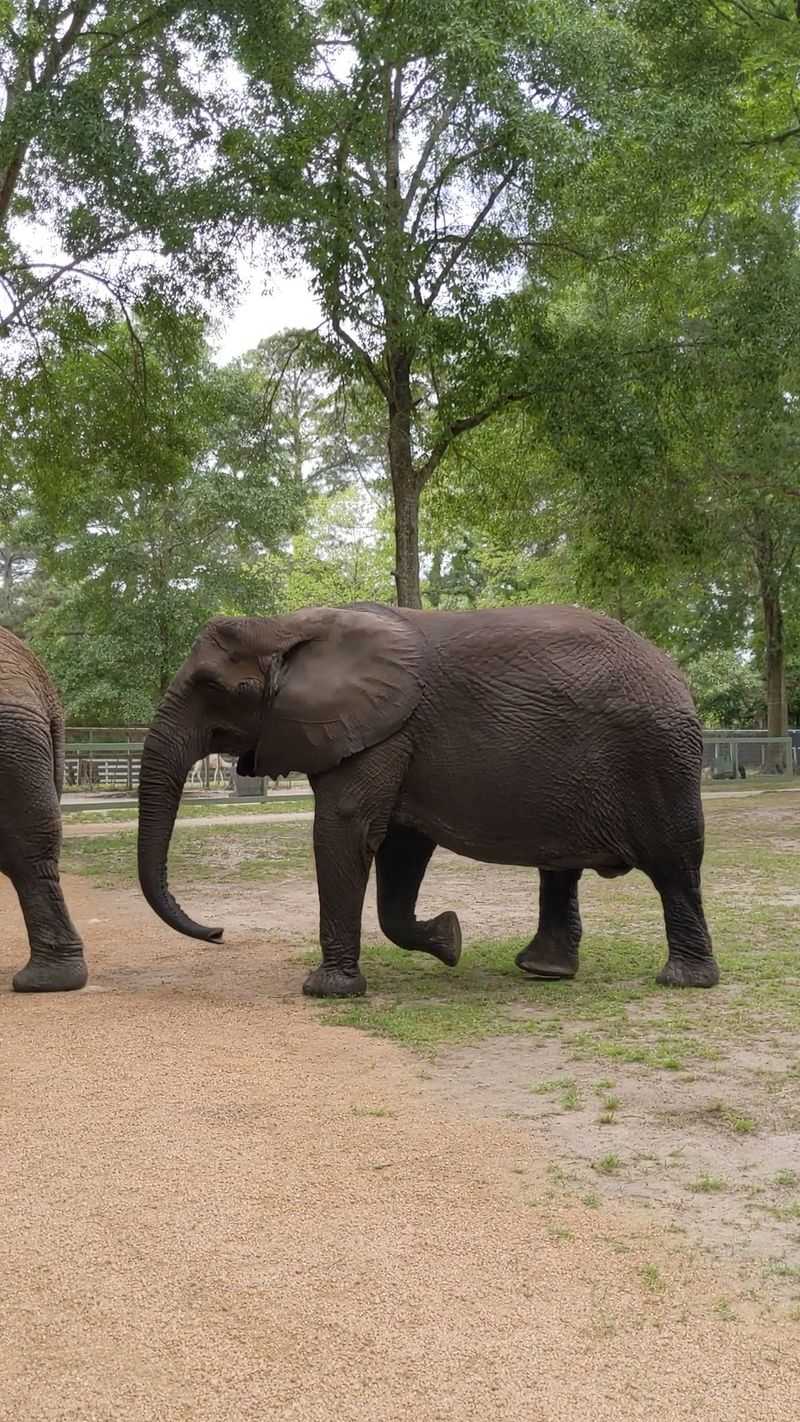
Paige is the tallest, standing roughly nine feet at the shoulder and weighing about 8,600 pounds. She joined the family in 1996.
Her stainless steel tusk caps protect the tips, which had developed cracks while she used them to strip bark and dig for roots.
Krissy is the smallest of the trio, although small is relative. At about seven feet ten inches tall and 7,800 pounds, she’s still an impressive sight.
Born without tusks, she joined the household in 1997, giving her a distinctive appearance beside the other two.
Jeanie arrived in 1999. At roughly 9,500 pounds, she’s the heaviest, and her tusks also have protective steel caps. Her caretakers associate her with an energetic temperament and a hearty appetite.
Their Early Years Are Part Of The Conservation Conversation
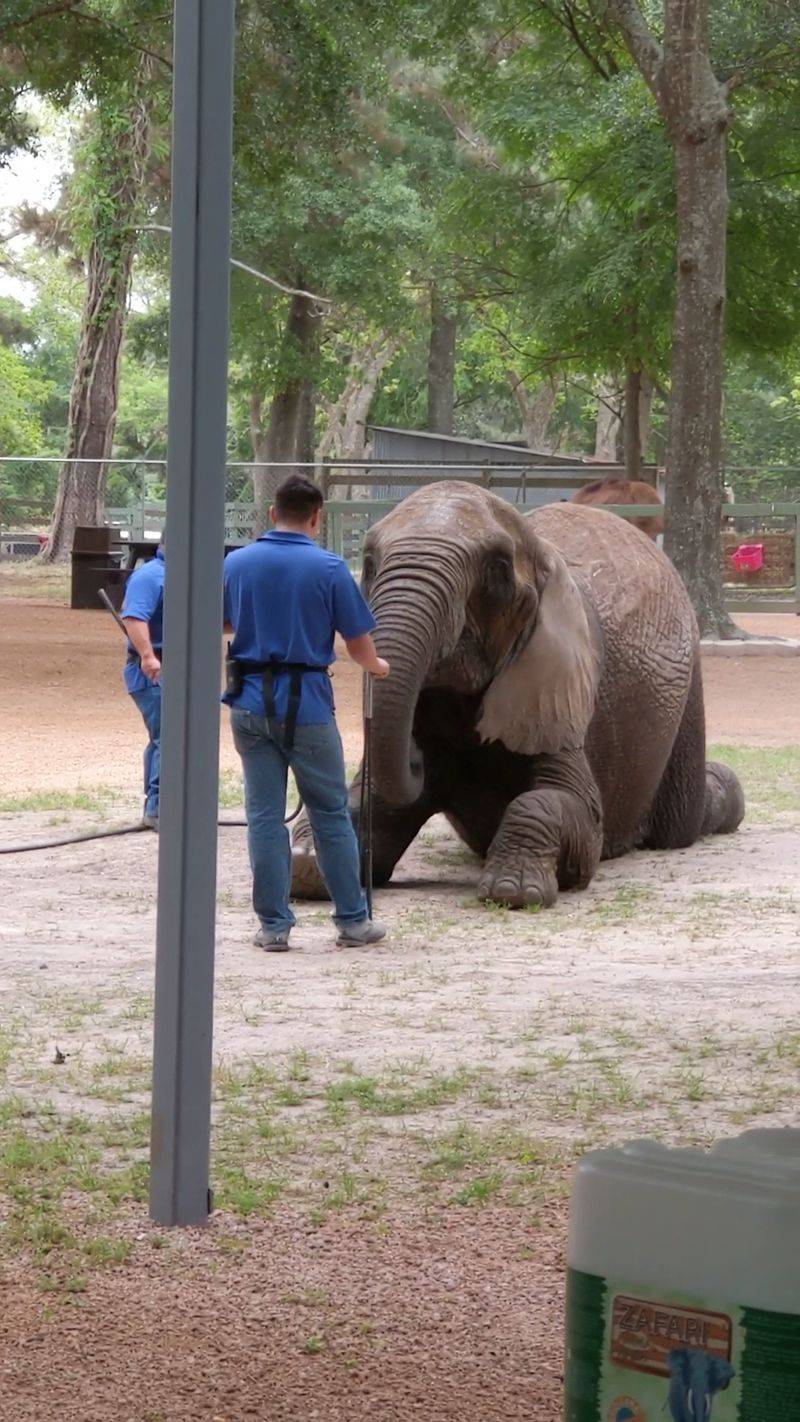
Behind the close-up photographs is a much longer story.
According to the family’s account, the three elephants arrived in the United States as orphaned young animals during the 1980s, before joining their present caretakers in different years during the following decade.
That personal history forms part of the educational presentation, alongside information about the species’ natural range and social behavior.
African elephants spend much of their lives moving through varied habitats, foraging, communicating, and maintaining social bonds.
The guides also discuss the importance of habitat and food sources for wild elephants. Their different living conditions offer a useful starting point for questions about species conservation.
The visit raises useful questions about how elephants are cared for in managed settings. Daily enrichment, nutrition, exercise, and veterinary attention all matter when caring for such large, long-lived animals.
The facility is a privately operated animal experience, rather than a public wildlife sanctuary. Its focus during tours is direct contact and education in Texas, rather than observing a free-ranging herd.
Bath Time Gets A Lot Bigger When The Bather Weighs Four Tons
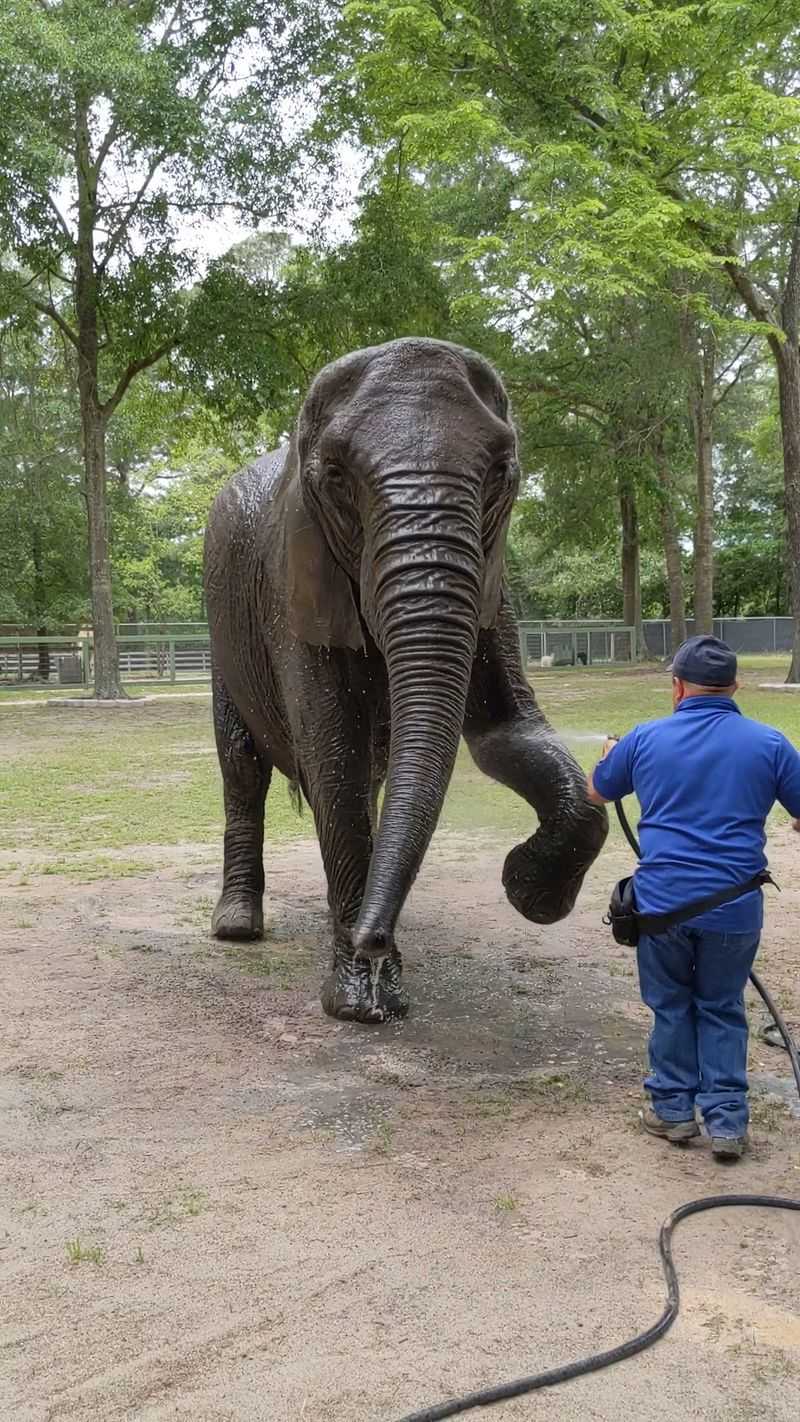
Helping an elephant take a bath is not your average weekend chore. Care routines for an animal this size require careful attention to skin, feet, and everything in between.
During the educational program, staff explain why an elephant’s skin benefits from washing and why foot care is such a central part of everyday husbandry.
Those broad soles carry thousands of pounds, while the trunk can reach places that would be tricky for almost any other animal.
Some hands-on visits have included supervised washing, although bathing is not promised as part of every standard tour. If that activity interests you, check what’s included before choosing a date.
Food preparation, appropriate movement, and the condition of tusks are all part of an elephant’s care schedule.
Paige and Jeanie’s metal caps provide an especially visible example of routine maintenance. Wear comfortable clothes and closed-toe shoes suited to a working animal property.
A Zebra Named Mr. Z Is Waiting In The Pasture Too
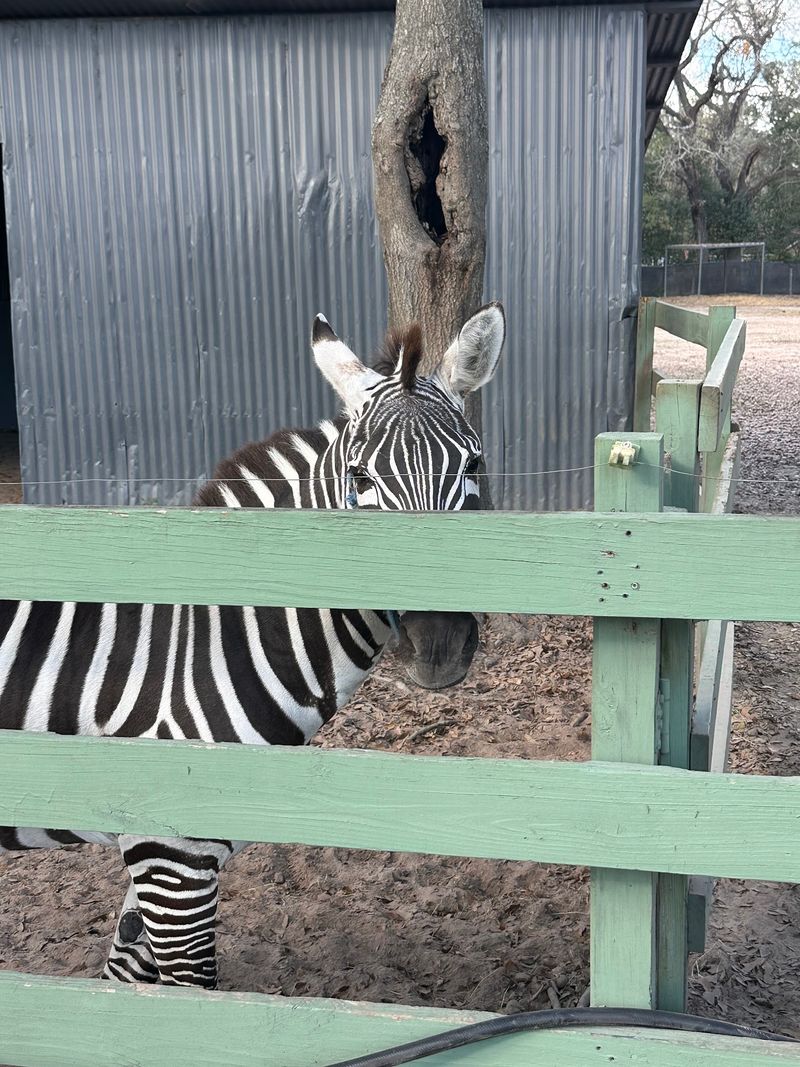
Elephants get top billing, but the supporting cast deserves some attention. Two dromedary camels, a Grant’s zebra, and a herd of pygmy goats live at the property as well.
The camels, Earl Jack and Abu, each have a single hump. Earl Jack is the larger animal, standing close to seven feet at the shoulder, while Abu stands a little over six feet.
Then there’s Mr. Z, the zebra whose striped coat brings an entirely different pattern to the pasture.
The pygmy goats complete the group, giving younger visitors the chance to learn about animals on a much smaller scale.
The tour program includes opportunities to meet and feed the camels, zebra, and goats under supervision. Seeing such different animals sharing a rural property is an unexpected part of this Texas outing.
Leave the snacks to the staff, who know exactly which treats are appropriate for each species.
Fifty Years With Elephants Is A Family Tradition Worth Knowing
Some families pass down recipes. This one passes down elephant know-how.
The family behind the attraction traces its work with elephants in human care back roughly five decades.
Since 1980, members have participated in educational animal programs and traveled to festivals around the country, with elephants and camels forming part of those earlier activities.
The Cut and Shoot property provides a base for scheduled educational visits with the three African elephants.
An important part of the tour is understanding the work involved in caring for an animal that weighs several tons. Feeding, physical activity, skin care, and daily checks require planning and consistent routines.
The experience is different from a conventional conservation center or an accredited sanctuary; its history also includes animal appearances and rides at public events.
Visitors interested in the program can use the guided presentation to ask specific questions about the animals and their care.
Small Tour Groups Mean More Time With The Animals
Forty people. That’s the maximum group size for a standard tour, and the count includes children.
The program lasts up to ninety minutes, covering the elephants’ backgrounds, husbandry, and designated opportunities for close-up photographs.
Individual photos with the elephants are built into a specific part of the experience. Follow staff directions about when to approach and where to stand rather than moving toward an animal on your own.
Tour dates vary, although noon and 2 p.m. are typical start times listed by the attraction.
These aren’t necessarily daily departures, and the published weekday business hours shouldn’t be mistaken for a walk-in visiting schedule.
Booking in advance is the sensible approach. Children younger than three may attend with an adult, and weather conditions can lead to rescheduling.
Tour availability is posted by date, so choose the actual session first instead of treating the attraction like a drop-in zoo.
Pack Smart Because A Few Simple Rules Apply
Good news for thirsty visitors: resealable drinks are allowed. Leave glass containers at home, and bring drinking water if the afternoon promises to be warm.
Outside food isn’t permitted on tours. That includes treats intended for the elephants or their pasture companions.
Food offered during supervised animal encounters is handled according to the staff’s instructions.
Pets aren’t allowed on the property, so arrange care for your dog before making the trip.
Cameras and phones, on the other hand, are welcome, and there is a designated opportunity to take individual photos with the elephants.
Choose clothing suitable for an outdoor working animal facility. Comfortable closed-toe shoes will make moving around easier, while sun protection helps during brighter months.
The address is 14041 TX-105, Cut and Shoot, east of Conroe in the greater Houston area.
Take Home A Painting Made By An Elephant’s Trunk
Few souvenirs come with an artist who weighs several tons. The small merchandise selection includes paintings featuring elephant trunk prints and footprints, offered as keepsakes connected with the resident animals.
The art is merchandise rather than a promise that an elephant will create a painting during your visit. Each print nevertheless has its own pattern and a physical connection to the experience.
The shop also offers stickers, keychains, tote bags, tumblers, caps, and T-shirts.
Gift cards make it possible to share a scheduled animal encounter with someone who has always wanted to learn more about elephants.
The main attraction is spending time learning about Paige, Krissy, and Jeanie, with the camels, zebra, and goats providing a cheerful change of scale.
From the piney woods of Texas to an afternoon with animals normally associated with much more distant landscapes, it’s an unusual outing.
Book a guided slot, ask questions, and let the size and detail of these remarkable animals leave their own impression.