Inside This Pennsylvania Ukrainian Church, Golden Onion Domes Rise Over A Former Coal Town
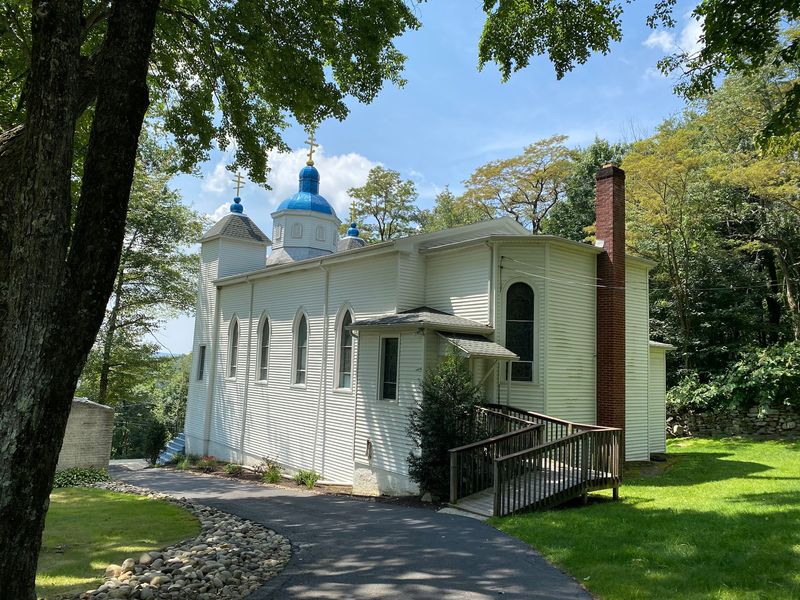
An underground coal fire emptied almost an entire town, yet one bright white church still stands on the hill above it. Its onion domes and crosses rise over streets that nature has quietly reclaimed.
The homes are mostly gone. The shops are gone.
The famous painted highway nearby now sits buried under dirt. Through all of it, a small Ukrainian Catholic parish kept caring for its building and its cemetery.
I like how stubborn that feels. Pennsylvania has plenty of old churches, but few look out over a town that practically vanished around them.
I can’t imagine many congregations holding on this long through so much change.
So what keeps a church this polished when the neighborhood has turned back into woods? And why do people keep driving out just to see it from the road?
A Hilltop Church Above A Town That Almost Disappeared
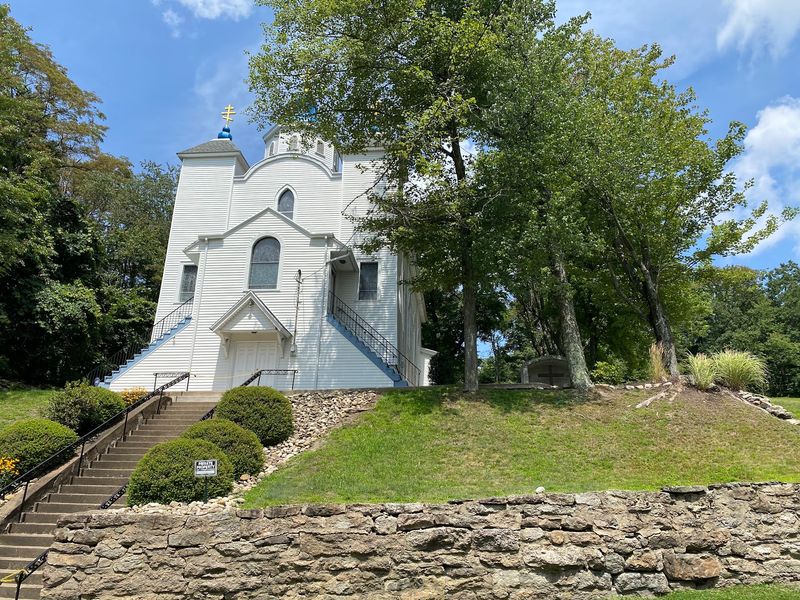
Few churches have a backstory quite like this one. Assumption of the Blessed Virgin Mary Ukrainian Catholic Church sits on a hill above Centralia, one of the most famous vanishing towns in America.
Centralia sits in Pennsylvania coal country, where anthracite mining once shaped nearly every family and every street. An underground mine fire that started in the 1960s changed that story for good.
Over the following decades, most residents left and most buildings came down. Today the town holds a fire station, a few houses, and side streets slowly disappearing under trees and brush.
The church, however, still stands. It is one of the very few structures left in town, and it looks remarkably well cared for.
That contrast is the whole draw. You get a gleaming white house of worship looking down over empty blocks where a busy community once lived.
It also remains an active parish of the Ukrainian Catholic Church, not a museum or a ruin. Keep that in mind, because it shapes how you should visit.
Think of it as a living church that happens to overlook one of the strangest landscapes in the state. Respect goes a long way here.
How Coal Country Built A Ukrainian Parish
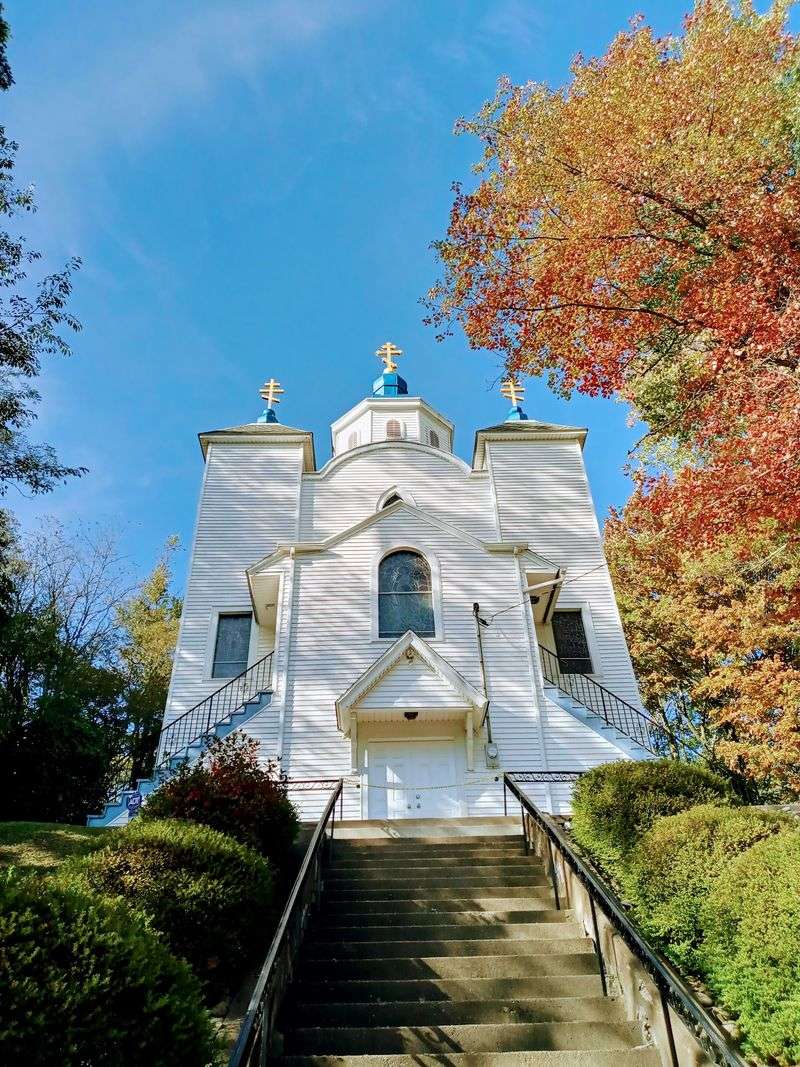
Anthracite coal drew thousands of Eastern European immigrants to this corner of Pennsylvania starting in the 1800s. Ukrainians were among them, and they brought their faith along with their work boots.
Those families built churches wherever mining towns grew. Byzantine-rite parishes with onion domes became a familiar sight across the coal region.
Nearby Shenandoah holds a big piece of that story. St. Michael the Archangel there became the first Ukrainian Greek-Catholic parish in the United States, founded in 1884.
From that start, Ukrainian parishes spread through the surrounding mining towns. Centralia’s Assumption parish belongs to that same tradition of immigrant families planting roots near the mines.
The church today falls under the Ukrainian Catholic Archeparchy of Philadelphia. Worship follows the Byzantine-Ukrainian tradition rather than the Latin rite many Catholics know.
That heritage explains the domes, the crosses, and the distinctive look of the building. It is a piece of Eastern Europe carried across an ocean and set down on a Pennsylvania hillside.
So when you look up at it, you are seeing more than pretty architecture. You are seeing the faith of coal miners who once filled these streets.
The Fire Beneath Centralia Changed Everything
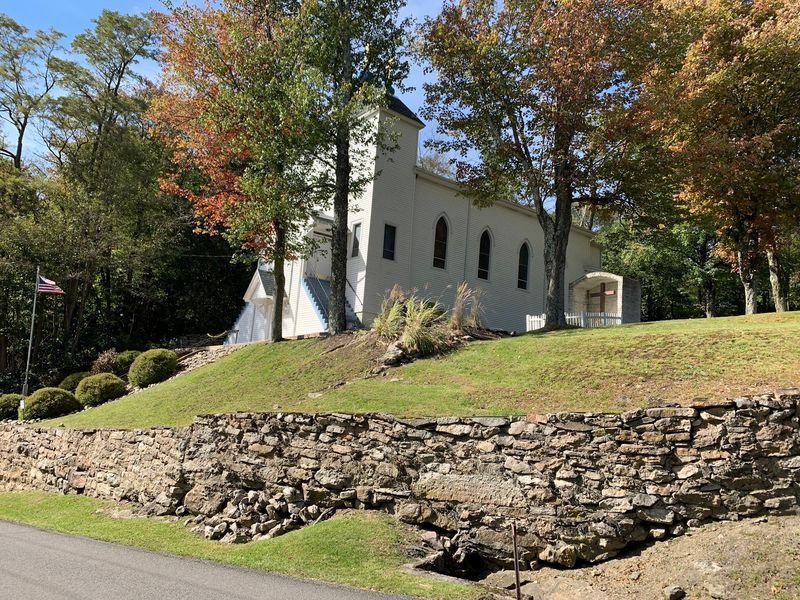
Underground coal fires sound like something from fiction. In Centralia, one began burning in the 1960s and never went away.
Over time, the fire made life in town increasingly difficult. Most residents relocated, and buildings were removed one after another.
What remains today feels strikingly quiet. Old side streets fade into woods, and the remnants of former structures are largely gone.
The well-known Graffiti Highway, a stretch of abandoned road covered in spray paint, has been buried under dirt. Another side road has started collecting fresh paint instead.
Through all of that loss, the Ukrainian church kept going. Its parishioners have continued caring for the building and its cemetery while the town shrank around them.
That is what makes the church feel so remarkable. Plenty of places lose a building or two, but here almost everything else slipped away.
Standing near the church, you are looking at living proof of loyalty. Families may have scattered across Pennsylvania, yet the parish still holds its ground.
Few stories about small towns have this kind of twist. It is part history lesson and part quiet comeback, all on one hill.
Those Onion Domes Are Impossible To Miss
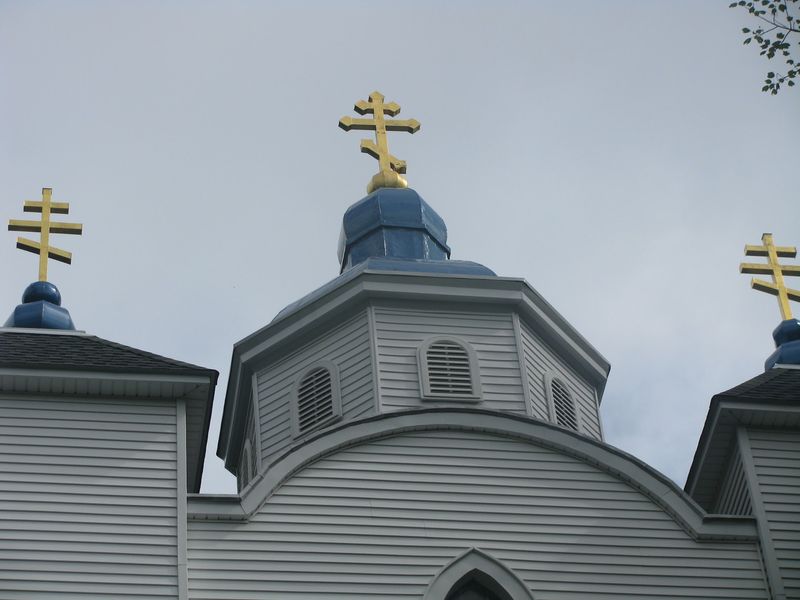
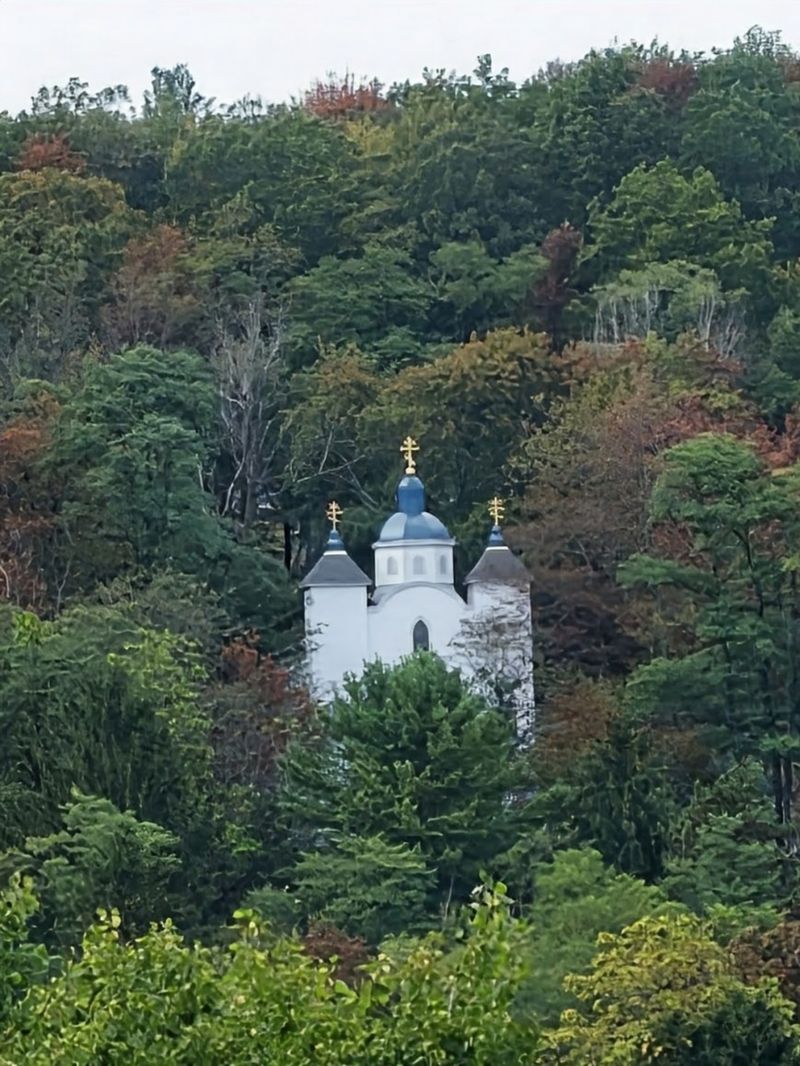
Onion domes simply don’t blend in. On this hilltop, they rise above the trees like something borrowed from a village in Ukraine.
Domes like these are a signature of Eastern European churches throughout Pennsylvania’s coal region. Their rounded, tapering shape gives the skyline an instant fairy-tale silhouette.
Each one is crowned with a cross, and those crosses catch the eye from the road below. They stand out sharply against the open sky.
The overall look is clean and bright. The white exterior makes the domes and crosses pop even more.
Photographers love this kind of composition. You get strong shapes, crisp color, and a backdrop of empty land that feels almost unreal.
From a distance, the church can look a little mysterious. Up closer, the craftsmanship and detail become easier to appreciate.
It is a reminder that Byzantine-style churches were built to lift your gaze upward. Even from the roadside, you will probably find your eyes drifting toward those domes.
Bring a decent zoom lens if you have one. It lets you capture the details without stepping anywhere you shouldn’t.
A Spotless White Exterior That Seems To Glow
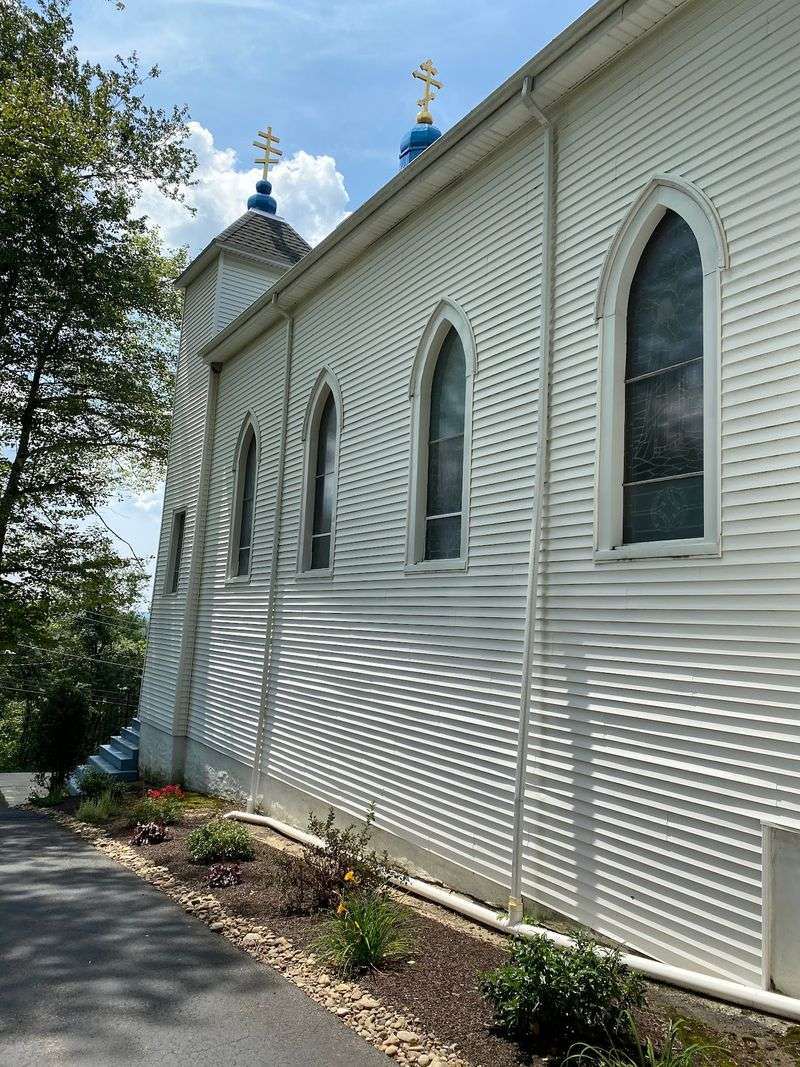
Bright white paint against a landscape going wild is quite a sight. The church looks freshly kept, which is not what most people expect in a near-empty town.
The exterior appears to have been renovated recently. That ongoing care shows how much the parish still values this building.
Steps lead up toward the church, and a wall marks the edge of the property. The setup gives the building a tidy, dignified frame.
Against the greens and browns of the surrounding hills, the white walls almost sparkle on a sunny day. It is easy to see why the church photographs so well.
Maintenance like this takes real effort and real money. A small congregation keeping things this polished says plenty about its devotion.
There is something hopeful about that clean exterior. While nature reclaims streets nearby, the church refuses to look neglected.
Take a moment to notice the contrast from the road. Overgrown lots on one side, a pristine house of worship on the other.
That visual tension is a big part of the appeal. It turns a simple church into one of the most memorable views in Pennsylvania coal country.
Quiet Rows In The Cemetery Next Door
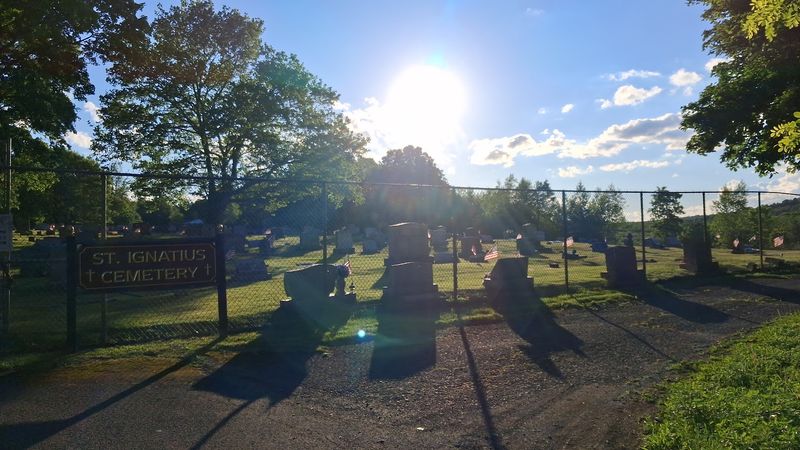
Right beside the church, a cemetery adds another layer to the story. It holds generations of parishioners connected to Centralia’s past.
Like the church, the cemetery is clearly maintained. The neat grounds stand apart from the brush creeping over nearby streets.
For many families, this ground still carries deep meaning. Former residents and their descendants keep ties to it long after the town emptied.
That makes the area a place of remembrance, not a roadside attraction. Treat it with the same courtesy you would give any family plot.
From the road, you can see how the cemetery and church sit together on the hillside. The pairing feels peaceful and very rooted.
It also helps explain why the parish guards its property so carefully. These are graves of loved ones, and families want them left undisturbed.
If you visit, keep voices low and stay on public ground. A respectful glance says more than any selfie could.
Honestly, the cemetery might be the most moving part of the whole scene. It quietly reminds you that real people built lives in this town.
Why The Pop Culture Crowd Keeps Showing Up
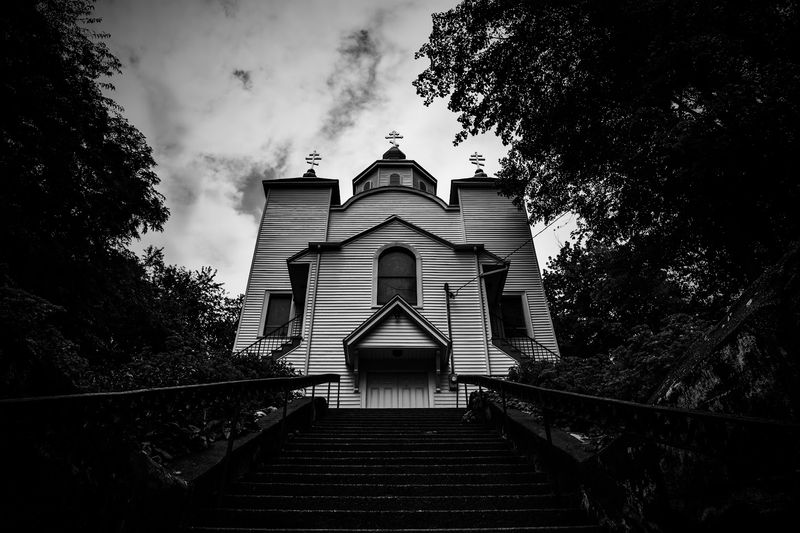
Fans of the Silent Hill games and films often connect Centralia with that eerie fictional town. That link has turned the area into a stop on many road trips.
The church, perched above empty streets, fits that moody image perfectly. On a foggy day, the scene can feel downright cinematic.
Still, it helps to remember the real story behind the spooky reputation. This is an active parish, not a movie set.
The pop culture buzz does bring people who might never have heard of coal country otherwise. Many leave with a better understanding of Pennsylvania mining history.
If that curiosity brought you here, great. Just swap any ghost-hunting plans for some quiet appreciation from the roadway.
The atmosphere does the work on its own anyway. Silence, open sky, and a gleaming church on a hill need no special effects.
Some visitors arrive expecting something creepy and leave feeling oddly calm. The setting is famous for being extremely quiet.
That calm might be the real surprise. Spooky reputation aside, the hilltop feels more peaceful than haunted.
Admire It From The Road And Respect The Signs
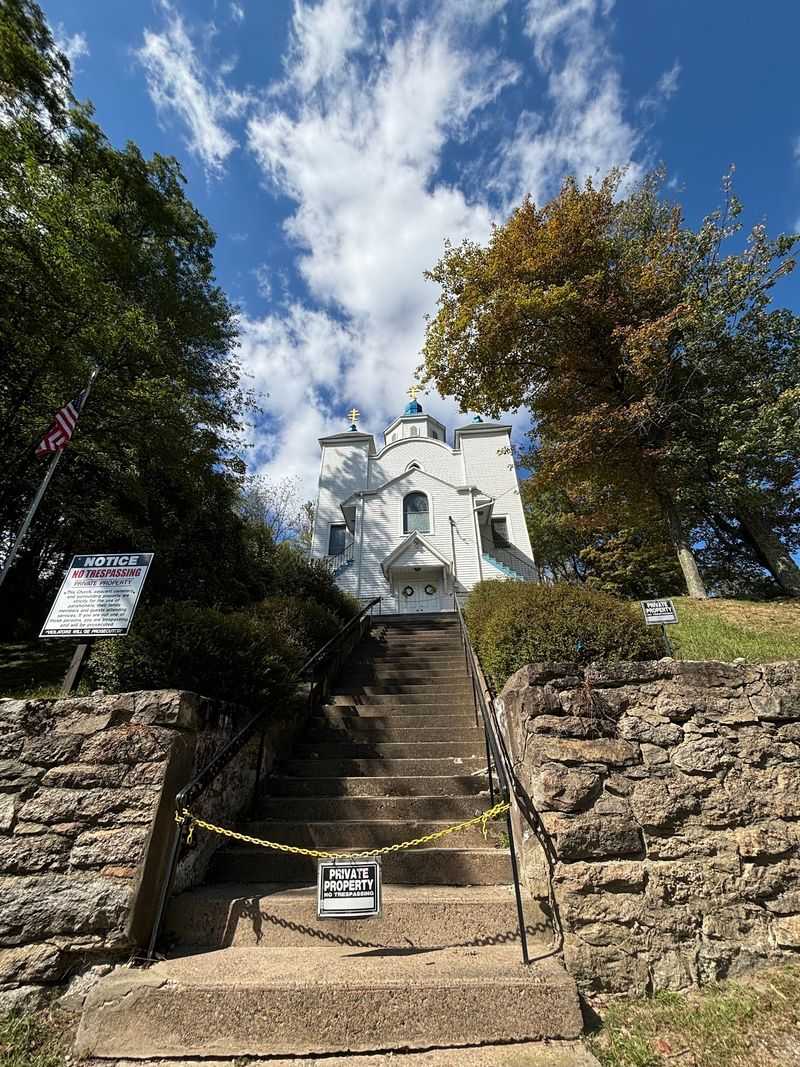
Here’s the practical part that matters most. The church grounds are private, and no trespassing signs are posted at the entrances.
A rope and sign often block the bottom of the stairs. The message is clear: non-parishioners should stay off the property.
That can disappoint people hoping to peek inside. But the parish has good reason to protect its building and cemetery.
Centralia draws plenty of curious traffic, and not all of it is respectful. Fresh graffiti on nearby roads shows why caution makes sense.
So enjoy the church from the public roadway. You can still get excellent views and photos without crossing the wall.
Violators may face prosecution, according to the posted signs. Nobody wants a road trip memory that involves a legal headache.
Think of it like admiring a beautiful home in a neighborhood. You can appreciate it fully without walking up the front steps.
Following the rules also helps keep the church standing for future generations. Respectful visitors make it easier for the parish to keep caring for this landmark.
Worship Here Follows A Byzantine Rhythm
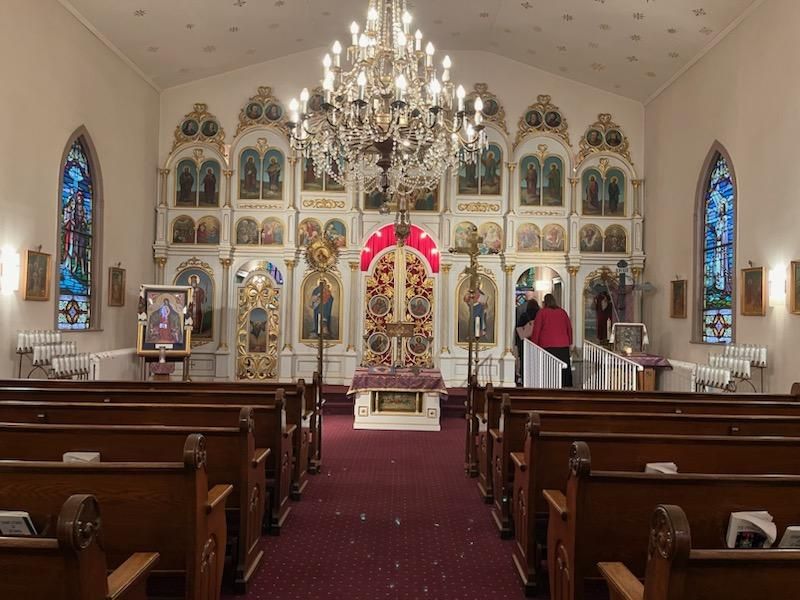
Curious what happens inside? The parish celebrates the Divine Liturgy in the Byzantine-Ukrainian tradition, part of the Ukrainian Catholic Archeparchy of Philadelphia.
Eastern Catholic liturgy has its own music, prayers, and customs. Chanted responses and rich symbolism set it apart from a typical Latin Mass.
Slavic churches across the coal region are often filled with icons and gold detail. Those interiors are designed to feel immersive and reverent.
For the faithful, attending a service is the right way to experience the church from within. Visitors of any background can learn plenty from Eastern traditions.
Service times can change, so check ahead before planning around them. Small parishes sometimes adjust schedules with the seasons.
Some Eastern Orthodox and Eastern Catholic travelers stop here as a personal act of devotion. That reflects how meaningful this place remains spiritually.
If you do attend, dress modestly and arrive with patience. Byzantine liturgies move at their own unhurried pace.
It’s a different experience than snapping photos from the road. You’d be joining a living tradition that coal country families have carried for generations.
Finding Your Way To Center Street
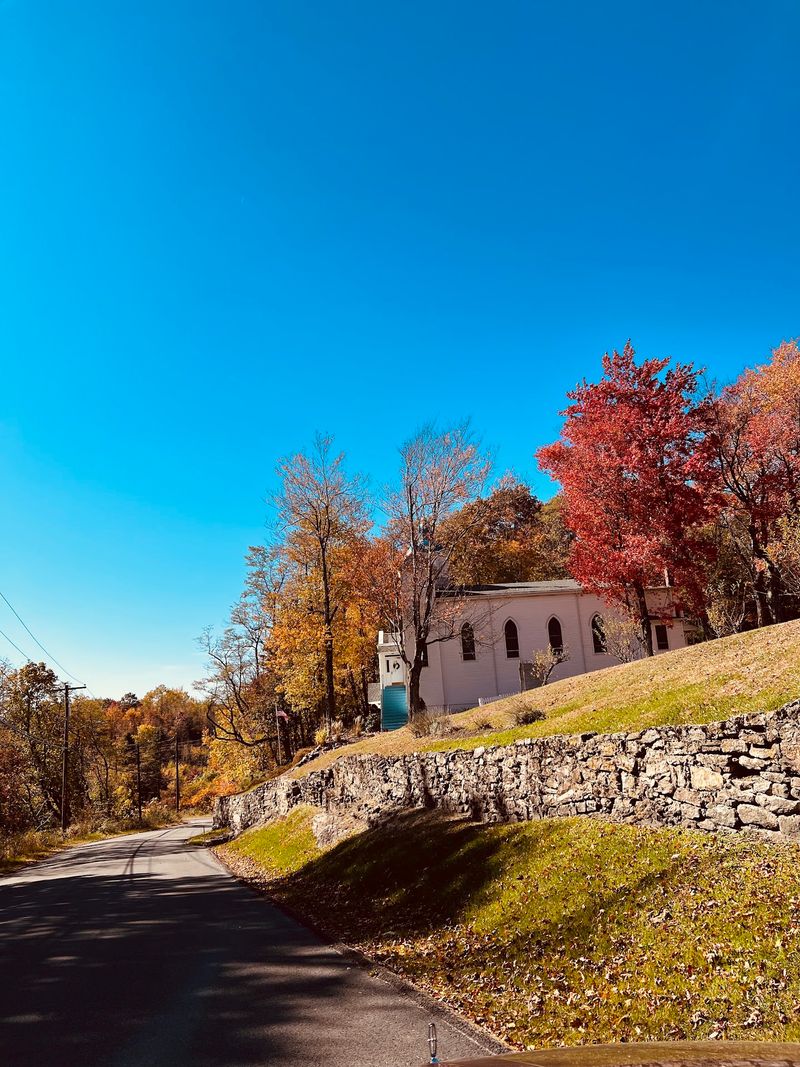
Getting here is part of the adventure. The church’s listed address is Center Street in Aristes, Pennsylvania 17920, right by what remains of Centralia.
GPS can get confused in a town with so few buildings. Using the church name or that address should point you in the right direction.
The church sits on a hill, so it is easy to spot once you’re nearby. Those domes act like a natural landmark.
Parking along public roads is the safest bet. Just stay clear of the property and avoid blocking any access points.
Centralia makes a short stop rather than a full-day outing. It pairs nicely with other coal region drives in the area.
Shenandoah’s St. Michael the Archangel church, the first Ukrainian Greek-Catholic parish in the country, is not far away. Together they tell a bigger story.
Bring water and snacks, since services in town are basically nonexistent. Facilities like restrooms and shops aren’t part of the landscape anymore.
And watch for wildlife on rural roads, especially around dusk. Deer have a habit of appearing when you least expect them.
Best Fits For Photographers And History Buffs
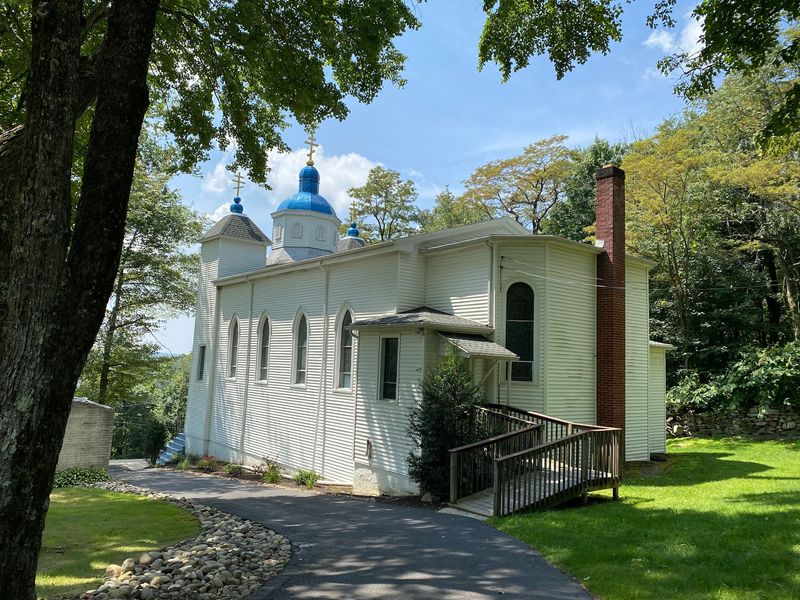
Some outings suit everyone, and some suit a particular kind of traveler. This one is perfect for anyone who loves history, photography, or unusual places.
Photographers get striking compositions with little effort. A white church, crosses against the sky, and empty land make strong frames.
History lovers can connect the scene to the bigger story of anthracite mining. Few spots in Pennsylvania show the cost of the coal era so vividly.
Families with older kids may find it a memorable teaching moment. It’s a real-world lesson in how industry shapes communities.
That said, there isn’t much to do beyond looking and reflecting. Expect a quick stop instead of hours of activity.
Travelers passing through the area will probably find it worth a detour. A long trip just for Centralia might feel a bit thin.
Retirees who enjoy scenic drives may especially like it. The rolling coal country roads offer plenty to see along the way.
Whoever you are, come with curiosity and good manners. Those two things will make the stop meaningful.
A Small Parish With A Very Big Story
Some landmarks shout for attention. Assumption of the Blessed Virgin Mary Ukrainian Catholic Church simply keeps standing, and that might be even more impressive.
It has watched a town nearly disappear beneath it. Yet the parish still paints, repairs, and protects its hilltop home.
I believe that kind of loyalty deserves a moment of your time. It shows how faith and heritage can outlast almost anything.
You won’t get a guided tour or a gift shop here. What you will get is a rare view that no other place in Pennsylvania quite matches.
Plan it as part of a coal region drive. Check ahead on any service times, and remember the grounds are private.
Snap your photos from the road and take in the quiet. Then let the story of the miners and their families sink in.
Not many churches overlook a town that time and fire almost erased. This one does, with its crosses still pointing skyward.
Honestly, that image tends to stick with people long after the drive home. It’s hard to think of a better reason to go.