How Idaho Sheepherders Lived Comes Alive At Ketchum’s Wood River Museum Of History And Culture
A pair of sheep shears sits inside a handmade wooden cabinet, waiting for someone curious enough to open a drawer. That cabinet was built by a local cabinetmaker, and it’s one of the most talked-about pieces in the whole building.
The museum around it doesn’t charge a cent to get in. You just walk through the door, no tickets, no reservations, no fuss.
Every exhibit asks you to do something, whether that’s writing, typing, talking, or remembering.
I like how this little Idaho museum treats history as something you handle, not something you squint at behind glass. Sheep ranching, ski pioneers, tribal homelands, and a famous writer all share the same compact space.
So how much of the old sheep country story still lives here, and what else is hiding in those drawers?
A Free Museum Inside A Library’s Orbit
The Wood River Museum of History and Culture is the history museum for Ketchum and the surrounding valley. It’s run by The Community Library Association, which gives it a bookish, welcoming personality.
Doors opened at its current location on July 6, 2023. That makes the space fairly new, even though the stories inside reach back much further.
Admission is free, which is music to any family budget. There are no tickets to buy and no reservations to juggle before you go.
The museum focuses on central Idaho history, told through all-new interactive exhibits. Sheep, skis, mountains, tribes, and writers all get their moment here.
Size matters too, though not in the way you’d expect. The space is small, but the designers squeezed a lot of activity into every corner.
Think of it as a museum built for poking around rather than tiptoeing. You’ll read, but you’ll also touch, write, and talk your way through the past.
For anyone spending a day in the Wood River Valley, it slots in easily. It sits close to the walkable heart of town, so stopping in feels effortless.
Seventeen Women Got This Whole Thing Started
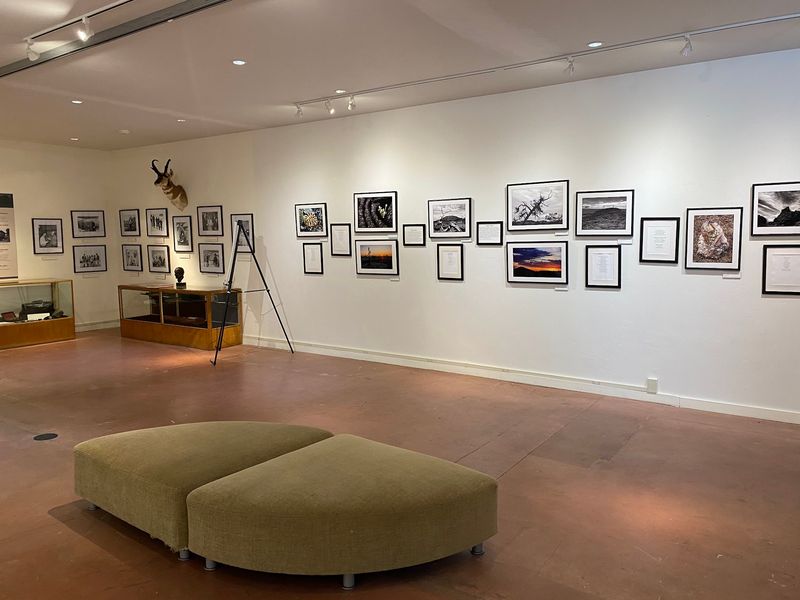
Back in 1955, seventeen women founded The Community Library in Ketchum. That library is the organization that runs the museum today.
Forward-thinking is the phrase the library itself uses for that founding group. Given what grew from their effort, it’s hard to argue with that label.
A library-run museum feels a little different from a typical one. The focus leans toward reading, ideas, and personal stories rather than velvet ropes.
You can see that spirit in how the exhibits invite participation. Writing and typing stations fit naturally with an organization built around books.
Visitors even leave with free bookmarks, a small touch that fits the library roots perfectly. It’s the kind of souvenir that actually gets used.
I believe that origin story adds real heart to a visit. Knowing a group of neighbors built this from scratch makes the place feel personal.
It also explains why the museum feels so community-minded. Local history here isn’t packaged for strangers alone, it’s kept for the people who live in this corner of Idaho too.
The Straight Story On That Sheep Wagon
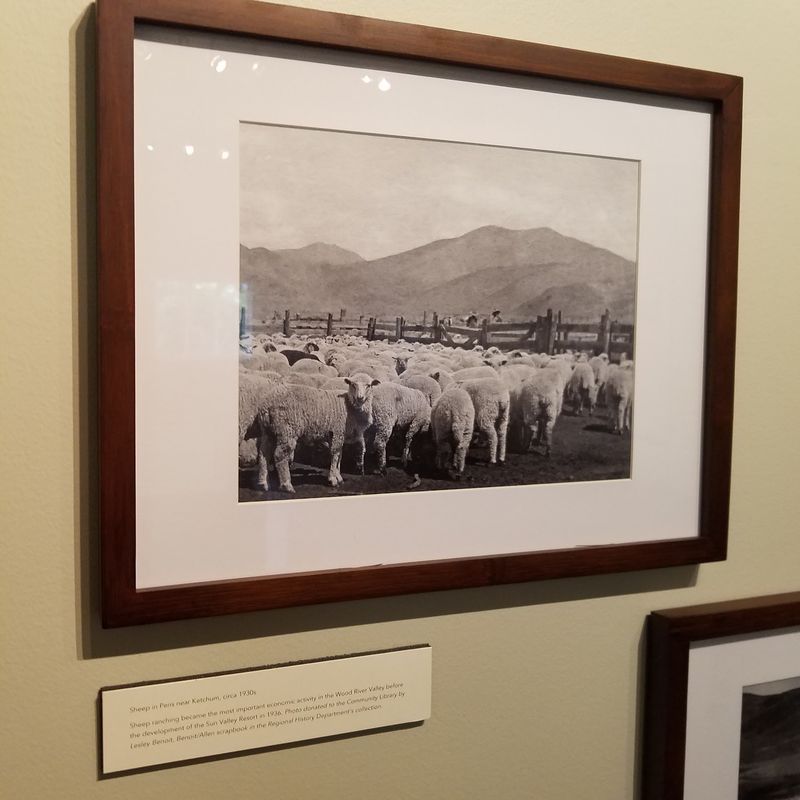
Honesty first, because sheep country deserves it. The current exhibit lineup doesn’t list a restored sheepherder wagon on display.
That might sting a little if you pictured climbing into one. Still, the sheep story hasn’t vanished from the building.
Before this museum opened, the valley’s older Regional History Museum sat in Forest Service Park. It hosted an exhibit cleverly titled Looking Baaa-ck: The History of Sheep Ranching in the Wood River Valley.
That show explored ranching traditions and the seasonal cycle of raising lambs. It ran from September 29, 2021, until May 2023.
The Forest Service Park museum closed permanently on June 1, 2023. A month later, the new Wood River Museum of History and Culture opened its doors.
So the sheep chapter moved forward in a new form. Today, it shows up in smaller, hands-on pieces rather than one big wagon.
Exhibits do change over time, so checking ahead makes sense if sheep are your main reason for coming. Either way, the herding past still threads through the place.
Drawers Full Of Surprises In The Cabinet Of Wonders
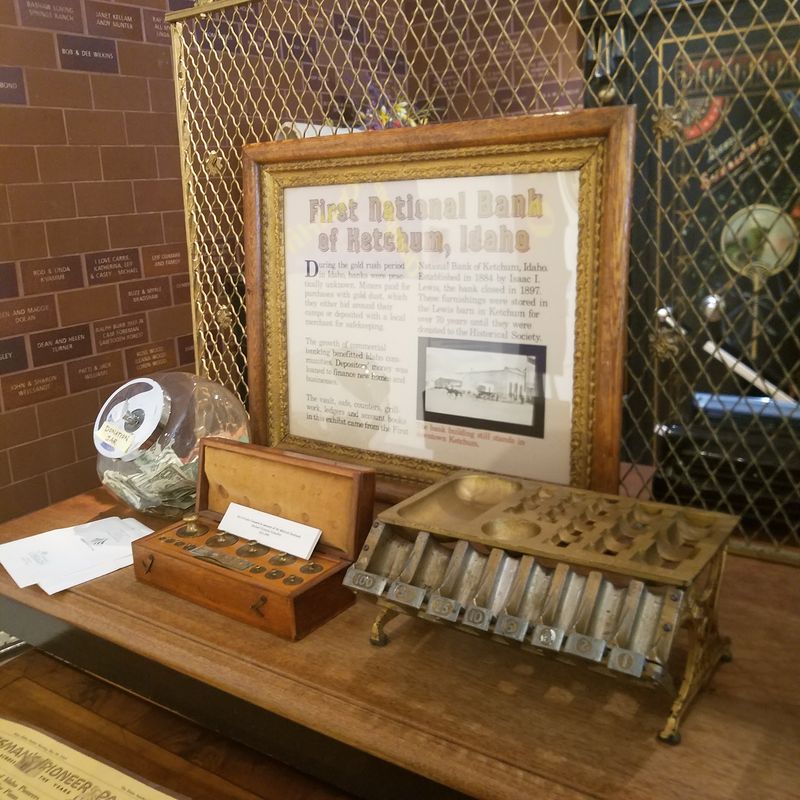
Open a drawer, find a piece of history. That’s the simple, addictive idea behind the Cabinet of Wonders.
The cabinet nods to the earliest museums, which displayed collections of curiosities. Local fine cabinetmaker Paul Bates built it, so the woodwork is a story of its own.
Inside, the artifacts jump between eras and topics. You might uncover a telegraph key, vintage skis, or a pair of sheep shears.
Those shears are your strongest link to the valley’s herding past. They’re a small object, but they point to a huge chapter of local work.
Kids tend to treat the whole thing like a treasure hunt. Adults usually end up doing the same, just with slightly better posture.
It’s easily the most memorable piece in the museum. The format rewards slow curiosity instead of quick glances.
Give yourself time to open every drawer you can. Rushing the Cabinet of Wonders feels a bit like skipping the last chapter of a good book.
Why Sheep Shears Deserve A Second Look
Sheep shaped the Wood River Valley long before ski lifts did. A simple pair of shears in a drawer carries that whole legacy.
Ranching here followed a seasonal rhythm built around raising lambs. Flocks moved with the calendar, and so did the people who tended them.
Holding onto that idea changes how the shears look. They stop being a dusty tool and start feeling like a tiny time machine.
The valley still celebrates its herding roots in a big way. Each fall, the Trailing of the Sheep Festival brings flocks back through the area.
Pairing a museum stop with that festival makes for a fun Idaho weekend. You see the tool in the drawer, then the woolly reason for it on the road.
Of course, the museum works any time of year. The sheep connection simply hits harder when you know the backstory.
I can’t imagine a better way to feel the scale of that work. Small object, big history, and a valley that still remembers both.
Homelands That Came Long Before The Ranchers
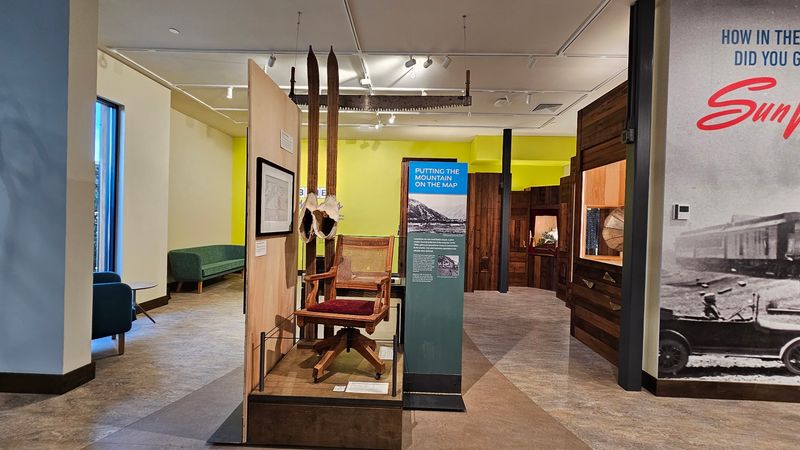
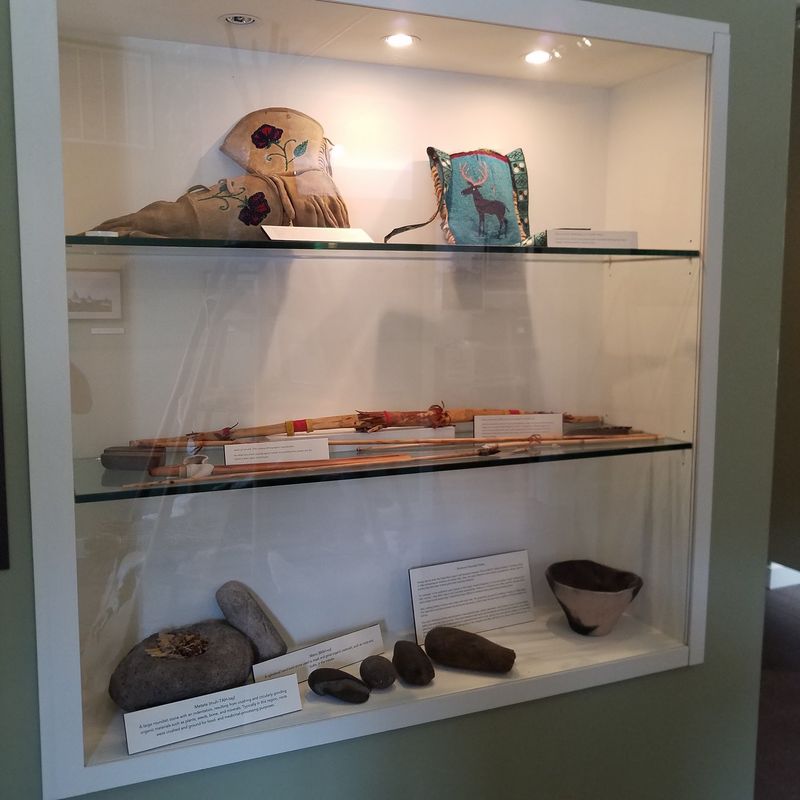
Long before sheep or skis, this land belonged to the Shoshone and Bannock peoples. The museum gives that history its own dedicated space.
The exhibit is called Shoshone-Bannock Homelands. It honors both the history and the present-day life of the tribes.
That present-day focus matters a lot. It treats the tribes as living communities rather than a closed chapter.
Starting your visit here sets the right frame for everything else. Every later story, from ranchers to skiers, happens on these homelands.
Like the rest of the museum, this space is interactive. You’re encouraged to engage rather than simply read and move along.
Families with older kids will find good conversation starters here. It’s a natural spot to talk about who lived in Idaho first.
Give this exhibit the same attention you’d give the flashier ones. It quietly anchors the whole museum and makes the valley’s story feel complete.
Everybody Arrived Here Somehow
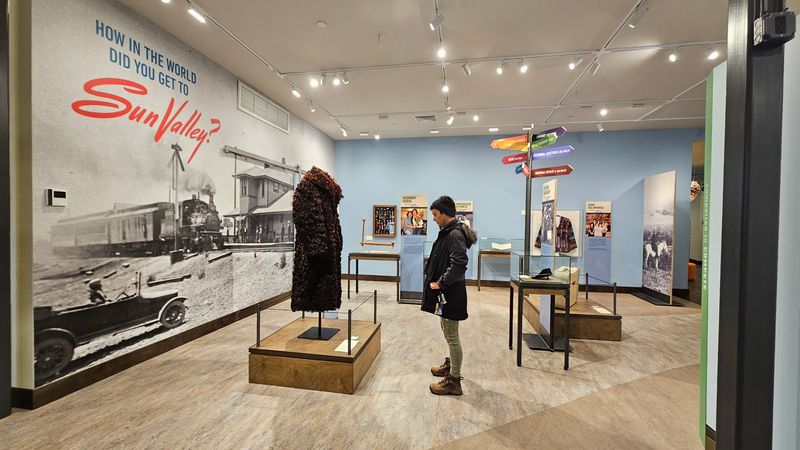
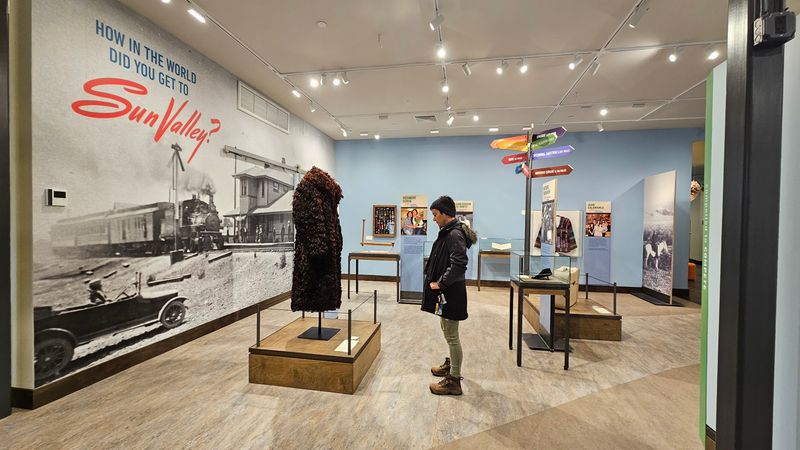
How in the World Did You Get to Sun Valley? It’s a great exhibit title, and an even better question to ask yourself.
The exhibit explores the reasons people came to the area. It also looks at the ways they physically made the journey.
Some came for work, and others came for the mountains. The display connects all those different paths into one valley story.
Sheepherders fit into this picture too. So do miners, skiers, writers, and families chasing a fresh start in Idaho.
You’ll likely catch yourself thinking about your own trip in. Maybe it was a long drive up Highway 75, maybe something more complicated.
That personal angle is what makes the exhibit stick. It turns history into something you’re part of, not just watching.
For first-time visitors, it’s a handy orientation to the whole region. For longtime locals, it might spark a few stories worth retelling at dinner.
Baldy Gets A Portrait Of Its Own
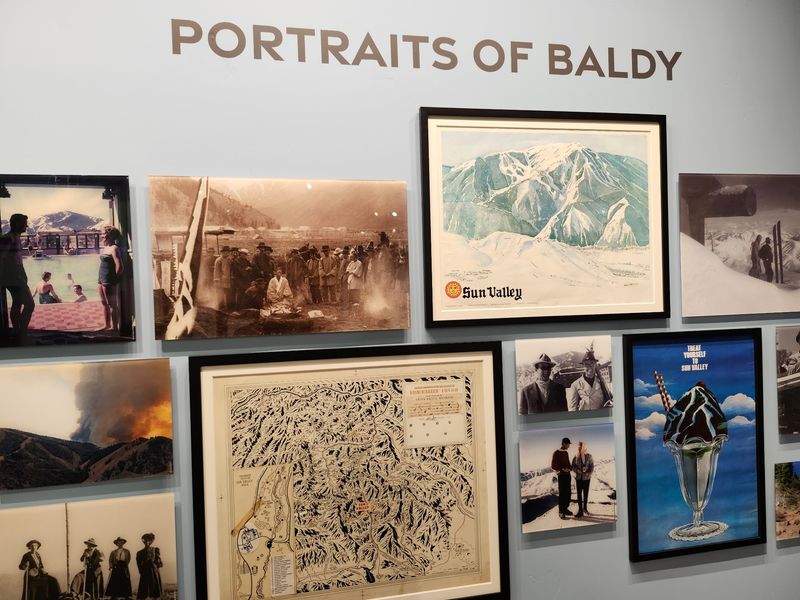
One mountain looms over Ketchum in every sense. Bald Mountain, known to most folks as Baldy, earns its own exhibit here.
The display is called Portrait of a Mountain. It focuses on Bald Mountain and how it shaped the local landscape.
That influence stretches beyond scenery. The mountain affected how people lived, worked, and played across the valley.
Ski history naturally pops up in this conversation. Vintage skis even make an appearance elsewhere in the museum’s drawers.
It’s fun to see the exhibit and then step outside. The real thing is right there, framing the town like a giant backdrop.
Skiers will enjoy the connection to the runs they know. Non-skiers get a fresh look at a peak they’ve probably admired from a patio.
Either way, Baldy stops being just pretty scenery. It becomes a main character in the valley’s long and lively story.
A Famous Writer Finds New Country In 1939
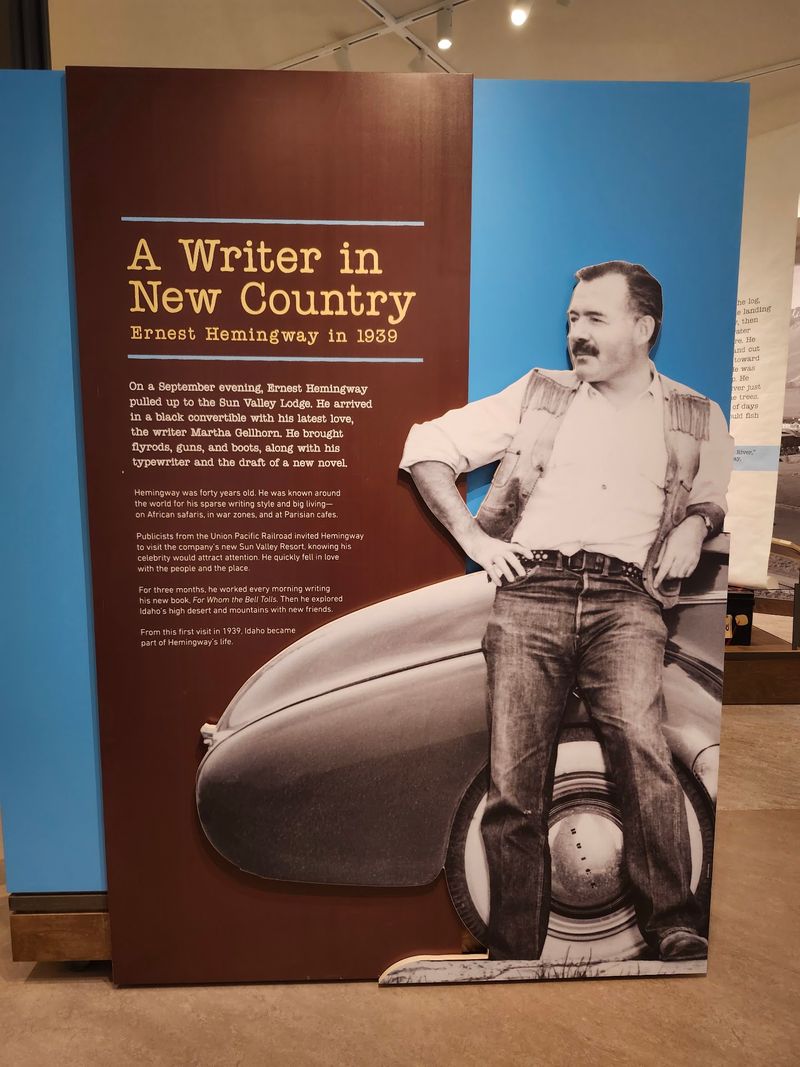
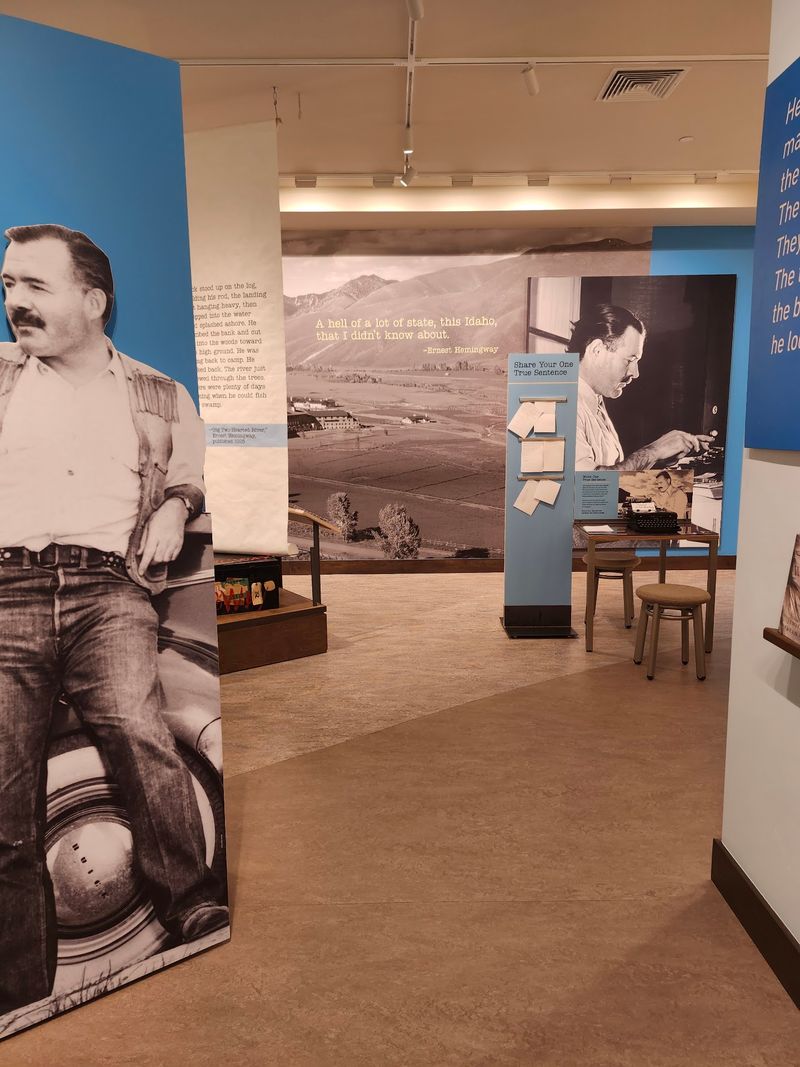
Ernest Hemingway first came to this part of Idaho in 1939. The museum tells that story in an exhibit called A Writer in New Country: Hemingway in 1939.
It’s part of a larger look at readers and writers during the 1940s era. Books, letters, and the people behind them take center stage.
Library roots really shine in this section. A museum run by readers naturally knows how to celebrate a writer.
Hemingway’s link to the valley is one of its best-known stories. Seeing it framed around his first arrival makes it feel fresh.
The interactive approach shows up here as well. Typing and writing feel especially fitting in a space about authors.
Book lovers could easily linger here longer than planned. It’s tempting to leave with a new reading list.
Even casual visitors will recognize the name. That familiarity makes this exhibit a great entry point for anyone less into ranching or skiing.
Hands On, Pens Out, Memories Welcome
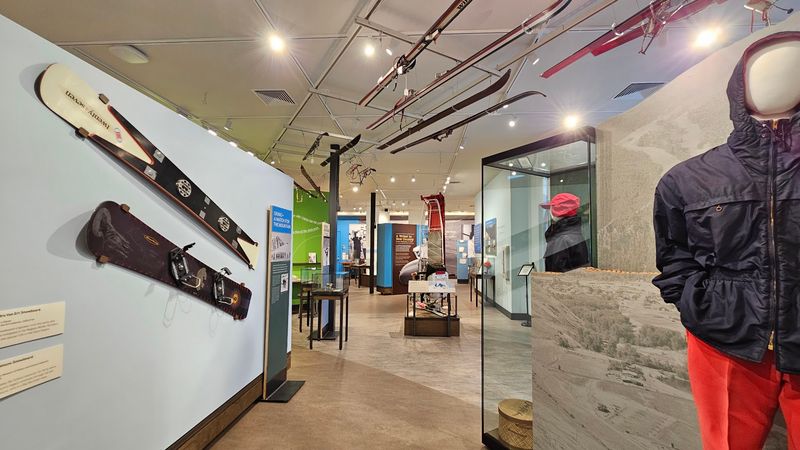
Write, type, talk, remember. Those four verbs sum up how every exhibit here works.
Each display includes interactive elements, not just one or two. That’s rare for a museum of this size.
You might jot down a thought or tap out words on a keyboard. Other spots invite you to share a memory or talk about what you see.
Small spaces can feel cramped with this much activity. Here, the layout makes the most of every square foot.
Kids who usually fidget in museums tend to have something to do. Grown-ups who learn by doing get the same benefit.
A small gift shop rounds things out. It’s handy if you want a little reminder of the valley to take home.
Don’t forget the free bookmark on your way out. It’s a sweet library touch and a practical one, especially if that Hemingway exhibit sparks a reading streak.
Who Gets The Most Out Of A Visit
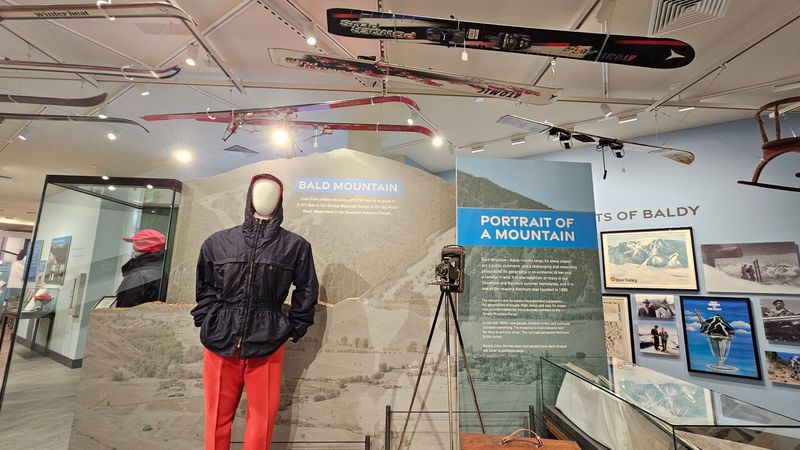
Families looking for a free outing will find a lot to like. No tickets means no pressure to squeeze value out of every minute.
History fans get a tidy overview of central Idaho in one stop. Tribes, sheep, mining-era tools, skis, and writers all share the floor.
Near-retirees and slower-paced travelers can take their time. The compact layout keeps walking manageable.
Curious kids will gravitate to the Cabinet of Wonders. Drawers are basically an invitation for small hands.
It’s also a smart pick for unpredictable mountain weather. A stormy afternoon suddenly has a good backup plan.
The museum stays open later than many nearby shops. That gives you a handy late-afternoon stop after other errands wrap up.
Day-trippers from the Magic Valley or Treasure Valley can fold it into a bigger Ketchum outing. It pairs nicely with a stroll downtown or a drive further up toward the Sawtooths.
Plan Around A Tuesday Through Saturday Window
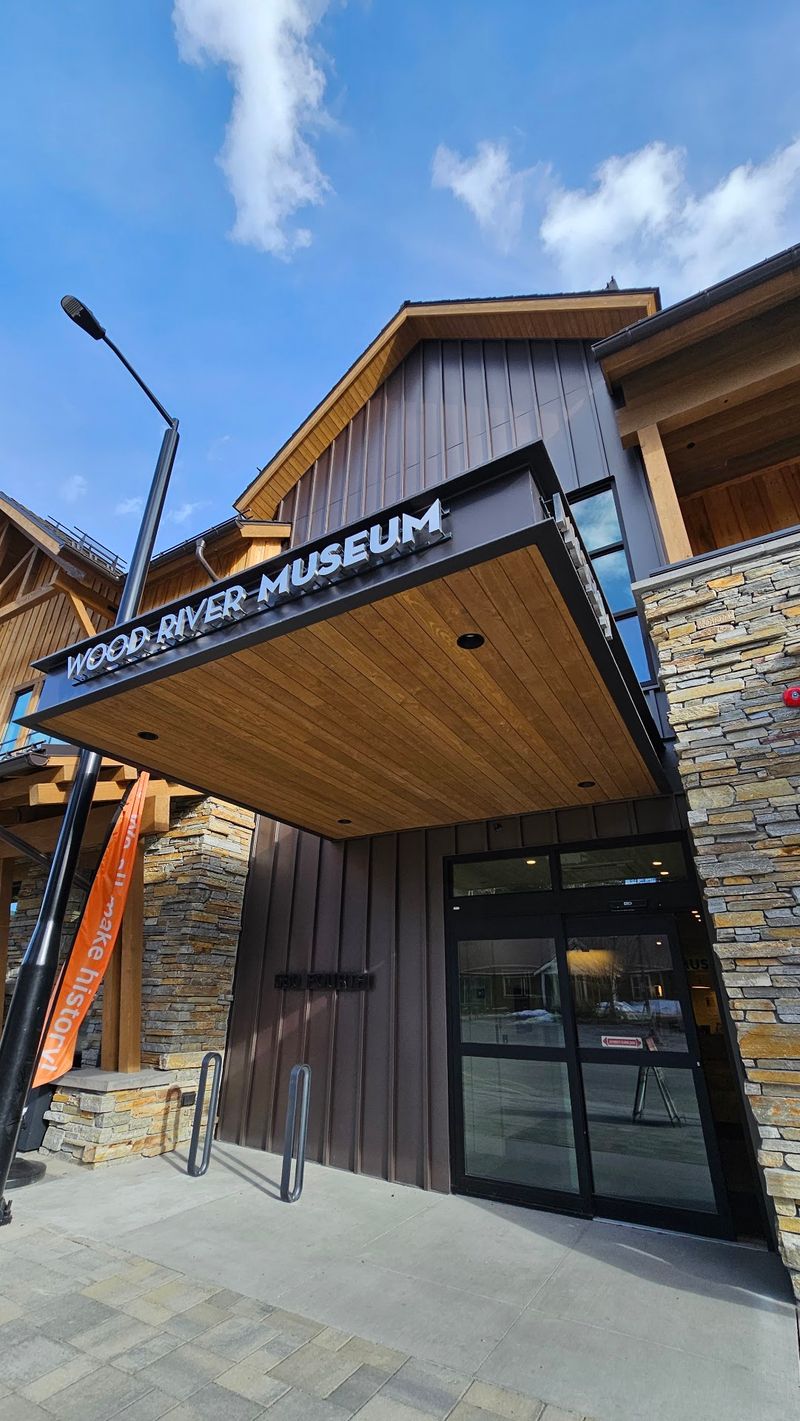
Timing matters here, because the doors aren’t open every day. The museum welcomes visitors Tuesday through Saturday and closes Sundays and Mondays.
Hours run through the daytime into early evening. Schedules can shift, so check before driving.
You’ll find the Wood River Museum of History and Culture at 580 Fourth Street East, Suite 130, Ketchum, Idaho 83340. It’s an easy stop if you’re already exploring town.
Admission is free, so there’s nothing to reserve ahead. Just show up during open hours and head inside.
Don’t mix it up with another Ketchum attraction. The separate Ore Wagon Museum shows off giant Lewis Ore Wagons from the mining days.
Those big wagons roll out each year for the Wagon Days Parade. They’re about hauling ore, not herding sheep, but they make a great second stop.
Doubling up gives you a fuller picture of how people worked in this valley. Sheep shears in one place, massive freight wagons in the other.
Small Space, Big Valley Story, Zero Admission
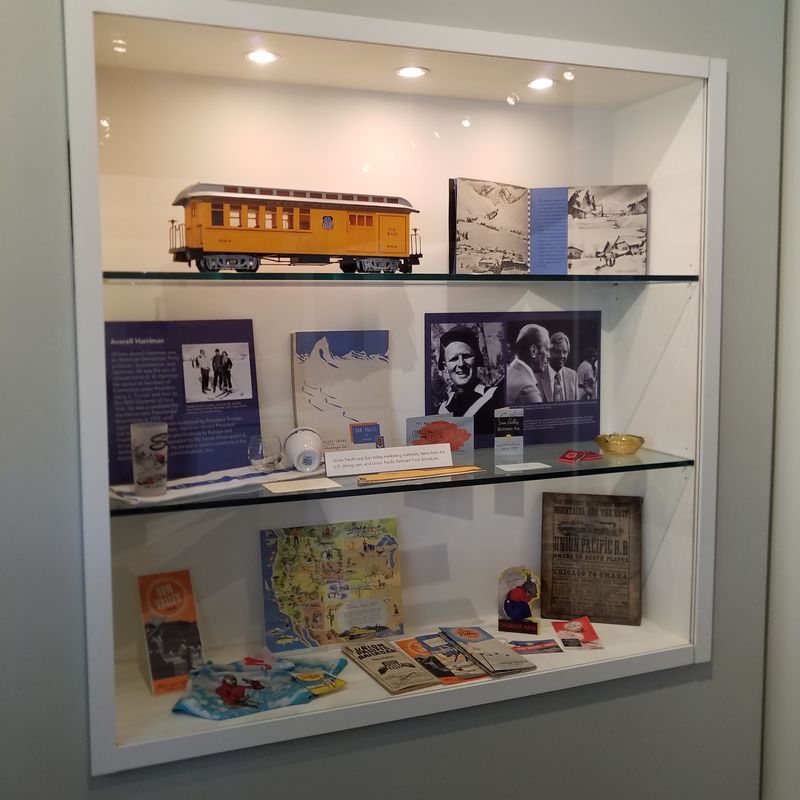
No, there isn’t a restored sheep wagon waiting inside right now. What you get instead is a lively, hands-on look at the whole valley.
The sheep story lives on through artifacts like those shears. It also echoes through the bigger themes of work, travel, and land.
The Wood River Museum of History and Culture packs a lot into a modest footprint. Every exhibit gives you something to do, not just something to read.
The Cabinet of Wonders alone justifies a visit. Opening those drawers feels like discovering history one surprise at a time.
Add in tribal homelands, Baldy, and Hemingway, and the picture fills out nicely. It’s a well-rounded introduction to this part of Idaho.
Free admission makes the decision even easier. There’s very little to lose and plenty to learn.
I believe it earns a spot on any Ketchum itinerary. Come for the sheep connection, stay for the drawers, and leave with a bookmark and a few new stories.