This Historic Connecticut Railroad Hotel Is One Of The Last Remaining Of Its Kind In The Eastern U.S.
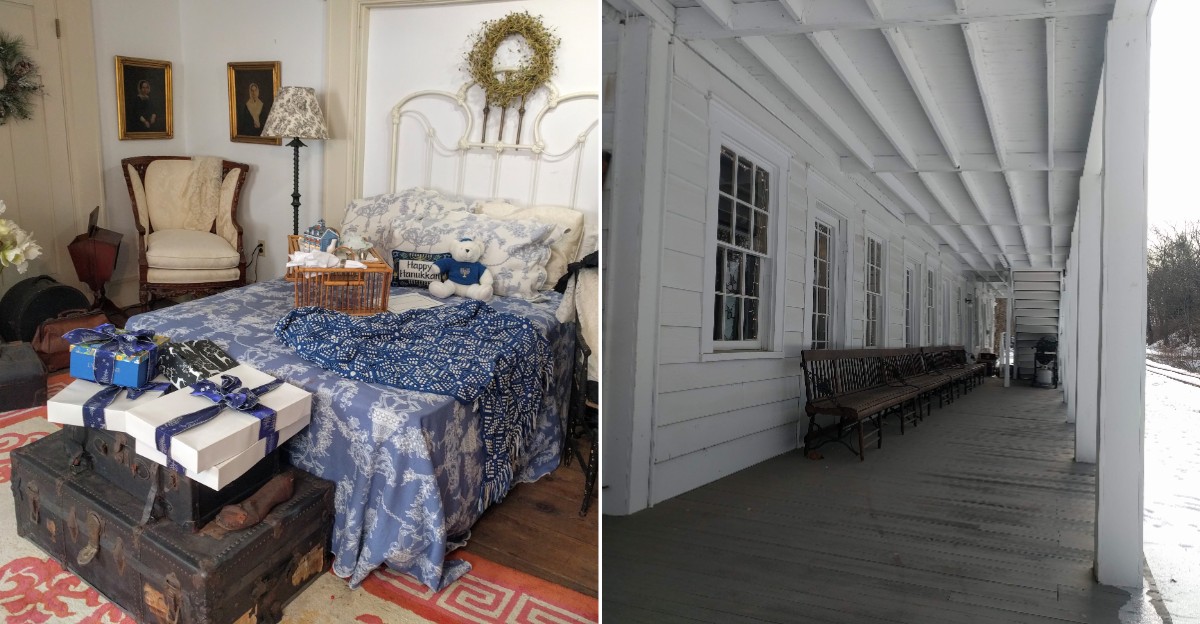
Imagine traveling by train more than a century ago and stopping at a hotel built specifically for railroad passengers. No online bookings or modern travel apps.
Just a completely different way of getting around.
And remarkably, a piece of that history still survives.
One historic Connecticut railroad hotel preserves a rare connection to the days when train travel shaped entire communities.
That’s what caught my eye. Buildings like this have witnessed enormous changes in how people travel.
I love the thought of standing somewhere that once welcomed travelers making journeys we can only imagine today.
And there’s something fascinating about a building surviving long after its original purpose disappeared.
It isn’t simply an old structure. It’s a reminder of how different everyday travel once looked.
1. One Clever Land Deal Built The Whole Thing
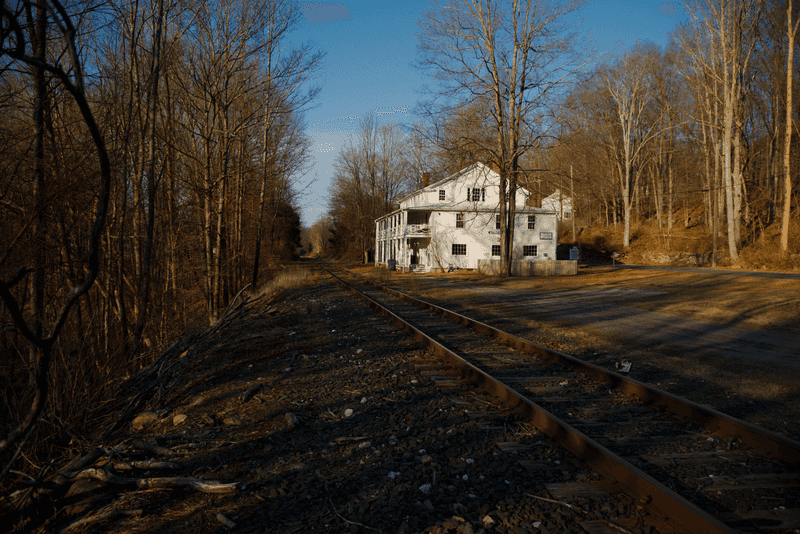
One man made an entire railroad stop for lunch. And somehow, he got away with it!
Back in the 1840s, businessman Sylvanus Merwin saw an opportunity that most people probably would have missed. The Housatonic Railroad was planning its route, and he had a clever idea.
He purchased land the railroad needed for its tracks, putting himself in a pretty strong negotiating position.
But Merwin wasn’t interested in an ordinary deal. He wanted passenger trains to stop at his hotel for meals, and he insisted that the nearby station be named Merwinsville.
The railroad agreed. Talk about knowing how to negotiate!
Built around 1842 and 1843, the Merwinsville Hotel soon became part of the area’s growing railroad community.
And Merwin wasn’t finished. He also worked as the station agent and helped establish a store and a school for girls nearby.
Today, the historic hotel in Gaylordsville offers visitors a glimpse into a time when train travel could transform a small community.
The building itself is interesting, but the story behind it is even better.
After all, how often does someone manage to turn a railroad’s plans into a business opportunity quite like this?
2. Why Historians Get Excited About This Trackside Survivor
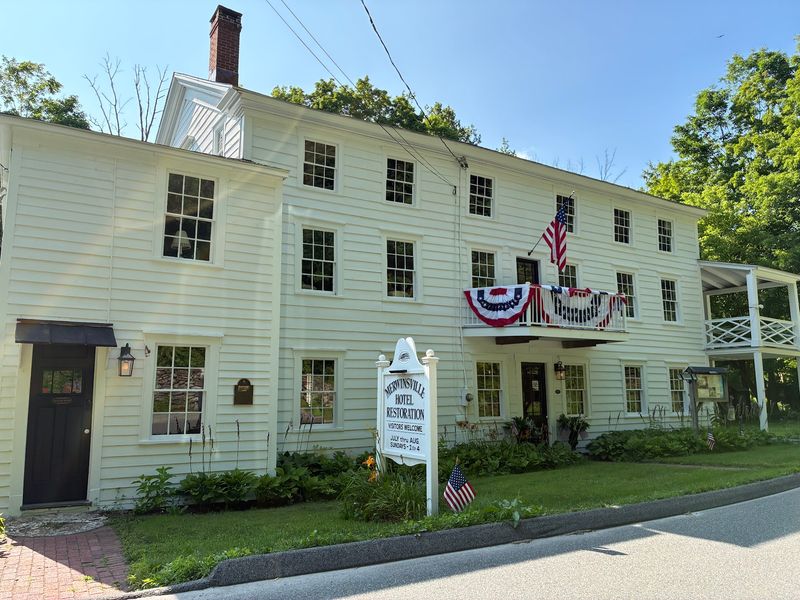
Trackside station hotels used to dot the country. Today, the Merwinsville Hotel stands as one of the last of them east of the Mississippi River.
It’s also believed to be one of the nation’s oldest purpose-built railroad hotels. That means it was designed for train travelers from day one, not converted later.
Back then, passengers rode between Bridgeport, Connecticut and summer homes in Pittsfield, Massachusetts. The hotel gave them a place to eat and rest along the way.
Think of it as an early version of a highway rest stop. Only this one had clapboard siding and a much better porch.
The building still sits just east of the Housatonic Railroad tracks. Standing there helps you understand how close travelers were to their meal and their train.
In 1977, the hotel earned a spot on the National Register of Historic Places. That honor recognizes buildings with real historic value.
Plenty of old railroad hotels have vanished over time. That makes this survivor feel even more special when you see it in person.
It’s rare history you can actually walk around. Not every textbook chapter comes with stairs.
3. Nine Columns And A Porch Built For Watching Trains
Nine columns line the front of this building, and they make quite the first impression. The Georgian-style exterior feels both stately and welcoming at the same time.
The hotel rises three stories in a wood frame design. A gabled roof sits on top, and clapboard covers the outside walls.
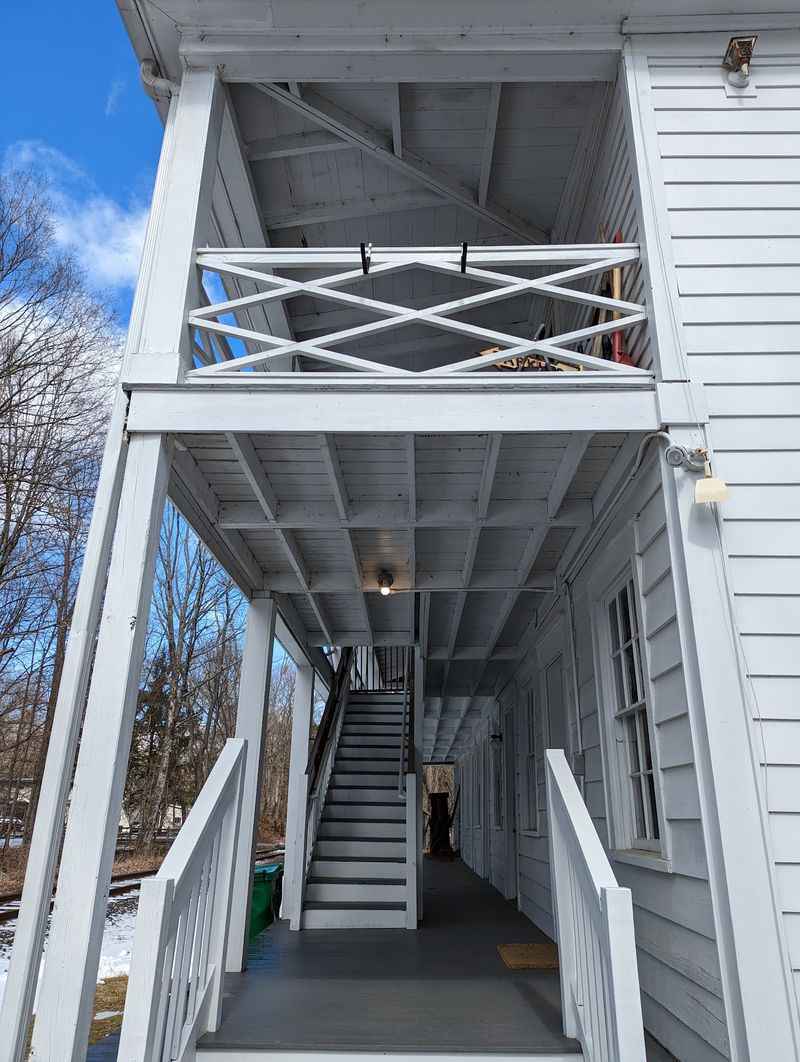
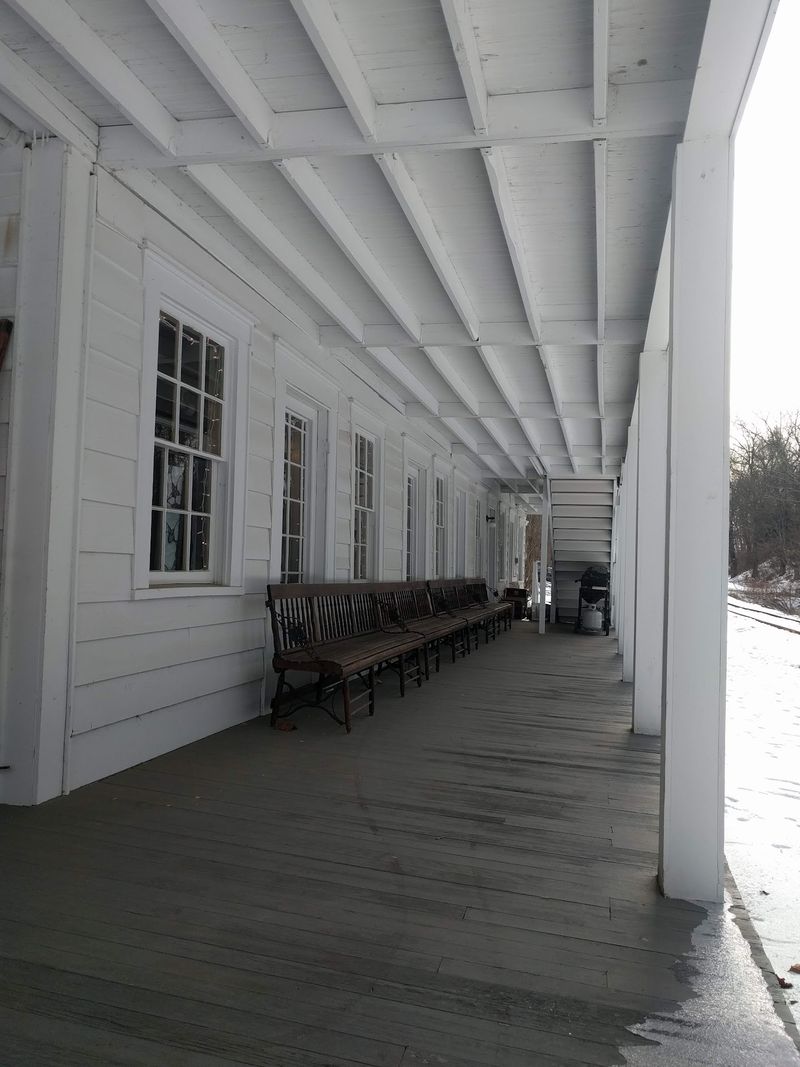
Now for my favorite part. A two-story porch with latticework railings faces the railroad tracks.
That porch also wraps around to the north side of the building. It’s easy to see why travelers might have lingered there before boarding again.
Originally, a balcony stretched the full length of the second floor. That detail shows how much the design leaned into views of the rail line.
Bring a camera if you enjoy architecture photos. The columns, railings, and roofline give you plenty of angles to work with.
A new roof was recently installed, too. That’s a big win for any building that dates back to the 1840s.
Take a slow walk around the outside before heading in. The exterior tells half the story without saying a single word.
4. Buy A Ticket To The 1800s On The First Floor
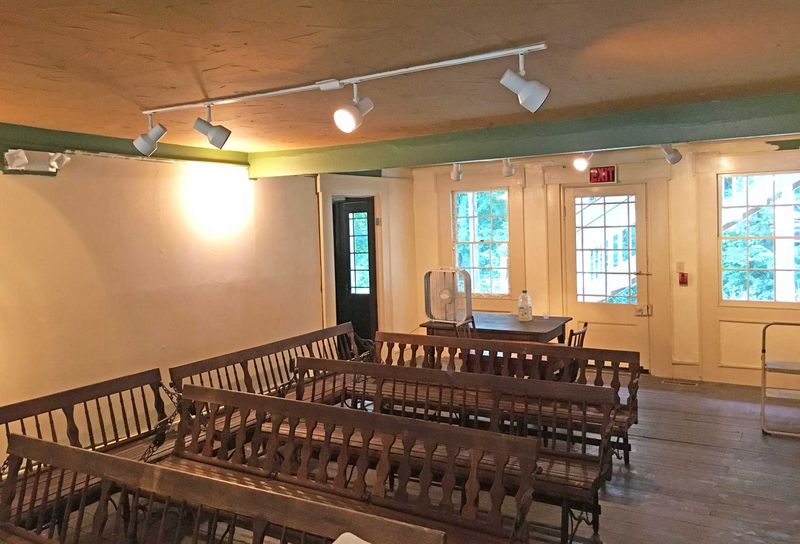
Old post office boxes greet you on the south end of the first floor. They came from the early Gaylordsville Post Office and add a neat local touch.
That area is a recreated station waiting room. Authentic railroad memorabilia fills the space and sets the mood right away.
There’s also a replica ticket counter. Sadly, no trains to Pittsfield are boarding, but the effect still works beautifully.
Head to the north end and the feeling shifts. A parlor furnished with period antiques offers a quieter, homier look at the past.
Here’s a detail worth knowing before you go. The first floor once held four dining rooms for hungry passengers.
Food came up from a basement kitchen and bakery. Staff used a dumbwaiter to send meals upstairs, which sounds like smart thinking for a busy train stop.
Try picturing those dining rooms full of travelers racing the clock. Every train stop meant a quick meal and a hurry back outside.
Spend a few minutes reading the memorabilia. Small objects often reveal the best stories about how people really traveled.
5. Peek Into Hotel Rooms Straight Out Of The Mid-1800s
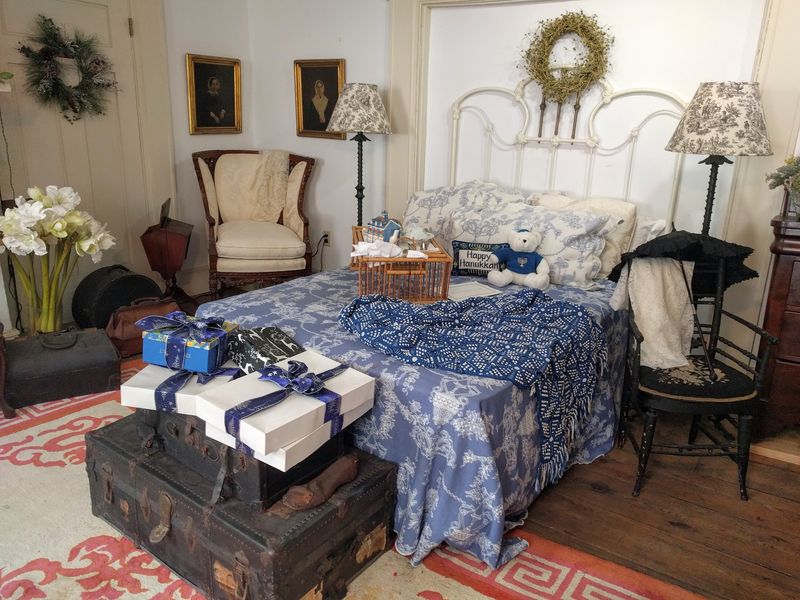
Ever wondered where a weary rail traveler slept in the 1800s? The second floor answers that question in a fun, hands-off way.
Several rooms here are set up in the style of mid-1800s hotel rooms. They give you a peek at what overnight guests might have experienced.
Comparing them to modern hotels is half the fun. You won’t find a mini fridge, but you’ll find plenty of character.
A small museum area also lives on this floor. It displays railroad memorabilia along with artifacts specific to Gaylordsville.
That local focus makes the collection feel personal. You’re learning about this exact village, not just railroads in general.
Kids might enjoy guessing what some objects were used for. It turns a museum stop into a friendly little game.
Watch your step on the way up and down. Old buildings often come with old-style stairs, so take your time.
Give yourself enough time to look closely at each room. The small details, like furniture and layout, say a lot about everyday life back then.
6. A Ballroom Comeback Story Worth Cheering For
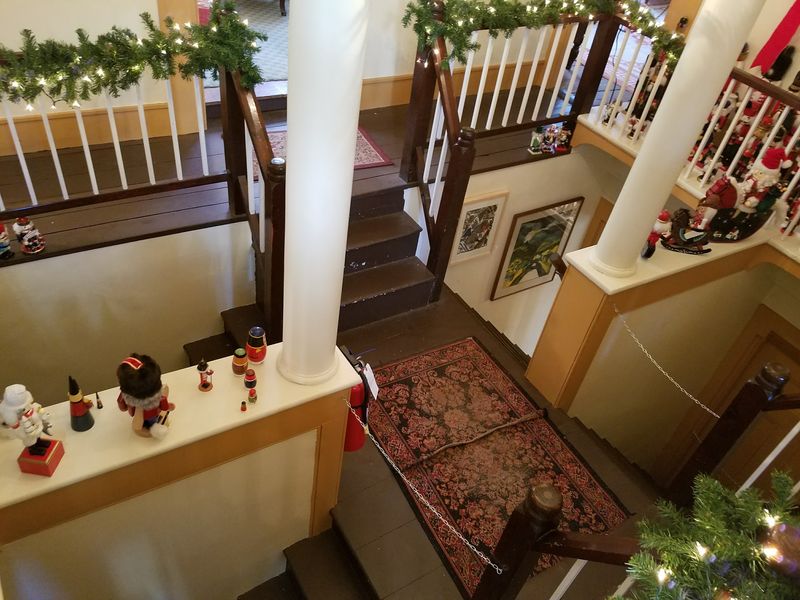
Dances once filled the third floor with music and movement. The grand ballroom hosted entertainment for years, including performances by Harvey Girls in the 1890s.
Fast forward to recent times. The ballroom has undergone major structural improvements as part of the hotel’s ongoing restoration efforts.
The ballroom restoration was celebrated with an afternoon tea party in June 2024. A tea party feels just right for a room with this much history.
Several alcoves on this floor now serve as museum space. They add more exhibits to explore after you’ve admired the ballroom itself.
The comeback matters because of what came before. A fire in 1970 left the hotel in serious need of help.
A non-profit formed in 1971 to save it. The Merwinsville Hotel Restoration has kept working for more than 50 years since then.
That’s a long commitment by anyone’s standards. Most of us struggle to finish a jigsaw puzzle.
Seeing the ballroom shows how far patience can go. Every repaired beam reflects years of steady effort from people who refused to give up on this place.
7. Herbs And Veggies That Would Feel At Home In 1843
Out on the south side of the building, a garden grows with history in mind. It’s a period kitchen garden, and it rounds out the visit nicely.
Volunteers plant historically appropriate vegetables, herbs, and medicinal plants. The goal is to reflect what a kitchen of the era might have used.
That connection is pretty neat. Remember the basement kitchen and bakery that once fed passengers?
A garden like this helps you imagine where ingredients came from. It links the dining story inside to the soil right outside.
Volunteers from the UConn Master Gardener program tend the plot. Their care keeps it looking lively during the growing season.
Gardeners might pick up a few ideas for their own yards. Medicinal plants, in particular, show how people once handled everyday health needs.
Take a slow lap and read the plants if markers are present. It’s a calm break between the exhibits and the porch.
Fresh air and old traditions make an easy pairing. Plus, it’s the only part of the tour that smells this good.
8. Mark Your Calendar For Summer Sundays And Craft Shows
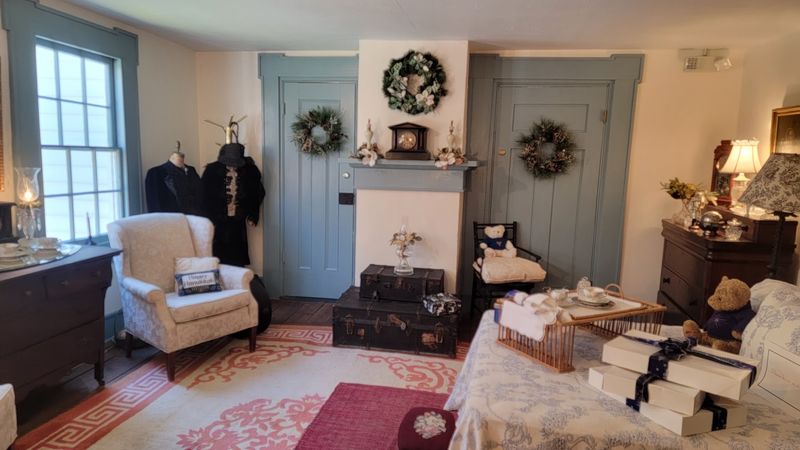
Timing matters here, so plan ahead. Tours run on Sunday afternoons in July and August, from 2 to 4 p.m.
Admission is free, though donations are welcome. Guided group tours are also offered for clubs, classes, or family outings.
The Merwinsville Hotel also hosts three craft and fine art shows each year. Each one spans two weekends, giving you a little flexibility.
The first lands in May, before Mother’s Day. Another arrives over Columbus Day weekend in October, and a holiday show runs in late November into early December.
These shows double as fundraisers for the restoration. Shopping for handmade gifts suddenly feels even better.
A Glass Orb Scavenger Hunt also continues in 2026. It began in 2021 and adds a playful twist for curious explorers.
Don’t skip the gift shop. It’s another easy way to support the cause.
The building can even be rented for events. Everything runs on volunteer power, which makes each open day feel like a community effort you can join.
9. Plan A Railroad Day Around This Corner Of The State
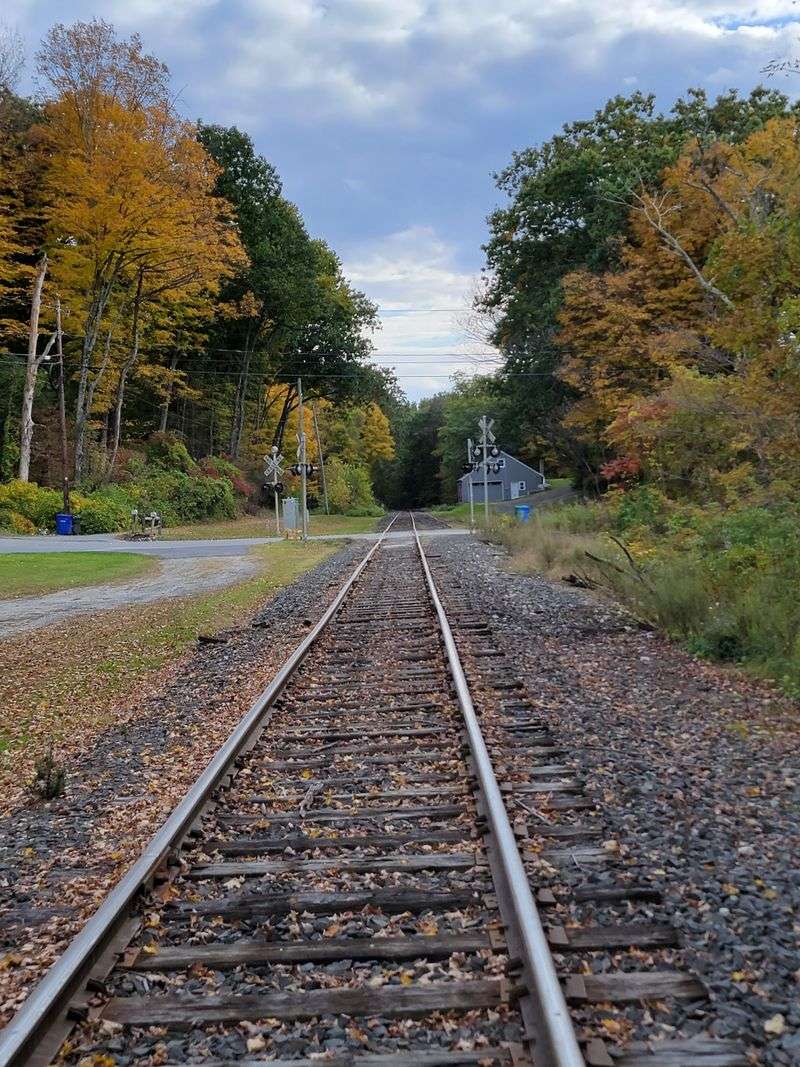
This old railroad hotel makes a pretty good excuse for a little road trip. And the surrounding area gives you plenty of reasons to stick around.
The Merwinsville Hotel sits in Gaylordsville, a small village that’s part of New Milford. It’s a convenient stop when exploring the quieter corners of the state.
Downtown New Milford is roughly 12 minutes away by car, while Kent and Sherman are also within easy driving distance. Even Dover Plains, just across the New York border, isn’t far.
If railroad history interests you, the Danbury Railway Museum makes a fun addition to the trip.
There’s more local history to discover, too. The Gaylordsville Historical Society and Kent Historical Society help preserve stories from the surrounding communities.
The New Milford Trust for Historic Preservation also contributes to the area’s historic character.
For your visit, the hotel’s address is 1 Browns Forge Rd, Gaylordsville, CT 06755.
Just remember that this isn’t a typical hotel with daily visiting hours. The historic property is maintained by volunteers, and public access depends on scheduled openings and events.
Checking ahead is worth the effort, especially when you’re making a special trip to see it.