People Drive Miles To Fill Jugs At This North Carolina Spring Famous For Its Mineral Rich Water
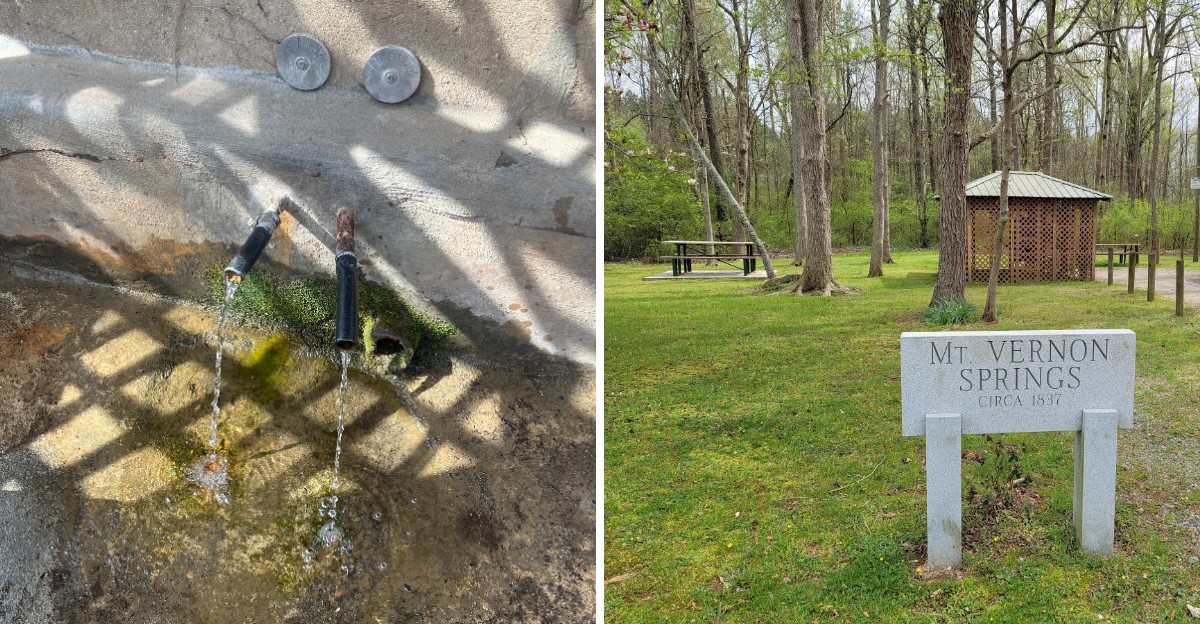
Health or Beauty is apparently a decision I have to make before filling my water jug here.
Two spring pipes run side by side beneath a small gazebo, and each has picked up its own personality over the years.
That alone makes this North Carolina stop feel wonderfully odd.
An older mineral analysis posted beneath the shelter shows how different the water can be from one spout to the other.
I’m just as interested in what used to stand nearby.
Long ago, visitors came for the spring and stayed at a grand hotel with enormous porches stretching across the property.
The hotel disappeared, but the water never stopped flowing.
For me, that makes pulling off the backroad feel less like a quick drink and more like finding the last piece of an old resort town still working exactly as it always has.
Health Or Beauty, You Only Get To Pick One Spout
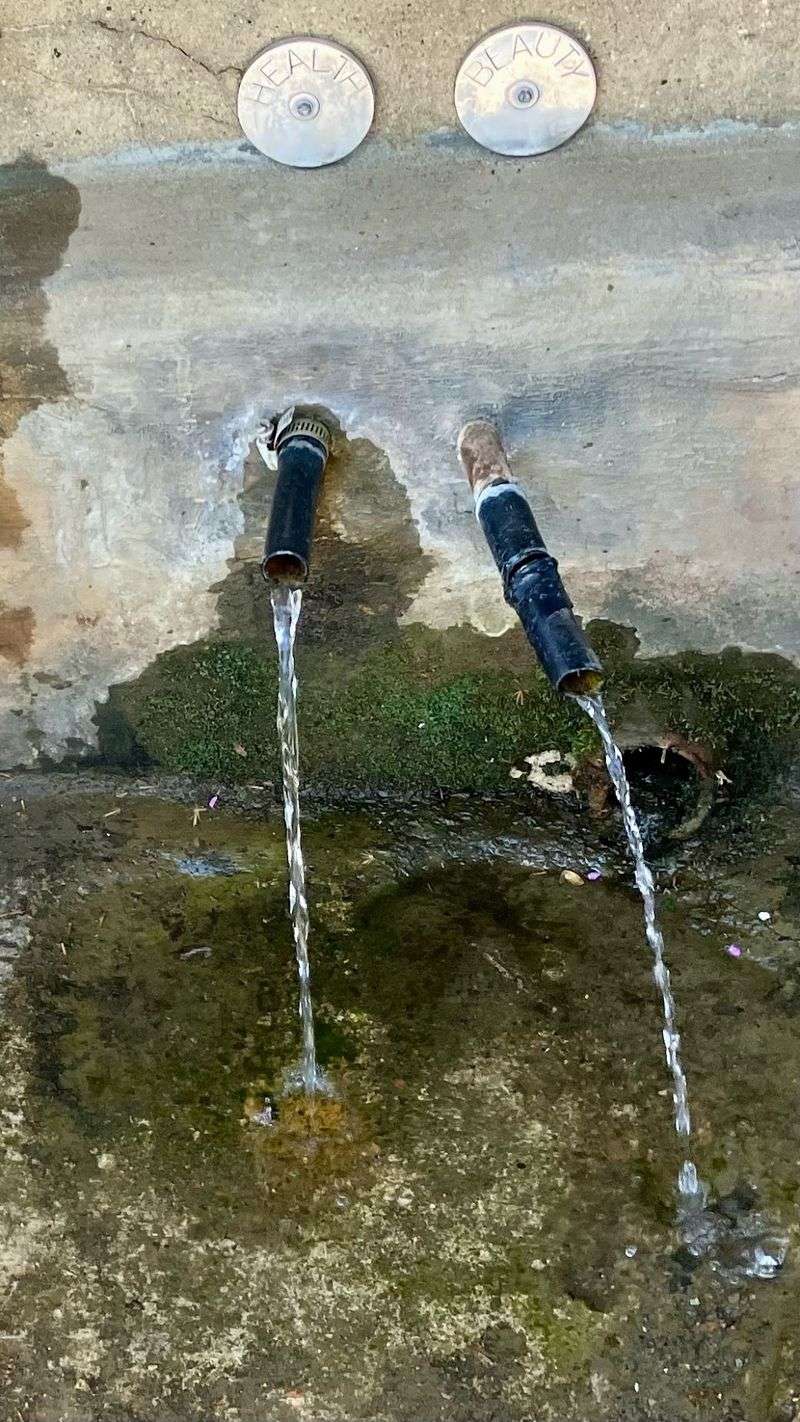
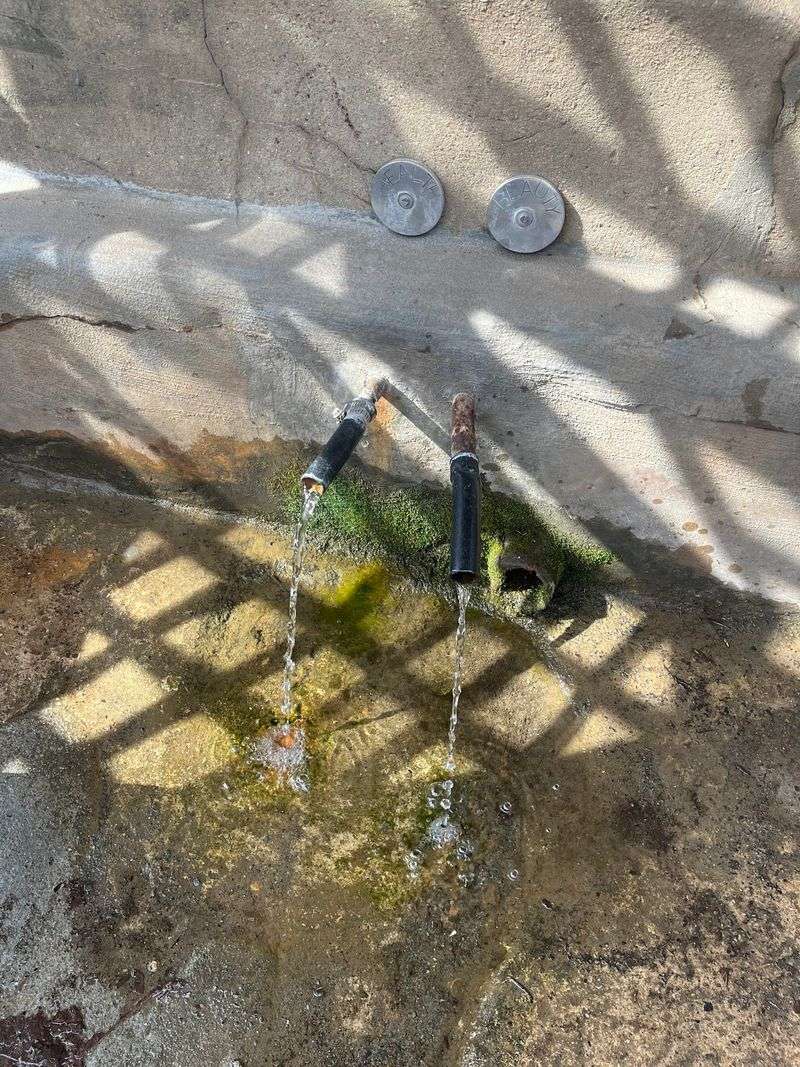
Two spouts sit inside one small gazebo at Mt. Vernon Springs, and each one has a name.
The left pipe is Health, and the right pipe is Beauty.
Health flows faster and fuller, almost like it has somewhere to be. Beauty trickles more timidly, which feels fitting for something so delicate.
The names come from local tradition, not a marketing team.
The idea is simple and charming. Drink from Health, and you’re supposedly headed for better health.
Sip from Beauty, and, well, you can guess the promise there.
The two spouts have different reported mineral compositions, suggesting their water may follow different underground pathways before reaching the surface.
Plenty of people bring two jugs and fill one at each pipe. Others pick a favorite and stick with it like a sports team.
Either approach works, since the water is free for everyone.
I like that a roadside spring offers a decision this fun. Most water sources just give you water.
This one gives you a small, refreshing dilemma in rural North Carolina.
The Mineral Report Reveals What Makes Each Spring Different
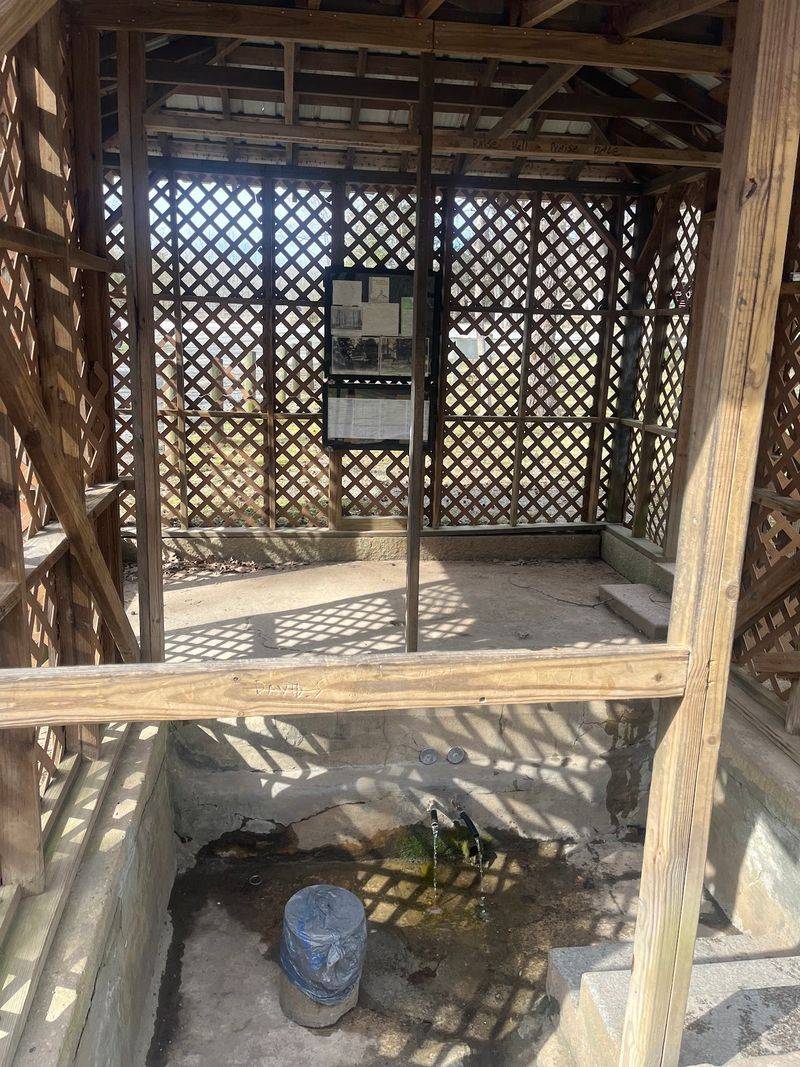
Science gets the last word at this spring. A mineral analysis from UNC Chapel Hill is posted right under the gazebo for anyone to read.
That’s an interesting piece of the spring’s history, but a mineral analysis does not establish that the water is currently safe to drink. Visitors should look for recent certified tests covering bacteria and chemical contaminants before using untreated spring water for drinking.
The Health spring runs high in sulfur. That explains why some people catch a faint smell when the water first hits the jug.
The odor can fade after the bottle sits a bit, so patience pays off.
Beauty tells a different story. Its water is described as sweet, with plenty of calcium and magnesium.
Those are the same minerals people often look for in bottled spring water.
Some folks also notice a metal taste in the water. Mineral-rich water tends to taste like the ground it came from, and this ground has plenty to say.
Reading the report turns a quick water run into a mini science class. Kids might even enjoy comparing the two columns.
I believe a spring with paperwork is a spring that takes itself seriously, in the best way.
Bring Every Jug You Own, Because The Gate Never Closes
Midnight water run? Totally allowed.
Mt. Vernon Springs is open 24 hours a day, every day of the week.
There’s no fee, either. The land is privately owned, yet the owners keep it open to the public.
That kind of generosity is rare, so treat the place kindly.
People show up with all sorts of containers. Water bottles, gallon jugs, and 5-gallon buckets all make an appearance.
Choose whatever fits your car and your back.
Plan for a slower pace once you arrive. The flow can be gentle, and a 5-gallon container may take a few minutes.
That’s a great time to stretch your legs and enjoy the woods.
Here’s a smart trick for big containers. The pipes sit pretty low to the ground, which can make filling tall jugs awkward.
Bring a smaller cup or bottle to top things off.
Also, the collection area sits in sunken cement and isn’t always spotless. Wear shoes you don’t mind getting a little damp.
Someone else might be waiting too, so fill up and share the spout.
A Grand Hotel Once Stood Where The Woods Are Now
In 1881, John Moreau Foust and his wife, Mollie, bought the springs and an existing hotel. The deal covered 190 acres, and it launched a busy chapter for this tiny village.
The Fousts built a thriving resort around the water. It prospered for about 40 years and drew all kinds of guests.
Sick visitors came hoping for cures. Healthy ones came to relax.
City folks came to escape the summer heat, which sounds like a very reasonable plan in North Carolina.
The hotel could hold 150 guests. Its porches and piazzas stretched 500 feet around the building.
That’s a lot of rocking-chair real estate.
A concrete walkway once led from the hotel down to the twin springs. Guests could stroll straight to their daily dose of mineral water.
The Fousts didn’t stop at hospitality. They bottled the water and shipped it out in large containers called demijohns.
Sadly, the hotel closed during the Great Depression in the 1930s. The building is gone today.
Still, standing by the springs, it’s easy to sense how lively this hillside once felt.
Legends Flow Here Almost As Steadily As The Water
Every good spring needs a comeback story, and this one has a doozy. According to local lore, John Foust was once given six months to live.
Then he started drinking the water, so the story goes, and he made a remarkable recovery. Whether you call it minerals or luck, it’s a tale people still love telling.
Stories like that helped build the spring’s reputation. In the 19th century, word spread far beyond the county.
The village became known as a health spa destination with international fame.
The name has its own legend too. Some accounts link Mount Vernon to George Washington’s famous home.
Local tradition connects the name to John Washington, a relative of George Washington who reportedly moved to the area during the 1850s.
Not every tale can be proven, of course. That’s part of what makes them fun to hear while your jug fills.
The water’s track record is less mysterious. These springs have supplied locals since at least the mid to late 1800s.
Local accounts say the springs have continued flowing through past droughts, adding another chapter to their longstanding reputation.
An Entire Village Earned A Spot On The National Register
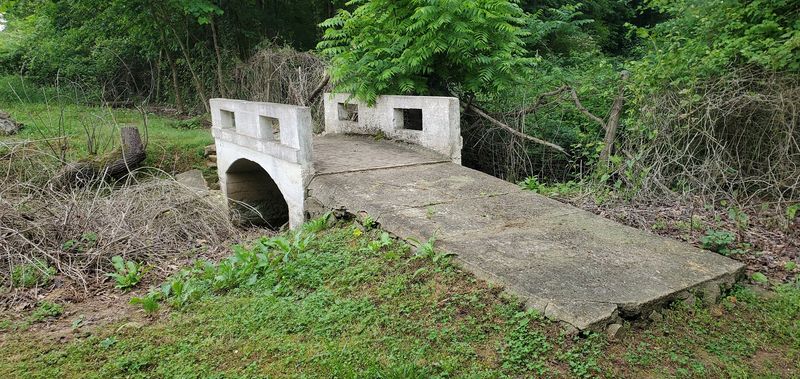
The spring isn’t the only old-timer around here. In 1987, the Mount Vernon Springs Historic District joined the National Register of Historic Places.
The district includes the springs plus 23 other contributing buildings. It also counts 3 sites and 7 structures across this small rural village.
Two buildings stand out on a slow drive. The 1855 Female Dormitory of the Baptist Academy is one.
The 1885 Mt. Vernon Springs Presbyterian Church is another, and it sits near the path to the water.
That church makes a handy landmark. The spring can be tricky to find on maps, so watching for it helps you stay on course.
Look for the remains of an old concrete footbridge near the springs. The nearby railroad tracks also recall the days when guests arrived at Ore Hill Station before continuing to the resort.
The surrounding area is mostly farmland, which keeps the setting calm and open. It’s a fine place for anyone who likes history without crowds or ticket booths.
Bring curiosity, a camera, and a little patience. The past is scattered all around Mt.
Vernon Springs, waiting for someone to notice.
Slow Down, The Road Has Opinions About Your Speed
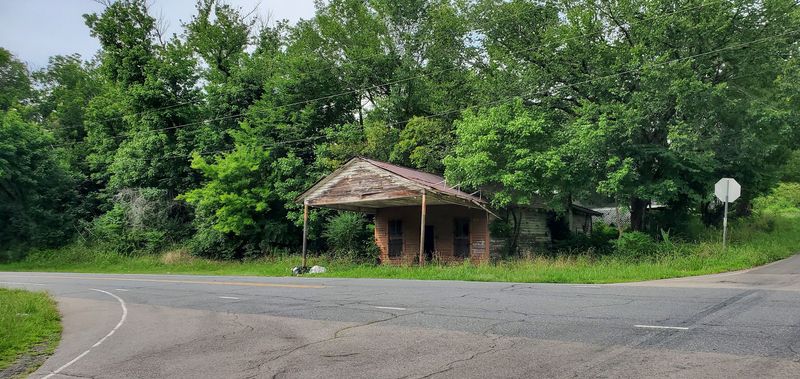
Narrow and winding, the road to the springs doesn’t care about your schedule. You’ll follow Foust Road and then Mount Vernon Springs Road to get there.
Both roads curve through quiet countryside. The twists practically force you to ease off the gas and look around.
That’s a good thing, honestly. Old buildings and farm fields pop up along the way, and rushing would mean missing them.
Along the way, the old crossroads near Foust Road offers another reminder of the area’s past. A former gas station there once operated as a souvenir shop called the Ore Hill Treasure Chest.
Map apps sometimes struggle with this spot. Give yourself extra time, and don’t panic if your phone seems confused.
The Presbyterian church nearby makes a reliable clue.
The scenery makes the effort worthwhile. Rolling hills, trees, and farmland fill the windows on a clear day.
By the time you reach the gazebo, you’ll already feel calmer. I believe the drive is half the reason this trip feels so refreshing.
Pack A Lunch, Because The Woods Make A Fine Dining Room
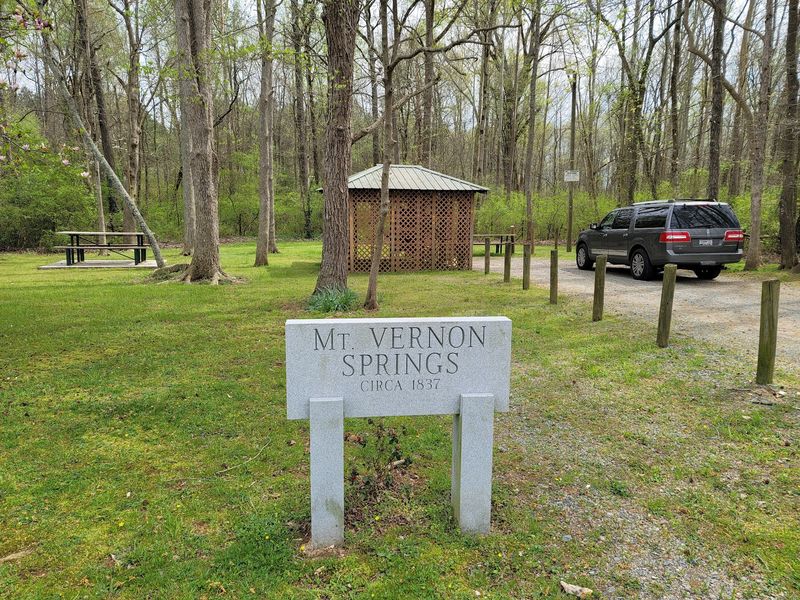
Trickling water makes a lovely soundtrack. At Mt.
Vernon Springs, it’s often the loudest thing around.
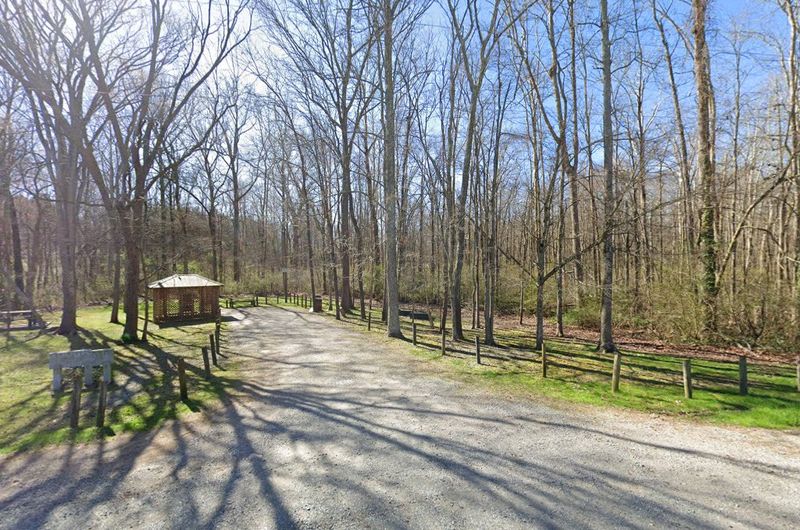
Woods surround the site, giving it a pretty, tucked-away feel without any fuss. A couple of picnic tables sit near the springs, so you can stay a while.
Why not turn a water run into a mini outing? Pack sandwiches and snacks, then eat beside the gazebo.
It’s a simple way to enjoy the peaceful setting without spending much. Bring your own drinking water, since the springs’ current safety for consumption has not been established by verified recent testing.
Plant lovers have extra reasons to linger. Interesting plants grow along the edges of the woods, so a short look around can be rewarding.
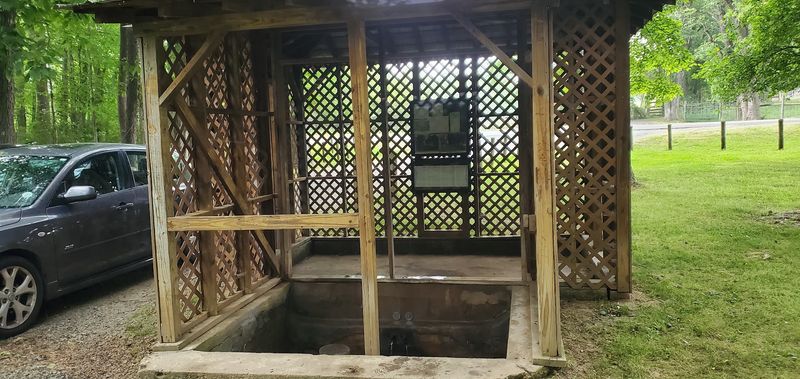
The shelter also displays photos and facts about the site. Kids can flip between the history and the water report while you finish filling jugs.
Remember that this is private land shared with the public. Pack out every wrapper and keep the area tidy.
The owners’ kindness keeps this place open, so leaving it better than you found it is the best thank-you. A peaceful lunch here might become your new favorite tradition.
Here’s Exactly Where To Point Your Car

Siler City sits about four miles north of the springs. That makes this an easy add-on for anyone exploring western Chatham County in North Carolina.
The full address is Mt Vernon Springs Rd, Siler City, NC 27344. Plug it in, but keep the church landmark handy in case the map gets shy.
Asheboro sits close enough for a pleasant backroads drive. The trip from there winds through peaceful country scenery.
Timing is flexible thanks to the 24-hour access. Daylight makes the drive easier and the historic buildings easier to spot, though.
Early visits may also mean less waiting at the spouts.
Bring the right gear before you leave home. Clean jugs, a small cup for topping off, and sturdy shoes all help.
Toss in a towel for drips.
Above all, respect the space. Mt. Vernon Springs Waters Source is free because its owners keep sharing it. Fill up, take a peek at the history, and head home with something North Carolina has offered for well over a century.
Not bad for a few miles of winding road.