Old Trees Shade Omaha’s Pioneer Graves At Prospect Hill Cemetery Near The Missouri River
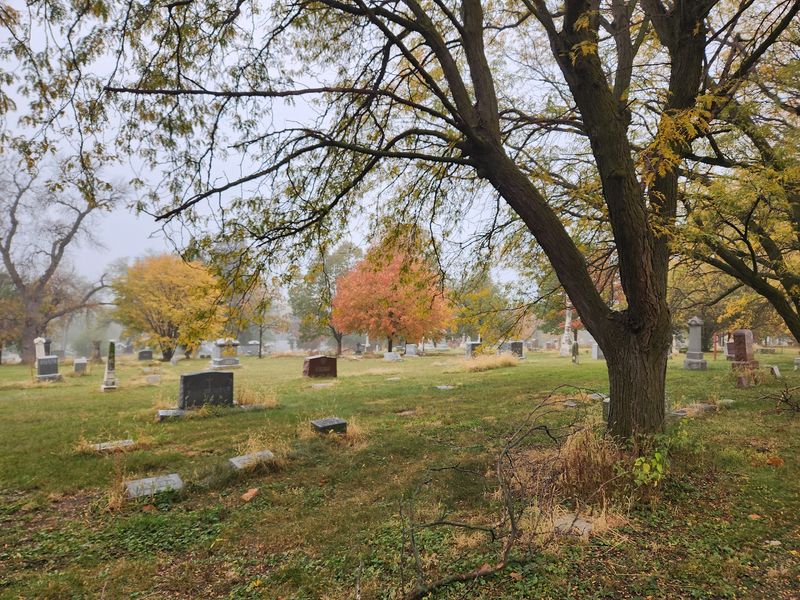
Some of the weathered graves on this Nebraska hilltop are older than the state itself. A few were already in place before the cemetery officially opened in 1858.
Walk the grounds and you’ll read names you already know from street signs and school buildings. Millard, Poppleton, Cuming, and Krug are all here, shaded by tall trees that now belong to a growing living arboretum.
This place mixes big frontier history with small, quiet, easy moments. One tree-lined road, a Tudor-style chapel, and a single 1897 mausoleum make the whole hill feel like a storybook you can stroll through.
Volunteers keep it going, one Saturday morning and one stubborn weed patch at a time. So who exactly rests under those old branches, and what stories do their stones still tell?
A Hilltop Where the City’s Story Starts
Long before Omaha had a skyline, it had a hill with a view. Prospect Hill Cemetery sits on that rise in North Omaha, and it’s widely considered the city’s oldest pioneer cemetery.
The grounds cover about 18 acres. More than 12,000 people are buried here, according to the nonprofit that cares for the site.
That’s a lot of stories packed into a space smaller than many city parks. Every row feels like a page from Omaha’s earliest chapters.
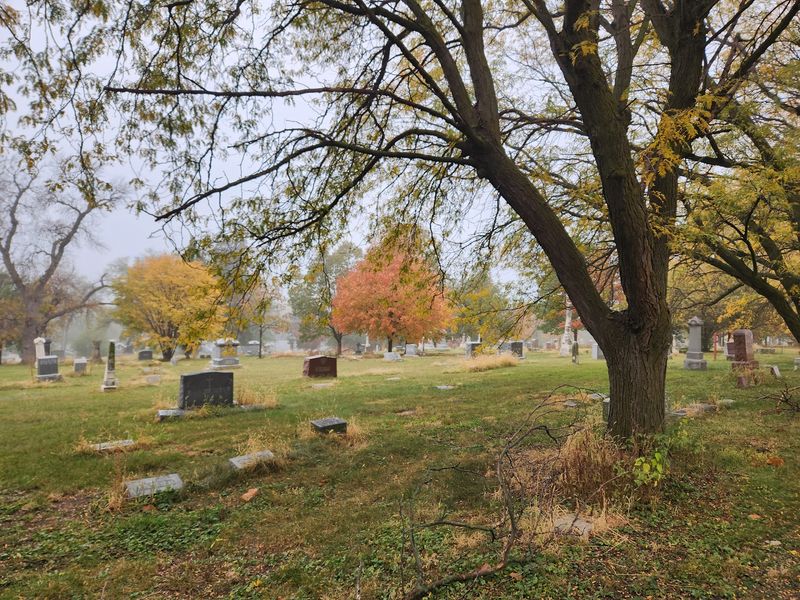
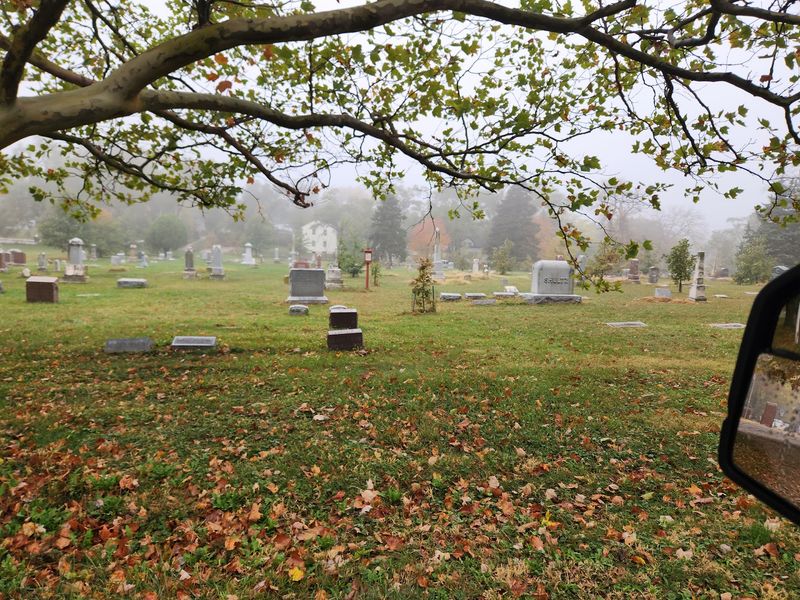
The setting matters, too. Old shade trees stretch over the stones, and a tree-lined road runs right through the center of the grounds.
You won’t find a gift shop or a ticket booth here. What you get instead is a quiet, green corner of Nebraska where frontier history sits in plain sight.
I believe that’s part of the charm. Nothing here is staged, so the names, dates, and carvings speak for themselves.
Think of it as an outdoor history book with grass between the chapters. Some pages are worn, some are freshly cleaned, and every one belongs to the city that grew up around it.
Burials That Came Before the Paperwork
Here’s a fun twist on the usual timeline. People were already being buried on this hill before the cemetery formally opened in 1858.
Early settlers used the spot because it stood out. The hill served as a landmark for travelers crossing the Missouri River into the young Nebraska Territory.
Once things became official, the first recorded burial was Alonzo F. Salisbury in 1858.
He was an Omaha pioneer and a member of the Nebraska Territorial Legislature.
So the very first name on the books belonged to someone who helped write the early rules. That’s a pretty fitting way to begin a city’s oldest cemetery.
Many graves here predate statehood in 1867. Some of those early burials include Native Americans, a reminder that this land had a long story before the settlers arrived.
Standing among stones from the 1850s and 1860s gives the history real weight. You’re not reading about the territorial years in a textbook.
You’re looking at the actual markers left behind. For a state that loves a trace it can drive to and see, that’s a big deal.
Shade Trees Turning Into a Living Arboretum
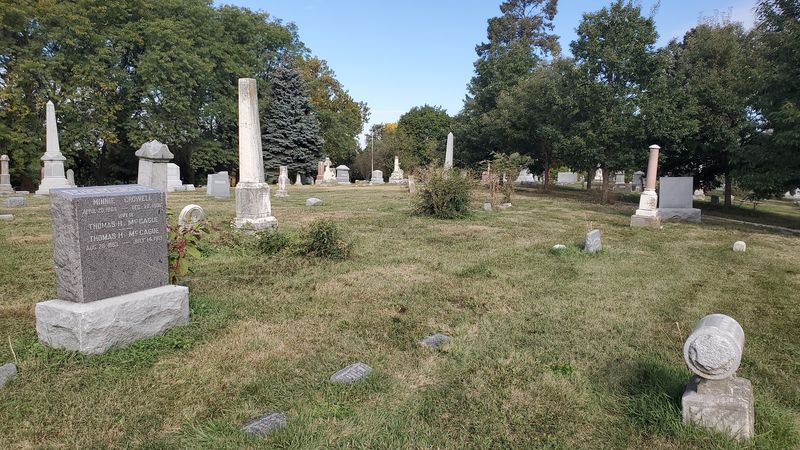
Those big trees aren’t just background scenery. Prospect Hill is a designated Nebraska Statewide Arboretum Site, which puts it in a network of places that care about trees on purpose.
The cemetery is also building a Legacy Arboretum. The focus is on native trees, the kind that belong in this part of the state.
That’s a smart match for a pioneer burial ground. The people resting here knew these prairie and river trees long before anyone planted ornamental hedges.
A tree-lined road runs through the center of the grounds. It gives the whole place a natural spine, with branches reaching over the stones on either side.
Older trees do need careful stewardship, and the volunteers know it. New plantings help make sure the shade continues long after today’s giants are gone.
I can’t imagine the hill without its canopy. The trees soften the rows of granite and marble and turn a history walk into a pleasant stroll.
Bring a curious eye for bark and leaves. You might come for the founders and leave wanting to learn the name of a native oak.
Street Signs You’ll Suddenly Recognize
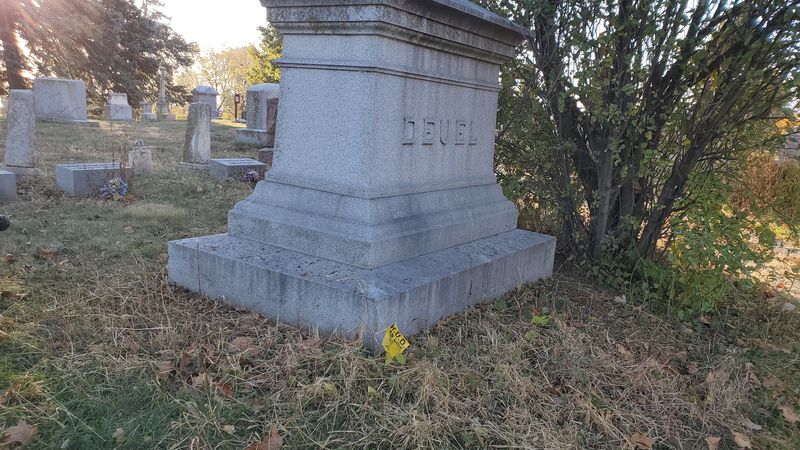
Drive around Omaha for a day and you’ll pass the names on these stones without even trying. Millard, Poppleton, Cuming, Reed, Metz, Armstrong, and Krug all appear here.
Many of the city’s early leaders rest on this hill. The list includes developers, mayors, and judges who helped shape a frontier town into a real city.
Their names still mark streets, parks, and schools across Omaha. It’s a little like finding the original authors of your daily commute.
That connection is what makes this stop so satisfying for Nebraskans. If you grew up on Cuming Street or near Poppleton Avenue, the history suddenly feels personal.
Kids especially tend to enjoy this game. Ask them to spot a name they recognize, and the walk turns into a scavenger hunt.
The founders weren’t statues on a pedestal back then. They were busy people building a town on the edge of the Missouri River.
Seeing their markers among everyone else’s is oddly humbling. Big names or small, they all share the same patch of shady hillside now.
Veterans Spanning More Than Two Centuries of Service
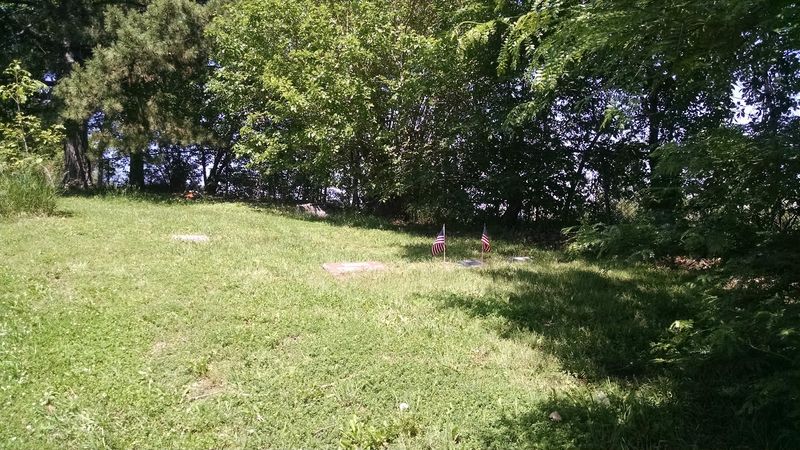
Few spots in Nebraska can claim this kind of range. Prospect Hill holds veterans from every American conflict reaching back to 1812.
That alone makes the grounds a quiet tribute. You’ll also find soldiers who served during the Spanish-American period of the late 1890s.
Nearly 100 Union soldiers who were serving at Omaha Barracks are buried here. That post later became known as Fort Omaha, which still stands in North Omaha today.
At least ten Buffalo Soldiers rest on the hill as well. These Black cavalry and infantry troops played an important role on the western frontier.
Their presence adds depth to the story of early Nebraska. The frontier wasn’t built by one kind of person, and the stones here prove it.
Around Memorial Day, a visit to these graves feels especially meaningful. Even on an ordinary weekday, the military markers invite a pause.
Take a moment to read the names and units. Each one connects this shady hilltop to a much bigger national story.
One Mausoleum, One Famous Architect
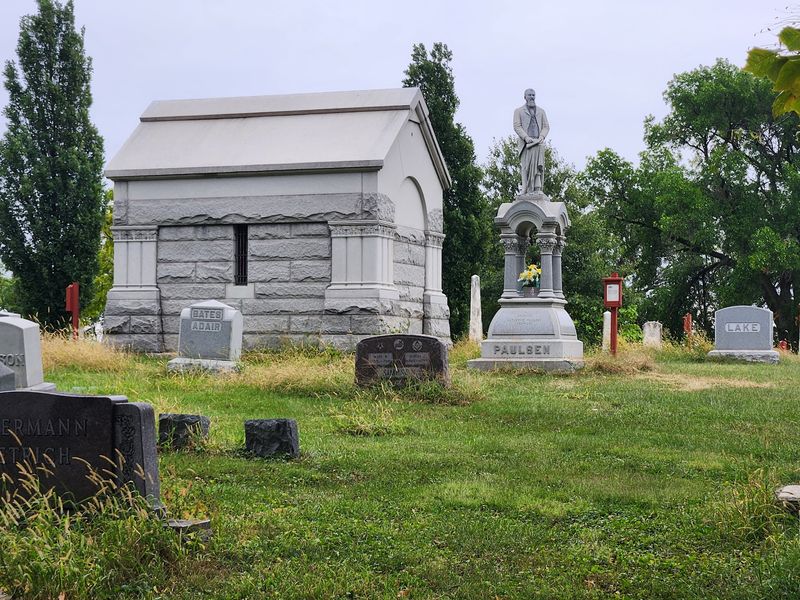
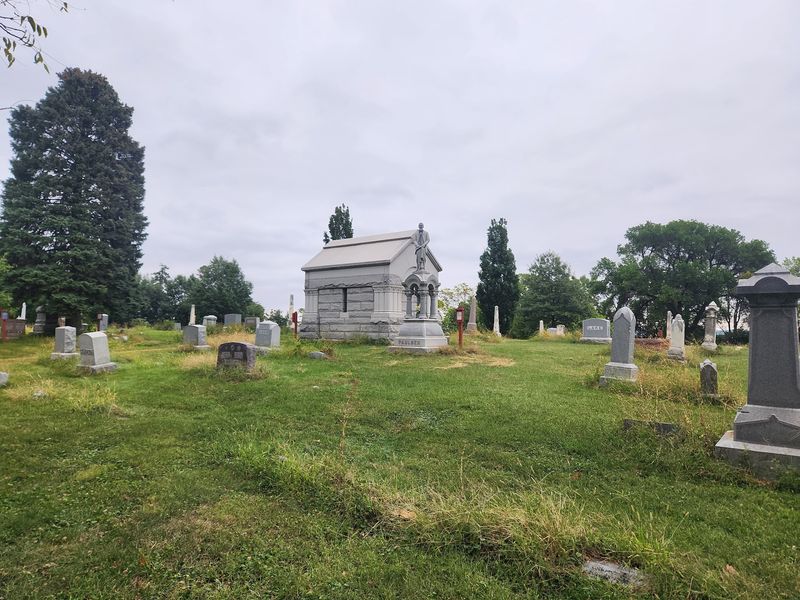
Only one mausoleum stands inside these grounds, and it has an impressive pedigree. The Megeath family mausoleum dates to 1897.
It was designed by Thomas R. Kimball, one of Omaha’s most noted architects.
Kimball’s work shows up across the city, so spotting his name here is a treat.
Being the only mausoleum gives it extra presence. Among thousands of upright stones, it’s the one structure built for a whole family to share.
Architecture fans will want to circle it slowly. Look at the stonework and the proportions, and you’ll see why Kimball earned his reputation.
It’s also a nice teaching moment for kids. A building made just for remembrance is a new idea for many young visitors.
The 1897 date puts it right around the time Omaha was showing off to the world. The city hosted the Trans-Mississippi Exposition just a year later.
So this small structure carries a big-city ambition. It’s a compact piece of Gilded Age Omaha resting under prairie trees.
Tudor Revival Charm at the Gate
Your first impression arrives before you even reach the graves. A Tudor Revival gatehouse stands on Parker Street, greeting everyone who comes through.
That style brings a cozy, storybook look. Steep rooflines and old-world details make the entrance feel more like a village than a city block.
Inside the grounds, two more Tudor Revival buildings continue the theme. One is a chapel, and the other is the sexton’s house.
A sexton historically looked after the cemetery and its burials. Having a house on site shows how seriously early Omaha took the care of this hill.
Together, the three buildings give the grounds a polished, intentional feel. They show what people once considered fitting for a respected resting place.
Photographers will find plenty to work with here. The textured walls look great against green grass and leafy branches.
Even if you aren’t an architecture buff, the buildings help set the mood. They hint that this is a place built with pride, and still cared for that way.
Colorful Characters Among the Pioneers
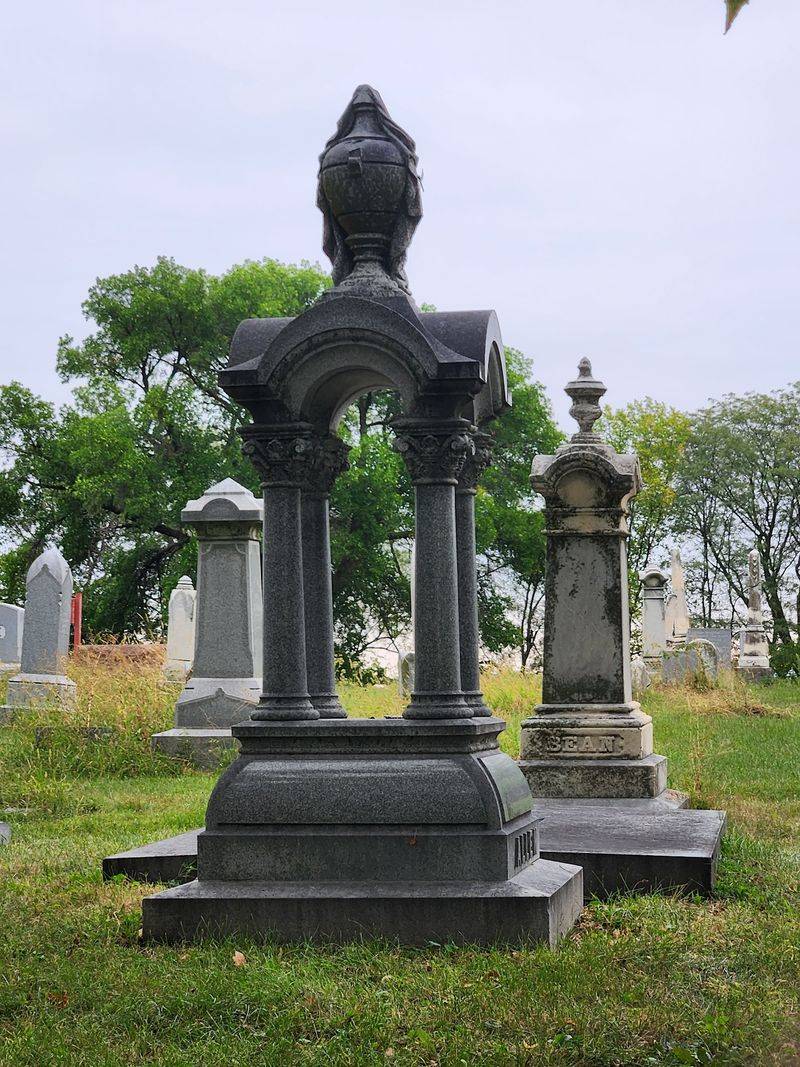
Not everyone here lived a quiet, buttoned-up life. Madame Anna Wilson is one of the cemetery’s most talked-about residents.
She ran a notorious business in old Omaha and became quite wealthy. Later, she left much of her considerable estate to Omaha institutions.
Her monument is shared with her longtime partner, Dan Allen. It stands out on the hill and draws curious visitors who know the backstory.
Stories like hers keep the history honest. A frontier city had bankers and judges, but it also had people who lived boldly outside the lines.
The cemetery also has its share of folklore. A legend about a lady in white asking about her children has floated around for years.
Treat that one as a fun campfire tale rather than history. Still, it adds a little shiver to an evening-leaning stroll.
Between the real characters and the local legends, there’s plenty to talk about on the walk home. History rarely gets this lively.
Signs That Do the Storytelling for You
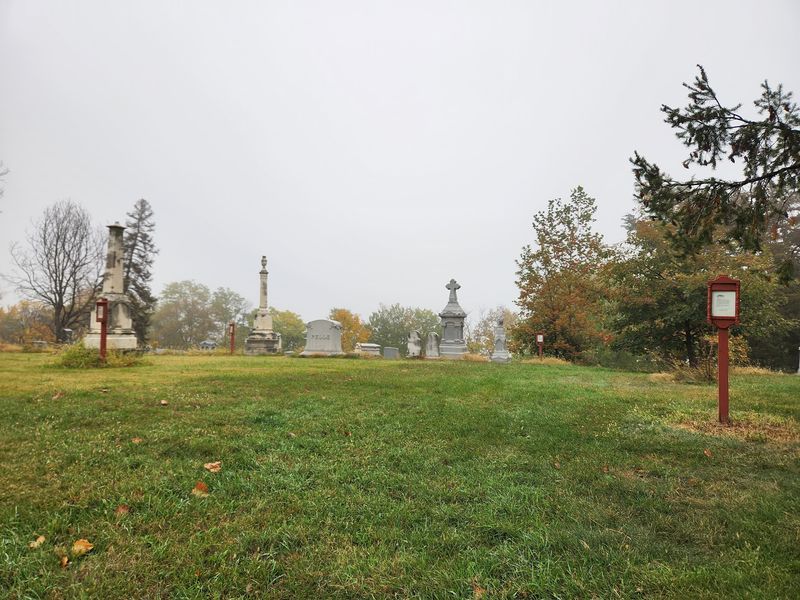
No tour guide? No problem at all.
Interpretive signs are placed throughout the grounds to share the stories behind many of Omaha’s founders.
They give you context right where you need it. Instead of guessing who someone was, you can read a short history while standing at their marker.
The cemetery also supports self-guided walking tours. That means you can wander at your own speed and linger wherever something catches your interest.
History buffs can spend hours connecting names to events. Casual walkers can simply follow the signs and still leave knowing more than they expected.
It’s an easy outing for families and school groups. Older kids can read the signs aloud while younger ones hunt for interesting carvings.
I like how the signs make the place feel welcoming. They turn a hill of stones into a conversation you’re invited to join.
Bring a notebook or snap a few photos as you go. You’ll probably want to look up a few names once you get home.
Volunteers Holding the Whole Hill Together
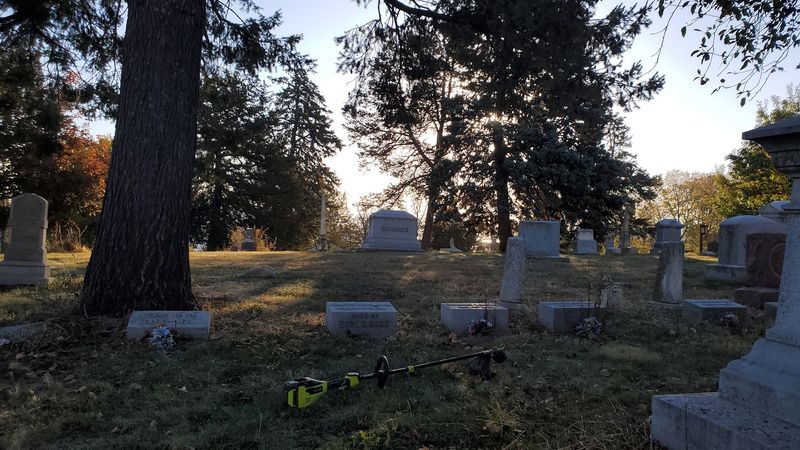
Behind every tidy row is a crew of very dedicated people. The independent, nonprofit Prospect Hill Cemetery Association has managed the grounds since 1898.
It isn’t funded by the city or a church. The association relies on private donations and volunteer labor to care for 18 acres and thousands of fragile monuments.
Many of those stones are more than a century old. That makes every mowing and trimming session a careful job, not a quick pass with a machine.
Volunteer programs carry delightful names like Weed Whackers and ShrubBubs. Clever titles aside, the work keeps the history visible and the paths open.
Groundskeeping happens in stages, so the look can change depending on when you visit. Sometimes native growth stays put until crews can work safely around delicate stones.
A newer fence came from community donations. It’s a good example of how far local generosity stretches here.
Want to do more than walk through? Volunteering or donating is one of the most direct ways to help Omaha’s oldest cemetery thrive.
Landmark Status Since 1979
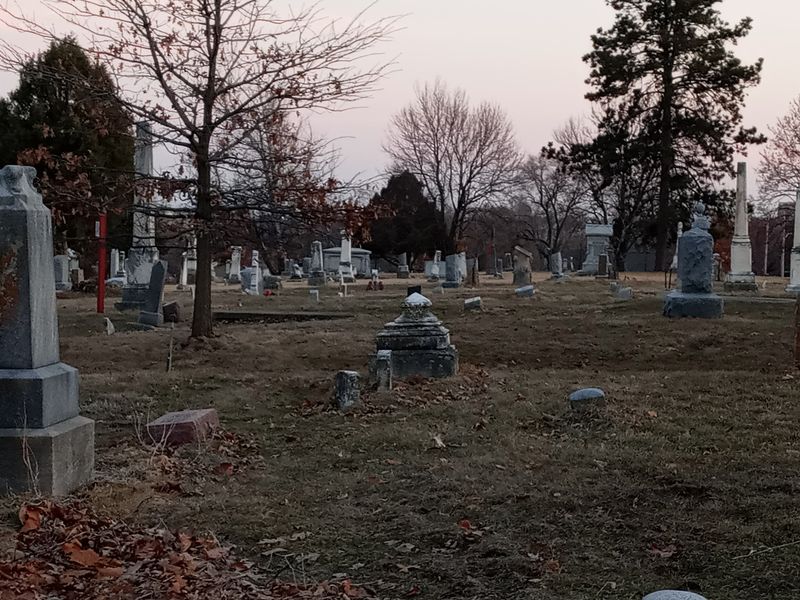
Official recognition came in 1979. That’s the year Prospect Hill was designated an Omaha City Landmark.
The title helps protect what makes the site special. It also signals that the city sees this hill as part of its shared identity.
Today the cemetery works as both a historic site and a resting place. It is nearly full and no longer takes new burials in the usual way.
That shift changes how people use it. More visitors come for history, genealogy, and peaceful walks than for family plots.
For genealogists, the grounds can be a goldmine. Families with deep Nebraska roots may find ancestors from the territorial and early statehood years.
The landmark label also gives the volunteers something to rally around. Preserving a recognized city treasure tends to bring in helping hands.
It’s comforting that the hill earned protection decades ago. The founders, soldiers, and everyday settlers here deserve to stay part of the city’s story.
Quiet Walks for History Lovers and Wanderers
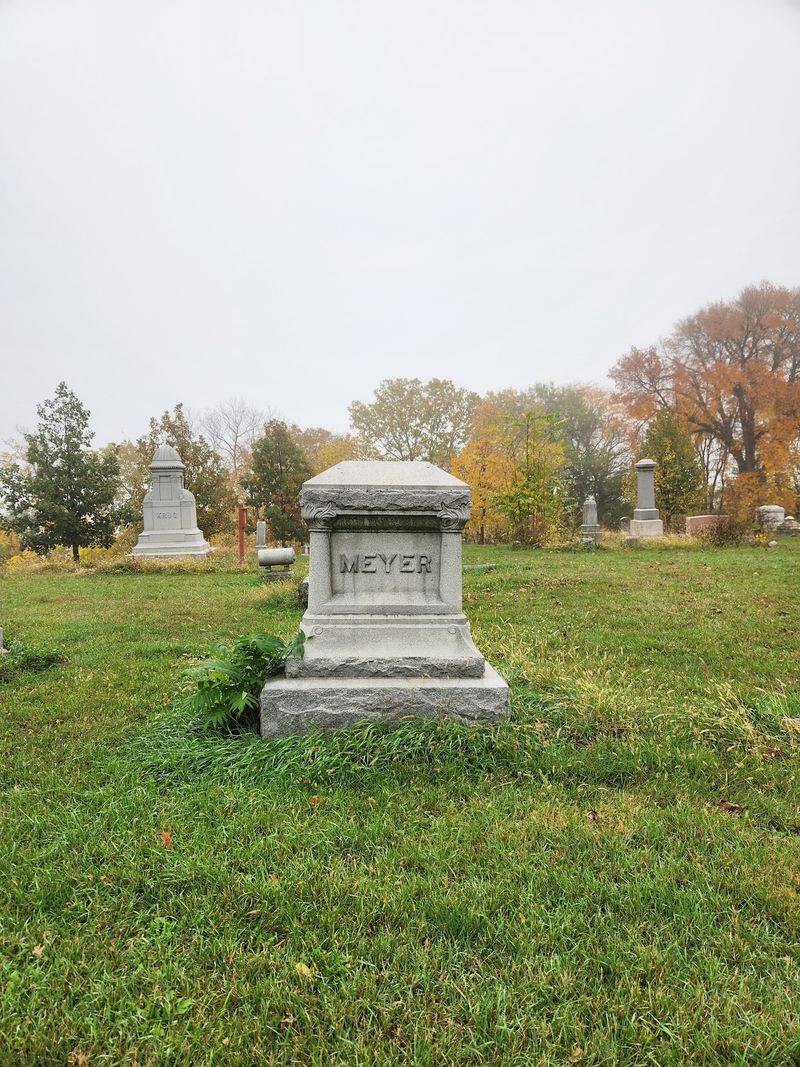
Peace and quiet are in good supply on this hill. The shade, the old stones, and the gentle road make it an easy place to slow down.
Bird-watchers may enjoy the mature trees. Walkers will appreciate a route that feels calm even though the city surrounds it.
History fans get the biggest payoff. Between founders, veterans, and colorful characters, the stories keep stacking up row after row.
Photographers will find carved stones, Tudor buildings, and leafy light to play with. Fall color and spring green both suit the old monuments nicely.
Families can make it a short learning adventure. The interpretive signs and familiar street names keep kids engaged without a lecture.
Remember that this is still a resting place for thousands of people. A respectful pace and gentle voices go a long way.
Some stones are fragile, so admire them without leaning or climbing. Careful visitors help the volunteers protect pieces of history that can’t be replaced.
Finding Your Way to Parker Street
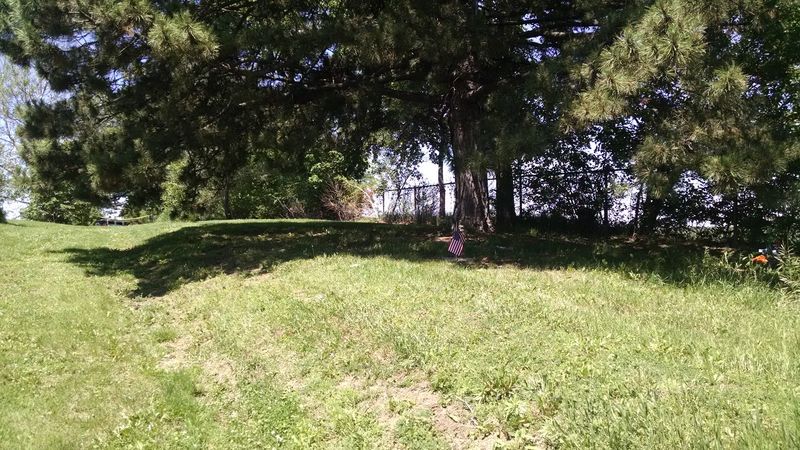
Getting there is refreshingly simple. Prospect Hill Cemetery sits at 3202 Parker St, Omaha, NE 68111, in North Omaha.
The grounds stretch between North 31st and 33rd Streets. Parker and Grant Streets frame the other sides, so it’s easy to spot on a map.
The Missouri River lies just a short drive east. That closeness explains why the hill once served as a landmark for early travelers crossing into Nebraska.
The cemetery is open during daytime hours throughout the week. Plan your visit for daylight so you can read the signs and enjoy the trees.
Wear comfortable shoes, since the grass and slopes can be uneven. A water bottle helps on warm summer afternoons.
Fort Omaha is nearby, which makes a natural pairing for history fans. Many soldiers buried here once served at that post.
Combine the two, and you have an easy North Omaha history outing. It’s a satisfying way to spend part of a weekend without a long drive.
A Shady Hill Worth Your Afternoon
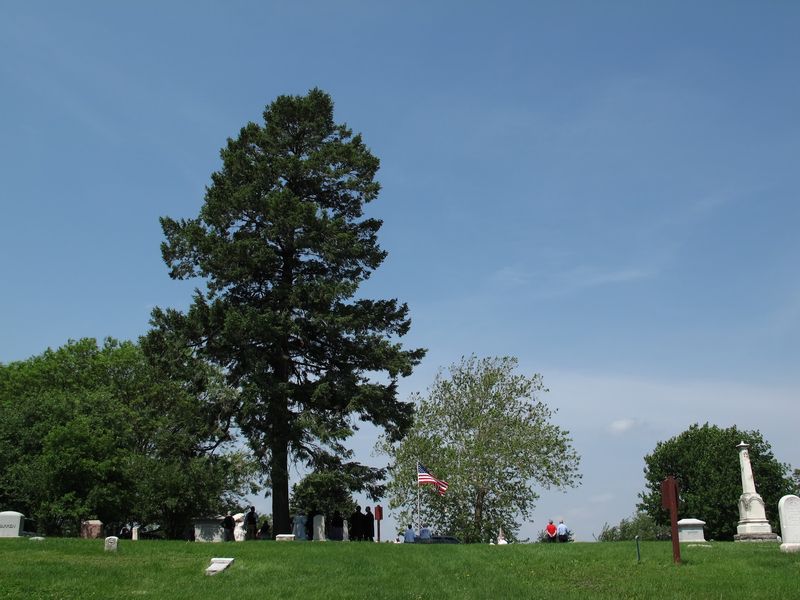
Some outings deliver big thrills, and others quietly stick with you. Prospect Hill lands firmly in the second group.
It offers frontier graves older than Nebraska statehood. It also offers founders’ names, veterans’ markers, and a lone 1897 mausoleum by a celebrated architect.
Add the Tudor Revival buildings and a growing native arboretum. Suddenly a simple walk becomes a layered tour of the city’s past.
The hill isn’t polished like a museum, and that’s okay. Volunteers tend it in stages, and their care shows in the restored corners and new plantings.
Every visit supports the idea that this history matters. A donation or a Saturday shift can make that support even stronger.
For Nebraskans who love tracing where their towns began, this spot is hard to beat. The past is right there, carved in stone and shaded by leaves.
So the next time you’re near North Omaha, take the detour. Those old trees have been waiting a long time to share some shade and a good story.