In 1910 One Fire Burned Three Million Acres And This Idaho Trail Still Shows The Scars
A forest ranger once led 45 men into an abandoned mine tunnel while a firestorm roared overhead. You can still hike right up to the spot where that tunnel opens into the hillside.
That night was August 20, 1910, during a blaze that scorched roughly three million acres across north Idaho and western Montana. Look closely along the path today, and charred cedar stumps still poke out of thick green moss.
I like how the forest refuses to stay gloomy about that summer. A bright creek tumbles beside you the whole way, and bridges hop back and forth across the water.
I can’t imagine a better classroom than a shady canyon with a cool breeze. Who knew a two-mile walk in the Idaho Panhandle could carry this much story?
A Legendary Path Waits Just One Mile Outside Town
Few historic sites sit this close to a coffee stop. The Pulaski Tunnel Trail starts about one mile south of Wallace, right off National Forest Road 456 in the Silver Valley.
The Idaho Panhandle National Forests manage the route through the Coeur d’Alene River Ranger District. It’s a four-mile out-and-back hike, two miles up and two miles down.
The trail follows the West Fork of Placer Creek into a steep, green canyon. At the far end, an overlook faces the old mine tunnel where a famous rescue unfolded in 1910.
That rescue is the whole reason the trail exists. It works as a memorial to the firefighters of the Big Burn, one of the largest forest fires in American history.
Both the trail and the tunnel are listed on the National Register of Historic Places. That’s a serious honor for a footpath you can finish before lunch.
The best part is how easy it is to fit into a regular Idaho weekend. You can roll in from I-90, hike, and still have time to wander historic Wallace afterward.
The Night Big Ed Pulaski Refused To Let His Crew Panic
August 20, 1910, brought hurricane-force winds roaring across the northern Rockies. Hundreds of small fires merged into one enormous wall of flame racing toward the canyons around Wallace.
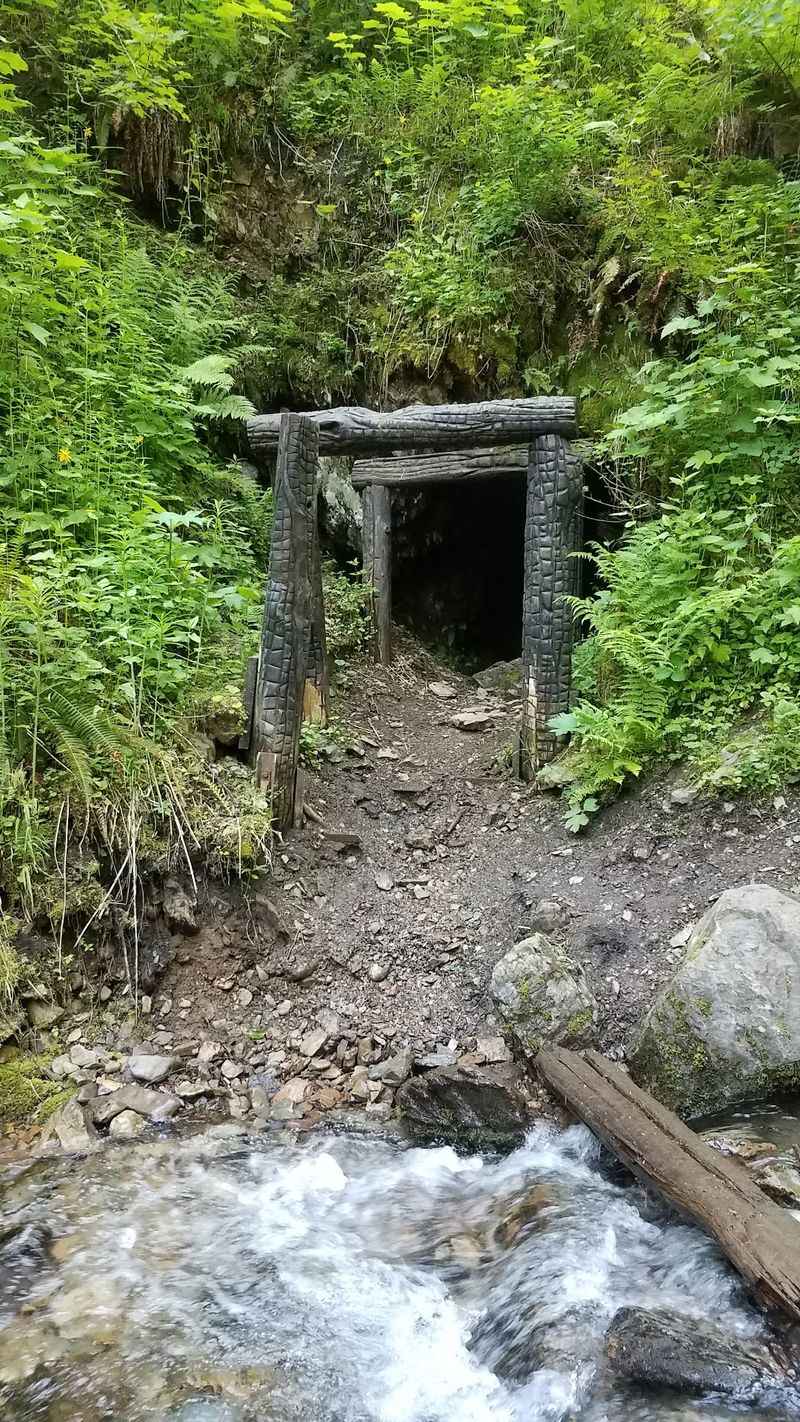
Forest Service Ranger Edward Pulaski, known as Big Ed, was out with a crew of 45 men. With fire closing in from every side, he guided them into the abandoned Nicholson mine adit.
Inside, smoke and heat pressed against the entrance for hours. Pulaski stood firm at the opening and ordered everyone to stay put rather than bolt back outside.
His stubborn leadership carried the day. Nearly all of his men walked out of that tunnel, and his name became Forest Service legend.
The story didn’t stop there. Pulaski helped popularize a combination axe and hoe that still carries his name and remains standard gear for wildland firefighters.
So every time a crew swings a pulaski on a fire line, they’re echoing that Idaho ranger. Pretty good legacy for a guy who simply refused to let his crew scatter.
Charred Stumps Still Poke Through The Moss
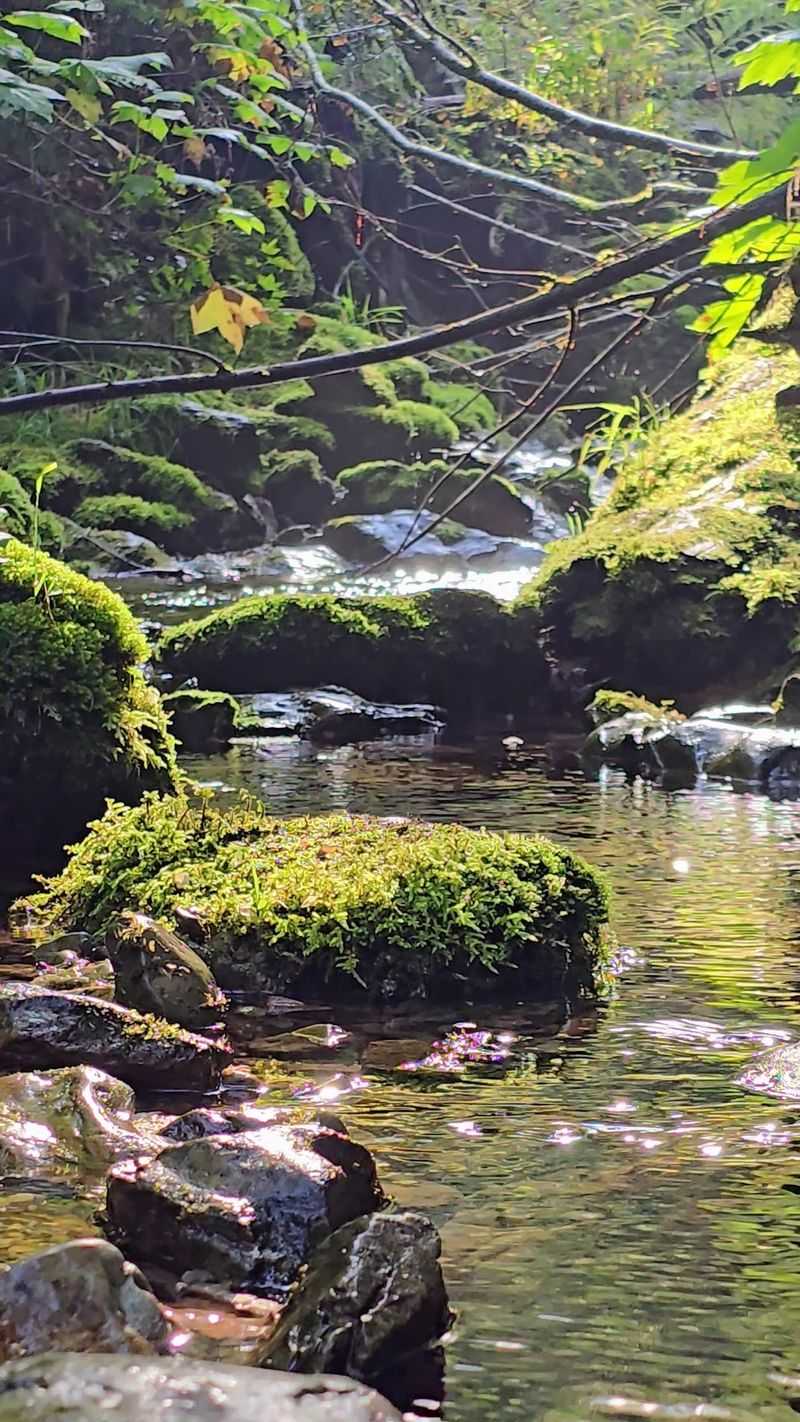
Green is the first thing you notice here. Spruce, fir, cedar, and pine crowd the canyon, and moss coats nearly every rock by the creek.
Slow down, though, and the older story starts showing. Burnt-out cedar stumps, charred logs, and weathered snags still stand among the new growth.
Those blackened leftovers have hung around for more than a century. They’re quiet proof that this lush hillside once stood in the path of the Big Blowup.
Interpretive signs run from the trailhead all the way to the overlook. They fill in the history of that summer, the people who fought the fire, and the slow recovery afterward.
The pairing is what makes the hike so memorable. You read about a scorched landscape, then look up and spot an actual scorched stump a few feet away.
It’s a little like a museum where the exhibits grew moss. Kids tend to treat the stumps like a scavenger hunt, which honestly might be the best way to learn this chapter of Idaho history.
Five Bridges, Three Boardwalks, And One Very Chatty Creek
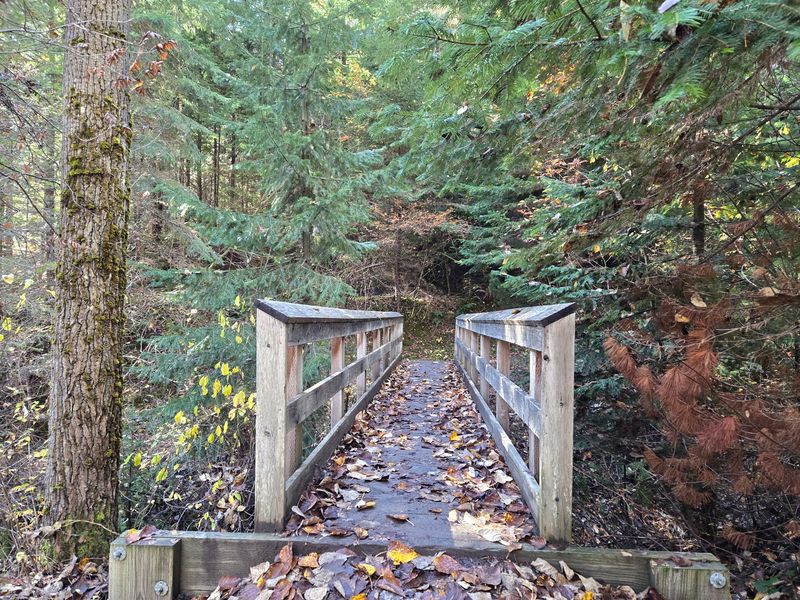
Silence is not on the menu. The West Fork of Placer Creek splashes alongside you for nearly the entire climb.
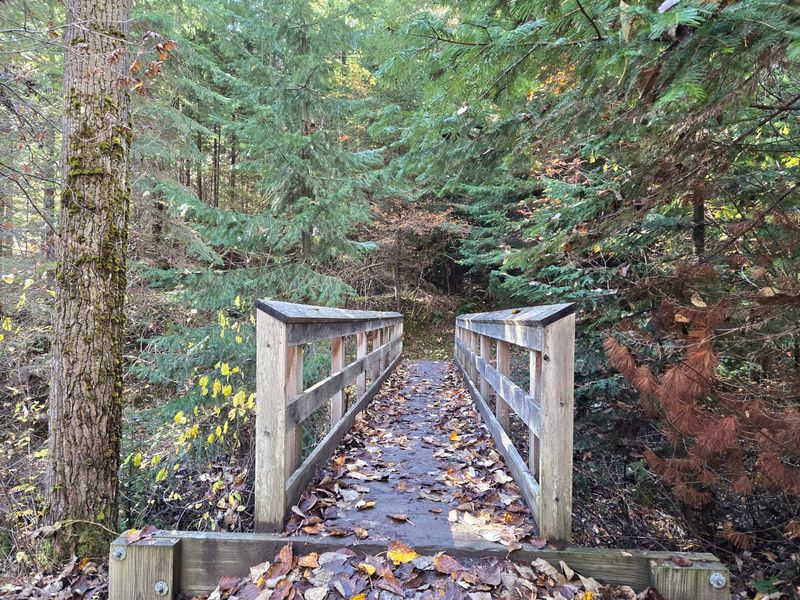
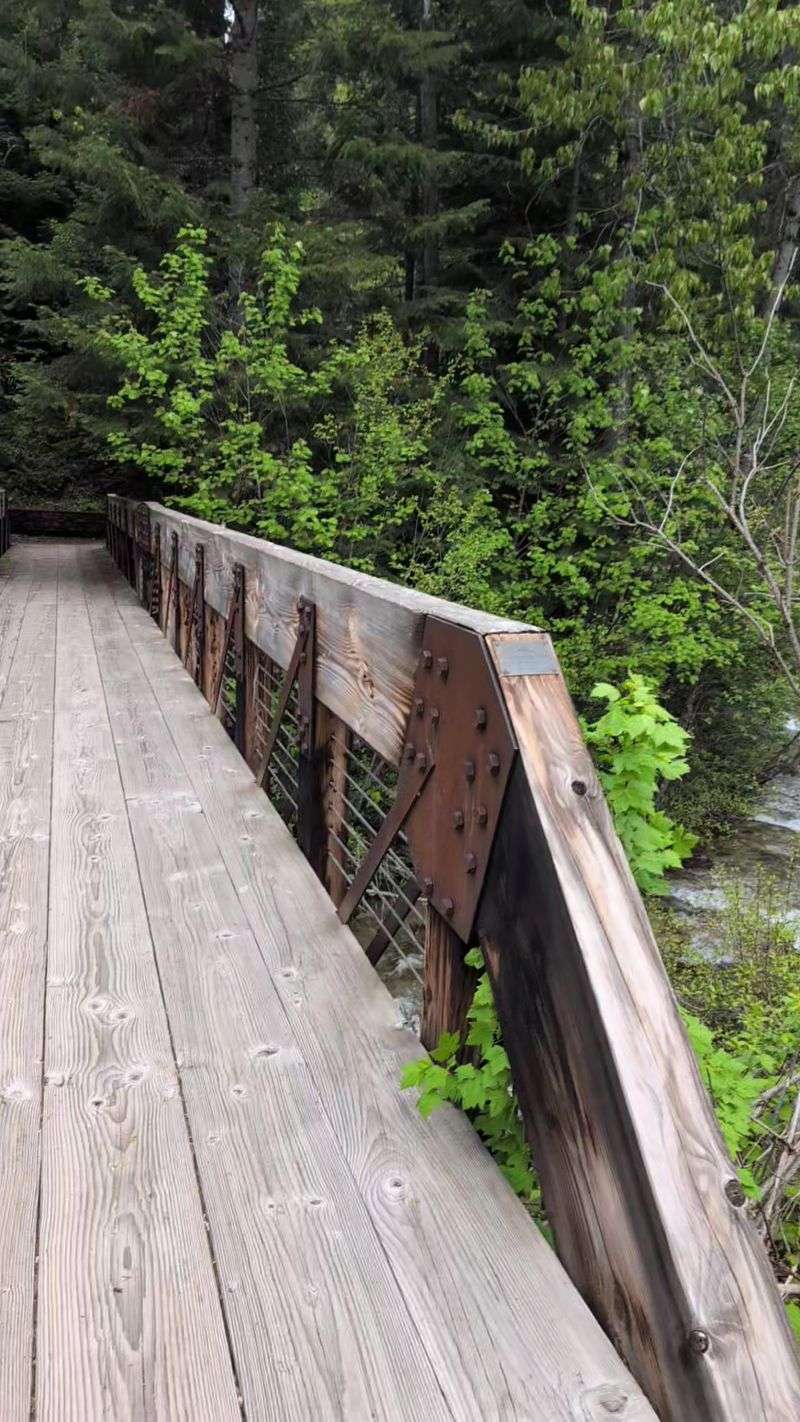
Five trail bridges and three boardwalks carry you across the creek and its smaller side drainages. Each crossing serves up another look at rapids, mossy boulders, and little cascading waterfalls.
The water adds a cheerful soundtrack to a heavy story. It’s hard to stay somber when a creek keeps tumbling past like it has somewhere fun to be.
Much of the trail stays shaded under tall trees. That means cooler air near the water, so a light layer is smart even on a warm day.
Spring snowmelt pushes the creek into its liveliest mood. Late summer brings wild thimbleberries along the trail, a soft red cousin of the raspberry.
Photographers love this stretch for good reason. Fall color around the bridges makes for easy family pictures without any fancy gear or long detours.
Mining Relics And A Tunnel Worth The Climb
Mining history shows up long before the famous tunnel does. The Silver Valley was built on ore, and the trail drifts past reminders of that era.
Watch for a buffalo blower along the way. This water-driven ventilator once pushed fresh air down into a mineshaft, which is clever engineering for the woods.
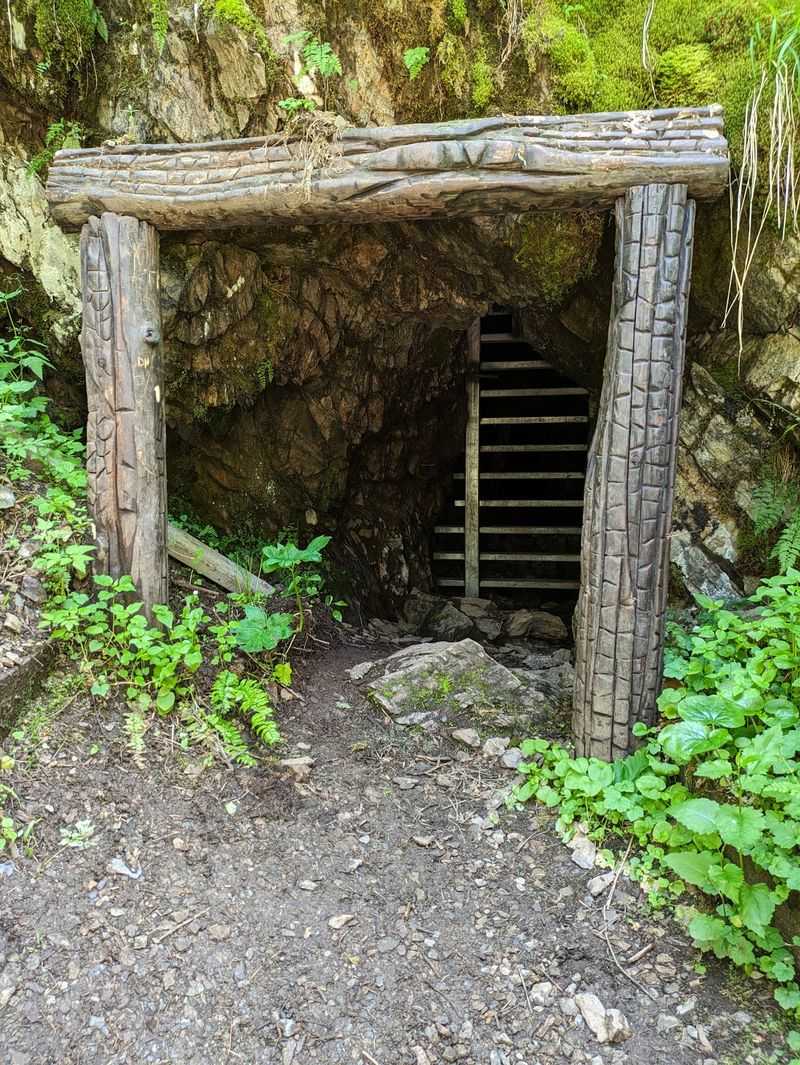
Then comes the payoff at the two-mile mark. An overlook with a seating area sits across the creek from the entrance of the old Nicholson adit.
The opening is barred for safety, so nobody wanders inside. Charred-timber replicas stand around the entrance, a solemn nod to the blaze that swept this slope.
Some hikers find the tunnel smaller than they pictured. That’s part of the punch, honestly, since 45 men squeezed into that dark hole to wait out the fire.
The final descent toward the tunnel can look intimidating. A side path to the left makes the way down much gentler, so take a moment to scout before stepping off.
Toddlers, Grandparents, And Trail Runners All Fit Here
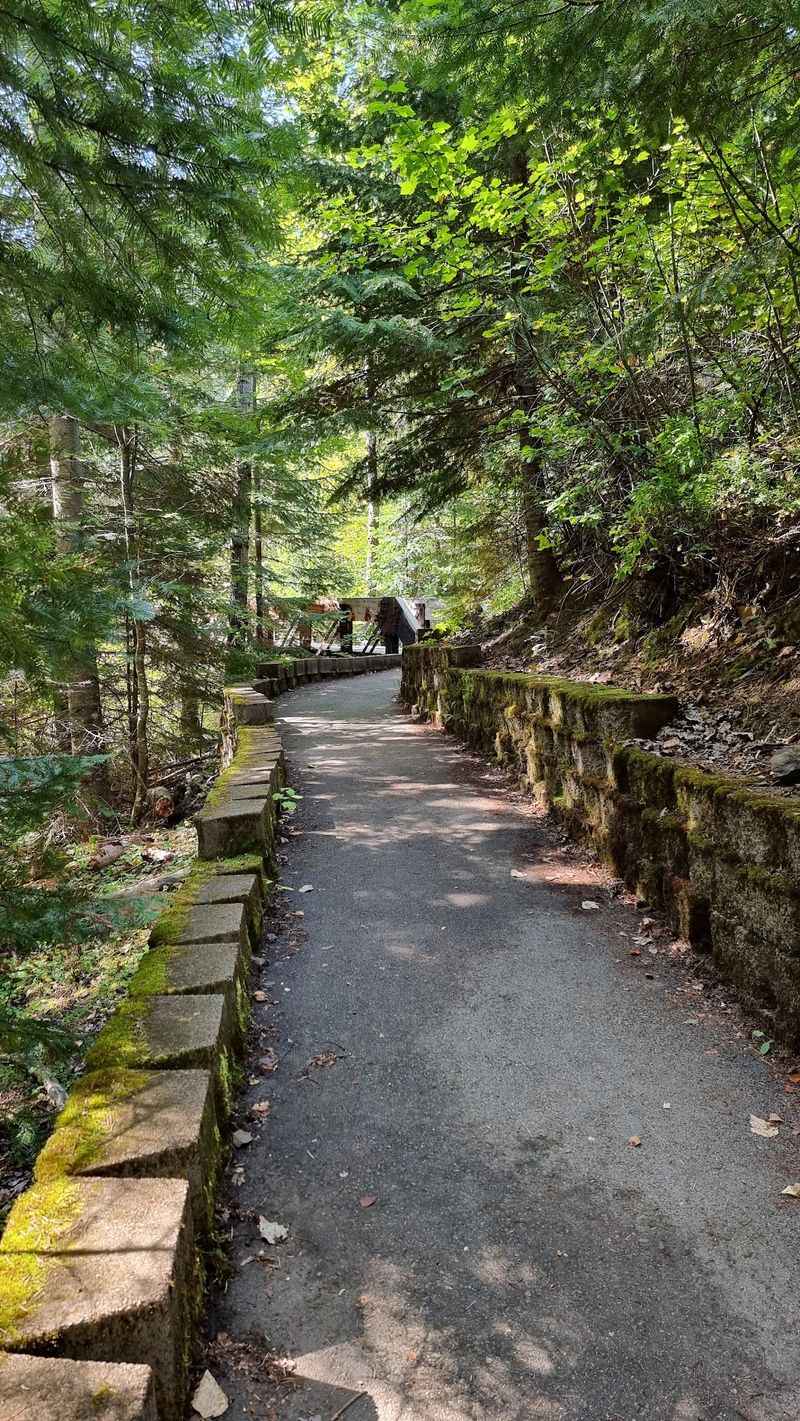
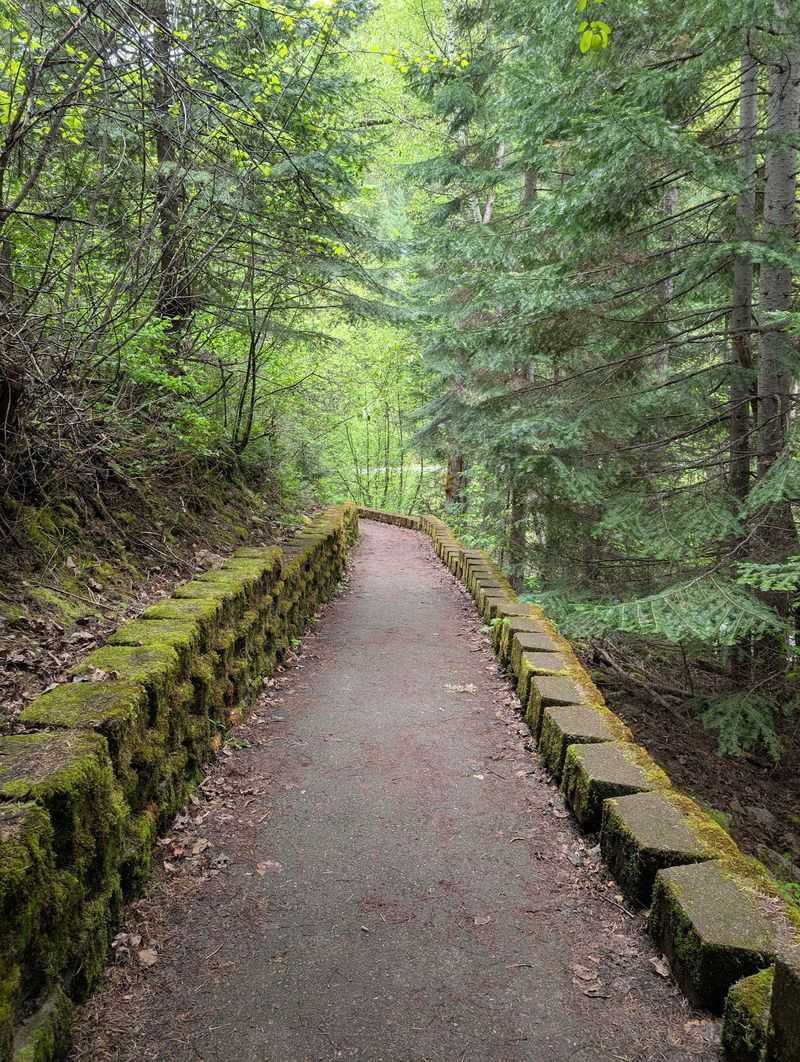
Good news for strollers and wheelchairs right off the bat. The first 725 feet are paved and easy to navigate for folks with mobility challenges.
After that, the trail turns into rocky single-track. You’ll gain about 800 feet in elevation from the trailhead to the tunnel overlook.
The Forest Service rates the hike as moderate. Most of the climbing stacks up in the last half mile, while flatter breaks let you catch your breath between steeper pitches.
Plenty of families still make it to the end with young kids. The bridge around three-quarters of a mile also works as a pleasant turnaround for little legs.
Sturdy shoes are a must on this route. Roots, rocks, and the occasional fallen tree can turn slick after rain or spring snow.
Wildlife adds some bonus excitement. Chipmunks and squirrels dart around the trail, and moose do wander this area, so give any large visitor plenty of room.
A Few Easy Turns Through Wallace Get You There
Directions sound complicated but take only minutes. Leave I-90 at Exit 61 toward Wallace and head south from the off-ramp.
Turn left on the I-90 Business Route, right onto 2nd Street, then right onto Bank Street. Bank becomes King Street, which turns into Forest Road 456, also called Moon Pass Road.
Follow that road about a mile to the marked parking area on your left. The official address is NF-456, Wallace, ID 83873.
Parking is limited, so earlier starts usually make life easier. The trail itself begins across the road from the lot, and a vault toilet sits at the trailhead.
The trail is open around the clock and all year long. Bring your own water, because none is available anywhere along the route.
Questions about current conditions go to the Coeur d’Alene River Ranger District offices in Coeur d’Alene and Smelterville. Checking ahead before driving is wise, especially during winter or wildfire season in Idaho.
Why The Walk Back Down Feels Different
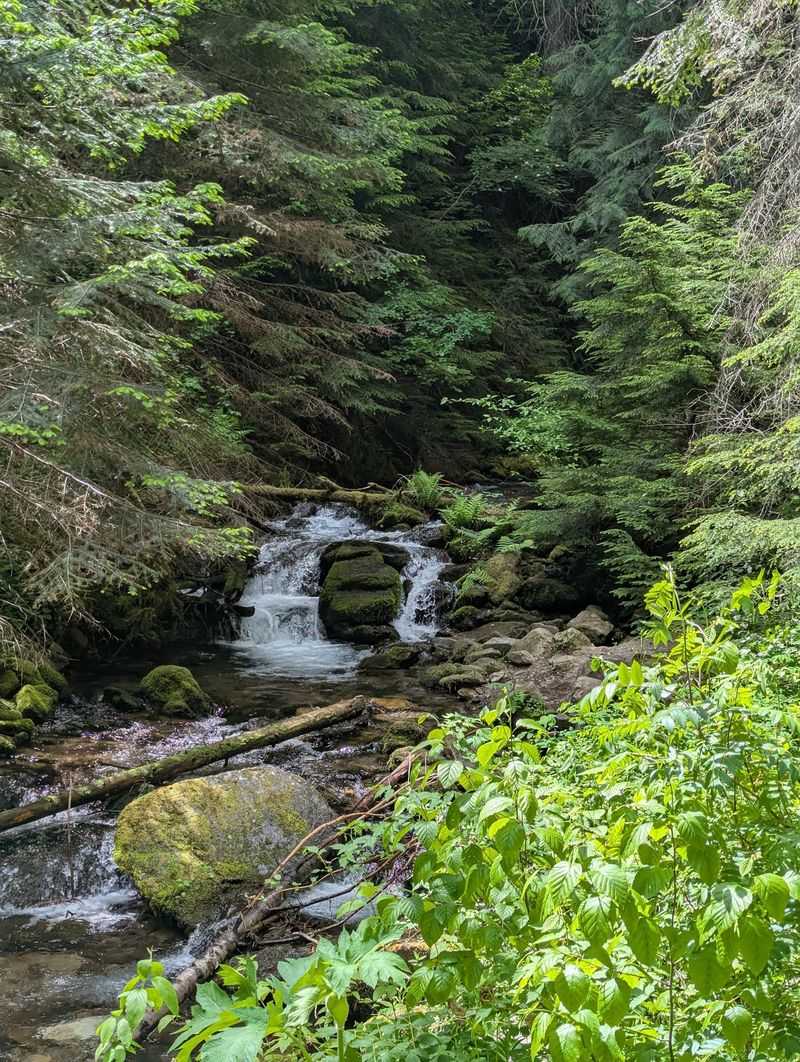
Heading downhill, the creek sounds the same, yet everything feels heavier with meaning. You’ve read the signs, seen the stumps, and stood across from that tiny tunnel.
The Big Burn changed how the whole country manages its forests. It pushed the Forest Service toward a more organized approach to wildfire, and those lessons still shape policy today.
Meanwhile, nature quietly did its own recovery work. Spring brings wildflowers and mushrooms to the forest floor, while winter turns the canyon into snowshoe country.
I believe that contrast is the real gift of the Pulaski Tunnel Trail. Few places show destruction and renewal in the same glance quite this clearly.
It suits history buffs, families, photographers, and anyone craving a shaded creek walk. You don’t need to be a serious hiker, just someone willing to climb a bit for a good story.
Pair it with a stroll through Wallace and you’ve got a full Idaho day. Just don’t be surprised if you start eyeing every old stump on future hikes.