This Nebraska Ranch Sells Farm-Direct Beef From Its Quiet Corner Of The Sandhills
Every steak from one family ranch spends 30 days dry-aging before it ever gets near a freezer. That kind of patience is rare.
It also tells you a lot about the people raising the cattle.
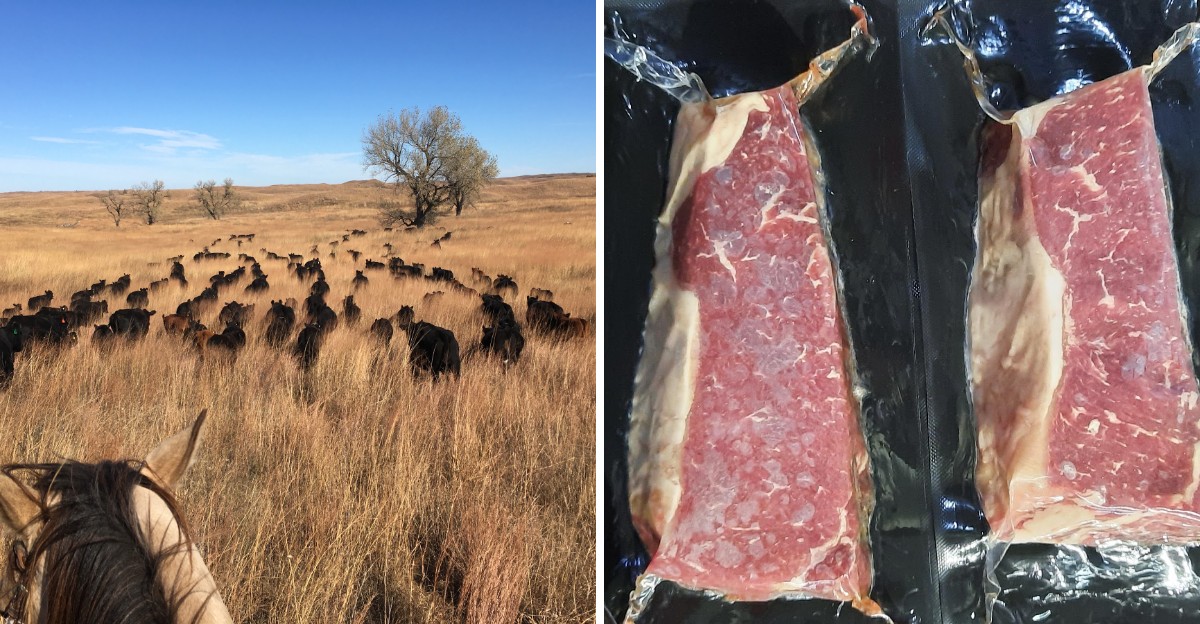
The herd grazes native Sandhills prairie, the grass country so many Nebraska drivers only see through a windshield. The same family has worked that ground since 1934.
Four generations later, they still handle everything from calving to shipping.
I like how plain the promise is. No growth hormones go into the finishing diet.
No extenders or preservatives go into the packages. You can pick up an order at the ranch by appointment or have it sent to your door.
I believe food tastes better when you know exactly where it came from. So what does a Sandhills ranch look like when it doubles as your butcher?
A Working Cattle Ranch That Also Runs Your Meat Counter
Prairie Promise Lean Beef is the beef-selling side of Morgan Ranch, a family cattle operation in the Nebraska Sandhills. The ranch sits out in open grass country, far from any grocery aisle.
Most people buy beef from a store that bought it from someone else. Here, the family that raises the calves also sells the finished cuts directly to you.
That direct line is the whole point. You’re not guessing about a label printed three states away.
You’re buying from the people who know each pasture by name.
The operation is listed as a meat wholesaler, but the setup feels refreshingly personal. Customers can order individual cuts, bundles or bulk beef in quarters and halves.
Shipping covers the continental United States, so distance isn’t a dealbreaker. For folks closer to home, on-farm pickup is available with an appointment.
I can’t think of many places where a short drive puts you at the source of your supper. It’s a ranch first and a store second, and that order matters.
Every package carries a little Sandhills geography with it, whether it ends up in Omaha or Ohio.
The Family Story Begins With A 1934 Move From New Mexico
Back in 1934, Aunt Ollie and Uncle Alex packed up and left New Mexico. They landed in the Nebraska Sandhills and started building a ranch from the grass up.
Think about that timing for a moment. The 1930s were not an easy decade for anyone trying to make a living from land and livestock.
They stuck with it anyway. Their decision planted the roots of what is now Morgan Ranch, home of Prairie Promise Lean Beef.
Family ranches in the Sandhills often carry stories like that one. Still, it’s something special when a business can point to a specific year and specific people.
Ollie and Alex weren’t chasing a brand or a marketing slogan. They were chasing a fresh start, and the prairie gave them one.
Today the ranch counts four generations of family ownership and operation. That’s nearly a century of people deciding to stay put and keep working the same ground.
I like knowing the beef in a freezer traces back to a couple who took a big chance. It makes a weeknight hamburger feel a bit more like a history lesson, in the best way.
Red-And-White Herefords Took Over The Next Chapter
In 1956, Ollie’s brother Dan and his wife Doris stepped in to keep the ranch growing. Their work pushed the operation into its next era.
Along the way, the family embraced the Hereford breed. If you’ve driven Nebraska backroads, you’ve almost certainly seen that famous white face staring back from a pasture.
Herefords became part of the ranch’s identity, not just its herd. The family still shows Hereford cattle today, so the breed clearly isn’t a passing phase.
Dan and Doris carried forward what Ollie and Alex started. That handoff between relatives is a big part of why the ranch has lasted so long.
Ranching rarely rewards people who quit after a rough season. Two couples building on the same ground for decades says plenty about grit and stubborn optimism.
Every generation since has added its own work to the story. Prairie Promise Lean Beef is the newest chapter, but it sits on a foundation poured in 1934 and reinforced in 1956.
Not bad for a ranch that started with one brave move from the Southwest. Somewhere, Aunt Ollie is probably pleased.
Native Sandhills Grass Does Much Of The Work
Untouched native prairie is where these cattle spend their days. In the Sandhills, that means grass-covered dunes stretching farther than seems reasonable.
Nebraskans know the Sandhills as some of the most distinctive country in the state. Ranchers know it as cattle country, plain and simple.
Prairie Promise Lean Beef raises its herd right on that land. The ranch credits the natural setting as a big contributor to the quality of its beef.
There’s a nice honesty to that idea. Good grass, open room and careful management can do a lot before any butcher gets involved.
Native prairie also means the ranch works with the land rather than reinventing it. The family describes its approach as rooted in sustainable farming and humane treatment of animals.
You don’t have to be a rancher to appreciate that. Anyone who has stood on a Sandhills hilltop understands how much space these animals actually get.
I believe that setting is half the appeal of buying here. Your roast didn’t come from a mystery lot somewhere.
It came from grass that has been growing in central Nebraska for a very long time.
A Finishing Diet That Skips The Shortcuts
Growth hormones are left out completely. So are animal products in the feed, which is a detail more shoppers are starting to ask about.
Once the cattle are ready, they’re finished on a nutritionally balanced diet. The ranch keeps that diet straightforward and free of the add-ons that make some buyers nervous.
Why does that matter? For plenty of families, knowing what went into the animal is just as important as knowing the cut.
Prairie Promise Lean Beef makes those choices part of its core promise. Ethical treatment of each animal is described as a cornerstone of how the ranch operates.
The word lean sits right there in the business name too. It signals what the family is aiming for when the beef reaches your kitchen.
Shoppers who read labels closely will find this refreshing. There’s no long list of claims to decode, just a few clear decisions about feed and care.
That kind of clarity is harder to find than it should be. A ranch telling you what it skips can be just as reassuring as one telling you what it adds.
Thirty Days Of Dry-Aging Before Anything Hits The Freezer
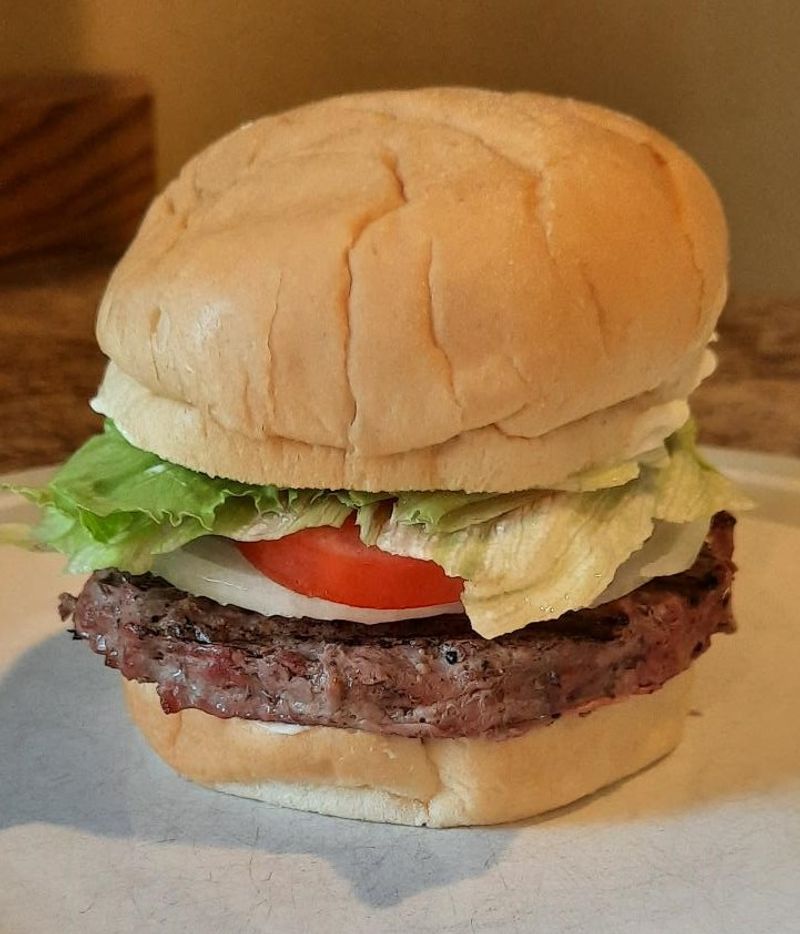
Thirty days. That’s how long every cut spends dry-aging before the next step, and it’s a serious commitment for a ranch-direct operation.
Dry-aging takes time, space and patience. Plenty of beef heads to market much faster, so a full month stands out.
The goal is flavor and tenderness. Prairie Promise Lean Beef ages the beef first, then flash-freezes it to lock in those qualities at their peak.
Flash-freezing is the clever partner in that system. It captures the result of all that waiting instead of letting it fade on a store shelf.
For home cooks, the payoff is simple. You get beef that has already been through the slow part, ready for whenever dinner plans come together.
Steak lovers tend to know what dry-aging means. Folks newer to it may just notice the ranch took an extra month to get things right.
I can’t imagine rushing something that took four generations to perfect. Waiting thirty days fits the whole personality of this Sandhills operation.
Good things here seem to happen on ranch time, not fast-food time.
Vacuum-Sealed Packages With A Very Short Ingredient List
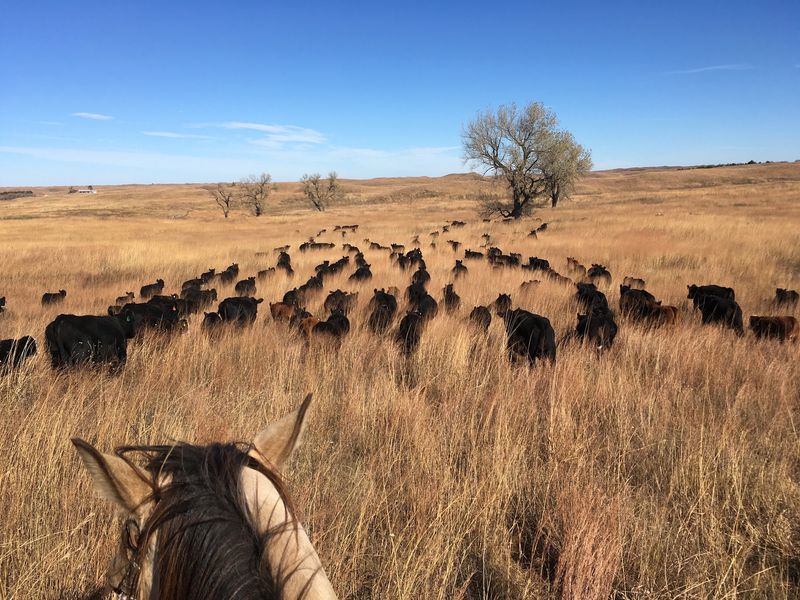
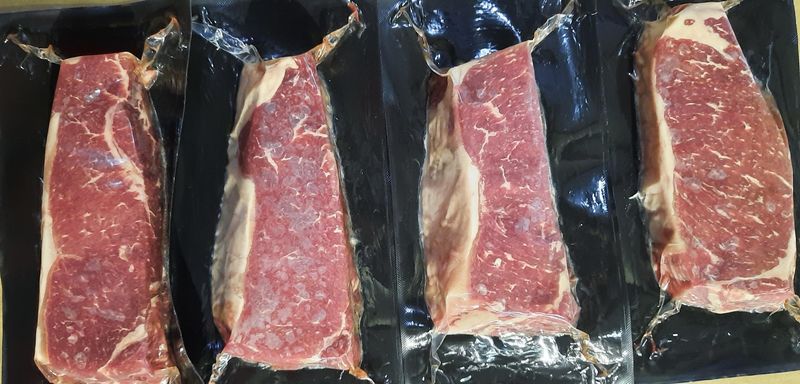
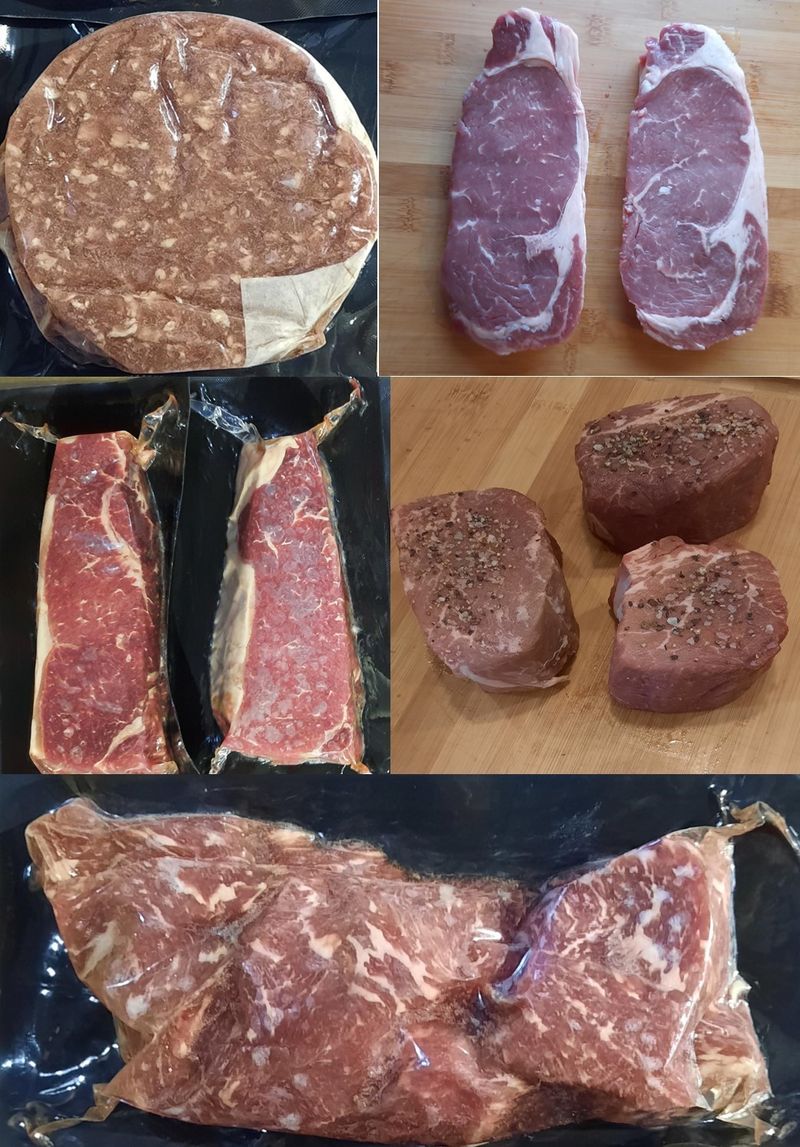
Open a freezer full of this beef and you’ll find individually vacuum-packed cuts. Each one is sealed on its own, which makes life easier on a busy weeknight.
Individual packaging means you thaw only what you need. Nobody has to wrestle a giant frozen brick apart with a butter knife.
The ingredient list is about as short as it gets. Prairie Promise Lean Beef says its products contain no extenders and no preservatives.
That’s a nice thing to read when you’re feeding kids or watching what goes on the table. Beef, and that’s the story.
Vacuum sealing also protects freshness during storage. Combined with flash-freezing, it helps keep the cuts in good shape until you’re ready to cook.
Small details like packaging rarely get attention. Here, they’re part of what makes ordering from a ranch three hours from Omaha actually practical.
I like how the family thought about the kitchen end of things, not just the pasture end. Good beef is only useful if it’s easy to store, easy to grab and easy to trust.
Clean packaging checks all three boxes.
Why A Sandhills Ranch Deserves A Spot In Your Freezer
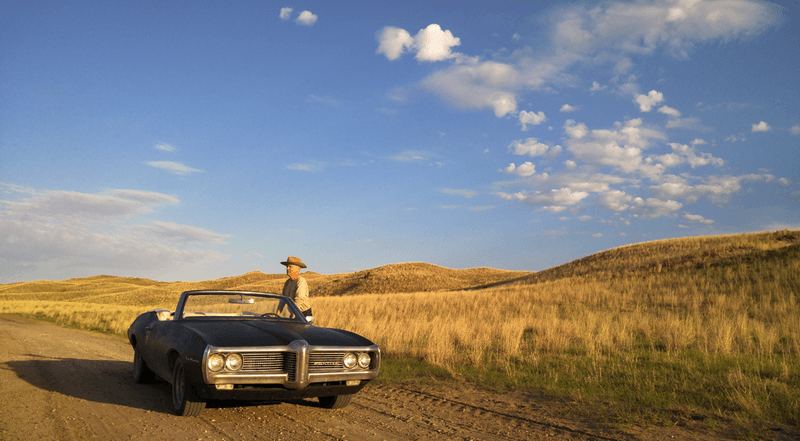
Four generations, one family and a promise printed right on the label. Prairie Promise Lean Beef offers a clear connection between Nebraska grass and your dinner plate.
The details add up nicely. Native prairie, no growth hormones, 30 days of dry-aging and no preservatives make for an easy story to trust.
Flexibility helps too. You can grab a few steaks, try a bundle or commit to a half beef.
Shipping makes it work for faraway fans. Appointment pickup makes it a fun excuse to head toward Burwell and see the Sandhills up close.
Most of all, the ranch keeps things personal. The same family handles the calves, the shows, the markets and the boxes heading out by FedEx.
That kind of ownership is getting rarer. It’s worth supporting when it’s done with this much care.
I believe every Nebraskan should know at least one ranch they can buy from directly. Morgan Ranch, with roots stretching back to 1934, makes a strong first candidate.
Your grill may start expecting better company from now on.