This California Fabric Warehouse Is A Bargain Hunter’s Dream For Discounted Textiles And DIY Projects
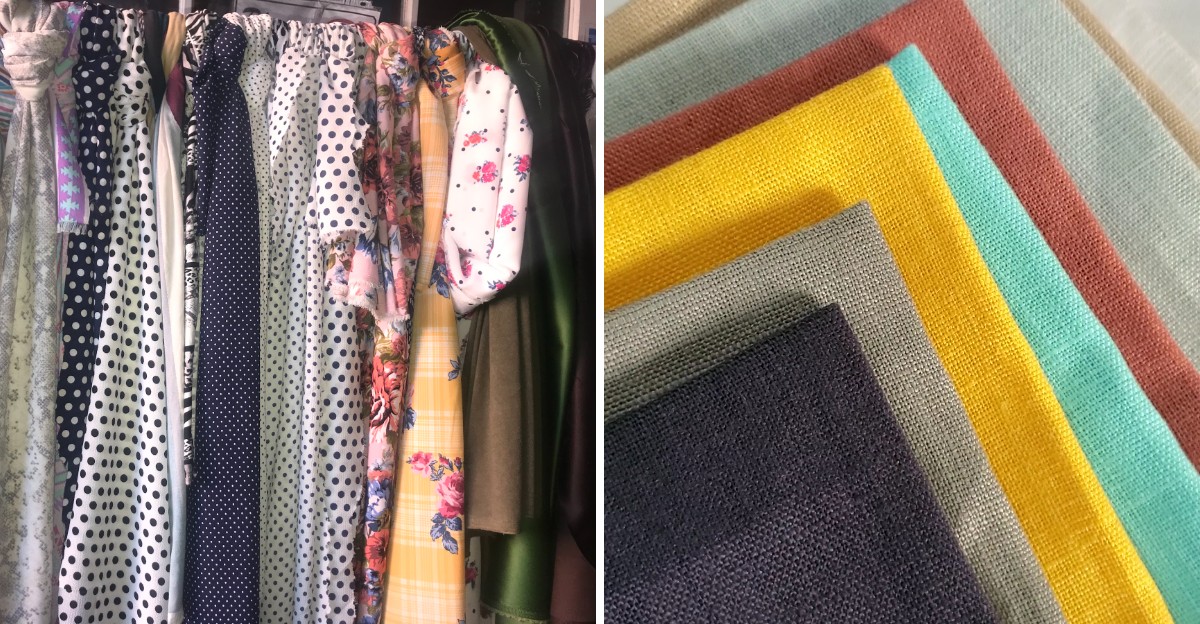
One fabric seller here will help you whether you need a single roll or a whole shipping container. That range is wild. I have to admit, it made me look twice.
This is a wholesale textile warehouse in downtown Los Angeles. It sells all kinds of fabrics, and it even buys them too.
One shopper compared it to a warehouse club for fabric, only with better deals. I find that comparison pretty hard to forget.
California has plenty of places to shop for sewing supplies. Few seem to inspire people to drive hours, get lost, and still call the trip worth it.
So what makes a plain warehouse space full of colorful bolts worth all that effort? I’d say it’s a question every sewing fan should want answered.
Bring A Big Bag Because The Selection Is Huge
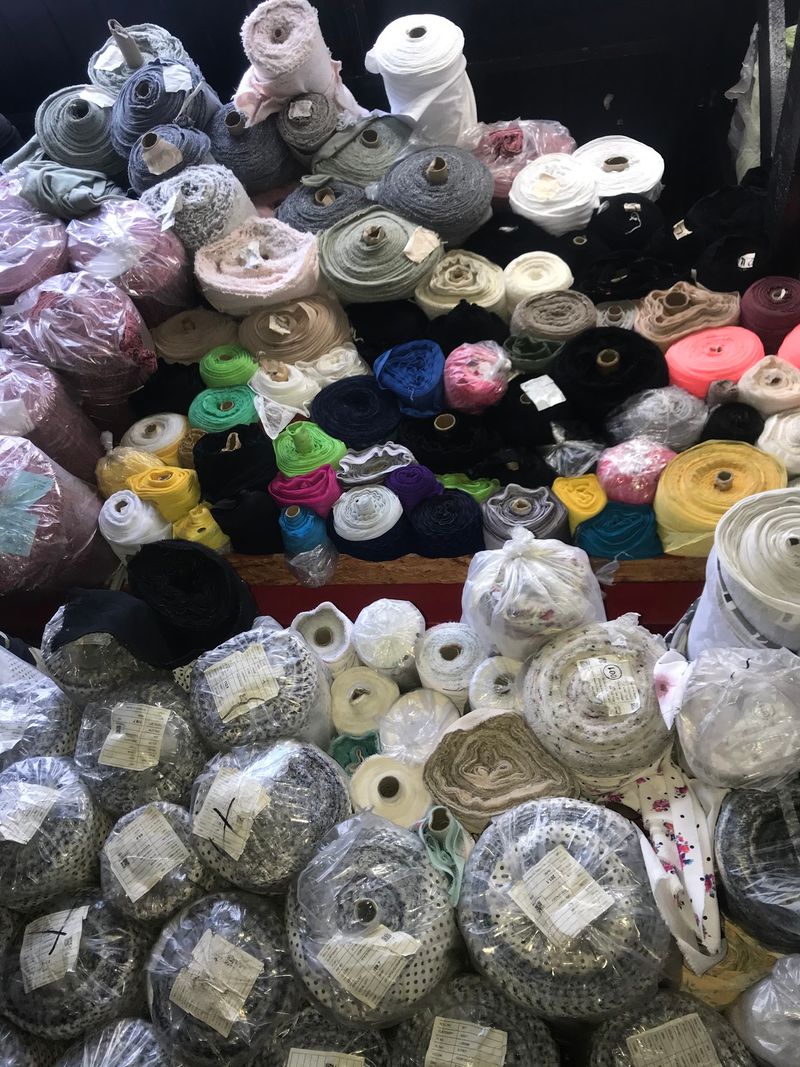
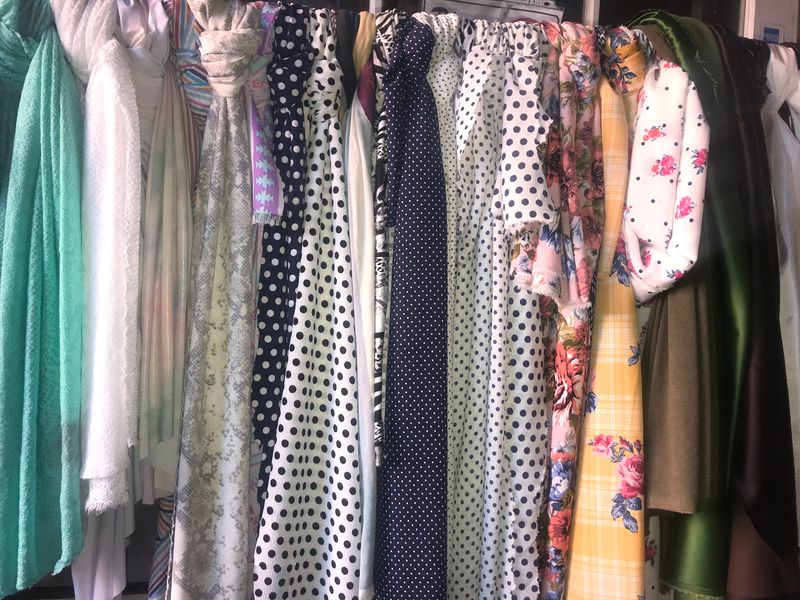
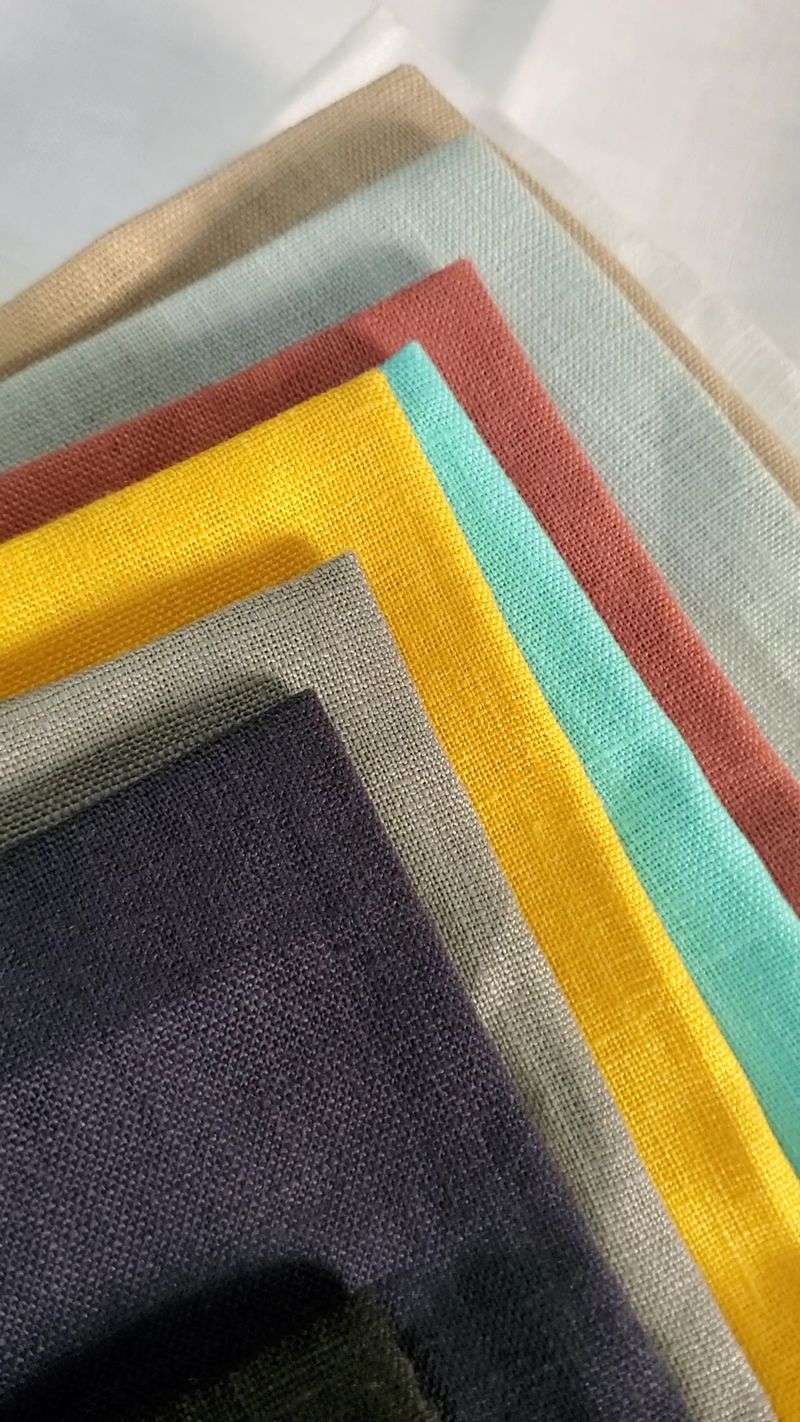
Rows of color fill the shelves at Victor Textiles, a fabric warehouse in the Los Angeles Fashion District. Its Google listing describes a spacious retailer with a massive selection of colorful textiles.
That word massive matters here. Shoppers have described the variety as huge, with a big assortment to browse.
So what does that mean for you? It means you can compare colors, weights, and textures in one stop instead of five.
The space itself is described as functional and warehouse-style. Don’t expect fancy displays or a cozy boutique feel.
Honestly, that’s part of the appeal. The money goes into fabric, not decorations, and the focus stays on what’s on the rolls.
Plan to give yourself time. Wandering a big fabric warehouse is the fun part, and rushing it feels like skipping dessert.
A tip that helps a lot is to bring swatches from home. Matching a color from memory is tricky when hundreds of shades sit right in front of you.
Also bring photos of your project or pattern. They make it easier to explain what you need, especially when the choices start to feel endless.
One Roll Or A Whole Container, They Can Handle It
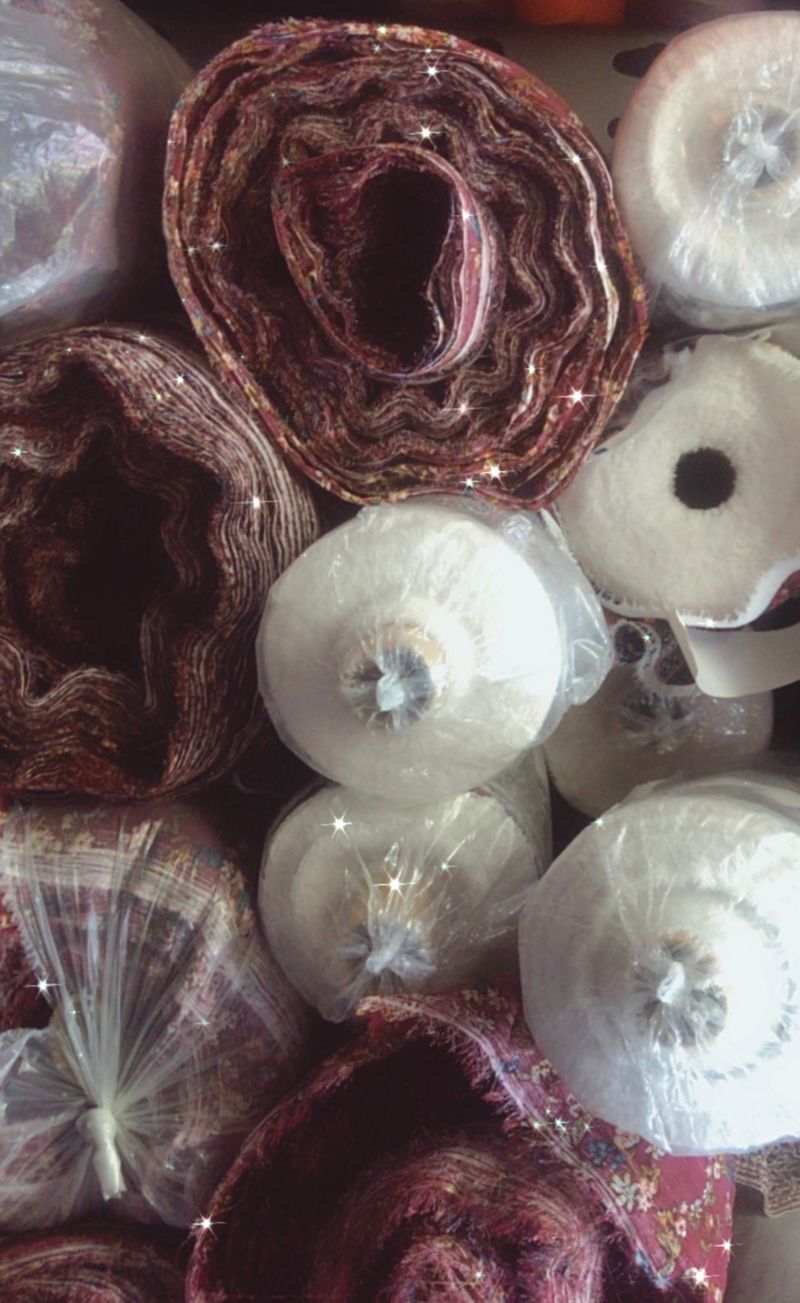
Scale is the surprise with this shop. Victor Textiles works as a fabric wholesaler, and it can help customers needing a roll or a container.
A container, by the way, is the kind of load that ships across oceans. That’s a lot of fabric for one order.
Here’s why that matters for regular shoppers. A business built on bulk usually moves fabric at competitive prices.
The store also buys fabric, not just sells it. That two-way trade helps explain how a warehouse can keep so many options on hand.
For DIY folks, a whole roll might sound like a lot. Think about it, though, if you sew often or plan big projects.
Curtains, quilts, costumes for a school play, or matching outfits for a family event can eat through yardage fast. Buying a full roll can make sense for those.
Small business owners and makers who sell crafts should take note too. Steady access to bulk fabric helps keep products consistent from batch to batch.
If you’re unsure about quantities, ask before you buy. Knowing what you need saves both money and storage space at home.
Shoppers Keep Bringing Up The Prices For A Reason
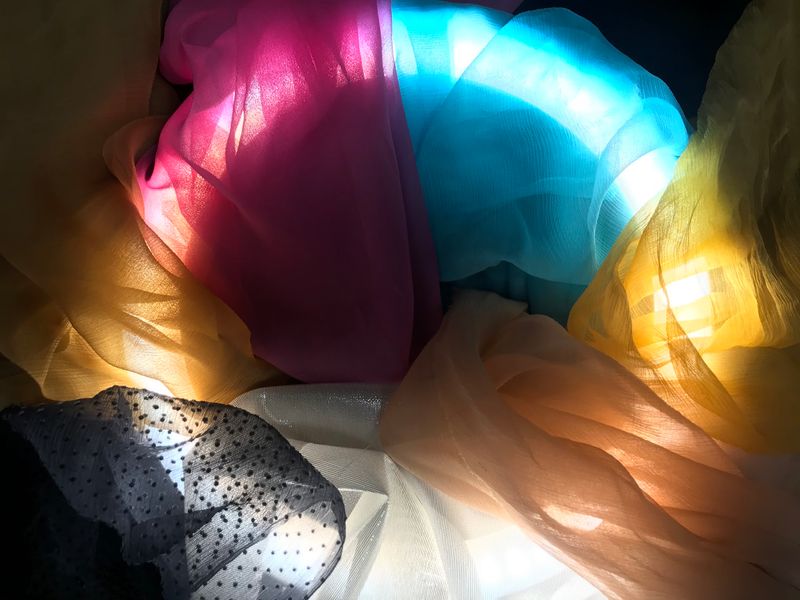
Price talk follows this warehouse around. Shoppers have described the prices as great, cheap, and hard to beat, in both English and Spanish.
One shopper went further and called it like the Costco of fabric, but with even better deals. That’s a bold comparison, and a fun one.
The same person said prices at shops closer to the busier part of the district jumped to more than double. Your results may vary, but that’s quite a claim.
Exact prices aren’t listed here, and they can change. Fabric costs shift with type, quantity, and what’s in stock that week.
Still, the wholesale setup gives a clue. Stores that sell by the roll tend to offer friendlier pricing than typical retail chains.
Smart bargain hunting starts with a budget. Decide what you can spend before the colorful shelves start whispering your name.
Next, check prices on a few fabrics before committing. Comparing in person helps you spot the real deals.
Finally, bring a list of projects you actually plan to finish. A great price is only great if the fabric leaves your closet someday.
Leather Lovers, Pay Attention To This One
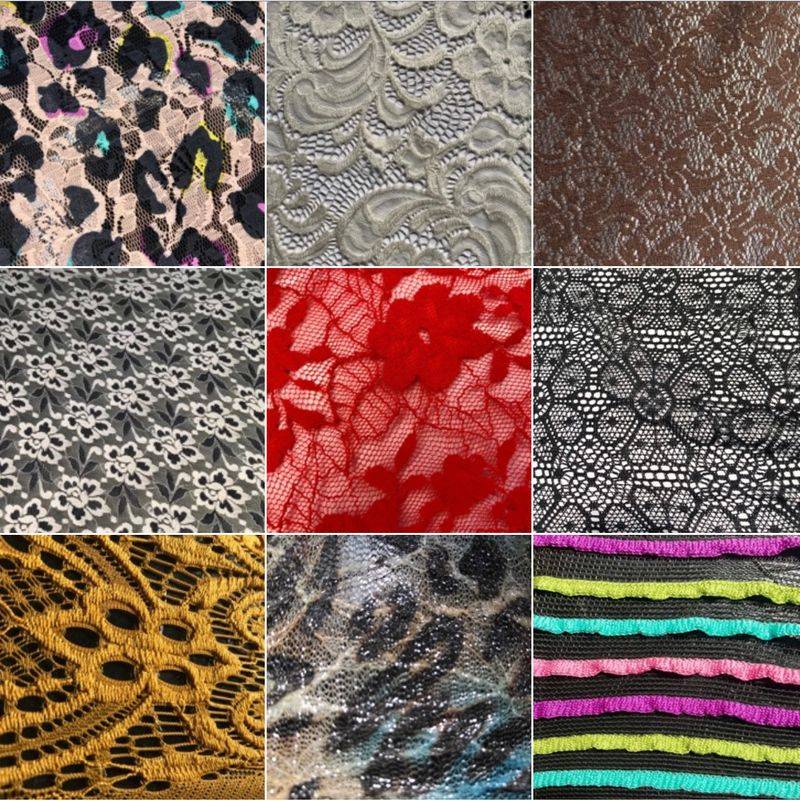
Real leather on a budget? One longtime shopper specifically said this is the spot for affordable real leather.
That caught my eye. Leather usually costs a pretty penny, so a good source is worth bookmarking.
Leather opens up lots of DIY ideas. Think wallets, bag straps, keychains, journal covers, or patches for a jacket.
Beginners should start small, though. A simple card holder teaches you how leather cuts and stitches without risking a big piece.
Quality also comes up often when people talk about Victor Textiles. Several shoppers mention good quality fabric and fantastic material.
One person even said the store doesn’t waste time on bad quality anything. That’s a confident thing to say about a whole warehouse.
Before buying leather, feel it carefully and check both sides. Look for even thickness, few blemishes, and a texture that suits your project.
Also think about your tools. Leather often needs sharp blades, strong needles, and thicker thread than regular cotton.
A little planning keeps your bargain from becoming a frustrating pile of scraps. Measure twice, cut once, and smile at the savings.
Friendly Help Makes Big Shopping Feel Easier
Great service keeps showing up in what people say about this place. Words like excellent, impeccable, and beautiful customer service appear again and again.
One shopper even named a staff member, Sergio, and called him an awesome dude. That’s a personal touch you don’t see every day.
Spanish-speaking shoppers praise the attention too. Phrases like muy buena atencion pop up in several comments.
Of course, no shop pleases everyone. One older comment complained about rude staff, so experiences can differ.
Overall, though, the store holds a strong 4.7-star rating on Google. That’s a solid score for a warehouse business.
Good help matters a lot in a giant fabric store. Staff can point you toward the right material faster than wandering alone.
Be clear when you ask questions. Share what you’re making, how much you need, and your budget.
Bilingual shoppers might find it handy to know a few fabric words in Spanish. It’s a friendly bonus in a district full of multilingual businesses.
And yes, saying thank you still goes a long way.
Masks Turned Into A Surprising Side Story
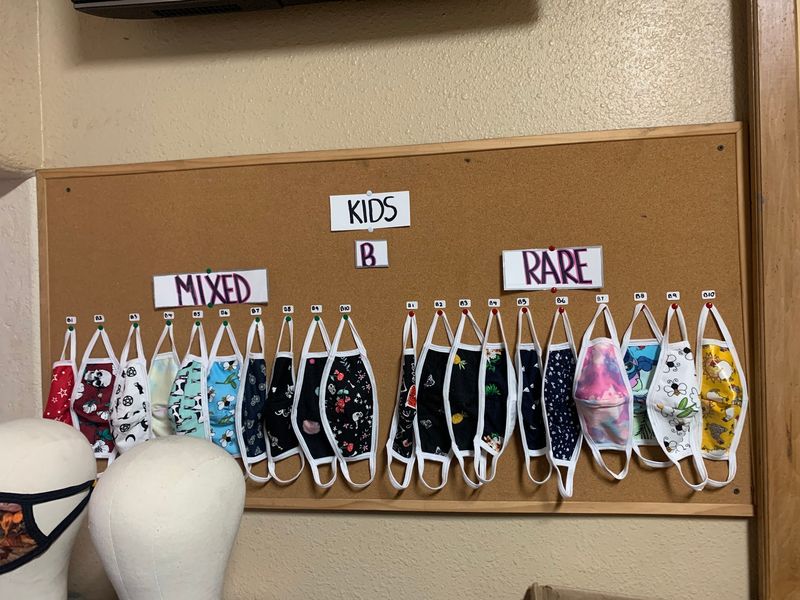
During the pandemic, Victor Textiles did something extra. Shoppers described washable fabric masks in baby, kid, and adult sizes.
Some masks reportedly had three layers for more coverage. The store also offered a bandana-style option for people who preferred that.
One young shopper loved that masks could be customized. They even got matching ones made for themselves and a little brother.
I find that detail particularly charming. A fabric warehouse helping families stay safe feels like a neighborly move.
Comments praised the mask texture too. One person said it felt nice and didn’t cause that annoying itchy feeling.
Whether masks are still offered today isn’t clear. Ask in person if you’re curious.
The bigger takeaway is about creativity. A business with that much fabric can pivot fast when people need something new.
DIY folks can borrow that idea. Leftover fabric can become masks, scrunchies, headbands, or reusable bags.
Small projects like these are great for using scraps. They’re also perfect for kids learning to sew, since they finish quickly and look cute.
Bonus points if your scrunchie matches your curtains.
Find It On East 8th Street, Then Plan Your Route
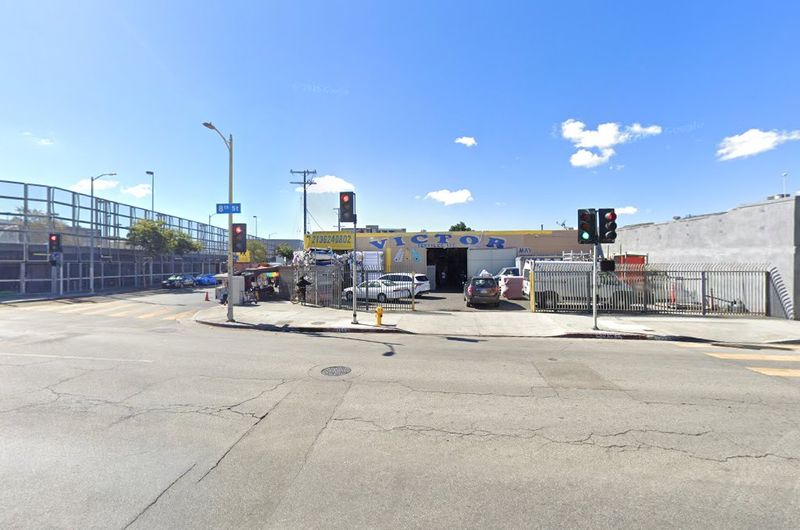
The address is 760 E 8th Street, Los Angeles, CA 90021. It sits in downtown Los Angeles, within the area known as the Fashion District.
That neighborhood is famous for fabric and textile shops. California sewing fans often treat it like a treasure map.
Here’s a heads-up, though. One shopper noted the store is a bit away from the cluster of other fabric stores.
The same person admitted getting lost more than once trying to find it again. Funny, but also a good lesson.
So save the address in your phone before you leave home. Pull up the route ahead of time instead of guessing.
Parking downtown can be tricky too. Give yourself extra time to find a spot, especially if you’re carrying heavy rolls back.
The area is busy and urban, so stay aware of your surroundings. Travel with a friend if you can, which also helps with the hauling.
Bring a cart or sturdy bags. Fabric gets heavy faster than you’d think.
A smart plan turns a confusing trip into a smooth one.
Watch The Clock, Especially On Saturday
Timing can make or break your fabric run. Victor Textiles opens Monday through Friday from 9 a.m. to 6 p.m.
Saturday hours are shorter, running from 9 a.m. to 2 p.m. Sunday is closed, so don’t plan a lazy weekend stroll.
That early Saturday close catches people off guard. Arriving at 1:30 leaves little time to browse a giant warehouse.
My advice is to show up early. Morning gives you energy, better parking chances, and time to think through choices.
Weekdays might work even better if your schedule allows. You’ll get the full day to explore without rushing.
Hours can change, so double-check before a long drive. One shopper once worried about driving far only to find the doors closed.
The owner replied with the weekday hours, which was a helpful touch. Still, confirming ahead is always wise.
Pack snacks and water for a long shopping session. Browsing fabric is surprisingly tiring when every shelf looks exciting.
Also plan your project list before you arrive. Clear goals help you finish strong before closing time sneaks up.
People Drive Hours For This, And That Says Plenty
Devotion like this is rare. Several shoppers said they came from out of town and called the trip well worth it.
One person described an hour and a half drive just to reach the area. Then came even more time lost hunting for the store.
They still said it was worth it. They even claimed to buy fabric exclusively here.
Another shopper called Victor Textiles a must stop every time they visit LA. That’s loyalty you can’t fake.
A third comment simply said Victor Textiles will get you any fabric you need. Short, sweet, and confident.
Of course, all trips feel better with a game plan. Make a list, set a budget, and measure your projects first.
Think about storage at home too. Bargains pile up fast when the prices feel this friendly.
California has lots of shopping spots, but few inspire this kind of road-trip energy. That alone makes this warehouse worth a closer look.
Just remember one shopper’s warning about carrying armloads of fabric. Bring help, a cart, or very strong arms.