10 Slow-Paced Towns In New Hampshire Where Retirees Can Stretch Their Budget Further
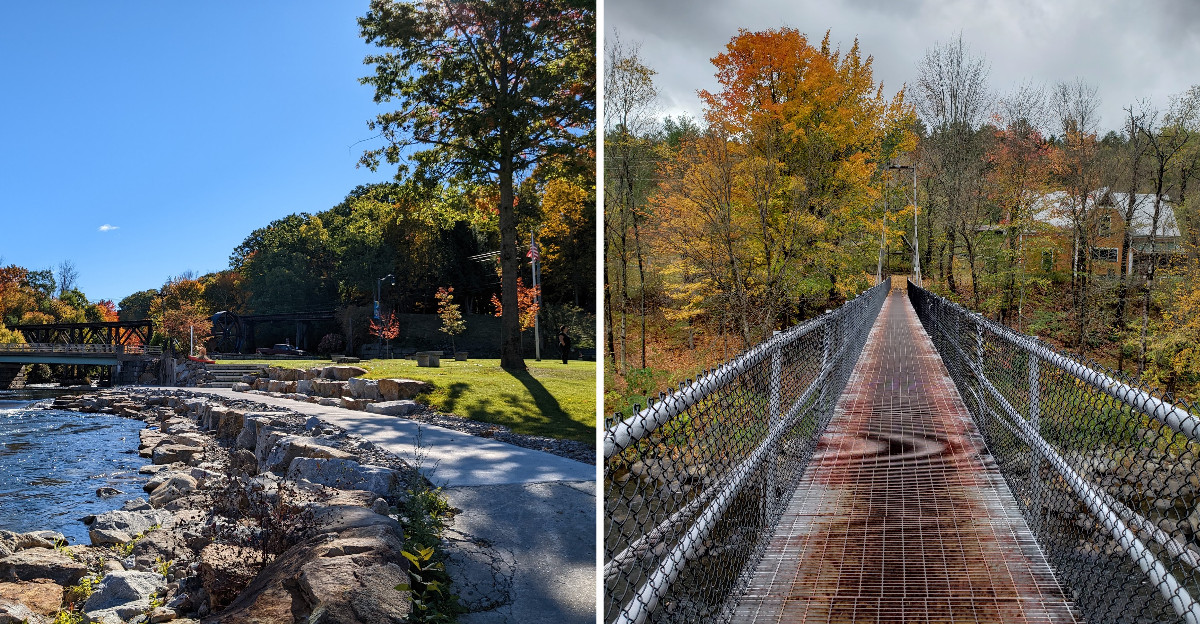
Turn 65 as a New Hampshire resident, and most state parks stop charging you a day-use fee.
Add the lack of a general state sales tax, and your weekend outings and shopping trips both get a little lighter on the wallet.
Well, that answers the money question.
Now for the part you might not expect: some of the biggest savings show up in small towns where rush hour barely registers.
The spots ahead swap busy highways for river trails, old mill history, and senior centers that serve lunch.
Some sit near the Canadian border, while others hug the Vermont line. Which quiet corner fits your pace, and your bank account?
1. Berlin
Berlin sits farther north than any other city in New Hampshire, and its housing market offers a surprisingly accessible entry into the North Country.
Census figures put both typical home values and rents well below statewide levels, although an individual property’s taxes and maintenance still deserve attention.
About 10,000 people live along the Androscoggin River, where former mill buildings meet forested hills.
The Berlin Senior Center on Sullivan Street offers a practical social anchor, with shared meals, crafts, cards, exercise opportunities, and outings for older residents.
Coös County’s senior nutrition program delivers meals to eligible households, alongside brief wellness check-ins.
Androscoggin Valley Hospital provides emergency care locally, an important consideration when choosing a home farther from larger cities.
For an easy outdoor afternoon, Moose Brook State Park has picnic areas, wooded trails, and a seasonal swimming area.
Resident seniors aged 65 and up qualify for waived day-use admission, though parking and reservations may have separate conditions. Berlin’s heritage is equally distinctive.
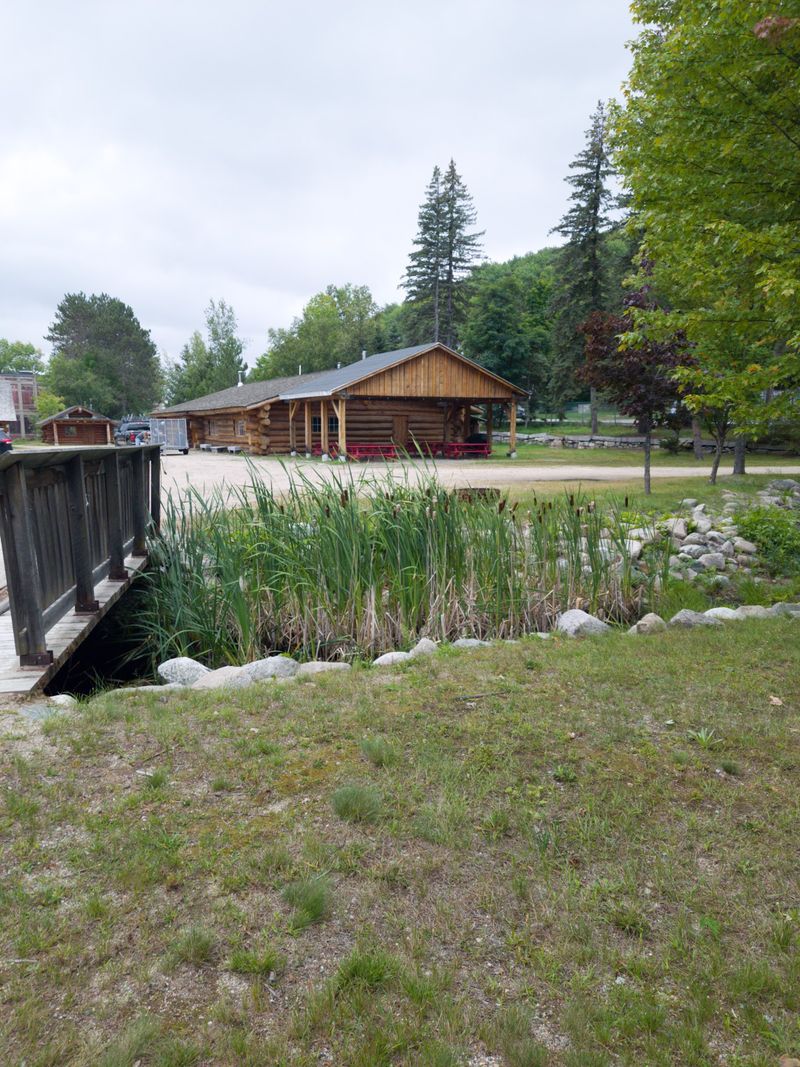
Northern Forest Heritage Park celebrates the region’s timber and river industries, while the Nansen Ski Club traces its beginnings to the nineteenth century and is regarded as America’s oldest continuously operating ski club.
2. Claremont
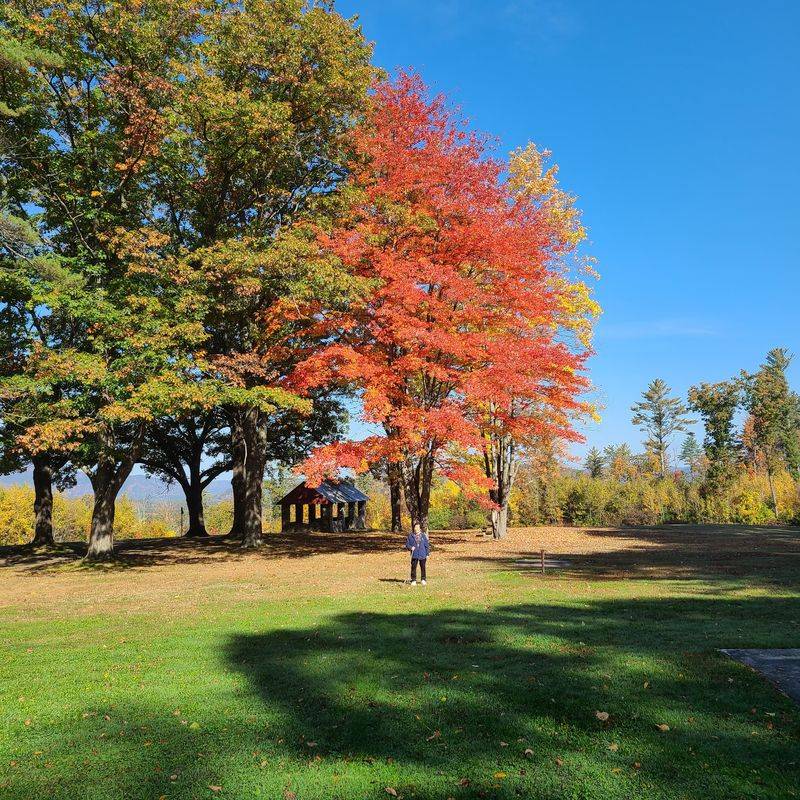
A city with a grand-sounding name can still offer a practical housing search.
Claremont, on the Sugar River, combines an old mill-town center with home values generally below those in many of the state’s more expensive markets.
Roughly 13,000 residents share a community shaped by brick industrial buildings, neighborhood parks, and an impressive historic theater.
The Claremont Senior Center welcomes independent adults over 50 for cards, pool, puzzles, crafts, and social activities. A trial month allows newcomers to explore its programs before deciding on membership.
Healthcare is a concrete advantage. Valley Regional Hospital maintains a 24-hour emergency department in the city, alongside other medical services.
Nearby shopping and a compact downtown make ordinary errands manageable without traveling across the region.
The Sugar River Recreational Rail Trail stretches approximately nine miles toward Newport and includes two historic covered bridges.
It’s a scenic route for leisurely walks, although cyclists and certain recreational vehicles also use sections of the trail. Moody Park provides another place for wooded outings closer to home.
For an evening out, the Claremont Opera House presents concerts and stage productions in its restored historic setting. Its 2026 calendar includes performances during November and December.
Housing isn’t automatically inexpensive once taxes, utilities, and renovations are counted. Still, Claremont offers a useful balance between modest-town rhythms and amenities that are available right in the city.
3. Lancaster
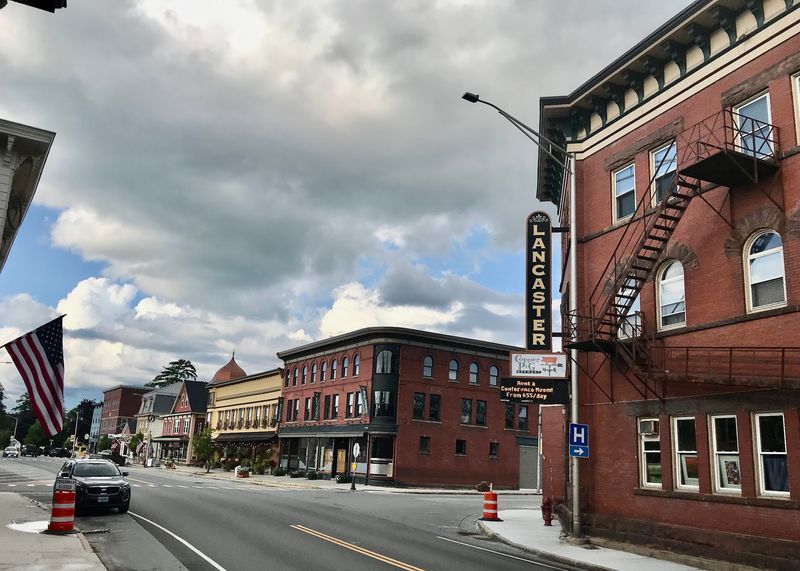
With only about 3,200 residents, Lancaster makes a small town feel even smaller in the best possible way. Its tree-lined Main Street gives everyday errands a pleasantly familiar setting, with historic houses and local businesses close together.
This is the seat of Coös County, so several county functions are nearby.
The wider Connecticut River valley opens around the village, framed by farmland and the northern White Mountains. For anyone who enjoys a quiet morning with mountain scenery, the setting does much of the work.
Home values have historically been below the statewide median, though Lancaster’s listings vary considerably by property and condition.
A particularly useful feature is Weeks Medical Center, which provides emergency care around the clock.
Primary care and additional outpatient services are available through the regional healthcare network, reducing the need to travel for every appointment.
For easy outings, the nearby John Wingate Weeks Historic Site offers views from Mount Prospect, while local trails and scenic roads invite short excursions. Community events and the annual fair offer chances to meet neighbors.
4. Newport
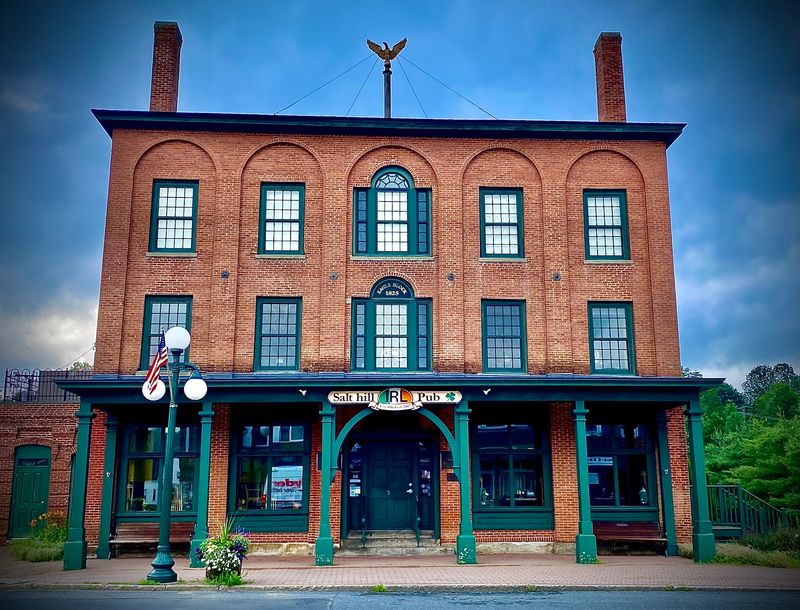
Nicknamed The Sunshine Town, Newport tries hard to live up to the label. Around 6,500 residents share a traditional town common and a quieter pace than the region’s busier resort communities.
Housing is worth comparing with nearby Lake Sunapee addresses, where waterfront properties can reshape a budget quickly.
Newport offers more ordinary residential streets while keeping the lakes and hills of western New Hampshire within easy driving distance.
The Newport Senior Center is particularly practical. Adults 60 and older can access social and wellness programs through its partnership with Sullivan County Nutrition Services.
Bone Builders, chair yoga, games, cooking activities, and a climate-controlled indoor walking track provide options through the seasons.
The same partnership supports home-delivered meals and a Grab-N-Go meal program. Local transportation assistance is also available for qualifying Newport residents, making everyday appointments and errands more manageable.
Friday farmers markets bring produce and locally made goods to the common during the warmer months.
The Newport Opera House offers performances, while the Sugar River Recreational Rail Trail starts nearby and passes two covered bridges toward Claremont.
There’s a quirky historical footnote, too: Newport joined a short-lived movement among western communities seeking to become part of Vermont in 1781.
5. Colebrook
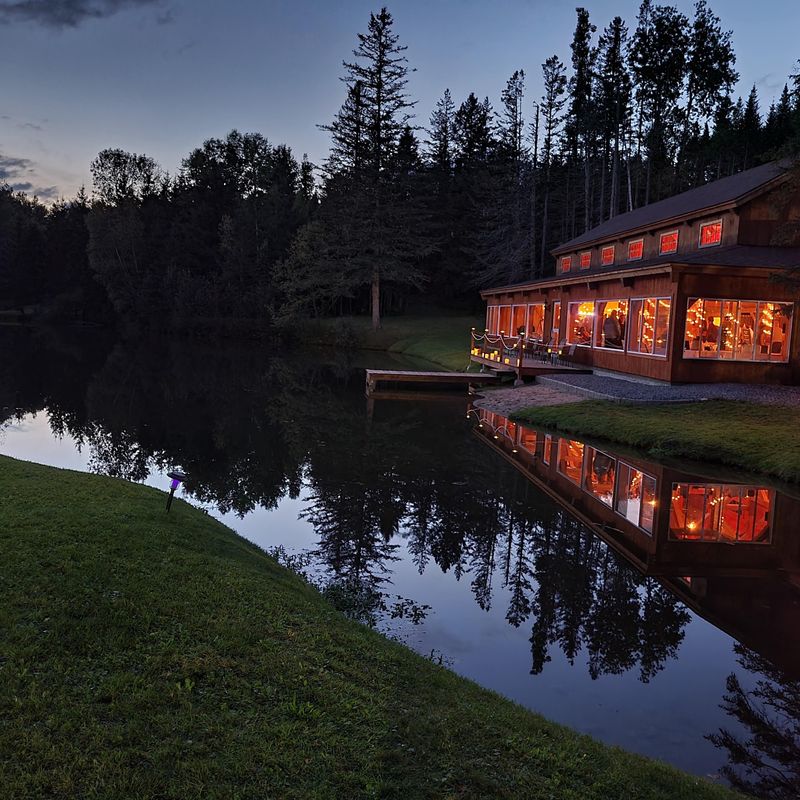
In the 1870s, the Colebrook area had a dozen potato-starch mills. Today, its biggest crop might be peace and quiet.
Around 2,100 residents live in this Great North Woods community near the Canadian border.
The downtown has everyday businesses along a compact main street, with wooded mountains and the Connecticut River giving the setting a spacious feel.
Its housing market has often been less expensive than markets farther south, although fewer available listings mean it can take patience to find the right property. Winters are long, too, making heating and snow removal important expenses to consider.
Upper Connecticut Valley Hospital provides local emergency services around the clock. For older residents, the Coös County Senior Meals program serves community meals in Colebrook and offers home delivery to eligible participants.
Beaver Brook Falls Wayside is a particularly easy outing. The roughly 80-foot cascade is visible close to Route 145, with picnic tables and short paths nearby. You can enjoy the scenery without committing to a long mountain hike.
The Cohos Trail provides more ambitious walks through the region, while the Connecticut River offers fishing and paddling opportunities in suitable seasons.
Colebrook suits people who enjoy a small community with a strong outdoor identity. The quiet is genuine, but longer trips for specialized shopping or medical appointments take planning.
6. Haverhill
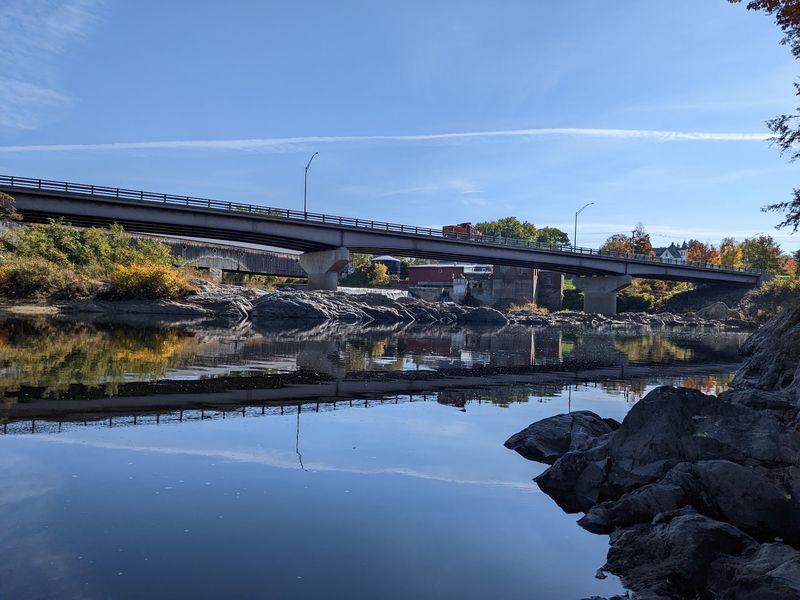
Haverhill isn’t one village but a handful of them, spread along the Connecticut River. Pick the hamlet that suits you, and you still share one town address.
Its roughly 4,600 residents are distributed among places including Woodsville, North Haverhill, Pike, and Haverhill Corner.
That matters to anyone comparing homes: daily routines can feel different depending on how close you are to shops, services, and the river crossings into Vermont.
Haverhill is also Grafton County’s seat, with county offices in North Haverhill. The town’s past includes agriculture, railroad activity, and manufacturing, and the older villages retain much of that character.
Woodsville is a practical center for healthcare. Cottage Hospital has a 24-hour emergency department, and the nearby Rowe Health Center offers primary care and specialty appointments.
For outdoor time, the Connecticut and Ammonoosuc rivers shape the scenery, while nearby trails and parks provide opportunities for unhurried walks.
Haverhill Corner’s historic common offers a different kind of outing, with traditional buildings surrounding open green space.
Housing can be more accessible here than in some higher-demand Upper Valley communities, but the villages vary and local tax bills need attention.
The real choice is between a busier village setting and a quieter country road. Haverhill offers both within the same town boundaries.
7. Pittsfield
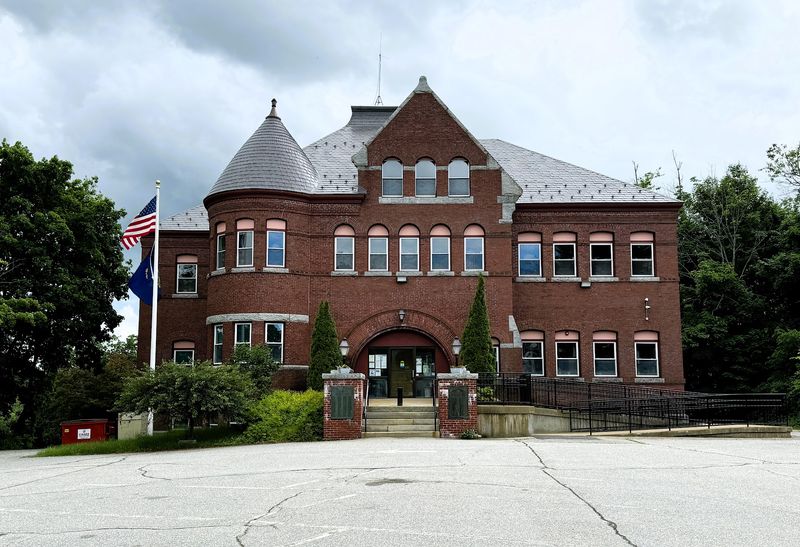
Concord and Manchester are close enough for a day trip, yet Pittsfield’s home values have historically been lower than those of many nearby communities. That’s a handy combination for anyone keeping an eye on retirement expenses.
About 4,100 people live in this Suncook Valley town, where farmland and a compact historic village replace the pace of a larger city.
The downtown has a grocery store, library, post office, places to eat, and other small businesses within walking distance of one another.
A 2025 healthy-aging community profile found the town’s median owner-occupied home value below the statewide comparison figure.
That doesn’t settle the full budget question, since property taxes, insurance, and housing repairs still count, but it gives prospective buyers a sensible starting point.
Residents can use local parks and community facilities for inexpensive recreation.
The town’s annual hot-air balloon festival brings a lively weekend to the summer calendar, while the surrounding country roads show off the seasons at a slower pace.
The location also means larger medical centers and shopping options in the capital region are accessible by car. It’s worth checking the actual drive from any prospective house rather than assuming every address is equally convenient.
Pittsfield isn’t a resort town with an endless attraction list. Its appeal is simpler: a recognizable downtown, countryside close at hand, and everyday services that make a low-key routine possible.
8. Franklin
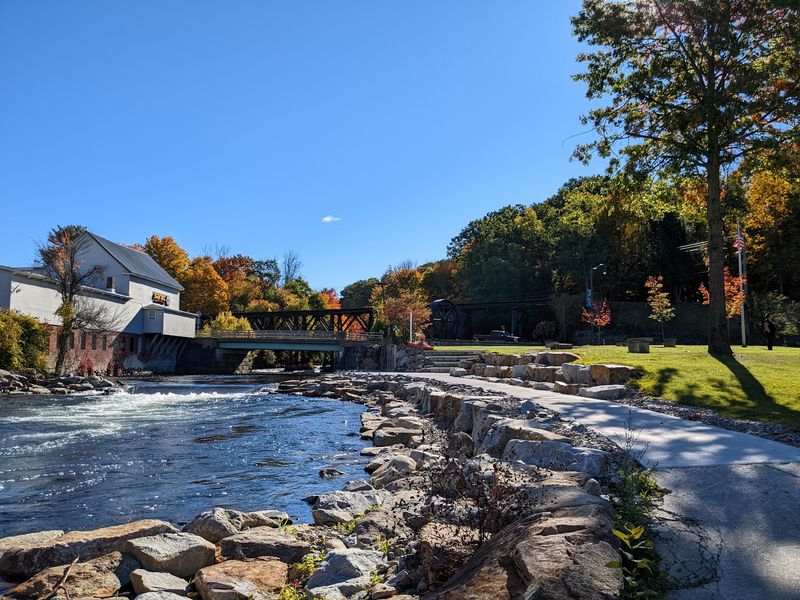
Three rivers meet in Franklin, and one of them even has its own whitewater park. Mill City Park at Franklin Falls became New England’s first such park along the Winnipesaukee River.
Don’t worry, kayaking is optional. Riverside trails and land-based recreational areas offer ways to enjoy the scenery at your own speed.
Roughly 8,700 people live in this former mill city, where the Pemigewasset and Winnipesaukee rivers join to form the Merrimack.
Its older neighborhoods and housing stock can provide options beyond the more expensive lakefront communities nearby, although the condition of individual homes is especially important.
At the Bessie Rowell Community Center, the Twin Rivers Intergenerational Program, or TRIP Center, hosts senior activities on weekdays.
Concord Hospital in Franklin operates a 24-hour emergency department, another practical advantage when considering daily needs.
The Winnipesaukee River Trail offers several miles of walking along the river, and Webster Lake adds a public beach and boating opportunities in season. Local arts events provide reasons to return downtown for something besides errands.
History is close, too. The Daniel Webster Birthplace State Historic Site preserves the early home of the nineteenth-century statesman, whose birthplace now falls within Franklin’s boundaries.
It’s a place where a walk beside moving water can be an ordinary afternoon rather than a special trip. That sounds like a useful ingredient in a relaxed retirement.
9. Winchester
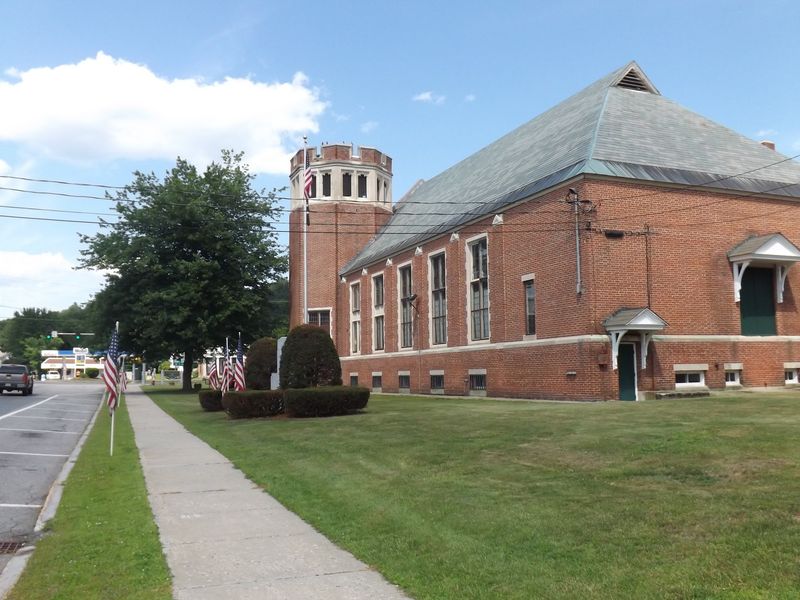
Your backyard could border the largest state park in New Hampshire. Winchester shares part of Pisgah State Park, which protects more than 13,300 acres of forest, ponds, wetlands, and ridges.
Around 4,100 residents live in this southwestern corner of the state. The village and surrounding rural roads offer a quieter alternative to more developed communities, with Keene available for additional shopping and medical services.
Pisgah’s six trailheads lead into a large network of routes for hiking, biking, and other permitted activities.
Seven ponds and four ridges give the park remarkable variety, although the terrain ranges from gentle to rugged. Choose the route that suits your ability, and check seasonal trail conditions before setting out.
The town has more outdoor options. Forest Lake offers recreation, the Ashuelot River allows paddling in suitable conditions, and the Ashuelot Rail Trail connects nearby communities. Two covered bridges reward an afternoon drive.
Winchester’s housing options may look more approachable than those in certain nearby towns, but older homes, heating costs, and tax assessments can change the calculation.
Compare actual monthly expenses before treating a listed property as a bargain. Massachusetts and Vermont are both within reach, making it easy to plan occasional outings beyond town.
For retirees who want tree cover, four seasons, and a base near public land, Winchester appeals. Keep walking shoes by the door.
10. Littleton
A nearly 112-foot candy counter sits on Littleton’s Main Street, and it holds a world record. Chutters has helped make the downtown an unexpectedly sweet place to visit.
About 6,000 people live here, surrounded by the Ammonoosuc River and White Mountain scenery.
The commercial center is easy to explore on foot, with independent shops, local dining, and historic buildings close together.
Housing figures have been lower than the state median in recent Census estimates, although popularity with visitors and second-home buyers can affect availability.
Before choosing a property, compare taxes, winter heating, and proximity to services rather than relying on the listing alone.
Littleton Regional Healthcare provides emergency care and other medical services.
The Littleton Area Senior Center offers weekday community lunches, home-delivered meals, activities, outreach, and transportation through the Grafton County Senior Citizens Council.
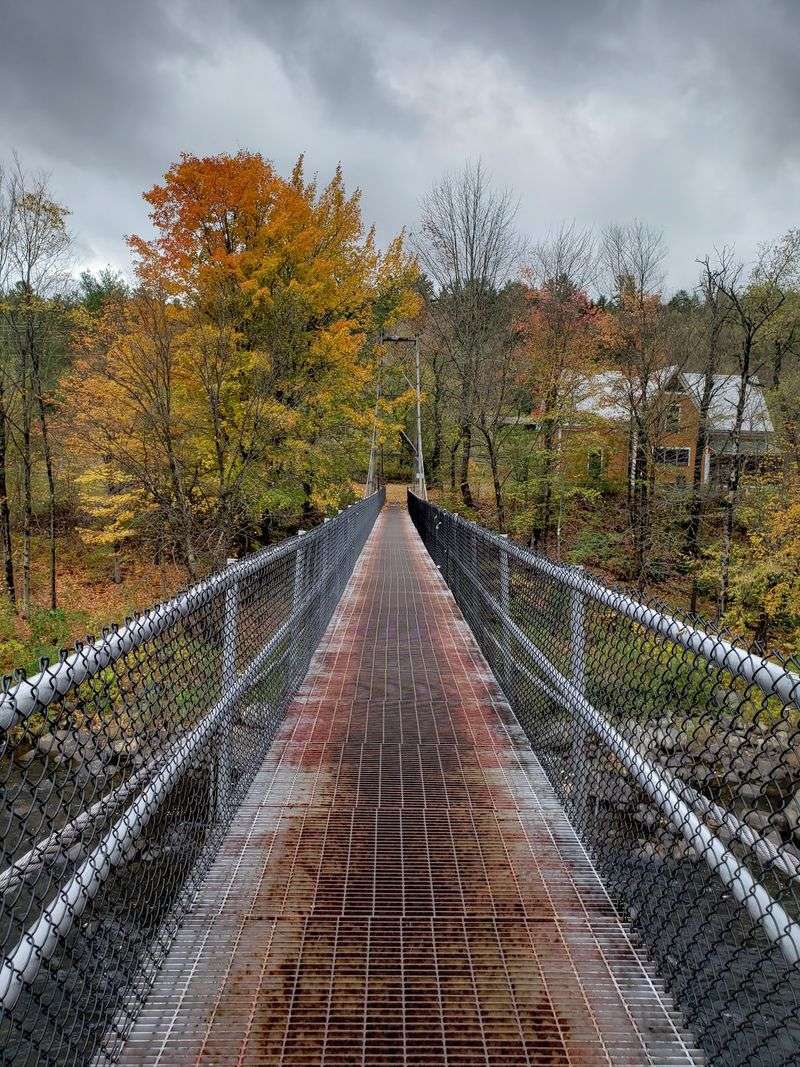
For an easy outing, follow the riverside walkway toward the Riverwalk Covered Bridge, a pedestrian crossing completed in 2004. The Curran Suspension Bridge closed in September 2026 for evaluation, so enjoy the accessible riverfront instead.
Short hikes around the Kilburn Crags area lead to striking mountain views. Closer to Main Street, a bronze Pollyanna statue honors the fictional character created by a Littleton-born novelist.
It’s a charming part of New Hampshire to enjoy without a tightly scheduled day: a morning walk, lunch with neighbors, and perhaps something sweet for the trip home.