Stargazers Are Catching The Geminids At These 7 Idaho Dark Sky Spots Before December 13
The Geminids come from an asteroid, not a comet, which makes them a bit of an oddball among meteor showers. That rocky parent is called 3200 Phaethon, and Earth plows through its dusty trail every December.
I love that the show is known for bright, slow meteors that often look a little yellow. Under truly dark skies, it can be one of the busiest meteor showers of the whole year.
Idaho happens to hold some of the darkest skies in the country. The state has an International Dark Sky Reserve plus several certified dark sky parks, and that is a big deal for anyone hoping to count streaks instead of streetlights.
The tricky part is choosing where to stand in the cold. Lava fields, sand dunes, granite spires, and mountain lakes all made my list.
Which one would you pick for a late night under falling stars?
1. Craters of the Moon National Monument & Preserve
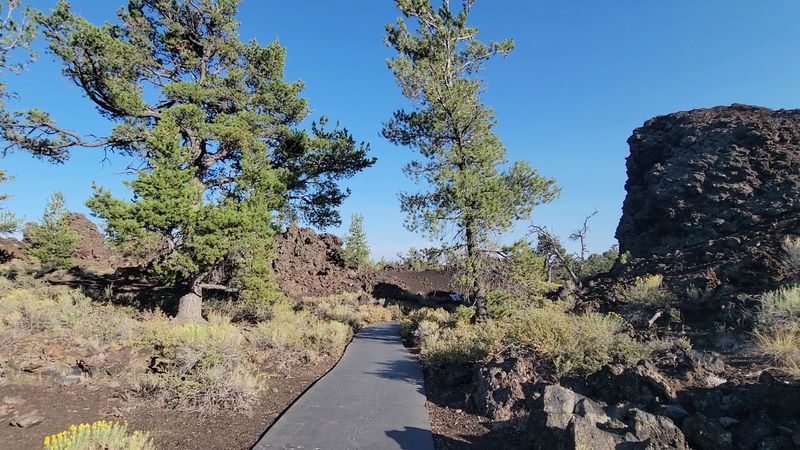
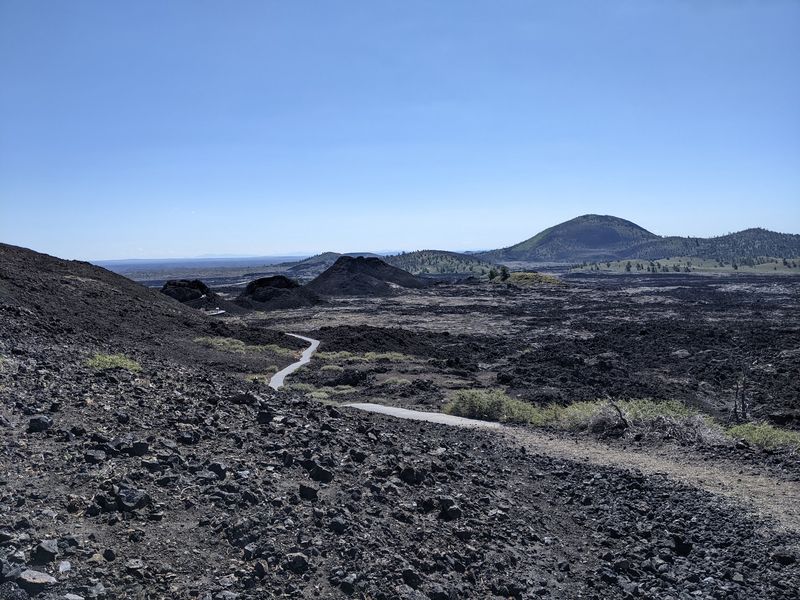
Astronauts once trained on these lava fields, so it feels fitting that meteors show up overhead. The black rock and cinder cones look like another planet after sunset.
Craters of the Moon became an International Dark Sky Park in 2017. The monument itself dates back to 1924, so the darkness got official recognition long after the lava did.
You can stay out here around the clock, since the preserve is listed as open 24 hours. That matters during the Geminids, because the best meteor action often comes after midnight.
Paved paths and cinder trails make it easier to find a spot without stumbling over sharp rock. Informative plaques along the way help you learn what you are standing on during daylight.
Bring a headlamp with a red light setting and plenty of layers. The high desert on the Snake River Plain gets very cold on December nights, and the wind can pick up fast.
The visitor center, picnic tables, and public restrooms make it a friendly stop for families. Kids can tackle easy hikes before dark, then trade lava tubes for falling stars.
Check road and weather conditions before heading out.
Address: 1266 Craters Loop Rd, Arco, ID 83213
2. Bruneau Dunes State Park
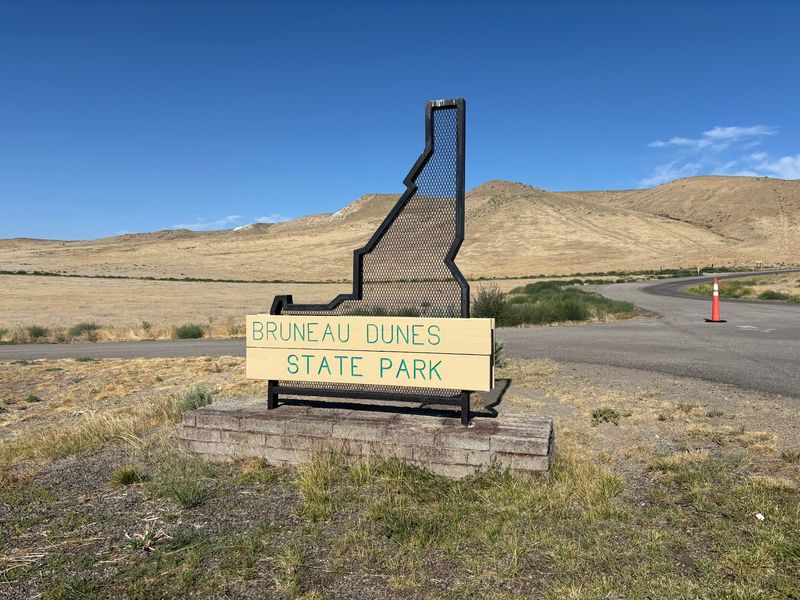
Sand dunes and telescopes rarely share a postcard, yet southern Idaho pulled it off. Bruneau Dunes is home to the tallest single-structured sand dune in North America.
Earning International Dark Sky Park status in 2024 made the park even more appealing for night owls. The Bruneau Dunes Observatory sits right on site, built with astronomy fans in mind.
Observatory programs usually run during the warmer months, so plan on a self-guided show in December. Honestly, the Geminids do not need a ticket booth anyway.
Day-use hours run from early morning until late evening, so check rules before you set up for a long night. Camping is the easiest way to stay close to the darkness after hours.
Facilities stand out here, with bathrooms, showers, electric hookups, fire pits, and picnic tables. Dogs are allowed, and a playground keeps younger stargazers busy before sunset.
Climbing the big dune before dark rewards you with views across the Snake River valley. Just remember that soft sand feels twice as steep in the dark.
Pick your viewing spot while it is still light, then settle back and watch the sky over Owyhee County.
Address: 27608 Bruneau Sand Dunes Rd, Bruneau, ID 83604
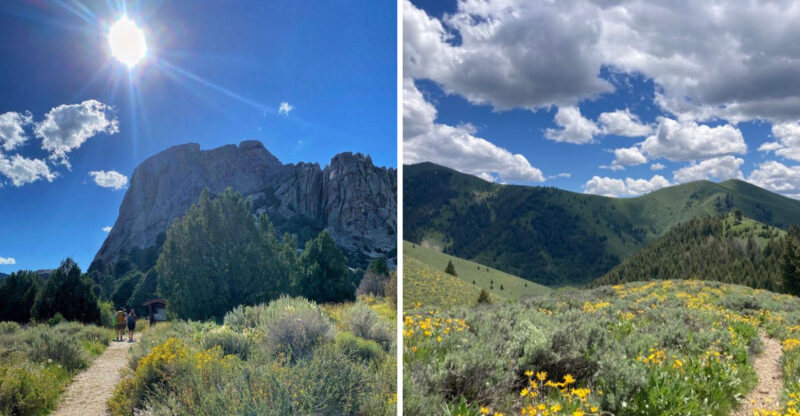
3. City of Rocks National Reserve
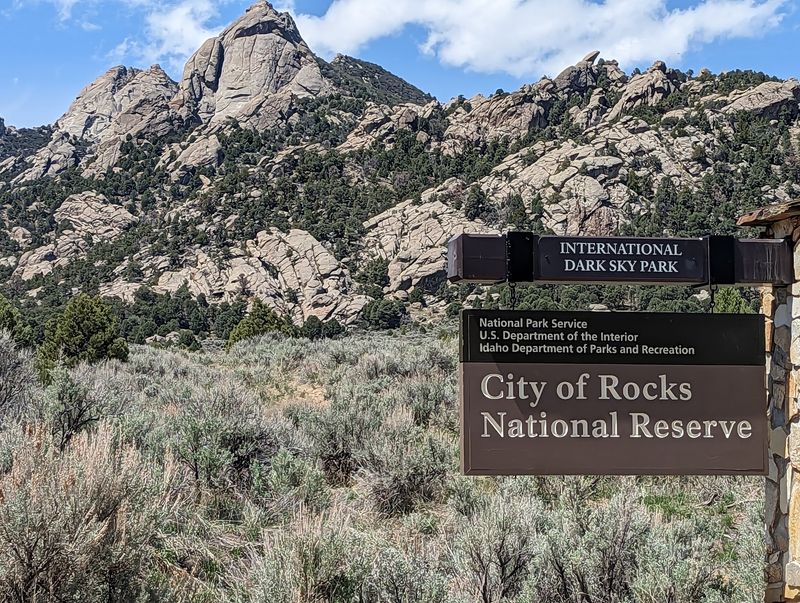
California Trail travelers once scribbled their names on these granite towers in axle grease. Today, the same spires frame some of the darkest skies in southern Idaho.
City of Rocks was certified as an International Dark Sky Park in 2023. Some of the rock formations here date back around two billion years, which makes a meteor feel brand new.
The campground holds 63 sites, and sites 61 through 63 sit in a more remote spot. Those three get special attention for sunset views and stargazing.
Finger Rock is another favorite for watching the sun drop before the night show begins. Arrive early so you can learn the terrain while you can still see it.
Daytime fills up nicely with rock climbing and short hikes around the formations. The visitor center staff can help you plan which areas to explore before dark.
The reserve is listed as open 24 hours, and dogs are welcome. Picnic tables and public restrooms add a bit of comfort to a long night.
Out in rural Cassia County near Almo, there is little to compete with the stars. Watch for streaks slicing between the granite shapes, then try counting them.
Address: 3035 Elba-Almo Rd, Almo, ID 83312
4. Galena Summit Overlook
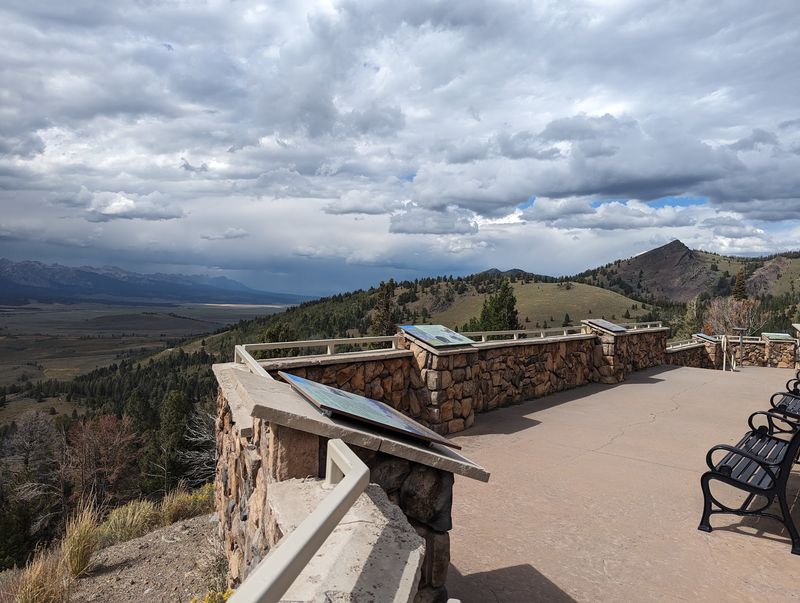
Few highway pullouts in Idaho can claim a view this grand. Galena Summit Overlook sits along Highway 75 and gazes across the Sawtooth Valley toward the jagged Sawtooth Mountains.
The overlook lands inside the Central Idaho Dark Sky Reserve. That reserve holds gold-tier status, a top ranking for natural darkness.
From up here, you can see the headwaters country of the Salmon River winding below. Informational displays explain the landscape, which is handy before the sun goes down.
No restaurant or snack bar waits at the top, so pack your own hot cocoa and snacks. A thermos might be the best gear you bring.
Winter conditions matter a lot on this mountain pass. Snow and ice can arrive early, so check road reports before driving and keep a winter kit in the car.
The beauty of this stop is how easy it is to reach. You can roll in, grab a parking spot, and look up within minutes.
Kids enjoy the wide views, and parents enjoy the short walk from the car. Bundle up, lean back, and let the Geminids streak above the Sawtooths like fireworks without the noise.
Address: Galena Summit Overlook, Highway 75, Sawtooth City, ID 83340
5. Priest Lake State Park
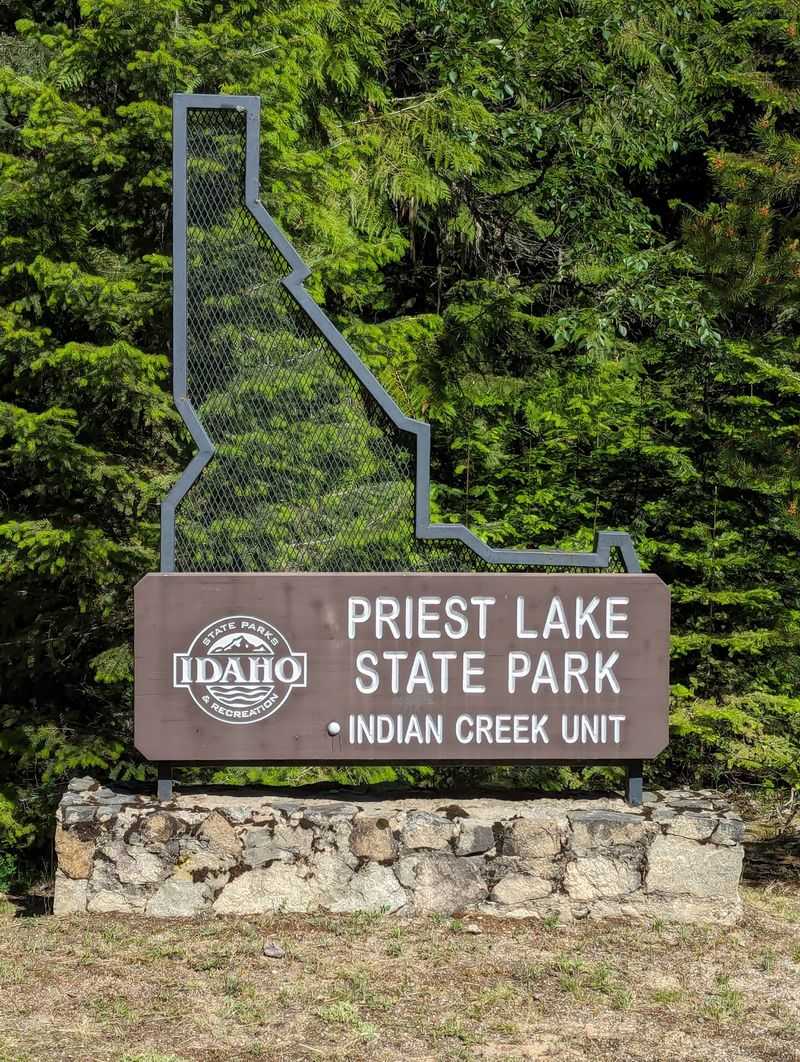
Panhandle folks already know Priest Lake for summer beaches, but winter nights deserve some credit too. The clear water and soft white sand sit beneath the Selkirk Mountains in north Idaho.
Thick forest surrounds the park, which helps block stray light. Its location in remote Bonner County keeps big-city glow far away.
Priest Lake State Park is listed as open 24 hours. That makes it a solid choice for staying up late when the Geminids get going.
Hiking trails wind through the park, so you can explore during the short December daylight. A lakeside walk before dusk helps you pick the best open patch of sky.
Picnic tables, barbecue grills, and public restrooms make a long evening easier. Families will like the playground, and dogs are allowed too.
This is the northernmost pick on the list, and the cold can feel serious. Waterproof boots, extra socks, and a sleeping bag for your lap are smart moves.
Clouds can roll through the Panhandle in winter, so keep an eye on the forecast. When the sky clears over the water, you will be glad you made the drive north.
Address: 314 Indian Creek Park Rd, Coolin, ID 83821
6. Redfish Lake
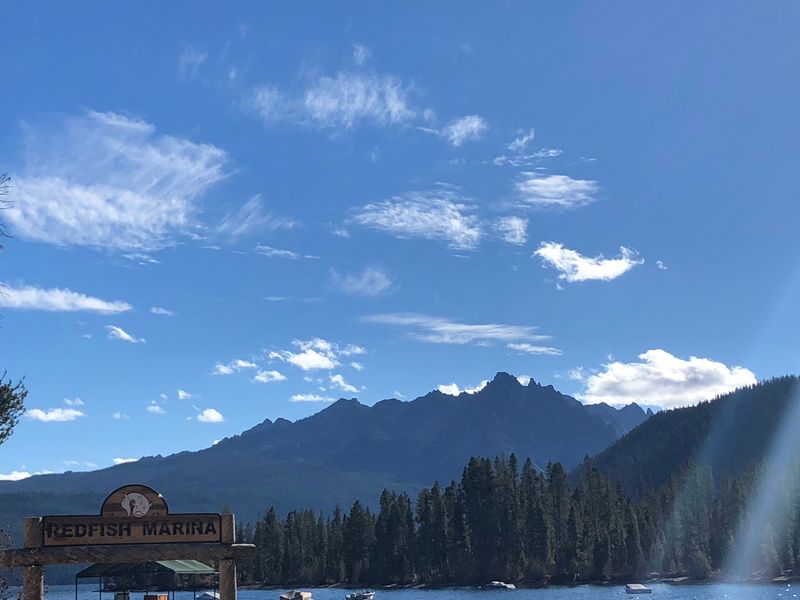
Sockeye salmon swim roughly 900 miles from the ocean to reach this lake, which gave Redfish its name. On a calm night, the stars put on a show almost as impressive.
Redfish Lake sits within the Central Idaho Dark Sky Reserve near Stanley. That reserve was the first International Dark Sky Reserve in the United States, named in 2017.
The Sawtooth Mountains rise right behind the water, so your skyline comes with sharp peaks. If the lake is still, you might catch starlight shimmering on the surface.
Wide sandy beaches give you room to spread out a blanket and face the sky. Open shorelines mean fewer trees blocking those long meteor trails.
Summer brings boating, fishing, kayaking, and lodge crowds. By December, the scene turns much quieter, and many seasonal services close.
Stanley is a tiny town, so plan ahead for gas, food, and warm gear. Temperatures in this valley can drop very low in winter.
Check road and access conditions before you head out, since snow can change plans quickly. Once you get there, the Sawtooths and the Geminids make an unforgettable pair.
Give your eyes time to adjust, then enjoy the show.
Address: Redfish Lake Rd, Stanley, ID 83278
7. Stanley Lake
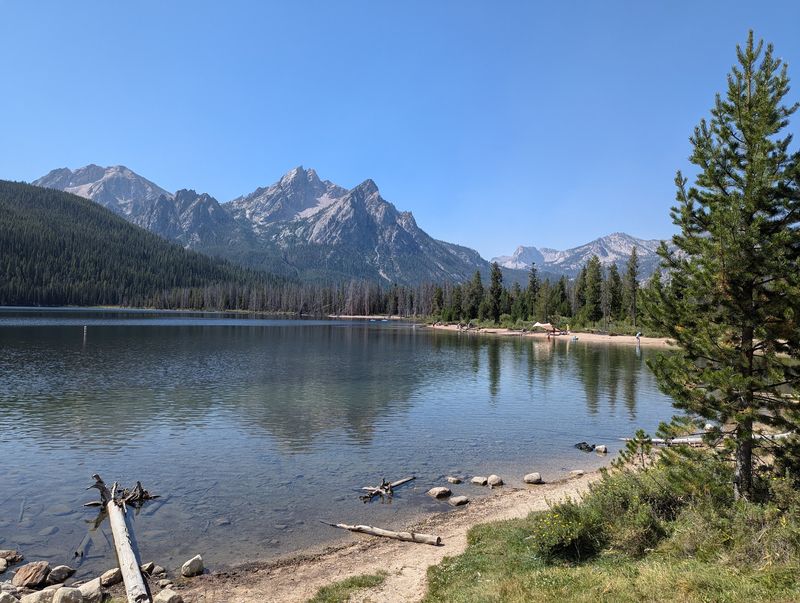
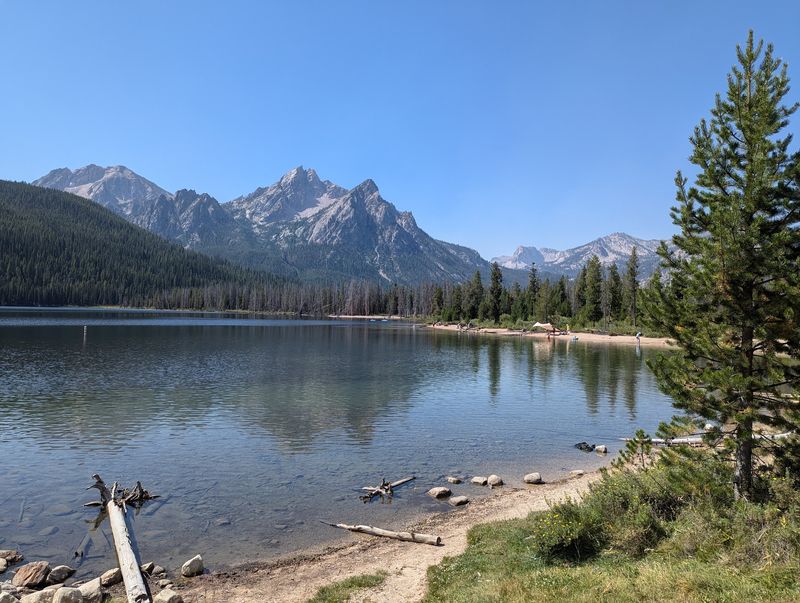
McGowan Peak gets top billing at Stanley Lake, and it looks especially sharp against a starry sky. The high-altitude lake sits in the Sawtooth country near Stanley.
Like its neighbor Redfish, Stanley Lake falls inside the Central Idaho Dark Sky Reserve. That means the darkness here is protected, not just lucky.
Beaches, a dock, and picnic benches give you options for setting up a viewing spot. The broad shoreline leaves plenty of open sky for meteor hunting.
Campgrounds face the water, which makes summer trips popular with anglers and campers. By December, though, you should plan for winter conditions and limited services.
Access can change as snow piles up in the Sawtooth National Forest. Checking road conditions before you go is a must, especially as the season shifts.
Pick a clear evening and arrive with plenty of daylight left. That gives you time to scout a safe, level patch of shore.
Once darkness settles over the peaks, keep your phone tucked away so your eyes adjust. The Geminids often bring bright, slow streaks, and a quiet mountain lake might be the best seat in Idaho to watch them glide by.
Address: Stanley Lake Rd, Stanley, ID 83278