Rockhounds Are Splitting Shale For 15-Million-Year-Old Leaf Fossils At This Idaho Dig Site You Visit For A Small Fee
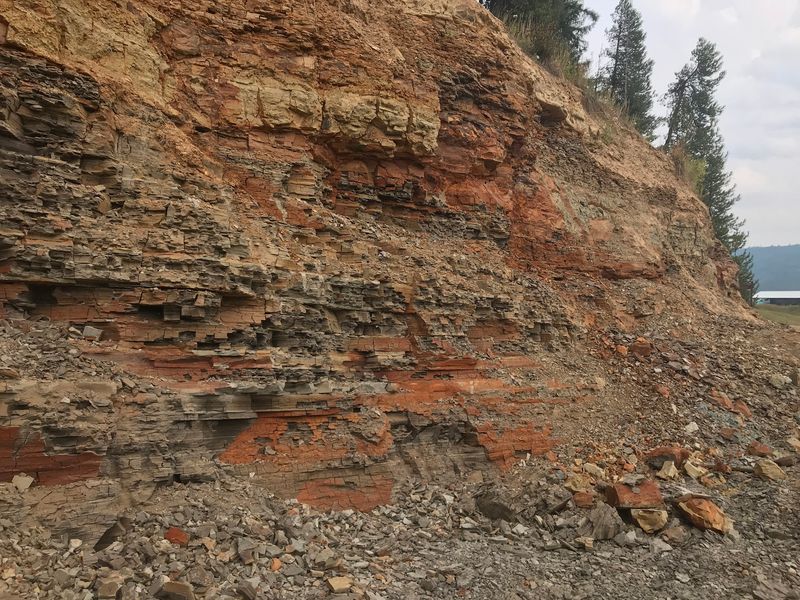
Some leaves pulled from this shale flash brown, green, or rusty red for a moment. Then the air hits them, and they fade to black right in your hands.
Those leaves are roughly 15 million years old. They settled on the floor of an ancient lake in northern Idaho, and the clay kept them in remarkable shape.
I like how simple the whole thing is. You pay a small fee, kneel in the clay, and pry layers apart with a dull butter knife.
Then you get to keep what you find.
I can’t imagine a better way to make deep time feel real. Dawn redwood, magnolia, and oak leaves hide in these layers.
A lucky few even turn up a fossil fish. So what’s waiting in your slab?
A Prehistoric Lake Bed Beside A Dirt Bike Track
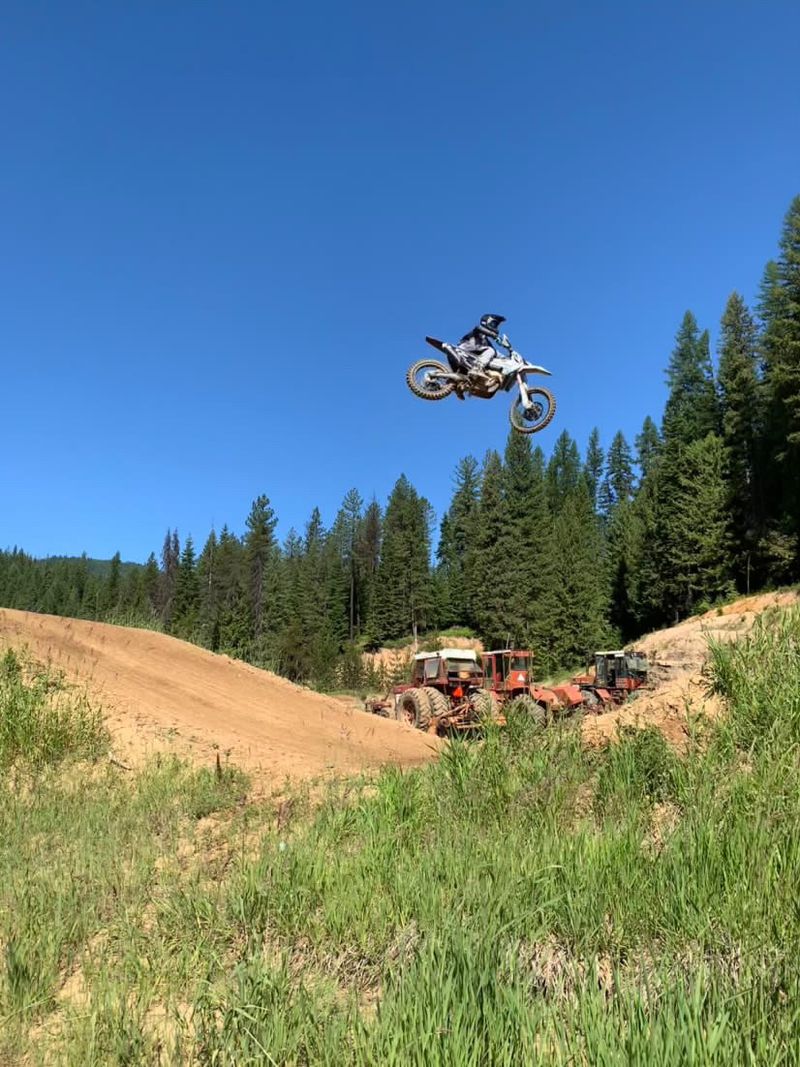
Few fossil sites share their ground with a motocross track. Fossil Bowl does exactly that, pairing ancient leaves with modern dirt bikes in the hills of northern Idaho.
The privately owned site sits near the small town of Clarkia in Shoshone County. It’s about 30 minutes south of St. Maries along State Highway 3.
Scientists call the larger deposit the Clarkia Fossil Beds. The name fits, since the clay here holds Miocene plants roughly 15 to 16 million years old.
Visitors come to dig, and the digging is genuinely hands-on. You don’t stand behind a rope and squint at a display case.
Instead, you split open soft shale and hunt for leaf impressions yourself. Some of the finds include seeds, cones, and the occasional insect.
The MX track gives the property a split personality. Riders hit the trails and track sessions while rockhounds kneel in the clay nearby.
That mix sounds odd on paper. In practice, it simply means Fossil Bowl serves two very different kinds of fun on one patch of Idaho ground.
Either way, plan to get your hands dirty. The clay doesn’t care which crowd you came with.
How A Snowmobile Track Turned Into A Scientific Treasure
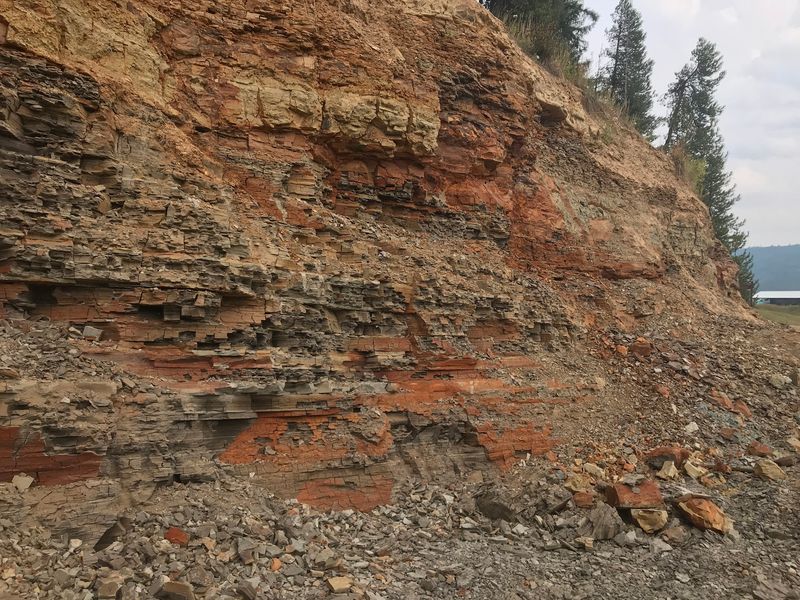
Francis L. Kienbaum wasn’t looking for fossils in the early 1970s.
He was excavating ground for a snowmobile track.
What turned up instead was the bottom of a prehistoric lake. The leaves inside were preserved so well that they demanded a closer look.
University of Idaho geologist and paleobotanist Dr. Charles Jack Smiley confirmed the scientific importance of the find. That turned a construction project into a research site.
So how did a lake form here at all? Massive lava flows from the Columbia River Basalts dammed a valley, and water backed up behind them.
The lake bottom stayed cold and low in oxygen. Sediment piled up quickly, sealing leaves and other remains before they could break down.
Scientists use the German word lagerstätte for sites like this. It describes deposits with extraordinarily preserved specimens.
That’s a fancy label for a field near Highway 3. Still, it explains why researchers and families alike keep showing up.
I love that the story started with snowmobiles. Idaho has a habit of hiding big surprises under ordinary plans.
Every slab you split today traces back to that accidental discovery decades ago.
Leaves From Trees That No Longer Grow Here
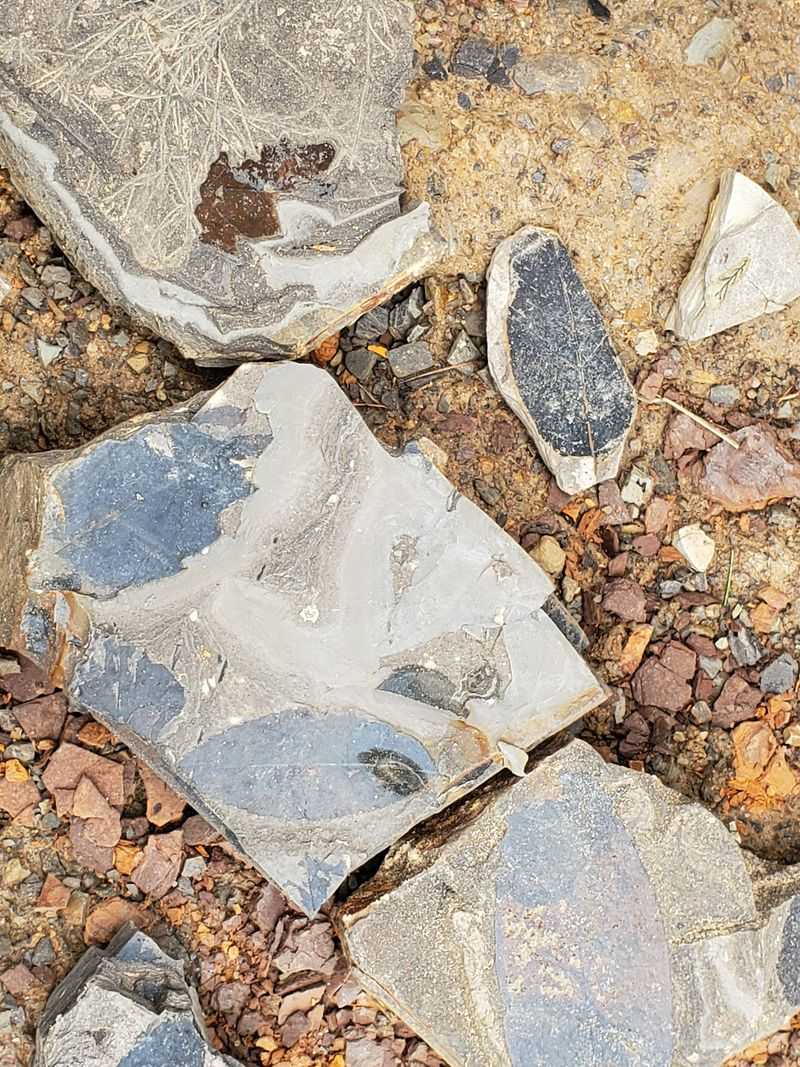
Dawn redwood, bald cypress, and magnolia all show up in this clay. None of them fit the forests you see around Clarkia today.
The list keeps going with oak, laurel, pine, birch, and greenbriar. Seeds and conifer cones also appear among the layers.
The shale itself is soft and clay-like. It splits into thin sheets, almost like turning pages in an old book.
Each split is a small gamble. You might reveal a full leaf, a fragment, or just more mud.
The quantity is hard to overstate. Leaf fossils turn up so often that you’ll probably need to stop yourself before your bucket overflows.
Rarer finds keep things exciting. Fish, insects, and even a small mammal fossil, a tree squirrel, have come from the Clarkia beds.
Don’t count on a fish, though. Leaves are the main event, and they’re plenty thrilling on their own.
Holding a magnolia leaf from Idaho feels a little like a riddle. The answer lies in the climate, which looked very different back then.
For now, just enjoy the hunt. Every slab offers another shot at something nobody has seen in millions of years.
Colors That Vanish Before Your Eyes
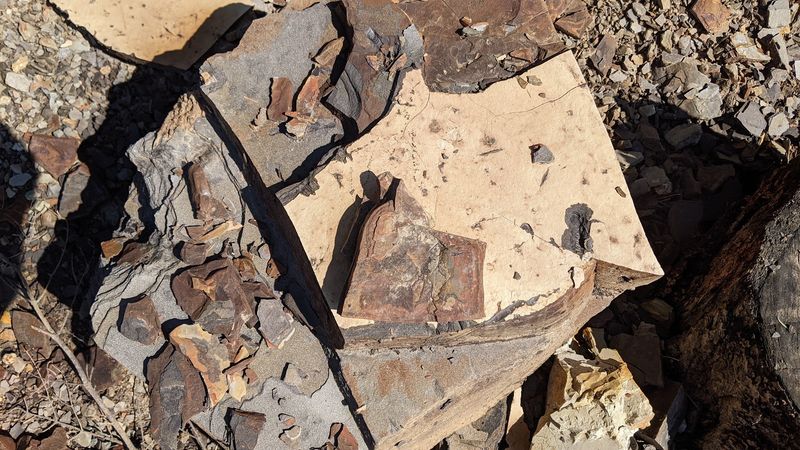
Blink and you might miss it. Some fossil leaves at Fossil Bowl come out of the damp shale looking brown, greenish, or dark rusty red.
Preserved color like that is rare in the fossil record. Most plant fossils show up only as dark impressions.
The show doesn’t last long. Once the leaf meets air, the pigments oxidize and turn black.
That quick change makes every fresh split feel like a little event. You open the slab, catch the color, and watch it fade.
Think of it as an autumn forest giving one final wave. The trees dropped those leaves around 15 million years ago.
The same cold, oxygen-poor lake bottom that saved the leaf shapes also protected those traces of color. It’s a neat bit of chemistry happening in your palm.
Kids especially tend to love this part. A disappearing color trick is hard to beat, even for adults who claim they’re too grown-up for magic.
Keep your eyes on the slab as you split it. Phones are fine for photos, but you’ll want to see the moment yourself first.
It’s easily the most surprising detail of a day digging in Idaho clay.
Bonus Digging For Idaho Garnets
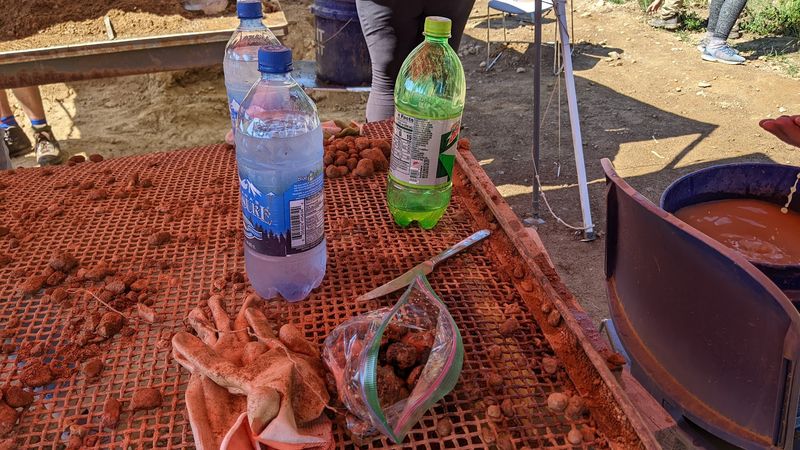
Fossils aren’t the only treasure on the menu. Fossil Bowl has also offered garnet digging, which fits nicely in a state nicknamed for its gems.
Visitors have combined both activities in one trip. A couple of hours with fossils, then a switch to garnets, makes for a full afternoon.
Garnets here have been paid for based on what you keep. Some visitors have described the owner sorting through their stones and setting aside the best ones.
Star garnets are the dream find. Idaho is one of very few places in the world known for these gems, so the hunt feels special.
Results vary, of course. Raw garnets can carry cracks and inclusions, so not every stone ends up polished or set in jewelry.
Still, sifting dirt for dark red stones has a satisfying rhythm. It’s a nice change of pace after hours of splitting shale.
Ask about garnet options when you arrive, since offerings can change. Pricing for this activity works differently from the fossil fee.
Fossil leaves in one pocket and garnets in the other? That’s a pretty strong souvenir haul from one stop in northern Idaho.
Muddy Knees, Happy Kids, And A Few Ground Rules
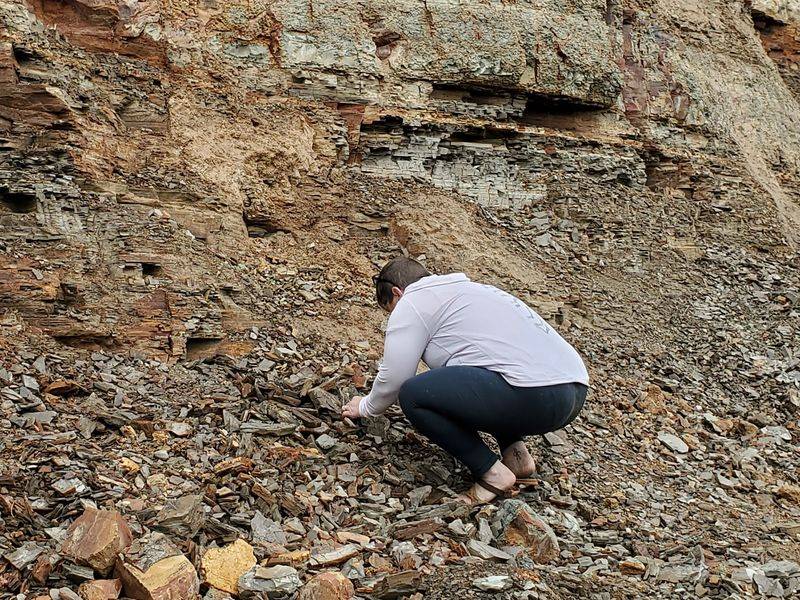
A dull butter knife is the star tool here. It slides between damp, clay-like layers and pries them apart without much effort.
Some tools may be available on site, but bringing your own is smart. Toss a couple of extra knives in the bag for the kids.
Families make up a big part of the crowd at Fossil Bowl. School field trips have come here too, which says plenty about how approachable it is.
Wear sturdy closed-toe shoes for wet, uneven ground. Pants you don’t mind ruining will save you some grief later.
The site can get hot in summer. A hat and sunscreen are worth packing, along with light layers.
Services are basically nonexistent. Bring plenty of water, lunch, and snacks for the whole day.
Fossils break sometimes, and that’s part of the deal. Patience helps you pull out a complete leaf instead of a pile of pieces.
Arriving early is a good idea too. You’ll beat the afternoon heat and have more time to work.
Honestly, the mud is half the fun. Just keep a towel in the car for the ride home.
The Six-Week Secret To Keeping Your Finds
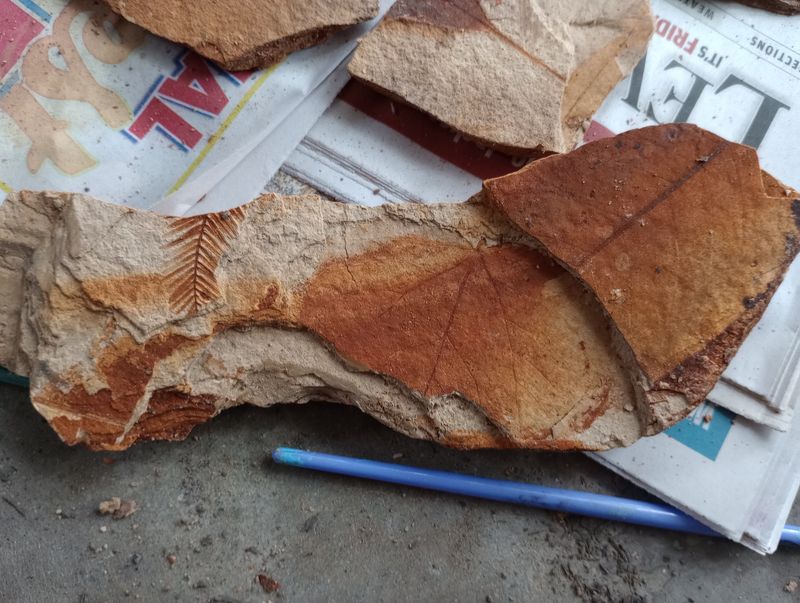
Old newspapers might be the most valuable thing you pack. Damp fossils need slow drying, and newsprint does that job well.
Wrap each find while it’s still damp from the clay. Then leave it alone for about six weeks.
Yes, six weeks. That’s a long time to resist peeking, but your patience pays off.
Drying too fast can make slabs crack or curl. A gradual pace helps keep the delicate layers intact.
Remember that the leaves will already be black by then. The fleeting color stays on site, but the leaf shapes come home with you.
A sturdy box or bin helps on the drive. Pack wrapped slabs flat so they don’t shift around on those winding Idaho roads.
The good news? You get to keep what you dig, and the fossil fee has historically come without a strict collection limit.
That freedom makes self-control the real challenge. Bringing home a truckload of shale sounds fun until you need somewhere to put it.
Pick your favorites, wrap them carefully, and start counting down. In about a month and a half, you’ll have a display-ready piece of the Miocene.
Your Road Map To 52250 State Highway 3
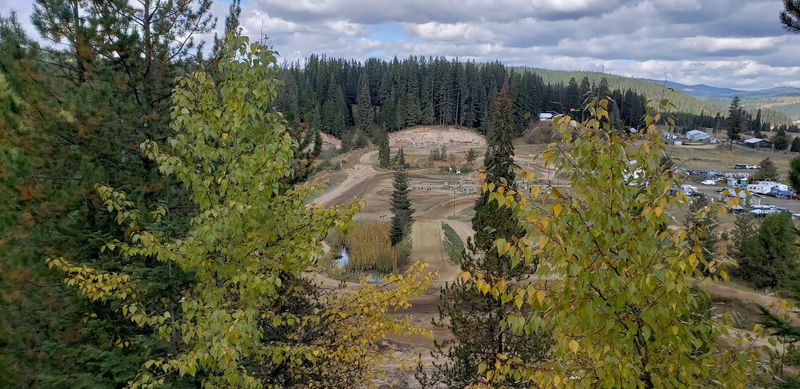
Fossil Bowl sits at 52250 State Hwy 3, Clarkia, ID 83812. That puts it in the forested hills of the Idaho Panhandle’s southern edge.
From St. Maries, plan on about 30 minutes heading south on Highway 3. The drive itself is scenic, with plenty of green on both sides.
Cell service fades well before you arrive. Download directions ahead of time and let someone know your plans.
Summer is the usual digging season, generally June through September. Wet weather can turn the clay slick and make conditions tough.
Hours can be tricky to pin down. Contact the site before you make the drive, especially if you’re coming from Spokane or Boise.
The fee stays small, just a few dollars by most standards for a full day of digging. Check current pricing before you leave home.
Camping has been an option on the property for some visitors. Ask ahead if you’d like to stay overnight.
Motocross events can also change the mood. A quick check helps you choose a quiet day for fossils or a lively one for bikes.
A little planning keeps the whole outing smooth.
Florida-Style Forests And A Reason To Go
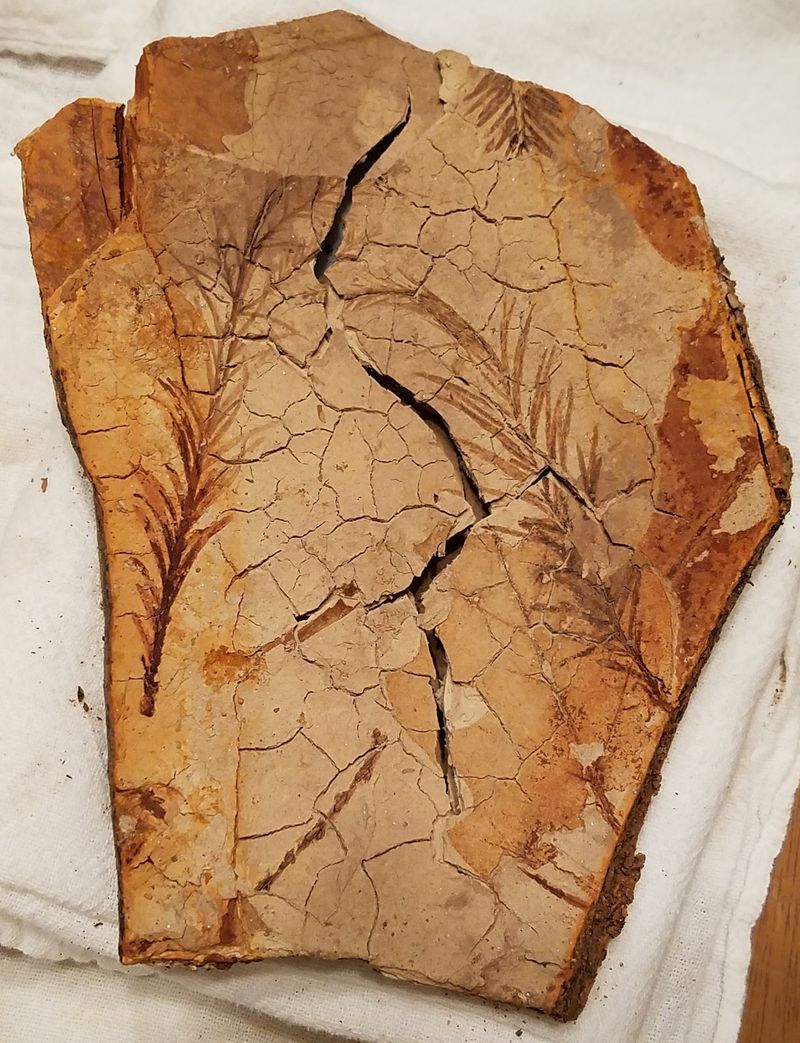
Southern Florida is the best comparison for ancient Clarkia. Around 15 to 16 million years ago, this part of Idaho was much warmer and wetter.
Broad-leaved forests grew around the lake. Bald cypress and magnolia thrived where pine forests and snowy winters rule today.
Scientists study these fossils for clues about past warm periods on Earth. Each leaf adds a small detail to that bigger picture.
That’s a lot of history packed into a slab you can hold. It also makes the drive to Clarkia feel like more than a simple day trip.
So who should go? Families, rockhounds, curious retirees, and anyone who enjoys getting a little muddy will find plenty to love.
Fossil Bowl isn’t polished or fancy. It’s a working property with dirt, clay, and a motocross track next door.
That rough edge is part of the charm. You come for the real thing, not a gift shop version of it.
I believe every Idahoan should split at least one slab here. Bring patience, newspapers, and a dull knife, and let the old lake do the rest.