Step Inside This Kentucky Train Depot Where A Miniature Version Of The Town Comes To Life
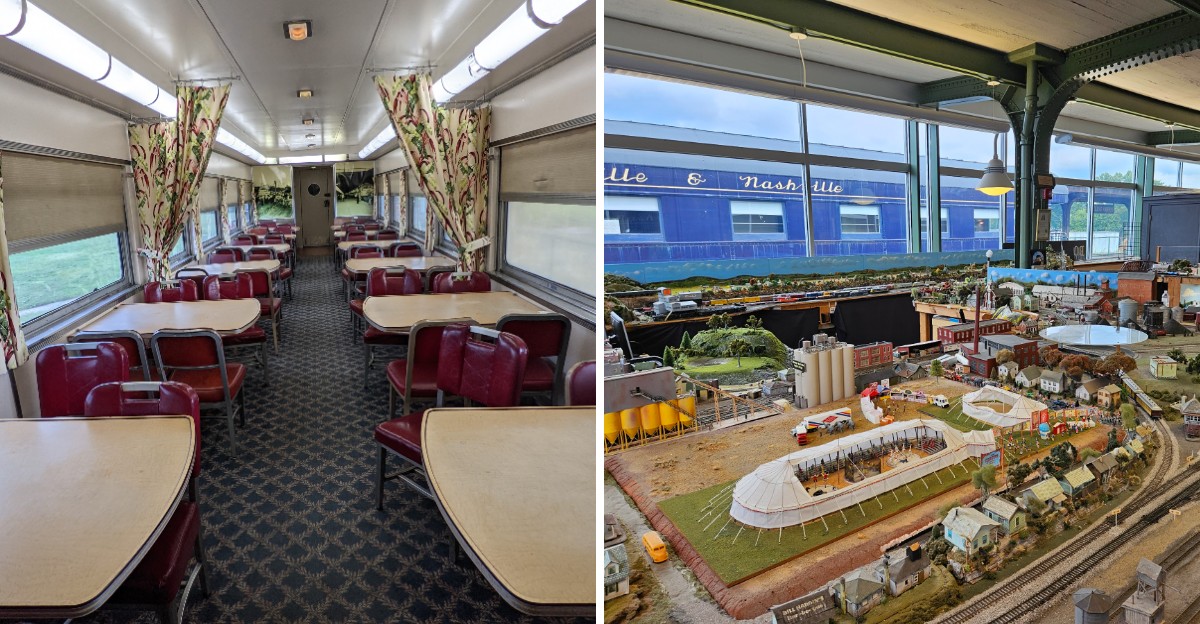
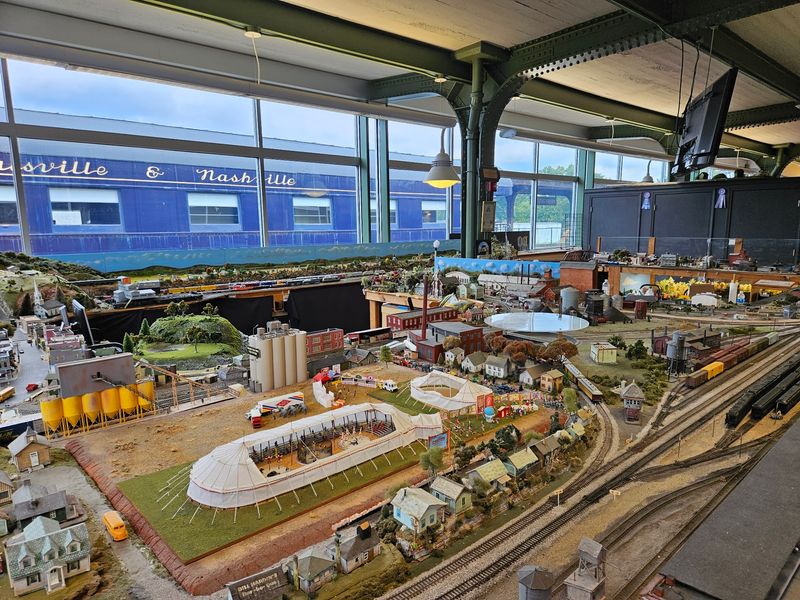
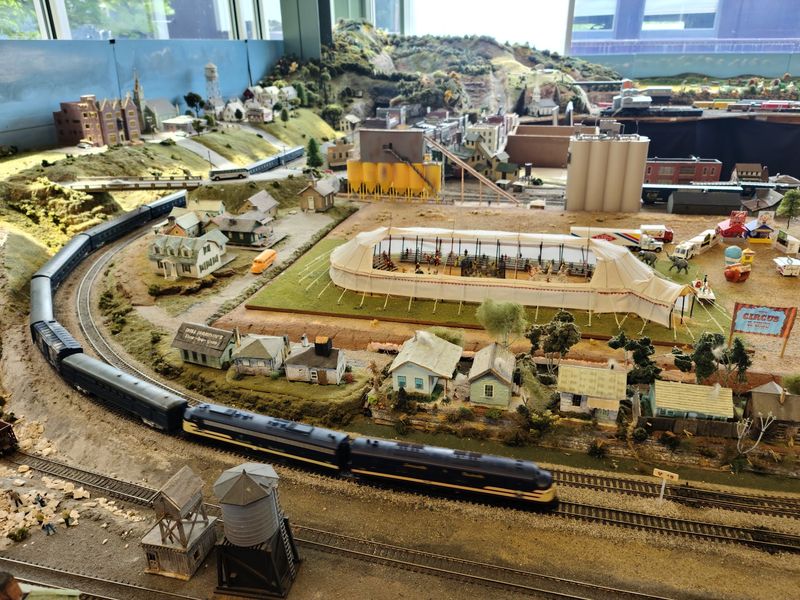
A whole Kentucky town has been shrunk down to HO scale and tucked downstairs in a 1925 train depot. Tiny tracks loop through a miniature version of the area, built and cared for by a local model railroad club.
Upstairs, the real history waits. Out back, actual vintage railcars sit on 450 feet of track, ready for a guided walk-through.
This place lets you zoom in and out of railroad life. One minute you’re leaning over a model the size of a dining table.
The next, you’re standing inside a 1911 office car built for a railroad president.
Can you imagine a better rainy-day plan for train fans of any age?
A Tiny Town Is Running Downstairs, And It Steals The Show
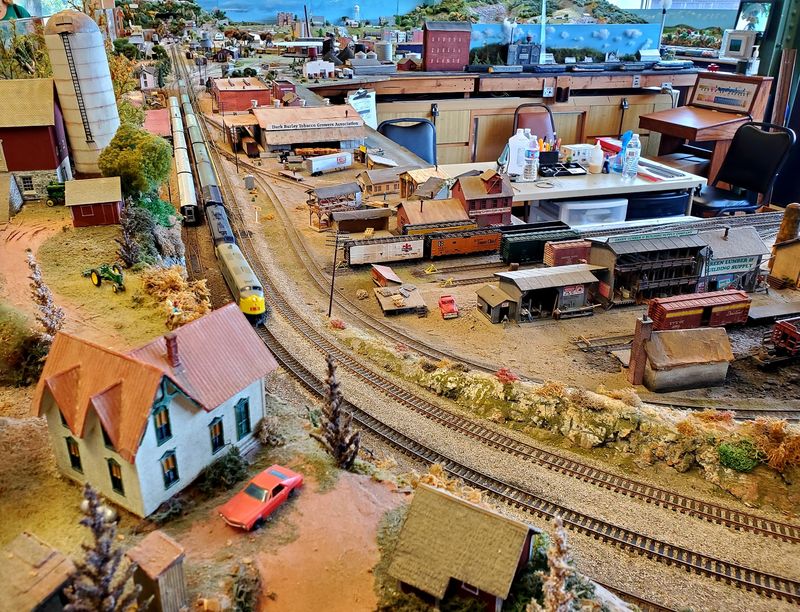
Head downstairs at the Historic RailPark & Train Museum and the world suddenly gets a lot smaller. Waiting there is an HO scale model railroad layout that depicts the Bowling Green area.
It ranks among the largest model railroad displays in the region. That’s a big claim for something built from tiny pieces.
The layout is a permanent exhibit, so you won’t miss it by visiting on the wrong week. It was built and is still maintained by the sHOw Modular Model RR Club of Bowling Green.
That detail matters more than you might expect. Volunteer hobbyists put serious care into scenery, track work, and buildings that mirror their own hometown.
Kids usually lock onto the moving trains first. Grown-ups tend to start hunting for spots they recognize from real life.
Give yourself time here instead of rushing to the next exhibit. Small layouts reward patient eyes, and this one packs in plenty of detail.
A good tip is to circle the whole display at least twice. You’ll catch things the second time around that slipped right past you before.
Bring a phone for photos, but keep your hands off the scenery. Those little trees took somebody a long time to plant.
Getting here is refreshingly simple. The Historic RailPark & Train Museum sits at 401 Kentucky Street, Bowling Green, Kentucky, close to I-65.
The Depot Itself Is Carved From Local Stone
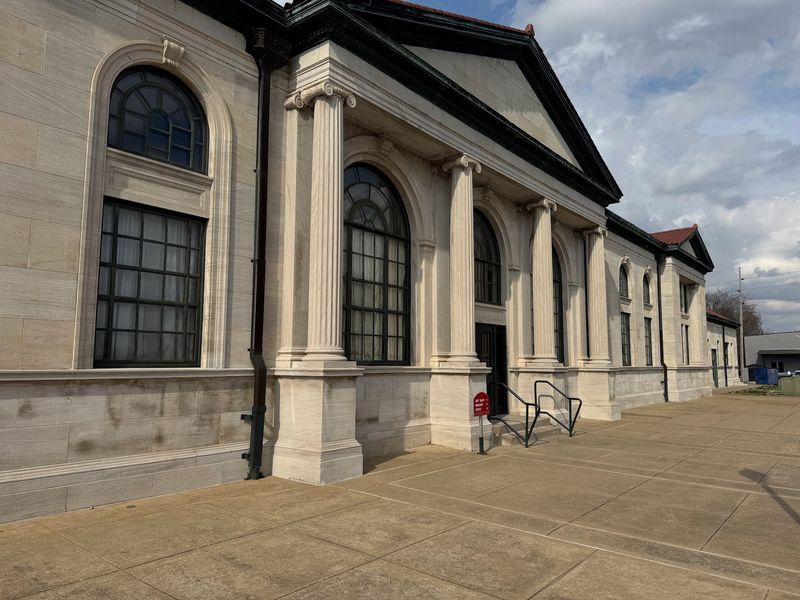
Warren County limestone forms the walls of this handsome 1925 building. The Louisville & Nashville Railroad built it, and it now sits on the National Register.
So before you even buy a ticket, you’re looking at history. The stone came from right here in Kentucky, which gives the depot a deep local connection.
The story behind it is pretty dramatic. An earlier station went up in 1858, but it was destroyed during the Civil War in 1862.
Bowling Green had already become a key junction for the L&N by 1859. At its peak, more than 20 trains a day once left this spot.
Those trains linked Louisville with Nashville, Tennessee. That made this little stretch of track a busy hallway between two important cities.
Take a slow lap around the outside before heading in. The depot’s solid lines and stonework show how seriously railroads treated their stations back then.
Current trains still pass nearby, too. If you catch one rolling by, it’s a fun reminder that this line never fully went quiet.
Pretty good for a building nearly a century old, right? It still looks ready for passengers.
Climb Aboard A Rail Car Fit For A Railroad President
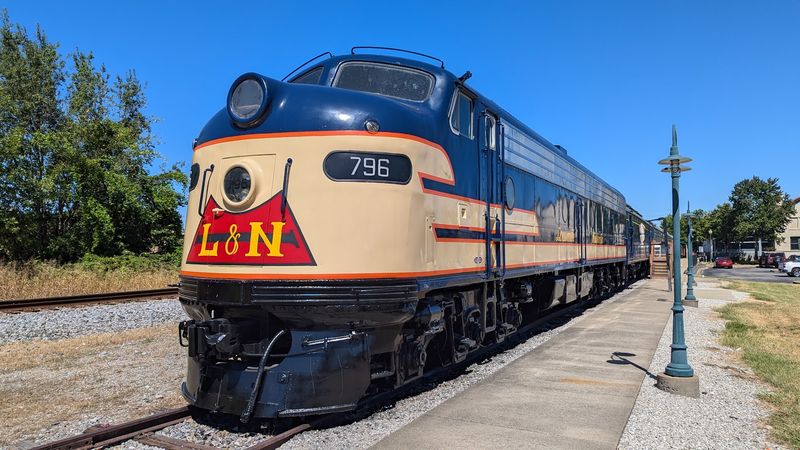
Out behind the museum, 450 feet of track holds a lineup of beautifully restored railcars. A guided tour takes you inside them, and this is where the visit gets personal.
The star for history fans is the 1911 L&N Presidential Office Car. It’s the oldest surviving L&N passenger car, which makes it a true survivor.
Imagining a railroad boss doing paperwork while rolling down the line is half the fun. Business travel used to look very different.
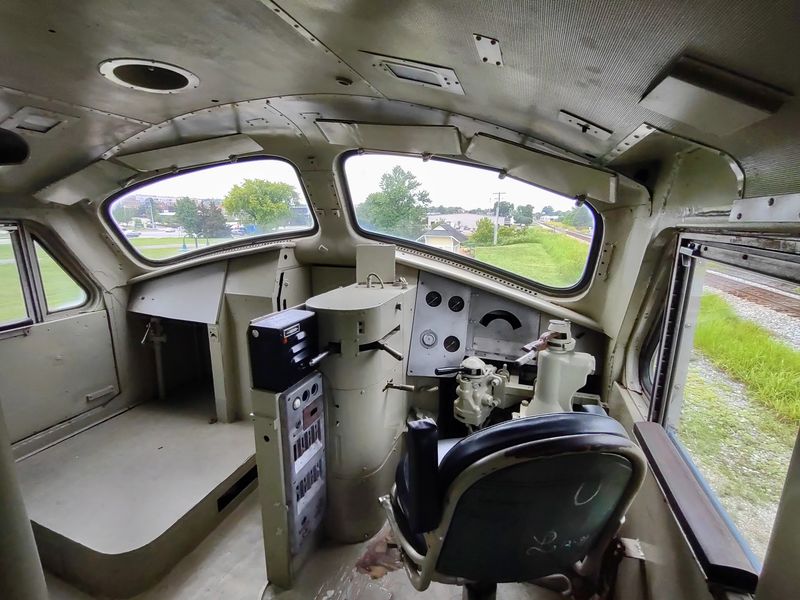
The tour also includes an E8A diesel locomotive, a sturdy piece of machinery that anchors the collection. Seeing it up close gives you a real sense of its size.
Guides lead these tours, and they last between 45 and 90 minutes. Plan your day around that window so you aren’t checking your watch.
Here’s a heads-up that saves headaches. The railcar tour is not a train ride, and the cars stay parked.
Also ask about ticket options when you arrive. The museum and railcar tour can be priced separately, so knowing ahead keeps things smooth.
Wear comfy shoes for this part. Stepping in and out of historic cars is a workout for curious legs.
Dinner And A Bedtime, Pullman Style
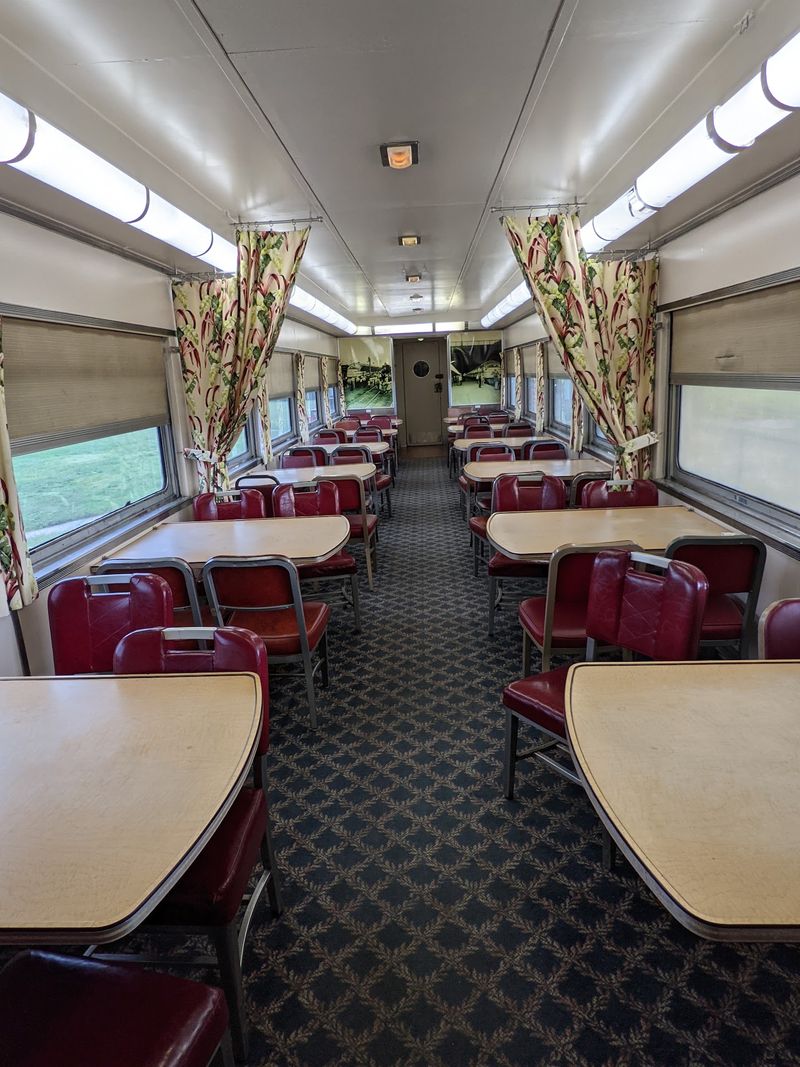
Long train trips once came with real meals and real beds. Two railcars here show exactly how that worked.
First up is a 1949 Pullman Dining Car, known as the Duncan Hines Dining Car. That name connects it to a famous figure with Bowling Green roots, which adds a fun local twist.
The galley kitchen is a highlight for anyone who has ever cooked in a cramped space. Picture feeding a full car of hungry passengers while the floor moves under you.
Next comes the 1953 Luxury Pullman Sleeper, called the Towering Pine. It shows how travelers rested overnight while the miles slipped by outside.
The sleeping spaces are a real eye-opener. Comparing them to your own bed at home is a guaranteed conversation starter.
Families with tall teenagers should brace for some laughter. Squeezing into old-school berths makes everyone appreciate modern hotel rooms.
These two cars help tell a bigger story about comfort and class on the rails. Not every traveler enjoyed the same treatment.
Ask your guide about the differences between classes of service. That detail makes these cars feel much more human.
Mail Got Sorted At Full Speed In Here
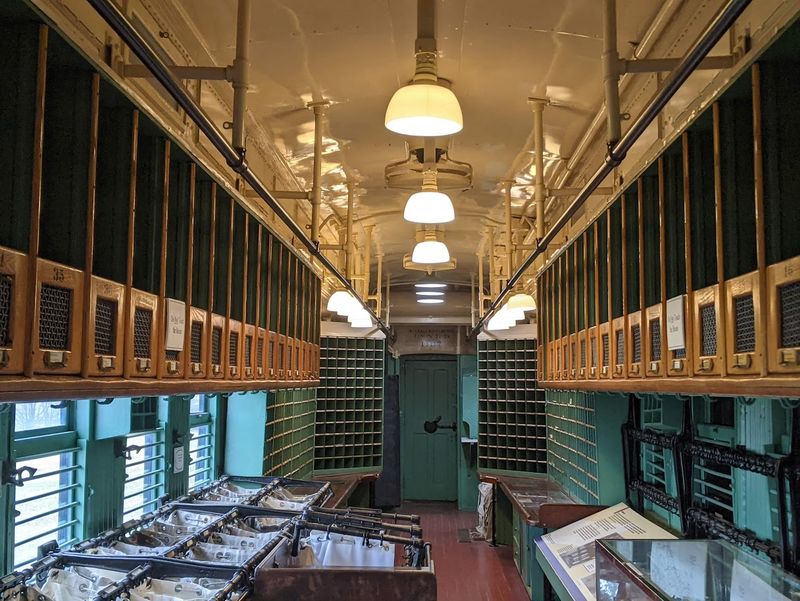
Long before tracking numbers and delivery apps, mail clerks sorted letters inside moving trains. The 1921 Railroad Post Office Car lets you see that system up close.
It’s one of the most talked-about stops on the railcar tour. And honestly, it’s easy to see why.
Workers had to sort mail quickly and accurately while the car rocked along the track. That sounds like a tough job on a good day.
Standing among the sorting spaces gives you a fresh respect for that work. Every letter mattered to someone waiting at the other end.
Kids especially love this car because it connects to something familiar. Everybody gets mail, but few people know how it once traveled.
Use this stop to ask questions. Guides can explain how the car fit into the wider railroad network.
The car also shows how railroads did far more than carry passengers. They moved news, packages, and personal messages across the country.
Next time a package lands on your porch, you might think of this car. Mail service has come a long way since 1921.
Some Of The Most Important Stories Here Are The Hardest Ones
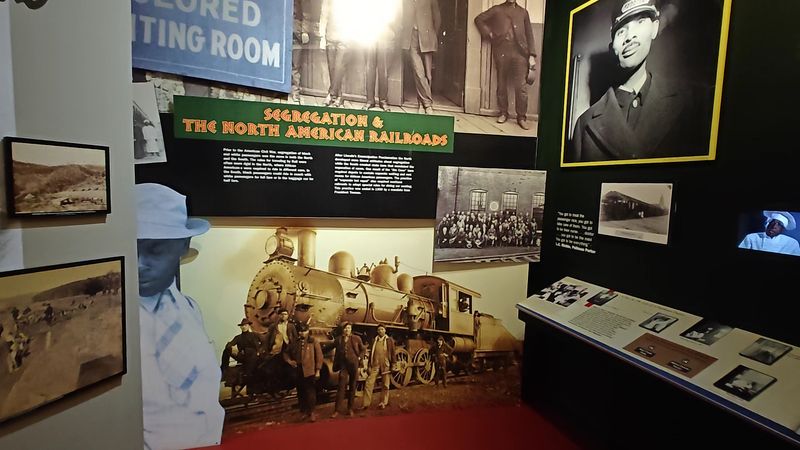
Railroad history includes painful chapters, and this museum doesn’t skip them. A rare Jim Crow Segregation Car sits among the restored railcars outside.
It shows how segregation laws shaped rail travel for Black passengers. Standing inside it brings that history out of textbooks and into real space.
Inside the depot, exhibits explore the African American experience during segregation. They also highlight the work of Black railroad employees.
These stories deserve your full attention. They explain how the rails worked for some people and against others.
Families can use this stop to talk about fairness and change. Younger visitors often ask thoughtful questions when history feels this real.
Other exhibits cover the contributions of women in railroading. Their roles are often forgotten, so seeing them recognized here feels right.
There’s also a section on the railroad’s role in the Civil War. That connects neatly with the depot’s own past.
Take this part of the museum slowly. It may be the section that stays with you longest after you head home.
Push Buttons, Meet The Crew, And Hear The Trains
Quiet museums where nobody touches anything? Not upstairs here.
The two-story museum offers self-guided, interactive exhibits built to entertain and educate all ages. That makes it easy for families to explore at their own pace.
One fun feature lets you meet historical railroad figures. You can learn from an Engineer, a Cook, and a Conductor about their jobs.
Another display lets you listen to different train sounds. Then you can match them to corresponding models, which works great for curious kids.
There’s also an exhibit on the business side of railroading. It explains how these companies actually made money.
A movie theater adds another way to learn without reading every sign. It gives tired legs a break, too.
The indoor museum is fully accessible, with an elevator between floors. That helps visitors with strollers or mobility needs.
The vintage railcars are another story. Their steep steps and narrow hallways limit accessibility, so plan accordingly.
Let kids lead the way here. They’ll probably find buttons you never noticed.
Volunteers Built This Collection One Railcar At A Time
Railcars don’t wander back home on their own. A non-profit, all-volunteer group called the Friends of L&N Depot made this museum possible.
Their mission was acquiring and restoring authentic, historic railroad cars. The first cars went on display in May 2002.
That’s a lot of elbow grease. Restoring old equipment takes time, money, and plenty of patience.
The work continues today. A World War II Hospital Car is currently undergoing restoration.
The collection also includes a Chessie Class Caboose. Cabooses always charm visitors, maybe because they look like tiny houses on wheels.
Restoration projects give repeat visitors a reason to return. You might see more of the collection on your next trip.
This volunteer spirit shows up downstairs too. The model railroad club keeps its layout running with the same kind of dedication.
Supporting the museum helps keep these projects moving. Even a gift shop purchase plays a small part.
Speaking of which, the shop carries train memorabilia, toys, and apparel. Good luck leaving without a souvenir conductor’s cap.
Plan Your Visit, Then Keep Exploring Bowling Green
Hours run 10 AM to 4 PM. From March 23 through December 31, it’s open seven days a week.
Winter is a little different. From January 1 through March 22, it closes Mondays and Tuesdays.
Checking the museum’s Facebook page before you go is smart. Tour schedules and hours can shift.
The museum also hosts events throughout the year. Polar Express Storytime is a seasonal favorite for young train fans.
Other events include a mini golf scramble and the RailPark Rendezvous. These give locals and visitors fresh reasons to return.
Want to turn this into a full Kentucky day trip? The depot makes a great starting point for exploring the city.
The National Corvette Museum, Aviation Heritage Park, and Lost River Cave are all nearby. Bowling Green clearly loves things that move.
Start with trains, then add cars, planes, and even a cave boat ride. That’s a pretty fun theme for one town.