Once Booming With Coal, These 9 Kentucky Mountain Towns Are Working To Reinvent Themselves
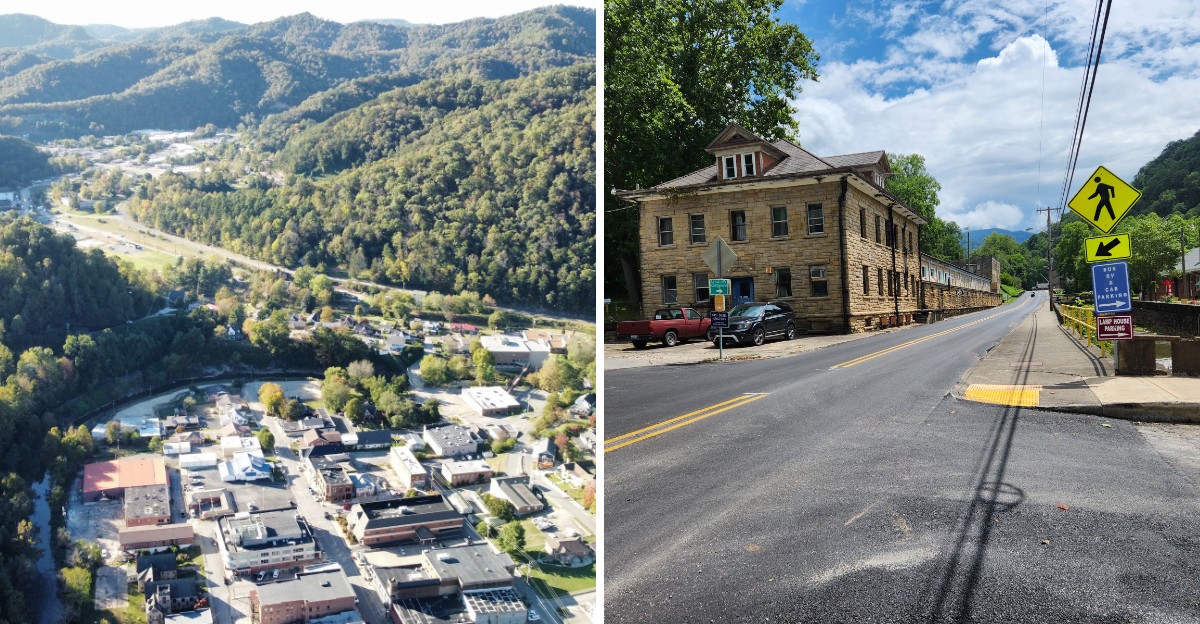
Picture a mountain town where coal trains once rumbled through all day long. Miners filled the diners, and company stores buzzed with families.
Then the industry slowed, and many people assumed these towns would simply fade away. Eastern Kentucky had other plans.
Today you can ride a railcar deep into a former mine and learn how miners really worked. You can sleep in an old schoolhouse that once taught the children of coal families.
You can also stroll downtown streets where new shops are filling buildings that once sat empty. These communities are swapping hard hats for hiking boots and storefront signs.
Some are welcoming trail lovers, while others are celebrating their history with museums. Every one of them is proving that a fresh start can happen at any age.
Lace up your shoes and bring your sense of adventure. Let’s visit the mountain towns writing a new chapter.
1. Harlan
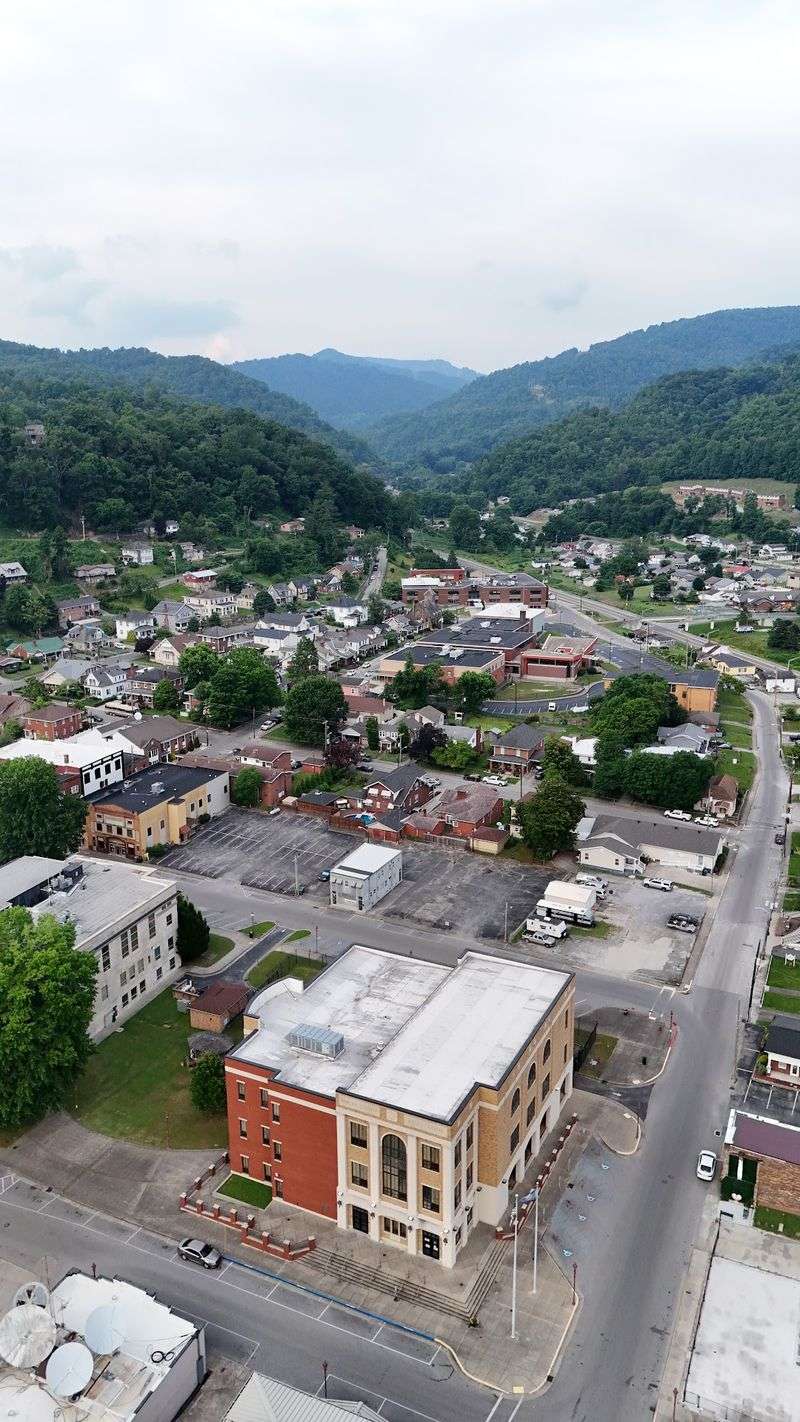
For a town of roughly 1,500 to 1,700 people, Harlan sure carries a big name. During the 20th-century coal boom, it sat at the heart of Central Appalachia’s mining world.
Harlan County was packed with coal camps back then, and this town anchored that whole network. Trains, miners, and paychecks moved through these hills at a pace that’s hard to picture today.
When coal slowed down, Harlan didn’t just sit on the porch and wait. The town turned toward outdoor adventure, and that shift is paying off in a fun, muddy way.
Harlan now serves as the main hub for the Black Mountain Off-Road Adventure Area. If you like rumbling over mountain trails in an ATV or side-by-side, you’ll feel right at home here.
Back in town, the downtown has been getting fresh attention through revitalization work. The historic streets are walkable, so you can park the truck and stretch your legs between rides.
Plan a full weekend instead of a quick day trip, if you can swing it. Trail riding in the mountains can eat up hours, and you’ll want time to wander downtown too.
Harlan shows how a town can trade one kind of mountain work for another kind of mountain fun. The ridges that once gave up coal now pull in riders hunting for adventure and big views.
Address: Harlan, KY 40831
2. Hazard
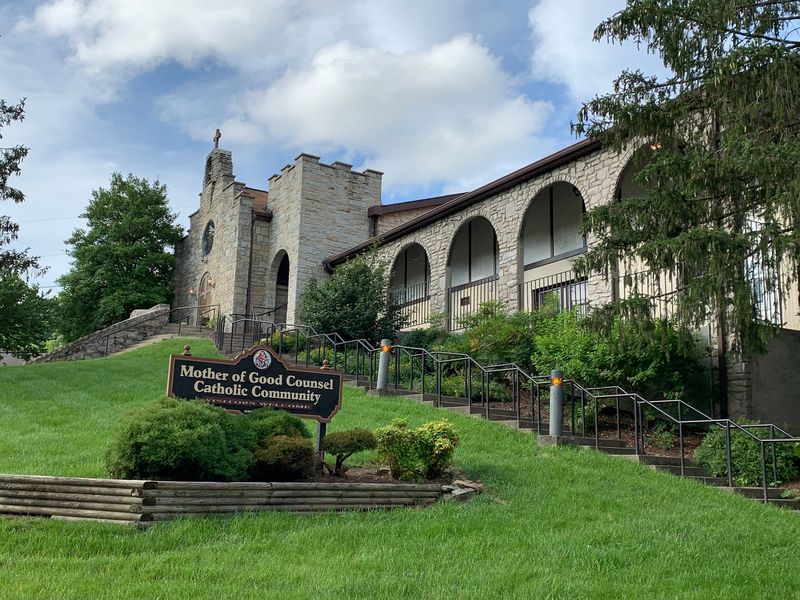
A town named Hazard sounds like it should come with a warning label. Instead, this Perry County community of about 5,000 people comes with a serious plan for its future.
Hazard sits in the mountains along the North Fork Kentucky River. During the peak coal years, it worked as a central railhead, shipping depot, and shopping center for nearby mines.
Picture coal cars rolling out of the hills and heading for faraway markets. That was the daily rhythm here for a long time, and it shaped the whole look of the town.
These days, Hazard is busy rewriting its job description. The city is working on downtown streetscape improvements and expanding its riverfront park.
Fresh sidewalks and better green spaces might sound small. For a mountain town, though, they make downtown a nicer place to stroll, shop, and linger.
The bigger story is about work. Hazard is building up healthcare and clean-energy workforce programs to help the area lean less on coal.
I like that approach because it’s practical. Training people for steady careers gives young folks a reason to stay in eastern Kentucky instead of packing up and leaving.
If you visit, spend time near the river and take in the small-town character. You’ll be standing in a place that once shipped coal out and is now trying to bring opportunity in.
Address: Hazard, KY 41701
3. Pikeville
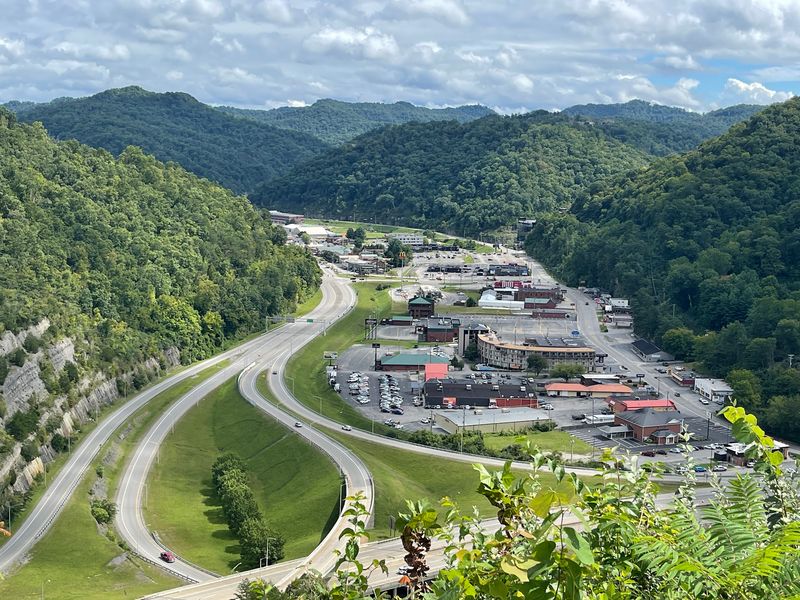
Most towns change by adding a few buildings. Pikeville moved a mountain, or at least 18 million cubic yards of one.
The Pikeville Cut-Through started in 1973 and wrapped up in 1987. Crews carved through the ridge to reroute a river and relocate a highway and a railroad.
The project has even been compared to the Panama Canal. That’s a bold comparison for a mountain town of roughly 7,500 people, but the scale really was enormous.
You can see it for yourself from the overlook at Bob Amos Park. Educational displays explain the work, and picnic areas make it an easy stop.
Before all that digging, Pikeville was known as the unofficial coal capital of eastern Kentucky. Coal company headquarters, law firms, and supply businesses filled the town.
The Cut-Through opened up space for a new chapter. Pikeville grew into a regional hub for medical care and higher education, including the University of Pikeville.
Entertainment got a boost too. The Appalachian Wireless Arena hosts arts and entertainment events that draw people in from across the region.
Bring a camera to the overlook and take your time with the displays. Once you understand how much earth moved, the view along the Levisa Fork hits a lot differently.
Address: Pikeville, KY 41501
4. Whitesburg
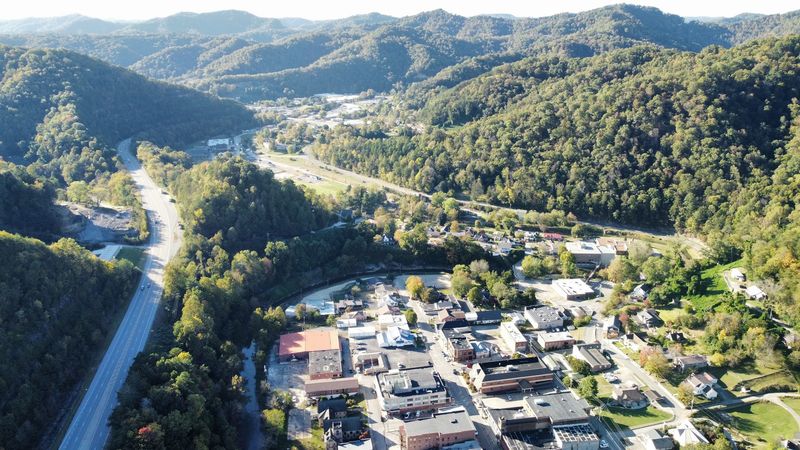
Under 2,000 people live in Whitesburg, yet the town gets noticed far beyond the Kentucky line. Its secret weapon is creativity.
The town sits beneath Pine Mountain in Letcher County. Its compact, historic Main Street grew quickly in the early 1900s as a rail and merchant center for nearby coal communities.
Coal built the storefronts, but culture is keeping the lights on. Whitesburg has earned national attention for reinventing itself from the ground up.
Appalshop leads much of that story. Founded in 1969, the media arts group creates films, music, theater, radio, photography, and books about Appalachian life.
Its work pushes back on tired stereotypes about mountain people. Instead of letting outsiders tell the story, Appalshop helps locals tell it themselves.
Flooding damaged its historic main building, but the work keeps going from several locations. That includes the studio for WMMT, its community radio station.
Food is part of the comeback too. Whitesburg has become known for locally sourced dining, and heritage tourism brings curious travelers to its streets.
Tune in to WMMT while you drive through the mountains. It’s a fun way to hear the region in its own voice before you even park on Main Street.
Address: Whitesburg, KY 41858
5. Benham
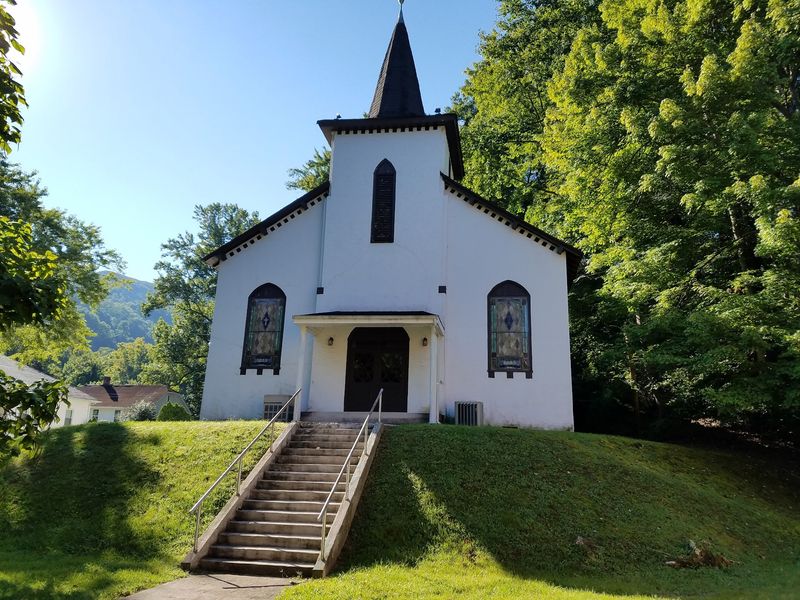
Benham started life with a very specific job: feed coal to northern steel mills. Wisconsin Steel, part of International Harvester, built it in the early 20th century as a model company town.
Planned towns like this were designed from scratch. The company decided where homes, shops, and services would go, all squeezed into a narrow Appalachian hollow.
Today, fewer than 500 people live in this Harlan County town. Small as it is, Benham found a smart way to put its company buildings back to work.
The old company store now houses the Kentucky Coal Museum. Spread over four levels, it tells the story of mining and the daily lives of miners and their families.
You’ll find coal camp recreations, historic artifacts, and real mining machinery. There’s even a mock mine, which is about as close as many of us want to get.
Country music fans, take note. The museum includes a special tribute to Loretta Lynn, the famous coal miner’s daughter.
Benham also converted company facilities into community-run lodging. That means you can sleep in a piece of history after touring the museum.
Give yourself a couple of hours for the museum, since four floors add up fast. Pair it with neighboring Lynch for a full day in coal country.
Address: Benham, KY 40807
6. Lynch
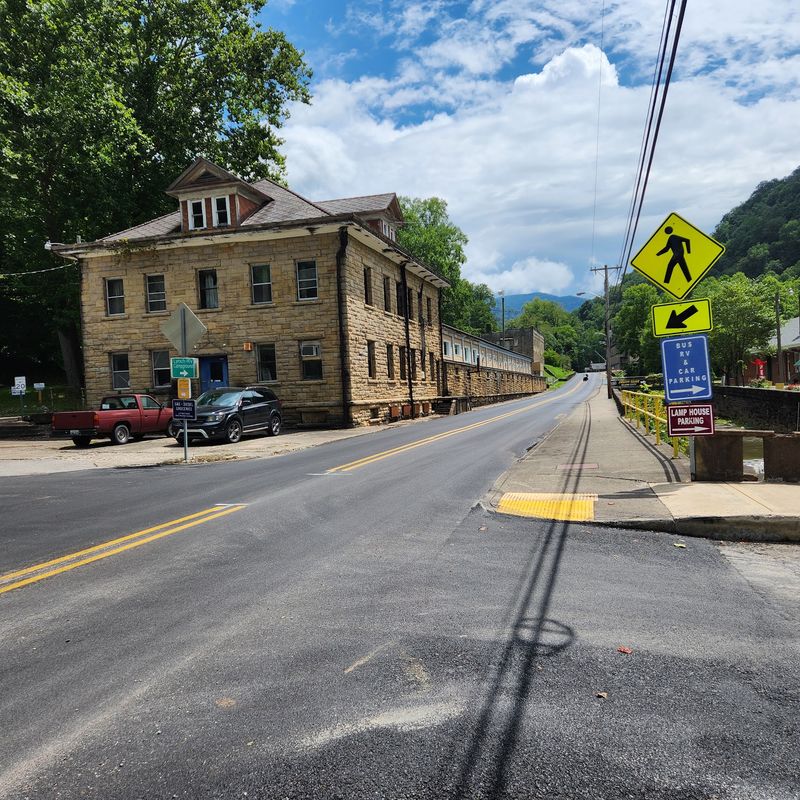
More than 10,000 workers and their families once called Lynch home. At its mid-century height, it was the largest coal company town in the world.
Now about 600 people live here. That drop tells you a lot about what coal’s decline meant for these mountains.
U.S. Coal and Coke Company founded Lynch in 1917.
The town grew at the foot of Black Mountain, the highest summit in Kentucky.
Here’s the fun part. Lynch turned its industrial past into a real attraction you can step inside.
Portal 31 offers an underground coal mine tour and history experience. You ride into the mountain and learn what mining life was like for the people who did it.
Reading about mining is one thing. Heading into an actual mine gives you a whole new respect for the workers who powered the country.
Kids usually love anything involving a ride into a tunnel. Adults tend to leave with questions they want to ask their grandparents.
Bring a light jacket, since underground spaces stay cool even on hot days. Then look up at Black Mountain on your way out and think about how much history sits beneath it.
Address: Lynch, KY 40855
7. Jenkins
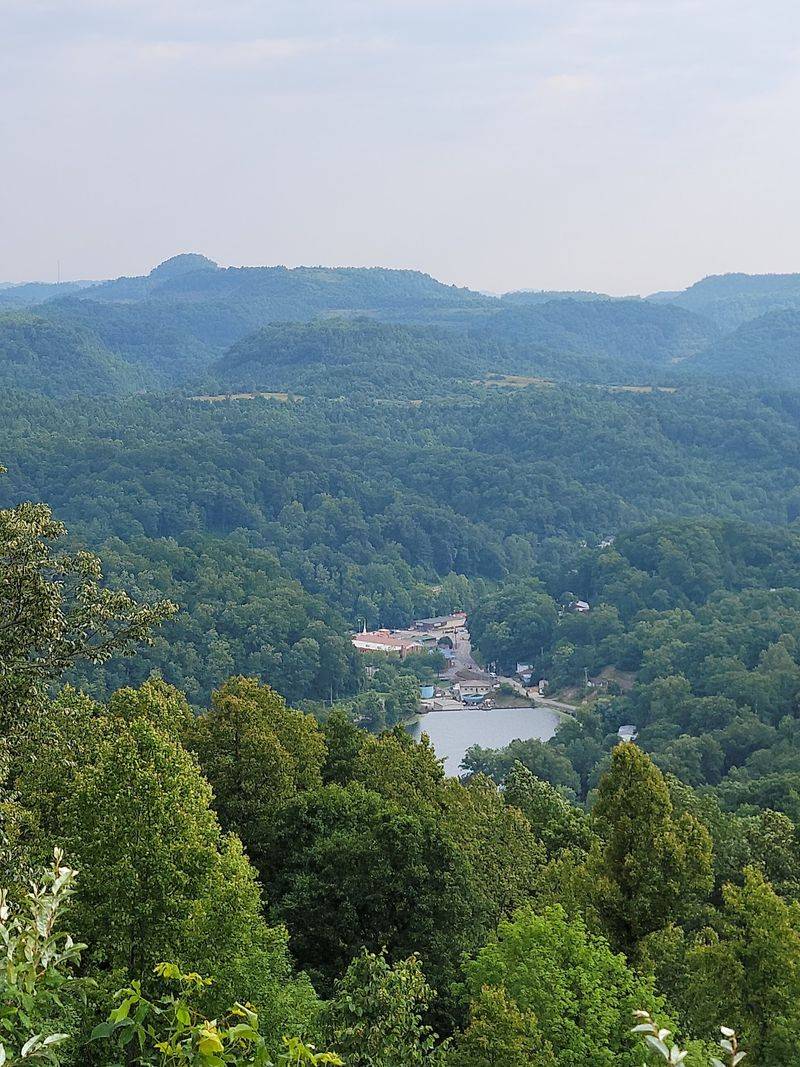
Talk about a fast start. Jenkins went up almost overnight beginning in 1911, built by the Consolidation Coal Company.
The goal was to pull coal out of the rich Elkhorn coalfield. So the company created a large planned industrial town to house the workers and keep the mines running.
Jenkins sits in Letcher County, right along the Virginia border. Around 1,900 people live there now, giving it a quiet, small-town feel.
Coal may have built the town, but water and trails are shaping its next chapter. Jenkins is focusing its renewal on outdoor recreation.
Jenkins Reservoir, also called Elkhorn Lake, is a big part of that plan. You can go fishing or boating with the mountains wrapped around you.
Hikers have options too. Scenic trails let you explore the hills that once mattered mostly for what lay underneath them.
Historical preservation is another piece of the puzzle. Jenkins wants visitors to understand where it came from, not just enjoy the views.
Pack a rod, snacks, and good walking shoes for a relaxed day here. It’s a laid-back stop that pairs nicely with a drive through the rest of Letcher County, Kentucky.
Address: Jenkins, KY 41537
8. Prestonsburg
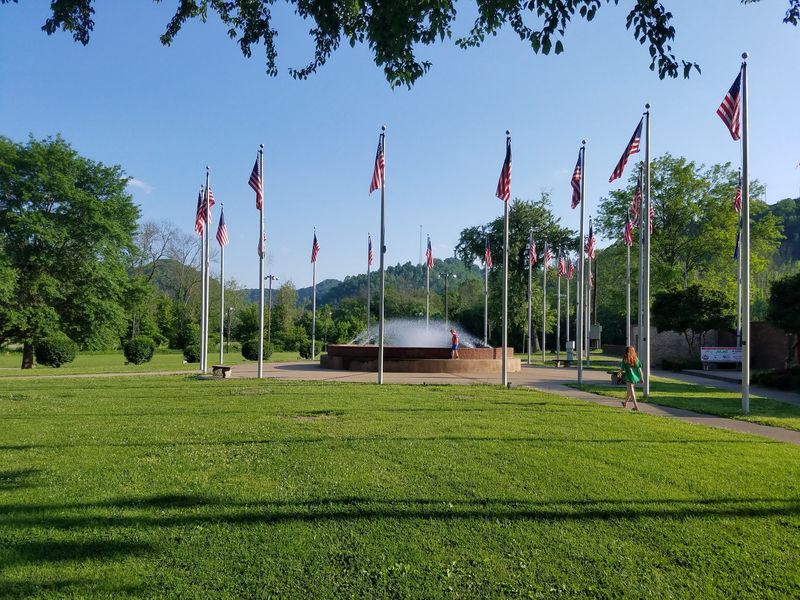
Prestonsburg found its second wind on a stage. The Mountain Arts Center opened in October 1996, and music has filled the place ever since.
It’s home to Billie Jean Osborne’s Kentucky Opry. The theater seats 1,044 people, which is a big crowd for a town of about 3,600.
The center also includes an art gallery and the Ranier Racing Museum. A Coal Miner’s Exhibit honors the industry that built Floyd County.
That history runs deep here. Prestonsburg once served as the main legal, retail, and transportation center for the county’s many coal operations.
The town sits along the Big Sandy River and still keeps a classic main-street feel. Now it’s leaning into arts and mountain recreation instead of coal.
Jenny Wiley State Resort Park is a major draw for outdoor fans. Expanding multi-use trail systems give hikers and bikers even more reasons to visit.
I love the combo of a morning on the trails and an evening at a live show. Few small towns can offer both without a long drive in between.
Check the show schedule before you go so you can plan around a performance. Then stroll downtown and enjoy the river views.
Address: Prestonsburg, KY 41653
9. Middlesboro
Ever stood inside a meteorite crater and grabbed lunch? In Middlesboro, that’s just a normal Tuesday.
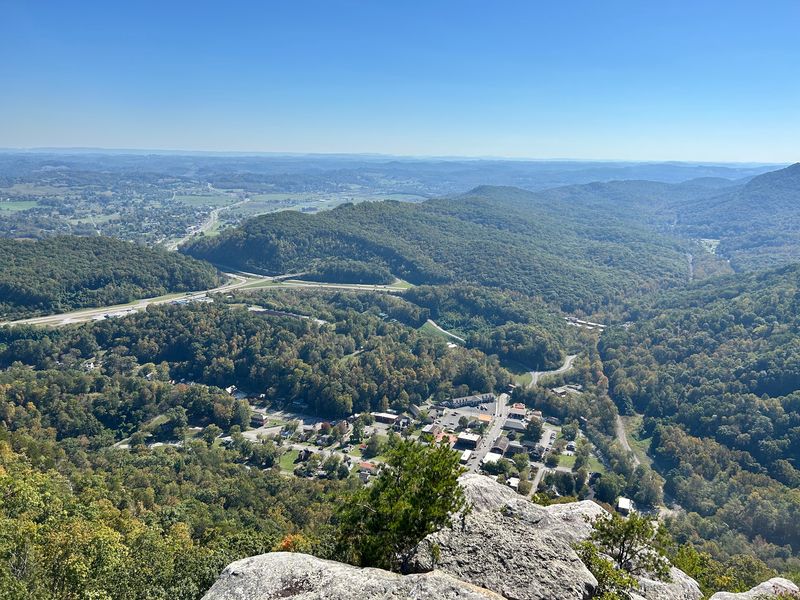
The town sits inside a massive crater surrounded by the Cumberland Mountains. Roughly 9,000 people live there, making it one of the larger towns on this list.
Middlesboro grew up as a boomtown in the late 1800s and early 1900s. Coal mining and iron smelting powered its rise in Bell County.
Those industries faded, but the dramatic setting stayed put. Now the town is putting that landscape and its history to good use.
Main Street restorations are bringing older buildings back to life. Strolling downtown gives you a taste of the boomtown years without the smoke.
Nature lovers get a sweet bonus here. Middlesboro sits at the doorstep of Cumberland Gap National Historical Park.
The park protects a famous gateway through the mountains. Pioneers once used the gap to push west, and today hikers come for history and scenery.
Spend a morning in the park and an afternoon downtown for the best of both worlds. It’s a fitting finale for a Kentucky road trip, since few towns can claim a space rock helped draw their map.
Address: Middlesboro, KY 40965