Kentucky’s First Governor’s Mansion Was Built In 1798 And Still Stands Today
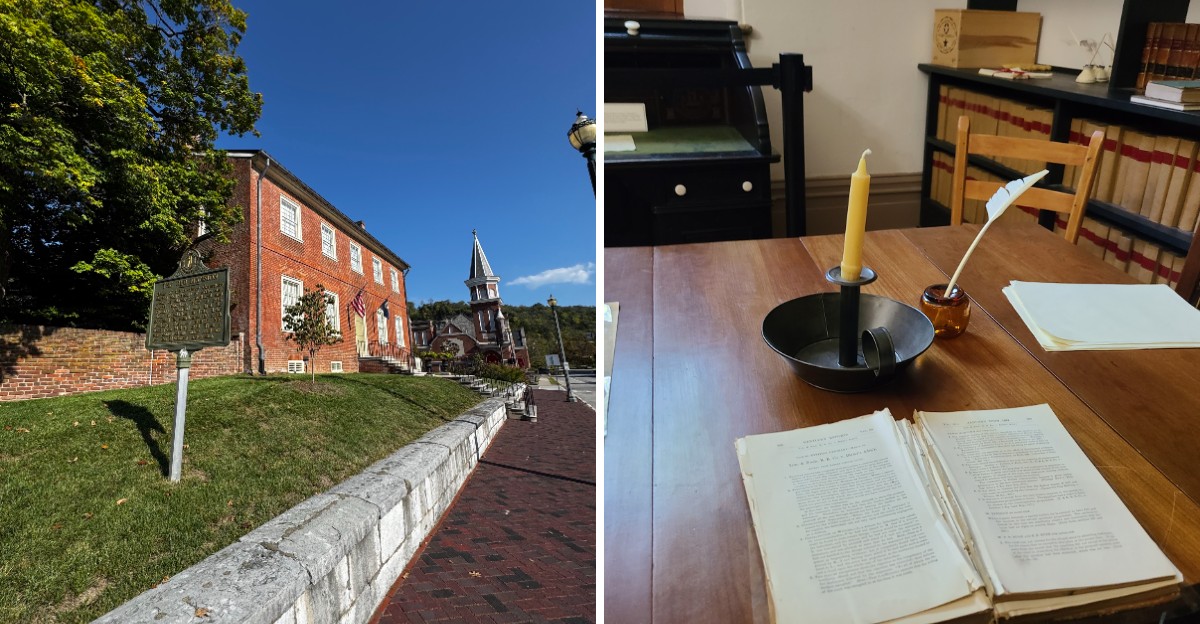
Imagine having a house so impressive that people nicknamed it “The Palace.” Now imagine that house welcoming eight American presidents through its front door. This Kentucky landmark has hosted more famous guests than most of us could fit at a holiday dinner.
It was built in 1798, when Kentucky had barely celebrated its sixth birthday as a state. For more than a century, it served as the official home of the state’s leaders.
More than thirty governors unpacked their bags here before a newer mansion took over. You might expect a place like this to be locked away behind velvet ropes.
Happily, you can still step inside and see it for yourself. Just remember that tours are by appointment, so plan ahead like a true VIP.
Picture yourself standing where presidents once shook hands and swapped stories. It is a history lesson with much better decor than your old classroom.
A Federal-Style Home That Beat The White House To The Finish Line
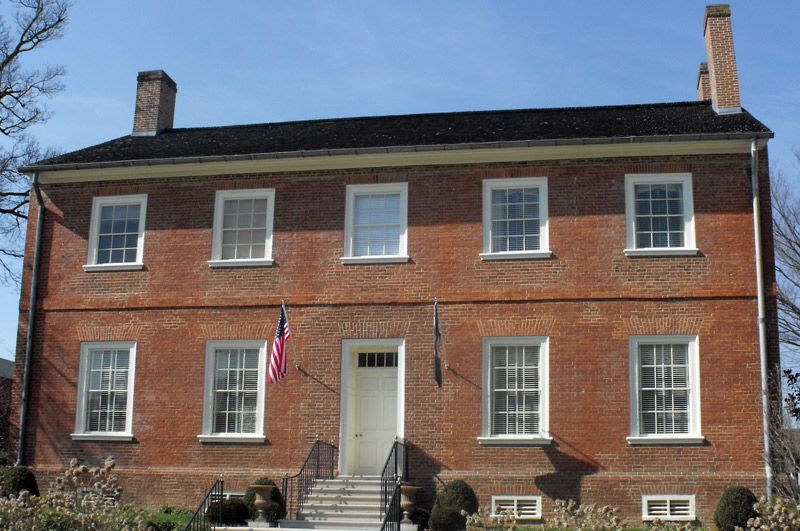
Brick by brick, the Kentucky Old Governor’s Mansion rose in Frankfort between 1797 and 1798. That makes it one of the oldest executive residences in the United States.
The house was built in the Federal style, a look that was popular in young America. Think balanced windows, tidy brick walls, and a calm, orderly front.
It feels proper without trying too hard.
Early residents had a playful name for it, too. People often called the house the Palace, which is a bold nickname for a brick home in a small capital town.
Still, compared to log cabins of that era, it probably did feel royal.
I like how the building wears its age with dignity. It isn’t a copy or a reconstruction from scratch.
The original home still stands on its original spot.
For history fans, that matters a lot. You get to stand near walls that went up when George Washington was barely out of office.
Kentucky itself had only been a state since 1792.
So when you look at this house, you’re seeing part of the state’s very first chapter. Not bad for a place built by hand.
The Bricklayer Who Ended Up Living Upstairs
Talk about a career glow-up. Robert P.
Letcher worked as a brick mason on the mansion before he ever thought about politics.
Years later, Letcher became governor of Kentucky. He moved into the very house he once helped build.
Imagine pointing at a wall and saying, I made that.
He wasn’t the only one with that story. Thomas Metcalfe laid the foundation for the home.
He also went on to serve as governor and live inside it.
Metcalfe even earned the nickname Old Stone Hammer because of his work as a stonemason. That’s a pretty great nickname for a politician.
Most leaders get stuck with something far less fun.
I believe this detail makes the house feel extra human. It wasn’t just built for powerful people.
Regular working men shaped it with their own hands.
Then those same hands later signed state laws. It’s a reminder that early Kentucky gave folks room to rise.
The mansion stands as a solid brick example of that idea.
When you visit, look at those walls a little longer. Two future governors helped put them there.
Thirty-Five Governors Called It Home Sweet Home
James Garrard and his family got the keys first. He was Kentucky’s second governor, and he moved in when the house was brand new.
After Garrard, the line kept going for more than a century. A total of 35 governors and their families lived here from 1798 until 1914.
That’s a lot of moving boxes.
Each family brought kids, pets, guests, and plenty of daily chaos. The house saw births, birthdays, and big state decisions.
It was a real home, not just an office with beds.
In 1914, governors moved to a new mansion near the new Capitol. You’d think the old house would fade away after that.
It came close, but more on that later.
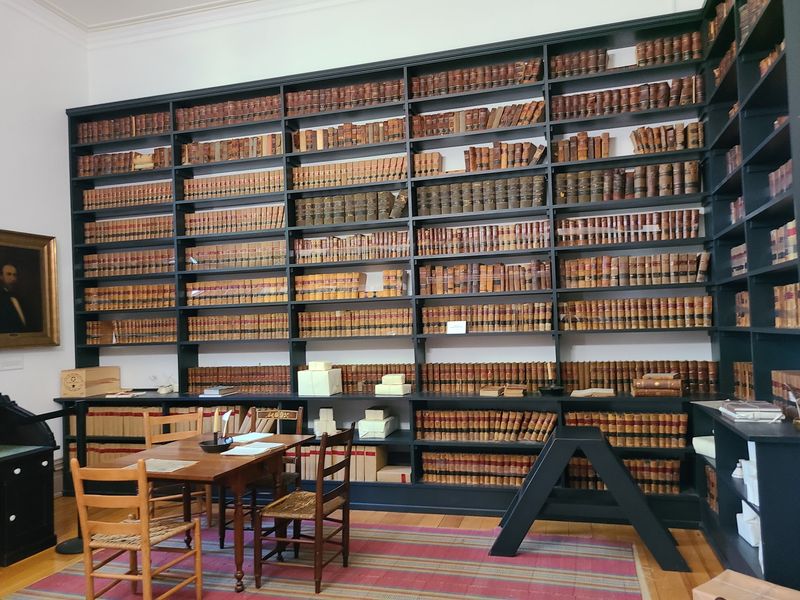
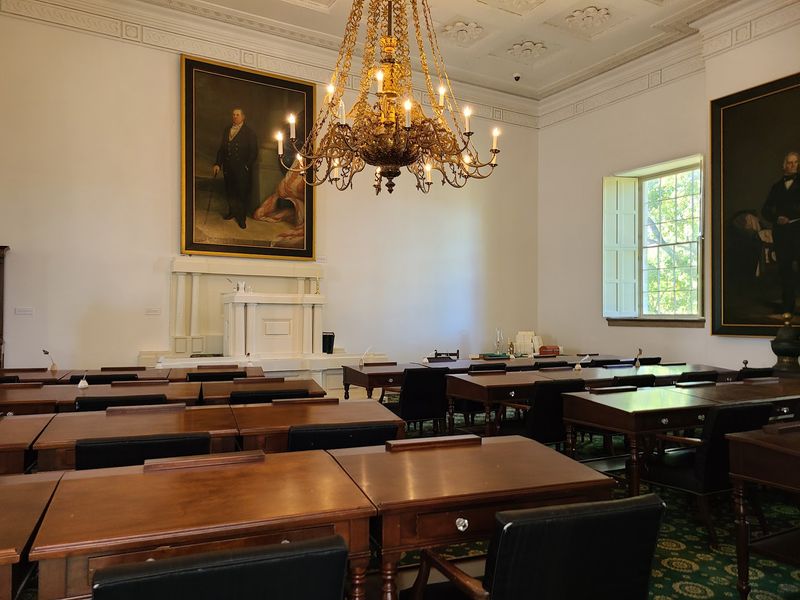
Today, portraits of Kentucky’s governors hang inside. It’s fun to match faces with the long list of former residents.
Some look stern, and a few look like they need a nap.
I can’t imagine sharing a home with that much history. Every governor left a small mark on the place.
Together, those marks make the house feel layered and alive.
Presidents And Famous Guests Signed Up For Dinner Here
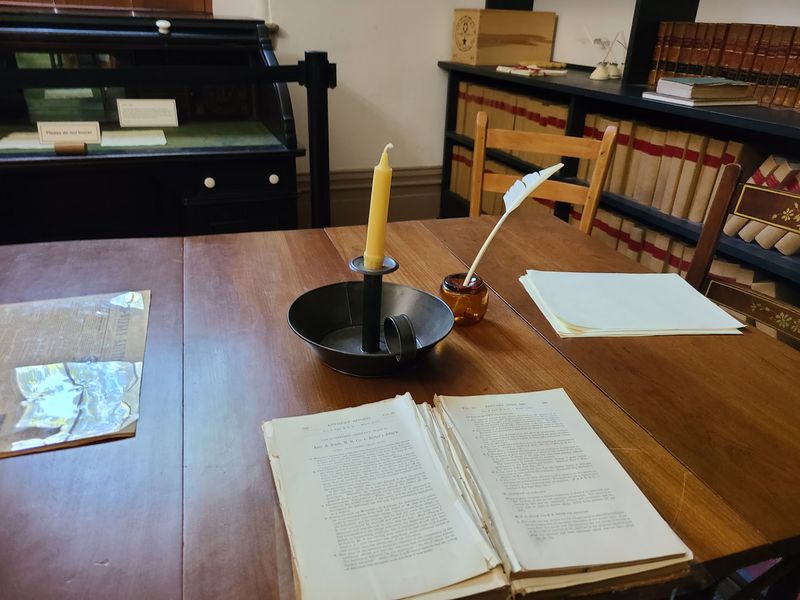
The guest list here reads like a history textbook. Andrew Jackson and Theodore Roosevelt both visited the mansion over the years.
Henry Clay, Kentucky’s famous statesman, stopped by too. So did William Jennings Bryan, the well-known speaker who ran for president three times.
That’s a lot of big voices under one roof.
Then there’s the Marquis de Lafayette. The French hero helped America win its independence.
He toured the United States in the 1820s, and Frankfort made his list.
Hosting guests like these was a big deal for a young state. The mansion became Kentucky’s way of showing off a little.
Fancy dinners and polished rooms helped make a strong impression.
I like thinking about the conversations those walls heard. Politics, jokes, and maybe a few heated arguments over dessert.
Sadly, nobody left us a recording.
When you stand in the formal rooms, that history gets easier to picture. The furniture and colors reflect the era many of these guests knew.
It’s a fun way to connect famous names with a real place.
Fire, Facelifts, And One Very Close Call
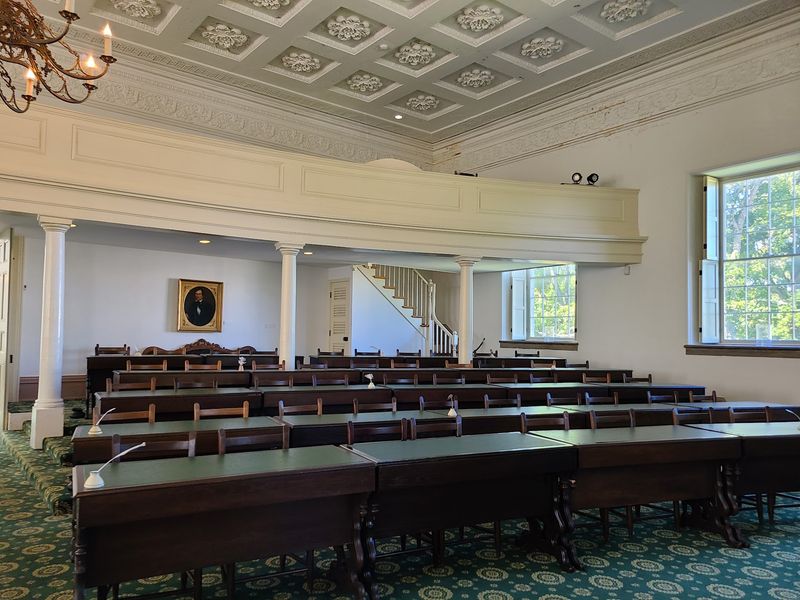
Old houses rarely stay the same, and this one is no exception. In 1858, a big renovation gave the mansion a fresh look.
Workers added Greek Revival touches, which were trendy at the time. The windows got bigger, and a new front doorway appeared.
It was basically a nineteenth-century makeover show.
Things got rough in the 1890s. A fire damaged the home, which is never good news for a building this old.
Thankfully, it survived.
After governors moved out in 1914, the house faced an uncertain future. By the 1940s, people worried it might be torn down.
That’s a scary thought for any history lover.
Governor Simeon Willis stepped in during 1948. He set aside money to stabilize the structure and save it.
Kentucky owes him a quiet thank-you.
Without that choice, the state could have lost its first executive home. Instead, the mansion earned a spot on the National Register of Historic Places in 1971.
That’s a happy ending for a house that nearly ran out of chances.
Rooms Dressed Up Like It’s The 1840s
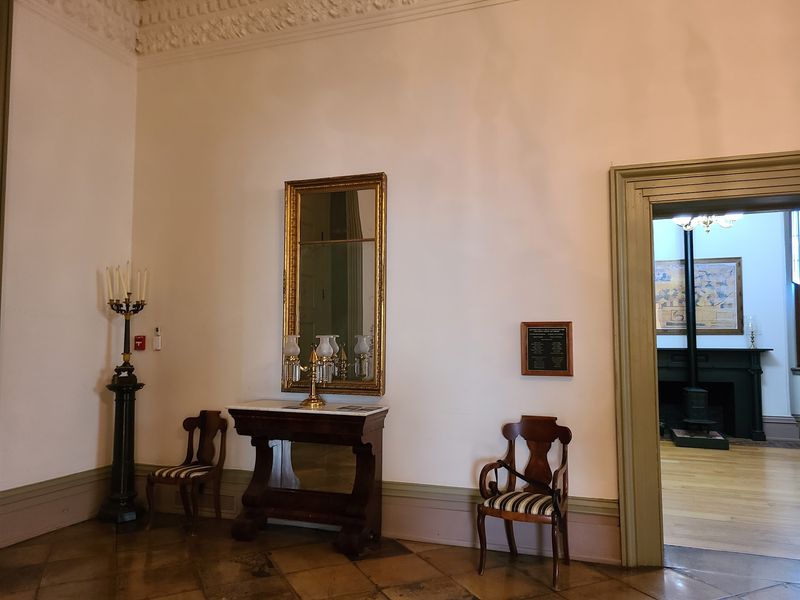
Step back about 180 years without a time machine. The first-floor formal rooms show how an early to mid-1800s Kentucky home looked.
After 2002, the mansion went through a major renovation and reconstruction. Designers chose furnishings and colors that fit a period no later than the 1840s.
Nothing feels random or thrown together.
The collection mixes exceptional antique pieces with careful reproductions. That balance lets the rooms look complete while protecting fragile originals.
Smart move, honestly.
Paint colors matter more than you’d think here. Historic homes often used bolder shades than modern beige walls.
It’s a nice surprise if you expect everything to look plain.
Portraits of past governors add personality to the space. They watch over the rooms like a very formal family album.
You might feel like you should stand up straighter.
My tip is to slow down in each room. Notice how the furniture is arranged and how the light fills the space.
Small details show how families once lived, hosted, and relaxed in a busy capital home.
A Garden Full Of Kentucky Plants Waits Out Back
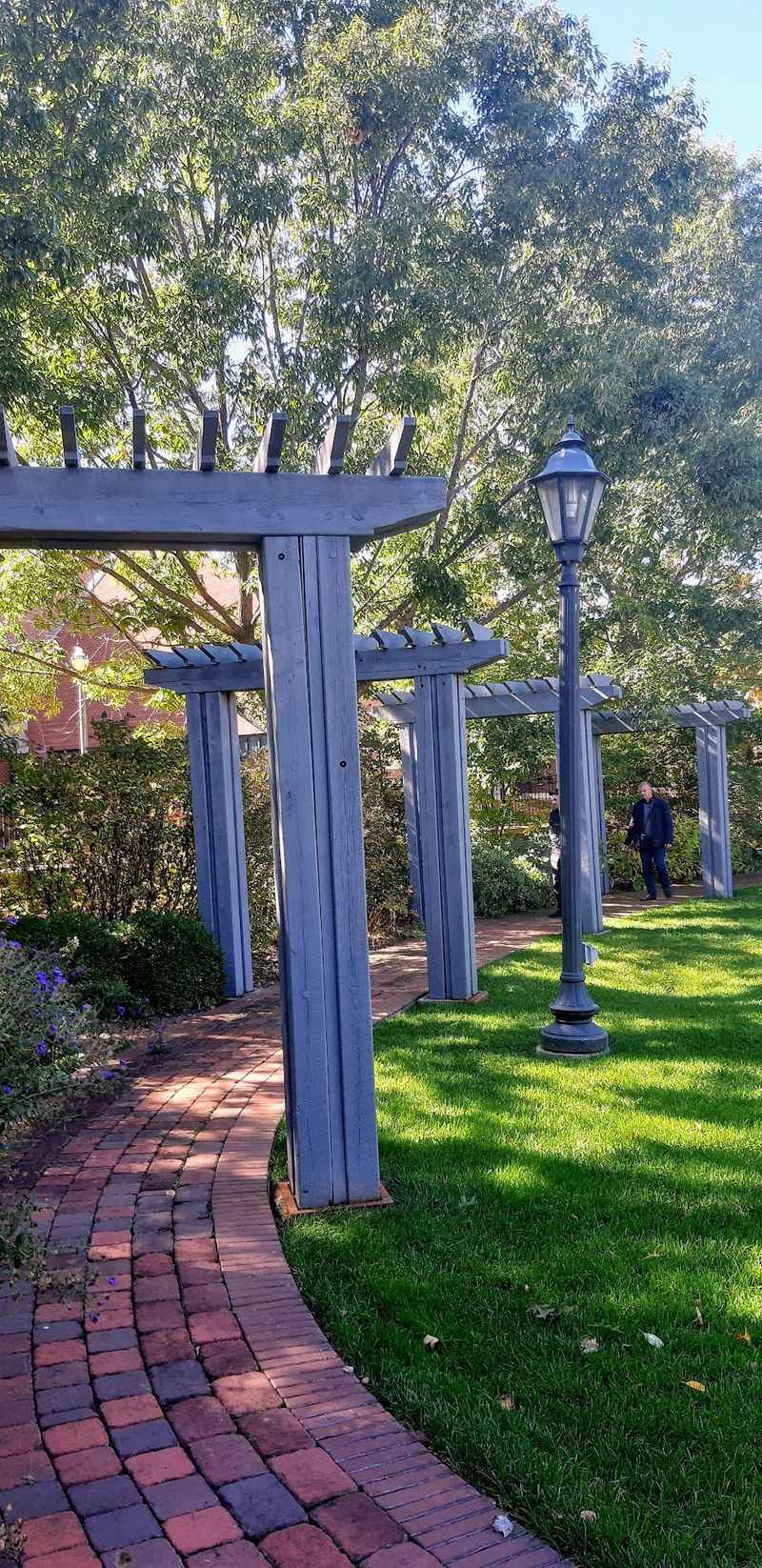
Behind the house, things turn green and peaceful. A larger formal garden was completed at the rear of the property in 2000.
The garden features native Kentucky plants. That means the greenery fits the region instead of looking imported from somewhere far away.
It’s a nice local touch.
It came together as part of a garden project with the Thomas D. Clark Center for Kentucky History.
The history center sits right next door. Together, they create a neat little history campus.
Gardens like this give old homes room to breathe. The brick house looks even better framed by planned paths and plants.
It also makes a lovely backdrop for photos.
The garden entrance also helps with practical stuff. Visitor parking sits off Clinton Street, in the lot next to the Luscher House.
It’s directly across from the garden entrance.
I believe a garden stroll is the perfect way to start or end a visit. Inside, you get portraits and polished rooms.
Outside, you get fresh air and a slower pace that feels right for a home this old.
The Old House Went Back To Work
Retirement didn’t stick for this house. From 1956 to 2002, it served as the official home of Kentucky’s lieutenant governors.
That’s why you’ll sometimes hear it called the Lieutenant Governor’s Mansion. The name changed, but the house kept its public role.
It never really left state service.
Now it has an even bigger job again. While the Kentucky State Capitol undergoes renovation, the mansion serves as the Governor’s Office.
More than two centuries later, governors are working here once more.
I love how full-circle that feels. The house started as the home of Kentucky’s leaders.
Today it helps keep state business running during a major project.
That busy schedule affects visitors. Tours are available by appointment only, so plan ahead before you show up.
Calling ahead beats staring at a closed door.
The mansion also hosts select events, including meetings, weddings, receptions, luncheons, and dinners. Strict guidelines apply, which makes sense for a working historic site.
Still, saying your wedding happened at a 1798 governor’s home sounds pretty unforgettable.
Plan Your Visit To This High Street Treasure
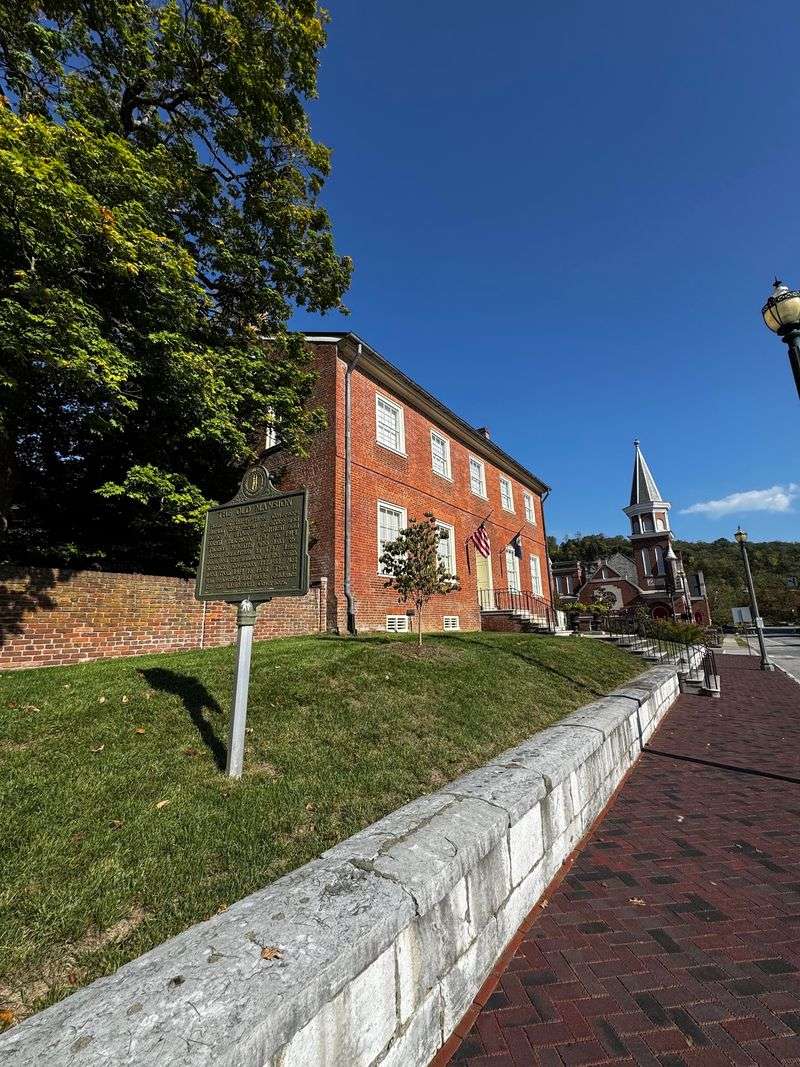
Finding the place is the easy part. The Kentucky Old Governor’s Mansion sits at 420 High Street, Frankfort, KY 40601.
It’s right beside the Thomas D. Clark Center for Kentucky History.
That makes it simple to pair a mansion tour with a deeper look at state history. Two stops, one parking spot, very efficient.
Remember that tours run by appointment only. Book ahead so your trip doesn’t end at the sidewalk.
A little planning goes a long way here.
The mansion is wheelchair accessible, which is great news for an eighteenth-century building. Plenty of old homes can’t say that.
It helps more people enjoy the story.
Frankfort is the capital of Kentucky, so history pops up all over town. The mansion makes a strong anchor for a day exploring the city.
Start with the oldest executive home, then see where your curiosity leads.
I can’t think of a better way to understand early Kentucky. You get real walls, real stories, and a house still doing its part.
Not many buildings from 1798 can claim a schedule this busy.