Fresh Pierogi Are Still Pinched By Hand Inside This Pennsylvania Church Kitchen Every Week
Somewhere in Pennsylvania, church volunteers still peel potatoes by hand, mash them, and tuck them into dough they made themselves.
Then they pinch every single pierogi shut, one careful fold at a time.
The work happens in a parish kitchen, not a restaurant or a factory. The church even says a more authentic pierogi would require a plane ticket to Kyiv or Lviv.
Those are bold words for a church hall, and I love the confidence.
I like how the whole operation runs on patience, flour, and people who simply refuse to cut corners.
Every order also helps keep the lights on in a big, historic house of worship.
So who are these dumpling-pinching volunteers, and how do you get your hands on a box? The answers might reshape your plans for the next chilly weekend.
A Ukrainian Church Above The Ohio River Runs A Pierogi Kitchen

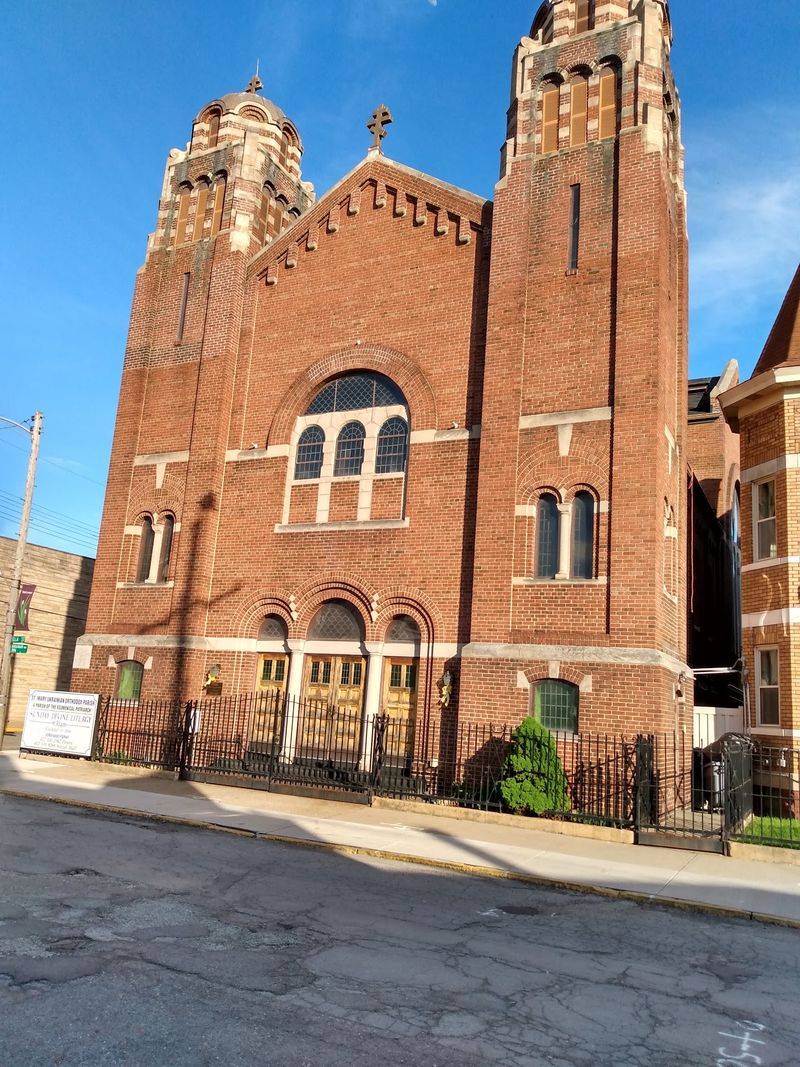
Pierogi lovers, meet your new favorite parish. St Marys Ukrainian Orthodox sits in McKees Rocks, Pennsylvania, just northwest of Pittsburgh along the Ohio River.
On paper, it’s a church first and foremost. Sunday worship comes before anything else, and services can include both English and Ukrainian.
Downstairs and behind the scenes, though, another kind of devotion takes over. Volunteers turn flour, potatoes, cheese, and cabbage into dumplings that carry the flavor of the old country.
The parish calls them pyrohy, the Ukrainian word for what most Pennsylvanians simply call pierogi. Whatever you call them, they’re made the slow way, with hands doing the work machines usually handle.
That alone makes St Marys Ukrainian Orthodox worth knowing about. In a world of frozen bags and factory lines, a church still pinching dough by hand feels almost rebellious.
The congregation itself brings together Ukrainian-born and American-born parishioners. That mix gives the kitchen a living connection to the recipes, not just a memory of them.
So yes, you can come for prayer, and you can come for pierogi. Plenty of folks may end up doing a little of both.
Cold Months Mean Pierogi Season Is Officially On
Mark your calendar by the weather, not the holidays. The pierogi kitchen at St Marys runs weekly from October through April.
That timing makes a lot of sense for a dish this cozy. Nobody craves a plate of buttery dumplings quite like a Pennsylvanian staring down a gray February afternoon.
The schedule does pause for major holidays. Volunteers deserve a break too, especially after weeks of rolling and folding.
Once spring settles into summer, the kitchen goes quiet until fall returns. So if you hear about these pierogi in July, you’ll be waiting a few months for your chance.
Honestly, the wait adds to the appeal. A seasonal food tradition feels more special when it isn’t available every single day of the year.
The weekly rhythm also gives the operation a steady heartbeat. Volunteers know when to show up, and hungry neighbors know when to plan their order.
Think of it like a standing date with your favorite comfort food. Once October rolls around, the countdown basically starts itself.
Just keep in mind that schedules can shift. A quick check with the church before you plan your week is always smart.
Every Potato Here Gets Peeled By Actual Human Hands
Hand-peeled potatoes. Read that again, because it’s a detail most kitchens abandoned decades ago.
Volunteers at St Marys Ukrainian Orthodox make each pierogi from scratch. The dough is handmade, and the potatoes get peeled by hand before they ever become filling.
The ingredient list stays refreshingly simple. Real cheese, freshly chopped onions, quality dairy, and farm-fresh produce all go into the mix.
No shortcuts, no powdered potato flakes, no mystery fillers. You get what generations of Ukrainian cooks would recognize as the real deal.
Then comes the part that gives this place its reputation. Each dumpling is pinched closed by hand, sealing the filling inside a little half-moon of dough.
Multiply that by a whole kitchen’s worth of orders, and the effort gets staggering. I can’t imagine how many fingertips go numb over a single season.
That labor shows up in the final product in a way you can feel. Handmade pierogi carry small quirks that tell you a real person shaped them.
It’s slow food in the most literal sense. And somehow, in a busy world, that slowness feels like the whole point.
Potato And Cheese Lead The Lineup, With A Holiday Twist
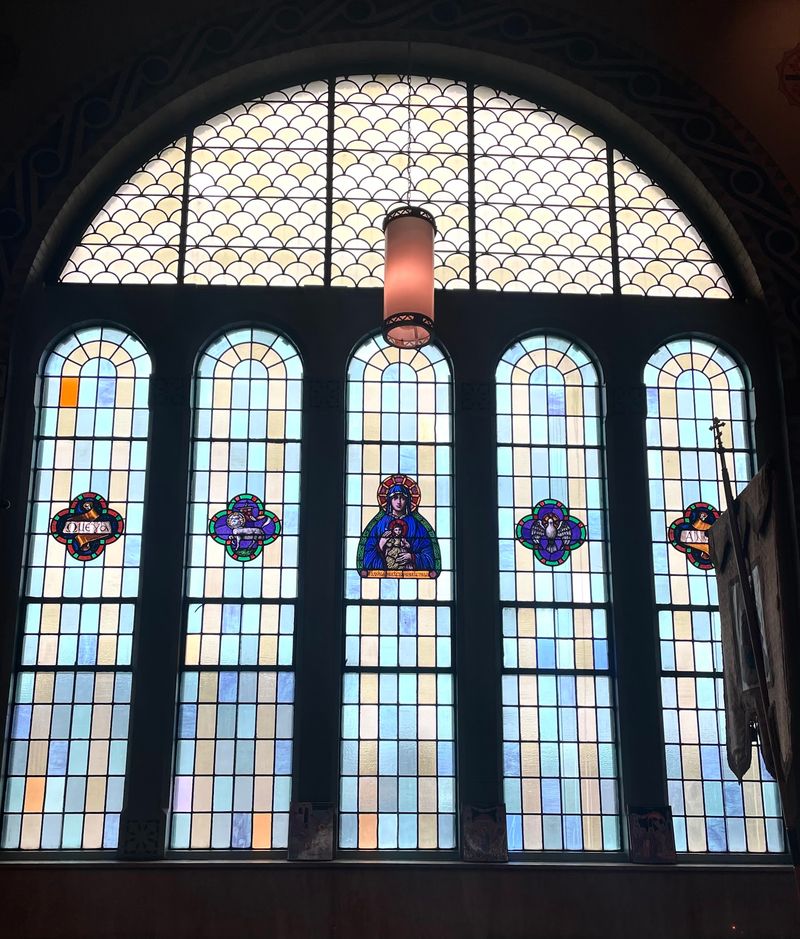
Classic beats complicated every time at this church kitchen. The regular lineup sticks to two Ukrainian staples: potato and cheese, plus sauerkraut.
Potato and cheese is the comfort pick, the one that wins over picky kids and grandparents alike. Sauerkraut brings a tangy bite for anyone who likes a little zing with their dough.
Then the calendar throws in a treat. Around Christmas and Easter, the kitchen offers a cottage cheese pierogi.
That holiday option ties the food directly to the church year. In Ukrainian tradition, these feasts are a big deal, and the menu reflects that rhythm.
You won’t find trendy fusion fillings here, and that’s refreshing. Nobody is stuffing pierogi with buffalo chicken or pumpkin spice in this kitchen.
Instead, you get the flavors that families have served for generations. They’re simple, filling, and built for a hearty Pennsylvania dinner table.
Pair them with sauteed onions and butter at home, and you’ve got a meal that practically hugs you. Sour cream on the side never hurts either.
The best part might be the decision itself. With only a few options, choosing is easy, unless you want all of them.
The Church Sisterhood Keeps The Dough Rolling
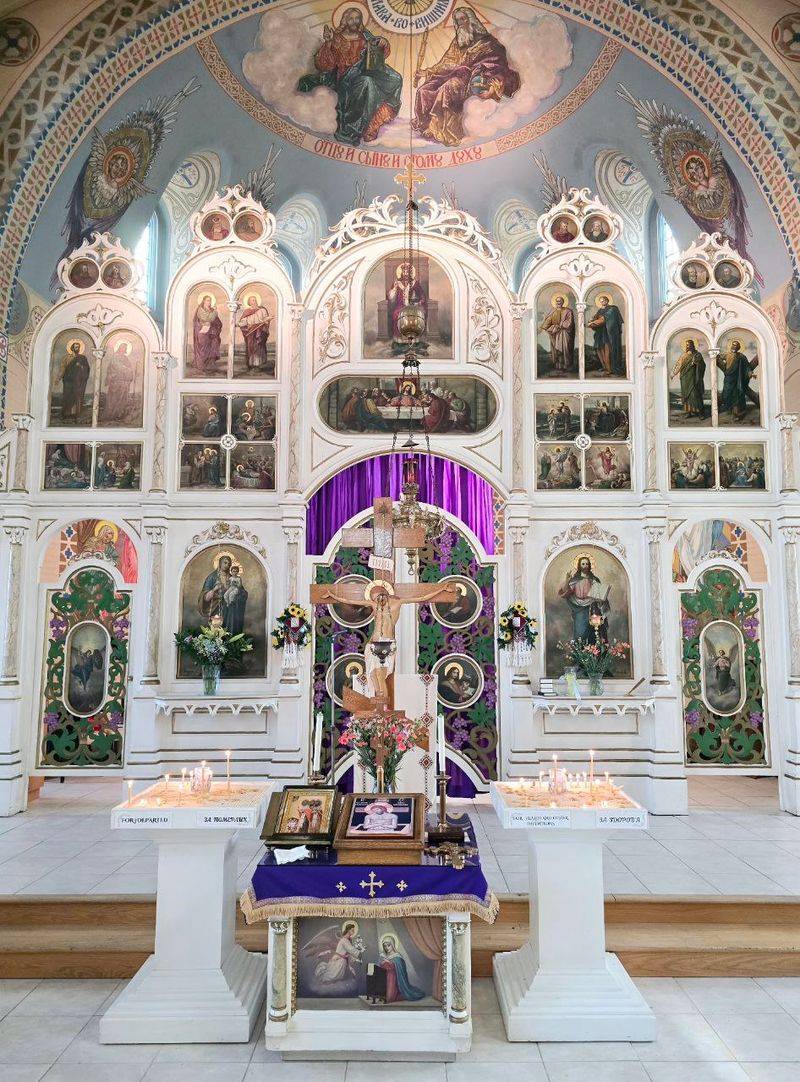
Behind every great pierogi stands a group of very dedicated people. At St Marys, that group is the Church Sisterhood.
The Sisterhood has carried this tradition for decades. Many parishioners fill its ranks, giving their time week after week during the season.
The church describes the work as a labor of faith, love, and dedication. Once you picture the hand-peeling and hand-pinching, that description feels perfectly earned.
Kitchen work like this does more than feed people. It gives longtime members and newer faces a shared task and a reason to gather around the same table.
The congregation includes immigrants alongside older generations of Ukrainian Americans. A kitchen full of flour may be one of the easiest places for those worlds to meet.
Recipes travel best through hands, not cookbooks. Watching someone fold dough teaches more than any written instruction ever could.
That’s how a tradition survives for this long. One person shows another, and the technique quietly passes down the line.
So when you open a container of these pierogi, remember the crew behind them. Each dumpling represents a little piece of somebody’s week, given freely to keep something meaningful alive.
A Plane Ticket To Kyiv Might Be The Only Upgrade

Confidence is a tasty ingredient. The church states plainly that for more authentic pierogi, you’d have to fly to Kyiv or Lviv.
That’s a big claim from a parish kitchen in western Pennsylvania. Still, it comes from people who cook with time-honored Ukrainian methods every season.
Authenticity here isn’t a marketing trick. It shows up in the scratch dough, the hand-peeled potatoes, and the refusal to swap in shortcuts.
The pierogi have also landed in the pages of the Wall Street Journal. Not bad for dumplings made by volunteers in a church hall.
National attention can change a place, but this kitchen seems to stay focused on the basics. The recipe and the method remain the stars.
Ukraine and Pennsylvania share a long food connection. Generations of Ukrainian immigrants settled in the Pittsburgh area, bringing their recipes and their churches with them.
St Marys Ukrainian Orthodox keeps that link deliciously active. Every batch feels like a small postcard from Eastern Europe, delivered in a takeout container.
Is it really as authentic as a kitchen in Lviv? You’d have to taste both to judge, though the trip to McKees Rocks is far easier.
Your Pierogi Order Helps Keep A Historic Church Standing
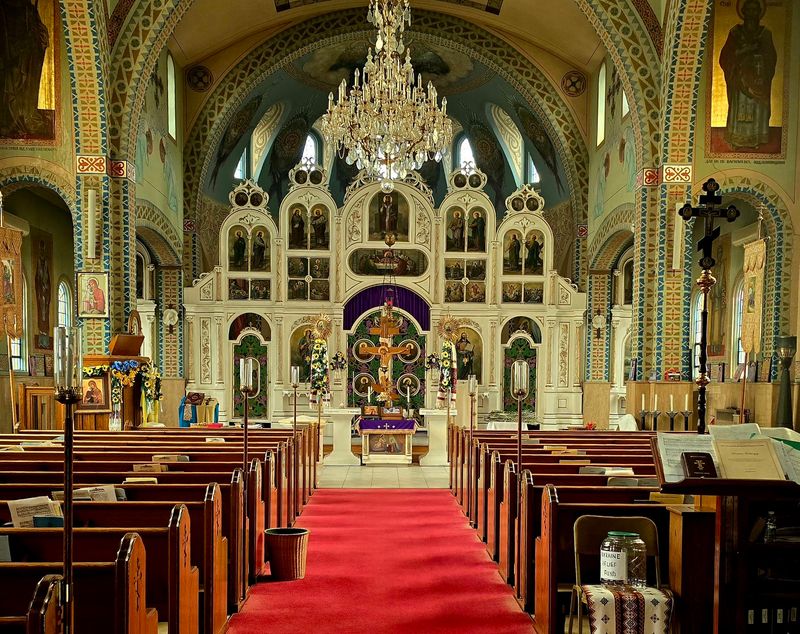
Dinner with a purpose sounds pretty good, right? Every pierogi sale at St Marys helps pay for the church itself.
The money covers utility bills, maintenance, and other essential costs. Keeping a large, historic building running takes a lot more than Sunday collections.
Old churches face real challenges these days. Heating, repairs, and upkeep add up fast, especially for buildings of this size.
The pierogi kitchen offers a practical answer to that problem. Volunteers trade their time and skill for funds that keep the doors open.
That means your order supports worship, community gatherings, and Ukrainian traditions all at once. Few takeout purchases can claim that kind of reach.
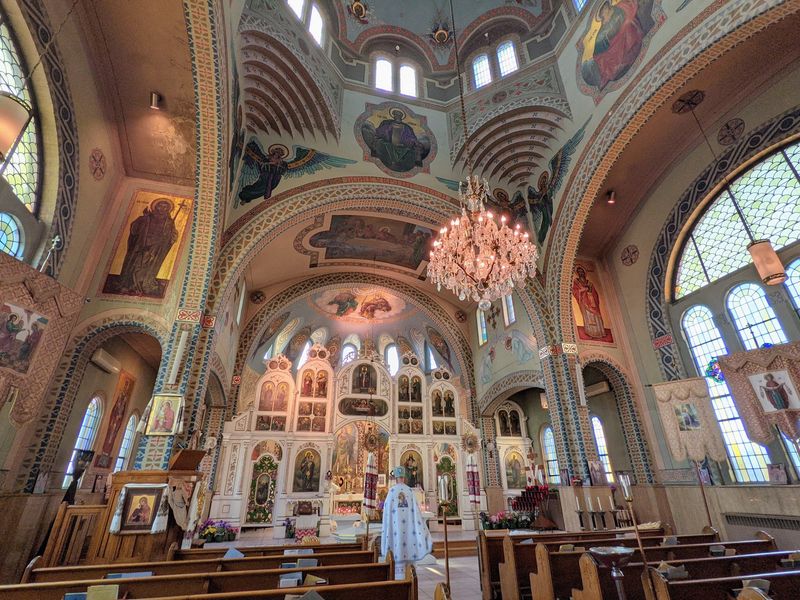
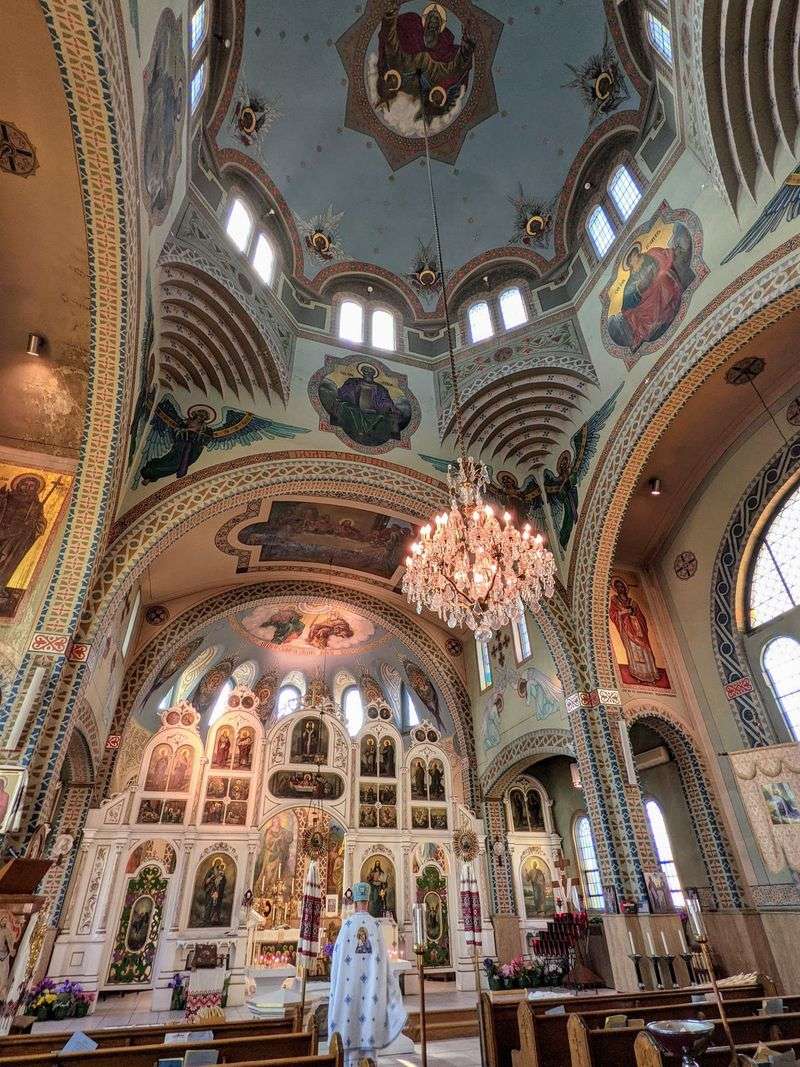
The church building also draws admiration for its beauty and architecture. Keeping a place like that cared for helps the whole neighborhood, not just the parish.
I believe there’s something satisfying about food that gives back in such a direct way. You get dinner, and the building gets another season of care.
Think of it as the most delicious donation you’ll ever make. And unlike most fundraisers, this one comes with butter and onions on top.
Ordering Ahead Is The Smartest Move You Can Make
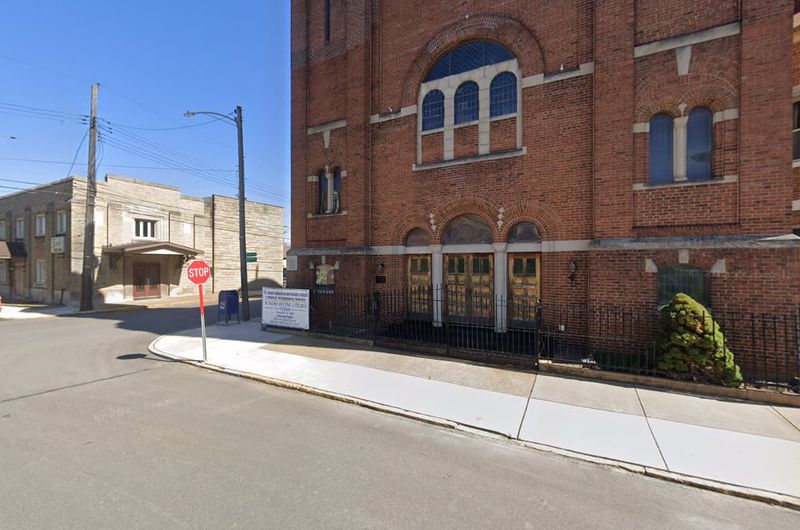
A little planning goes a long way with handmade food. The church takes orders ahead of pickup day, both online and by phone.
Online ordering closes the night before pickup. Phone orders on pickup day need to come in during the morning, so early birds win here.
If you order online, bring your confirmation along. It keeps the handoff quick and easy for the volunteers.
Pickup happens at the church, located at 116 Ella St, McKees Rocks, PA 15136. The parish sits a short drive from downtown Pittsburgh, making it reachable for plenty of Pennsylvania day-trippers.
Pickup windows are short, so plan your route ahead of time. Showing up hours late could mean an empty-handed drive home.
Prices stay friendly for handmade food, though they can change from season to season. Hours and ordering cutoffs can also shift, so check ahead before making the drive.
Bring a cooler if you’re traveling any distance. Fresh pierogi deserve a safe ride home.
Many folks buy extra to freeze for later. That way, a little piece of McKees Rocks can stay in your freezer long after the season ends.