This Kentucky Home Is Where The World’s First Successful Ovarian Surgery Happened On Christmas Day
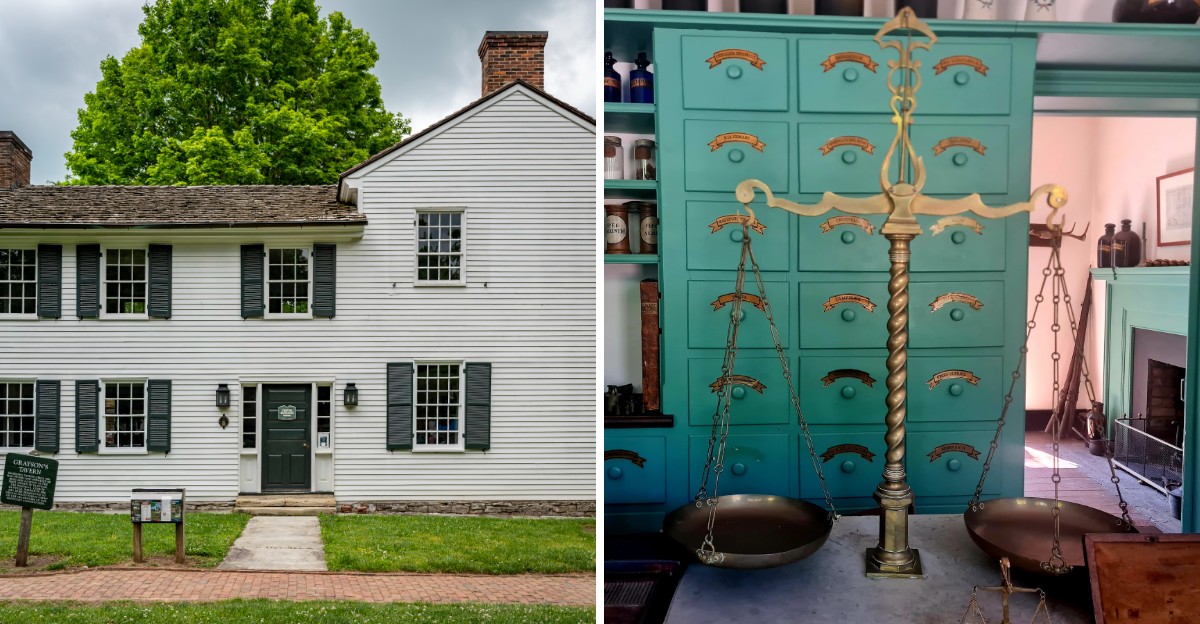
Think about the last time you complained about a doctor’s waiting room. Maybe the magazines were old, or the chairs were stiff.
Now let me tell you about a woman who rode miles on horseback to reach her appointment.
There was no anesthesia waiting for her at the end of that trip. There were no sterile operating rooms or fancy machines either.
She had a doctor, a plan, and plenty of courage.
The date makes this story even better. While most families were enjoying a holiday dinner, this doctor was busy making medical history.
The patient not only survived, but she also lived for decades afterward. Doctors around the world eventually took notice.
You can still visit the house where it all happened. It’s a Kentucky landmark with a story big enough for any history buff.
Next time you wait an extra ten minutes, just smile. You’ve got it easy.
A Christmas Surgery That Changed Medicine Forever Happened Right Here
Most folks spend December 25 opening gifts. Dr. Ephraim McDowell spent it in 1809 performing a surgery nobody had ever pulled off.
That operation took place at what’s now the McDowell House & Apothecary Shop Museum in Danville, Kentucky. His patient was Jane Todd Crawford, a 46-year-old woman from Green County.
McDowell removed an ovarian tumor weighing about 22.5 pounds. The whole procedure lasted roughly 25 minutes, with no anesthesia and no germ-fighting antiseptics.
Crawford reportedly sang hymns to get through it. Talk about a strong set of lungs and an even stronger will.
She bounced back in 25 days and lived until 1842. That’s 32 more years after a surgery most experts of the era considered impossible.
Historians credit this operation with opening the door to modern abdominal surgery. Every appendix or gallbladder procedure today owes a quiet thank-you to that Christmas morning.
McDowell went on to perform 13 ovariotomies in total. Eight of them were successful, a remarkable record for frontier medicine.
Knowing all this before you arrive makes the visit hit harder. You’re not just touring a house. You’re standing where surgery took a giant leap.
You’ll find it at 125 S 2nd St, Danville, Kentucky. That puts you right in the downtown area with plenty nearby.
The Operating Room Is The Moment Everyone Waits For
Here’s a room with a serious story attached. The space where McDowell operated is one of the main stops on the guided tour.
Tours cover both the first and second floors of the restored home. They usually run about an hour, which gives plenty of time for questions.
Standing in the actual operating room changes how the story feels. Suddenly the dates and numbers turn into a real place with real walls.
Think about it for a second. No bright surgical lights, no beeping monitors, and no sterile gowns existed in 1809.
All that existed was a doctor with steady hands and a patient with incredible grit. The room helps you picture how much courage both of them needed.
Guides at the museum walk you through the history of Dr. McDowell and his family. They also explain why this single operation earned the site National Historic Landmark status in 1966.
Kids tend to have plenty of questions here, so let them ask away. Curious minds are exactly what this room deserves.
My tip is simple. Take a slow moment in this spot before moving on, because it’s the heart of the whole visit.
Over 200 Old Medicine Jars Are Waiting In The Pharmacy Out Back
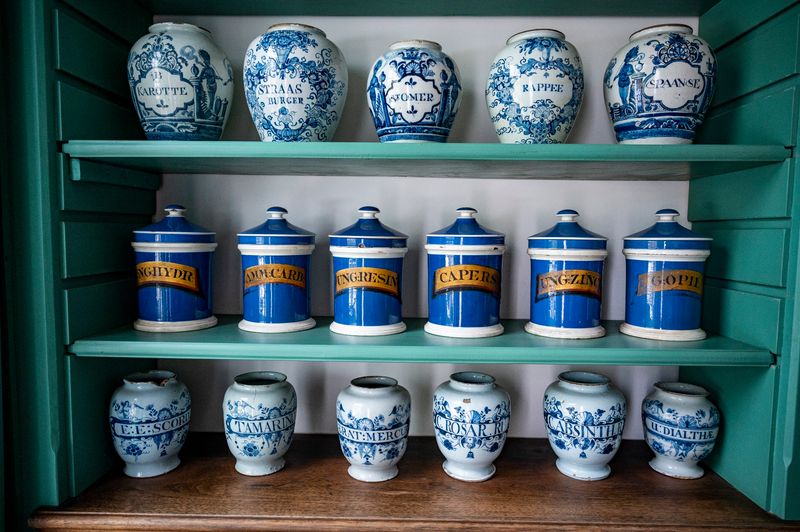
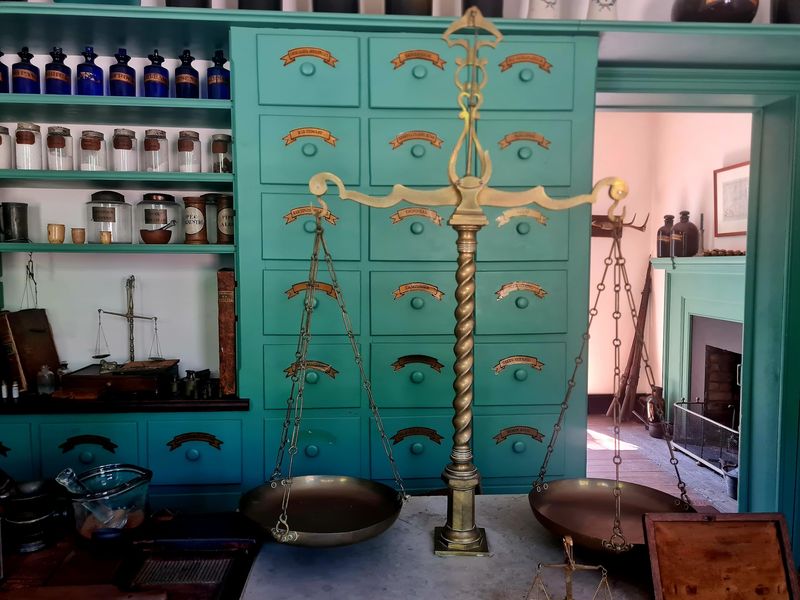
Jars, jars, and more jars. The Apothecary Shop holds more than 200 historic medical containers lined up like a colorful science lesson.
Restored in the late 1950s, the building has a back doctor’s office and a front pharmacy. The shop originally operated from 1795 to 1856.
Look for Delft jars and English Queensware pieces on the shelves. Rare green carboy-shaped stock bottles add a splash of color too.
One container is a leech jar. Yes, doctors really used leeches back then, and no, you don’t have to hold one.
A polished brass apothecary balance from Vienna sits among the treasures. Early American mortars, pestles, and scales show how medicines were measured and mixed by hand.
The drawers contain period crude vegetable drugs. Those plant-based remedies were the pharmacy basics of the early 1800s.
You’ll also spot an early stethoscope and some dental instruments. Be thankful your dentist has upgraded since then.
This part of the McDowell House & Apothecary Shop Museum is a rare find at historic sites. Few places let you see an old frontier pharmacy this complete.
Three Building Stages Tell The House’s Story From The Outside
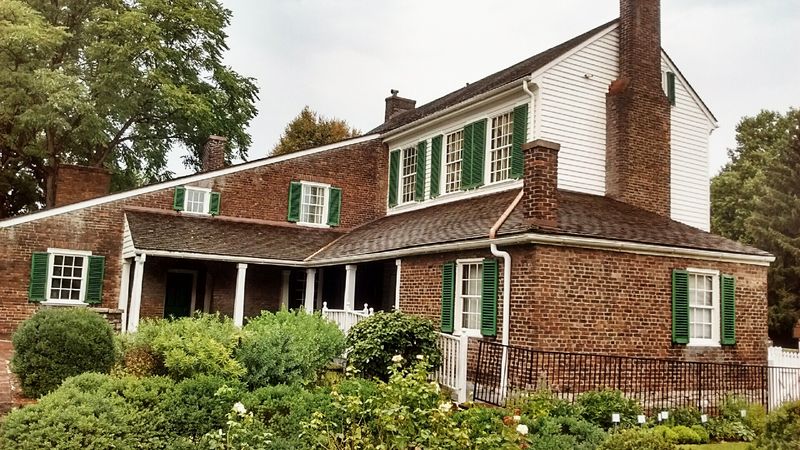
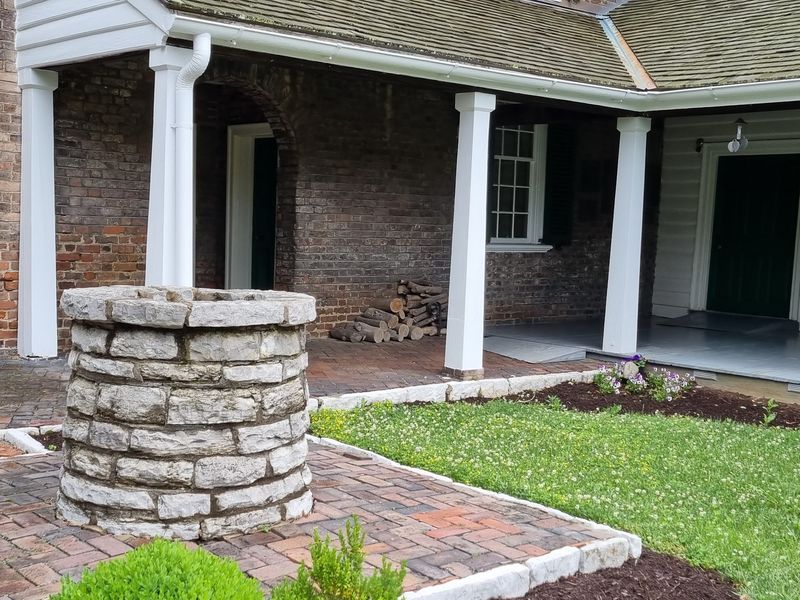
Houses usually get built all at once. This one grew in three separate chapters, and you can still spot the seams.
The oldest piece is a brick ell built between 1792 and 1795. Dr. McDowell bought the property in late 1802.
He added the clapboard front portion in 1803 and 1804. That mix of brick and wood siding still shows on the outside today.
In 1820, a small brick office went up to the left of the back porch. The house was remodeled that same year.
The style is often described as Georgian or Federal. A shake roof tops it off with a classic early American look.
Walking around the exterior is like reading a timeline without any words. Each section reflects a different moment in the family’s life.
Bring a phone for photos of the different materials side by side. The contrast between brick and clapboard makes a neat picture.
It’s a good reminder that homes change as families grow. Even famous doctors needed more room eventually.
Family Portraits And Period Furniture Fill Every Room
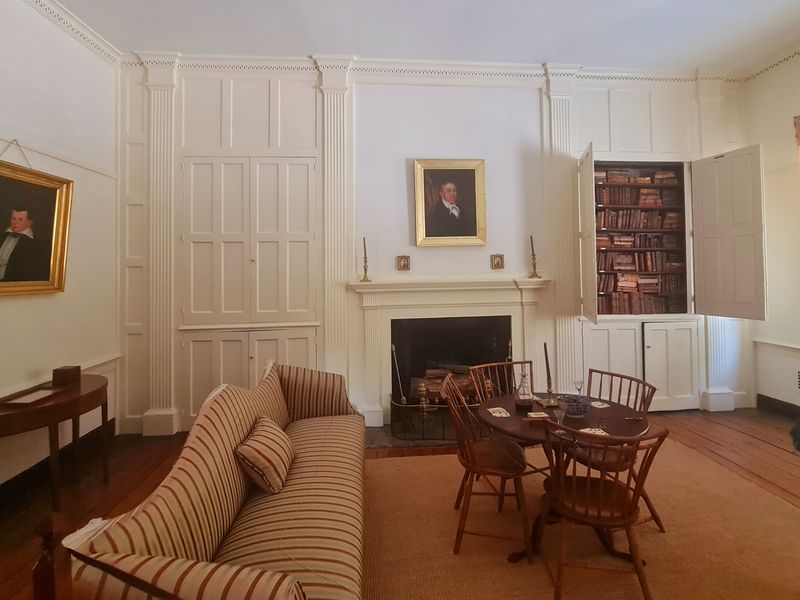
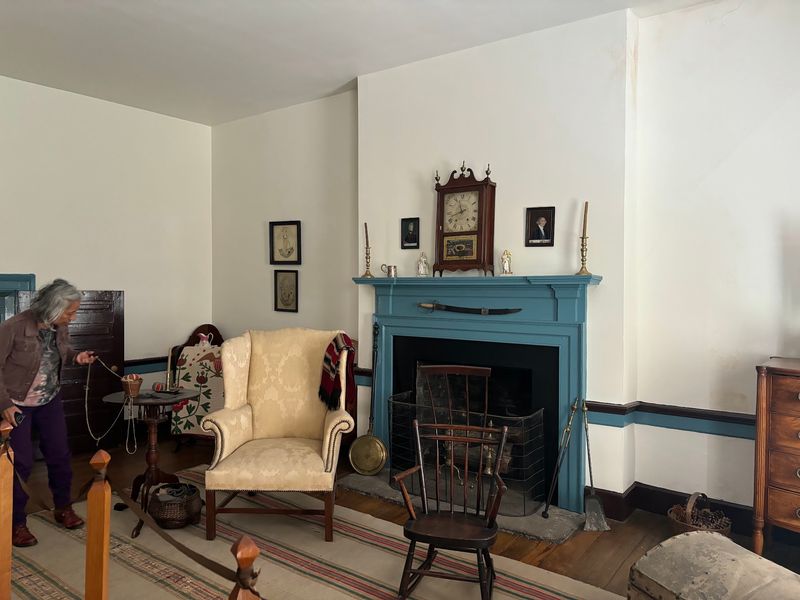
Portraits of the original McDowell family still hang inside the home. Their painted faces add a personal touch you won’t forget.
The rooms are filled with period furnishings. Some pieces even have family connections, which makes the space feel lived in rather than staged.
Dr. McDowell wasn’t only a surgeon. He helped found Trinity Episcopal Church and was a founder and original corporator of Centre College in Danville.
He also operated on a young man who later became President James K. Polk.
Not a bad patient list for a frontier doctor.
Seeing the family’s surroundings helps connect the man to his community. You start to picture daily life between the big medical moments.
Watch for everyday details in the kitchen and living spaces. Old household tools can spark fun guessing games with younger visitors.
The home sat neglected after McDowell’s passing in 1830. Then the Kentucky Medical Association purchased it in 1935.
The Works Progress Administration restored it, and the museum opened in 1939. That rescue is why these rooms look so cared for today.
Save Time For A Stroll Through The Gardens
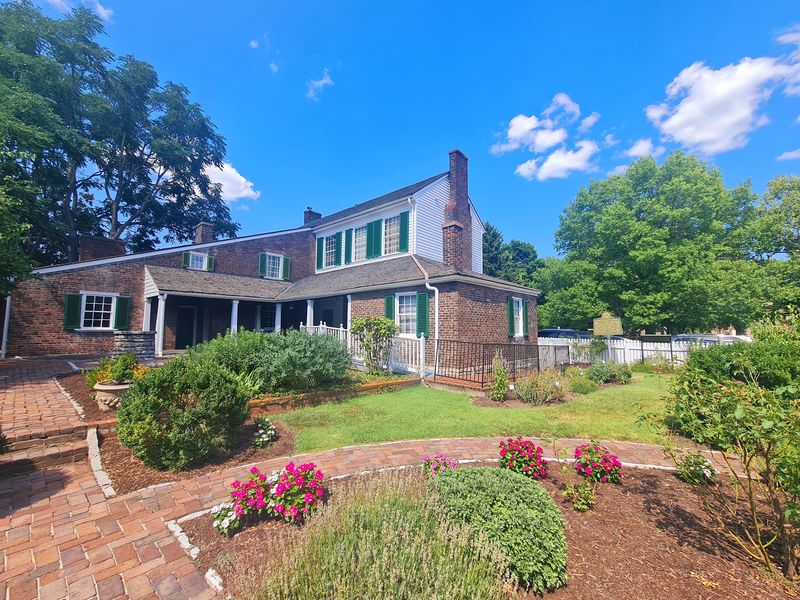
Medicine once grew in the backyard. The medicinal herb garden here reflects plants the McDowells might have tended for remedies.
Formal gardens were added to the property in 1820. They bring a calm, pretty break after all that surgery talk.
An herb garden makes the Apothecary Shop make even more sense. Those dried plants in the drawers had to come from somewhere.
Gardeners will enjoy looking at the beds closely. Kids can try spotting which plants look like they belong in a cooking pot.
Visiting in warmer months gives you the best chance to see things growing. Spring and summer usually bring the most green to any Kentucky garden.
The outdoor space also gives you a fresh view of the house. You can see the brick and clapboard sections from a new angle.
Pack comfortable shoes since you’ll want to wander. The grounds are part of what makes the whole property feel complete.
Take a few quiet minutes out here. It’s a peaceful way to soak in everything you just learned inside.
Plan Your Tour Around These Days And Times
Good news for planners. The museum stays open year-round for public tours, group tours, and field trips.
Regular tours run Tuesday through Saturday at set times. Sundays and Mondays are closed, so plan your weekend with that in mind.
Weekday hours generally run from 10 AM to 4 PM with a midday break. Saturday hours run from 11 AM to 4 PM.
A guided tour usually takes about an hour. That’s long enough to learn a lot without wearing anyone out.
School groups and field trips are welcome. Teachers looking for a hands-on history lesson should keep this one on their list.
Since 1935, a nonprofit organization has managed the site. Your visit helps keep this landmark cared for and open.
Checking tour times before you leave home is smart. Arriving just as a tour starts makes the day run smoothly.
Grab Tickets And Souvenirs In Another Historic House
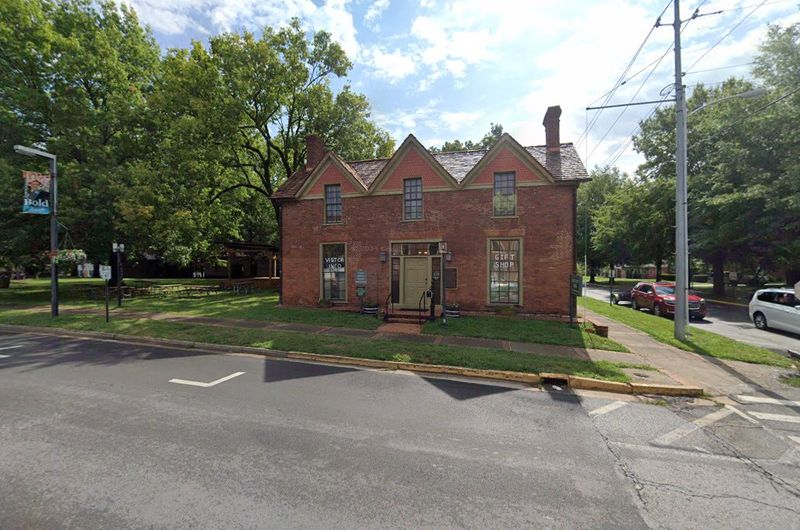
Even the gift shop comes with a history lesson. It sits inside the historic Goldsmith House at the corner of 2nd Street and Walnut.
This building also works as the visitors center. You can buy tour tickets here before heading over to the main house.
Shelves hold souvenirs tied to the museum, Danville, and Kentucky. Books, pottery, and t-shirts are all part of the mix.
A book about early medicine makes a smart pick for curious readers. It’s a fun way to keep learning after the tour ends.
The gift shop runs seasonally from March through December. Winter visitors in January or February should keep that schedule in mind.
Picking up a piece of pottery is a nice way to remember the trip. Local-themed items also make thoughtful gifts for friends back home.
A t-shirt from the home of the first successful ovarian surgery is quite the conversation starter. Expect some puzzled looks and great questions.
Stopping here first helps you start the visit on the right foot. Tickets in hand, you’re ready for the big story.
A Free History Park Sits Right Across The Street
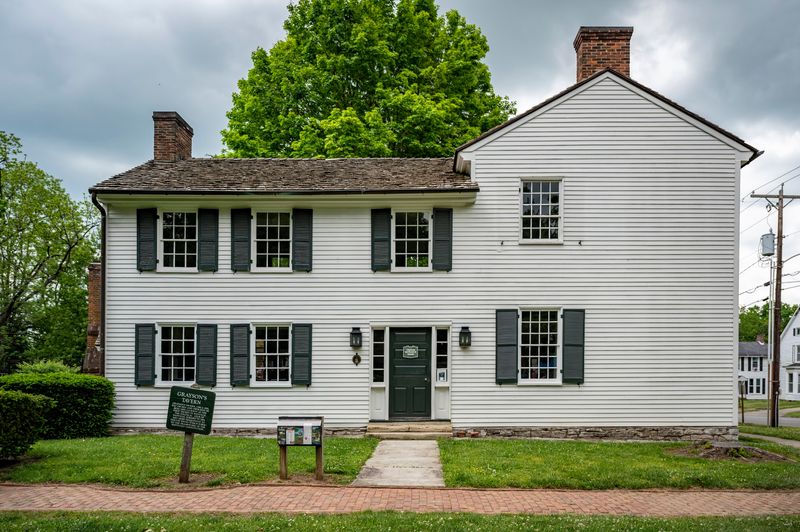
Bonus history is just a short walk away. Constitution Square Historic Site sits directly across South Second Street from the museum.
It’s a free open-air museum and park. That makes it an easy add-on before or after your tour.
Pairing the two sites fills a morning or afternoon nicely. You get a medical milestone and broader local history in one trip.
The park offers room to stretch your legs and enjoy downtown Danville. Families with energetic kids will appreciate the open space.
The McDowell House & Apothecary Shop Museum fits perfectly into a relaxed day of exploring. Everything feels close together and easy to reach on foot.
Danville has deep roots in Kentucky history beyond this one famous surgery. McDowell’s ties to Centre College and Trinity Episcopal Church show how connected the town was.
My advice is to leave a little wiggle room in your schedule. Downtown makes it tempting to keep wandering.
One home, one brave patient, and one bold doctor changed medicine forever. That’s a pretty great reason to plan a trip to this corner of Kentucky.