Idaho Has 7 Words Out-Of-Towners Always Mispronounce And Locals Correct Every Time
Idaho has a county named after Hawaii, and almost nobody outside the state can say it right on the first try.
That odd spelling comes from an old English way of writing Hawaii.
It honors Hawaiian fur trappers who explored the region in the early 1800s and never came back.
I love that a single word can carry that much history.
A map of this state is basically a pronunciation trap, packed with French trappers, tribal languages, and homesick settlers.
So how many of these can you say like a local?
A few are easy once you know the trick. Others will catch you even after you read them twice.
1. Boise
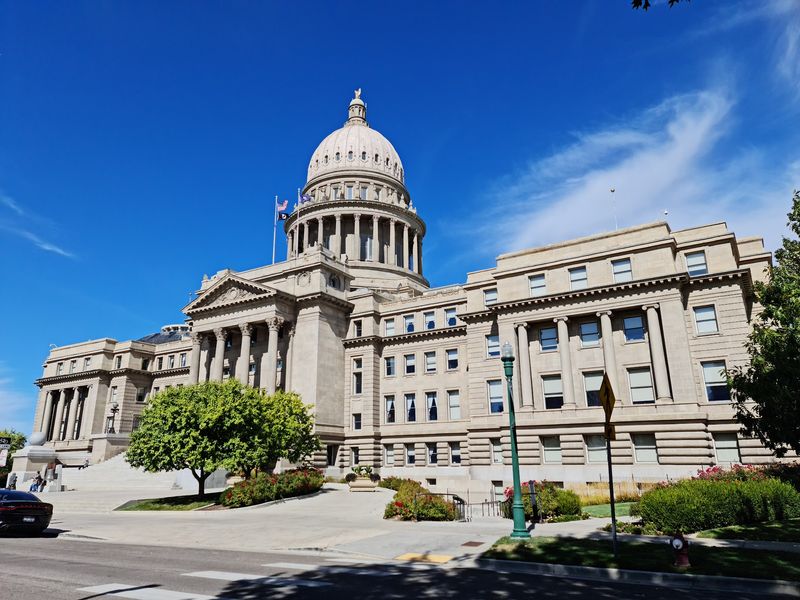
Three little letters at the end cause most of the trouble here. Newcomers love to say BOY-zee, while locals say BOY-see with a soft, quick finish.
Sounds minor, right? In Idaho, that tiny Z sound is a dead giveaway that you just pulled off the interstate.
The name traces back to the French word boisee, which means wooded. French-Canadian fur trappers in the 1800s spotted the tree-lined valley along the Boise River and named it.
That leafy description still fits pretty well today. The Boise River Greenbelt runs through town, shaded by cottonwoods and other trees along the water.
Boise is now the state capital and the county seat of Ada County. It’s also the biggest city in Idaho, so you’ll hear the name constantly.
Want an easy way to remember it? Think of the word noisy and swap the first letter for a B.
Some longtime residents even treat the pronunciation as a friendly test for transplants. Pass it, and you’ve earned a little hometown credit.
Fail it, and someone will probably correct you before you finish your sentence. Don’t take it personally, because it happens to plenty of visitors.
2. Coeur D’Alene
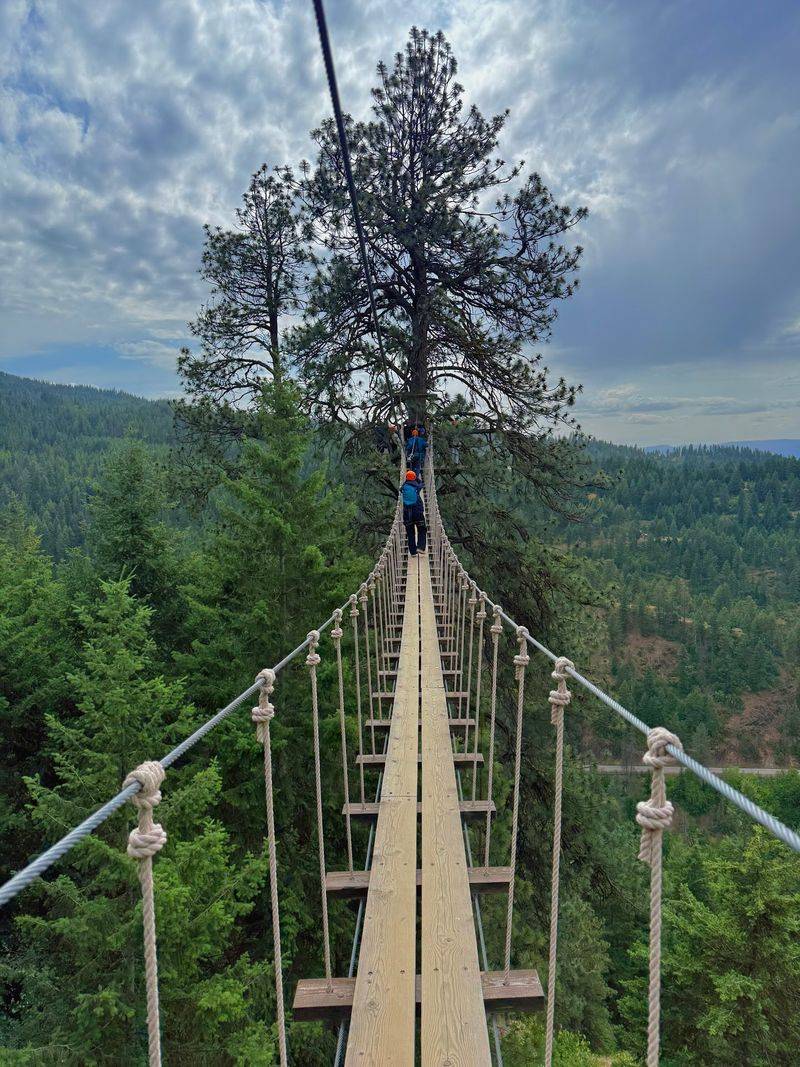
Spelling it is hard enough, and saying it trips up even more people. Locals say core-duh-LANE, smooth and quick, with the stress at the end.
You’ll hear visitors try kur-dee-a-LEEN or something even wilder. Many residents skip the debate and just call it CDA or the Lake City.
The name is French and is often translated as heart of an awl. French-Canadian fur traders gave it to the local Schitsu’umsh people, the tribe now known as the Coeur d’Alene Tribe.
Historians often say the name poked at the tribe’s sharp trading skills. An awl is a pointed tool, so the meaning suggests someone tough to bargain with.
The city sits on the north shore of Lake Coeur d’Alene in Kootenai County. It’s one of the Panhandle’s best-known towns and a summer favorite for boaters.
Here’s a tip for the drive up from the Treasure Valley. Practice the name a few times before you arrive, because you’ll be saying it a lot.
Once it clicks, it rolls off the tongue nicely. You might even catch yourself correcting your own relatives on the next visit.
3. Kuna
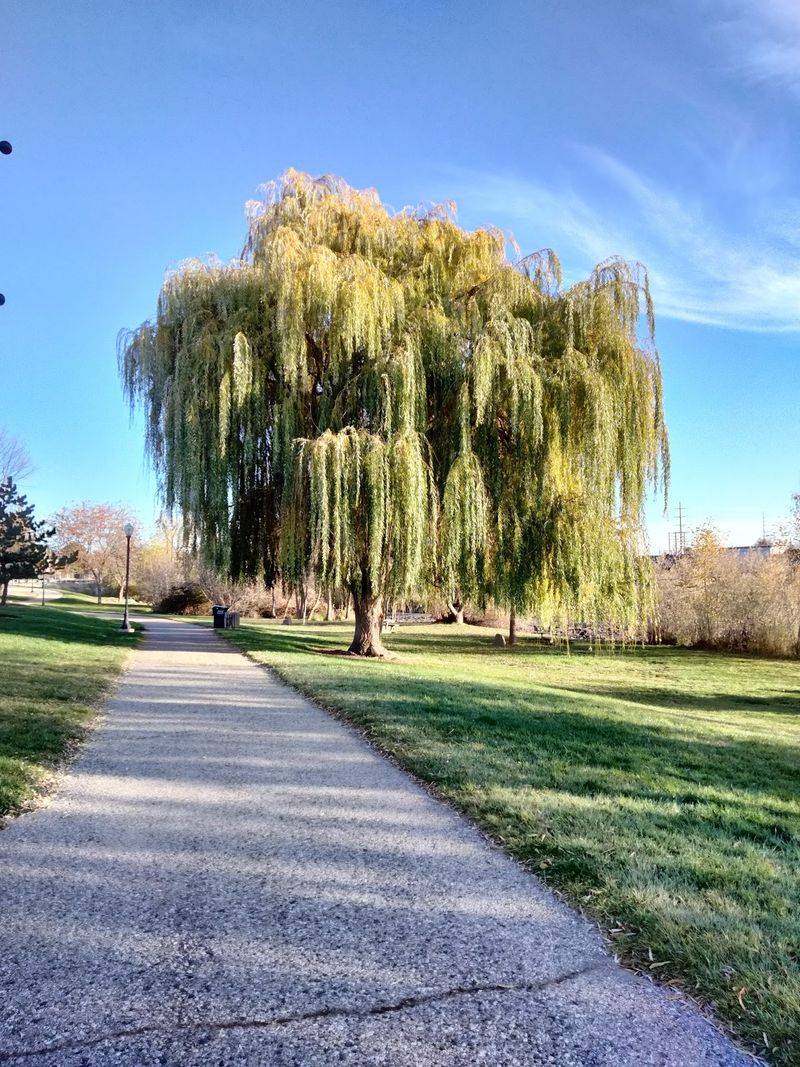
Four letters, two syllables, and somehow a lot of wrong answers. Out-of-towners often say KOO-nuh, but locals say KYOO-nuh, like the start of cute.
It sits just south of Boise in Ada County. Plenty of Treasure Valley drivers pass the exit long before they ever hear the name spoken aloud.
The origin story is where things get interesting. A popular version says Kuna means the end of the trail, and you’ll still see that phrase used around town.
Members of the Shoshone-Bannock Tribes have offered a different explanation, reported by Boise State Public Radio. They say Kuna is a Bannock word meaning wood, tied to a place for gathering fuel.
I find that version pretty compelling. It connects the name to how people actually used this land long before the railroad showed up.
Either way, the pronunciation stays the same. Say KYOO-nuh and you’ll blend right in at the grocery store.
The town has grown fast in recent years as the Treasure Valley expands. That means more newcomers, and more friendly corrections happening at kitchen tables across the community.
4. Picabo
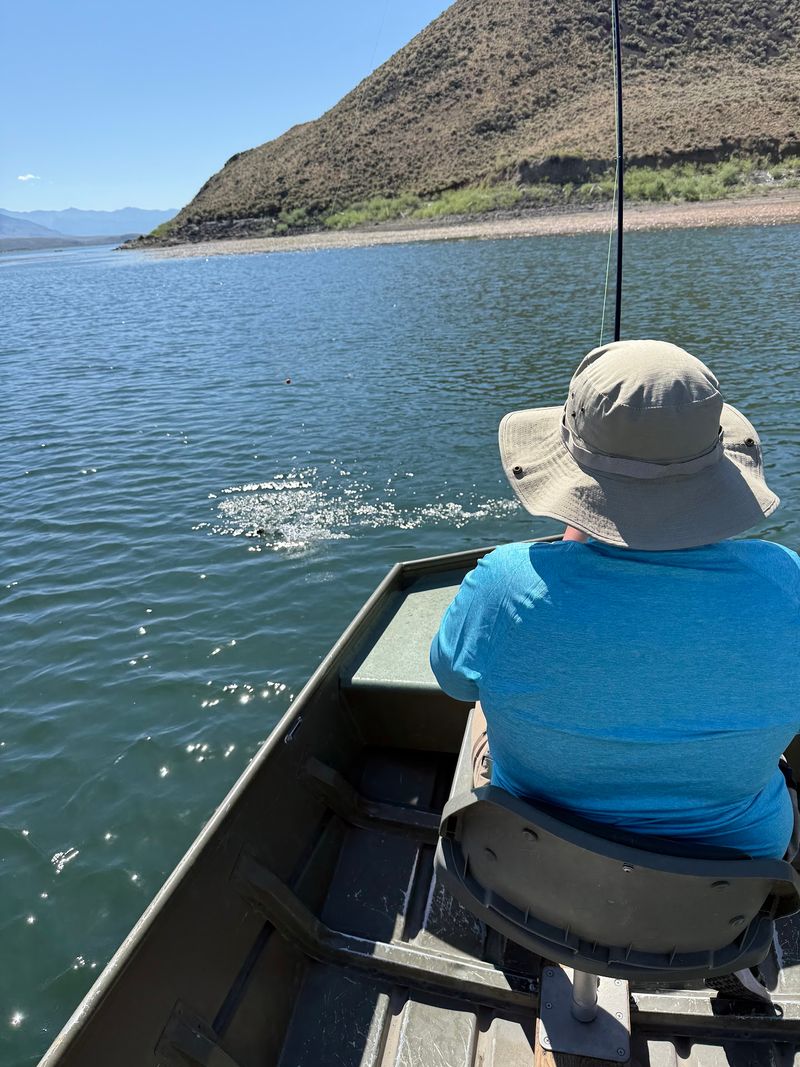
Good news, this one is exactly as playful as it looks. Picabo is pronounced PEEK-a-boo, just like the game you play with a baby.
So why does it make the list? Many visitors assume it can’t possibly be that simple and try PICK-a-bo instead.
The tiny community sits in Blaine County, southeast of the Wood River Valley resort towns. The name comes from a Native American word often translated as shining waters or silver water.
That fits nicely, since Silver Creek flows through the area. The creek has a big reputation among fly anglers for its clear, spring-fed water.
Picabo also earned a famous namesake. Olympic gold medal skier Picabo Street was named after the town, and her name is said the same way.
Honestly, I love that a world-class athlete helped teach the whole country this pronunciation. Sports announcers did the hard work for Idaho.
If you’re passing through on a Magic Valley road trip, it’s a quick spot. Blink and you could miss it, which feels like the perfect joke for a place called Picabo.
5. Owyhee
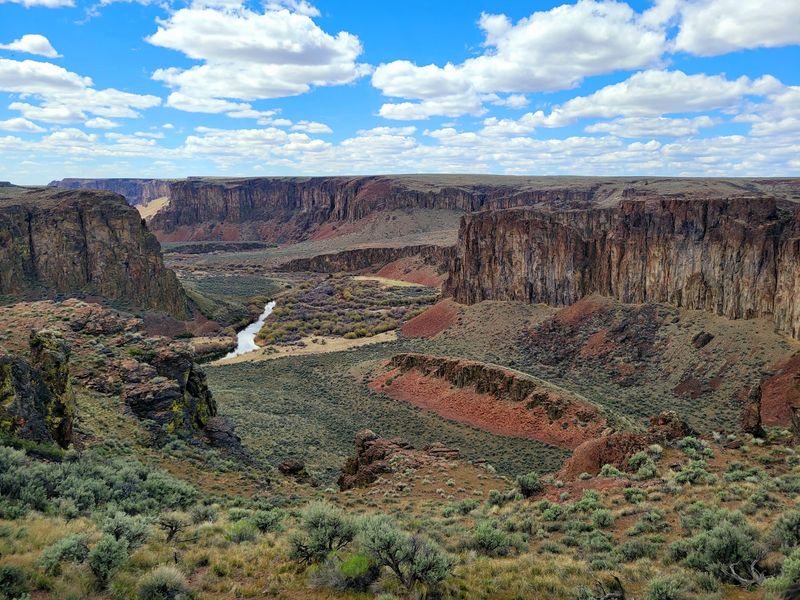
Hawaii and southwestern Idaho share a name, and almost nobody sees it coming. Owyhee is pronounced oh-WHY-hee, with the stress in the middle.
Visitors often say OH-wee or OW-ee-hee instead. Locals will gently steer you back to the right sound.
The spelling is an older English version of Hawaii. The county honors Hawaiian fur trappers who explored the region in the early 1800s and never returned.
What happened to them is still unknown. That mystery gives the name a little extra weight every time you say it.
Owyhee County was created in 1863, making it one of the oldest counties in Idaho. It’s also one of the largest, stretching across rugged canyons and high desert.
The county seat is Murphy, a small community that feels a long way from the city. You’ll also find the Owyhee Mountains and Owyhee River nearby.
Here’s a fun memory trick. Say Hawaii slowly, then imagine it with a cowboy hat on.
It’s a wild piece of history hiding in plain sight on every Idaho map. And now you can pronounce it like you grew up there.
6. Moscow
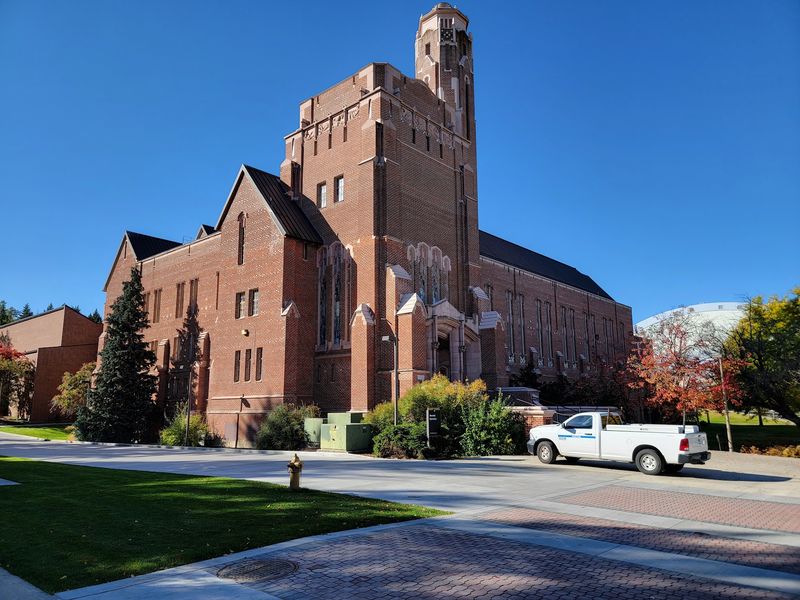
Forget the Russian capital for a minute. In Idaho, Moscow ends with a long O, so locals say MOSS-coe, not MOSS-cow.
Visitors make this mistake constantly, and it’s easy to see why. The spelling matches, but the sound belongs to the Palouse.
The town sits in Latah County, surrounded by rolling wheat and lentil country. It’s home to the University of Idaho, which brings in a fresh wave of students who need correcting.
Moscow’s early names were a lot more colorful. Settlers in the 1870s called the area Hog Heaven and later Paradise Valley.
I can’t decide which nickname is better. Hog Heaven definitely wins for personality, though Paradise Valley sounds nicer on a postcard.
The name Moscow came along in 1875. Postmaster Samuel Neff chose it, and he had roots in a town called Moscow back in Pennsylvania.
So the name traveled across the country before landing here. No tie to Russia at all, just a homesick postmaster.
Next time you head up Highway 95, try it out loud. MOSS-coe will make you sound like a Vandal.
7. Athol
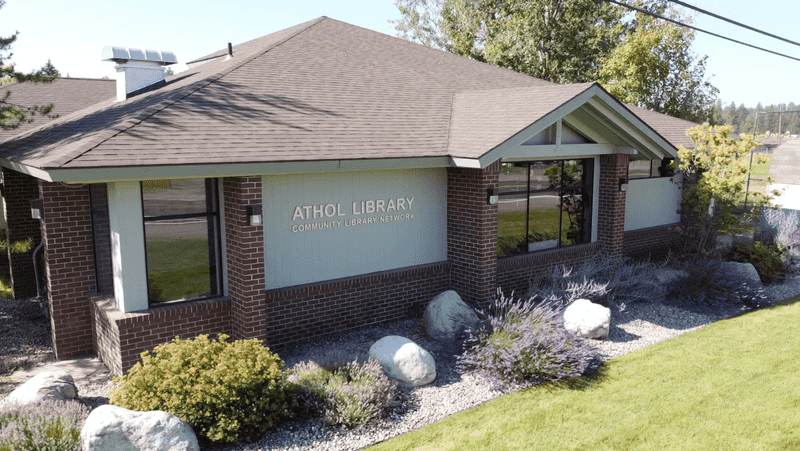
Small town, big wink. Athol is pronounced ATH-ul, rhyming with a quick, mumbled version of the word Bethel without the B.
Plenty of travelers pause at the road sign and grin. Locals have heard every joke, so just say it right and keep driving.
The city sits in Kootenai County, north of Coeur d’Alene along Highway 95. It’s a quiet Panhandle community with a surprisingly famous neighbor.
Silverwood Theme Park is located near Athol. It’s the largest theme park in the Pacific Northwest region, so the name pops up on many summer road trip plans.
The town was once called Colton. It later took the name Athol, borrowed from Athol, Massachusetts.
That Massachusetts town took its name from the Duke of Atholl in Scotland. So a tiny Idaho city carries a Scottish title on its welcome sign.
I love that kind of name chain. One word hopped from Scotland to New England, then all the way to North Idaho.
Say it smooth and simple, and you’ll pass the test. Your kids may still giggle in the backseat, and that’s part of the fun.