Visitors Walk Through Nebraska’s Cave Where People Sheltered Thousands Of Years Ago
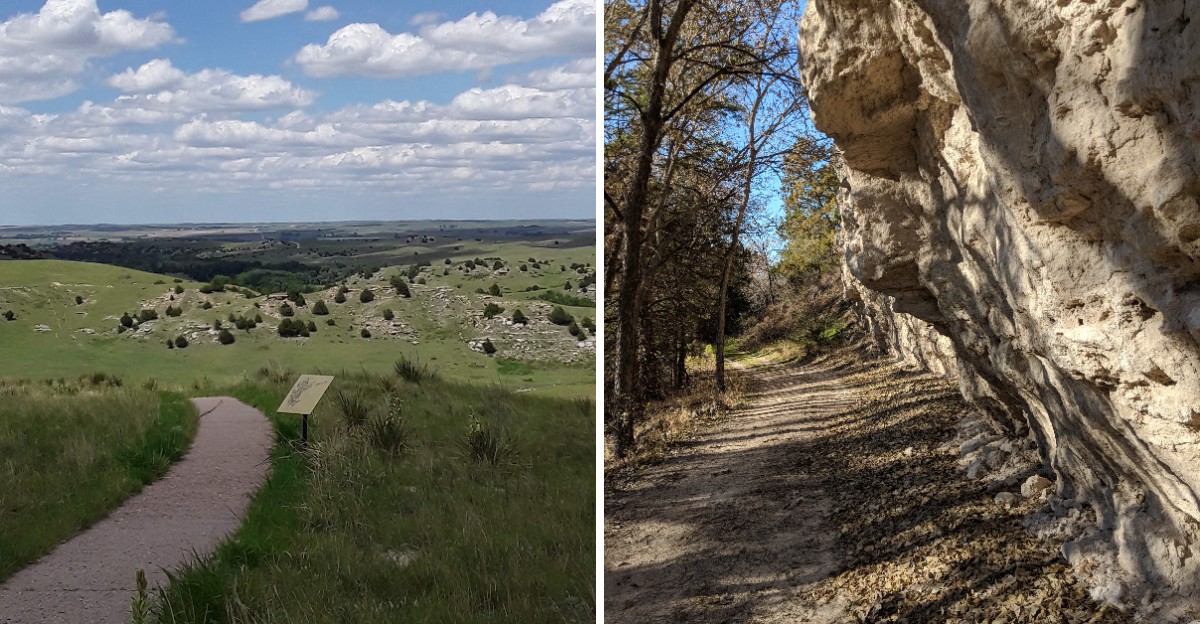
Inside one rocky hillside, people left behind layers of campfire life stacked like pages in a very old book. Archaeologists found traces from several cultures, one on top of another, under a single stone roof.
That same shelter now sits inside a building, so the cave stays protected from wind and weather. You walk right up to a spot where hunters and families rested long before anyone drew a map of Nebraska.
I like how the story doesn’t stop there. A short walk away, wagon wheels carved ruts into a steep hill that are still easy to see today.
So you get two kinds of travelers in one afternoon. Ancient families who found shelter here, and pioneers who found cool spring water after a rough downhill ride.
Which story would grab you first?
A Panhandle Valley That Kept Calling People Back
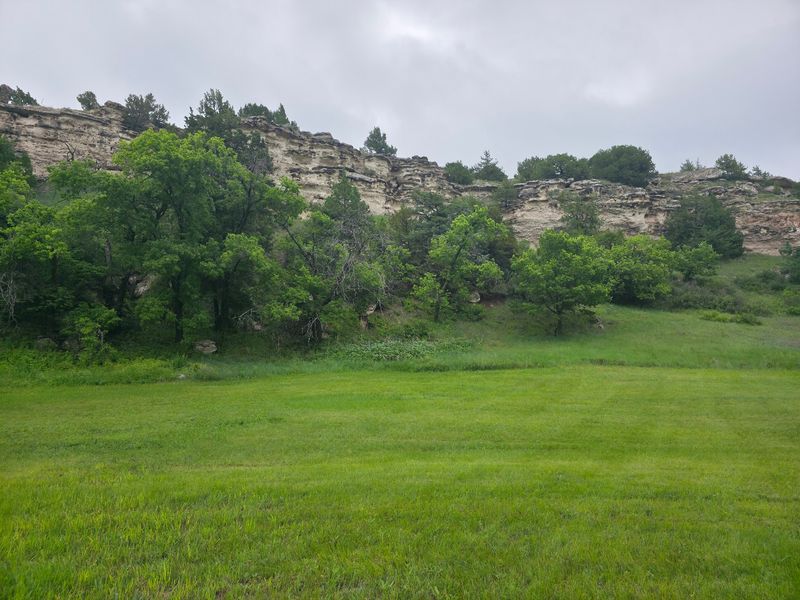
Ash Hollow State Historical Park sits in Garden County, a few miles southeast of the small town of Lewellen. It covers roughly 1,000 acres of bluffs, canyons, grass and shade trees in western Nebraska.
The land looks rugged from the highway, with pale rock showing through the slopes. Down in the hollow, though, things turn green, and that greenery is the whole reason people kept stopping here.
Fresh spring water, firewood and shelter made this valley a natural rest stop. Prehistoric hunters used it for thousands of years before covered wagons ever creaked across the plains.
Later, emigrants on the Oregon, California and Mormon Trails treated it like a reward after a long, dry stretch. So the park tells one long story about people needing a safe place to pause.
That makes it more than a pretty overlook. You can stand in an ancient rockshelter, look at fossils, walk beside wagon ruts and peek into an old stone schoolhouse, all in one visit.
It’s also a quick hop from Lake McConaughy. Plenty of Nebraskans pass the turnoff on summer lake trips without realizing what’s waiting just up the hill.
The Rockshelter Hiding Under Its Own Roof
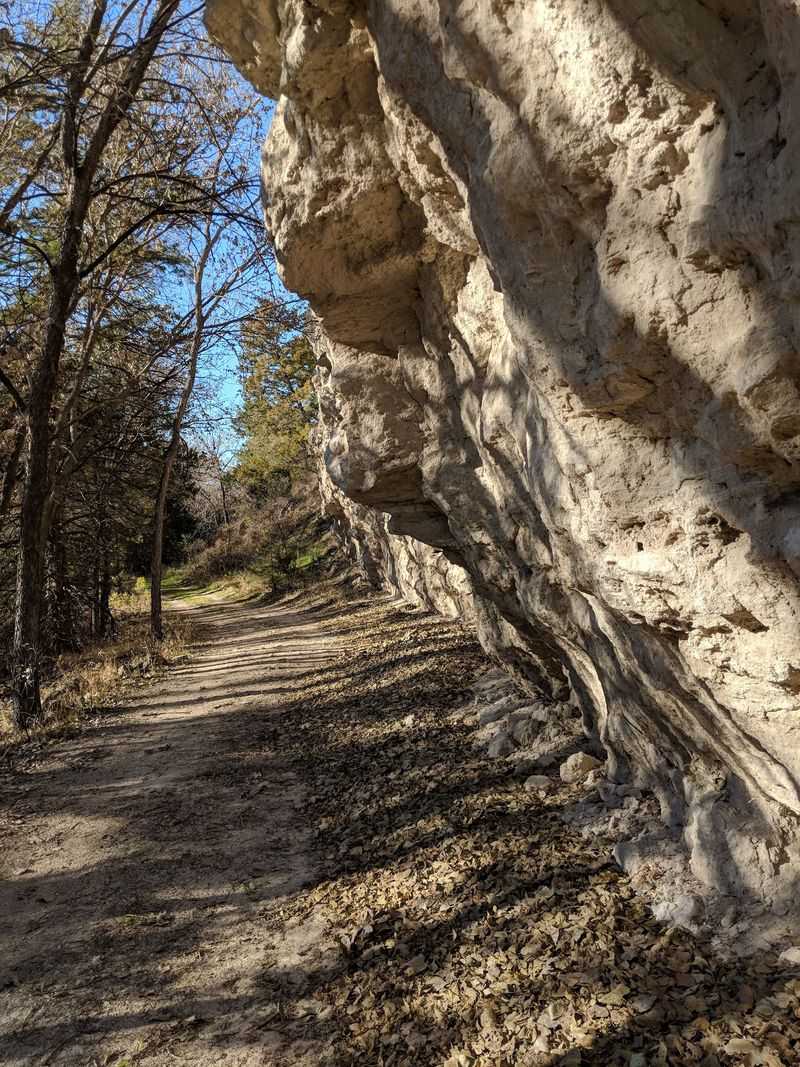
Most caves get a parking lot and a warning sign. Ash Hollow Cave got an entire building wrapped around it, which tells you how much it matters.
The site is an enclosed rockshelter, a shallow overhang rather than a deep tunnel. Don’t expect stalactites or a spooky crawl into the dark.
What makes it special is what the floor held. Digs here uncovered layers of material left by people who sheltered under this rock across many generations.
Ash Hollow Cave is a National Historic Landmark, which is a big deal for a spot this small. That status puts it among the most important archaeological places in the state.
The enclosure protects the layers from erosion and curious hands. You still get to see the shelter up close, with illustrations and panels explaining what researchers found.
Paved paths lead down toward the cave from the visitor center area. It’s a short walk, but the slope is real, so comfortable shoes help.
Honestly, the cave’s modest size is part of its charm. A little overhang turned out to be one of the best record keepers in Nebraska.
Layer After Layer Of Ancient Neighbors
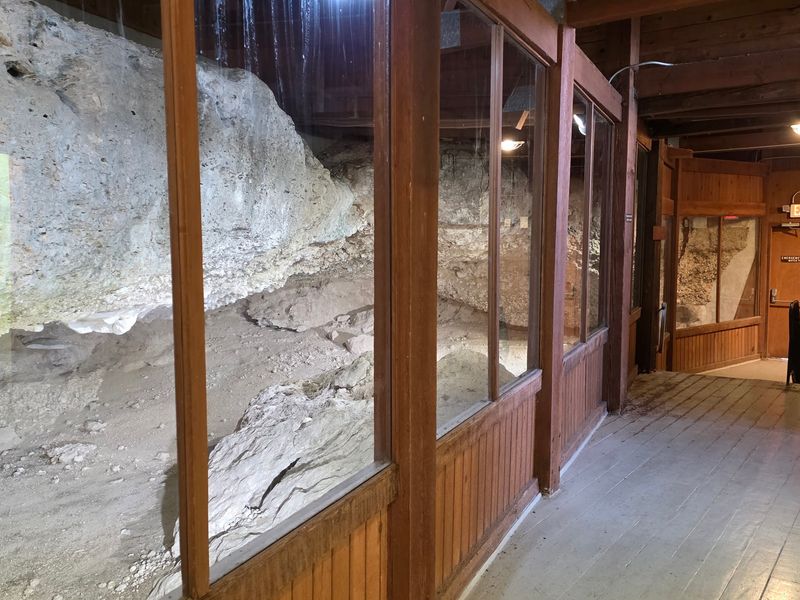
Think of the cave floor as a stack of pancakes, except each pancake is a different chapter of human life. Archaeologists read those layers from the bottom up.
The deepest evidence connects to Late Archaic people. Above them came Woodland traditions, then Central Plains groups, and later Apache occupation near the top.
That’s a remarkable lineup for one shallow overhang. Each group found the same practical perks: water nearby, protection from wind, and good hunting and gathering in the canyons.
Charcoal, tools and other leftovers help researchers piece together how people lived. It’s everyday life, not treasure, and that’s exactly what makes it so fascinating.
The cave matters to Native people today too. This area carries deep significance as part of their homeland, not just as a stop on a tourist map.
I can’t imagine sitting in that shelter during a prairie storm centuries ago. Yet families clearly did, again and again, long enough to leave a readable record.
Standing there, the phrase thousands of years stops feeling abstract. You’re looking at the actual spot where it happened.
A Hilltop Visitor Center With A Serious View
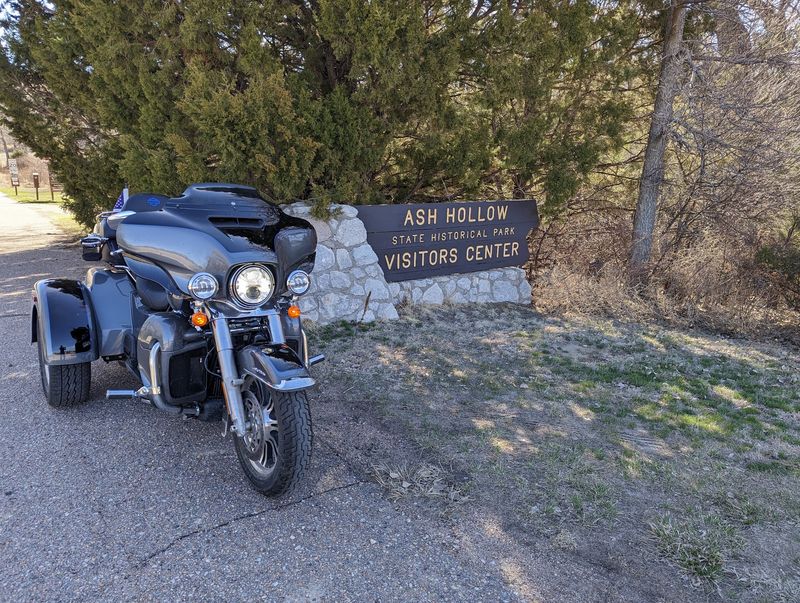
Some museums make you choose between the exhibits and the scenery. The visitor center at Ash Hollow perches on top of the hill, so you get both.
Inside, displays cover geology, ancient animals, Native American history and the emigrant trails. A collection of Native American artifacts is one of the highlights.
There’s also a short film that sets up the park’s story nicely. It’s a smart first stop before heading down to the cave or out on the trails.
The museum has been in the middle of updates. That means some exhibits may look different from older photos you find online.
Staff and grounds crew are known for being friendly and full of local history. Ask a question about the trails, and you may get a mini history lesson along with directions.
Step outside, and the North Platte River valley spreads out below. On a clear day, the sky seems to keep going until it gives up somewhere near Wyoming.
Restrooms and roomy parking, including space for RVs, make it an easy stop on a road trip.
Rhinos, Mammoths And Mastodons Once Roamed Here
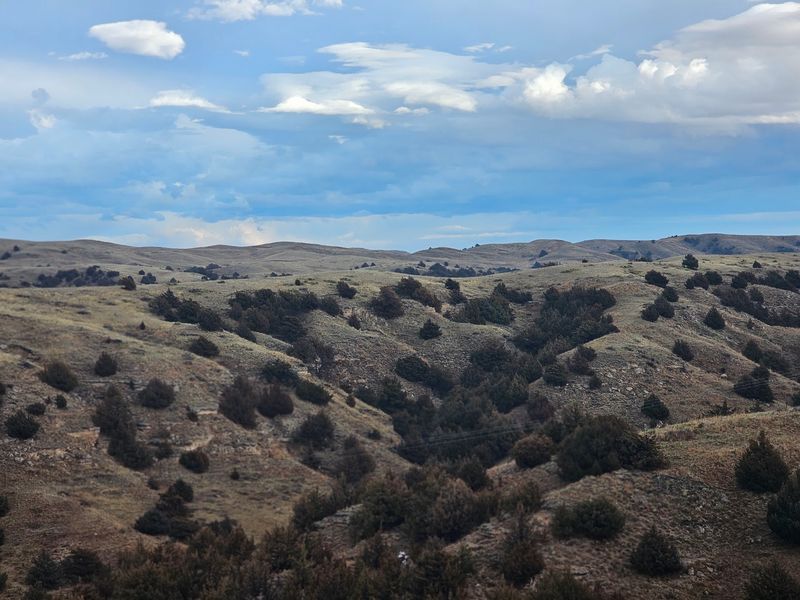
Rhinoceroses in Garden County? Yes, and the fossils prove it.
Long before people arrived, this part of Nebraska hosted animals that sound more like a safari than a ranch. The visitor center displays fossils of ancient rhinos, mammoths and mastodons.
The area’s geology stretches back millions of years. Rivers carried sand, silt and volcanic ash across the region, building the rock layers you see in the bluffs today.
Those layers are so distinctive that geologists named a rock unit the Ash Hollow Formation. It’s a nice bit of trivia to toss out on the drive home.
Kids tend to latch onto the big animals first. Adults usually get hooked once they realize the hills outside are made from that same ancient story.
The pale rock along the canyon walls suddenly becomes more interesting. You’re basically hiking across an old riverbed turned sideways by time.
Nebraska already has a reputation for great fossil country. Ash Hollow adds a satisfying stop to that list, with the bonus of human history right next door.
Windlass Hill, Where Wagons Faced The Big Drop
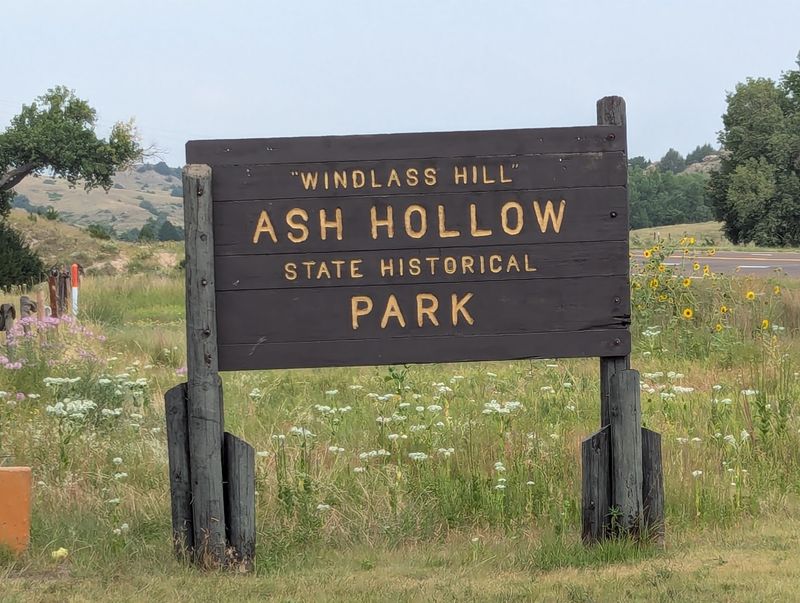
After weeks of mostly flat prairie, emigrants hit a slope that made them seriously rethink their life choices. Windlass Hill was the steep way down into Ash Hollow.
Travelers locked wheels, tied ropes and eased wagons down as carefully as they could. Oxen and mules had to handle the strain too.
All that braking and sliding carved deep grooves into the hillside. Those ruts are still clearly visible today, and you can walk out to see them.
Windlass Hill sits along the highway just south of the main park area. A path climbs the hill so you can look down the same descent wagon trains faced in the 1840s and 1850s.
It’s a humbling view. The slope looks manageable on foot, but picture steering a loaded wagon down it with your whole household inside.
Erosion has deepened some of the scars over the years. Even so, the trail traces remain some of the most striking in western Nebraska.
Bring water on warm days, since the climb is short but exposed. Your legs will gain new respect for those oxen.
The Spring That Felt Like A Fairyland
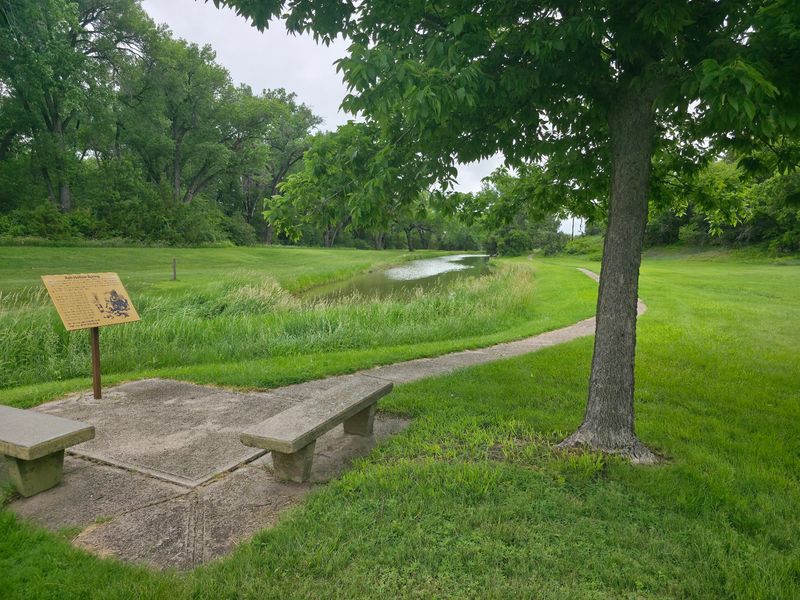
Imagine trail diaries using the word fairyland. Emigrants in the 1840s and 1850s wrote glowing notes about this hollow, with its wild roses and fresh water.
The reason was simple. After the dry plains and the Windlass Hill drop, a cool spring with trees and grass felt like pure luxury.
Wagon trains camped here to rest animals, refill barrels and gather wood. Firewood was precious on the prairie, so a shady grove was a real prize.
The spring is still part of the park today. Paved paths lead from the visitor center down to the cave and the spring area below.
Large shade trees shelter a picnic spot near the water. It’s a lovely place to unpack sandwiches and let the kids burn off energy.
The whole scene connects the two big stories here. Ancient families and covered-wagon travelers came for the same thing, and you can sit right beside it.
Pack a lunch, because this is the kind of spot that makes you want to linger. Pioneers clearly felt the same way.
Short Trails With Long Views Over The North Platte
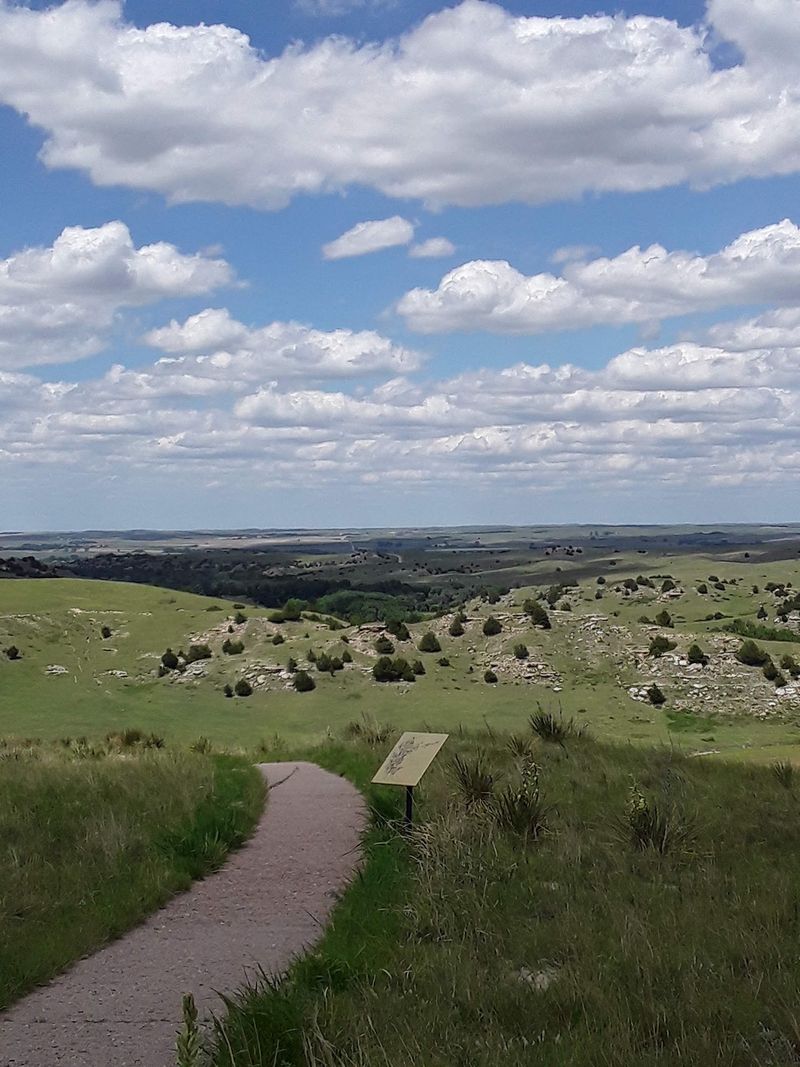
Nine miles of trails wind through the park, split among a handful of routes. None of them demand mountain-climber stamina.
One easy favorite runs about a mile round trip from the visitor center to a bluff overlook. From there, the North Platte River valley opens up in a big way.
Trail history is laid out right in front of you. The Oregon and California routes ran south of the river, while the Mormon Trail followed the north side.
A trail along the bluff top beside the road serves up some of the best views in the park. Shorter grass paths and paved walkways fill in the rest.
Spring is a great time to hike, when the hollow turns green. Fall brings cooler air that makes the climbs more comfortable.
Dogs are welcome, so your four-legged hiking buddy can come along. Just bring a leash and plenty of water for both of you.
The trails are short enough to combine in one visit. That means you can see the cave, spring, overlook and ruts without turning the day into a marathon.
A Stone Schoolhouse And A Sod House Replica
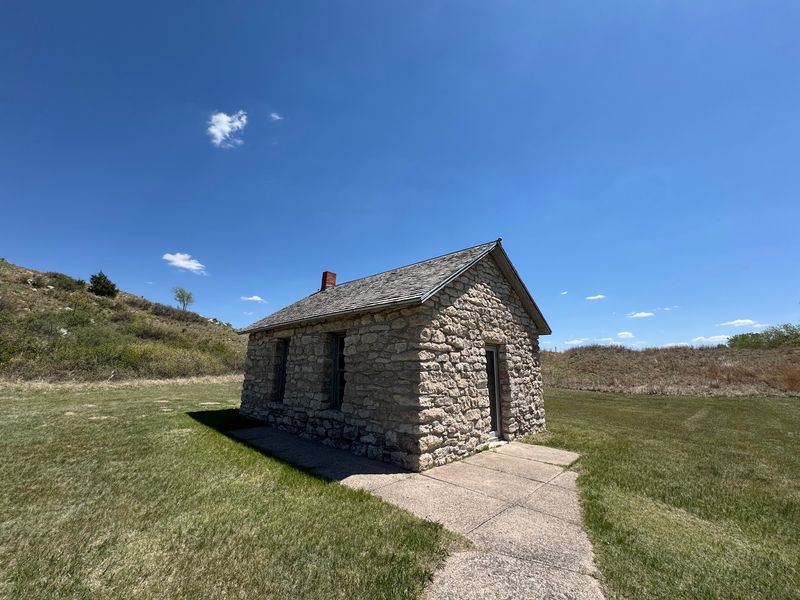
Built from native stone in 1903, the little rock schoolhouse south of the main park area has outlasted plenty of newer buildings. It’s a one-room school that once served local kids.
Inside, the setup shows what a rural classroom looked like back then. Desks, a simple layout and a whole lot of character make it a charming stop.
Families often get a kick out of comparing it to modern schools. No bus line, no cafeteria, and one teacher handling every grade.
The park also features a sod house replica. The Lewellen Lions Club built it in 1967 for the Nebraska Centennial.
Sod houses were a clever answer to a treeless prairie. Settlers cut blocks of tough grassland soil and stacked them like bricks.
Seeing one in person helps the history click. Those thick earthen walls kept homes cooler in summer and warmer in winter.
Together, these two buildings carry the story past the trail years. They show how people stayed, farmed and raised families in this corner of Nebraska.
Who Will Love An Afternoon Here Most
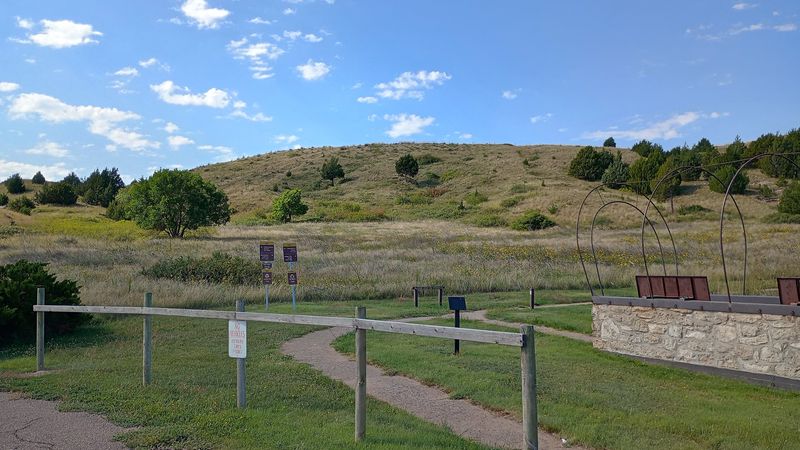
History buffs are an obvious match. Few places let you see an ancient rockshelter and pioneer wagon ruts within minutes of each other.
Families do well here too. The trails are short, the fossils grab young imaginations, and the picnic spot gives everyone a break.
Road trippers heading across the Panhandle will appreciate the easy highway access. It makes a great leg-stretch that’s far more interesting than a gas station.
Lake McConaughy campers have a built-in reason to swing by. The state park entry permit works here too, so a weekend at the lake pairs nicely with a history detour.
Quiet seekers will find plenty of room to breathe. The setting feels peaceful and open, with long views and few distractions.
One heads-up: some paths are steep, and not every area is easy for visitors with limited mobility. Plan with that in mind.
Dog owners and RV travelers get a break as well, thanks to pet-friendly grounds and roomy parking. It’s an easygoing stop that rewards curiosity more than stamina.
Timing Your Trip So The Doors Are Open
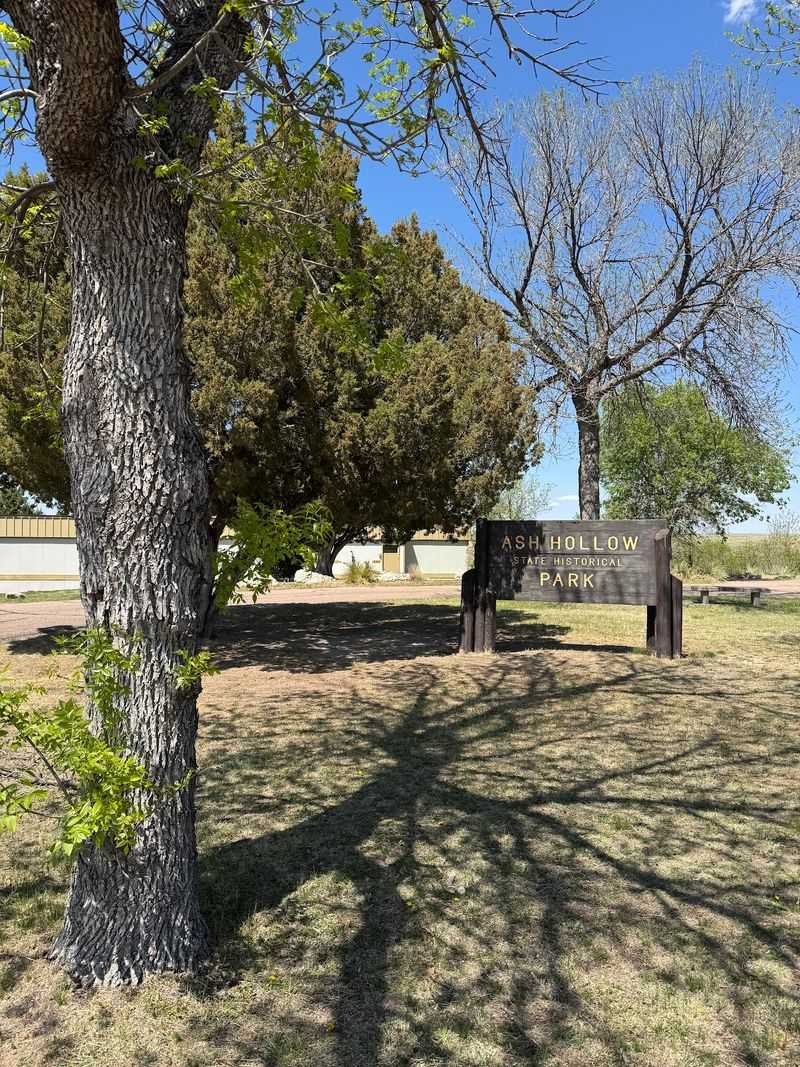
You’ll find Ash Hollow State Historical Park at US-26, Lewellen, NE 69147. It sits a few miles southeast of Lewellen, along the highway between Ogallala and the western Panhandle.
The park grounds open early and stay open until sunset year-round. That means trails, picnic areas and views are available even when the buildings are closed.
The visitor center, museum and cave follow a seasonal schedule. They generally open from spring through fall, typically Thursday through Monday, with daytime hours.
Outside that season, visits to the buildings are usually by appointment. Schedules can shift, so calling ahead before a long drive is smart.
A Nebraska park entry permit is required, with a higher rate for out-of-state vehicles. The museum charges its own small admission on top of that.
Arriving mid-morning gives you time for the film, the cave and a trail or two. Leave room for Windlass Hill on your way in or out.
Restrooms and plenty of parking keep the logistics simple. The hardest part may be deciding which story to explore first.
Thousands Of Years Of Rest Stops In One Small Park
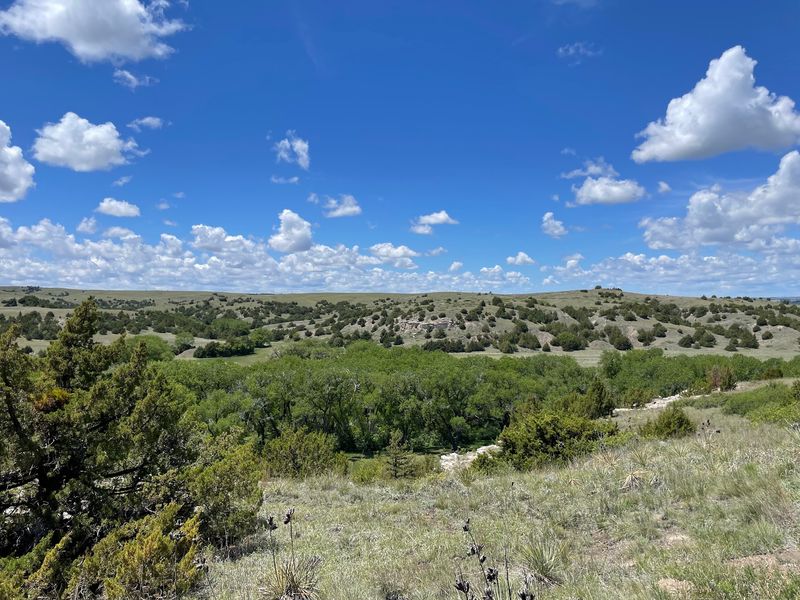
Not many places can claim the same rest stop worked for ancient hunters and covered-wagon families. Ash Hollow State Historical Park pulls that off without any fuss.
The cave delivers the deep-time wow factor. Windlass Hill adds pioneer grit you can actually see in the ground.
Then there’s the spring, the fossils, the schoolhouse and those big valley views. It’s a lot of story packed into a compact, easy-to-walk park.
I believe that’s what makes it such a satisfying Nebraska day trip. You don’t need a full weekend, just an afternoon and a little curiosity.
It also pairs beautifully with time at Lake McConaughy. Swim in the morning, then trade sunscreen for history after lunch.
Check the building schedule before you go, and pack a picnic either way. Even with the doors closed, the trails and ruts are waiting.
Standing above that green hollow, it’s easy to see why people kept coming back. Turns out a good place to rest never really goes out of style.