Wildlife Watchers Spot Wildlife At These 6 Idaho Refuges
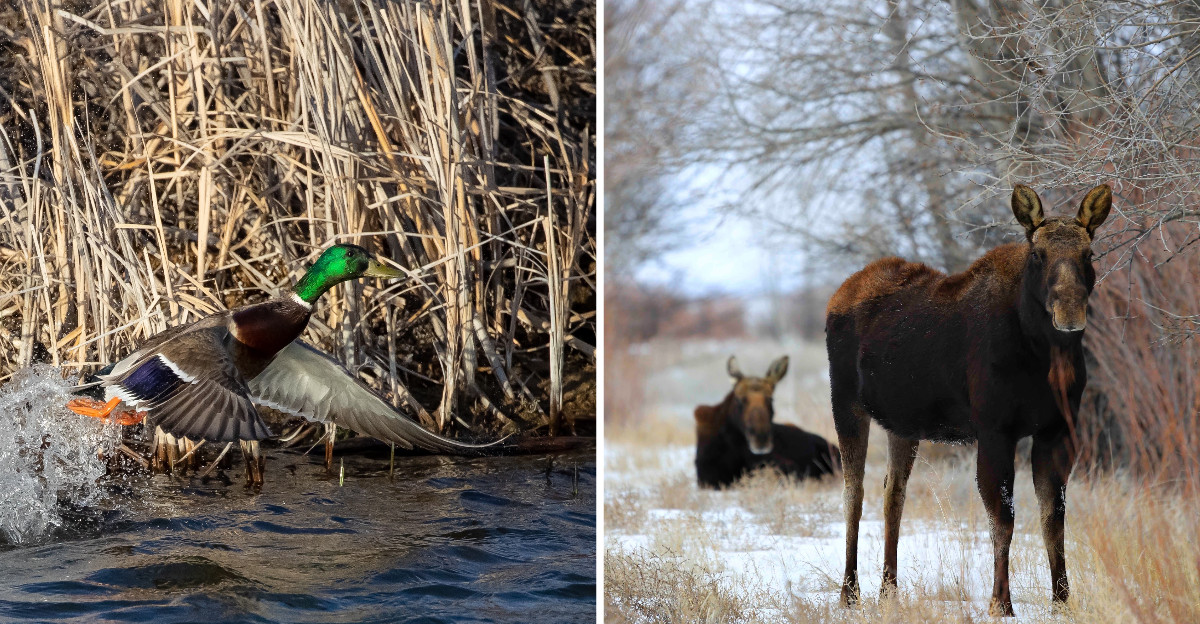
One marsh in southeast Idaho holds one of the largest White-faced Ibis colonies in the West, with roughly 5,000 birds.
I had to read that twice. A bird with a curved bill like a garden tool is nesting by the thousands in Idaho.
That colony is only one surprise. Two refuges on this list date back to 1909, when Theodore Roosevelt signed them into being.
Another sits at the foot of the Selkirk Mountains, where moose and bald eagles share the same valley.
I love that none of these places asks you to be an expert.
You need binoculars, some patience, and a willingness to sit quietly while a heron decides whether you’re worth noticing.
So which corner of the state should get your next free Saturday?
The Panhandle, the Treasure Valley, and the far eastern farm country all make a strong case.
1. Kootenai National Wildlife Refuge
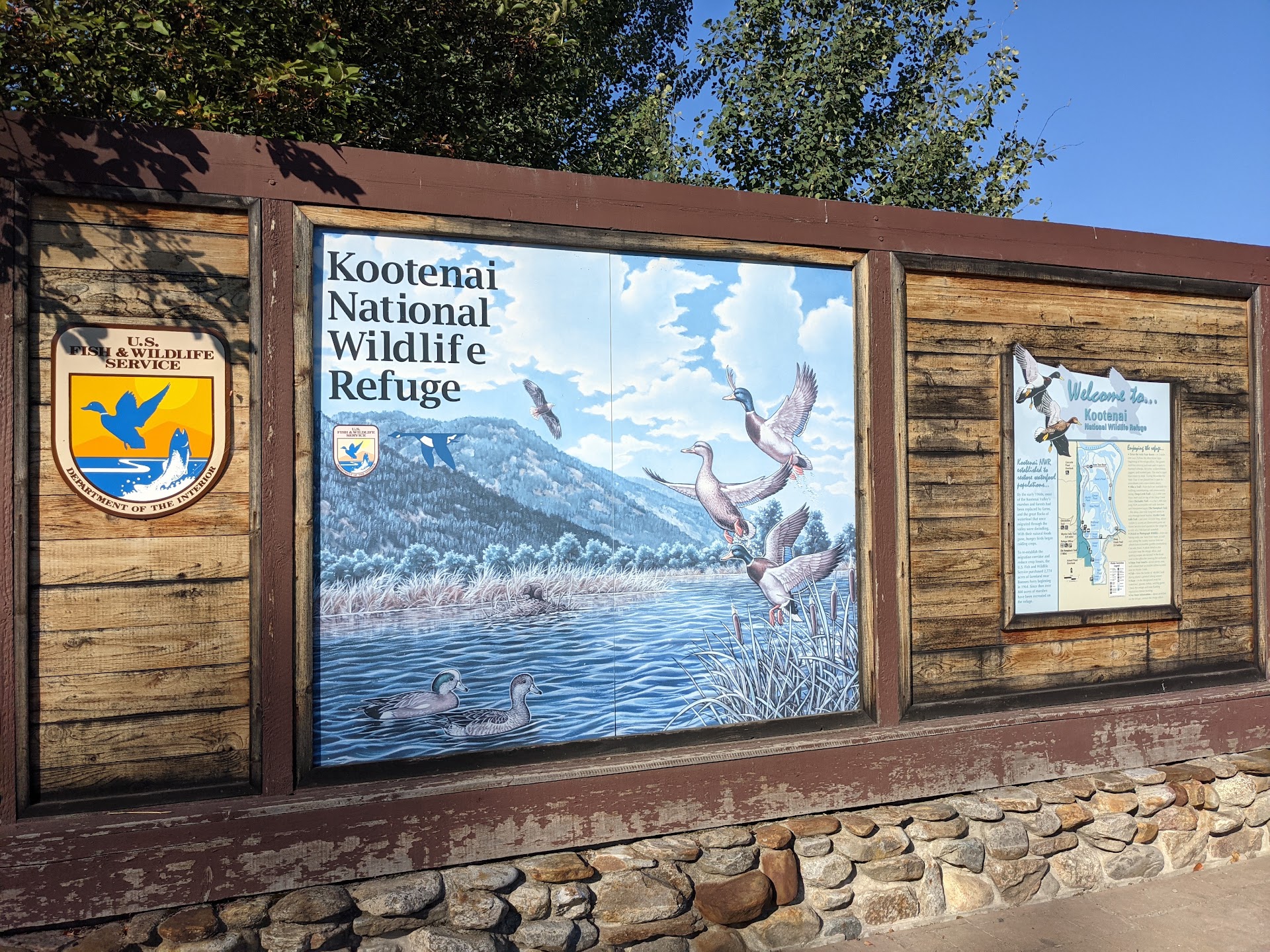
Moose, elk, bald eagles, and otters all claim the same patch of Panhandle valley floor here. The Selkirk Mountains rise right behind them, so the backdrop does half the work for your photos.
Set in the Kootenai River valley near Bonners Ferry, the refuge was established in 1964 to protect migratory waterfowl. Its habitat mixes open ponds, cattail marshes, meadows, riparian forest, and farm fields.
That variety pays off for bird lovers. Osprey, peregrine falcons, pheasants, swans, and more Canada geese than you could count all show up here.
Spotting scopes stand near the restrooms, which is a smart setup for scanning the open areas. You get a closer look without hauling your own heavy gear.
Ready to stretch your legs? A trail climbs toward a waterfall, giving you a payoff that has nothing to do with feathers.
The hikes work well for kids, and picnic spots make a lunch break easy.
Parts of the auto tour route and Deep Creek Trail have been closed for a habitat restoration project. Check for updates before you make the drive north.
Address: 287 West Side Rd, Bonners Ferry, ID 83805
2. Bear Lake National Wildlife Refuge
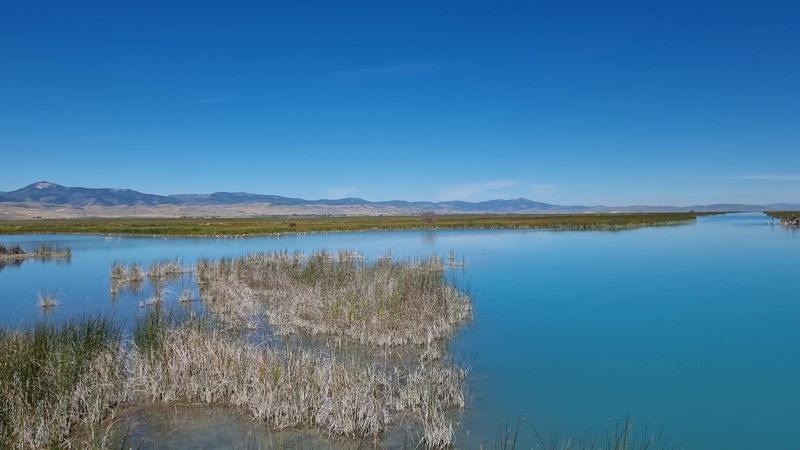
About 5,000 White-faced Ibis nest in this marsh, making it one of the largest colonies in the West. That’s a lot of curved beaks poking through the cattails.
Established in 1968, the refuge covers 18,050 acres just north of Bear Lake. Cattail marsh, open water, flooded meadows, and grasslands give birds plenty of room to spread out.
The guest list runs long. Sandhill cranes, herons, snowy egrets, white pelicans, and northern harriers all turn up, along with ospreys and the occasional moose.
Trumpeter swans are choosing this refuge for nesting more often, too. Come in May and you may catch hundreds of Canada goslings, with ducklings and young cranes following soon after.
The Salt Meadow Observation Route stays open year-round for cars and people on foot. Winter can make that road tricky, so plan around the weather in this corner of southeast Idaho.
Tens of thousands of birds use the marsh as either a nesting ground or a migration rest stop. Fishing, hiking, and quiet picnics round out the visit.
Bring a field guide with a lot of pages. With 161 bird species on record, you’ll be flipping often.
Address: 322 N 4th St, Montpelier, ID 83254
3. Minidoka National Wildlife Refuge
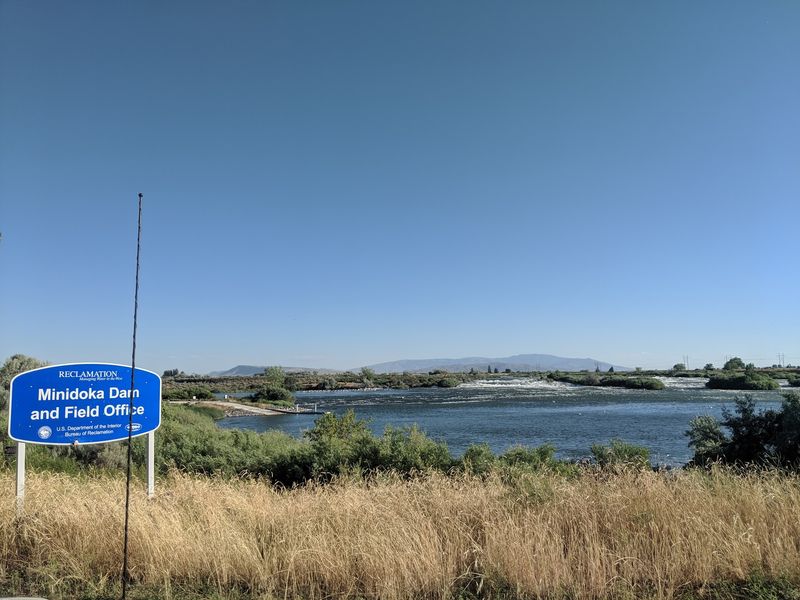
Theodore Roosevelt signed this refuge into existence on February 25, 1909. More than a century later, it guards around 80 miles of shoreline on Lake Walcott.
The refuge stretches 25 miles upstream from Minidoka Dam on the Snake River Plain. Sagebrush, grasslands, and scattered juniper patches sit among rough basalt outcrops.
That high-desert setting makes it key habitat for the greater sage-grouse. Over 350 other species use the area as well, which gives Magic Valley birders a lot to chase.
Headquarters sits inside Lake Walcott State Park, about 12 miles northeast of Rupert. The park side adds picnic tables, grills, a playground, swings, and a well-known disc golf course.
Songbirds often gather near the park and around the Tule Island access. Keep your binoculars handy while the kids burn off energy.
Roughly one-third of the lake opens to boats from spring through September. Some access roads may need a high-clearance vehicle, so pick your route with care.
The refuge itself has no entrance fee. Lake Walcott State Park charges its own day-use and camping fees, so plan for a few dollars.
Address: 961 Minidoka Dam Rd, Rupert, ID 83350
4. Deer Flat National Wildlife Refuge
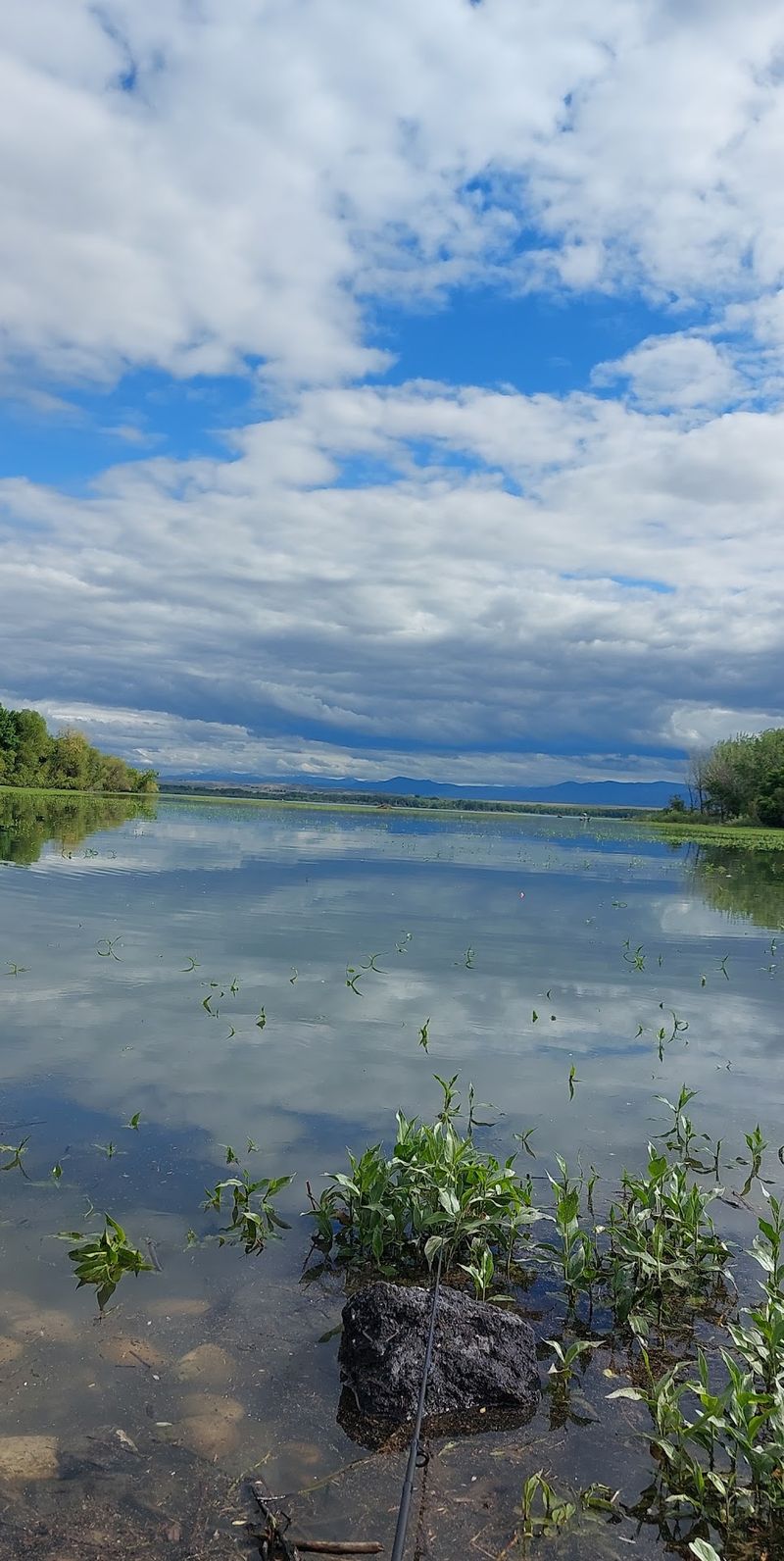
Owls and ospreys a short drive from Treasure Valley traffic? Deer Flat pulls it off, and it ranks among the oldest refuges in the national system.
Roosevelt established it in 1909 around Lake Lowell, an irrigation reservoir of nearly 9,000 acres. A second unit protects more than 100 islands scattered along the Snake River.
Watch for deer, hawks, ospreys, and owls along more than 10 miles of trails. The Observation Hill Trail leads to a platform with wide views over the Lake Lowell Unit.
Families get extra attention here. The visitor center has wildlife exhibits, an observation room, and a KidSpace area with hands-on activities.
You can even borrow binoculars, which beats squinting at a distant blur. The refuge has also hosted kid-friendly events like star parties and creepy crawly parties.
Dogs are allowed, and horseback riding, cycling, fishing, and boating all have a place. The Lower Dam Recreation Area opens seasonally from spring through September for picnics and swimming.
There’s no entrance or parking fee. For a Treasure Valley family on a budget, that might be the best sighting of the day.
Address: 13751 Upper Embankment Rd, Nampa, ID 83686
5. Camas National Wildlife Refuge Visitor Center
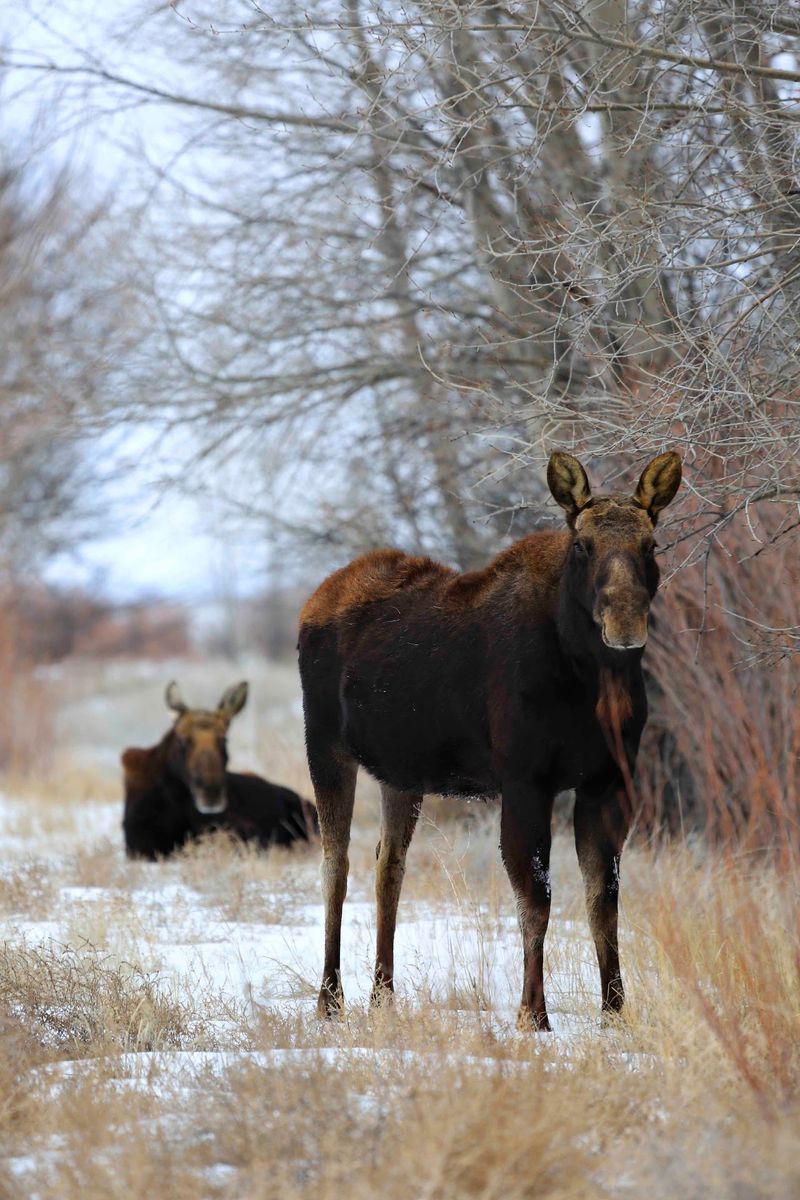
Five mountain ranges frame the view from this eastern Idaho refuge: the Tetons, Centennials, Beaverheads, Lemhis, and Lost Rivers. Not a bad backdrop for counting ducks.
The refuge covers about 11,000 acres of high-desert marsh near the farm community of Hamer. It’s an easy hop off Interstate 15, so it fits neatly into a road trip.
Spring and fall bring the big show. Swans, sandhill cranes, and flocks of waterfowl stop here to rest during migration.
Short on time? A 3.5-mile auto tour gives you a quick look at the wetlands.
The longer 7-mile loop passes more ponds and more chances for a good sighting.
Interpretive signs along the way explain what you’re seeing. Plenty of spots are ADA accessible, which opens the refuge to more visitors.
Birders around Rexburg rank this among the strongest birding stops in the region. Photographers find plenty to aim at, too.
One heads-up matters. Drier-than-usual conditions since summer 2024 have left many wetlands low or dry, so check conditions before driving out.
Address: 2150 E 2350 Rd N, Hamer, ID 83425
6. Market Lake Wildlife Management Area – Idaho Fish And Game
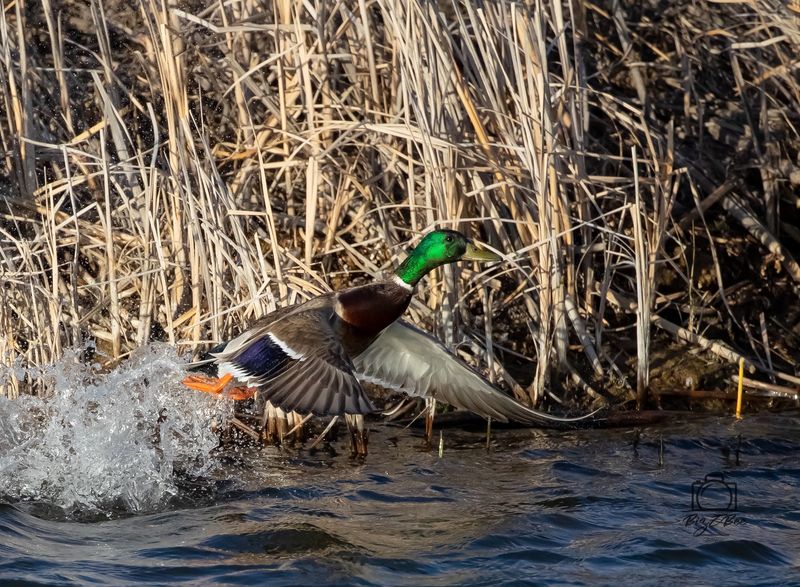
Last on the list, and the only one run by the state instead of the federal government. Idaho Fish and Game manages this wetland area near Roberts.
Farmland surrounds it on most sides in eastern Idaho. That makes the marsh a welcome stop for birds moving through the region.
Migration is the main event here. Several trails let you follow the different migratory species as they pass through the area.
A wildlife viewing blind is a favorite feature. It lets you sit tucked out of sight while birds go about their business nearby.
Patience gets rewarded in a blind. Birds that flush at the first footstep often settle back once you stay still and quiet.
Some activities are restricted at certain times of year. Those limits protect nesting and migrating wildlife, so read posted signs before heading down a trail.
Pair it with a trip to Camas, since both sit in the same stretch of eastern Idaho. You could cover two strong birding stops in a single day.
Pack water and snacks, and keep your plans flexible. Wildlife rarely sticks to a schedule, even for the most dedicated watcher.
Address: 804 N 2900 E, Roberts, ID 83444