These 10 North Carolina Places Can Only Be Reached By Boat Or Ferry
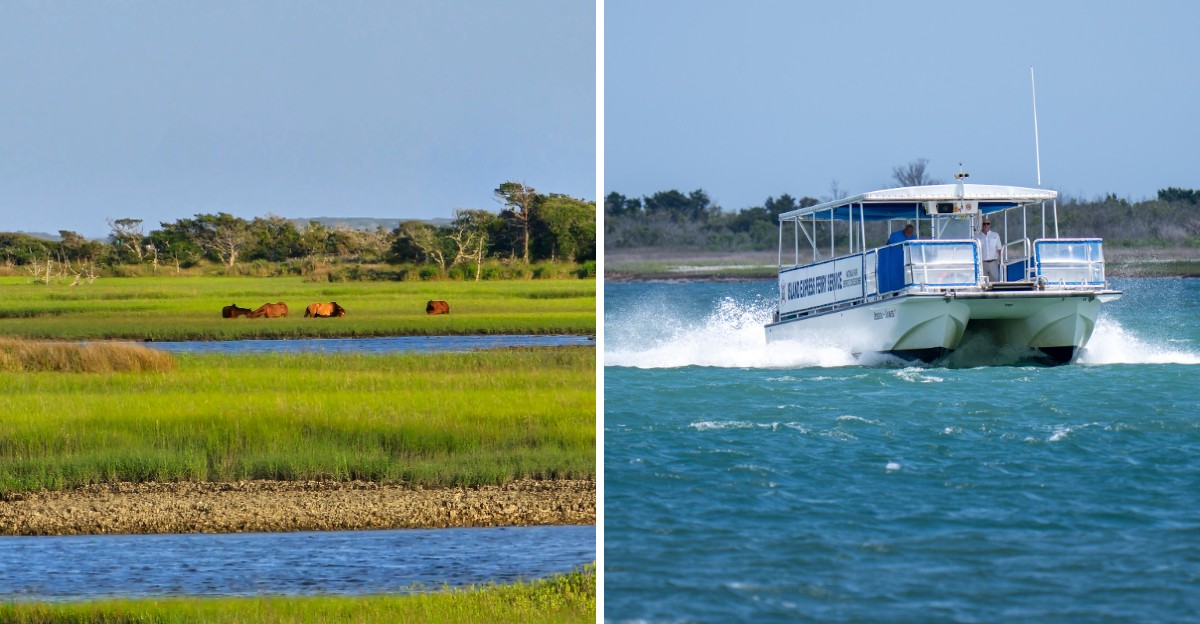
Leaving the car behind is usually inconvenient.
Here, I think it is half the fun.
Some North Carolina coastal escapes only begin once a ferry pulls away from the dock or a kayak starts cutting across the water.
One island even bans cars completely, which means the usual road-trip rhythm disappears the moment I arrive.
Another stretch of coast has wild horses roaming the sand, with roots possibly tied to Spanish arrivals centuries ago.
I like how unreachable these places still feel.
The extra effort keeps them quieter and makes stepping ashore feel like a reward instead of another stop.
Some destinations give me a few comforts once I arrive.
Others expect me to bring what I need and leave nothing behind.
Either way, I would gladly trade the steering wheel for a boat ride if this is what waits on the other side.
10. Old Baldy Lighthouse And Smith Island Museum
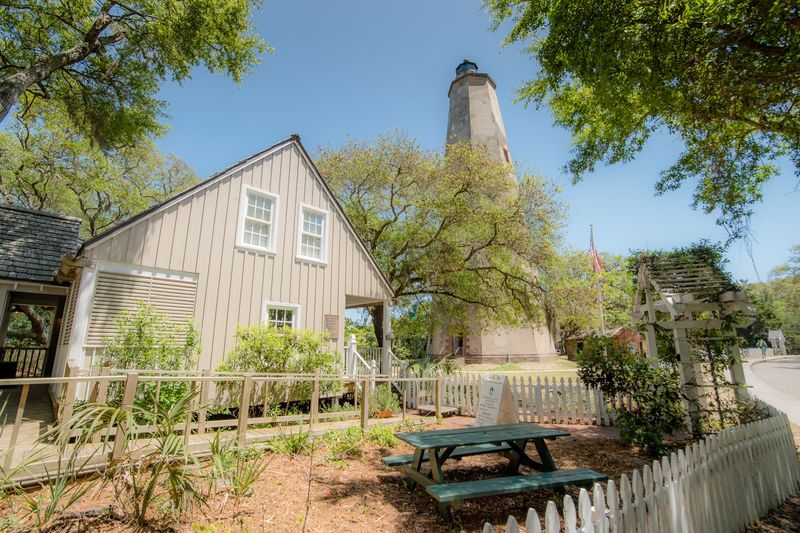
Leave your car keys in your pocket, because they won’t help you here. Bald Head Island doesn’t allow personal vehicles, so the adventure starts with a ferry ride.
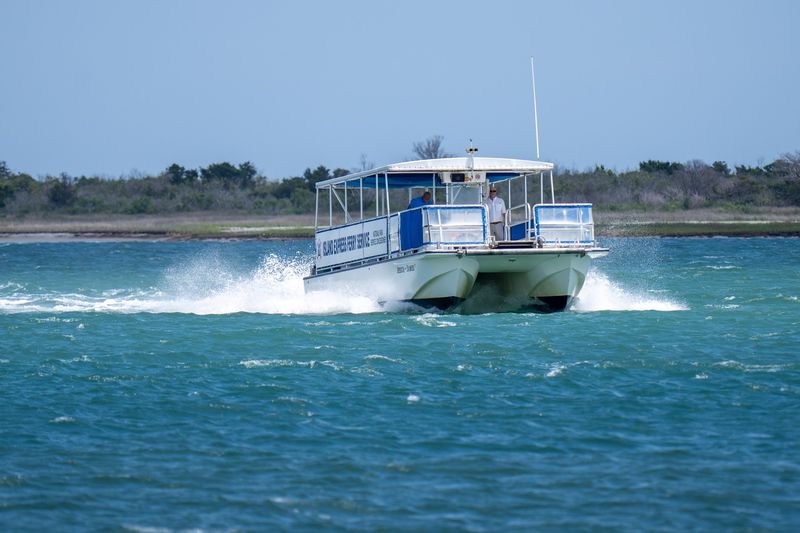
The passenger ferry leaves from Deep Point Marina in Southport. The trip takes about 20 minutes, which is just enough time to spot the island growing closer.
Once you land, golf carts, bikes, and walking shoes take over. Old Baldy waits for you as the oldest lighthouse on the North Carolina coast.
Climbing to the top is the big draw. The views stretch over the island’s beaches, marshes, and trees, so bring your phone fully charged.
Tours are offered, and the guides know their history. You’ll also find the Smith Island Museum, which shares maritime exhibits about the island’s past.
Need a souvenir? A gift shop sits on site, along with restrooms and a picnic area for a lunch break.
Plan your timing carefully. The lighthouse is open Tuesday through Saturday from 10 AM to 3:30 PM and closed Sunday and Monday.
Kids tend to enjoy the climb and the bike rides around the island. Renting a golf cart is handy if little legs get tired fast.
After the lighthouse, you can explore nature trails or head to the beach. East Beach is known for shelling, while South Beach feels more classic.
It makes a fantastic day trip from the mainland. The slower pace might even make you forget what traffic looks like.
9. Shackleford Banks
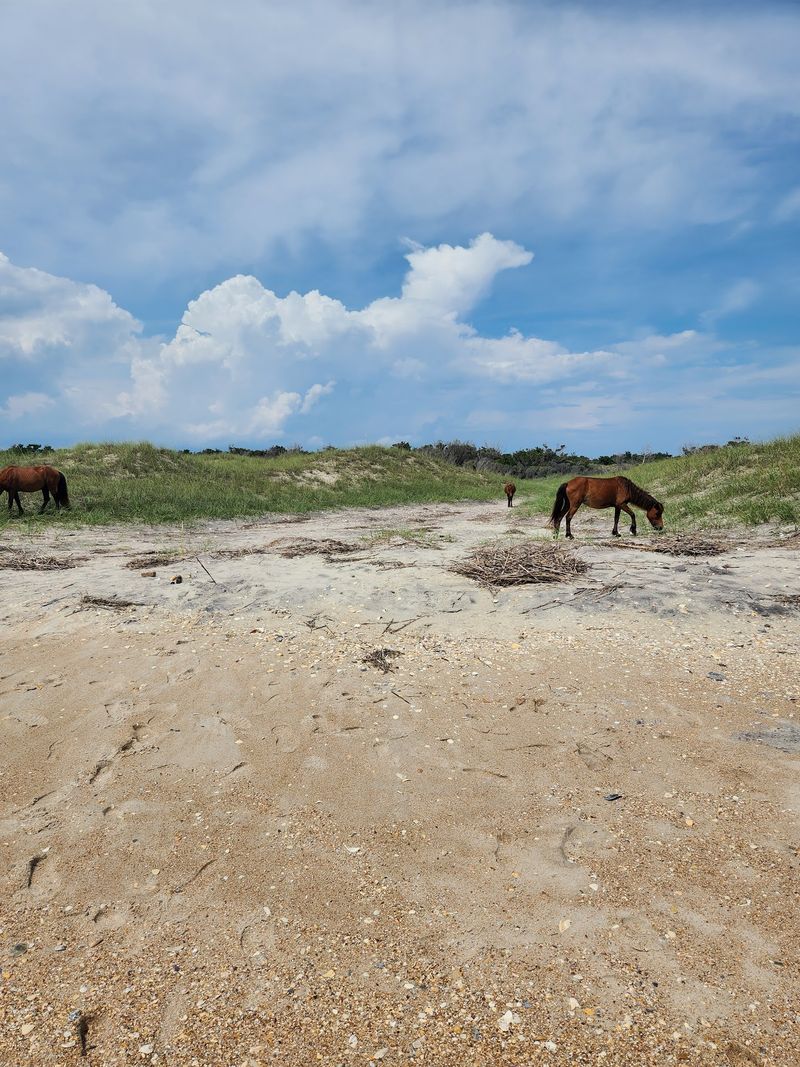
Wild horses with a possible shipwreck backstory? Shackleford Banks delivers exactly that, and you’ll need a boat to meet them.
The island stretches approximately 8 miles along the North Carolina coast, with wild horses roaming its beaches and maritime habitats.
The famous Banker horses are the stars of the show. Many people believe they descend from Spanish horses that survived a shipwreck in the 1500s.
The herd usually numbers between 100 and 130 horses. The National Park Service and the Foundation for Shackleford Horses work together to manage them.
Give the horses plenty of space. They’re wild animals, not petting zoo ponies, and they deserve their peace.
Ferry shuttles drop off and pick up at the easternmost end of the island. From there, you can shell, swim, and wander along unspoiled beaches.
Amenities are few, so pack smart. Bring water, food, shade, and a bag to carry out your trash.
History buffs will love this detail. A settlement called Diamond City once held about 500 residents before an 1899 hurricane pushed people to leave.
Want to stay longer than a day? Primitive tent camping is allowed without a permit for most visitors.
Groups of 25 or more must obtain a special-use permit from the National Park Service.
The island is open year-round, weather permitting. Spring and fall can be lovely times to visit when the summer crowds thin out.
8. Cape Lookout
Black and white diamonds aren’t just for checkerboards. Cape Lookout Lighthouse got its famous diamond pattern in 1873 so sailors could tell it apart from other lighthouses.
Getting there is half the fun. A ferry from Harkers Island takes about 15 minutes and drops you off near the lighthouse on South Core Banks.
The Cape Lookout Lighthouse is currently closed to climbing while a major stabilization project continues. Visitors can still enjoy surrounding beaches and parts of the historic grounds, although construction fencing and scaffolding affect the experience.
The nearby Keeper’s Quarters Museum operates seasonally and may have temporary closures.
Even from the ground, there’s plenty to explore. The Keeper’s Quarters holds a museum, and the Light Station Visitor Center runs seasonally from mid-March through October.
The beaches here are undeveloped, which means wide open sand and lots of shells. Swimming, fishing, camping, and birding are all popular ways to spend the day.
Bring what you need, since this isn’t a boardwalk town. Water, snacks, and sunscreen should ride along with you.
Night owls, take note. Cape Lookout National Seashore is certified as an International Dark Sky Park, so the stars can put on quite a show.
Saturdays tend to be the busiest time. A weekday visit may give you more room to roam.
7. Portsmouth Island
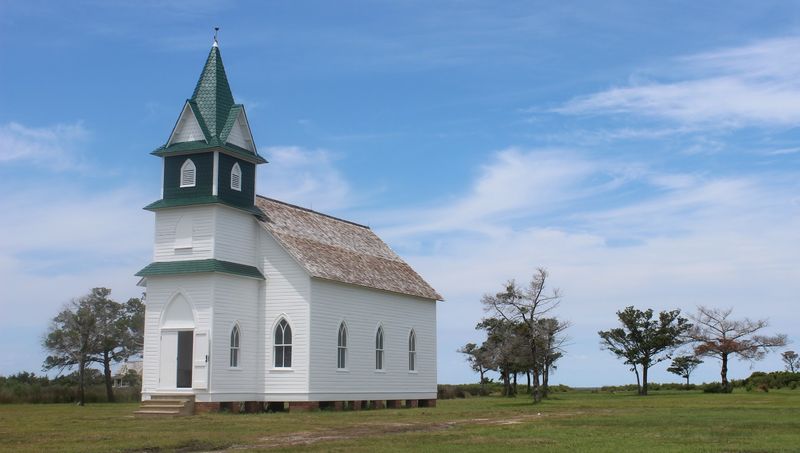
A whole village with no residents sounds like the start of a mystery novel. Portsmouth Village on North Core Banks is a real place, and it’s waiting for curious explorers.
This 19th-century settlement once bustled with island families. Today, its preserved buildings let you peek into their daily lives.
You can explore old homes, a church, a post office, and a general store. A U.S.
Life-Saving Service station still stands as a reminder of daring ocean rescues.
There’s no road to get here. Ocracoke Inlet and Core Sound keep the island separated from the rest of North Carolina.
Passenger ferries can carry you over from Ocracoke. Some shuttle trips take visitors to the village first and then to the beach.
A seasonal vehicle ferry from Atlantic provides access to other parts of North Core Banks, but it does not offer direct vehicle access to historic Portsmouth Village. Visitors heading to the village generally take the passenger ferry from Ocracoke or arrive by private boat.
Beyond the village, you’ll find miles of beaches and salt marshes. Fishing, shelling, and camping are popular ways to fill the hours.
Stick around after sunset if you can. The dark skies here can show off the Milky Way in a way city lights never allow.
Special events, like the Portsmouth Homecoming, are sometimes held here. Those gatherings bring the village’s stories back to life for a day.
Pack bug spray along with your snacks. Marsh country can get buzzy, and you’ll be glad you planned ahead.
6. Bear Island
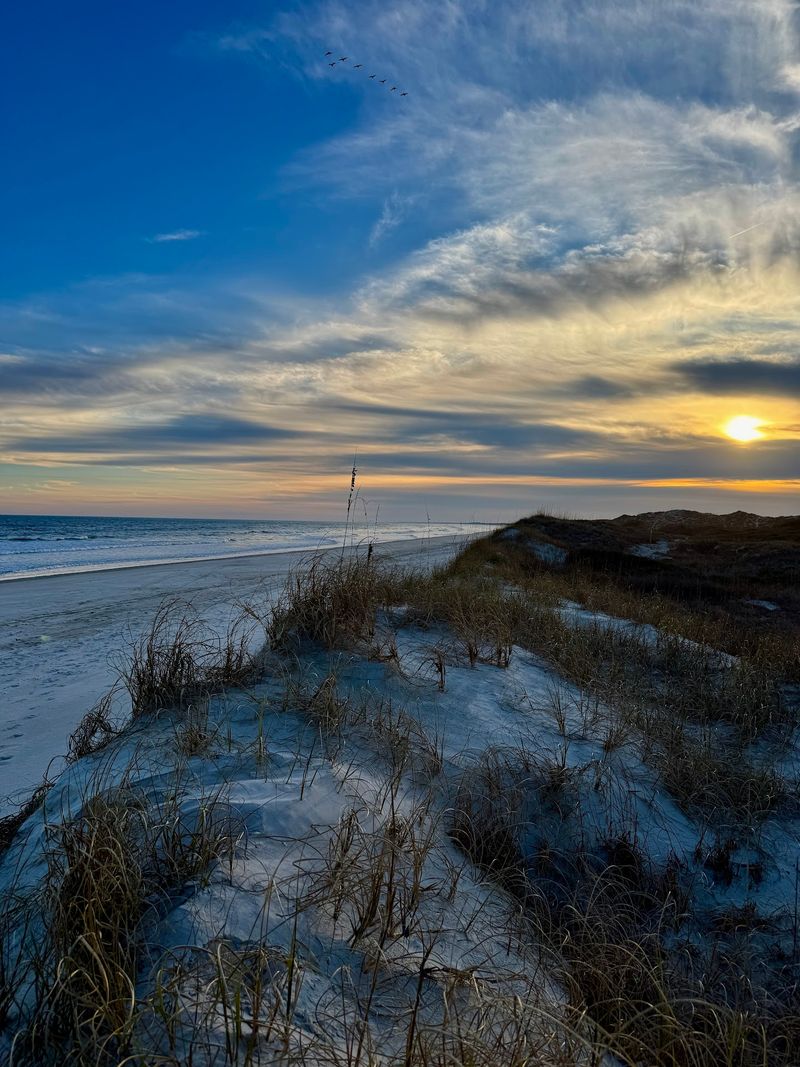
Some beach trips start with a parking lot. Bear Island starts with a boat ride, and honestly, that’s a much better opening act.
This undeveloped barrier island is about four miles long. It’s the crown jewel of Hammocks Beach State Park near Swansboro.
The park runs a passenger ferry from April to October. You can also paddle over by canoe or kayak if you like earning your beach time.
Once you arrive, a boardwalk leads you toward the sand. The beaches are wide and uncrowded, which feels like a rare treat in summer.
Comfort is easier here than on many wild islands. You’ll find a bathhouse, restrooms, covered picnic areas, and outdoor showers.
Craving a cold drink? A concession stand sells drinks and snacks from Memorial Day through Labor Day.
Fishing and shelling are both popular. During nesting season, loggerhead sea turtles use the beach, so give any marked nests plenty of room.
Camping is allowed at primitive campsites. You’ll need a permit from the park office before you set up your tent.
Nights can be especially dreamy here. With very little light pollution, the sky can sparkle like someone spilled glitter overhead.
Check ferry times before you go so you don’t miss the last ride back. Swimming home is not a recommended plan.
5. Masonboro Island Reserve
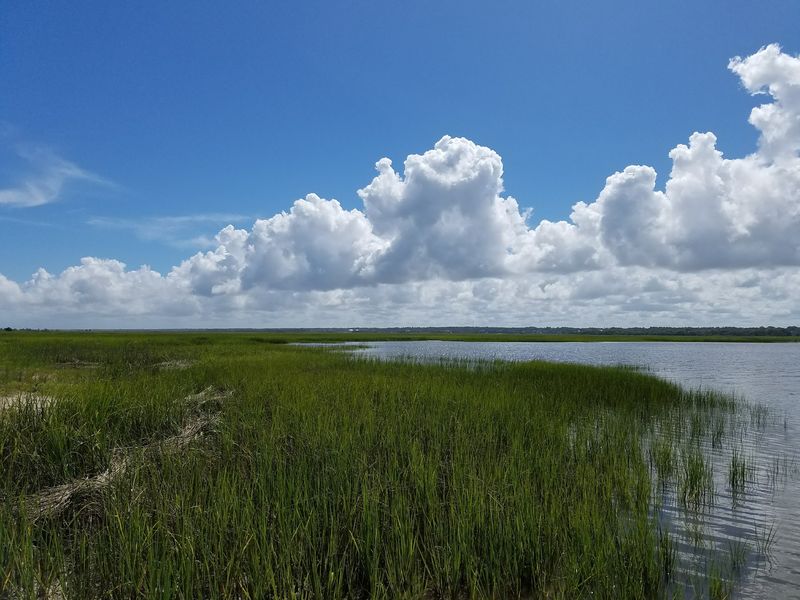
Wilmington’s busy beach scene sits just a paddle away from a very different world. Masonboro Island stays wild, quiet, and refreshingly free of souvenir shops.
The reserve stretches about 8.4 miles long. The Intracoastal Waterway sits on one side, and the Atlantic Ocean rolls in on the other.
You’ll need a boat, kayak, canoe, or paddleboard to get here. Private ferry services also carry visitors across for a fee.
This island exists to protect coastal habitats for research and education. Birds, fish, and sea turtles depend on its marshes, creeks, and beaches.
Pick your water carefully. The ocean side can have rough waves, while the sound side tends to be calmer and better for floating.
Paddlers and anglers love this spot. Kayak fishing and birding are both popular, and boaters often anchor along the shoreline.
Planning a night out there? Primitive camping is allowed for up to two nights in a row in previously used areas.
There are no restrooms or stores on the island. Follow Leave No Trace rules and carry out every bit of waste you bring.
Dogs are allowed, so your four-legged buddy can join the fun. Keep them away from protected bird areas, though.
Families will find plenty to explore together. Just pack extra water, because the island won’t hand you any.
4. Rachel Carson Reserve
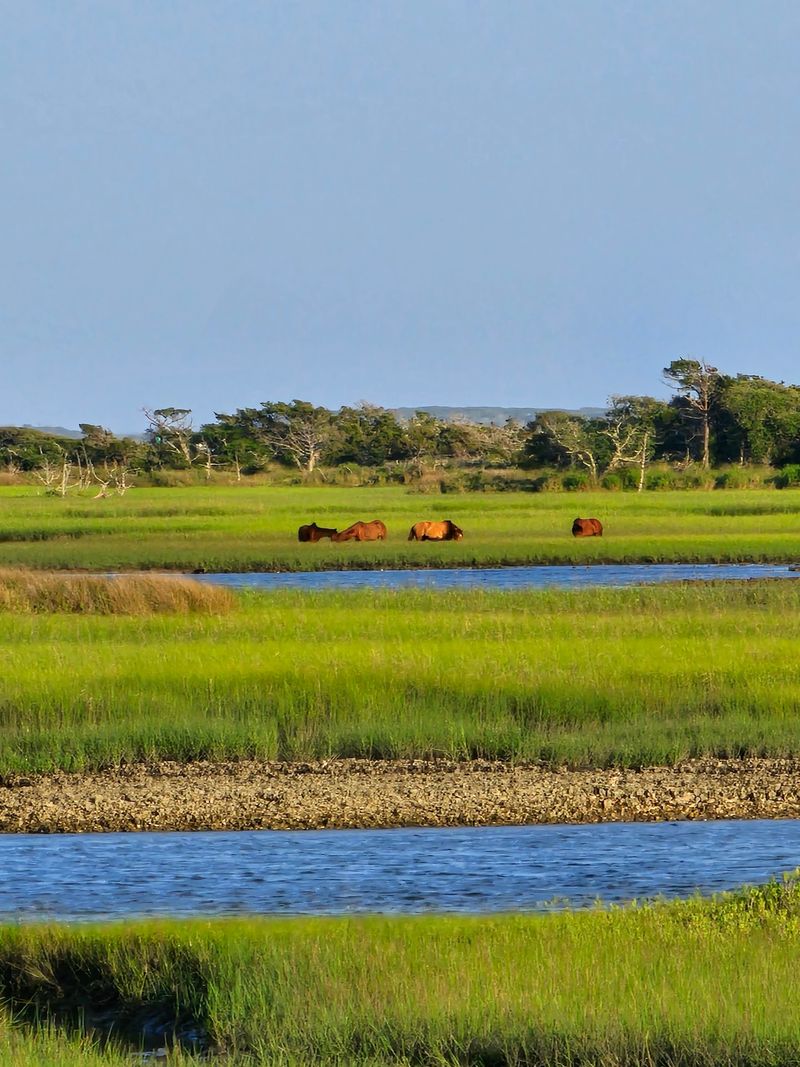
From the Beaufort waterfront, wild horses can be grazing just across the water. That view alone makes the Rachel Carson Reserve hard to resist.
The reserve sits across Taylor’s Creek and includes several islands. Carrot Island is the best-known piece of the puzzle.
There’s no bridge, so you’ll arrive by small boat, ferry service, or kayak. Paddling over can be a calm, pretty trip on a nice day.
About 30 wild horses live here. They descend from livestock left on the island in the 1940s by an early Beaufort resident.
Stay at least 50 feet away from the horses. That keeps them wild and keeps you from getting an unexpected lesson in horse manners.
Bird lovers, grab your binoculars. More than 200 bird species have been spotted across the tidal flats, marshes, and maritime forest.
A 1.1-mile loop trail lets you explore on foot. You can stretch your walk out to Bird Shoal for quieter beaches.
Kids usually enjoy the easy hikes and animal spotting. Dogs are welcome too, so the whole crew can come along.
The reserve became part of the North Carolina National Estuarine Research Reserve in 1985. Its name honors Rachel Carson, the famous nature writer.
Check the tides before you paddle. The flats can change quickly, and nobody wants to drag a kayak through mud.
3. Springer’s Point Preserve
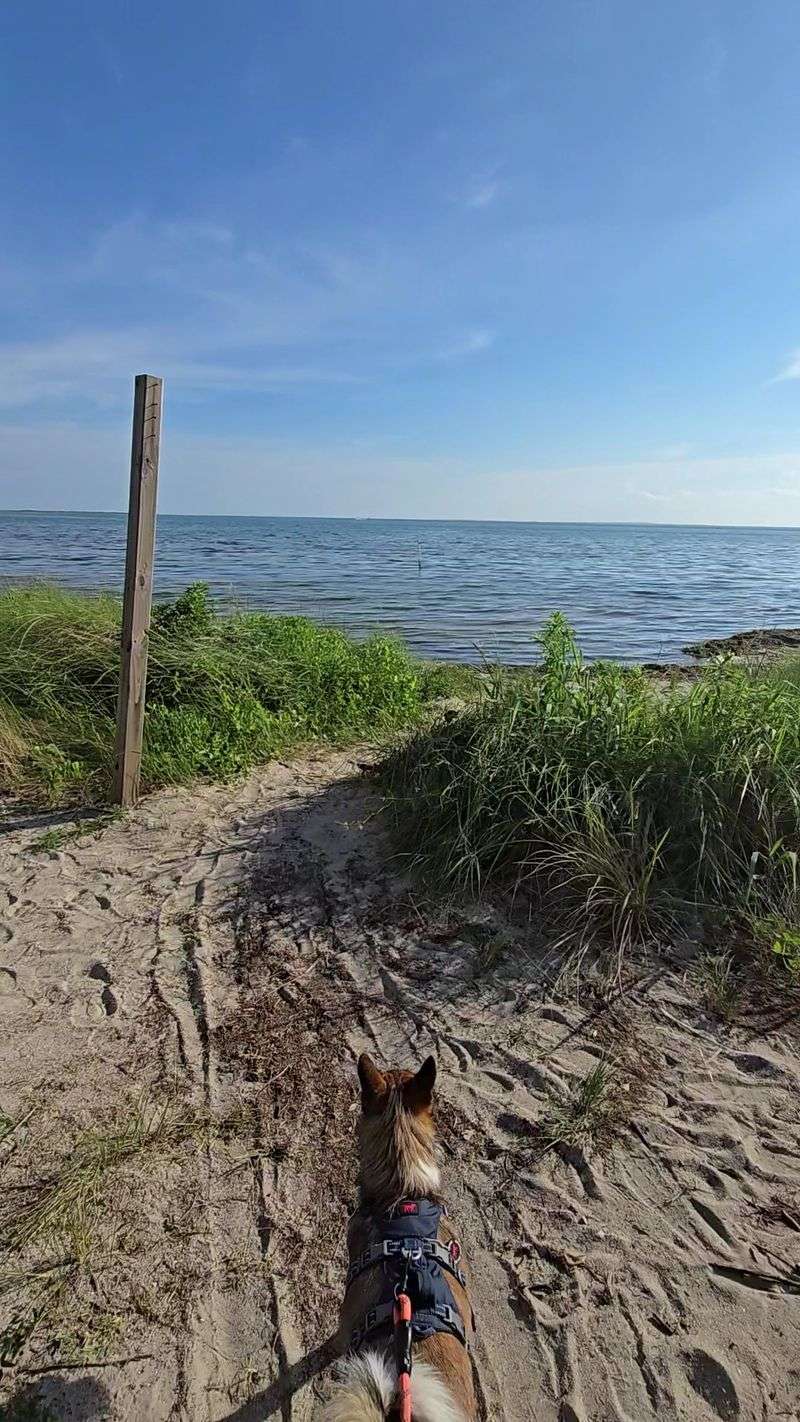
Ocracoke Island has no bridge to the mainland, so a ferry or boat is your ticket in. Springer’s Point Preserve rewards that effort with a short, shady stroll to the water.
The trail winds through maritime forest. It’s easy enough for most walkers, which makes it a great pick for a relaxed afternoon.
Signs along the path share fun facts about plants and local history. You’ll learn something without feeling like you’re stuck in class.
Benches give you spots to rest along the way. They’re also handy if you just want to listen to the breeze for a minute.
The path ends at a small beach. From there, you get a lovely view of Ocracoke Inlet.
The North Carolina Coastal Land Trust protects this land. Thanks to that work, the forest stays natural instead of turning into rows of rental homes.
The preserve welcomes visitors Tuesday through Sunday from 8 AM until sunset and remains closed on Mondays. There is no on-site parking, so walk or ride a bicycle to the entrance, then explore the trails on foot.
Bring bug spray, especially in warmer months. Forest trails near the water can attract plenty of tiny, hungry visitors.
Pair this walk with a ferry day to the island. It’s a perfect leg-stretcher after sitting on the boat.
Sunset fans may want to linger near the inlet. Just make sure you head out before closing time.
2. Bald Head Island Conservancy
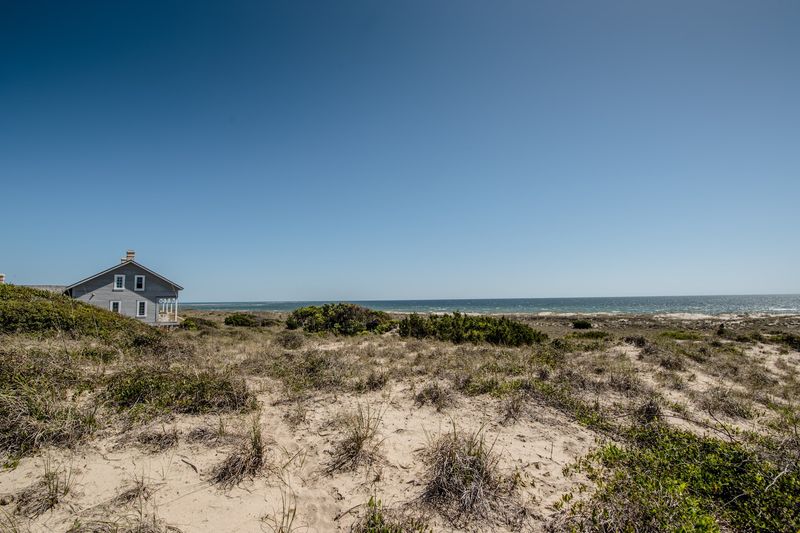
Wildlife on Bald Head Island has a team in its corner. The Bald Head Island Conservancy works to protect the island’s natural side.
Like the rest of the island, it’s only reachable by water. You’ll ride the passenger ferry from Southport or arrive by private boat.
Once you’re on the island, swap the car for a golf cart or bike. That slower pace fits right in with a visit focused on nature.
The Conservancy’s office is open Monday through Friday from 9 AM to 4:30 PM. Its Fleming Education Center and Turtle Central shop have separate visiting hours, so check which facility you want to visit before planning your ferry trip.
One of its key roles is helping wildlife in trouble. The group runs a Wildlife Emergency Hotline for injured or stranded animals.
That’s a handy thing to remember while you explore. If you spot an animal that needs help, don’t try to rescue it yourself.
A stop here pairs nicely with the rest of the island. Beaches, marshes, and maritime forest are all close by for exploring.
East Beach is known for shelling. Collect empty shells only, and leave living creatures where you found them.
Kids who love animals may find this stop especially exciting. It gives the beach day a bigger purpose.
Visiting here is a nice way to give back. The more people care about these islands, the better chance they have to stay wild.
1. Ocracoke Preservation Society
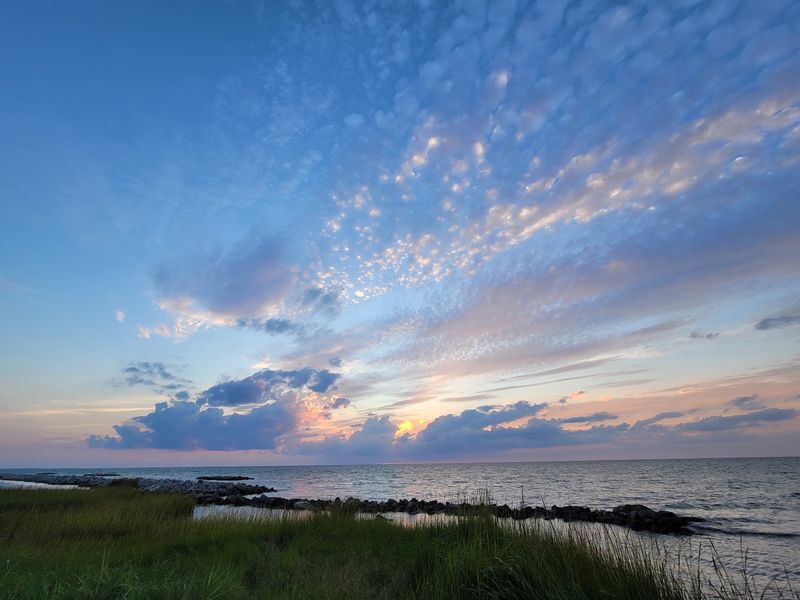
Ever heard the Ocracoke accent? This little museum has a video about the local way of talking, and it might be the most charming lesson you’ll get all summer.
The Ocracoke Preservation Society runs a small museum in Ocracoke Village. It shares the story of island life through artifacts, photos, and period decor.
Getting here takes some planning. State ferry routes carry visitors across Pamlico Sound or Hatteras Inlet, and private boats can make the trip too.
Inside the house, rotating exhibits keep things fresh. You might learn something new even if you’ve visited before.
The staff know their stuff. They can share history about both Ocracoke and nearby Portsmouth Island.
That connection makes this a smart stop before or after a Portsmouth trip. The two islands share deep roots.
A gift shop offers a chance to bring home a souvenir. Books and island keepsakes beat another plain T-shirt any day.
Check the hours before you go. The museum is open Monday through Saturday from 10 AM to 3 PM and closed Sunday.
There’s no restroom at the museum, so plan a pit stop ahead of time. Parking is free, which is always a nice surprise.
It’s family friendly and great for kids who ask a lot of questions. In North Carolina, few places tell an island story quite this well.