A Family Lived Inside These Nebraska Sod Walls Until 1959, And The 1900 House Still Stands Today
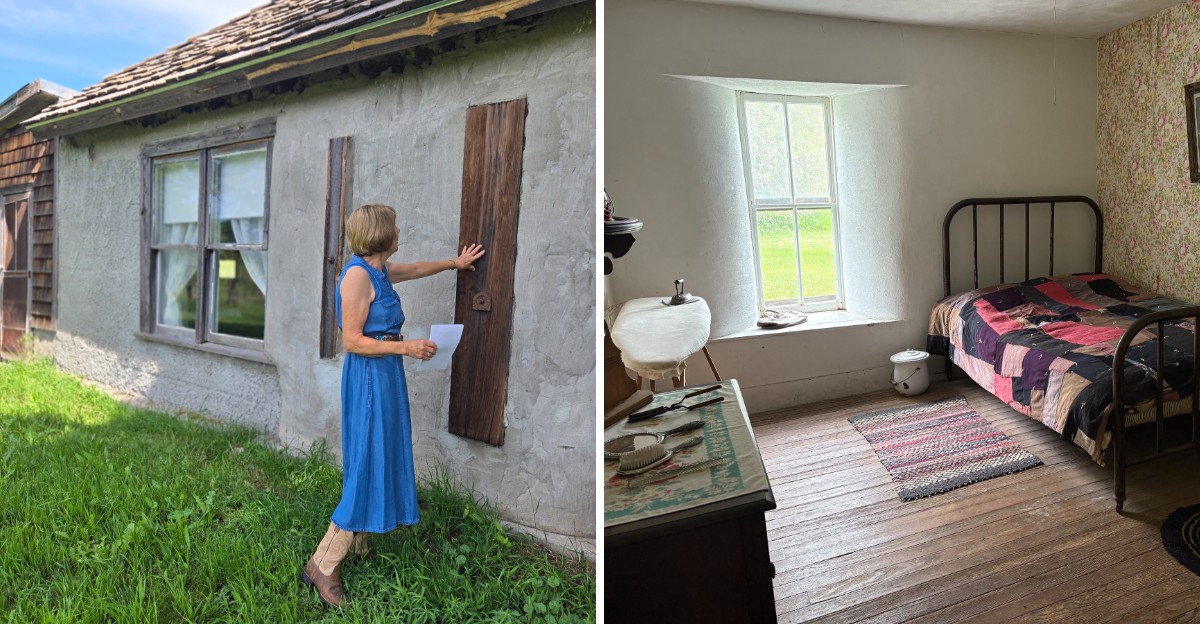
A family in central Nebraska lived inside walls made of prairie dirt until 1959. That is not a typo.
The house went up in 1900, and people called it home for almost six decades.
The walls came straight from the ground, cut into grassy strips of sod and stacked like oversized bricks. Concrete was later added to the outside to help those old walls keep standing.
I like how close this history feels. Your grandparents could easily have known someone who slept under a roof just like this one.
Today the little house sits out in quiet farm country, still cared for by the family behind it. It even earned a place on the National Register of Historic Places.
So how does a home built from dirt outlast so many built from wood?
A Dirt-Walled Homestead Waiting In Custer County Farm Country
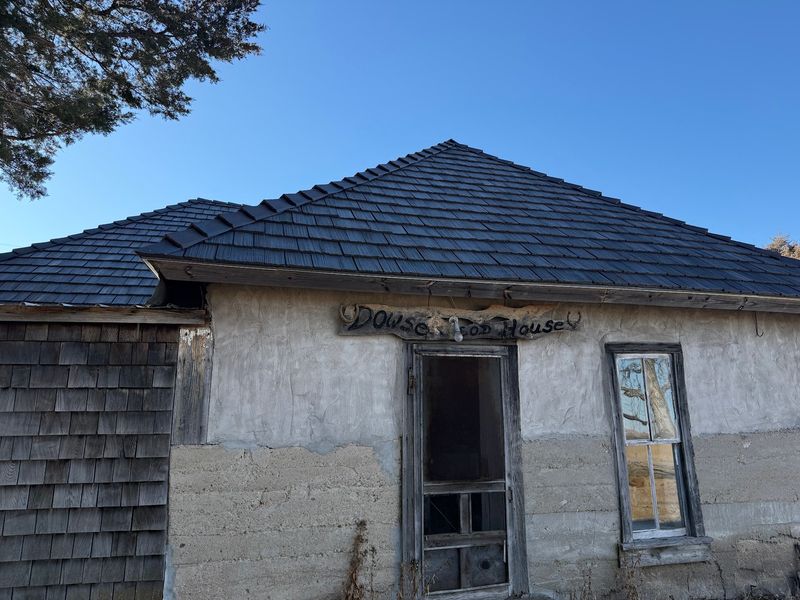
Out in the rolling farmland of Custer County sits the William R. Dowse House, better known to many Nebraskans as the Dowse Sod House.
It’s a real pioneer home, built from strips of prairie earth instead of lumber or brick.
The house stands near the small village of Comstock, in the central part of the state. You won’t find a gift shop, a big parking lot, or flashing signs pointing the way.
What you will find is a rare survivor. Thousands of sod houses once dotted Nebraska, and most of them melted back into the land long ago.
That makes the Dowse home special right from the start. It’s one of the few places where you can stand beside walls that were cut from the ground over a century ago.
The house is officially listed as a historical landmark. It also carries a spot on the National Register of Historic Places, which tells you how much it matters to Nebraska history.
Think of it as a time capsule with a dirt exterior. The rest of this story explains how it lasted, who lived there, and why it’s worth a slow afternoon drive.
The Early Settler Who Built It In 1900
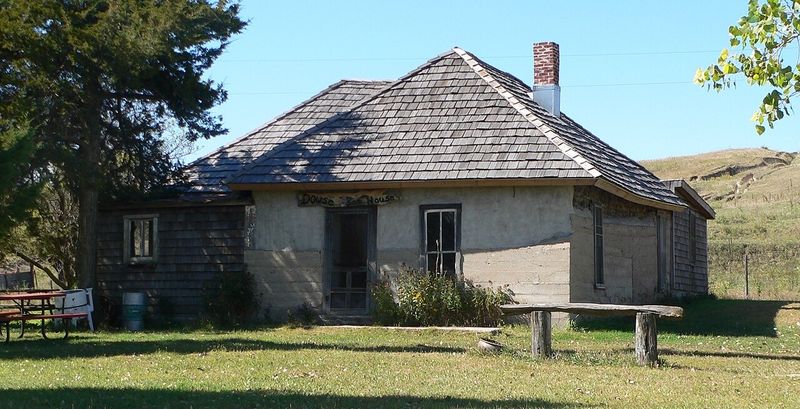
William R. Dowse put up this house in 1900.
He counted among the earliest settlers to make a life in Custer County, back when the land still looked mostly untouched.
Settlers on the Nebraska plains faced one big problem right away. Trees were scarce, so building a wooden house meant hauling expensive lumber over long distances.
The answer was under their boots. Thick prairie grass held the soil together with tangled roots, making it strong enough to cut and stack.
Dowse used that same practical approach. He built a home from the land he planned to farm, which kept costs down and got his family under a roof.
The year 1900 is worth pausing on. By then, many settlers were trading their soddies for frame houses as railroads brought in cheaper lumber.
Building with sod at that point showed a real commitment to the old ways. It also turned out to be a smart bet, since the house is still around to tell the tale.
Not bad for a building project that started with a plow and a strong back.
Grass, Roots, And Soil Stacked Into Sturdy Walls
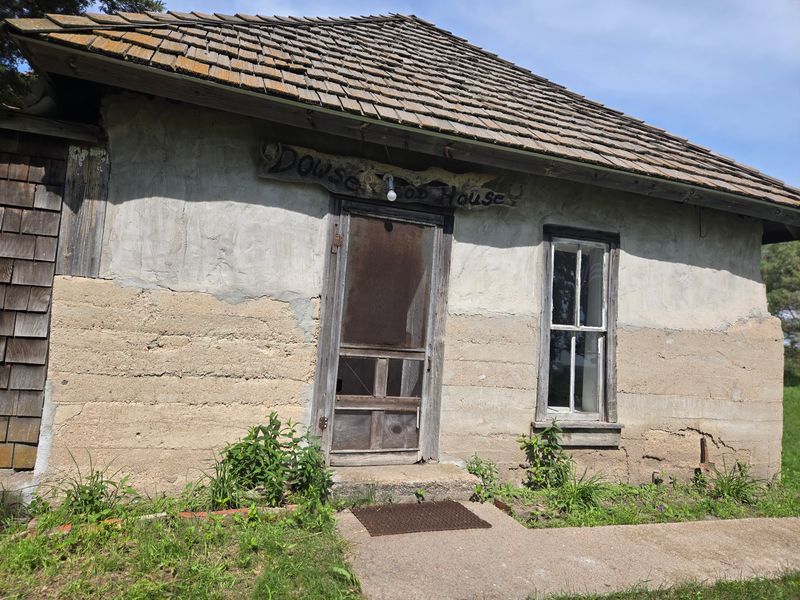
Sod bricks sound like a joke until you learn how they work. Settlers cut long strips of grassy turf, then chopped them into blocks that could weigh a surprising amount.
Those blocks went up grass side down, layer after layer. The tangled roots acted like a natural glue, binding each piece to the next.
The result was a thick, heavy wall. Thick walls helped keep the inside cooler in summer and warmer during brutal plains winters.
Of course, dirt walls came with quirks. Rain, wind, and time could wear them down, and keeping a soddy in shape took steady work.
That’s what makes the William R. Dowse House so interesting to see in person.
You’re looking at building methods that most Nebraska families abandoned generations ago.
Each wall tells a quiet story about patience. Someone measured, cut, lifted, and stacked every single block by hand.
Run the numbers on that in your head, and suddenly your weekend home projects seem pretty tame. Good luck complaining about assembling a bookshelf after picturing this.
Nearly Sixty Years Of People Calling It Home

Here’s the detail that surprises most people. The Dowse Sod House wasn’t a short-term shelter abandoned after a few hard winters.
People lived in it until 1959. That’s nearly six decades of meals, chores, birthdays, and ordinary days inside walls made of prairie earth.
Consider what changed outside during those years. Cars replaced wagons, radios arrived, and much of rural Nebraska modernized around this little house.
Yet the dirt walls kept doing their job. A home built in 1900 was still sheltering folks during the same decade that gave us rock and roll.
That long run is a big reason the house survived at all. A building that stays lived in usually gets patched, fixed, and watched over.
Many sod houses fell apart soon after families moved out. Without daily care, rain and wind slowly wore the walls away.
So the Dowse home had a head start on preservation. Decades of steady use kept it standing long enough for later generations to step in and save it for good.
A 1982 Restoration That Gave The House A Second Life
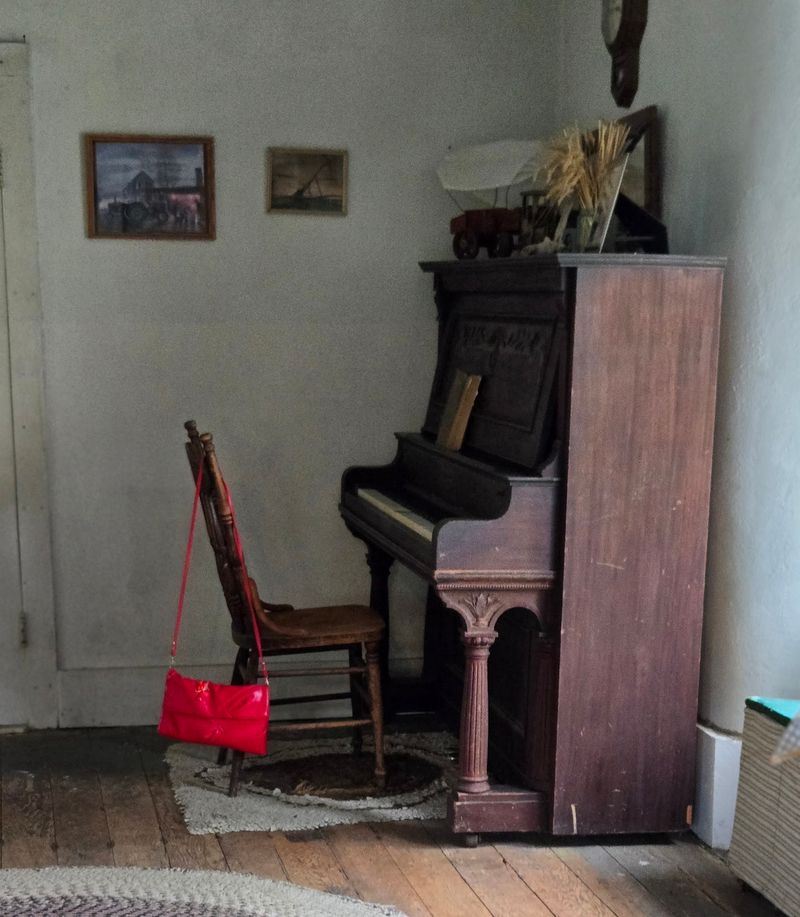
After the last residents moved out in 1959, the house faced the usual threat. Empty sod buildings on the Nebraska prairie rarely last long on their own.
In 1982, the house was restored and opened as a museum. That effort turned a fading family home into a place where anyone could come learn about pioneer life.
Restoration work on a sod house is no small task. Builders have to respect the original methods while making sure the structure can handle many more years.
The goal was simple but tricky. Keep the character of the old soddy while protecting it from the weather that destroyed so many others.
Thanks to that work, the William R. Dowse House avoided the fate of its neighbors.
Instead of becoming a bump in a pasture, it became a landmark.
Updates have continued over the years too. Like any old home, it needs regular attention, and plans have included a new roof to keep it snug.
Every repair adds another chapter. The house keeps going because people keep showing up for it.
Concrete Armor For Century-Old Earthen Walls
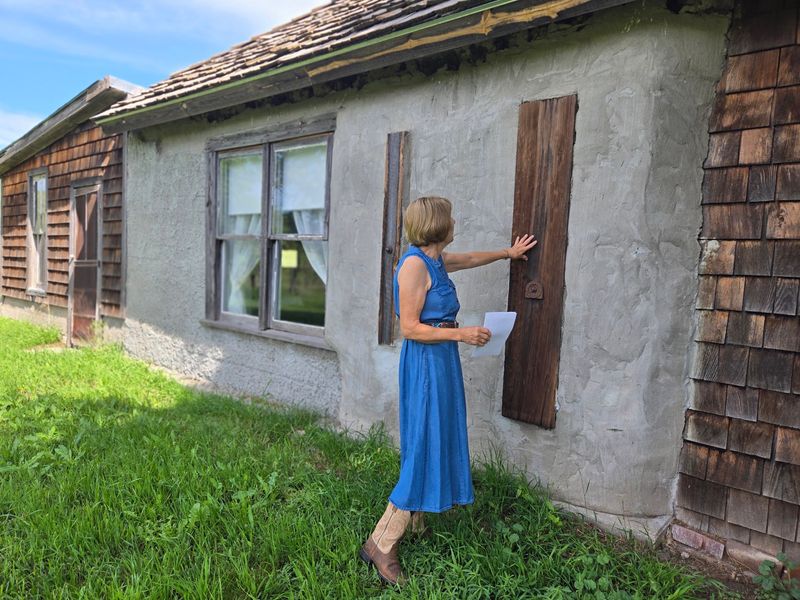
Dirt and concrete make an odd couple. At the Dowse Sod House, they work together to keep history upright.
The outer walls have been reinforced with concrete for structural strength. That protective layer helps shield the old sod from rain, wind, and the slow wear of Nebraska seasons.
Purists might raise an eyebrow at first. But without some help, sod walls simply don’t last forever outdoors.
The reinforcement is a practical trade. It lets the original earthen structure stay in place instead of crumbling away bit by bit.
You can think of it like a sturdy raincoat. The house underneath is still the same old soddy, just dressed for the weather.
That choice reflects a common challenge in preservation. Caretakers have to balance looking authentic with actually surviving another hundred years.
For visitors, it’s a neat lesson in how historic buildings are kept alive. Saving a place sometimes means adding modern help so the old parts can stay put.
Honestly, the pioneers who built these homes would probably approve. They were nothing if not practical.
Official Recognition On The National Register
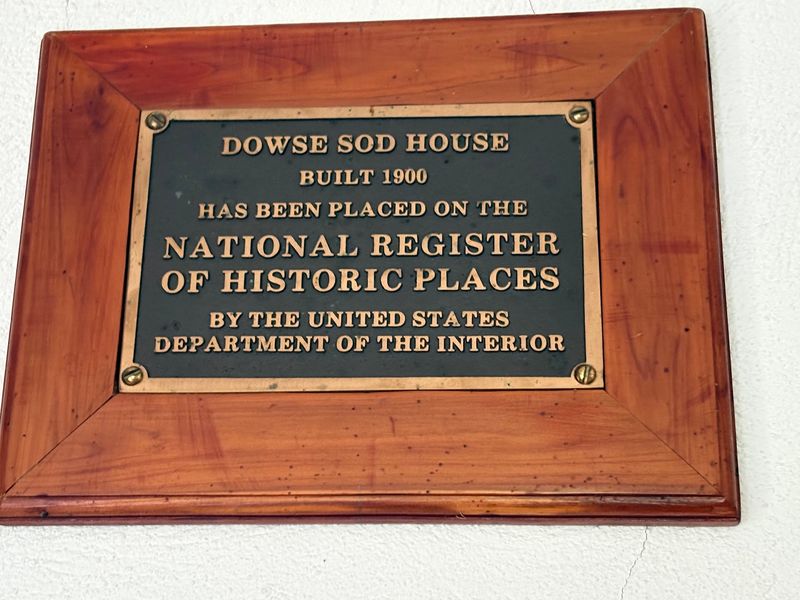
Not every old farmhouse makes the National Register of Historic Places. The William R.
Dowse House did, and that honor says a lot.
The Register recognizes buildings and sites that hold real value for American history. Earning a spot means the house was judged significant enough to document and protect.
For a sod house, the listing carries extra weight. These homes shaped the settlement of Nebraska, yet so few remain standing for anyone to study.
Each surviving soddy helps fill in the picture of homestead life. The Dowse home shows how settlers adapted to a land with endless grass and very few trees.
The listing also helps explain why people care so much about upkeep here. A historic designation comes with a sense of responsibility to keep the place in good shape.
It’s a point of pride for Custer County too. The area has deep roots in sod house history, and this building stands as living proof.
Plenty of famous Nebraska buildings are made of stone and steel. This one earned its place with dirt and determination.
Family Caretakers Who Keep The Story Going
Some museums run on big budgets. The Dowse Sod House runs on something more personal: a family that loves it.
The house has been well loved and preserved by the Dowse family over the years. That kind of devotion gives the place a warmth that a corporate attraction can’t copy.
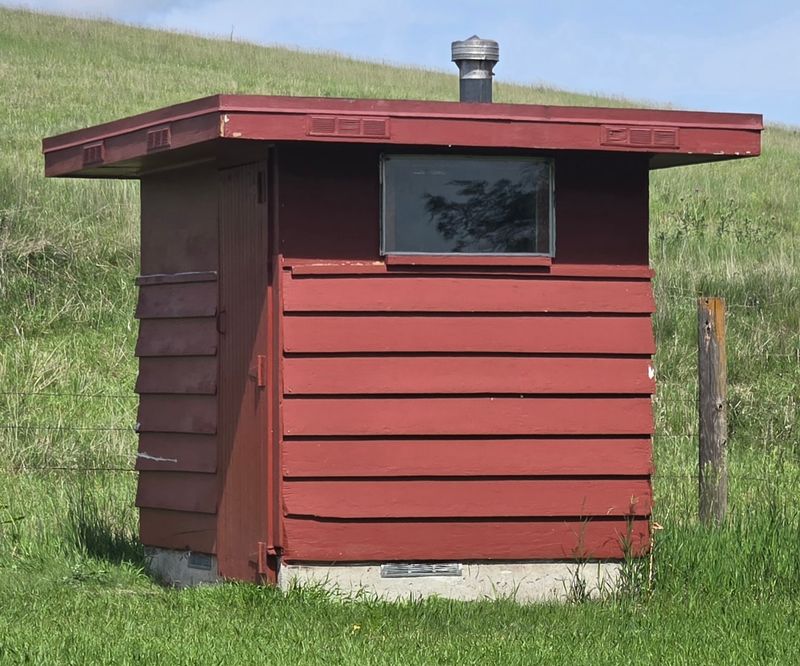
One fun example involves the outhouse. Another property had one it planned to give away, so family members moved it to the Dowse site.
The newer outhouse is a big upgrade over the old one. It’s a small detail, but it shows how hands-on the care here really is.
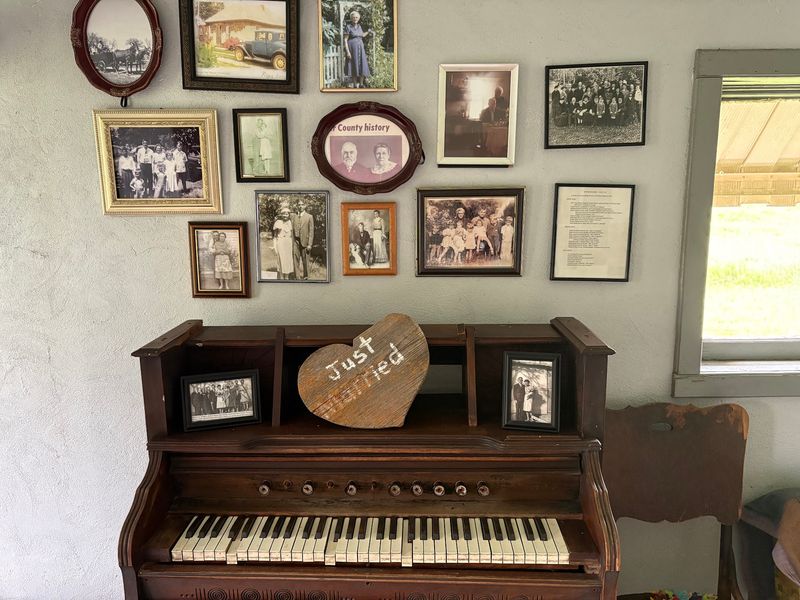
Family involvement also means the history stays rooted in real people. The story isn’t just about a building, but about generations connected to it.
Visitors have toured the house and learned its history in detail. That kind of storytelling feels richer when it comes from people with a personal link to the past.
It’s hard not to admire the effort. Keeping a 1900 sod house going takes time, money, and a whole lot of affection.
Wide Skies And Quiet Prairie All Around
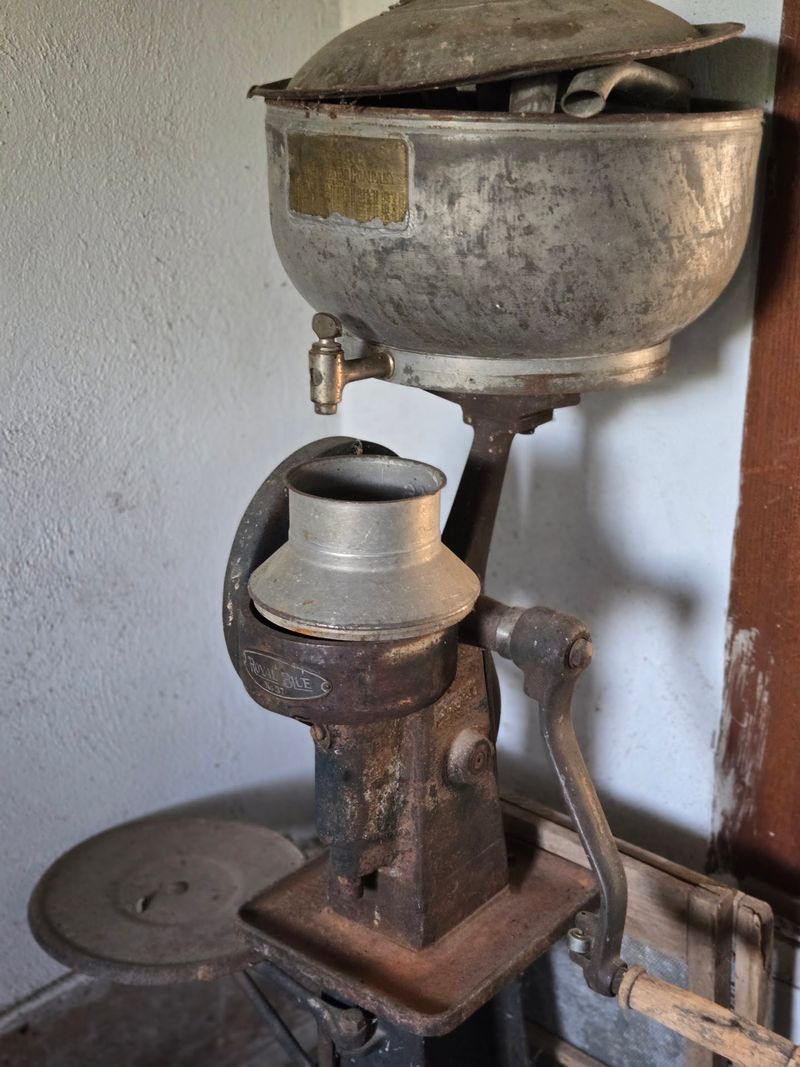
Silence is part of the experience out here. The house sits in open central Nebraska country, far from traffic and city noise.
The setting is peaceful and deeply historic. Standing there gives you a feel for the space and stillness the original settlers knew.
Rolling farmland stretches in most directions. It helps you understand why early homesteaders needed to build with what the land offered.
That context matters more than any display case. You can see the same kind of grassy ground that once became walls, roofs, and shelter.
The quiet also makes it easier to slow down. With no crowds to dodge, you can take your time reading the house and its surroundings.
Photographers will appreciate the big sky. A lone sod house against open land makes for a striking picture, especially in soft morning or evening light.
Bring a little patience and a sense of wonder. This isn’t a place for rushing between exhibits, but a spot for lingering and letting history sink in.
A Perfect Stop For History Lovers And Curious Kids
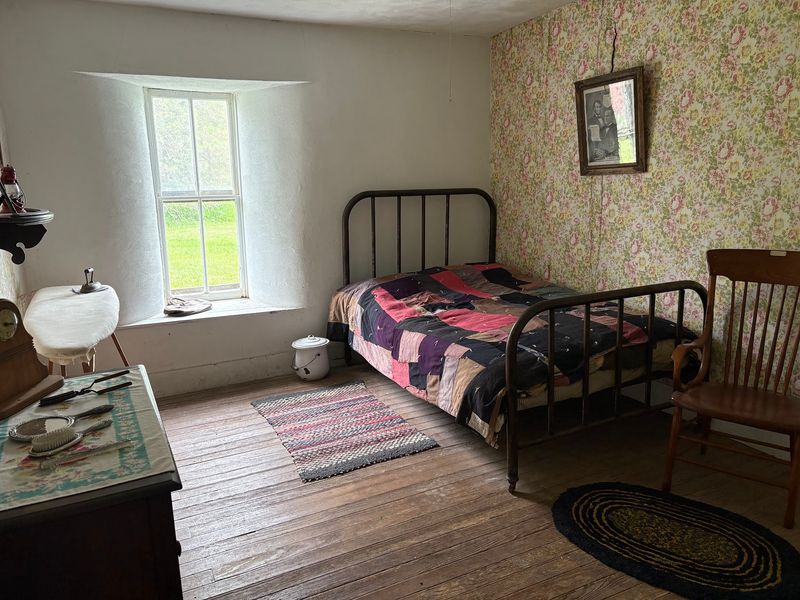
Kids who think history is boring may change their minds here. A house made of dirt is a hard thing to shrug off.
The Dowse Sod House makes pioneer life easy to grasp. Instead of reading about sod houses in a textbook, young visitors can see the real thing up close.
Grandparents and retirees often connect with it in a different way. Many Nebraska families have stories about relatives who started out in a soddy.
That shared link turns a visit into a conversation. It’s the kind of stop that gets people talking about where their own families came from.
History buffs will enjoy the building’s long timeline. It covers settlement, decades of family life, restoration, and official recognition all in one small structure.
Road-trippers chasing quirky Nebraska stops will find plenty to like too. Few states can offer a 1900 sod home still standing in its original setting.
Just keep expectations simple. This is a modest rural landmark, not a big museum complex, and that’s exactly why it feels so genuine.
Getting There And Planning Ahead
Finding the house is part of the adventure. Its location is listed as GP6Q+CF, Comstock, NE 68828, a plus code that works well in most map apps.
The site sits near Comstock in Custer County. Expect rural roads, so plan your route before cell service gets spotty.
Visiting details for small landmarks like this one can change. It’s smart to check ahead with local sources or the Custer County tourism community before making the drive.
Plan for a relaxed pace once you arrive. A visit here pairs nicely with a longer day exploring central Nebraska and its small towns.
Pack water and snacks, since services may be limited nearby. Comfortable shoes help too, especially if the ground is uneven or damp.
Remember that this is a cherished historic site cared for by a family. Treat the house and grounds gently so future visitors can enjoy them too.
A little preparation goes a long way. Do your homework, and the reward is a quiet hour with one of Nebraska’s rarest surviving homes.
Why A Little Dirt House Earns A Big Spot On Your Nebraska List
Plenty of Nebraska landmarks impress with size. The William R.
Dowse House wins you over with grit.
It started in 1900 with blocks of prairie sod. It sheltered people until 1959, then got a fresh start through restoration in 1982.
Concrete reinforcement, a spot on the National Register, and steady family care keep it standing today. Each piece of that story adds up to something rare.
I believe places like this matter more than ever. They show how early settlers turned an empty grassland into homes using little more than their hands.
You don’t need a full day to appreciate it. Even a short stop gives you a real sense of how tough and resourceful those first families were.
Bring the kids, bring your parents, or just bring your own curiosity. The house has a way of starting conversations you won’t forget on the drive home.
Sod houses once covered the Nebraska plains. Now only a handful remain, and this humble home is one of the best chances to see one standing tall.