In 1876 Meat Fell From A Clear Sky Over This Kentucky Town, And Locals Still Celebrate The Mystery Today
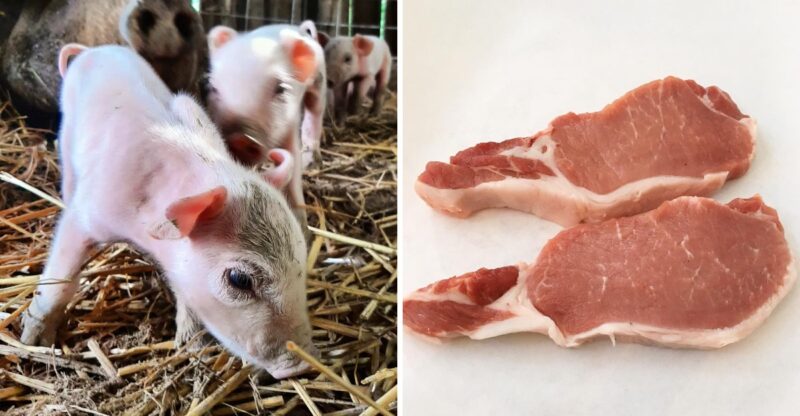
Chunks of red meat once dropped from a cloudless sky onto a farm, and some pieces were reportedly as long as a woman’s hand. It happened on a March morning in 1876.
The shower lasted several minutes.
Witnesses said the meat looked like beef or venison. Two brave men even tasted it.
Imagine volunteering for that job, but history thanks them anyway.
The strangest part might be what came next. This rural corner of Kentucky never tried to bury the story.
It leaned in, held onto a preserved sample, and built a festival around it.
I admire a place that owns its weirdness with a grin. How does a community turn falling flesh into a party?
The answer involves chili, bologna, and beef sticks dropped from an airplane.
The Morning Mrs. Crouch Got A Very Strange Delivery

Soap-making is a pretty ordinary chore. That’s what Mrs. Crouch was reportedly doing outside her home when the sky started dropping meat.
The Kentucky Meat Shower happened on March 3, 1876, between 11 a.m. and noon. Her farm sat near Olympia Springs in Bath County, Kentucky, and the sky was clear.
The pieces landed across an area about 100 by 50 yards. That’s roughly the size of a football field, give or take some end zone.
Records name her as Rebecca Crouch, Mrs. Allen Crouch, or Mary Crouch, so even her name adds a little mystery.
Some chunks were tiny, falling like snowflakes. Others measured about four inches square.
A few were thin and flat, while others were thick and lumpy.
Here’s the wild part. The meat looked fresh and even quivered when people picked it up.
No storm rolled in, and no wagon full of butchered beef was spotted overhead.
Olympia Springs is now largely abandoned, so the actual farm isn’t a destination. Still, knowing the story began on an ordinary spring workday makes it feel oddly personal.
Anyone’s errands could have gone sideways like that.
Somebody Actually Tasted It, And The Reviews Were Mixed

Two local men tasted the fallen meat. Yes, really.
History doesn’t record whether anyone dared them, but it’s hard to picture it happening any other way.
Their verdict? It tasted like mutton or venison.
Other witnesses thought it looked like beef, lamb, bear, deer, or horse, which is quite a menu for one sky.
Not every detail was appetizing, though. Reports described the smell as extremely offensive.
That alone should have ended the taste test before it started.
I respect their curiosity, even if my stomach does not. In 1876, nobody had lab kits on the porch.
People used the tools they had, and sometimes that meant their own taste buds.
The story spread quickly, and newspapers picked it up. Scientists of the day wanted samples.
Meanwhile, Bath County residents had the best conversation starter in Kentucky for years.
Here’s a modern tip for anyone inspired by this tale. If anything mysterious falls from the sky near you, take photos and call an expert.
Please leave the tasting to the brave folks of 1876, who already handled that part for everyone.
Blame The Birds, Says Science (Mostly)
Vultures make terrible houseguests. They also happen to be the leading suspects in this case.
The most widely accepted explanation points to a flock of black vultures and turkey vultures. Both birds are common in Kentucky.
When startled, vultures can throw up their partly digested meals to lighten up and escape faster.
Picture that happening over a farm. Sorry, scratch that.
Better not to picture it too closely.
Other ideas floated around back then. Some folks suggested blood rain or frog eggs blown by the wind.
Others saw it as a sign from God.
One popular theory was Nostoc, a jelly-like type of cyanobacteria that can look like flesh. Tests later confirmed the material was meat, so that idea fell apart.
The vulture theory explains a lot, including the smell and the scattered pattern. Still, nobody filmed the moment, and no one can prove it completely.
That small gap is exactly why the story stays fun.
Next time you spot vultures circling over the hills of Bath County, give them a little respect. They might be local celebrities.
A Tiny Glass Vial Holds A 150-Year-Old Souvenir
Most towns save old photos or quilts. This story saved actual meat.
A piece of the original 1876 sample still exists. It’s preserved in a small glass vial labeled “Olympia Springs.” The artifact is mainly kept at the Moosnick Medical and Science Museum at Transylvania University in Lexington, Kentucky.
That’s a pretty remarkable survival story. Think about how many family heirlooms vanish in a single move.
Yet a sliver of mystery meat has lasted around 150 years.
The vial matters because it turns a tall tale into something you can actually see. Stories can grow wild over time.
A real sample keeps everyone a little more honest.
Art professor Kurt Gohde rediscovered the sample and had it genetically tested. The results came back inconclusive, which feels perfectly on brand for this mystery.
During the 150th anniversary festival, the vial was also displayed at the Bath County History Museum. That gave the hometown crowd a rare chance to see the evidence up close.
If you love museums with a quirky streak, keep an eye on both locations. Seeing history in a jar is unforgettable.
You’ll Never Guess What Flavor Those Jellybeans Were
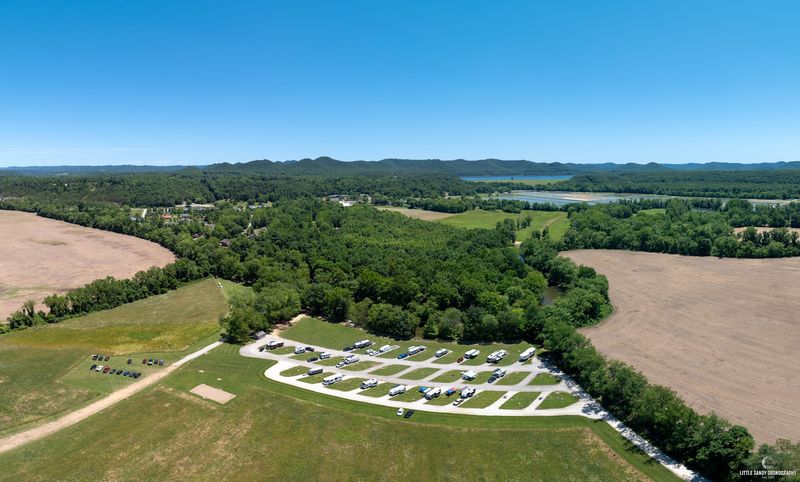
Jellybeans usually come in cherry, lime, or buttered popcorn. In 2004, one batch came in mystery meat.
Kurt Gohde, an art professor at Transylvania University, had the flavor of the meat shower turned into jellybeans. He handed them out at a local event.
Brave snackers got their own small taste of 1876, minus the bad smell.
I adore this idea. It takes a strange old story and makes it something people can share and laugh about together.
Gohde has done a lot to keep the tale alive. Beyond the candy, he pushed for testing the old sample.
He also helped plan the big anniversary celebration years later.
Art projects like this show how history doesn’t have to stay dusty. A bag of odd jellybeans can teach more people about a local event than a plaque ever could.
It’s a good reminder for any community with a weird story. Lean into it with creativity.
Kids remember a funny candy far longer than a list of dates. Bath County, Kentucky clearly understands that lesson, and its quirky legacy keeps growing because of it.
Chili, Bologna, And Hot Dogs Take Over Owingsville

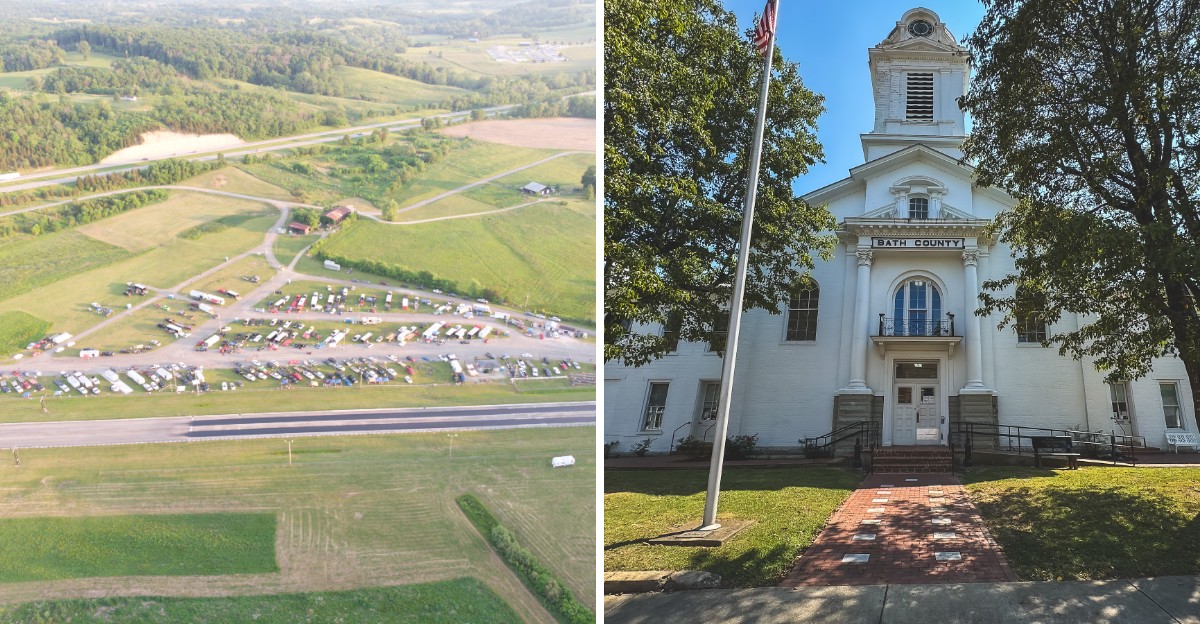
Owingsville throws the party. The county seat of Bath County hosts the annual Kentucky Meat Shower Festival in honor of that bizarre March morning.
The lineup reads like a joke, and that’s the charm. There’s a Mystery Meat Chili Cookoff, which feels like the only correct name for it.
Cooks bring their best pots and let the judges sort it out.
Then comes the Baloney Throw and Rolling Contest. Yes, people toss and roll bologna for glory.
It’s silly in the best way.
A hot dog eating contest rounds things out. Competitors who think they can handle a mountain of franks get their moment in the spotlight.
None of this feels mean or spooky. Instead, the festival turns an unsettling event into a community celebration.
Families can laugh, eat, and learn a bit of local history all at once.
If you plan to go, check Bath County event pages ahead of time for dates. The festival usually lands near the early March anniversary.
Pack a sense of humor, wear comfy shoes, and maybe skip a big breakfast that day.
Beef Sticks Rained Down Again For The Big 150th
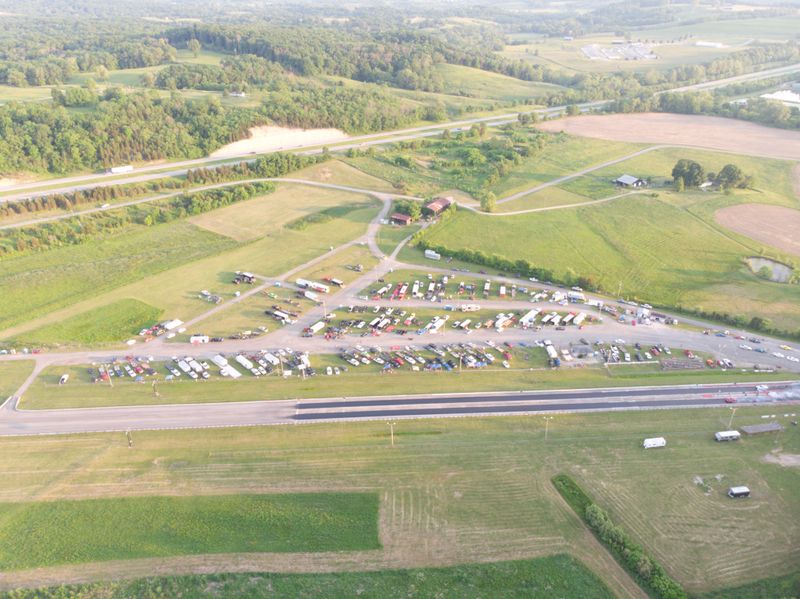
History repeated itself in 2026, but with packaging this time. For the 150th anniversary, the sky over Bath County delivered meat once more.
Artist Kurt Gohde and his team organized a modern meat drop. Individually wrapped beef sticks were dropped from an airplane onto a crowd.
Nobody needed to wonder about vultures this time.
That’s showmanship. Plenty of towns mark big anniversaries with speeches and cake.
Bath County gave its guests a snack straight from the clouds.
The 150th celebration took place in late February and early March 2026. It brought fresh attention to a story that many people outside Kentucky had never heard.
I love how the meat drop connects past and present. Kids catching beef sticks will probably tell this story to their own grandkids someday.
That’s how legends stay alive.
Should you hope for a repeat? Maybe.
Big milestone events often bring big ideas, so future anniversaries could surprise everyone again. Either way, the 2026 drop proved one thing clearly.
This community knows how to turn a 150-year-old head-scratcher into a joyful, unforgettable afternoon.
Make Time For The Small Museum With A Big Story
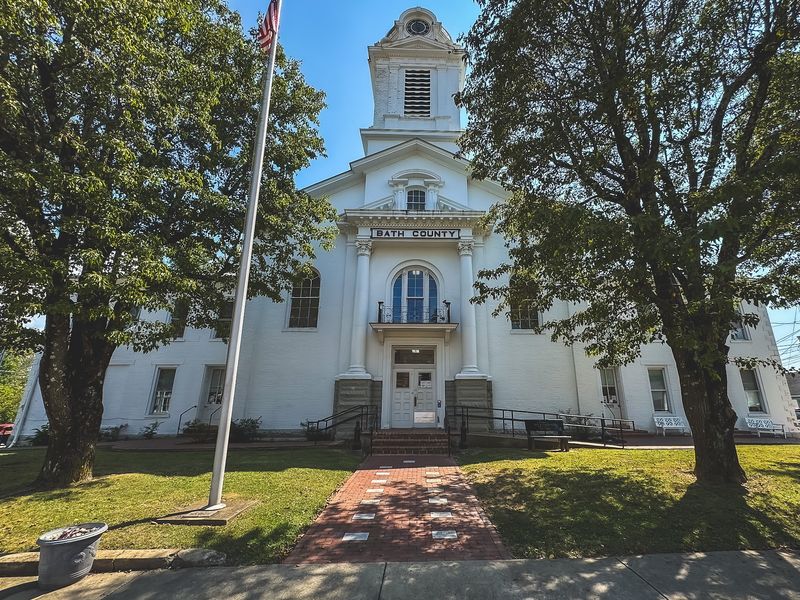
Main Street holds the best place to dig deeper. The Bath County History Museum sits at 17 W Main St, Owingsville, Kentucky 40360.
The museum has featured a temporary exhibit about the Kentucky Meat Shower. During the 150th festival, it even showed the preserved vial of original meat.
That’s a rare treat for a small-town museum.
Local museums often hold the stories big ones miss. They keep track of families, farms, and the strange events that shaped a place.
A visit here can help you understand Bath County beyond its most famous oddity. The county was formed in 1811, so there’s plenty of history to explore.
Here’s a practical tip. Small museums often keep limited hours, and temporary exhibits change.
Check ahead before making the drive so you don’t arrive to a locked door.
Bring questions, too. History museums love curious visitors, especially ones who want to know more than the headline.
You’ll leave knowing why this little Kentucky county holds onto its weird story so proudly. And honestly, few museums can claim a tale this memorable.
Why A Weird Day Became A Point Of Pride

About 12,750 people lived in Bath County at the 2020 census. That’s a small community with an outsized claim to fame.
Plenty of places would quietly forget a day when stinky meat fell on a farm. Bath County did the opposite.
It kept the sample, built a festival, and invited the world to laugh along.
That choice says a lot about a place. Owning an odd story shows confidence and a good sense of humor.
It also gives neighbors a reason to gather every year.
The meat shower now connects artists, scientists, museum workers, and families. Each group sees the story a little differently.
Together, they keep it fresh.
There’s a lesson here for any hometown. Your strangest moment might become your most loved tradition.
Sometimes the details nobody can fully explain are the ones people remember best.
So when someone asks about the quirkiest spots in Kentucky, you’ll have an answer ready. Tell them about the clear sky, the quivering chunks, and the bologna toss.
Then watch their face. That reaction is half the fun.