10 Connecticut State Parks Locals Swear By For A Quiet Weekend
Not every weekend needs an itinerary. Sometimes the nicest plan is having absolutely nowhere important to be.
No appointments. No crowded attractions.
Just a few hours where nobody expects you to accomplish anything.
Connecticut has state parks where peaceful trails and beautiful natural surroundings make slowing down feel wonderfully easy again.
And that sounds particularly appealing after a week spent staring at screens and keeping track of endless responsibilities.
The interesting thing about a quiet park is how much you begin noticing when you’re not rushing. A change in the light can make a familiar landscape look surprisingly different.
You might even discover that sitting somewhere comfortable for twenty minutes is more enjoyable than trying to cover every trail.
Of course, popular parks aren’t guaranteed to be empty, especially on pleasant weekends.
But choosing the right setting can make a real difference.
Sometimes a weekend feels longer simply because you finally gave yourself permission to enjoy it.
1. Topsmead State Forest, Litchfield
Few people leave their summer home to an entire state, but Edith Morton Chase did exactly that. Edith Morton Chase left Topsmead to the state with the intention that its natural beauty would be preserved.
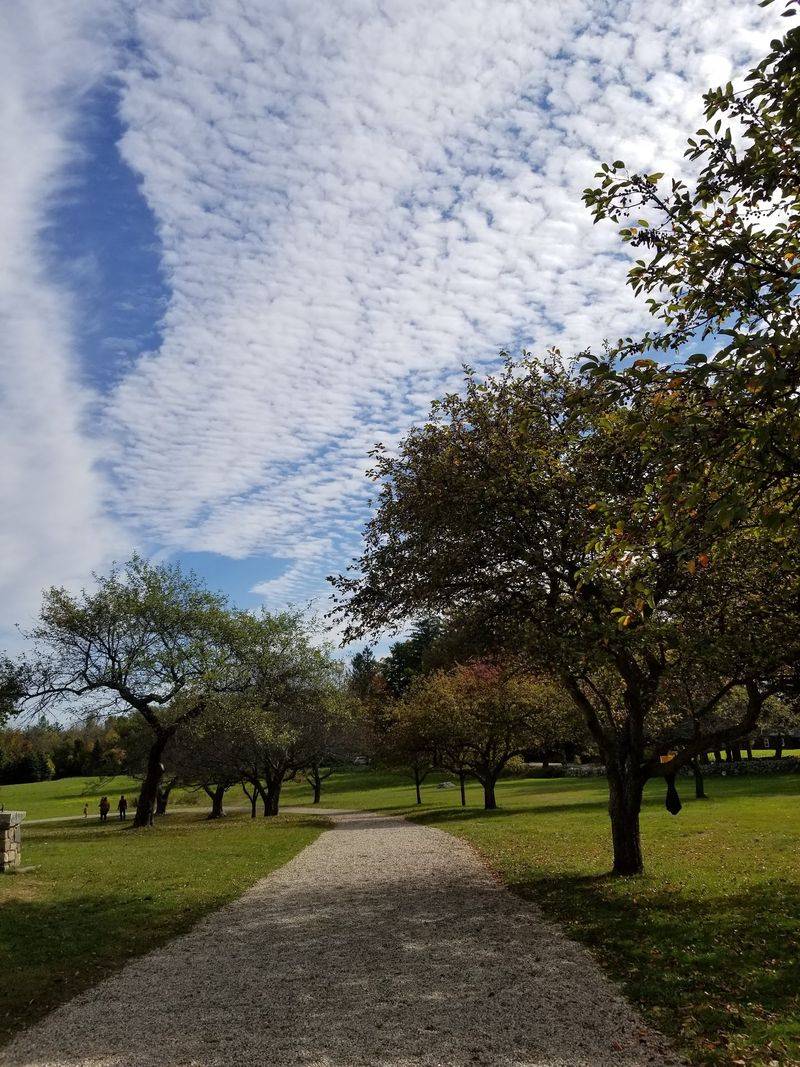
The state took that request seriously, and you can see it today. The forest covers 510 acres of trails, lawns, gardens, and open grassland.
At the center sits an English Tudor Revival cottage finished in 1925. Architect Richard Henry Dana, Jr. designed it with brick and stucco walls, cypress woodwork, and an original slate roof.
Inside, the house holds 17th and 18th-century English country antiques. Oak woodwork and polished terra cotta tile floors add to the old-world charm.
Birders, pay attention here. Audubon named the grasslands an Important Bird Area, and species like bobolinks, Savannah sparrows, and bluebirds use them for breeding and migration.
The Songbird Trail is a natural place to start your search. Bring binoculars and a little patience, since the birds set their own schedule.
Four acres of manicured lawn make a lovely spot to spread out a blanket and do absolutely nothing. Your leashed dog is welcome to tag along on the walk.
The story started small, with 16 acres bought by Henry Sabin Chase in 1916. Today, most of the forest is listed on the National Register of Historic Places.
Address: 60 Chase Road, Litchfield, CT 06759
2. Chatfield Hollow State Park, Killingworth
A water wheel that actually turns, a covered bridge, and a swamp boardwalk all fit inside one 412-acre park. That’s a pretty impressive packing job for a quiet corner of Killingworth.
Schreeder Pond is the heart of the place. The Civilian Conservation Corps created it in 1934 by building an earth and stone dam.
Today you can swim at the pond’s beach or grab a picnic table and fire up a grill. Anglers get a treat too, since this is a designated Trout Park.
Chatfield Brook, Schreeder Pond, and Mill Pond are stocked with trophy-size fish. Bring your rod and your best fish story.
Trail lovers have 18 miles to explore, and the park borders Cockaponset State Forest. Paths pass rocky outcroppings, Native American caves, and old historic structures.
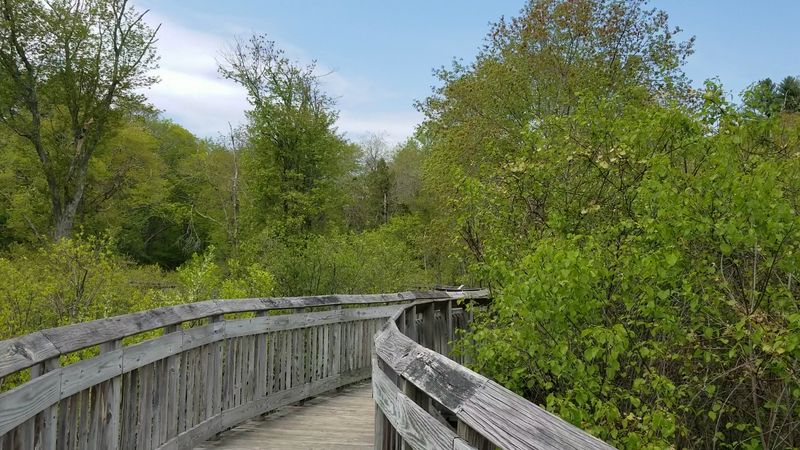
Want something flatter? The 825-foot Paul F.
Wildermann Boardwalk crosses an inland swamp, so you can see the wetland up close without soggy socks.
Climbers can test their grip on the park’s rock climbing crag. Mountain bikers, horseback riders, and snowshoers also share the trail system in different seasons.
Native Americans hunted, fished, and gathered in this hollow long before it became a state park in 1949. Walking past those caves feels a little like reading a history book with your feet.
Don’t miss Oak Lodge, built in 1937 and restored in 2017. It’s listed on the National Register of Historic Places.
Address: 381 Route 80, Killingworth, CT 06419
3. Machimoodus State Park, East Haddam
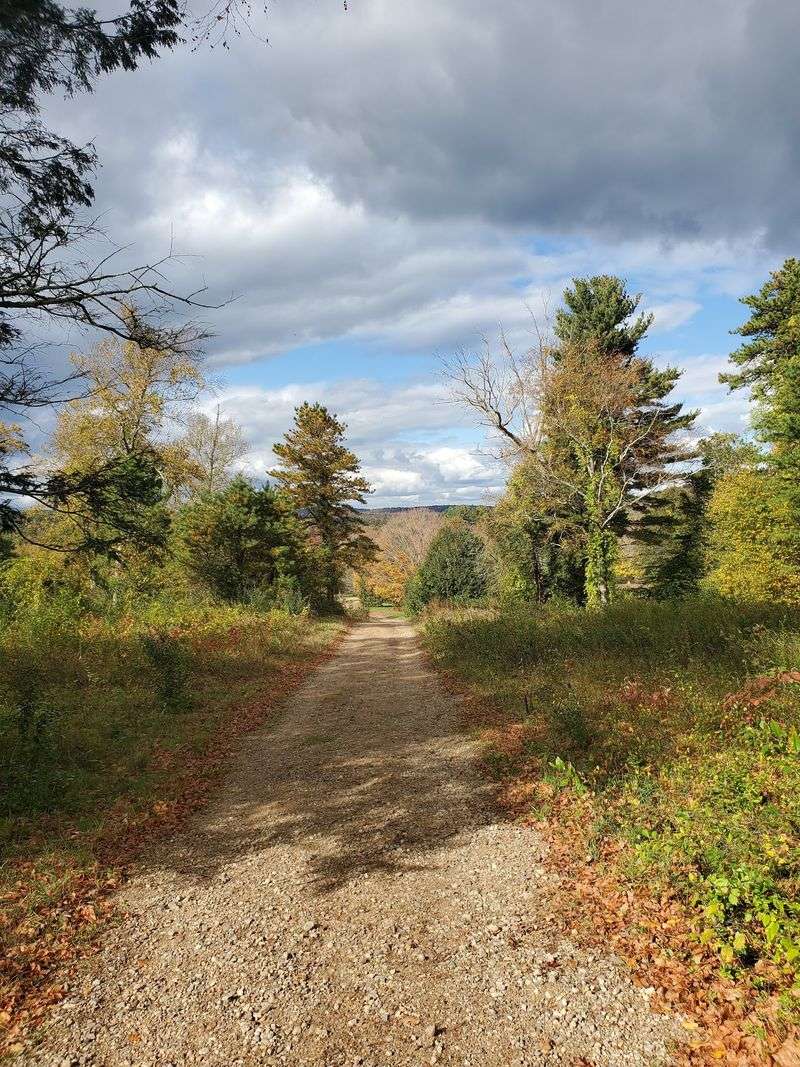
The ground here has been known to grumble. Machimoodus comes from a Native American word meaning place of noises, a nod to rumbles caused by tiny earthquakes.
People call them the Moodus Noises. Native Americans once linked the sounds to a spirit named Hobomocko, which makes for great trail talk.
The park covers 300 acres of woods, meadows, and waterfront above the Salmon River. Its 11.3 miles of easy to moderate trails include old farm roads.
That farm history is real. The state bought the land in 1998, and it was once Echo Farm, a dairy farm, plus the site of the Sunrise Resort.
Near the entrance, small ponds sit among wildflower meadows. Birds and pollinators visit throughout the year, so slow down and look around.
For the big payoff, climb Mount Tom, the park’s high point at 314 feet. Two lookouts show off the Connecticut, Salmon, and Moodus Rivers plus Salmon River Cove.
Keep an eye on the water below. Bald eagles, mute swans, mergansers, and bufflehead have been spotted from these viewpoints.
Horseback riders enjoy the trails, and trout anglers can try the Salmon River. Picnic areas and restrooms make a full day easy to pull off.
The gates open at 8:00 AM and close at sunset. Camping isn’t offered, so plan this one as a day trip with a packed lunch.
Address: 128 Leesville Road, Moodus, CT 06469
4. Day Pond State Park, Colchester
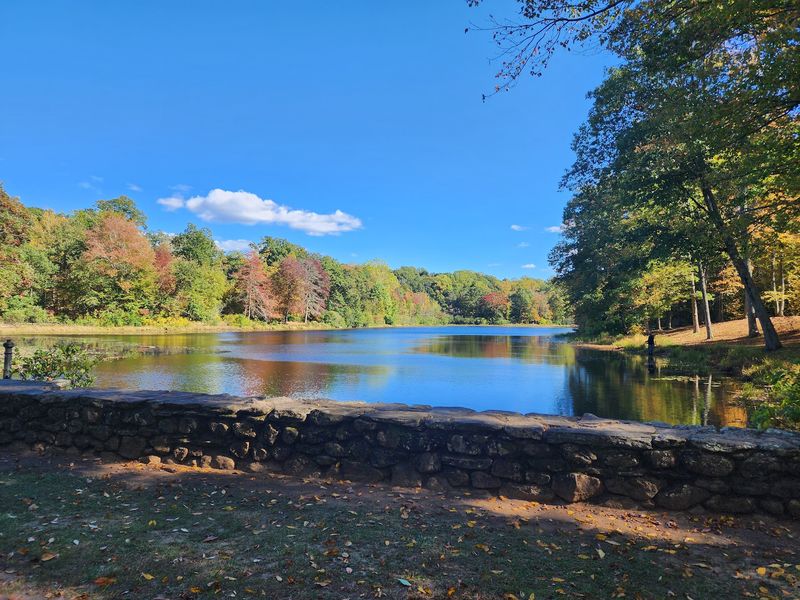
A paper mill once ran on the power of this little pond. You can still spot pieces of the old Day Paper Mill foundation today.
The pond itself covers just 7 acres, but it carries the whole 180-acre park. It’s stocked with trout, and there’s a beach for swimming in season.
Speaking of seasons, the park runs from April to Columbus Day, 8:00 AM to sunset. Off-season, you can park along Day Pond Road and still explore.
The real surprise hides along Day Pond Brook. A series of waterfalls tumbles through the woods, with the tallest single drop reaching ten feet.
One multi-drop falls totals about 40 feet in height. In 2010, a Boy Scout cleared a spur trail to make the falls easier to reach.
The Day Pond Brook and Falls Trail is the moderate route there. For something easier, the 2-mile Day Pond Loop Trail moves at a relaxed pace.
The trail network runs about five miles and connects to Salmon River State Forest. Mountain bikes are allowed on some trails too.
Planning a family reunion? A big open-air shelter holds up to 75 people with 18 tables and two grills, and you can reserve it on summer weekdays.
This land was once home to the Mohegan people. It became a state park in 1949.
Address: Day Pond Road, Colchester, CT 06415
5. Bigelow Hollow State Park, Union
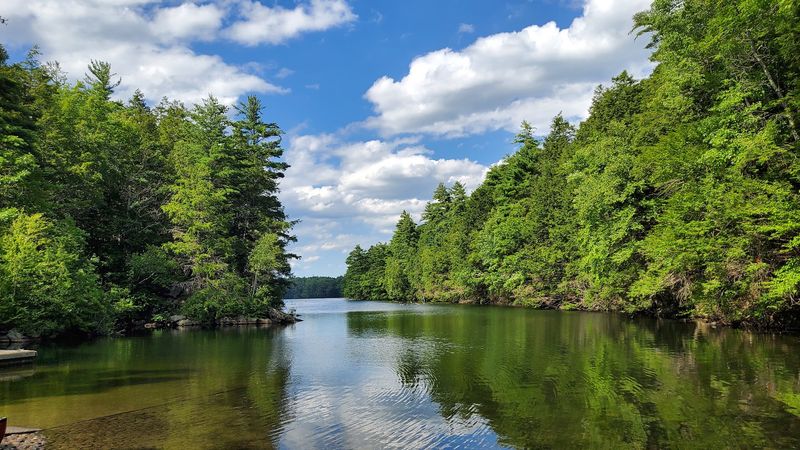
Pack a map for this one, and maybe a compass. Bigelow Hollow sits inside one of the largest unbroken stretches of forest in eastern parts of the state.
The 516-acre park rests in a deep hollow next to Nipmuck State Forest. It’s remote enough that orienteering skills can come in handy.
Three bodies of water give the park its personality. Bigelow Pond is small and calm, while Mashapaug Lake stretches close to 300 acres.
Then there’s Breakneck Pond, the shy one of the group. You can only reach it by walking in about 1.2 miles.
Paddlers love Bigelow Pond and Mashapaug Lake, and both have boat launches. Kayaks and canoes are the classic choice.
Fishing is allowed year-round, including ice fishing. Mashapaug Lake holds state records for a channel catfish weighing 29 pounds, 6 ounces, and a largemouth bass from 1961.
That bass weighed 12 pounds, 14 ounces, which is a lot of fish. Scuba divers can even explore the lake from a designated cove.
Trails run for many miles, from easy strolls to tougher loops through dense forest. Picnic benches and restrooms wait near the pond and lake.
Winter brings cross-country skiing and snowmobiling. The park has welcomed visitors since 1949 and stays open year-round for day use.
Address: 298 Bigelow Hollow Road, Union, CT 06076
6. Hurd State Park, East Hampton
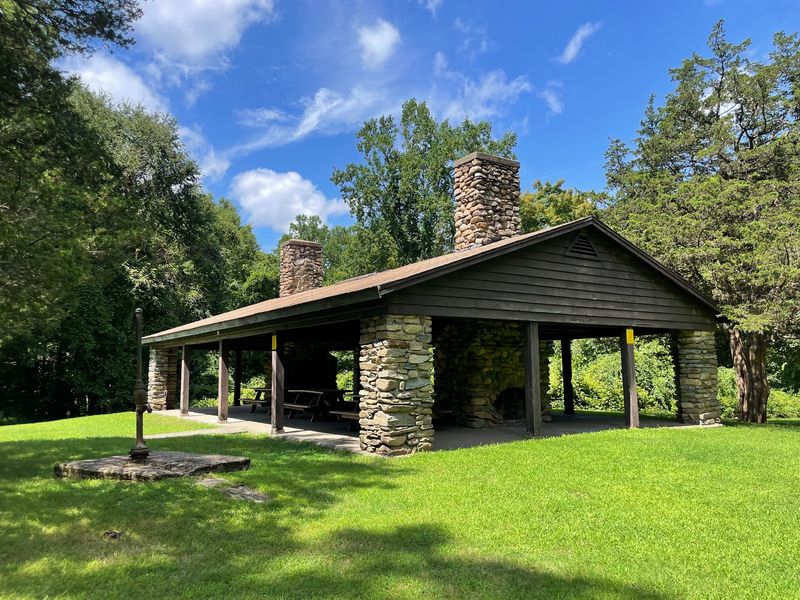
Getting to a campsite at Hurd State Park takes a canoe or kayak, not a car. It’s one of only four state parks with primitive boat-in camping on the Connecticut River.
River camping runs roughly from May into early fall. You’re limited to one night, up to 12 people per site, and you must book at least two weeks ahead.
The sites are simple, with stone fireplaces and pit toilets. Think stone, water, and zero room service.
Prefer dry land? You’ll find about 800 acres on the river’s east bank in one of the state’s earliest designated parks.
Hikers and mountain bikers share 13.1 miles of marked trails. Some lead to rocky outcrops with views looking south along the river.
Keep an eye out for split rock, a granite landmark streaked with veins of feldspar. Granite ledges are a big part of the scenery here.
Down by the water, open picnic grounds and shelters make lunch easy. Fishing spots and restrooms round out the setup.
The name honors the Hurd family, who settled in the Middle Haddam area in 1710. The state bought the first 150 acres in 1914, then won a legal fight over mining rights in 1935.
Gates open at 8:00 AM and close at sunset. In winter, parking stays available after the gates close for the season.
Address: 74 Hurd Park Road, East Hampton, CT 06424
7. Haystack Mountain State Park, Norfolk
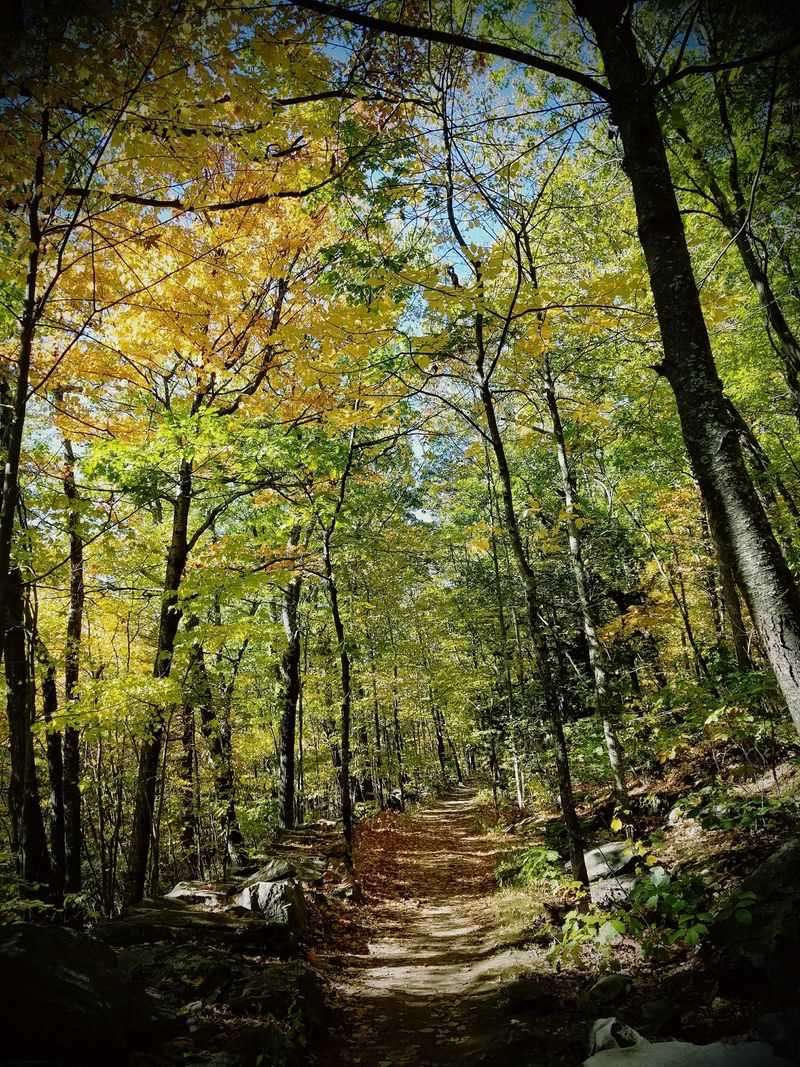
A stone tower on top of a mountain feels like something from a storybook. At Haystack Mountain, it’s real, and it sits near the 1,716-foot summit.
Climb up and the views stretch toward the Berkshires, New York, and Vermont’s Green Mountains on clear days. That’s a lot of New England from one perch.
You have two main ways up. The two-mile paved road is steady, while the rocky, mile-long Tower Loop Trail is shorter but rougher.
The interior road usually opens the third weekend in April and closes November 1. The park itself stays open year-round for day use.
Timing matters here. In June, mountain laurel, the state flower, blooms in the park.
Fall is another big season, since the park is known for its foliage. Bring a jacket, because mountaintops rarely care about your plans.
At the base, a pond with scattered picnic tables offers a calm spot for lunch. There’s a compost toilet at the upper trailhead, too.
The history adds a nice twist. In the 1800s, philanthropist Robbins Battell bought the mountaintop to protect it.
He built a carriage road in 1886, and part of it is still in the trail system. The state park followed in 1917.
Leashed dogs are welcome on the trails. Just keep them out of buildings.
Address: 670 Norfolk Road, Norfolk, CT 06058
8. Kettletown State Park, Southbury
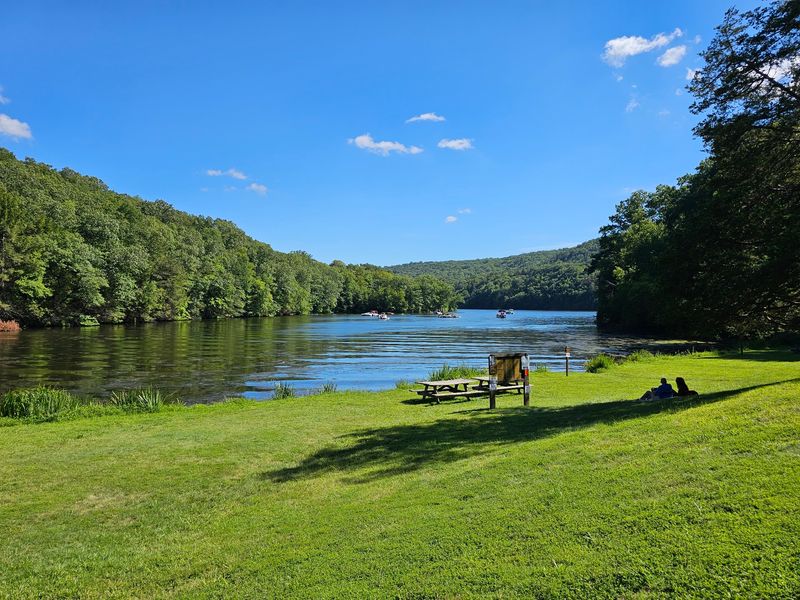
Legend says early colonists traded a brass kettle for hunting and fishing rights here. That’s one way to name a park, and the story stuck.
The land first belonged to the Pootatuck people, an Algonquin tribe. Their village went underwater in 1919 when Stevenson Dam created Lake Zoar.
Today, the park covers 605 acres along the lake’s eastern shore. Lake Zoar is the fifth largest body of fresh water in the state.
Hikers get more than six miles of trails. The moderate 6.5-mile Pomperaug Trail and the easier Brook Trail both offer lake overlooks.
Want to stay the night? The lakeside campground has dozens of RV and tent sites, each with a picnic table and fire ring.
Six rustic cabins add a step up from a tent. Each has two rooms with a double bed and two bunk beds, and you’ll need to book at least two nights.
Campers get bathhouses with showers plus a dumping station. Firewood needs to be bought locally, so leave your backyard logs at home.
Swimming, fishing, and picnicking with grills fill out the day. The park opens at 8:00 AM and closes at sunset.
Dogs can join you in picnic areas and on trails. The beach and campground are off-limits for them.
The state bought the land in 1950. Lucky for you, nobody has asked for the kettle back.
Address: 1400 Georges Hill Road, Southbury, CT 06488
9. Rocky Neck State Park, East Lyme
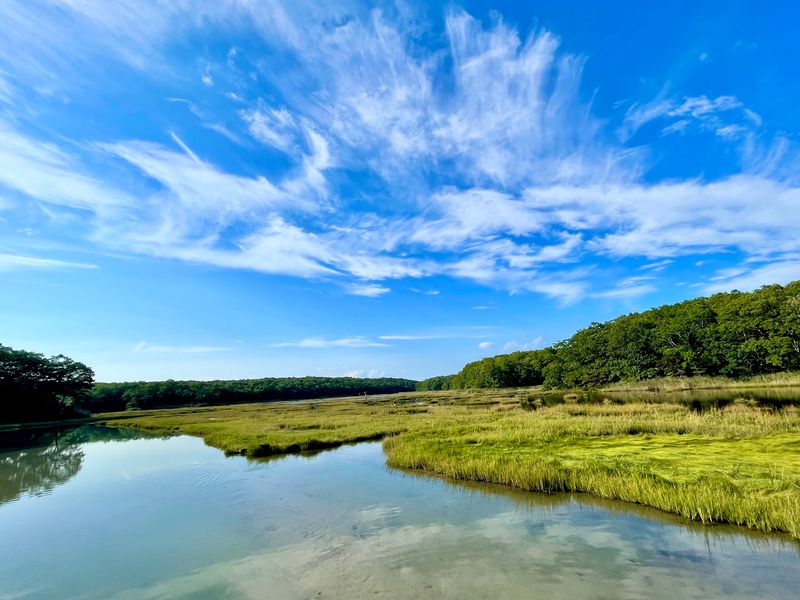
Baker’s Cave, Tony’s Nose, and a shipyard graveyard sound like stops on a pirate map. They’re actually points along the Rocky Neck Loop trail.
The park covers 710 acres on Long Island Sound in East Lyme. Its half-mile crescent beach has white sand and clear water without stones.
Beach activities typically run May through November. Away from the sand, five miles of trails wind through coastal thickets and salt marshes.
The Rocky Neck Loop offers views across the Sound and the Four Mile River. Look for glacial boulders and signs of glacial plucking along the way.
Autumn birding shines on the Four Mile River Trail. Herons, osprey, cranes, and mute swans have been seen there.
Anglers can fish from the jetty year-round. Winter flounder, bluefish, and striped bass are common catches.
The Ellie Mitchell Pavilion steals the show for history fans. Construction began in 1934 and was completed in 1937, and the historic stone pavilion is listed on the National Register of Historic Places.
Campers can pick from 160 wooded and grassy sites plus three rustic cabins. Hot showers and dishwashing stations help, though there are no RV hookups.
Concession stands and a playground keep kids busy. The park dates back to 1931, so it’s had plenty of practice.
Leashed dogs can visit picnic areas. They can’t go on the beach or boardwalk from May 1 to September 30.
Address: 244 West Main Street, East Lyme, CT 06357
10. Hopeville Pond State Park, Griswold
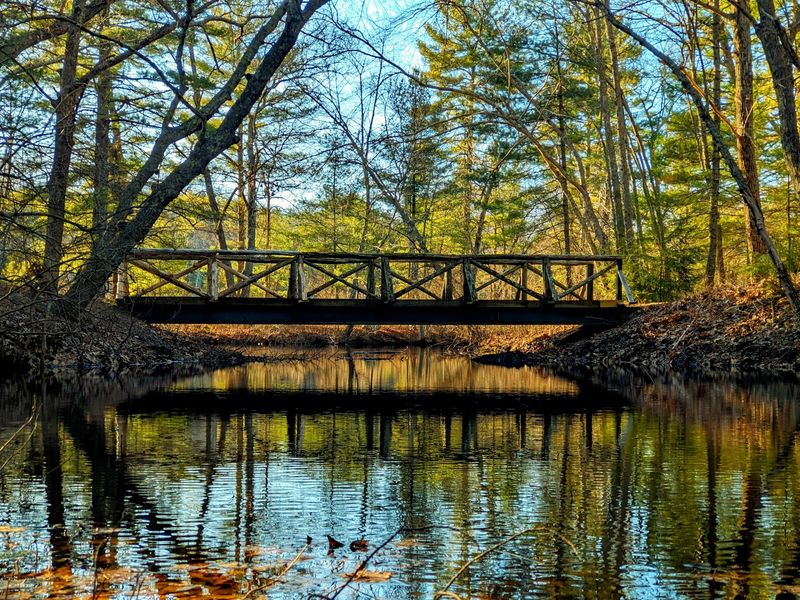
A whole village once stood where this park now sits. Hopeville had early mills, and today the name lives on in a 554-acre park in Griswold.
Look closely at the Pachaug River during low water. You might spot stone fishing weirs built by the Mohegan people, who fished here long ago.
The river feeds Hopeville Pond, which covers 137 acres. Fishing is the top activity, with channel catfish, northern pike, and largemouth bass in the water.
A swimming beach and a launch ramp for canoes and kayaks make the pond easy to enjoy. Ice fishing is an option when winter freezes things over.
The campground runs mid-April to mid-October in heavy woods near the pond. It has 80 RV and tent sites, some with water and electric hookups, plus one rustic cabin.
Firewood and ice are sold on site. Bathhouses with hot showers, dishwashing stations, and potable water cover the basics.
Hikers and bikers will find mostly flat trails around the pond and through the woods. They’re easygoing routes, great for a lazy Sunday.
History buffs should notice the Avery House, a 1770 Colonial building. It serves as the park manager’s home and is on the National Register.
The park opens daily April through October, from 8:00 AM to sunset. Its fields stay open year-round, and the park has welcomed visitors since 1938.
Address: 929 Hopeville Road, Griswold, CT 06351