This Historic New York Street Is Lined With Stone Houses That Have Survived For More Than 300 Years
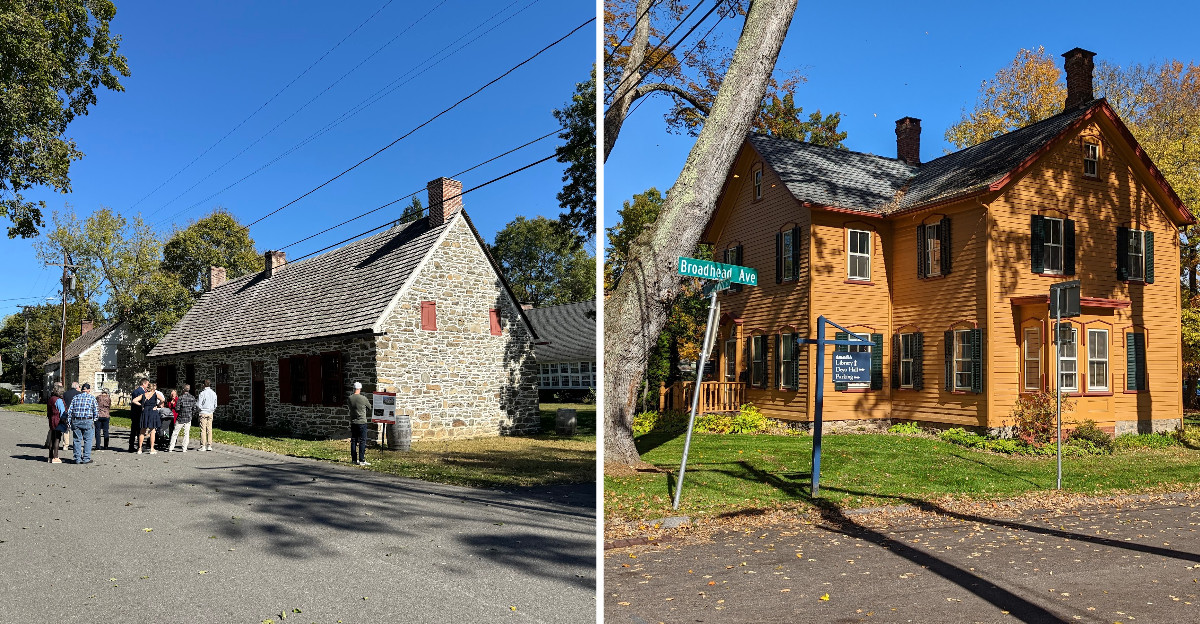
One house on this little street still has a rare jambless fireplace, an open-hearth design so unusual that the whole house earned National Historic Landmark status.
That means a fireplace basically got a building famous. Honestly, respect.
The neighbors are just as old. Seven stone-house museums line this road in New York, and many date to the early 1700s.
Their thick walls have outlasted wagons, gas lamps, and every home design trend since.
Nearby, a burying ground holds gravestones from the 1600s. A rebuilt church and a replica wigwam add even more layers to the story.
How does a whole street stay standing for more than three centuries?
A Street Old Enough To Make Your Great-Great-Grandparents Look Young
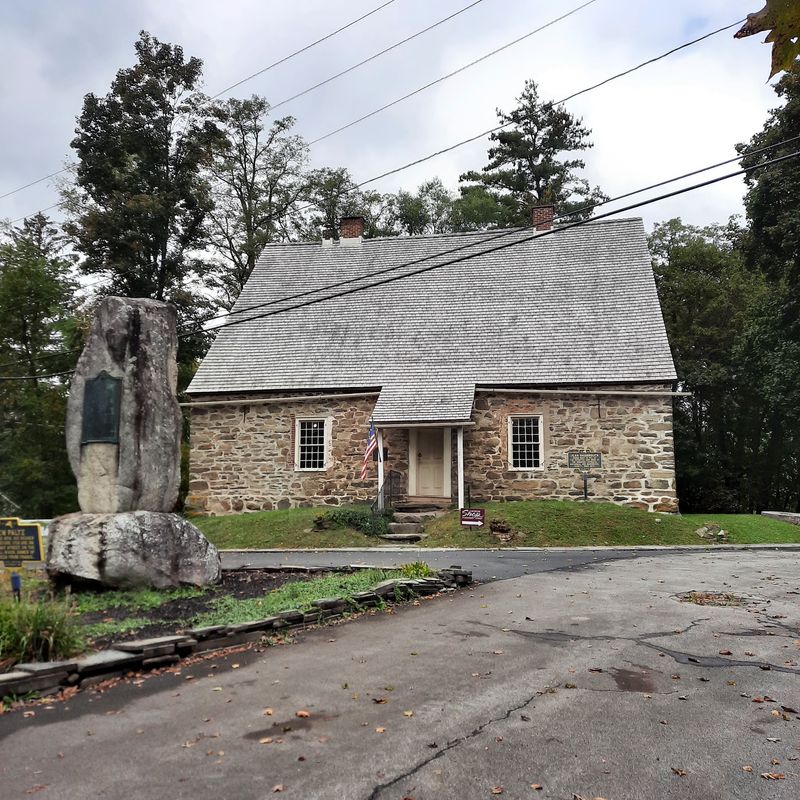
Back in 1678, a group of French-speaking families established a new community in the Hudson Valley. Historic Huguenot Street grew from that remarkable beginning.
The settlers included Huguenot and Walloon Protestants seeking religious freedom. Before arriving in the Hudson Valley, some had spent time in the German region known as the Palatinate.
That detail explains the town’s name. New Paltz reflects the region where several founding families had previously lived.
In 1677, twelve Huguenot settlers entered into a land agreement with Esopus Munsee leaders involving nearly 40,000 acres. The following year, the families established their settlement along the Wallkill River.
The street is considered one of America’s oldest continuously inhabited streets, with generations of residents living here since the seventeenth century.
Today, the ten-acre site is a National Historic Landmark District, a designation it received in 1960.
Its buildings preserve an extraordinary range of architectural styles and stories, spanning the original settlement and the centuries that followed.
Few places in New York bring so many periods of history together on one short road.
Seven Stone Houses, Seven Very Stubborn Survivors
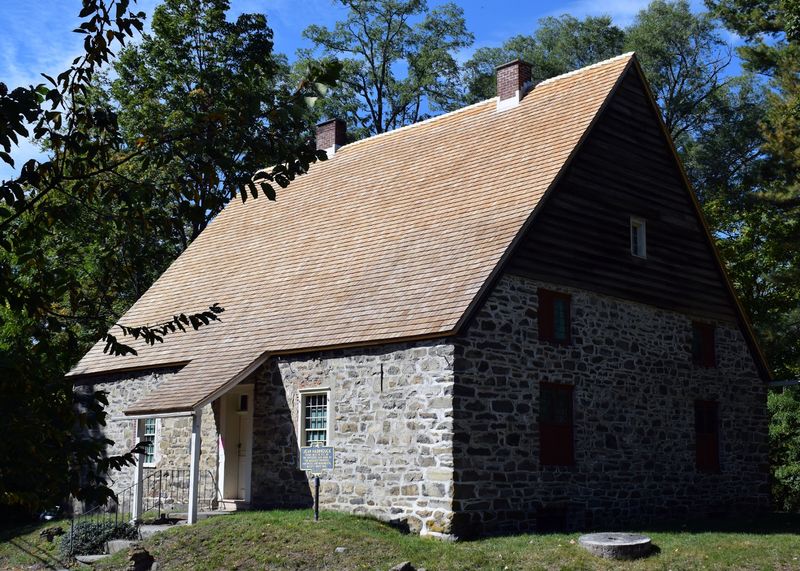
Stone walls don’t exactly rush to fall down. That stubborn quality is part of why seven historic stone houses still stand along this remarkable street.
The collection includes the Jacob (Jean) Hasbrouck House, Deyo-Brodhead House, Bevier-Elting House, Daniel (Abraham) Hasbrouck House, Freer-Louw House, DuBois House, and Ezekiel Elting House.
Several date to the early eighteenth century, while others show how the neighborhood developed through later generations.
The Jacob Hasbrouck House was built in 1721. The Ezekiel Elting House came much later, in 1799, reflecting the fashionable Federal architectural style of its period.
The Deyo-Brodhead House offers another surprise. Originally a modest stone dwelling, it underwent an elaborate transformation in 1894, gaining Queen Anne and Colonial Revival features.
That variety makes the street especially interesting. You can compare traditional Dutch stone construction with later architectural tastes without traveling across town.
Inside the historic buildings, period furnishings and exhibits explore household routines, changing fashions, and the people who lived there.
Not every house is included in the regular guided tour, and access varies with preservation projects and special programs.
The Fireplace That Turned A House Into A National Landmark
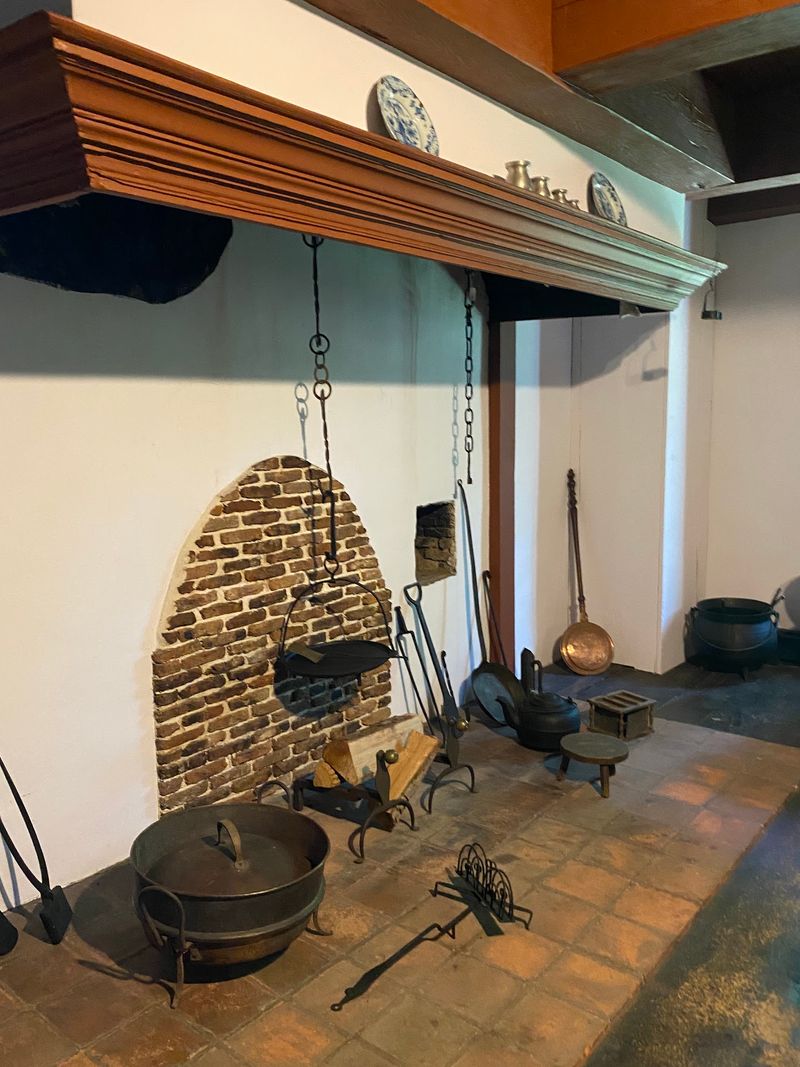
Most fireplaces just keep a room warm. The one inside the Jean Hasbrouck House helped earn the entire home its own National Historic Landmark designation in 1967.
It’s called a jambless fireplace. That means it has no side walls framing the hearth, giving it a wide, open design that’s very rare to find today.
Unlike an ordinary fireplace, its enormous chimney structure is supported partly by substantial wooden beams and surrounding masonry.
The design reflects Dutch building traditions that influenced early Hudson Valley homes. Its unusual construction is one of the architectural features that make the house nationally significant.
The building itself dates largely to 1721, when Jacob Hasbrouck constructed the substantial stone residence. Earlier materials from the property may also have been incorporated into the structure.
Inside, enormous ceiling beams, original architectural details, and restored period rooms reveal how a prosperous colonial household was organized.
The fireplace’s wide opening also helps explain how cooking and heating worked in an eighteenth-century New York home.
The house occupies 69 Huguenot Street, although access to its interior depends on the preservation and tour schedule.
Start Your Visit Inside A Building Called A Fort
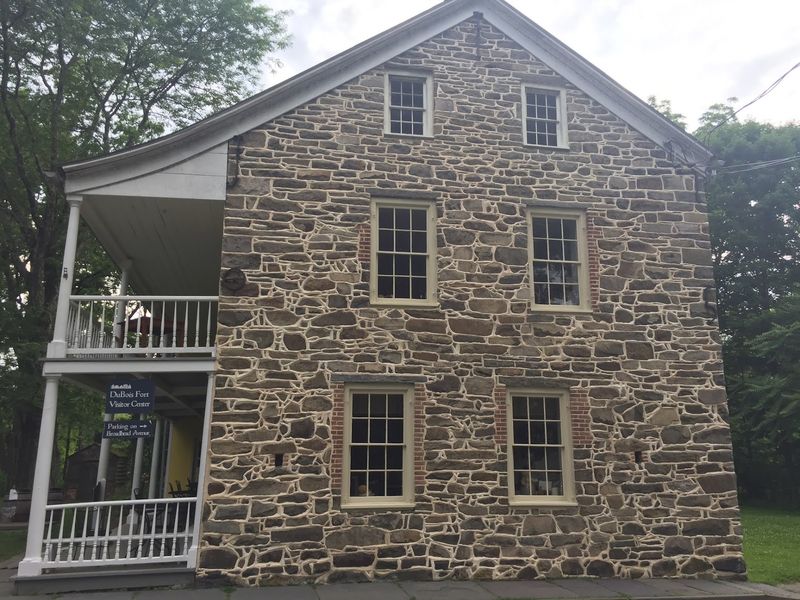
Kicking off a history visit at a place called the DuBois Fort just feels right. This historic stone building serves as the visitor center for Historic Huguenot Street, and it’s where your guided experience begins.
Constructed around 1705, the DuBois House was originally associated with one of the settlement’s founding families.
Its substantial stone walls and traditional architecture make the building an attraction in its own right.
Inside, visitors can explore the museum shop, browse books and souvenirs, and learn more about the historic district before heading outside.
The entrance is at 81 Huguenot St., New Paltz, NY 12561. Parking is available off Broadhead Avenue, with a short path leading toward the visitor center.
Timing matters, so plan ahead. During the remainder of the 2026 regular season, the center opens Saturdays and Sundays from 10 a.m. to 4 p.m., with a brief afternoon break between 1:15 and 1:45.
The final scheduled tours take place December 13. Afterward, the visitor center and guided experiences are available by appointment until the next regular season.
Guided Tours Turn Old Walls Into Real Stories
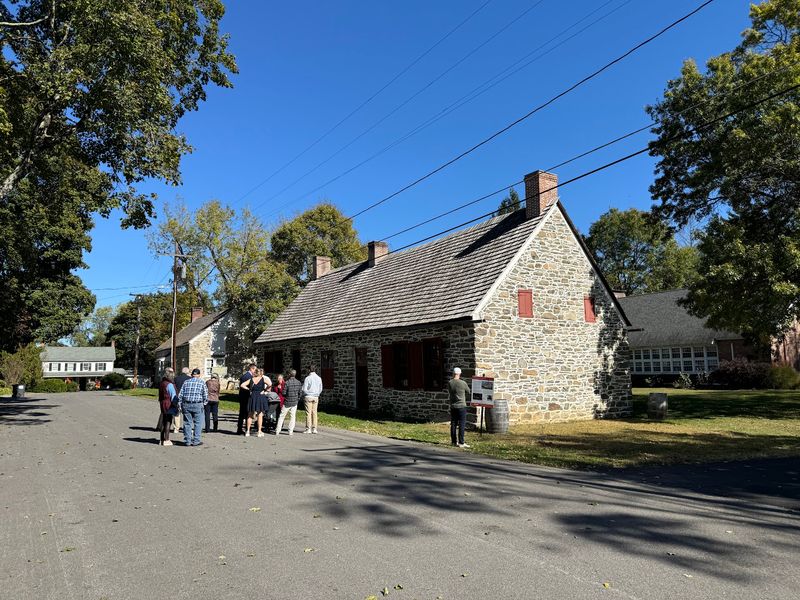
Old houses are beautiful, but stories make them come alive. That’s exactly what the guided tours at Historic Huguenot Street are designed to do.
Tours typically last about one hour. During that time, guides introduce selected historic structures and explain the people, architectural traditions, and events that shaped this community.
Regular experiences generally include three interpreted stops, such as the replica Esopus Munsee wigwam, reconstructed French church, and a historic stone residence.
Programs explore the lives of Esopus Munsee people, Dutch residents, and Africans whose labor and cultural traditions were part of the settlement’s development.
That wider perspective matters. It gives a fuller picture of early New York than you’d get from looking at stone buildings alone.
Through December 13, 2026, scheduled weekend tours begin at 10:30 a.m., 11:30 a.m., noon, 2:30 p.m., and 3 p.m.
Tour groups are limited in size, so arranging tickets in advance is sensible. Routes can change depending on restoration work and seasonal requirements.
Bring your questions along with your walking shoes. A guided visit adds meaning to details that might otherwise go unnoticed, from doorways and rooflines to the arrangement of household rooms.
The Reconstructed French Church Has A Story Going Back To 1717
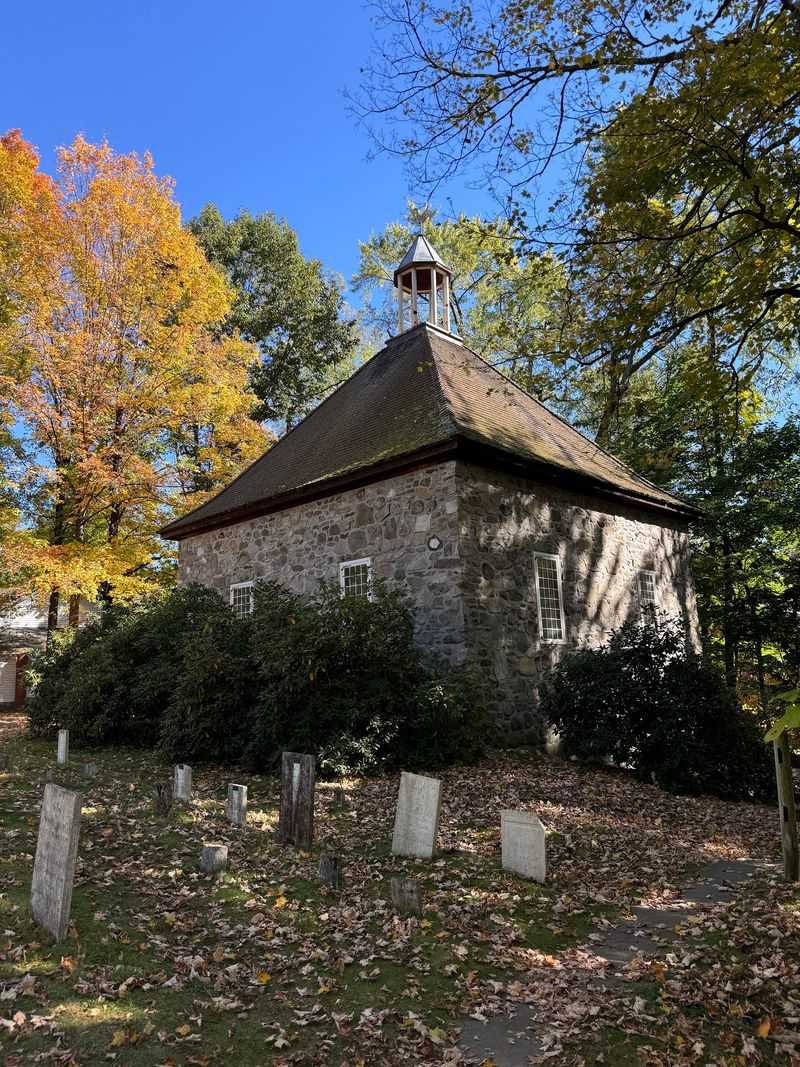
Few places let you stand so close to the early 1700s. The reconstructed French Church occupies the historic site of a stone place of worship built in 1717.
Its simple shape, small windows, and distinctive roof reflect the architectural traditions of the original settlement.
The building standing today is a reconstruction completed in 1972, offering a sense of what the early community’s church looked like.
Nearby, the historic churchyard preserves memorial stones from the eighteenth century. The earliest documented inscribed marker dates to 1714, making this one of the street’s oldest surviving historical features.
Inside the reconstructed church, exhibits explore the religious traditions and cultural influences that helped shape early New Paltz.
The building provides an interesting contrast with the surrounding family homes.
Unlike the decorative interiors that appeared in later residences, the church’s simple design emphasizes its original communal purpose.
It also reflects how important shared worship and gatherings were to the early families who established the settlement.
The church stands at 60 Huguenot Street, only a short stroll from the other historic buildings.
A Wigwam Replica Reaches Back Even Further Than The Settlers
Long before any stone house appeared, people already called this land home. Archaeological discoveries at Historic Huguenot Street reveal Indigenous activity extending thousands of years into the past.
That’s a jaw-dropping timeline. It makes the 300-year-old houses seem almost brand new by comparison.
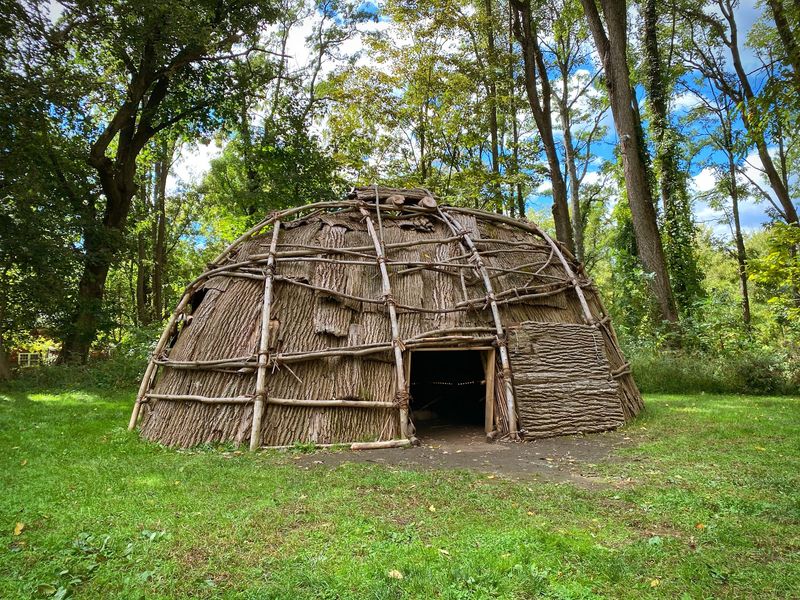
To represent this deeper history, Historic Huguenot Street constructed a replica Esopus Munsee wigwam in 2017.
The structure stands near the DuBois Fort Visitor Center and was built using traditional techniques and natural materials.
Cedar saplings form the framework, while strips of inner bark help secure the poles. Thick layers of thatching create the protective covering.
Its construction gives a practical introduction to the ingenuity of Indigenous housing in the northeastern woodlands.
The Esopus Munsee were living along the Wallkill River long before European settlers arrived. Their leaders later entered into the 1677 land agreement that shaped the establishment of New Paltz.
The wigwam also introduces the traditions of Munsee communities whose descendants continue to preserve their cultural heritage today.
Family Tree Detectives Will Love The Library Archives
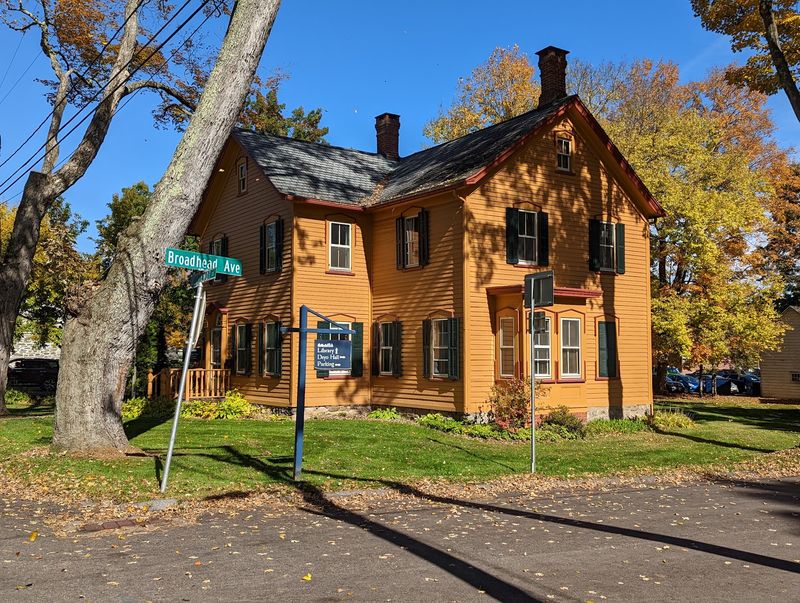
Got a last name like Hasbrouck, DuBois, or Deyo? The research library at the Roosa House might hold clues about your family’s past.
Known as the Schoonmaker Research Library, the collection focuses on the history and genealogy of New Paltz and the surrounding Hudson Valley.
Its holdings include family histories, church records, municipal documents, historical publications, and materials connected to French-speaking and Dutch settlers.
The library also maintains resources exploring the region’s Indigenous and African American history.
That variety makes the collection useful for more than family tree projects. Students, writers, and curious history lovers can all find subjects worth exploring.
The organization’s archives preserve manuscripts, photographs, and documents connected to centuries of local life.
Fun fact about the organization itself. Historic Huguenot Street was founded in 1894 by descendants of the original families who wanted to preserve their architectural and cultural heritage.
So the preservation work here has its own long history. People have been caring for these buildings and collections for more than a century.