Shoppers Are Finding Bolts Of Designer Fabric By The Pound At This Florida Remnant Warehouse
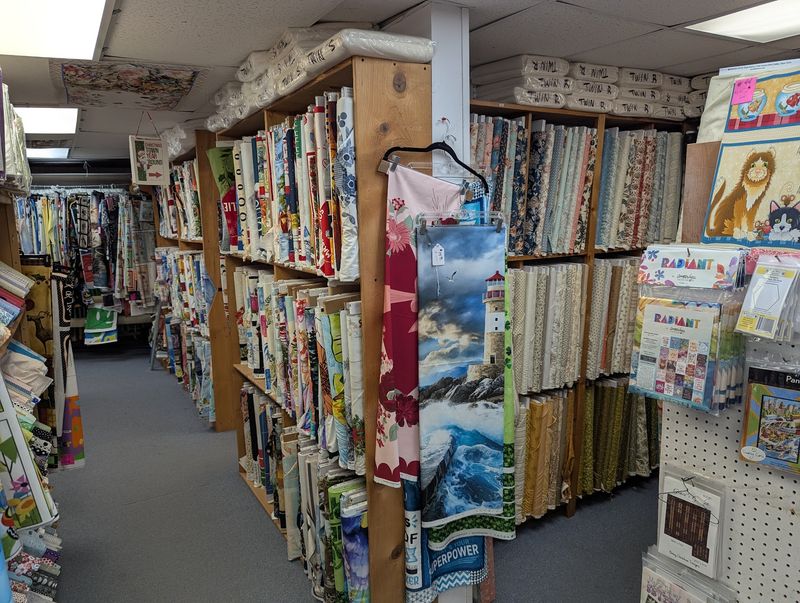
More than 10,000 bolts of fabric are stacked inside one Florida warehouse. I still can’t decide whether that sounds like heaven or a very dangerous afternoon.
The sneakiest temptation sits with the scraps, though. A fill-a-bag bin lets you pack a bag with leftover pieces, and the shop even accepts fabric scrap donations to keep the pile growing.
I like how it feels nothing like a big-box chain with a tired clearance rack. Designer prints, quilting cottons, thread, embroidery supplies, and high-end sewing machines all share the same roof.
There are even classes for anyone ready to finally learn how to quilt.
So how much fabric can one person reasonably carry out the door? I believe the honest answer depends on the size of your bag and the strength of your willpower.
Quilters, consider yourselves warned.
A Central Florida Fabric Haven Worth The Drive
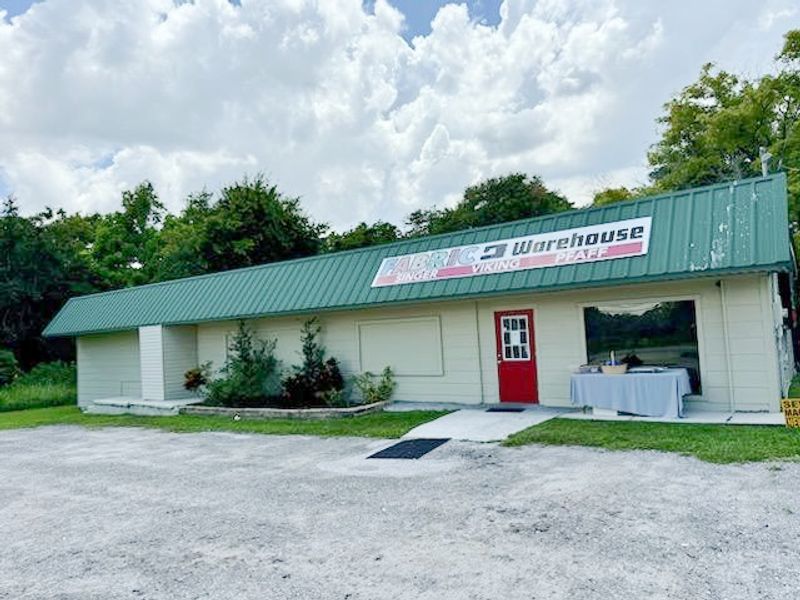
Lakeland sits right in the middle of the Tampa-to-Orlando stretch, and that’s handy for sewists. Fabric Warehouse is the reason plenty of quilters keep an extra tote bag in the trunk.
The shop is a straightforward fabric store with a big personality inside. Colorful bolts line the space, joined by sewing accessories, machines, and a schedule of classes.
Nothing about the setup tries too hard. It’s a working shop built for people who actually sew, from first-time hemmers to serious quilters with stash problems.
That focus is what makes it fun. You get rows of cottons, specialty prints, and designer fabrics you won’t spot in a typical chain store aisle.
Fabric Warehouse also leans into the remnant side of the hobby. Leftover pieces, discounted remnants, and a scrap bin give bargain hunters plenty to dig through between bolts.
Florida has its share of craft stores, but few pack this much variety into one stop. Think of it as a treasure hunt where every find can become a pillow, a quilt block, or a tote.
Bring a list if you like. Just know the list will probably lose the argument within ten minutes.
The Truth About Fabric By The Pound
Let’s clear up the headline before anyone shows up with a bathroom scale. The bolts here are sold by the yard, and the shop encourages shoppers to compare the price per yard.
So where does the pound-style thrill come in? It lives in the remnants and scraps, where leftover fabric gets a second life at a friendlier cost.
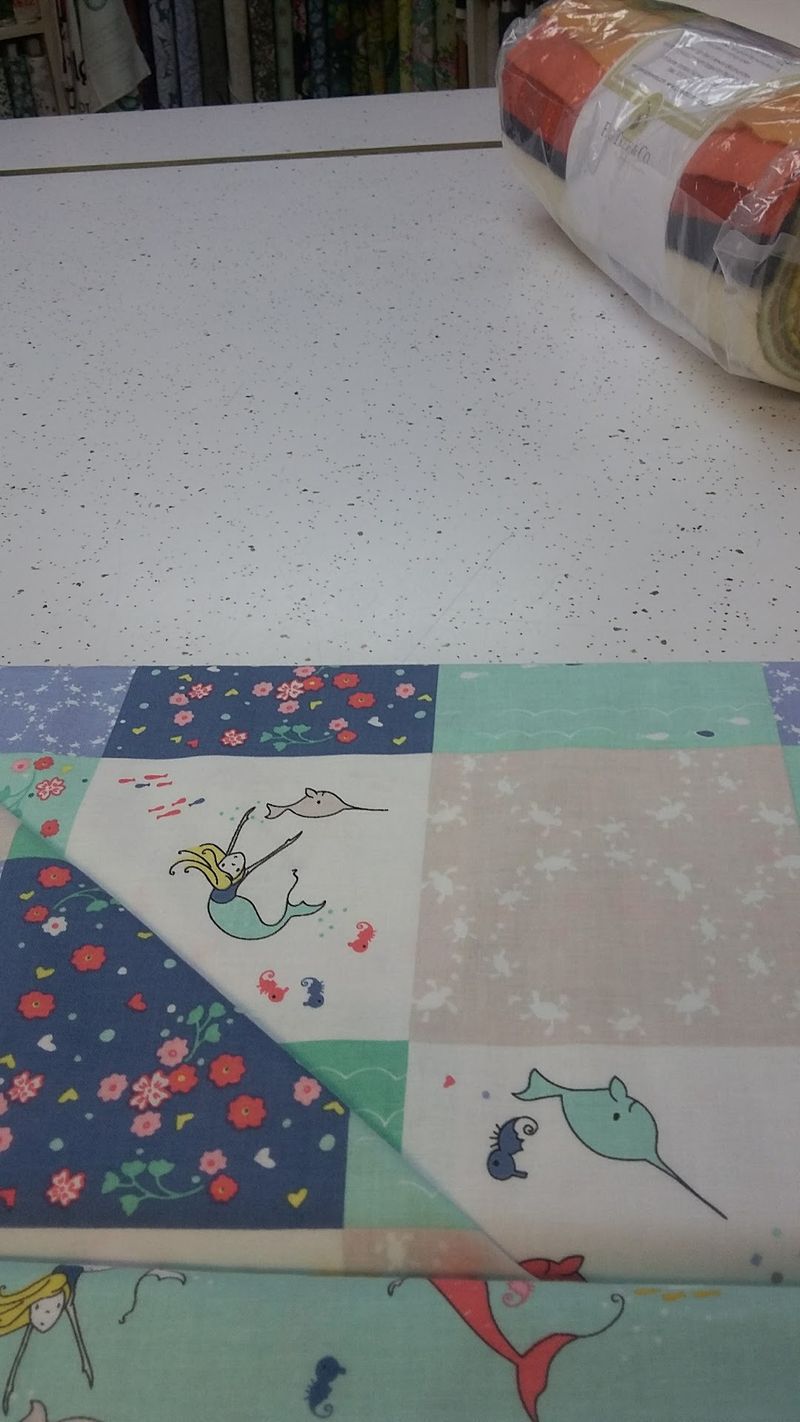
Remnant pieces are the ends of bolts that didn’t quite make a full cut. They’re perfect for quilt blocks, small bags, doll clothes, and practice projects.
For quilters, remnants are basically puzzle pieces with potential. A half yard of a designer print can become the star of a whole block layout.
Bargain shoppers tend to treat these bins as the real prize. You never know which color or pattern will turn up next, and that unpredictability is half the appeal.
My advice is simple. Walk the full shop first, then circle back to the remnants with your project ideas fresh in your head.
Measure what you need before you go, too. Knowing your yardage keeps the excitement fun instead of turning into a closet full of mystery fabric.
One Scrap Bin, One Bag, Endless Possibilities
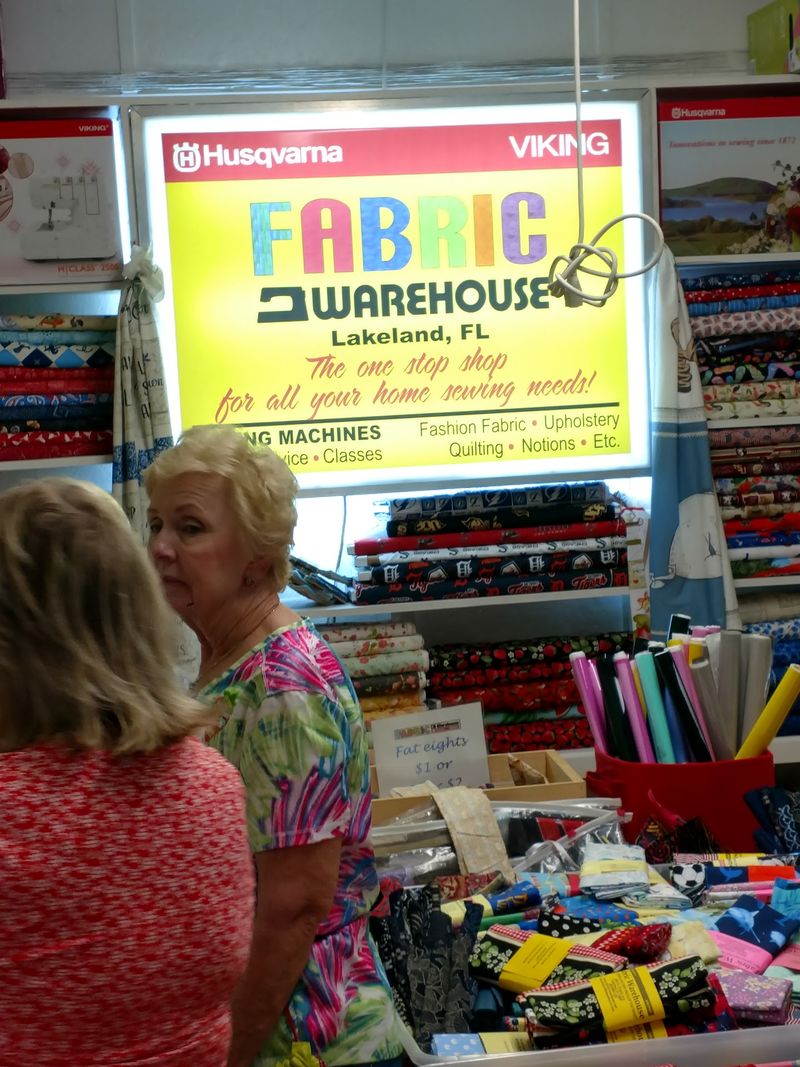
Good luck walking past a fill-a-bag scrap bin without stopping. It’s the closest thing this shop has to a bulk-buy adventure, and it’s a lot of fun.
The idea is easy to love. You grab a bag, pack in as many scraps as you can, and pay for the bag instead of each piece.
Strategy matters here. Fold scraps flat instead of crumpling them, and you’ll be amazed at how much fits inside.
Scraps work beautifully for English paper piecing, appliqué, patchwork, and kids’ craft projects. Teachers and scout leaders can stretch a craft budget surprisingly far with one bag.
The bin also changes over time. What you see on one visit may be gone the next, so a favorite print deserves a quick grab.
There’s a feel-good twist as well. Fabric Warehouse accepts fabric scrap donations, which means your leftover bits could help fill someone else’s bag.
That loop keeps usable fabric out of the trash. It also gives sewists a reason to clean out their own bins before shopping, which might be the most responsible excuse to buy more fabric ever invented.
Ten Thousand Bolts And Counting Your Options
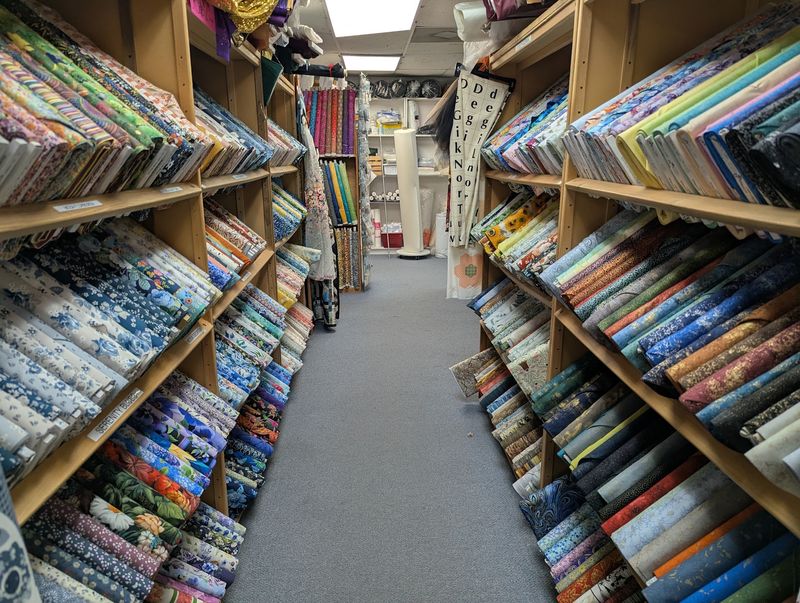
More than 10,000 bolts. Say that number out loud and watch a quilter’s eyes go wide.
That count puts Fabric Warehouse in a different league from the small fabric corner of a general craft store. The rows stretch far enough that browsing becomes a real outing.
The selection includes unique and designer fabrics that chain stores simply don’t carry. If you’re tired of seeing the same five prints everywhere, this is a refreshing change.
Color lovers will have a field day. Bright florals, soft solids, and bold prints sit side by side, so building a coordinated palette gets much easier.
One tip saves a lot of wandering. Bring a small swatch from your project and hold it against bolts as you browse.
It’s also smart to snap phone photos of fabrics you like. With this many choices, it’s easy to forget where that perfect blue lived two aisles ago.
Costume makers should know one thing upfront. The shop’s strength is quilting and everyday sewing fabric, not specialty costume material, so plan accordingly before driving in with cosplay dreams.
Quilters Will Want To Clear The Whole Afternoon
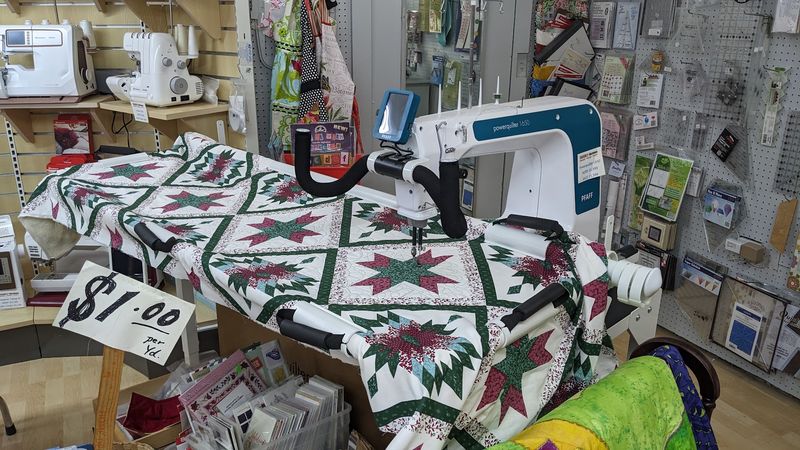
Quilting fabric is the heartbeat of this shop. It’s the topic that comes up again and again when people talk about the place.
Cotton fabrics fill a big share of the shelves. That’s great news for anyone piecing a bed quilt, a baby quilt, or a wall hanging for the front room.
Quilting supplies round out the hunt. Notions, tools, and accessories mean you can often pick up fabric and the gear to cut it in the same trip.
What about planning a big project? Pull your main print first, then build outward with blenders and solids from nearby bolts.
This approach keeps a quilt from looking busy. It also helps you see whether that wild novelty print actually plays nicely with everything else.
Florida quilters have long relied on guild swaps and shows for variety. A shop with this much depth gives them another reliable stop between events.
Don’t rush the cutting counter, either. Double-check yardage before each cut, since running short on a designer print can be a real heartbreak later.
And yes, it’s perfectly normal to leave with fabric for three future quilts you haven’t designed yet.
Thread, Stabilizer, And The Little Things That Matter
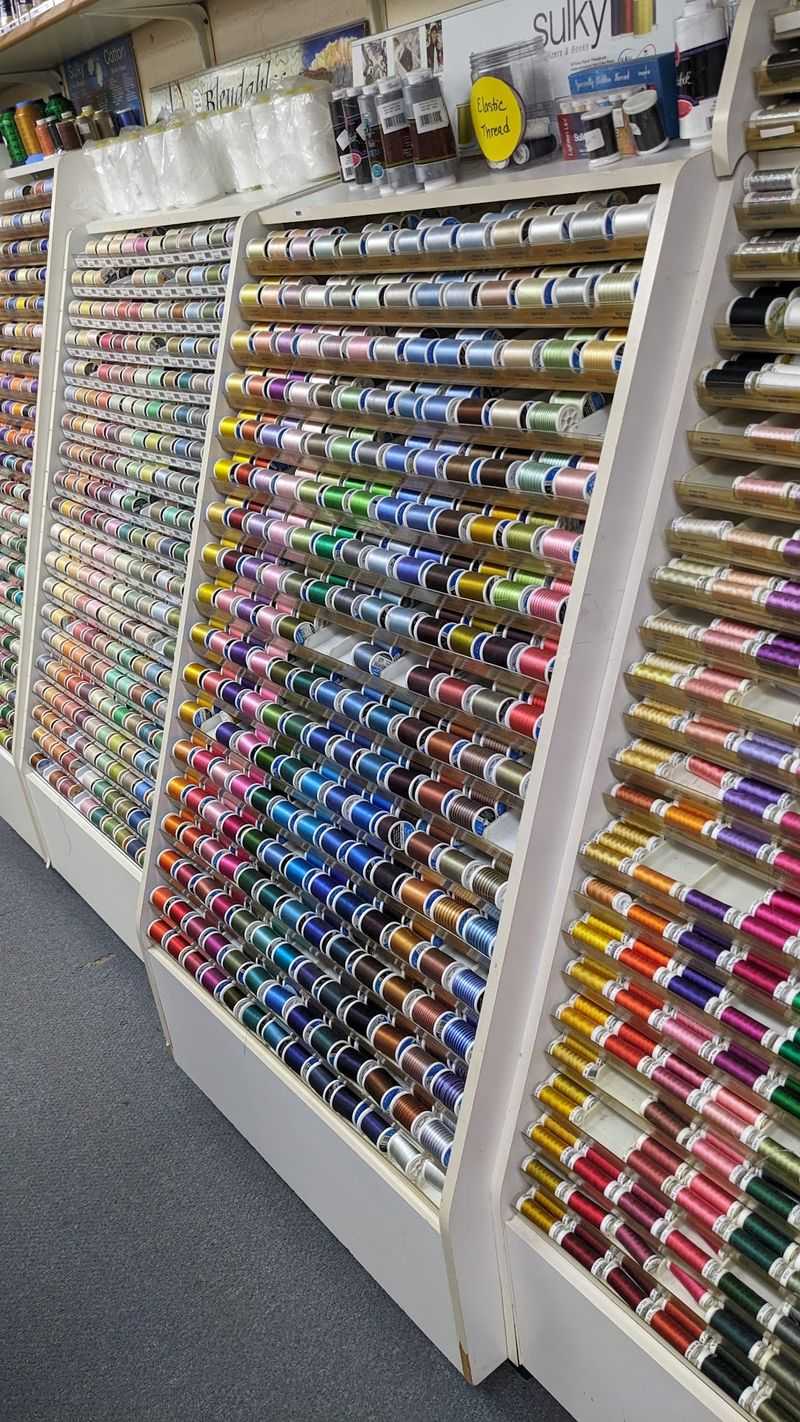
Ask any sewist what ruins a project fastest. Mismatched thread is right near the top of the list.
Fabric Warehouse takes the small stuff seriously. Thread selection and embroidery products both show up as standout parts of the shop.
Machine embroiderers in particular can stock up here. Embroidery supplies are tough to find in depth at general craft stores, so having them close to the fabric is a real convenience.
A smart move is matching thread while your fabric is still on the bolt. Unroll a little, lay the spool on top, and check it under the store’s lighting.
Needles deserve attention too. Fresh needles fix more stitching problems than most people expect, and they cost far less than a frustrated afternoon.
Stocking up can be satisfying in a quiet way. Ten new spools lined up on a sewing table feel like a promise of projects to come.
For quilters, neutral thread is the workhorse. Grab a couple of light grays and creams, and you’ll cover a surprising number of piecing jobs without second-guessing your colors.
Machines That Make Beginners Dream Big
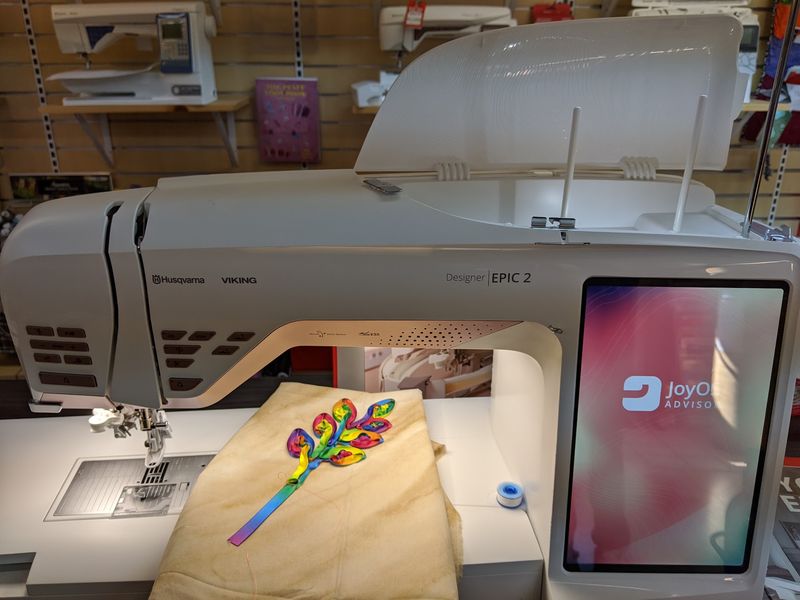
Right by the door, a sewing machine display tends to steal attention before the fabric even gets a chance. That’s a bold move for a fabric shop, and it works.
Fabric Warehouse sells sewing machines alongside its bolts. High-end models and sergers are part of the lineup, including Husqvarna Viking machines.
Buying a machine in person has real perks. You can see the size, check the features, and ask questions without guessing from a product photo.
Sergers deserve a special mention. They trim, stitch, and finish seams in one pass, giving homemade clothes that tidy store-bought look.
Embroidery machines open another door entirely. Monograms, decorative designs, and personalized gifts become possible once you’ve got the right setup and supplies.
If you’re shopping for your first serious machine, write down what you sew most. Quilts, garments, and embroidery each call for different features.
Then ask about classes and support before you buy. A machine you understand will get used far more than a fancy one that intimidates you.
Patience pays off here. Take time to compare, and your future self will thank you every time the bobbin behaves.
Help For Machines That Stop Cooperating
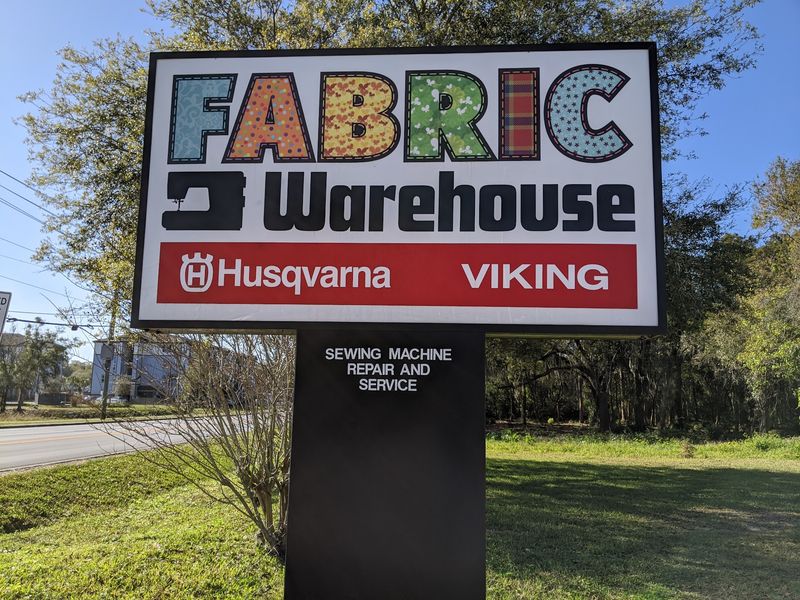
Few things feel worse than a machine jamming in the middle of a project. That’s where this shop’s hands-on help becomes a big deal.
Fabric Warehouse has a repair person on hand, and the staff will dig into machine problems. Some sewists drive more than an hour just for that assistance.
The owner has been known to troubleshoot machines that weren’t even bought there. That kind of help speaks volumes about how the shop treats sewing as a community.
Husqvarna Viking owners can find replacement parts here too. An embroidery arm, old manuals, and catalogs have all come out of the back to keep a machine running.
Before hauling a machine in, note the symptoms. Write down what sound it makes, when it skips, and which settings you were using.
Bring the power cord, foot pedal, and any accessories as well. Missing pieces can slow down even the sharpest diagnosis.
Small fixes often come down to needles and thread. It’s never a bad idea to pick up fresh supplies while you’re there, since the cheapest repair is sometimes a brand-new needle.
Classes, Sew Days, And A Room Full Of Makers
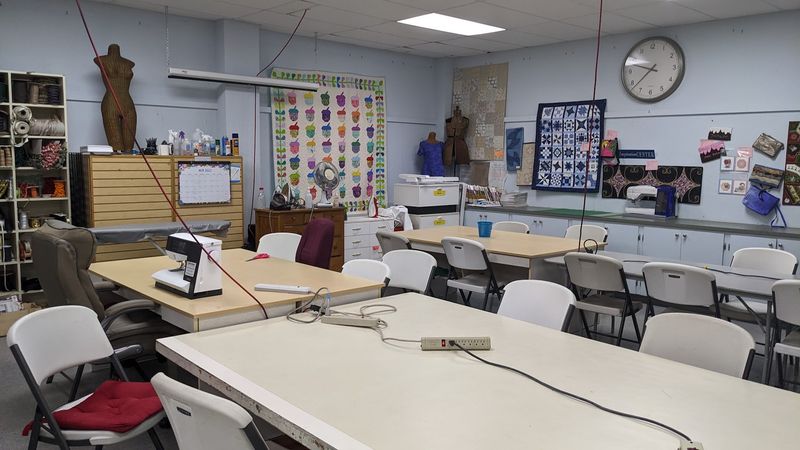
Learning to quilt from a video is fine. Learning next to a patient teacher is a whole lot better.
Fabric Warehouse offers sewing classes and quilting classes. The teachers get plenty of praise, and the main complaint is simply wanting more sessions.
That tells you something about demand in this part of Florida. When people ask for more classes, the classes are clearly doing their job.
The shop also hosts community sewing events. A sew day for Ryan’s Case for Smiles, a charity that makes pillowcases for children in hospitals, drew a crowd of interested sewists.
Events like that turn a store into a gathering place. Strangers trade tips, beginners get help, and finished projects head out to people who need a bit of cheer.
Want a spot in a class? Ask at the counter about upcoming dates, since sessions can fill quickly.
Bring basic supplies unless told otherwise. Scissors, pins, and a seam ripper are the classic trio, and the seam ripper will absolutely earn its keep.
Nobody becomes a quilter in one afternoon. Still, one good class can shave months off the learning curve.
Where Former Chain Store Shoppers Landed
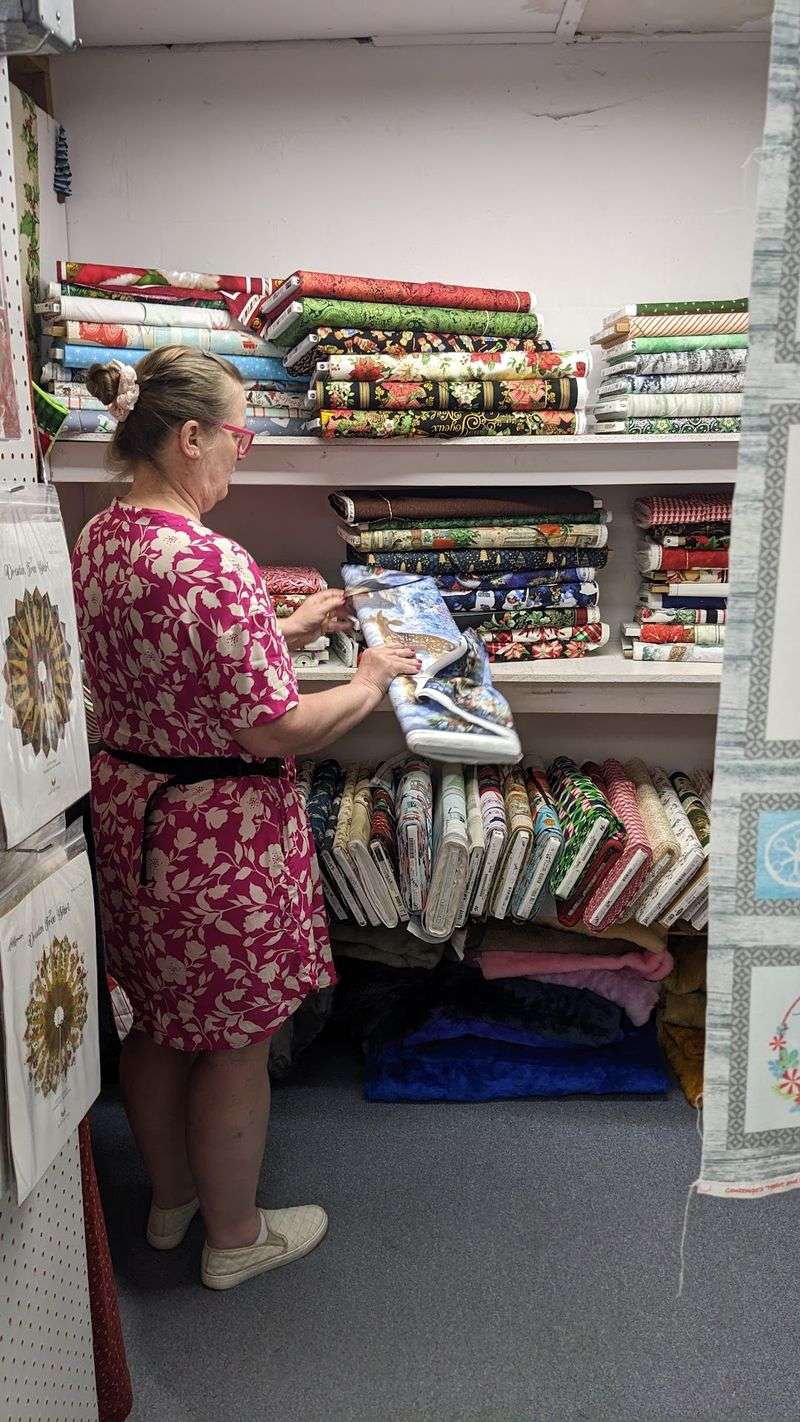
When Joann stores closed, plenty of Florida sewists suddenly needed a new place to shop. Many found their way to this independent warehouse in Lakeland.
The switch can feel like an upgrade. Instead of picked-over shelves, shoppers find deep stock, designer prints, and staff who actually sew.
Fabric Warehouse has a family-style feel that suits mother-daughter outings and quilting friends. It’s the kind of shop where browsing slowly is part of the plan.
Who gets the most out of it? Quilters, garment sewists, embroiderers, and anyone shopping for a quality machine will feel right at home.
Bargain hunters have a lane too. Between remnants, the scrap bin, and sales, cost-conscious crafters can stretch their budget.
Not every visit lands perfectly, of course. Like any small shop, experiences can vary, so arrive with clear questions and you’ll get faster answers.
Costume builders might want to look elsewhere for specialty materials. Everyone else will likely find more fabric than their sewing room can handle.
That’s the joy of an independent shop. It reflects what its owners love, and here, that love is clearly fabric.
Plan Your Trip Around The Monthly Flyer
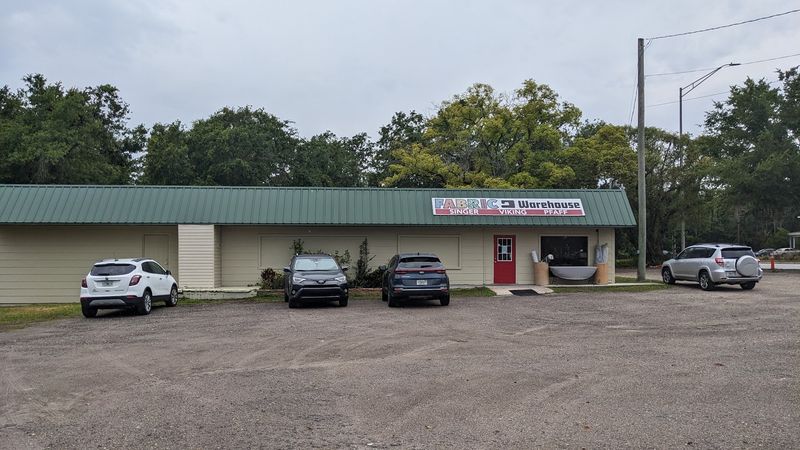
Timing your visit can save real money. Fabric Warehouse puts out a monthly flyer listing current sales, and it’s worth checking before you go.
You’ll find the shop at 3030 N Florida Ave, Lakeland, FL 33805. It sits on a main north-south road through town, so it’s easy to locate.
Lakeland is about an hour from both Tampa and Orlando along I-4. That makes it a doable day trip for sewists across Central Florida.
Arrive in the morning if you can. The shop closes by late afternoon, which rules out after-work browsing for most people.
It isn’t open every day of the week, either. Check current hours before driving out, especially during holiday weeks.
Summer brings humid heat and afternoon thunderstorms across Florida. An early start keeps fabric bags dry and tempers cool.
Bring your project notes, swatches, and yardage needs. A tote or two helps, too, especially if the scrap bin calls your name.
Make a day of it afterward with lunch in downtown Lakeland. Lake Mirror and its walking paths are a pleasant spot to admire your haul.
Worth Every Inch Of Trunk Space
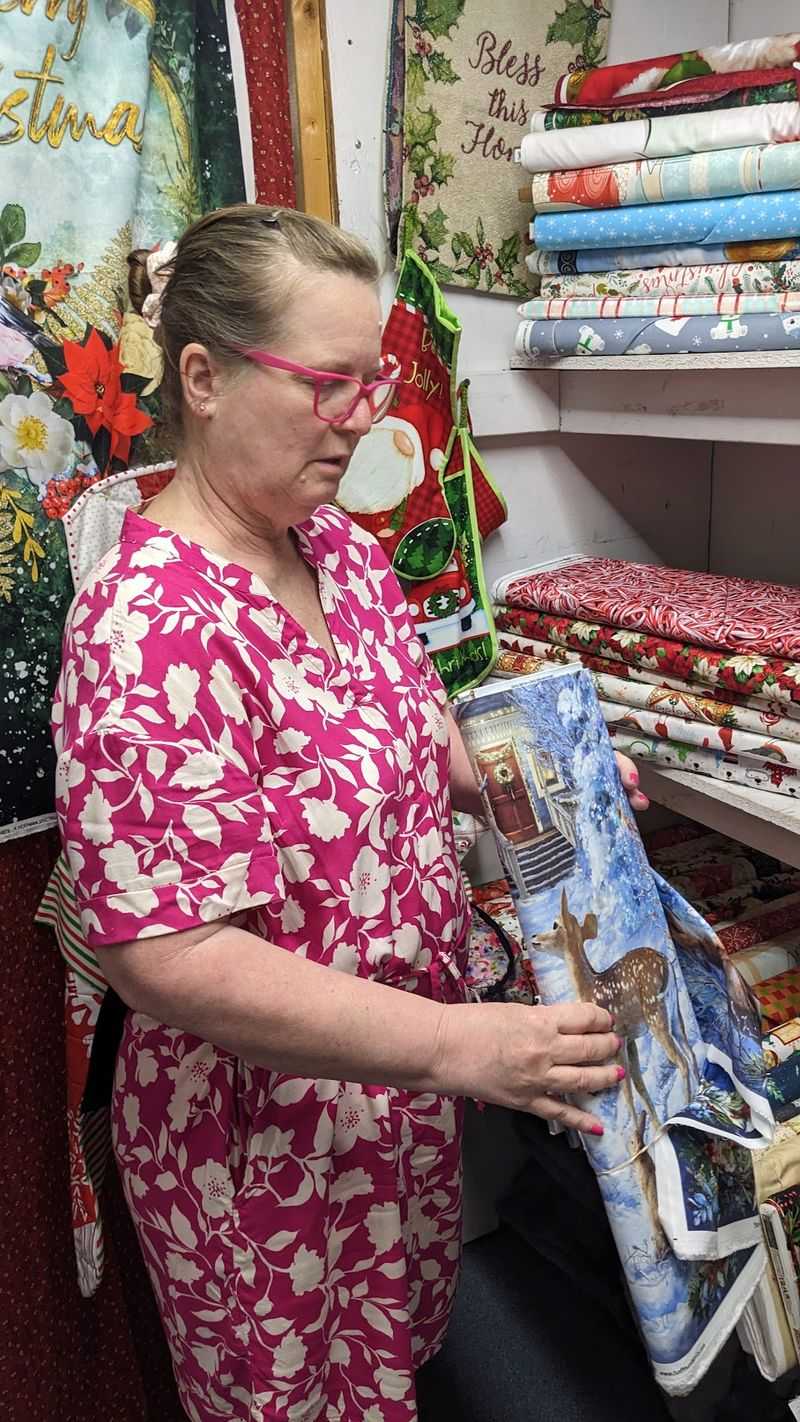
Fabric shopping should feel exciting, and this warehouse delivers that buzz. Thousands of bolts, designer prints, and remnant finds keep the treasure hunt going.
No, the bolts aren’t actually weighed out by the pound. The scrap bin and remnant pieces scratch that bulk-bargain itch in their own clever way.
What sets Fabric Warehouse apart is the full package. Fabric, thread, embroidery supplies, sewing machines, repairs, and classes all live under one roof.
That combination is rare in Florida right now. Independent shops with this much depth have become harder to find.
I can’t imagine a quilter leaving empty-handed. Even a quick stop for thread somehow turns into a fat stack of fabric at the register.
Bring a plan, a budget, and a sense of humor about both. The plan helps, the budget tries, and the humor keeps you happy when the bag gets heavy.
Lakeland makes an easy hop from Tampa or Orlando. One trip, and this shop might become your favorite reason to head down I-4.
Just leave room in the trunk. You’ll need it.