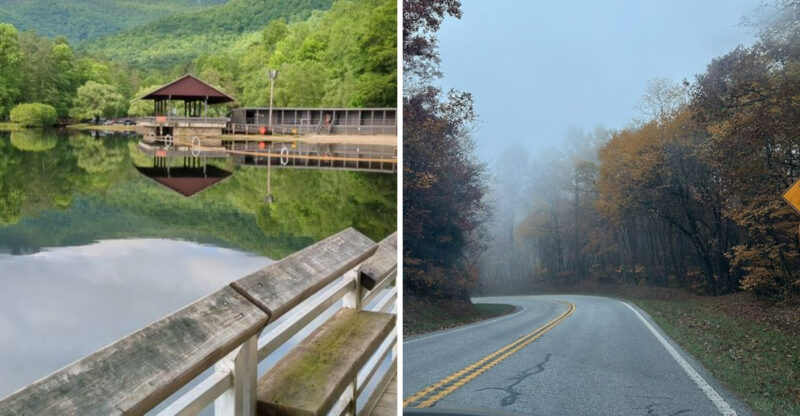
This Georgia County Is Putting The Brakes On Data Centers As Communities Push For More Rules
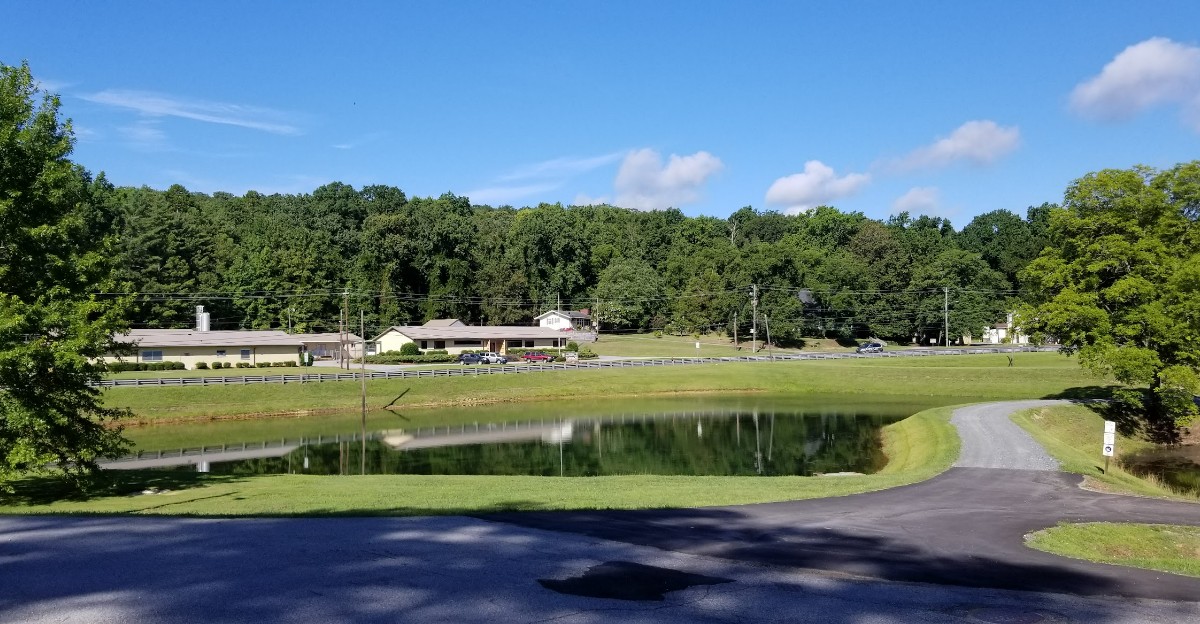
One rural county just hit pause on data centers three separate times in a single year. That’s not indecision.
That’s a community saying, “Let’s get this right first.”
The first pause started in February 2026. Leaders then extended it in July and again in October, pushing the freeze into February 2027.
Each extension had one goal: finish a solid set of rules.
I like how this small corner of Georgia is choosing patience over speed. Data centers need huge amounts of power and water.
Neighbors understandably want answers before the bulldozers show up.
The Pause Button Got Pressed In February 2026
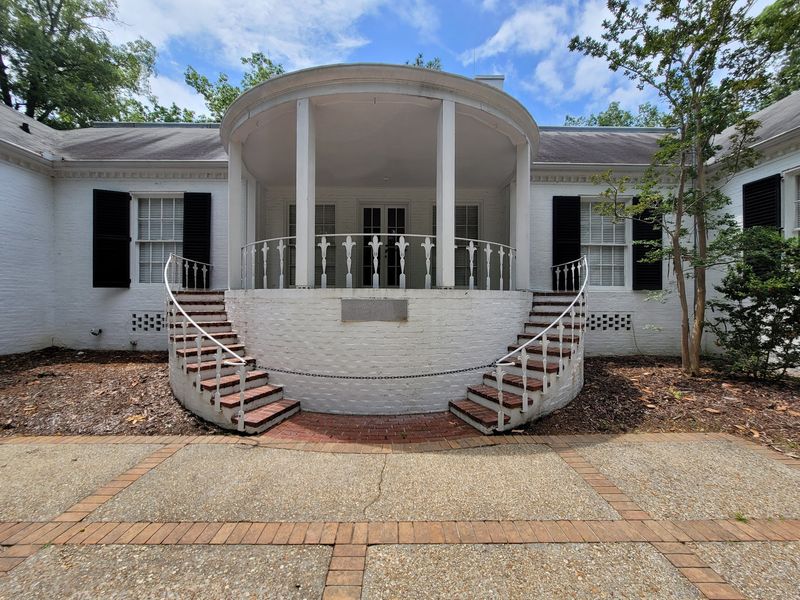
February 24, 2026, marked a big turning point for Meriwether County, Georgia. On that day, a six-month moratorium on data center approvals officially kicked in.
A moratorium sounds fancy, but the idea is simple. It’s a temporary stop sign that freezes new applications while leaders study the situation.
The Meriwether County Board of Commissioners adopted the pause for unincorporated parts of the county. That means land outside city limits, where most rural property sits.
The original window ran through August 23, 2026. County staff used that time to check something important: whether existing roads, utilities, and services could even handle these giant facilities.
Think about it like hosting a huge party. Before inviting hundreds of guests, you’d probably check whether your kitchen and plumbing could keep up.
I appreciate that the county asked those questions early instead of scrambling later. Once a massive building goes up, undoing the effects gets tricky.
The pause didn’t ban data centers forever. It simply bought time to think clearly.
For residents, it offered breathing room. For developers, it signaled that clear rules were on the way.
More Time Was Needed, So Leaders Took It
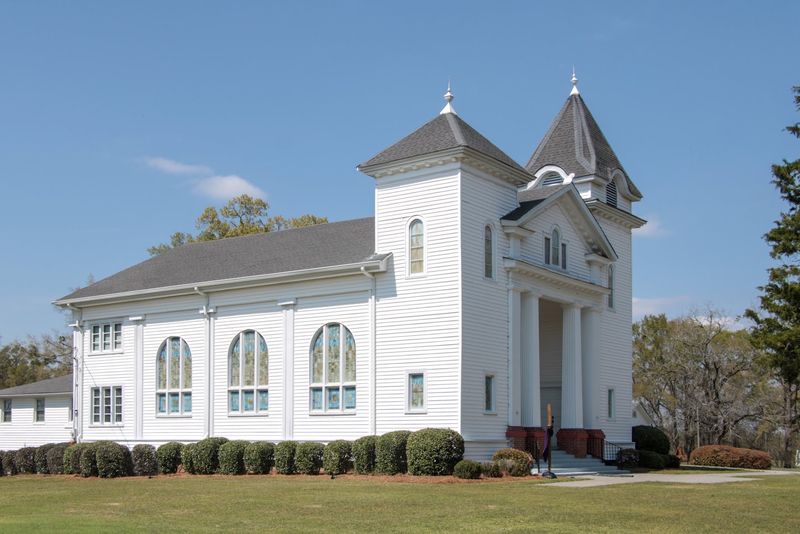
Writing good rules takes longer than most people expect. On July 28, 2026, commissioners extended the moratorium by another 90 days.
The new end date became November 21, 2026. The reason was practical, not dramatic.
County staff and legal teams needed more room to draft and review a proposed data center ordinance. That ordinance had to address the specific worries the county had already identified.
Rushing a law can backfire. A sloppy rule might leave loopholes, invite lawsuits, or fail to protect the very people it was meant to help.
So the extension made sense. Lawyers could double-check wording, and staff could compare ideas with what other Georgia communities were trying.
Honestly, it’s a lot like turning in a school project. Handing it in early feels nice, but a second draft usually earns the better grade.
The July vote showed leaders were serious about quality. They weren’t stalling for no reason.
Instead, they were building a framework meant to last for years. That kind of patience can save a community from expensive surprises down the road.
One Last Extension Pushes Things Into 2027
Third time’s the charm, right? On October 27, 2026, the Board approved another 90-day extension, and staff said it was intended to be the final one.
The freeze now runs through February 19, 2027. During that stretch, no new data center applications or public hearings move forward.
This last phase focuses on finishing zoning ordinance amendments. Zoning rules decide what kinds of buildings can go where, so they matter a lot.
Calling it the final extension sends a clear message. The finish line is in sight, and everyone involved knows roughly when decisions will come.
That timing helps residents plan to speak up at future meetings. It also lets companies know when the county will be open for business again under new terms.
The county seat of Greenville sits at the center of this local government work. Decisions made there will shape land across the whole rural county.
If you live nearby, early 2027 is worth circling on your calendar. Those meetings could decide what your neighborhood looks like for decades.
Power And Water Are The Big Questions
Data centers are hungry machines. They run thousands of computers around the clock, and that takes enormous amounts of electricity.
Many also use lots of water to keep equipment cool. Across Georgia, those two needs top the list of community concerns.
Rural areas often have utility systems built for farms, homes, and small businesses. A single huge facility could put serious strain on that setup.
That’s exactly why Meriwether County wanted staff to study infrastructure capacity first. Knowing the limits helps prevent shortages or surprise costs later.
Residents in other Georgia counties have voiced worries about rising utility bills too. Nobody wants their monthly power bill climbing because of a building down the road.
Here’s a helpful tip if this topic interests you. Look up your local utility provider and see what they say about growth plans.
Some providers share updates about new demand and grid upgrades. Learning the basics makes public meetings much easier to follow.
Power and water might sound boring. Yet they quietly shape everyday life, from cool showers to running fans on hot Georgia summer nights.
Quiet Country Nights Are Worth Protecting
Ever notice how quiet a country road gets after sunset? For many rural families, that calm is a huge part of why they live there.
Statewide, people have raised concerns about noise from data centers. Cooling systems and equipment can hum steadily, day and night.
Neighbors also worry about how large industrial buildings fit beside homes. A giant warehouse-style structure can change the feel of a neighborhood fast.
Historic sites come up in these conversations too. Georgia has plenty of old places that communities hope to keep looking the way they always have.
Meriwether County was formed back in 1827, making it the 73rd county in Georgia. Long history like that gives residents strong reasons to care about change.
Good rules can help balance progress and peace. Things like buffer zones, building placement, and design standards often show up in these ordinances.
I can’t imagine anyone wanting to trade starry skies for a constant mechanical buzz. Thoughtful planning can help families keep what they love while still welcoming smart growth.
A Clue From The Town Of Gay
Data processing isn’t brand new to this area. As of January 2025, a listing mentioned a data center or crypto mining operation in the small town of Gay.
Its utility supplier was listed as Southern Rivers.
Crypto mining uses powerful computers to process digital currency. Like data centers, these setups can draw lots of electricity.
This detail matters because it shows the issue wasn’t just a far-off idea. Interest in using rural land for computing had already reached the county.
When something shows up once, more requests often follow. Leaders likely realized they needed clear rules before demand grew larger.
It’s a good reminder that small towns aren’t invisible to big tech. Cheap land and open space can make rural places attractive to companies.
Gay is a tiny town, but its example helps explain the bigger picture. Sometimes one small sign tells you a much bigger wave might be heading your way.
Meriwether Has Plenty Of Company Across Georgia
Fifty-five. That’s how many Georgia cities and counties had passed a data center moratorium by mid-August 2026.
Of those, 33 were still active at the time. Meriwether County is clearly part of a much larger movement.
By June 2026, about one in five Georgia counties had either adopted or was developing a data center ordinance. That’s a big shift in a short time.
Why the rush? Many local zoning codes were written long before data centers became common, so they simply don’t mention them.
Without specific rules, counties can struggle to decide where these facilities belong. A moratorium gives them time to catch up.
Communities also share ideas with each other. When one county writes a strong ordinance, others can learn from what worked.
It’s a bit like neighbors swapping recipes. Everybody tweaks the details, but the basic ingredients start to look familiar.
So when Meriwether finishes its rules, it won’t be acting alone. It’ll be joining a statewide conversation about how Georgia grows in the digital age.
What The New Rules Might Cover

Ordinances can sound dull, but they’re really just a community’s instruction manual. Across Georgia, counties writing data center rules tend to focus on a few key areas.
Site planning is one. That covers where a facility can go and how far it must sit from homes.
Building design is another. Rules may address height, appearance, and how a structure blends into its surroundings.
Power infrastructure gets attention too. Counties want to know how new substations and lines will connect without overloading the system.
Environmental protections often appear as well. These can deal with water use, runoff, and protecting nearby land.
Then there’s decommissioning, which is a fancy word for shutting down. What happens if a data center closes someday?
Smart ordinances plan for that ending ahead of time. Nobody wants an empty giant building sitting abandoned for years.
Meriwether’s final rules haven’t been released yet, so details remain unknown. Still, these common topics give you a good idea of what to watch for when the draft arrives.
Your Voice Can Shape What Happens Next
Local government works best when people show up. Once the moratorium ends, public hearings on data centers can begin again in Meriwether County, Georgia.
That’s your chance to listen, ask questions, and share opinions. Many folks never realize how much one thoughtful comment can matter.
A little preparation goes a long way. Check the county government website for meeting schedules and posted agendas before you attend.
Read any draft ordinance if it’s shared publicly. Even skimming the main sections helps you understand what’s actually being proposed.
Keep your comments short and specific. Mentioning a real concern, like traffic on your road or water use, often lands better than general frustration.
Talk with neighbors too. Groups that share information tend to feel more confident speaking up together.
Remember, the goal isn’t always yes or no. Sometimes the best outcome is better rules that protect families while allowing responsible growth.
Meriwether took its time on purpose. Joining the conversation now means the final decision reflects the people who actually call this county home.