The Tiny Mineral Point, Wisconsin Pasty Shop That Keeps Old Cornish Recipes Alive
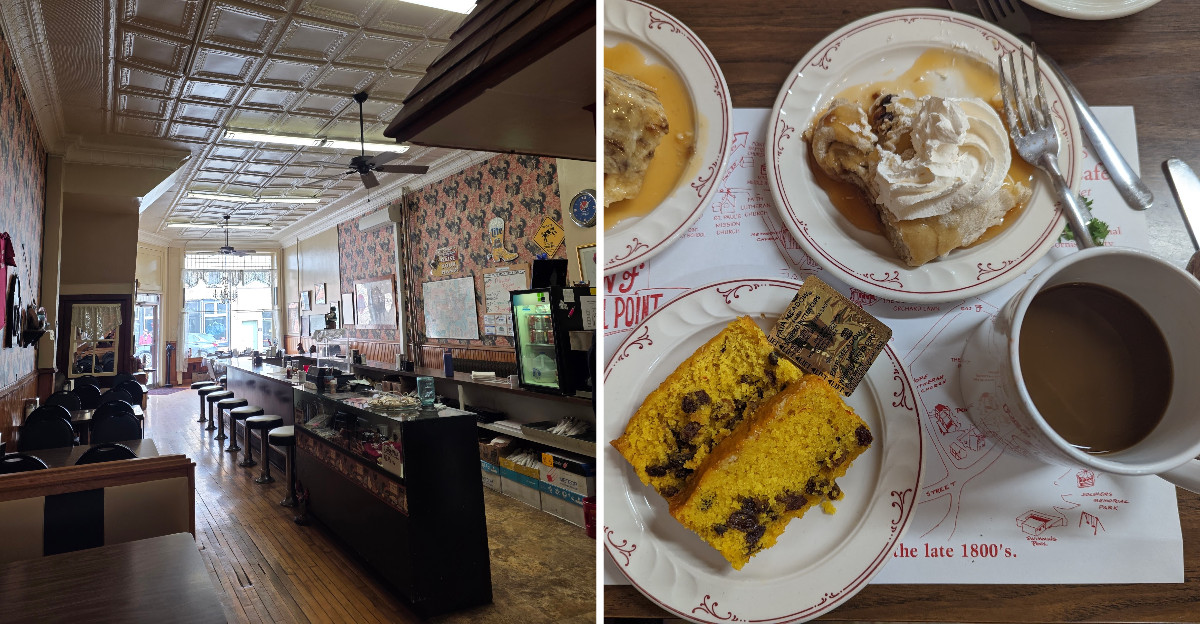
There’s a dessert here called figgyhobbin, and it doesn’t contain a single fig.
Old Cornish speakers called raisins figs, so the name stuck around. Fair enough, honestly.
That little quirk tells you a lot. Cornish miners brought their recipes to southwest Wisconsin back in the 1830s.
One family-run diner has spent more than 50 years making sure those flavors never faded.
The pasties still come wrapped in flaky crust with hearty fillings, just like the meals miners once carried underground.
The room has its own personality too. Roosters show up everywhere, even on the floral wallpaper.
A place this committed to a theme deserves your full attention, and probably a second slice of pie.
Three Generations Have Kept This Kitchen Humming Since 1972
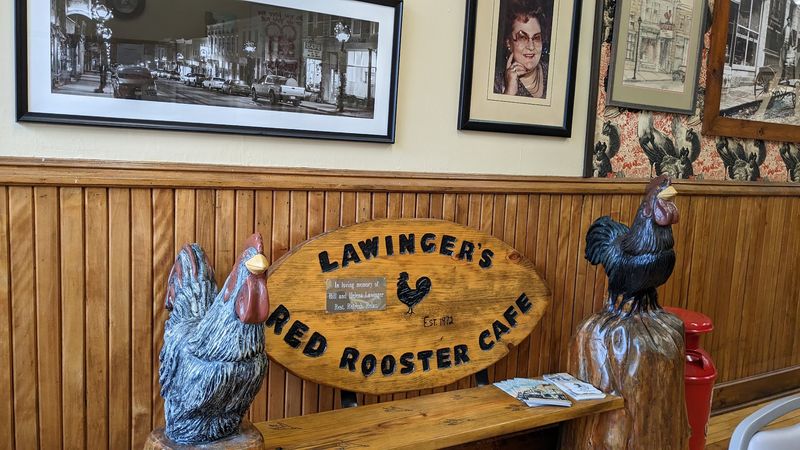
Back in 1972, the Red Rooster Cafe started serving the town of Mineral Point. More than 50 years later, the same family still runs the show.
The cafe is now in its third generation of family ownership, with familiar recipes outlasting plenty of food trends.
So what kept the doors open all this time? The answer seems refreshingly simple. Cornish pasties, figgyhobbin, saffron bread and tea biscuits are still part of the everyday lineup, alongside American diner favorites.
One table might order eggs and toast while another chooses a pastry connected to the region’s nineteenth-century mining communities. Even the simplest breakfast becomes part of a longer story when the kitchen has been around for half a century.
Breakfast and lunch are generally served from 7 a.m. to 3 p.m., with operating days and holiday hours worth checking before visiting.
Showing up hungry in the morning is a smart move. You’ll have the full menu ahead of you and plenty of daylight left to explore town afterward. That’s a pretty good trade for one early alarm.
The Pasty Is Basically A Mining-Era Lunchbox You Can Eat
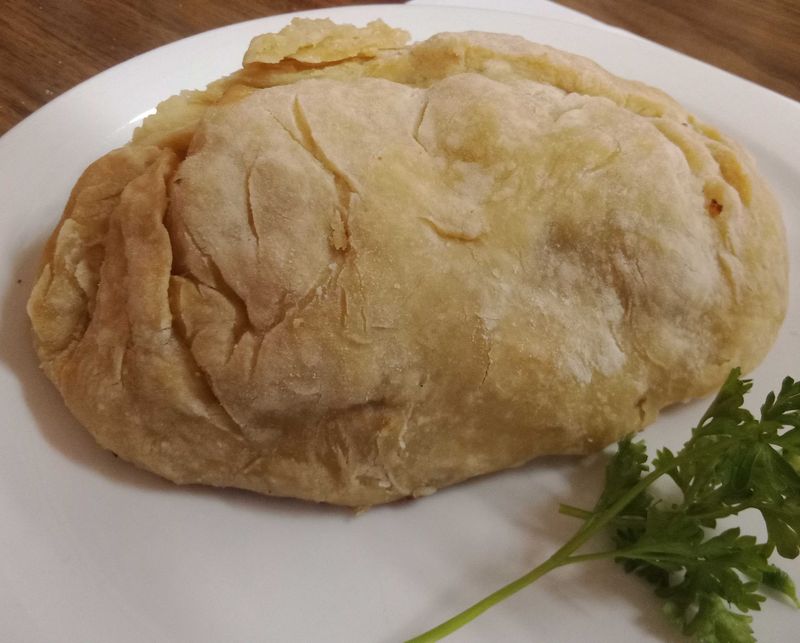
Cornish miners needed a lunch that could survive a long shift underground. Their answer was the pasty, a sturdy pastry stuffed with a hearty filling and sealed inside a flaky crust.
When those miners arrived in Mineral Point during the 1830s, they brought the pasty with them. Nearly two centuries later, it remains the star at this cafe. Traditional fillings combine beef, potatoes, onions and rutabaga inside folded pastry.
Think of it as edible history you can hold. Every bite connects you to the mining history of this part of Wisconsin.
The crimped edge keeps the filling enclosed. Unlike a typical pie served by the slice, a pasty can be picked up and eaten without a plate, just as it was intended to be.
Pasties here can be served with chili sauce or ketchup on the side. Try a bite plain before reaching for anything extra.
Here’s a handy tip for travelers. Frozen pasties have also been available to take home, so ask what’s in stock if you’d like another meal later.
Save Room, Because Figgyhobbin Deserves Its Own Moment
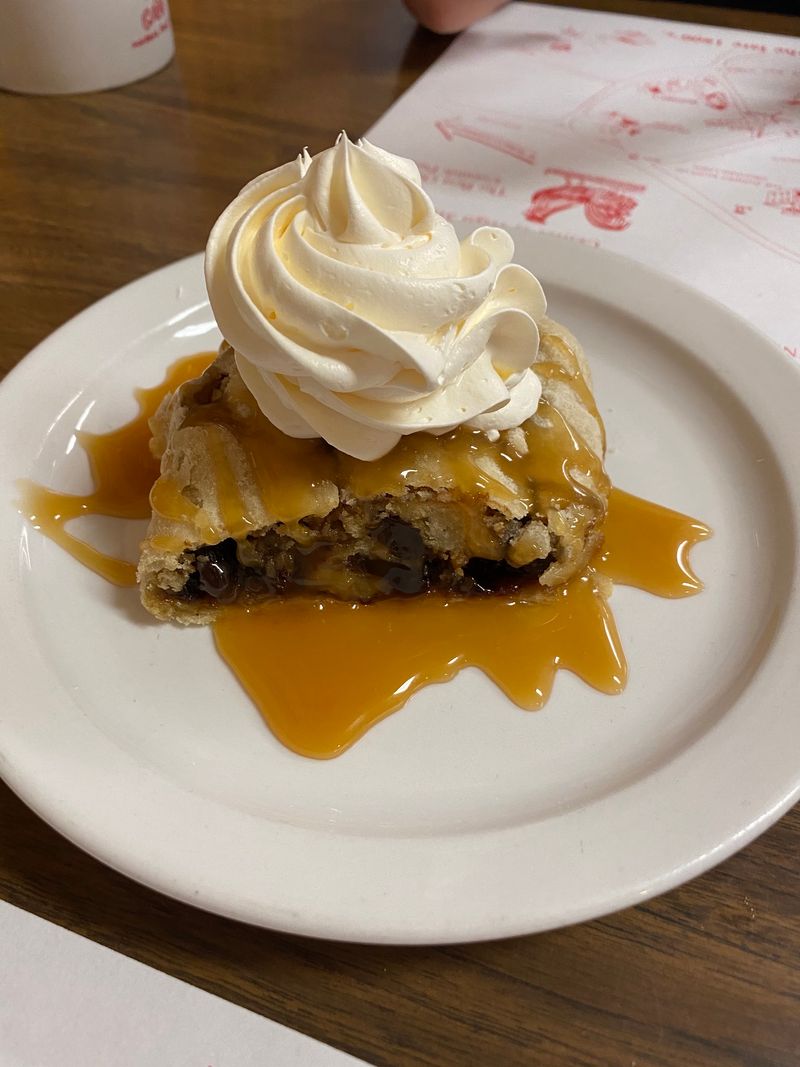
Raisins wearing a fig costume. That’s the delightful story behind figgyhobbin, one of the best-known treats at the Red Rooster Cafe.
In old Cornish speech, raisins were called figs. So this raisin-filled pastry kept the name, even though no actual figs were ever invited.
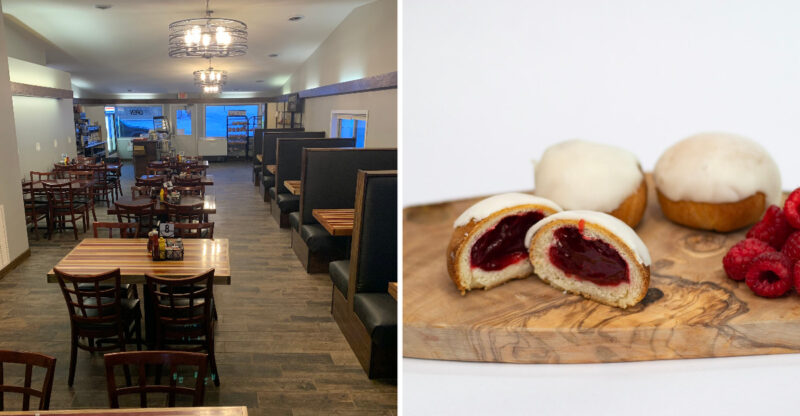
Figgyhobbin is made by rolling pastry around a sweet raisin filling, then baking it until the dough turns golden. Sugar, butter and sometimes nuts enrich the filling, which sits inside a golden pastry roll.
The cafe typically serves figgyhobbin with caramel sauce and whipped cream. The caramel settles into the folds, while a spoonful of cream softens the sweetness of the raisin filling.
It’s a sweet finish that feels both old-fashioned and slightly indulgent. That’s a winning combination for dessert.
Want a little fun at the table? Ask your group to guess what fruit is inside before they take a bite. Watching someone confidently answer figs never gets old.
Bread pudding is another everyday sweet. Sharing both desserts lets you sample two very different textures.
Roosters Rule The Room, And Nobody Is Arguing
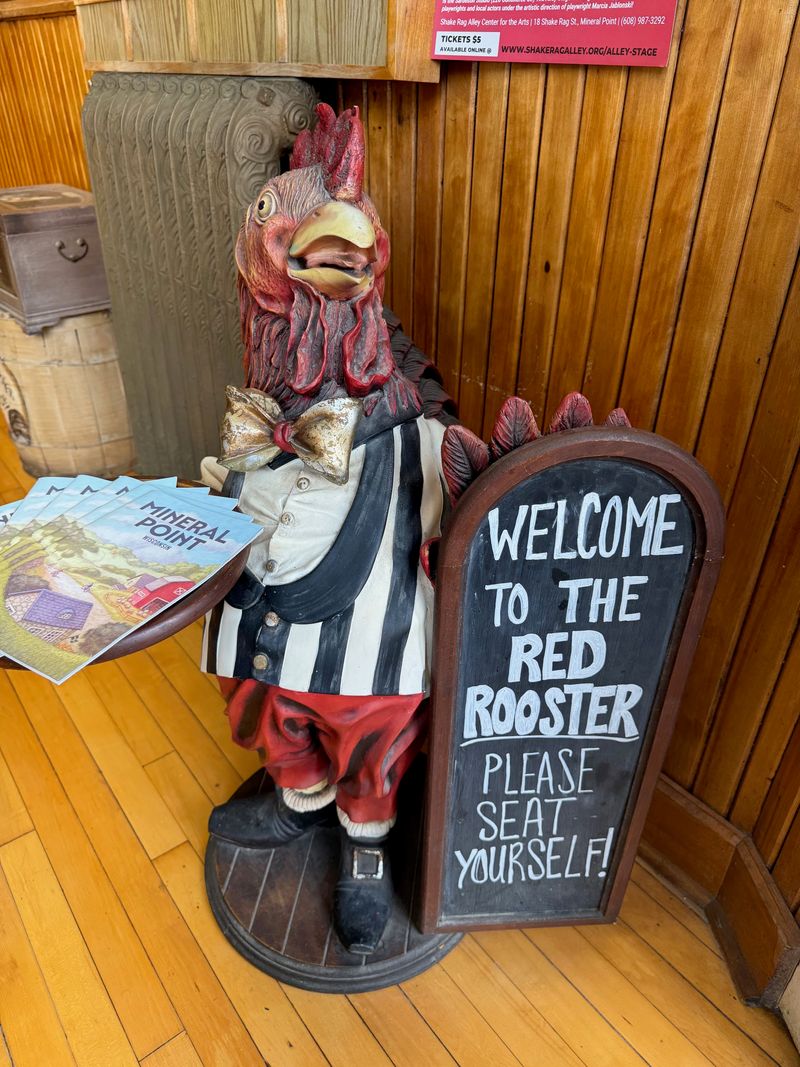
Count the roosters if you dare. They perch on shelves, peek from corners, and even bloom across the floral wallpaper.
The theme at this diner isn’t subtle, and that’s exactly why it works. A restaurant named after a rooster has every right to go all in.
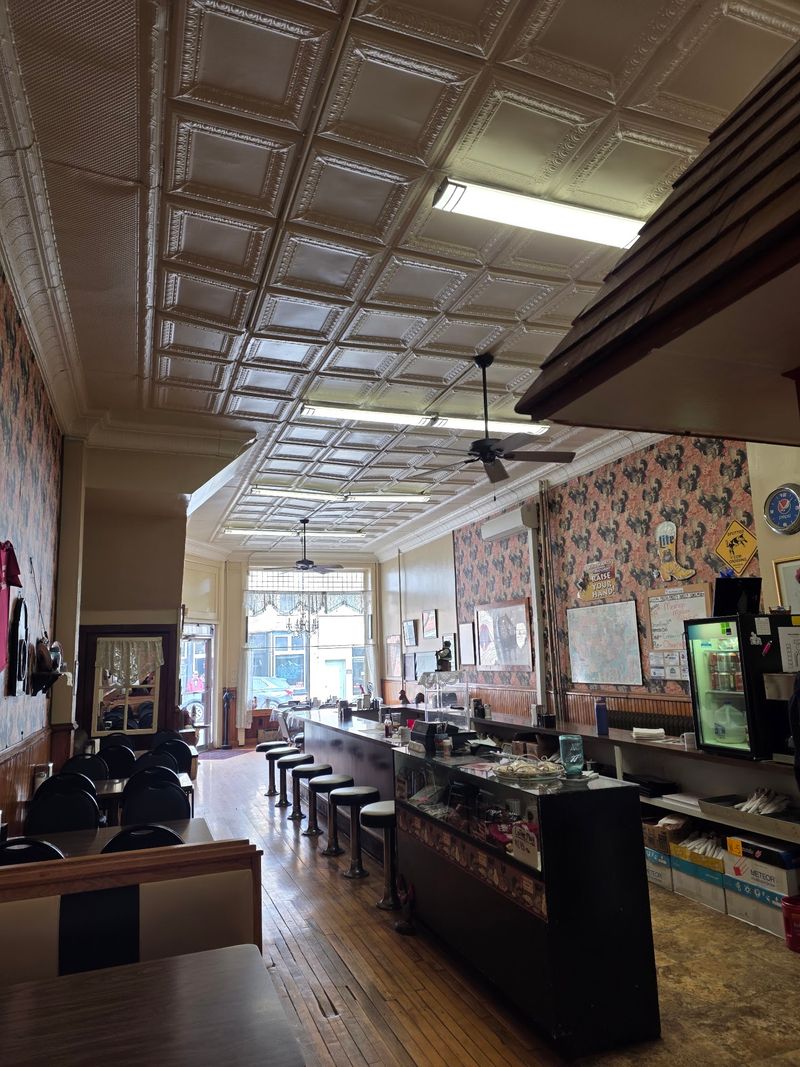
The interior carries a vintage diner feel, with patterned walls, wood trim and a long counter lined with stools.
A decorative metal ceiling and framed pictures add more character. Sugar dispensers and napkin holders sit ready for the next breakfast rush. The room has accumulated its personality over decades, one rooster at a time.
You’ll find tables and counter seating for a quick breakfast or a longer lunch. Grab a stool if you like being near the activity, or settle in at a table with room to spread out plates.
A display of homemade pies might tempt you into choosing dessert before lunch. With so many rooster decorations around, there’s also a ready-made game for anyone who wants to count them all.
Old Stone Walls Make This Building Easy To Spot
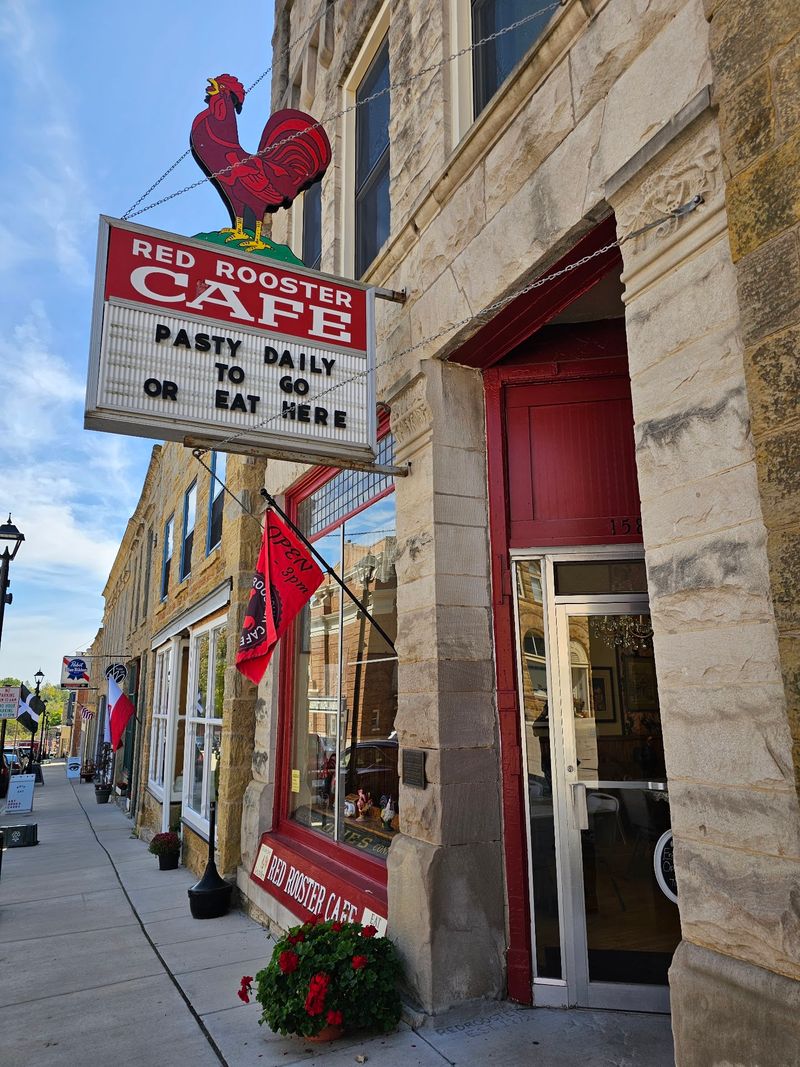
A rooster sign hanging from a historic stone facade isn’t exactly camouflage. On High Street, the cafe announces itself before you’ve even opened the door.
The building was constructed in 1892 as the Iowa County Bank and Abstract Office. Its stone and brick exterior, decorative details and tall upper windows reflect the commercial architecture of that era. Other businesses followed before the cafe opened.
That setting gives your meal some extra flavor. You’re eating traditional recipes inside a building that has watched well over a century of Wisconsin history roll by.
The full address is 158 High St, Mineral Point, WI 53565. The recognizable hanging sign includes a colorful rooster above the cafe’s lettering, while the surrounding historic storefronts create a particularly interesting stretch to explore on foot.
It’s a particularly fitting home for food made from recipes older than the restaurant itself. Look up while strolling to appreciate the decorative stonework and varied rooflines.
Though its purpose has changed, the old bank building remains part of downtown’s daily life.
You’re Eating In America’s Most Cornish Town
Mineral Point carries a bold nickname. It’s often called the most Cornish town in America, and the label has deep roots.
Cornish miners arrived here in the 1830s, drawn by opportunities to work the lead deposits of southwest Wisconsin. They brought skills, recipes and building traditions from Cornwall, England.
Preserved cottages still recall that era. At nearby Pendarvis, a state historic site, restored stone and log buildings show how immigrant families once lived.
The cottages have thick stone walls and modest rooms that contrast with the more ornate storefronts along High Street.
The Red Rooster Cafe keeps one part of this heritage on the table. Pasties, figgyhobbin, saffron bread and tea biscuits connect a modern breakfast or lunch to a much older food tradition.
That makes a meal here more than a quick bite. It’s a small, delicious history lesson with no homework attached.
After lunch, compare the old buildings downtown with the food traditions still thriving along High Street.
Saffron Bread And Tea Biscuits Belong On Your Radar
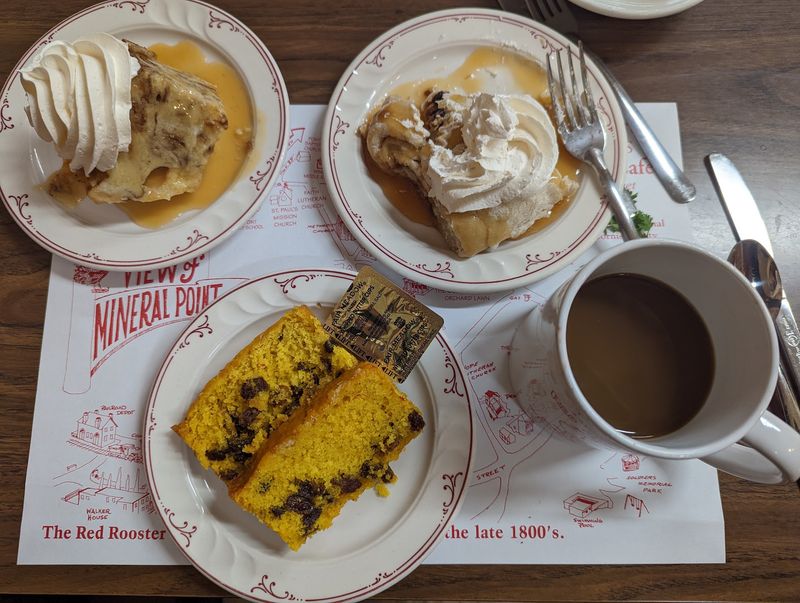
Golden saffron bread doesn’t show up on many small-town menus. At this cafe, it sits proudly among the Cornish specialties alongside tea biscuits.
Both items come from baking traditions that traveled across the Atlantic. Saffron lends the bread its yellow color and delicate aroma.
Saffron bread has a long history in Cornwall, where it is associated with special occasions and family baking. Finding it in southwest Wisconsin feels like discovering an edible reminder of the communities that brought the recipe here.
Tea biscuits round out the lineup nicely, especially if you’ve already planned a larger lunch. Their smaller size makes them easy to share alongside a warm drink, without committing to another full-sized pastry.
The cafe includes these baked goods among its daily specialties, together with pasties, figgyhobbin and bread pudding. Take a look at the baked selection when you arrive.
Order a couple of different items to share if you’re torn. With so much attention on the famous pasty, the quieter baked goods deserve their own moment.
Diner Classics Keep Everyone At The Table Happy
Not everyone in your group may be craving Cornish food at 8 a.m. Thankfully, the menu covers classic American diner favorites too.
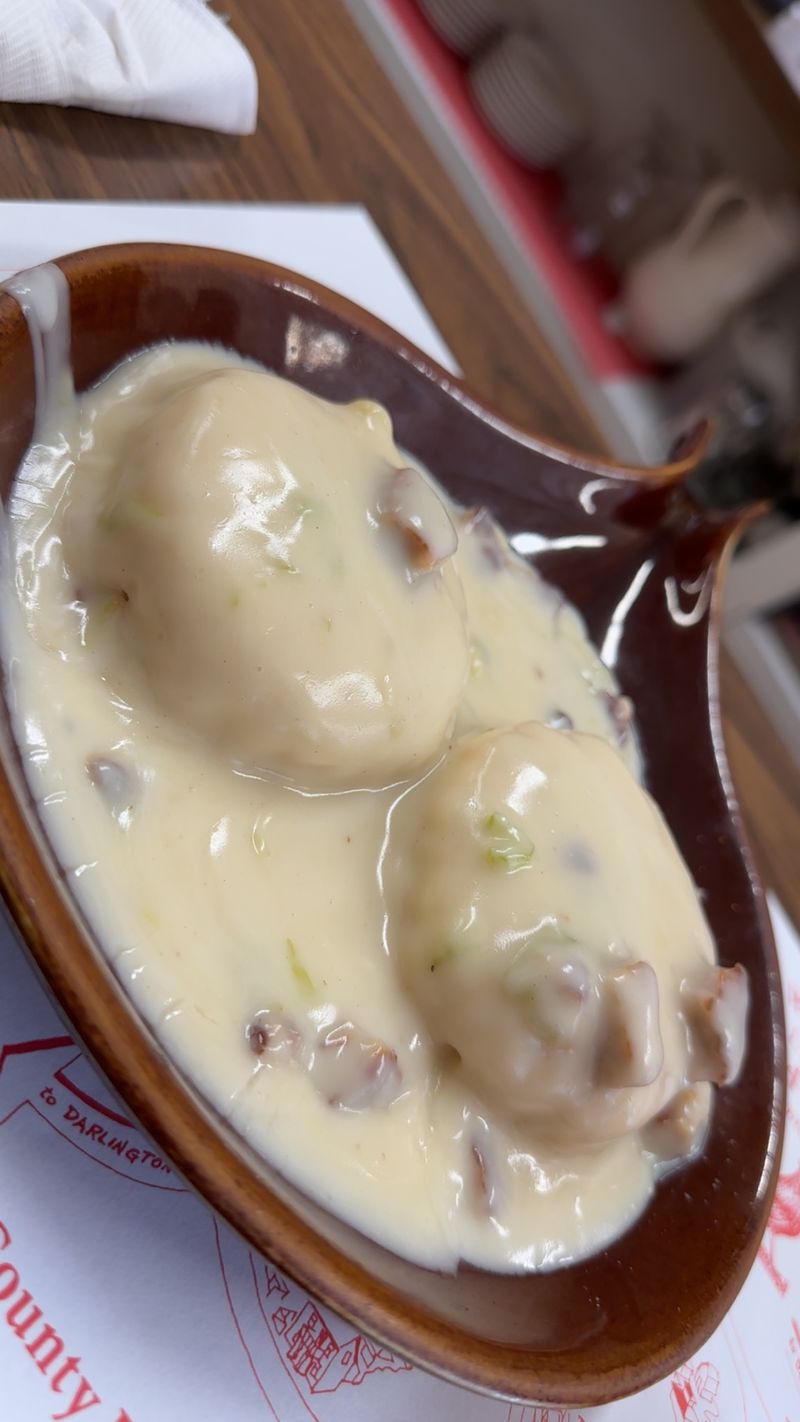
Breakfast includes comfort staples such as biscuits and gravy, French toast and eggs cooked to order. Lunch brings sandwiches, including Reubens, gyros and familiar grilled choices, along with soups and daily specials.
One person can order a Cornish pasty while another chooses a sandwich, and breakfast stays available throughout the day.
The pie and dessert counter deserves a lingering look. Homemade pies, bread pudding and cinnamon rolls have all appeared among the sweets. The selection changes, which makes a glance at the display case part of the fun.
Apple-bread French toast is another breakfast choice, with a sweeter twist than plain toast and eggs. There’s something for both curious eaters and anyone craving a familiar diner plate.
Pro tip: decide on dessert early. It’s easier to leave room for figgyhobbin when you already know that’s how the meal is going to end.