Locals In This Connecticut River Town Say It Isn’t What It Used To Be
The old storefront is gone. A familiar business has changed hands.
And the price of a house seems almost impossible compared with what people remember paying years ago.
Small changes can add up.
In one Connecticut river town, conversations about growth and changing local character reveal how differently residents experience the same community.
For newcomers, a busy downtown might feel exciting. For someone who remembers quieter streets, that same activity can seem like a sign of something slipping away.
Neither perspective tells the entire story.
Towns naturally evolve as businesses open and housing needs change, but that doesn’t mean everyone welcomes the results.
And nostalgia can be complicated, especially when the past holds memories that newer residents never experienced.
The interesting question isn’t simply whether the town has changed.
It’s which changes people welcome and which ones they wish they could undo.
1. That Long Town Green Has Watched Every Change Roll By
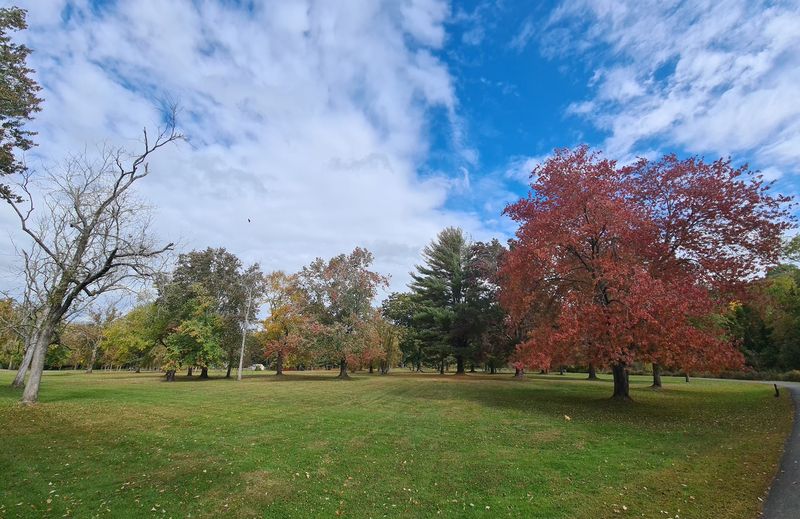
One long stretch of grass can tell quite a story. Old buildings stand around it, a bandstand waits for summer concerts, and the whole area feels made for an afternoon stroll.
But look a little closer, and you’ll notice how much the surrounding town has changed.
That contrast is especially interesting in New Milford, where the historic town green remains one of the most recognizable parts of downtown.
Years ago, the center of town played a bigger role in everyday shopping and errands. As larger shopping plazas developed along the main roads, some of that activity shifted away from the older streets.
Today, the green offers a different kind of experience. Instead of rushing between errands, visitors can take their time exploring the surrounding businesses and admiring the architecture.
The green itself stretches for several blocks, making a walk from one end to the other surprisingly enjoyable. Churches and historic storefronts add character to the route, especially when you notice the older details above the shop windows.
During warmer months, concerts and community gatherings bring extra life to the grassy space.
Of course, longtime residents may remember a busier downtown with different daily routines. Change has been part of the town’s story for decades.
Still, spending time around the green makes it easy to understand why this historic center continues to matter.
2. A River Runs Through It, And So Does A Lot Of History
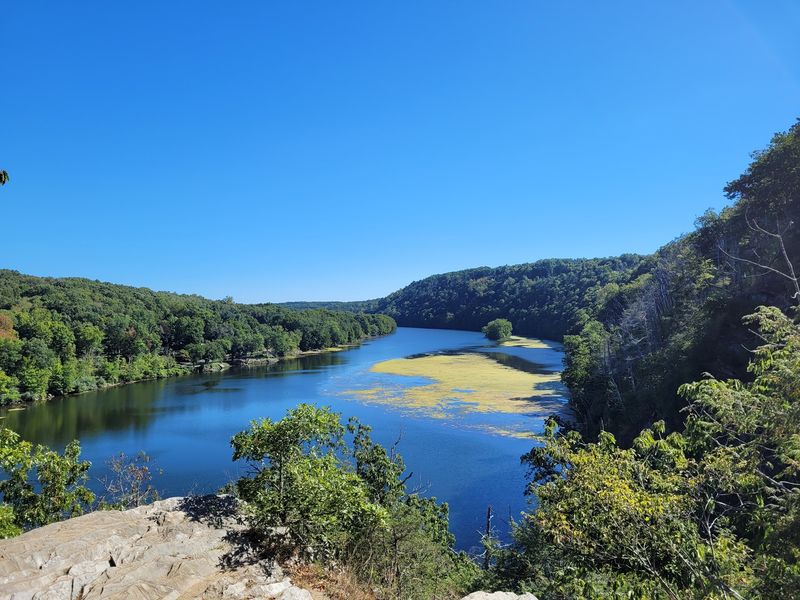
The Housatonic River gave this town its reason to exist. Early settlers arrived in the early 1700s and built their lives along its banks.
Water meant farms, mills, and travel routes. For a long time, the river shaped nearly every job in the area.
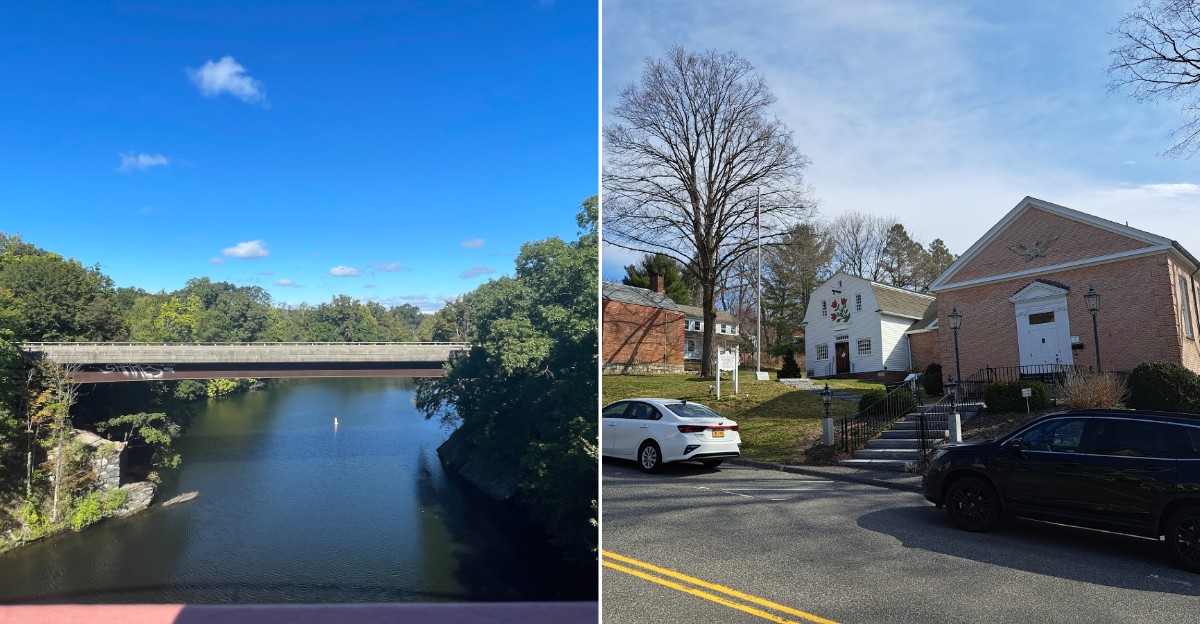
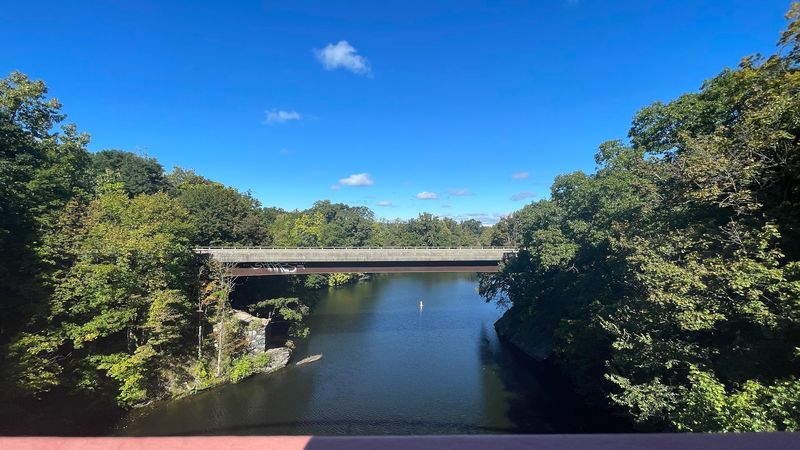
Head south of downtown to Lovers Leap State Park for scenic views of the Housatonic River. The park sits above a dramatic gorge where the river squeezes between rocky walls.
Inside the park, you’ll find the Falls Bridge. It’s an iron bridge from 1895, built by the Berlin Iron Bridge Company.
Its curved, lens-shaped trusses look almost playful. Cars no longer cross it, so walkers get the whole thing to themselves.
The park also tells a local legend about a Native American princess named Lillinonah. Her story gave both the park and a nearby lake their names.
Trails here are short but hilly in spots. Wear real shoes, not flip-flops, because the rocks don’t care about your fashion choices.
The river looks calm today, but its old role as a workhorse is mostly gone. Now it mainly works on your mood.
3. Underneath That Huge Lake Are Old Farms And Roads
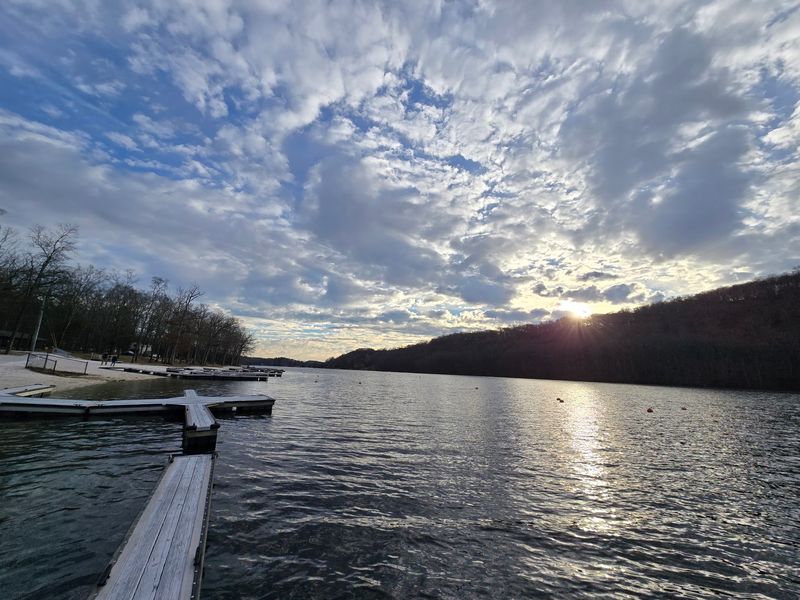
Candlewood Lake didn’t always exist. In the late 1920s, the Connecticut Light and Power Company built it as part of a hydroelectric project.
To make room, the company bought up land and flooded valleys. Farms, roads, and old foundations ended up beneath the water.
The result became the largest lake in state. Its shoreline touches several towns, and New Milford claims a healthy chunk of it.
Talk about a change nobody could undo. Families who lived in those valleys watched their landscape vanish under rising water.
Today, the lake is a summer playground. Boating, swimming, and fishing draw crowds when the weather warms up.
The water still serves its original purpose, too. Water flows between the lake and the Housatonic River to help generate electricity.
Many homes now ring the shoreline, which was once quiet farmland. That growth is a big reason some longtime residents feel the area changed fast.
Plan a visit on a weekday if you can. Summer weekends on a lake this popular can get lively, and parking near the water isn’t unlimited.
4. A Founding Father Once Fixed Shoes Here
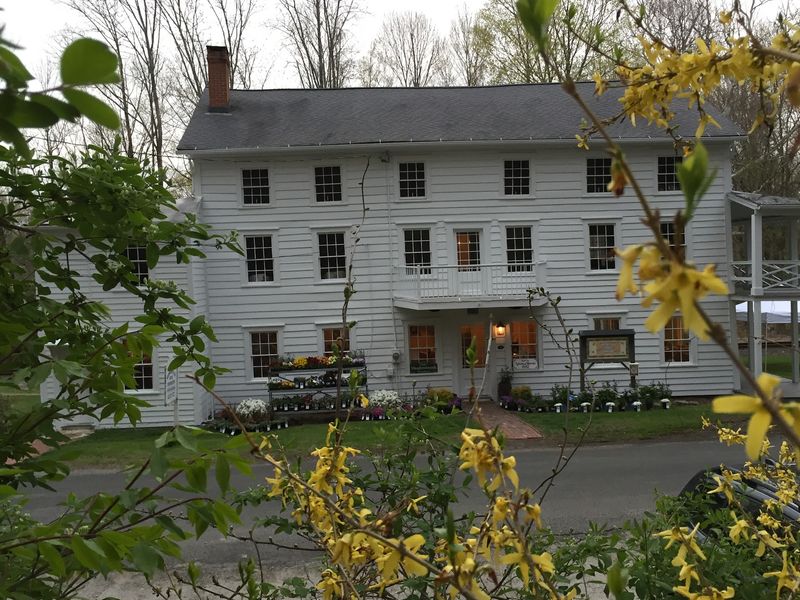
Roger Sherman signed the Declaration of Independence, the Articles of Confederation, and the U.S. Constitution.
Before all that fame, he lived in New Milford.
He moved to town in the 1740s as a young man. He worked as a shoemaker and later as a surveyor for the county.
Sherman also ran a store and studied law on his own. He became a lawyer and served in local roles before moving on to bigger things.
Picture a future national leader measuring property lines in the state woods. It’s a nice reminder that big careers often start small.
His time here is part of why residents feel such strong ties to the past. When a town helped shape a nation’s founder, history feels personal.
Kids especially love this kind of story. A shoemaker becoming a signer of the country’s founding papers sounds like a movie plot.
Look for local markers and exhibits that mention his name. The town’s historical society is a great place to learn more about his years here.
Sherman eventually left for New Haven. New Milford never forgot him, though, and neither should you.
5. The Train Doesn’t Stop Here Anymore, But The Station Stayed
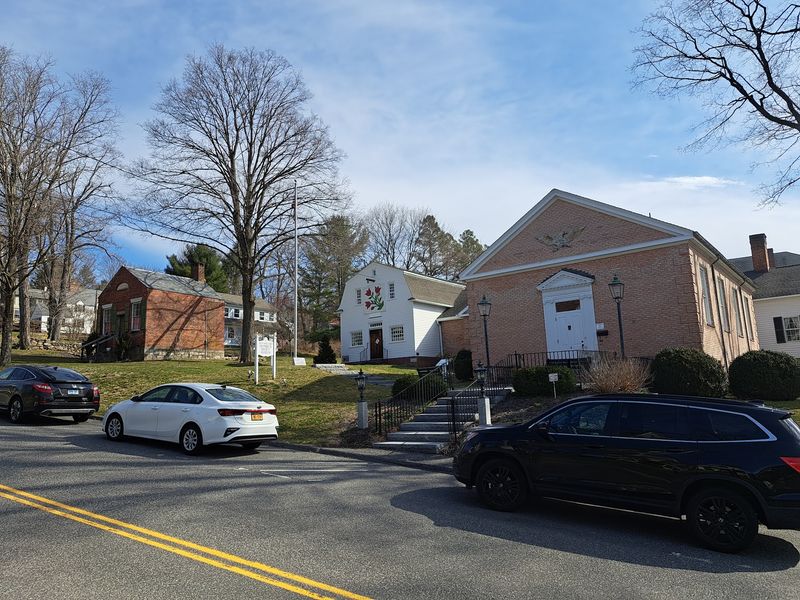
Passenger trains once rolled right into downtown New Milford. The old station still stands near the green, looking like it’s waiting for the next arrival.
Passenger service on this line ended decades ago. Freight trains kept using the tracks, but riders had to find other ways to travel.
That loss is one of the clearest examples of the town changing. A rail link to bigger cities once made life here very different.
Instead of sitting empty, the station found a new job. It became home to the Greater New Milford Chamber of Commerce.
That’s a smart reuse of a beautiful old building. It keeps the history visible while giving it a fresh purpose.
Railroad fans enjoy snapping photos of the depot and the nearby tracks. It’s an easy stop since it sits close to the shops downtown.
Every so often, local leaders talk about bringing passenger rail back to the region. For now, it remains more of a dream than a schedule.
Until that happens, you’ll have to settle for admiring the station from the platform. No ticket required, which is a nice bonus.
6. Some Traditions Refuse To Change, Thankfully
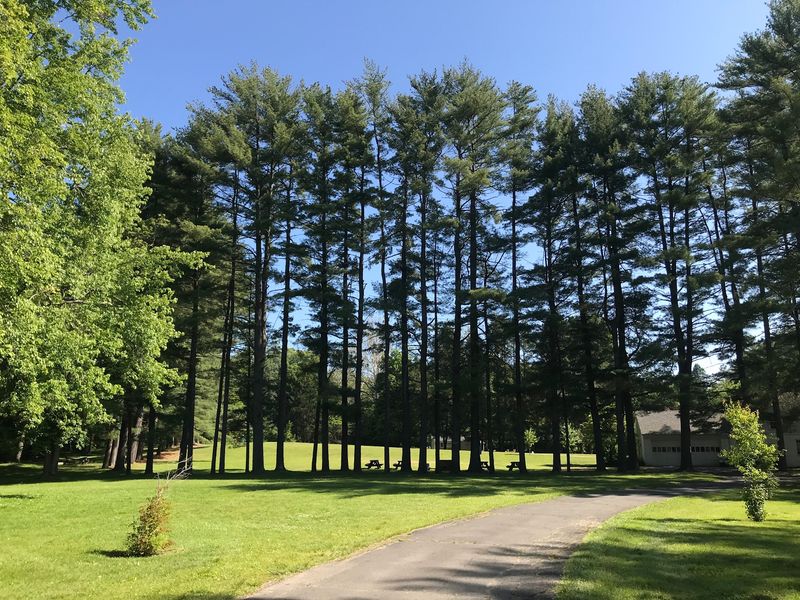
Every July, the green fills up with tents for Village Fair Days. It’s one of those summer traditions that keeps people coming back year after year.
Vendors set up along the green and nearby streets. Families wander between booths, snacking and browsing at an easy pace.
For a town that hears a lot about change, this event feels steady. It brings back the old feeling of downtown as a gathering spot.
Kids usually have plenty to keep them busy. Adults get to catch up with neighbors they haven’t seen since last summer.
Check local event listings before you go, since dates can shift a little each year. Arrive early if you want easier parking near the green.
The town also hosts other seasonal events on the green throughout the year. Summer concerts at the bandstand are a favorite way to spend an evening.
These gatherings answer the big question in the title pretty well. Some things really are what they used to be.
Bring sunscreen, comfy shoes, and a little patience. July can get warm, but a cold lemonade fixes most problems.
7. Route 7 Tells The Story Of A Growing Town
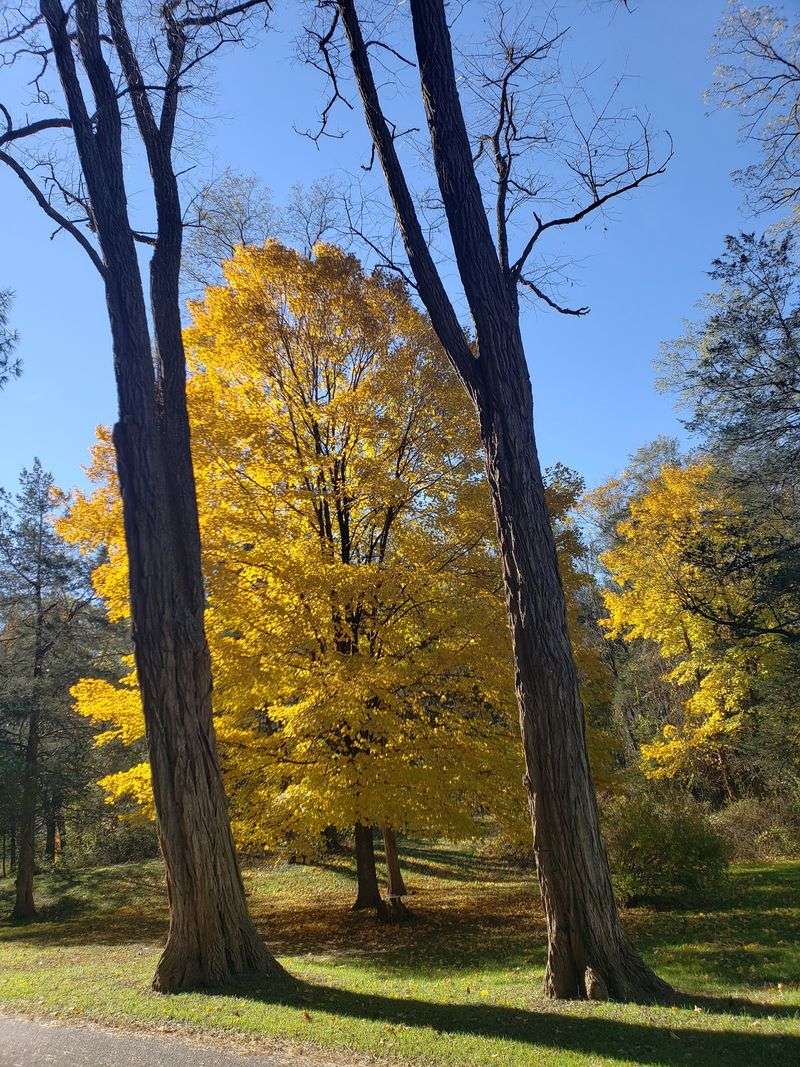
Traffic has a way of revealing how much a town has grown. One road that once passed through quieter surroundings now handles busy shopping trips and daily commutes.
During rush hour, the difference becomes especially noticeable.
That’s a familiar story along U.S. Route 7, where New Milford has seen considerable commercial development over the years.
Shopping plazas and grocery stores have made everyday errands more convenient. Residents can pick up most necessities without traveling to a larger city, which is certainly a welcome change.
But convenience comes with busier roads. Traffic congestion has become a common concern, especially for people who remember when the area felt more rural.
What’s interesting is how quickly the scenery changes once you leave the commercial stretches behind.
New Milford covers a large area, making it one of the state’s biggest towns by land size. That means there’s still plenty of countryside beyond the shopping centers.
Farms and wooded roads offer a completely different view of the community. Some stretches feel surprisingly peaceful compared with the activity along Route 7.
For visitors, exploring beyond the highway is worth the extra time. The quieter roads reveal a side of town that hasn’t disappeared, even as development continues.
And when possible, avoiding the busiest commuting hours can make the whole experience more enjoyable.
8. Riverside Trails Make A Perfect Quiet Escape
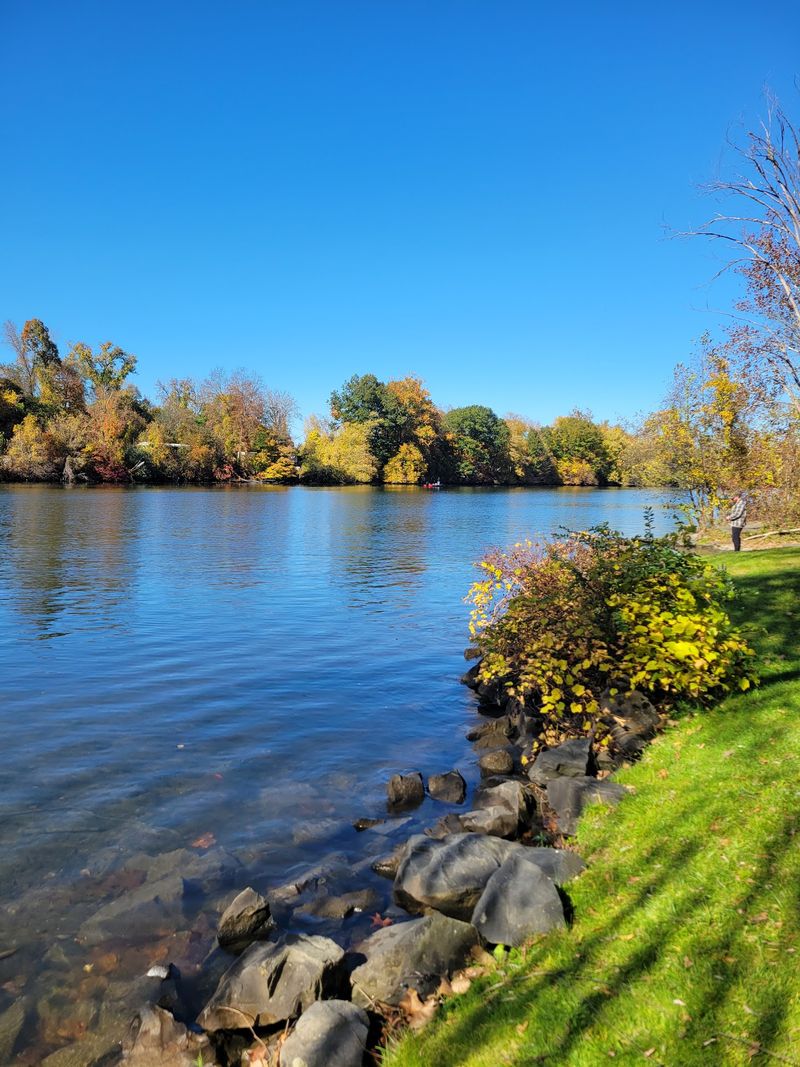
Harrybrooke Park offers a calm break just outside downtown. It sits along the Still River with walking paths, open lawns, and peaceful water views.
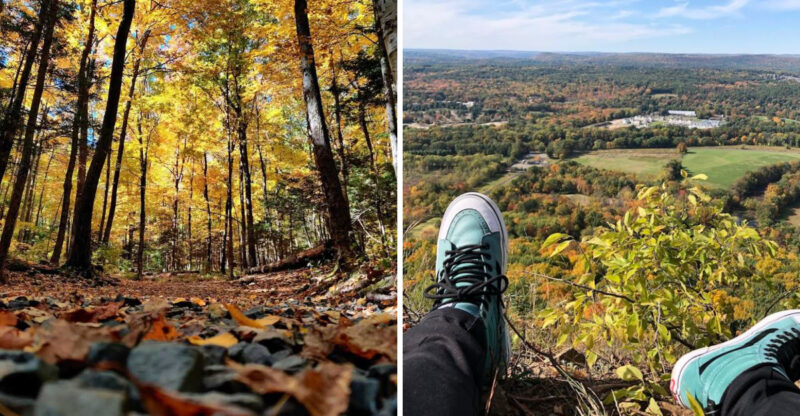
The park is a lovely spot for a slow walk. It’s also a favorite place for photos when the leaves turn in autumn.
Spots like this matter more as a town grows. Open green space helps balance out new roads and buildings.
Families can stroll, picnic, or simply sit and watch the river roll by. It’s the kind of place that makes a weekday feel like a weekend.
Benches and walking paths keep things easy for most visitors. You won’t need hiking gear unless you plan to wander far.
Pack a simple lunch and pick a shady spot. A sandwich always tastes better with a river view, and that’s just science.
The park reminds visitors why people moved here in the first place. Scenery like this never really goes out of style.
Leave the area as clean as you found it. Keeping these spaces beautiful is how the town protects the parts it hopes never change.
9. The Best Way To See What It Used To Be
Old photos have a funny way of starting arguments. One look at historic downtown pictures, and suddenly everyone has an opinion about the good old days.
The New Milford Historical Society and Museum is the place to see them. It preserves artifacts, documents, and images from the town’s long history.
Exhibits cover early settlement, local industry, and daily life over the centuries. You can trace how farms gave way to factories, then to shops and homes.
This is where the title of this article really comes alive. You can compare what you see on the green today with images from long ago.
Check hours before visiting, since small museums often keep limited schedules. Many run special exhibits or events throughout the year.
The town’s official home base, Town Hall, sits at 10 Main Street, New Milford, CT 06776. It’s a handy landmark near the green for planning your day.
After the museum, take another walk downtown. The buildings will look different once you know their stories.
Change is part of every town. In New Milford, though, the past is still easy to find if you know where to look.