9 Types Of Georgia Outdoor Areas Where Visitors Should Watch Out For Ticks This Fall
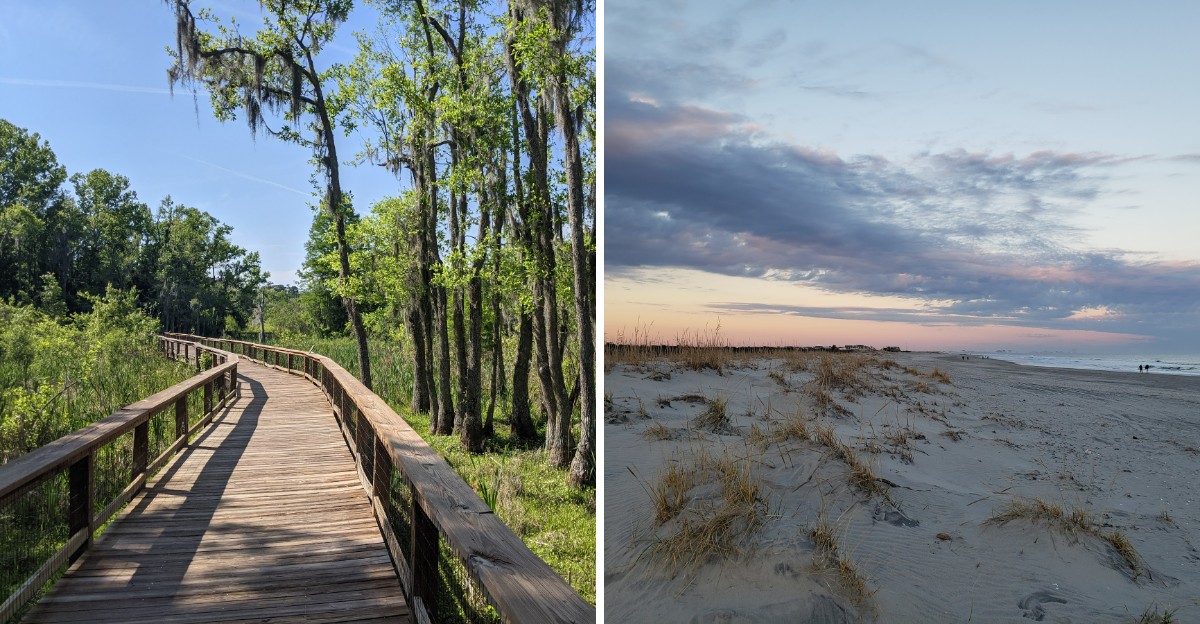
Ticks can’t jump, and they can’t fly. Instead, they climb up grass or brush, stretch out their front legs, and wait for you to stroll past.
Scientists call this move questing, which sounds way too heroic for a tiny bloodsucker.
Fall adds a sneaky twist in Georgia. Adult blacklegged ticks, the kind linked to Lyme disease, stay active in cooler months.
That’s exactly when trail season starts feeling perfect.
I love autumn hikes as much as anyone. Crisp air and crunchy leaves make it hard to stay indoors.
Still, that leaf pile you’re kicking through could be hosting a few hungry hitchhikers waiting for a ride.
So where should you keep your guard up? The answer covers more ground than I expected, including mountains, riverbanks, swamps, and even the beach.
That last one honestly surprised me. Ready to find out where these little freeloaders like to hang out?
1. Dense Mountain Forests
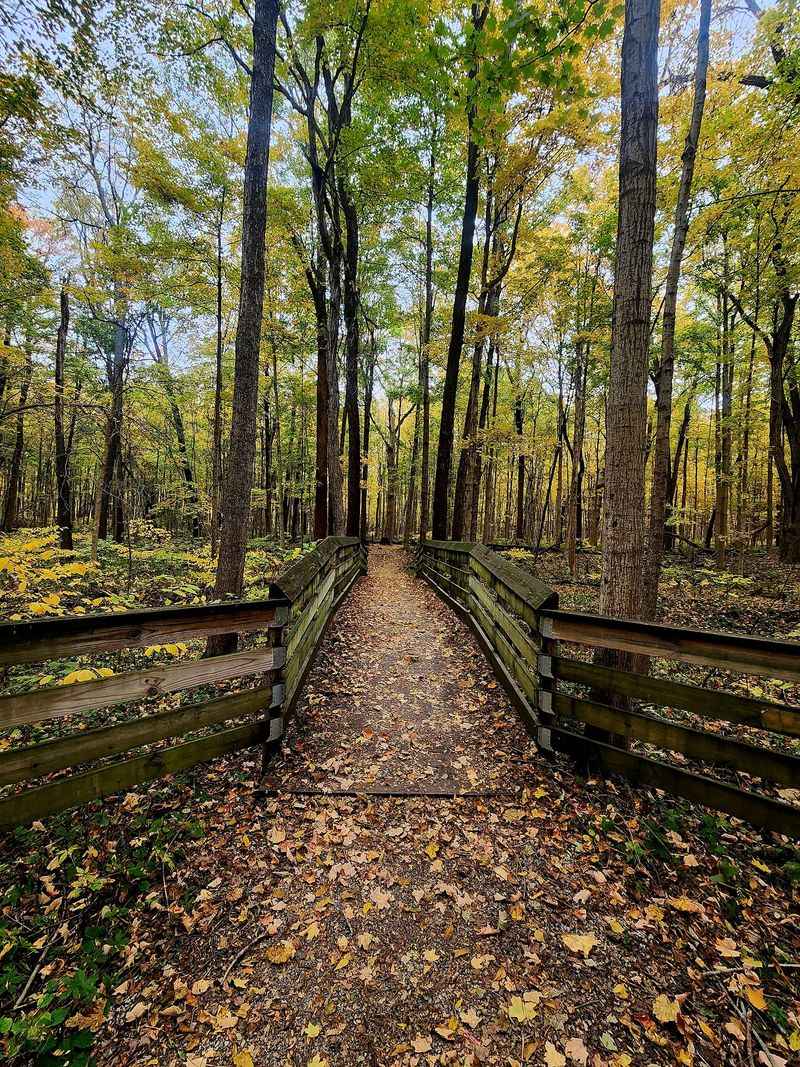
A 729-foot waterfall gets plenty of attention, but the ticks at Amicalola Falls State Park & Lodge are more interested in your ankles. This 829-acre Dawsonville park sits in North Georgia mountain country, wrapped in thick forest.
Thick woods give ticks exactly what they want. Shade keeps them from drying out, and damp ground helps them hang on through fall.
Trail options here range from short strolls to serious treks. The 8.5-mile Approach Trail even leads to Springer Mountain, the southern end of the Appalachian Trail.
That’s a lot of time brushing past leaves and low branches. Stick to the center of the trail whenever you can, since ticks lurk along the edges.
Your clothes can do some heavy lifting too. Light colors make tiny ticks easier to spot, and tucking pants into socks looks goofy but works.
Treating your gear with permethrin adds another layer of defense. Use an EPA-registered repellent like DEET or picaridin on exposed skin as well.
After your hike, a quick stop at the Visitor Center makes a good checkpoint. It’s open daily from 8 a.m. to 5 p.m., and the park welcomes visitors year-round during daylight hours.
Before you climb back into the car, do a fast body check. Look behind your knees, around your waistband, and along your hairline.
Those spots are tick favorites because they’re warm and hidden. A two-minute check beats a surprise discovery at dinner.
Address: 418 Amicalola Falls Rd, Dawsonville, GA 30534
2. Tall Grassy Fields
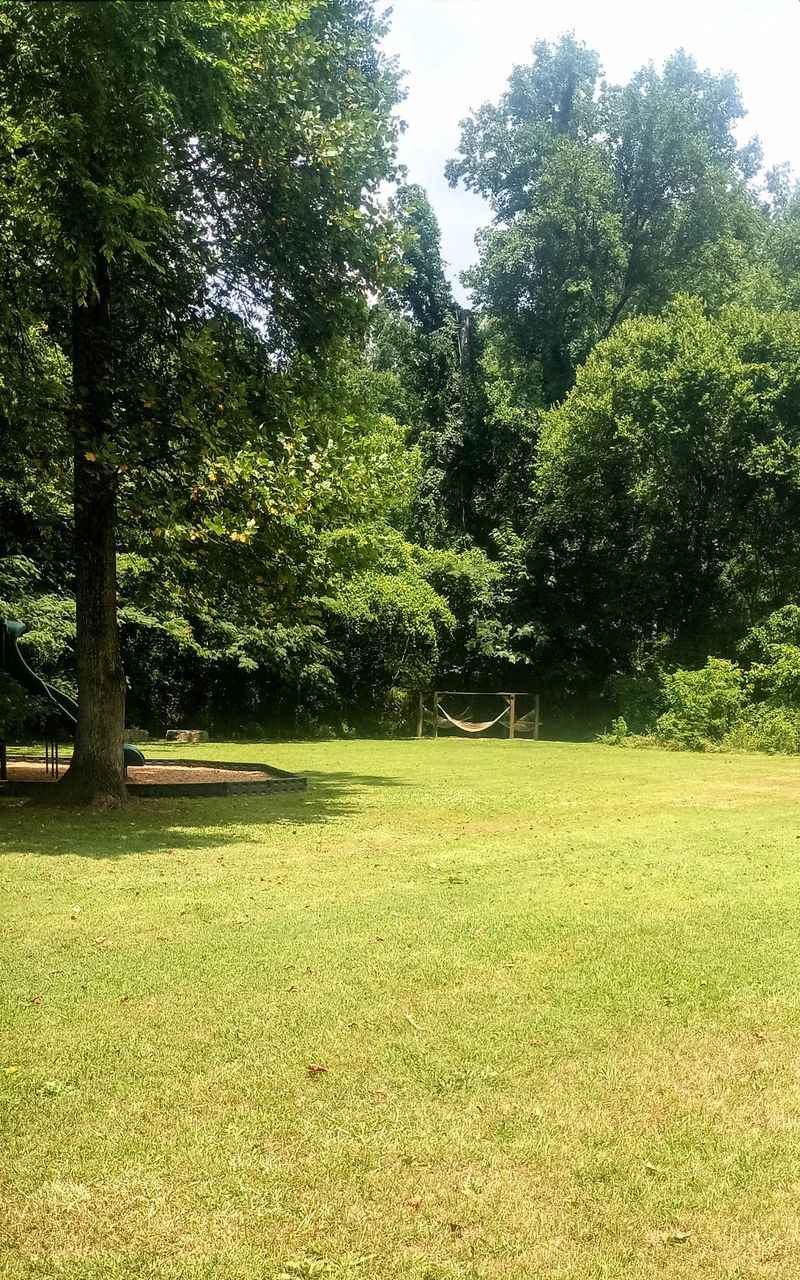
Granite gets the spotlight at Panola Mountain State Park, yet the grassy edges deserve your attention too. This 1,635-acre Stockbridge park protects a granite monadnock surrounded by lakes, forests, and wetlands.
Tall grass is basically a tick waiting room. Ticks climb the blades, stretch out their legs, and grab onto whatever brushes by.
Lone star ticks are especially common across Georgia. They’re aggressive biters, and adult females carry a single white dot on their backs.
Good news for cautious walkers: the park offers paved trails for biking, jogging, and rollerblading. Pavement gives ticks far fewer places to wait for you.
If you head onto the forested fitness trails or out for birdwatching, plan ahead. Long pants and closed shoes help a lot in grassy spots.
Birders, this one’s for you. Standing still in a meadow while scanning for warblers gives ticks plenty of time to climb aboard.
Shift your position now and then, and glance at your shoes and pant legs. Catching a tick while it’s crawling is much easier than removing one later.
The park is part of the Arabia Mountain National Heritage Area, so it’s easy to make a day of it. Park hours run from 7 a.m. to sunset, and the office is open 8 a.m. to 5 p.m.
Once you’re home, toss your hiking clothes in the dryer on high heat for 10 minutes. That simple step helps take care of any stowaways hiding in the fabric.
Address: 2620 Highway 155 SW, Stockbridge, GA 30281
3. Brushy Undergrowth

Civil War mill ruins make Sweetwater Creek State Park one of the coolest history hikes near Atlanta. The brush along the way is pretty interesting too, at least to ticks.
This Lithia Springs park covers 2,549 acres of rugged hills, rocky outcrops, and dense woods. Ferns, wild azaleas, magnolias, and hardwoods crowd the trails in many places.
Shrubby undergrowth works like a tick highway. Leaves and low stems sit right at knee height, which is perfect for grabbing a passing hiker.
The trail to the New Manchester Manufacturing Company ruins is the big draw. The textile mill was destroyed during the Civil War, and its ruins still stand by the creek.
It’s tempting to wander off for a closer look or a better photo. Try to resist pushing through shrubs, because that’s where ticks wait.
The rocky bluffs offer great creek views, but they often sit beside thick greenery. Watch where you sit, since a log or brushy rock can come with company.
Prefer the water? The 215-acre George Sparks Reservoir is popular for fishing and paddling.
Shoreline grass and brush can still hold ticks, so check your legs after casting from the bank. Your tackle bag deserves a quick look too.
Back home, a shower within two hours of coming indoors can help wash off ticks that haven’t attached. It’s also a great excuse to check yourself in the mirror.
Address: 1750 Mount Vernon Road, Lithia Springs, GA 30122
4. Leaf Litter Zones

An ancient 885-foot stone wall is the big mystery at Fort Mountain State Park in Chatsworth. The smaller mystery is what’s hiding under all those fallen leaves.
Leaf litter is a tick’s favorite fall blanket. Moist layers of leaves keep ticks from drying out, especially in shady hardwood forests.
This 3,712-acre park sits in the Cohutta Mountains near the Cohutta Wilderness. Dense hardwoods and blueberry thickets create plenty of leafy ground cover.
Kicking through crunchy leaves is one of autumn’s best sounds. Sadly, it’s also a great way to stir up ticks hiding below.
With more than 25 miles of trails for hiking, mountain biking, and horseback riding, you’ll find lots of options. Stay on marked paths and skip the leaf-pile cannonball.
Picnickers should pay attention too. Spreading a blanket on leaf-covered ground near the woods invites guests you didn’t plan to feed.
Try a picnic table instead, or lay your blanket on open, sunny ground. Sun and dry conditions make life harder for ticks.
The park also features a 17-acre lake and a fire tower built by the Civilian Conservation Corps. Both are fun stops, but the woods around them still deserve respect.
Riders, give your horse a once-over after the trail. Ticks don’t just love people, and pets need checks too.
The park is open from 7 a.m. to 10 p.m., so you can catch a sunset. Just do your tick check before the light fades.
Address: 181 Fort Mountain Park Road, Chatsworth, GA 30705
5. Long Hiking Trails
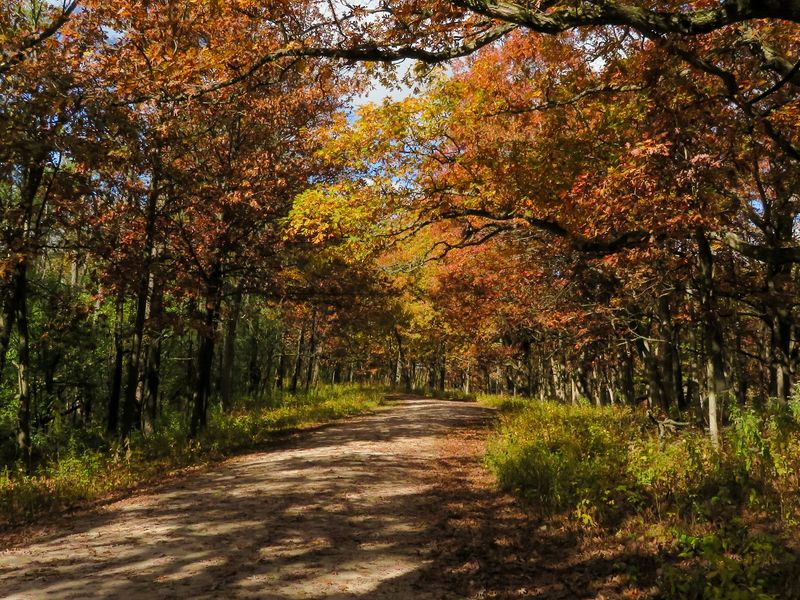
Over 64 miles of hiking trails sounds like a dream until you realize ticks get the same trail access. Cloudland Canyon State Park in Rising Fawn spreads across 3,485 acres on the western edge of Lookout Mountain.
The views are wild here. Think thousand-foot-deep canyons, sandstone cliffs, caves, waterfalls, and dense woodlands.
Long trails mean long exposure. The more hours you spend outdoors, the more chances a tick has to hitch a ride.
The Waterfalls Trail is a challenging favorite. Your legs will be busy, so tick checks might slip your mind.
Set a reminder to stop at overlooks for a quick scan. Check your socks, shoelaces, and pant cuffs while you catch your breath.
Mountain bikers get 30 miles of trails to play on. Speed helps a little, but narrow singletrack still brushes against plants.
Planning to stay overnight? The park offers cottages, yurts, and several kinds of campsites.
Campers should keep packs zipped and off the ground when possible. Hang gear on a hook or set it on a table instead of the grass.
Ticks usually crawl around for a while before biting. That gives you a window to find them, so use it.
If one does attach, grab it close to the skin with fine-tipped tweezers. Pull upward with steady pressure, then clean the spot with soap and water.
The park opens at 7 a.m. and closes at 10 p.m. That gives you plenty of daylight to hike smart.
Address: 122 Cloudland Canyon Park Road, Rising Fawn, GA 30738
6. Shaded Riverbanks
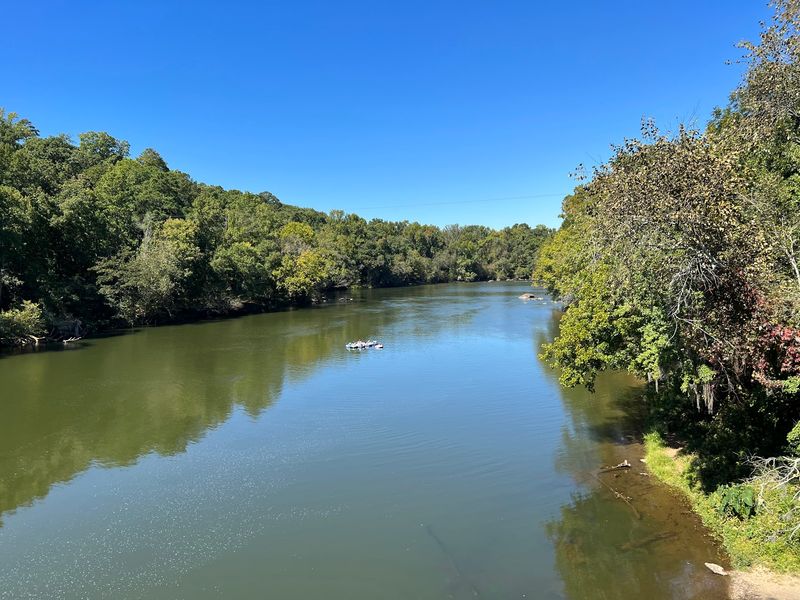
A 48-mile stretch of river runs right through metro Atlanta, and ticks don’t care that you’re close to the city. The Chattahoochee River National Recreation Area protects that stretch across 15 park units.
Riverbanks stay shady and damp, which ticks love. Floodplain woods and thick plants along the water create perfect hangout spots.
Shaded riverside trails make fall hikes here feel peaceful. Just remember that the plants beside the path might come with passengers.
Anglers face a special risk. Fishing the stocked trout stream often means standing in grass or brush near the bank for long stretches.
Wading boots and waders help, but ticks can still climb up from shoreline plants. Check the tops of your boots and your waistband before heading out.
Paddlers aren’t off the hook either. Boat ramps and canoe launches are handy, yet the walk to the water often passes through tall plants.
Carry your boat on cleared paths when you can. Once you’re floating, ticks become less of a worry, at least until you land.
The Island Ford Visitor Center in Sandy Springs is a good place to start. It’s open 9 a.m. to 5 p.m. daily, except Thanksgiving and December 25.
Park lands and waters open 30 minutes before sunrise and close 30 minutes after sunset. Plan your outing so you can do a tick check in good light.
Bring a lint roller in your car for a quick sweep of your clothes. It’s cheap, easy, and surprisingly handy.
Address: Island Ford Visitor Center, 8800 Roberts Drive, Sandy Springs, GA 30350
7. Wildlife Management Areas
Deer are the stars of plenty of fall hunting trips, and ticks adore deer. That makes wildlife management areas prime tick territory across Georgia.
Redlands Wildlife Management Area is a great example. This 37,500-acre property is managed by the Georgia DNR Wildlife Resources Division.
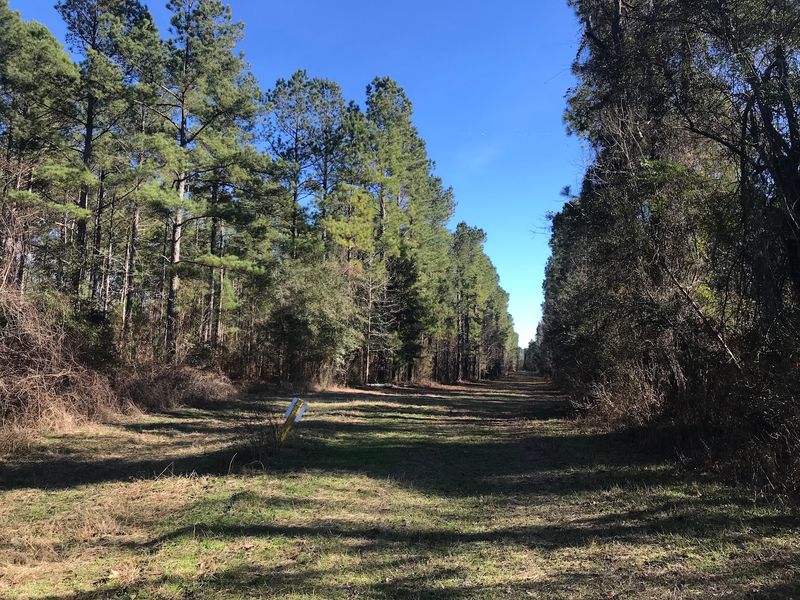
It stretches across Greene, Oglethorpe, Oconee, and Morgan counties. Most of it is upland mixed pine and hardwood forest.
Redlands is managed for hunting deer, turkey, small game, and dove. Where deer gather, ticks tend to follow, since adult ticks often feed on them.
Hunters face extra exposure. Sitting still against a tree or kneeling in brush gives ticks lots of time to find you.
Treat your hunting clothes with permethrin ahead of time. Let them dry fully before wearing them, and follow the label directions.
Not a hunter? Redlands also offers wildlife viewing, equestrian trails, boat ramps, and lake and river fishing.
During hunting season, wear blaze orange and check the season dates before you go. Safety from hunters matters as much as safety from ticks.
Horseback riders should check their animals after a ride. Look around the ears, mane, belly, and legs.
Dogs that tag along need the same care. Ask your vet about tick prevention before your trip.
Field-dressing a deer? Ticks can leave a cooling animal and look for a new host, so wear gloves and check your arms afterward.
A small tick kit in your truck makes life easier. Pack tweezers, a few zip bags, and a mirror for those hard-to-see spots.
Address: 5336 Athens Highway, Greensboro, GA 30642
8. Coastal Dunes and Maritime Forests
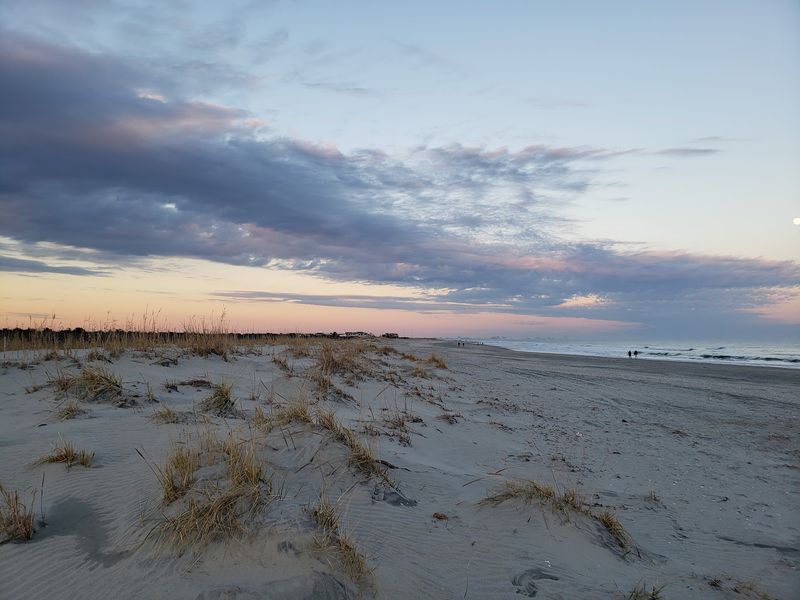
Ticks at the beach? It sounds like a joke, but maritime forests on Georgia’s coast can hold them.
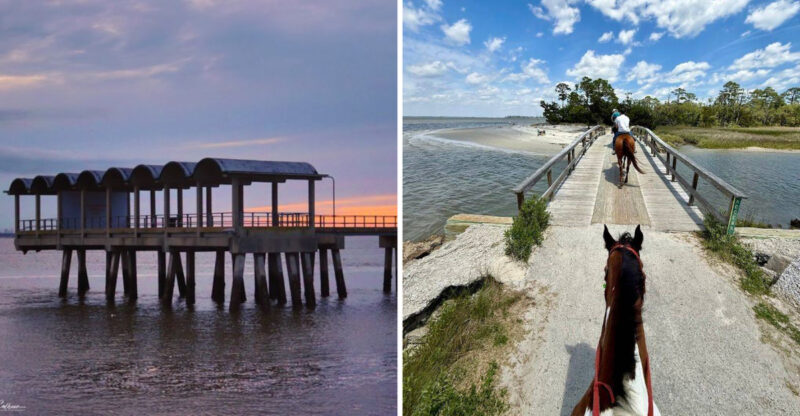
St. Andrews Beach Park sits on the southern end of Jekyll Island. It offers a quieter beach with wide shorelines and maritime forest right next door.
Sand itself isn’t great tick habitat because it gets hot and dry. The shady trees and shrubs behind the dunes are another story.
The Wanderer Memory Trail runs through this area. It tells the story of the Wanderer, one of the last known ships to bring enslaved Africans to the United States, landing on Jekyll Island in 1858.
Take your time with the exhibits, but stay on the path. Brushing into coastal shrubs is how ticks get a free ride.
The boardwalk over the dunes is your friend here. It protects the dunes and keeps your legs out of the grass.
Birders love the two-story wildlife viewing platform. It’s also a popular spot for watching dolphins.
Shaded picnic areas are nice on sunny days. Before lunch, take a quick look at the ground and the benches around you.
Beach clothes leave lots of skin showing. Use repellent on your legs if you plan to explore the forest edge.
Remember that you’ll need a daily parking pass to drive onto Jekyll Island. The park itself is open daily.
After a day in the sun, check yourself in the shower. Sunburn is bad enough without a tick souvenir.
Address: 550 South Beachview Drive, Jekyll Island, GA 31527
9. Swamps and Wetlands
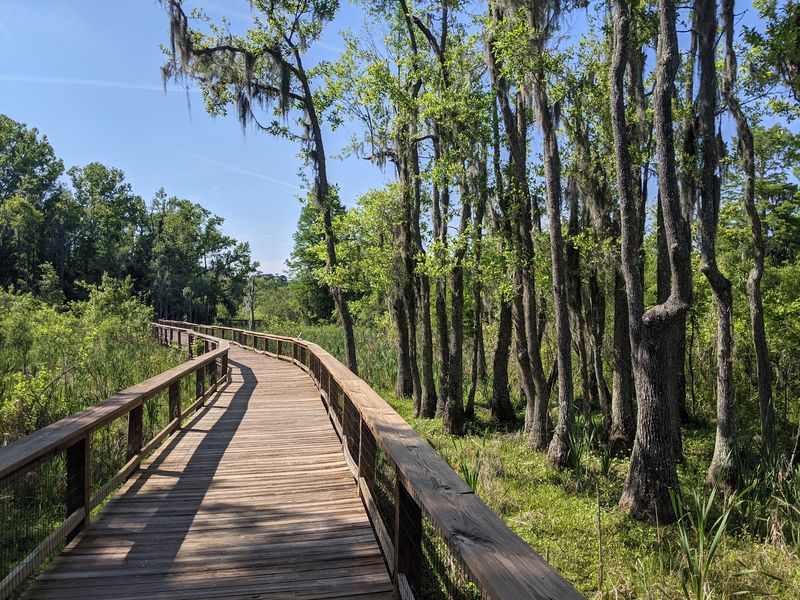
Alligators get most of the attention in the Okefenokee Swamp, but smaller critters deserve a little respect too. Stephen C.
Foster State Park is a main entrance to this famous swamp.
The Okefenokee is North America’s largest blackwater swamp. It’s also one of Georgia’s Seven Natural Wonders.
Located in Fargo, the 80-acre park sits inside the 402,000-acre Okefenokee National Wildlife Refuge. Spanish moss drapes the trees, and cypress knees poke up from dark water.
Wet, humid places help ticks stay hydrated. The drier ground, brush, and grassy edges around wetlands can hold plenty of them.
Some park features are temporarily closed for renovations and bulkhead work. Canoe and kayak rentals are still available, so paddling remains a great way to explore.
On the water, ticks are rarely a problem. The risk comes when you load up, launch, or step onto a grassy bank.
Keep your gear bag on a dock or bench instead of the ground. Check your ankles and shoes once you’re back at the car.
Wildlife here includes alligators, black bears, and many bird species. Wild animals carry ticks around, so expect them in this busy ecosystem.
The park is also a certified International Dark Sky Park. Stargazing is incredible, but lying in the grass is a risky move.
Bring a camp chair or a blanket on a hard surface instead. Gates close at 10 p.m. and reopen at 7 a.m., so plan your night accordingly.
Address: 17515 GA-177, Fargo, GA 31631