Pennsylvania’s Founder Had A Riverside Country Home, And Its Rebuilt Rooms Glow On December Nights
The man who founded Pennsylvania once had a country home on the Delaware River, and you can tour a full reconstruction of it today.
The furniture inside the main house is made up of genuine period pieces.
Out back, farm animals share space with a kitchen garden and working beehives.
Cooking demonstrations can show how meals came together in the 1600s and 1700s.
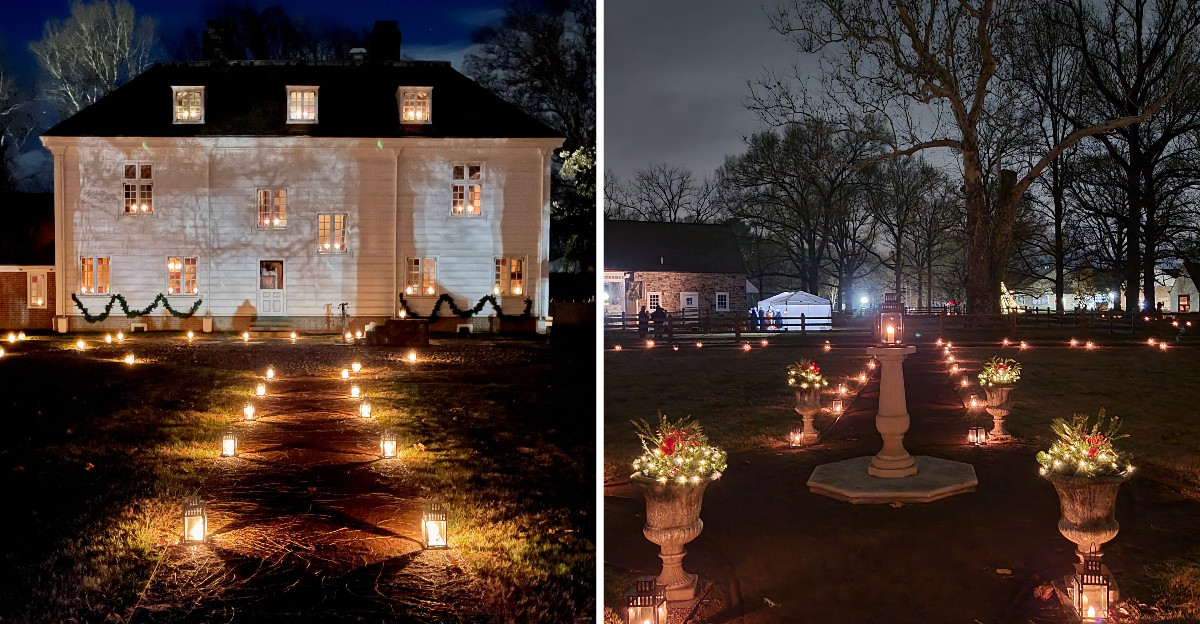
Then December arrives, and the whole estate dresses up for a holiday event on select evenings. I can’t imagine a cozier way to meet a 17th-century landowner and his household.
The grounds, the historic buildings, and the river views all get a festive glow for the season.
So how did William Penn’s world look when the holidays rolled around, and what else waits on this quiet stretch of riverbank?
William Penn’s Country Retreat Still Sits Right On The Delaware
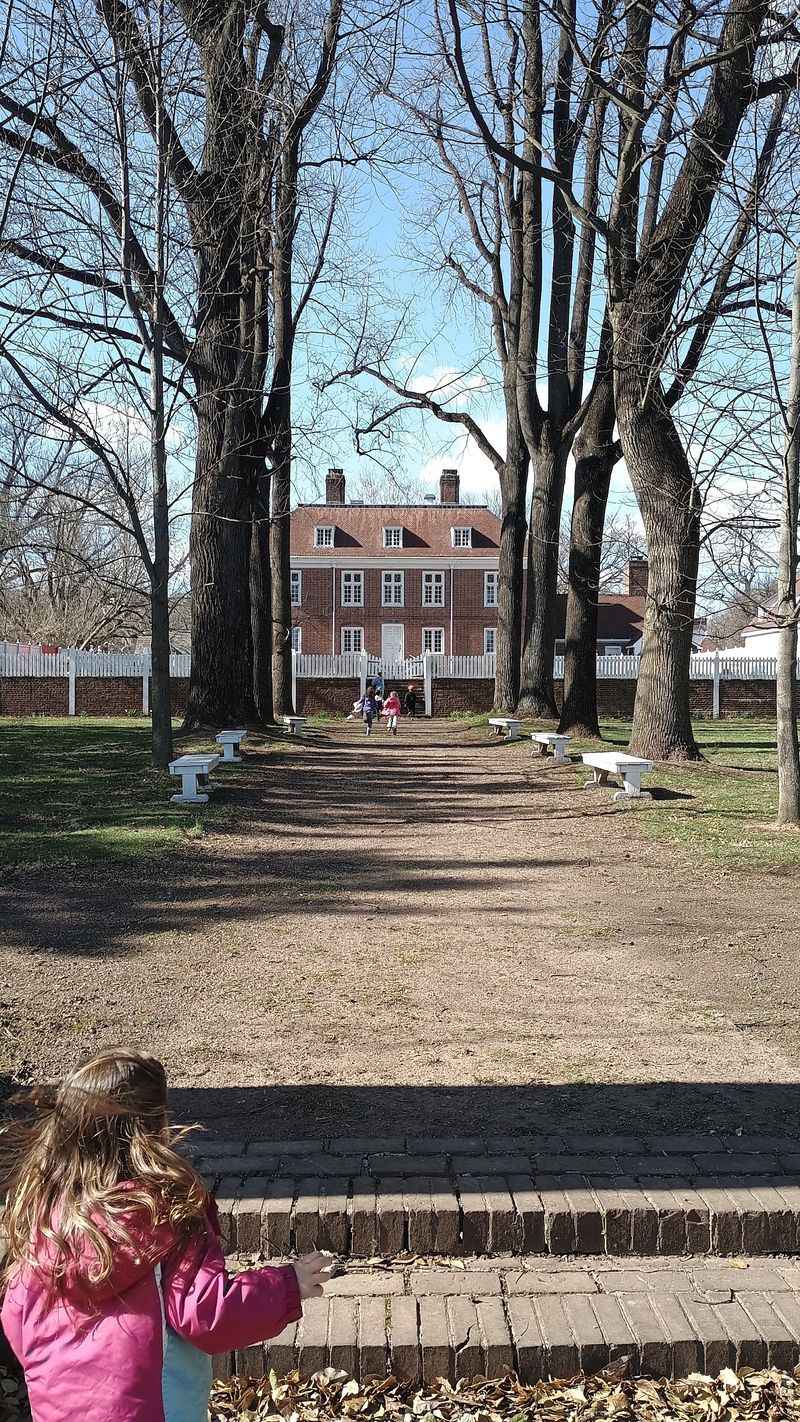
Most state founders get a statue and a plaque. William Penn gets a whole riverside estate you can actually walk around.
Pennsbury Manor is the reconstructed country home of Penn, the man who founded Pennsylvania. It sits in Morrisville, along the banks of the Delaware River northeast of Philadelphia.
The property covers about 43 acres of open lawns, gardens, and historic buildings. That’s plenty of room to stretch your legs between history lessons.
A visitor center anchors the site and makes a smart first stop. From there, paths lead toward the main house, the service buildings, and the river views beyond.
The whole place runs as a museum focused on 17th-century life. Instead of glass cases, though, much of the story unfolds outdoors and room by room.
I like how the setting does half the teaching for you. Watching the river slide past makes it easy to see why Penn wanted a home here.
The grounds stay peaceful and well kept, with benches scattered outside for resting. Bring comfortable shoes, because this estate rewards a slow wander.
History buffs will find plenty to chew on. Everyone else gets fresh air, animals, and a pretty river, which is not a bad deal.
Real Antiques Inside, Careful Copies Out Back
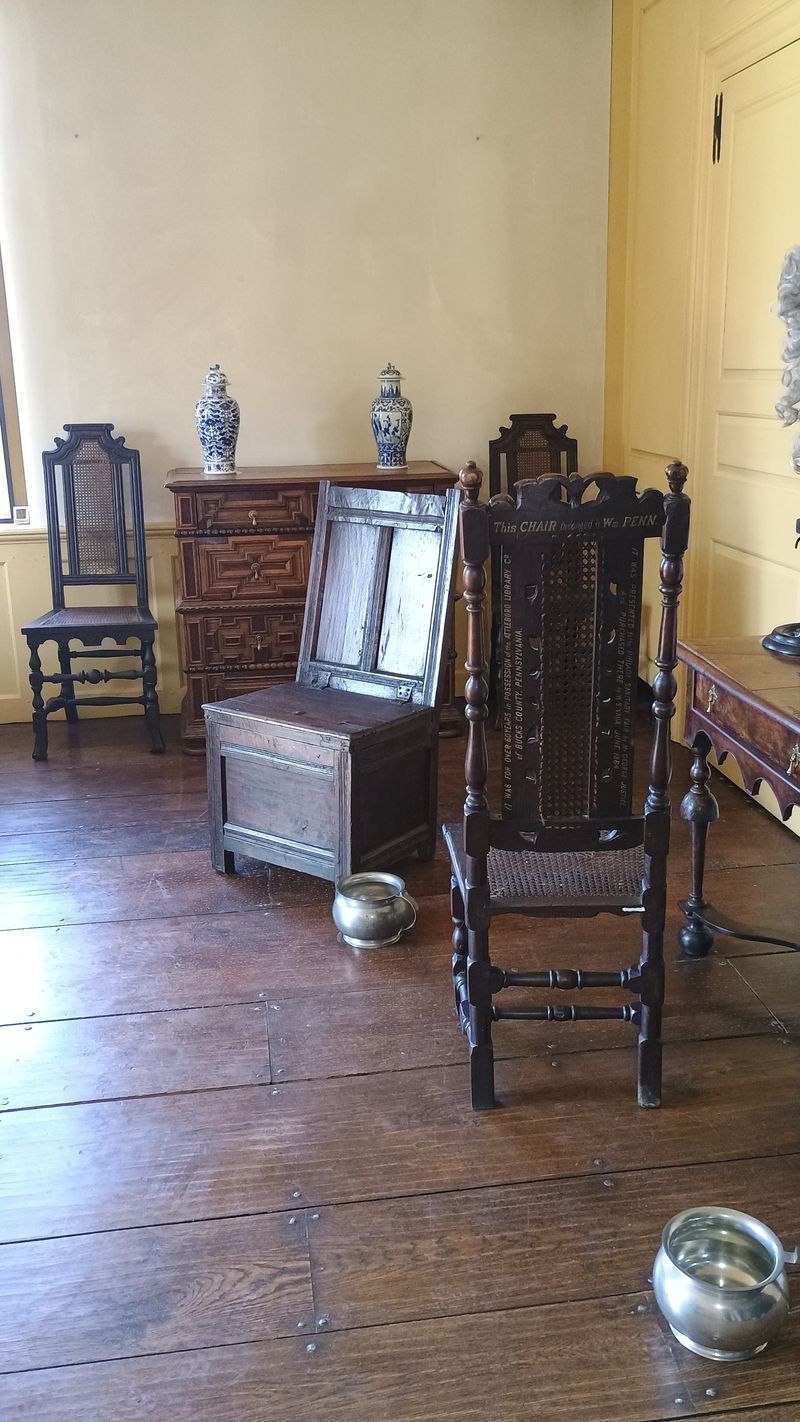
Fun wrinkle for history fans: the house standing today is a reconstruction rather than Penn’s original building. The estate was rebuilt so visitors could experience the world he knew.
That doesn’t mean everything inside is brand new. The furniture and objects in the main house are period pieces from the era.
The outbuildings take a different approach. They hold reproductions made to be true to the period, which lets the site show how daily work got done.
So you get two flavors of history in one visit. Real antiques set the mood indoors, while faithful copies bring the working estate to life outside.
Penn’s role as founder of Pennsylvania gives the whole site extra weight. You’re not just seeing an old house, you’re seeing how the colony’s leader lived at his country estate.
I believe that context matters more than any single chair or table. It turns a quiet riverside property into a chapter of the state’s opening story.
The layout also offers clues about 17th-century life. Work buildings and the main house all sit within easy walking distance of each other.
Curious how a colonial estate actually functioned day to day? The answer is spread across these buildings, waiting for a closer look.
The Only Way Into The Manor House Is With A Guide
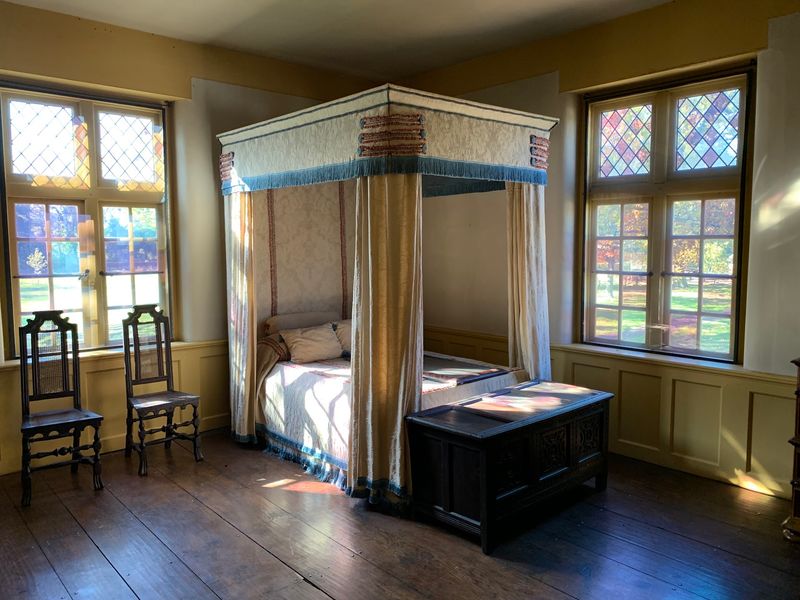
Fair warning before you march up to the front door. To see inside Penn’s residence, you need to join a guided tour.
Good news, though, the guided tour comes with regular admission. No extra fee stands between you and the period rooms.
Start at the visitor center, where an introductory film and display set the stage. The video runs roughly 15 minutes and gives a solid overview of the manor’s history.
Once you’re inside the house, the guides take over the storytelling. Tour lengths can vary, so plan for anything from a quick walk-through to over an hour.
Guides here share stories about William Penn and life in his era. Bring questions, because they make the tour even more fun.
Some tours include live demonstrations along the way. That keeps things moving for younger visitors who get fidgety around antique furniture.
Summer visitors can take comfort in one detail. The historic house is kept cool inside, which feels like a gift on a sticky afternoon.
Tour times shift by day and season. Check the schedule ahead so your arrival lines up with the next group heading out.
A self-guided phone tour also covers the grounds. It’s handy for wandering at your own pace before or after the house visit.
Sheep, Beehives, And A Kitchen Garden Steal The Show Outside
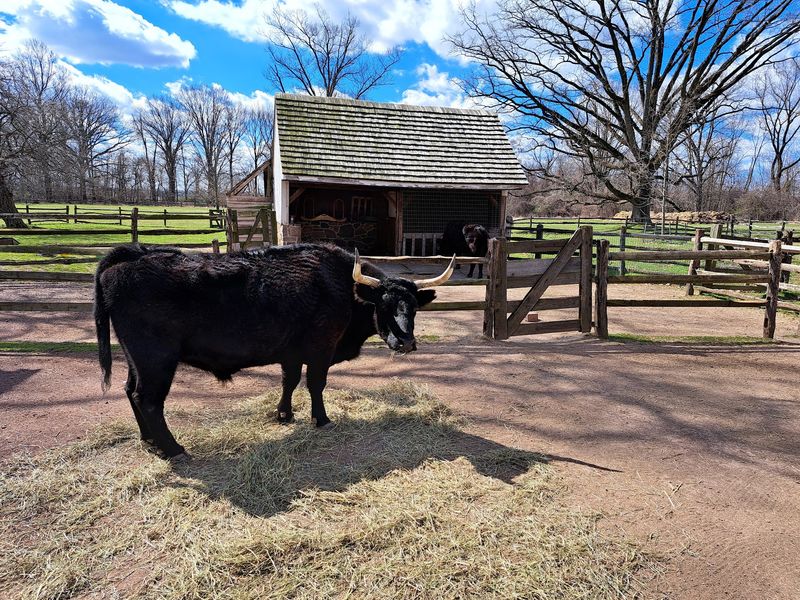
Kids may nod politely at antique chairs. Put them next to a paddock of farm animals, and suddenly everyone is paying attention.
Pennsbury Manor keeps livestock on the grounds as part of its living history. Staff who care for the animals can explain how they compare to what Penn would have raised.
That comparison is the clever part. It turns a quick animal visit into a real lesson about colonial farming.
Nearby, a kitchen garden shows what grew to feed the household. Beehives add another layer, hinting at the busy work behind a 17th-century table.
The grounds staff can be a great resource here too. Gardeners on site have shared history about the plants, bees, and animals with school groups and families.
Everything feels well tended, from the paths to the garden beds. It’s the kind of place where you slow down without meaning to.
Warmer months can be lovely times to see the garden in action. Still, the animals give you a reason to visit in almost any season.
If your crew includes a toddler who only cares about sheep, this corner of the estate is your win. Nobody has to know you came for the history.
Quill Pens And Colonial Cooking Make History Feel Hands-On
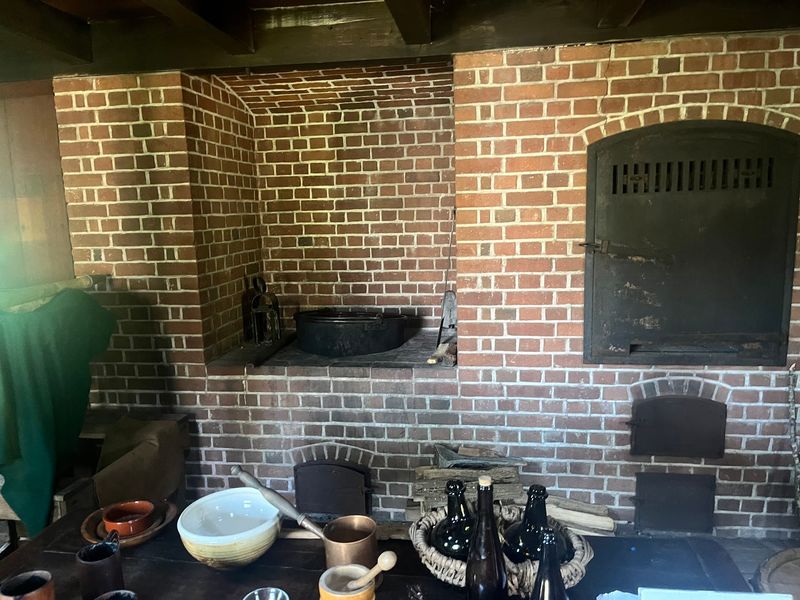
Ever tried writing with a quill pen? School groups at Pennsbury Manor sometimes get the chance, and it can be a highlight for young visitors.
The site leans into interactive learning. Stations can cover tasks like cleaning and using sheep’s wool, which shows how much effort went into everyday clothing.
Then there’s the kitchen. Cooking demonstrations can walk you through dishes and methods from the 1600s and 1700s.
Seeing a meal come together without modern tools is eye-opening. Suddenly your microwave seems like a small miracle.
Teachers across Pennsylvania bring classes here for good reason. The visit pairs neatly with the William Penn lessons that many elementary students study.
Families can tap into the same energy outside of field trip season. Demonstrations and reenactors may appear on certain days, so timing matters.
Weather can affect what’s running, especially during hot spells. Checking the event calendar before you go helps you catch the busier, more active days.
I like that the experience doesn’t depend on reading long signs. Watching, touching, and trying things gives kids a story they’ll actually repeat at dinner.
Holly Nights Turn A Colonial Estate Into A December Glow
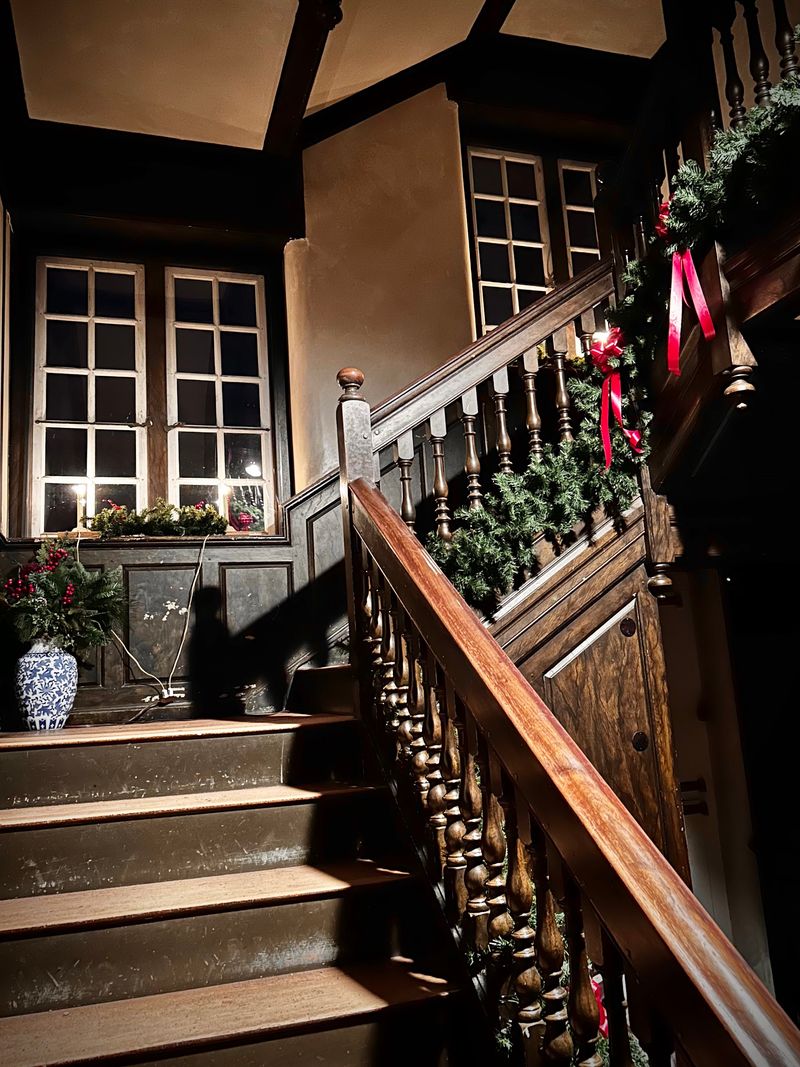
Once December rolls around, the estate trades its everyday look for something festive. Holly Nights takes over on selected evenings during the holiday season.
The grounds and historic buildings get decorated for the occasion. It’s a chance to see a 17th-century estate in a whole new light, literally.
Evening visits change the mood completely. The manor house and outbuildings take on a quieter, more peaceful feel after dark.
Dates and details change from year to year. Since it runs only on certain nights, plan ahead rather than counting on a spontaneous drop-in.
I can’t imagine a better excuse to meet William Penn’s world in a cozier setting. Bundle up, grab the family, and let the decorations do the talking.
It also makes a nice break from crowded malls and long checkout lines. Holiday cheer feels different when it comes with a side of colonial history.
For Pennsylvania families hunting new traditions, this one fits right in. It’s low-key, festive, and rooted in the state’s earliest story.
Bring a warm hat and comfortable shoes for the walk between buildings. Winter evenings by the Delaware can run chilly.
Schedules for these nights can shift. Checking ahead keeps your holiday plan from turning into a parking-lot shrug.
Free Charter Day Entry, Shady Picnics, And A Pace For Everyone
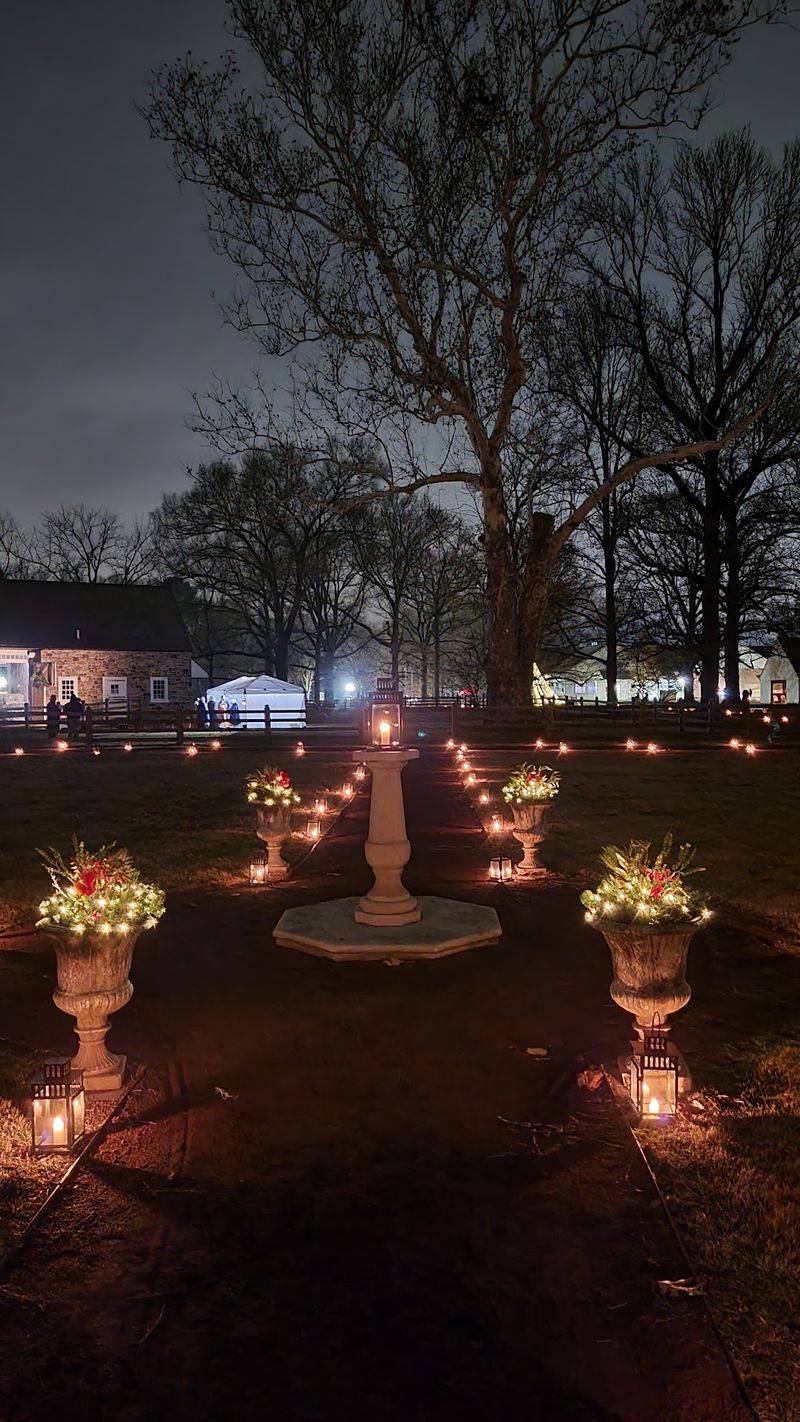
Free is a lovely price for a dose of colonial history. On Charter Day each year, Pennsbury Manor has offered free entry to the grounds and the manor.
The occasion nods to the royal charter that gave William Penn his colony. Volunteers help these special days run smoothly and add a welcoming touch.
Any day of the year, the shaded picnic area is a quiet perk. It sits in front of the visitor center, with restrooms close by.
Packing a lunch turns a tour into a relaxed half-day outing. Watch the river, let the kids run, and skip the restaurant bill.
Before leaving, the gift shop deserves a browse. Its prices stay reasonable, which makes souvenirs an easy yes.
The atmosphere suits a wide crowd. History lovers, homeschool groups, grandparents, and toddlers can all find something to enjoy.
Benches around the property help slower walkers. You can rest, gaze at the Delaware, and pick up again when ready.
Retirees looking for a calm outing will appreciate the pace. Nothing here rushes you, and that’s half the appeal.
Families on a budget get plenty of value too. A single afternoon covers history, nature, and snacks under the trees.
Plan Around Tour Times, Then Let The River Set The Pace
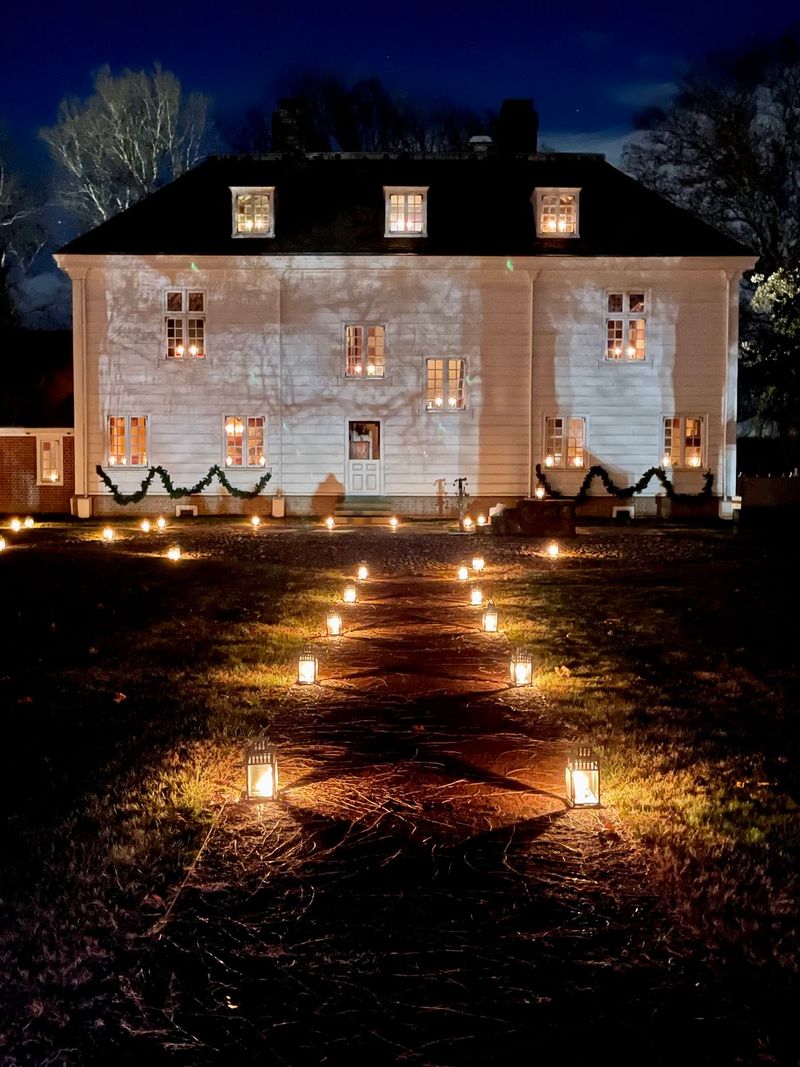
Getting there is simple. Pennsbury Manor sits at 400 Pennsbury Memorial Rd in Morrisville, Pennsylvania 19067, within Pennsbury Manor State Park.
Parking is plentiful once you arrive. That makes it an easy stop for day-trippers coming from across the state.
Opening times vary through the week, and the site closes entirely on some days. Weekend hours can differ from weekday hours, so double-check before planning a drive.
Admission is wallet-friendly, with lower rates for seniors and kids. A cheaper grounds-only option has also been available for folks who just want a stroll.
Prices and hours shift with the seasons, so it’s smart to check ahead before making the drive. Event nights like Holly Nights may follow their own schedule.
Give yourself a few hours to enjoy everything. Between the film, the house tour, the animals, and a picnic, time slips by fast.
So, does a reconstructed colonial estate earn a spot on your weekend plans? For anyone curious about how Pennsylvania began, the answer leans toward yes.
I believe the real draw is how unhurried it all feels. William Penn picked a peaceful spot, and it still delivers that calm today.