These 8 Nebraska Native American Museums Tell Stories You Never Heard In School
In 1879, a Ponca chief stood in an Omaha courtroom and won a ruling that an Indian is a person under the law. I still can’t believe that sentence needed a judge.
Most of us never heard his name in class. Nebraska is full of stories like his, and many of them are kept by the tribes themselves.
You can see headdresses returned from the Smithsonian. You can stand where a federal boarding school once taught children to give up their languages.
You can read about the first Native American woman to earn a medical degree, right in the town where she built her hospital.
I love that these places sit in small towns, college campuses and prairie forts across the state. Some are tribal museums.
Others hide surprising collections inside fossil centers and frontier posts. Which story will catch you off guard first?
1. Angel De Cora Museum and Research Center
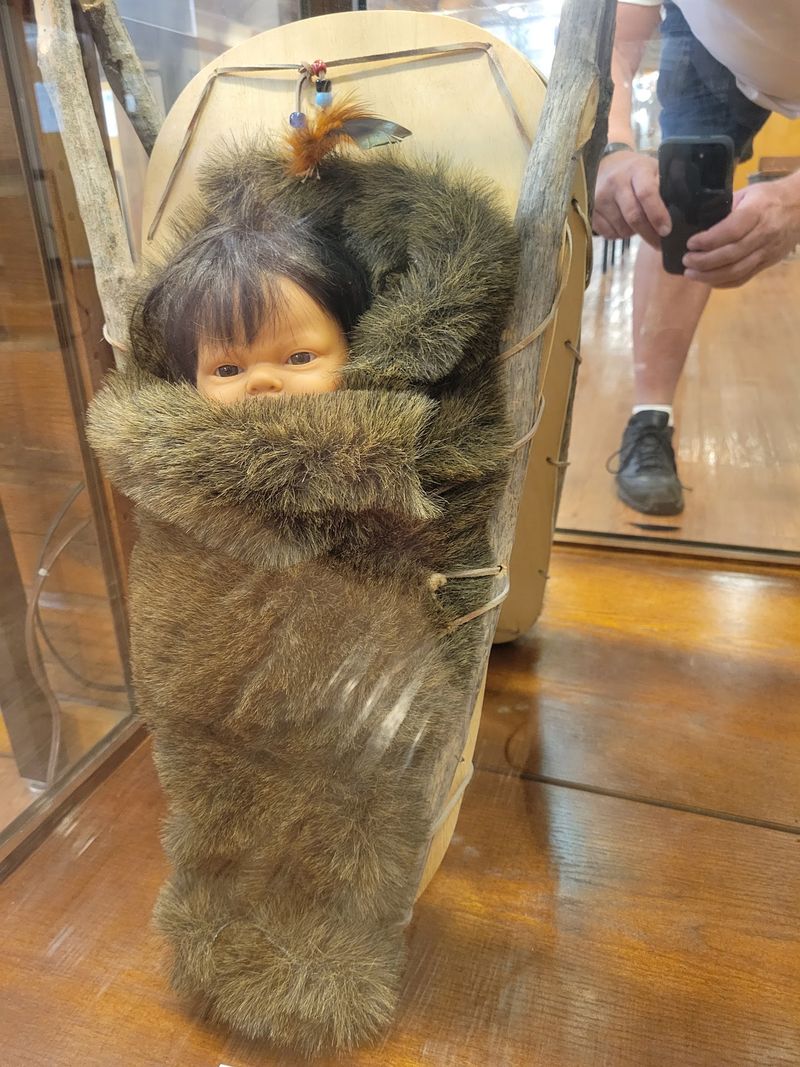
Named for a Winnebago artist who became one of the first nationally known Native American artists, this museum starts with a legacy worth knowing. Angel De Cora also helped create the first Native American arts class at Carlisle Indian School.
The museum is run by the Winnebago Tribe of Nebraska, and the tribe tells its own story here. That alone makes it different from a textbook chapter written by outsiders.
Inside, the collection fits into a compact space without feeling crowded. Maps, charts and pictures lay out tribal history in a way you can absorb quickly.
You won’t need a history degree to follow along. The exhibits work whether you know a lot about the Ho-Chunk people or almost nothing.
What stands out most is the focus on today. The displays cover the past, but they also show a living culture that keeps going strong in northeast Nebraska.
Kids are welcome, and there’s a theater space on site. Restrooms and on-site parking make a stop easy if you’re road-tripping along the Missouri River.
Plan around a weekday or Saturday visit, since it’s closed Sundays. Pair it with the other tribal museums nearby for a full day of stories most classrooms skipped.
Address: 601 E. College Drive, Winnebago, NE 68071
2. Genoa Indian Industrial School Museum
From 1884 to 1934, children from many tribes were sent to a federal boarding school in this small Nebraska town. The museum keeps that chapter in plain view.
Genoa’s school was among the largest non-reservation boarding schools run by the U.S. Office of Indian Affairs.
It sat on land that had been part of the Pawnee Reservation.
The museum occupies the school’s former manual labor training building. Original murals from the old bridle and harness shop still survive inside.
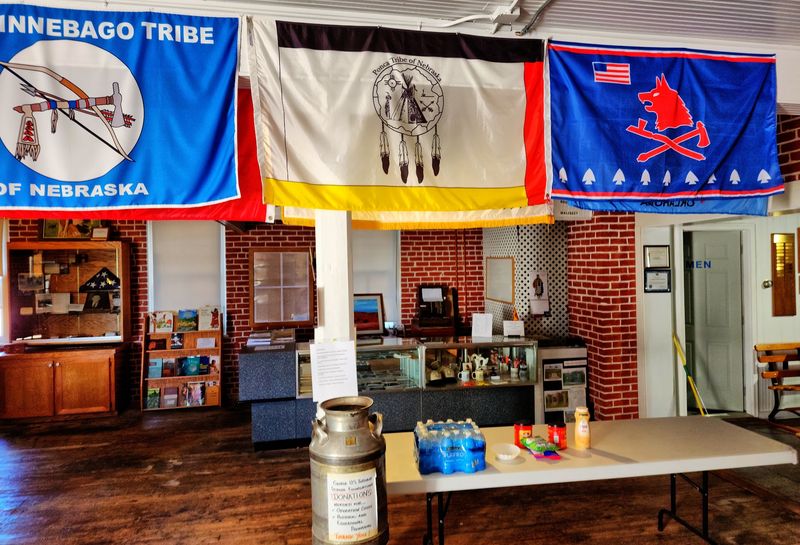
You’ll also see tribal flags sent by nations whose children attended the school. It’s a quiet, powerful way to show how far the school’s reach stretched.
A model of the campus helps you picture the grounds as they once stood. Photo exhibits fill in the faces and daily routines behind the dates.
Is it an easy visit? Not always, but the hard parts of history matter too.
The museum pairs remembrance with stories of resilience from Indigenous communities.
Families with kids are welcome, and restrooms are available. Hours can vary by season, so check ahead before driving out to Nance County.
Address: 209 E Webster Ave, Genoa, NE 68640
3. Ponca Tribe Museum
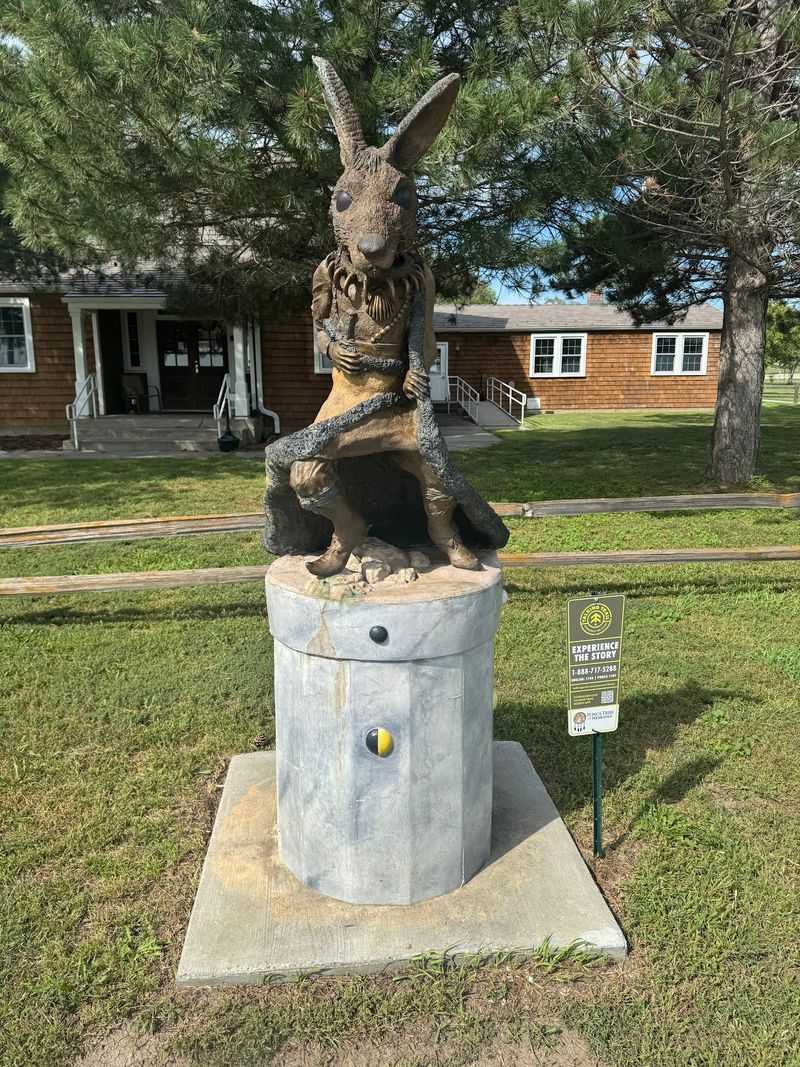
Two headdresses came home from the Smithsonian in 1999, and you can see them here. Talk about a homecoming worth the trip.
The museum sits inside the community center of the Ponca Powwow Grounds near Niobrara. That setting matters, because this is a gathering place, not just a gallery.
Chief Standing Bear is the name to know. In 1879, he won a federal court ruling that an Indian is a person under the law.
Surprised you never learned that? Plenty of Nebraskans feel the same, and this museum helps fix the gap.
The Ponca collection includes traditional tools, beadwork, jewelry, musical instruments and carvings. Photographs tied to the 1877 delegation to Washington add faces to the story.
A Veteran Memorial Wall honors tribal members who served in the armed forces. It’s a reminder that Ponca history didn’t stop in the 1800s.
The Ponca were restored as a federally recognized tribe in 1990, after decades of struggle. Keep that in mind as you look around.
The museum keeps weekday hours, so plan your drive for Monday through Friday. Northeast Nebraska’s river country makes the route a pleasure.
Address: 88915 521st Ave, Niobrara, NE 68760
4. Santee Sioux Tribe Museum
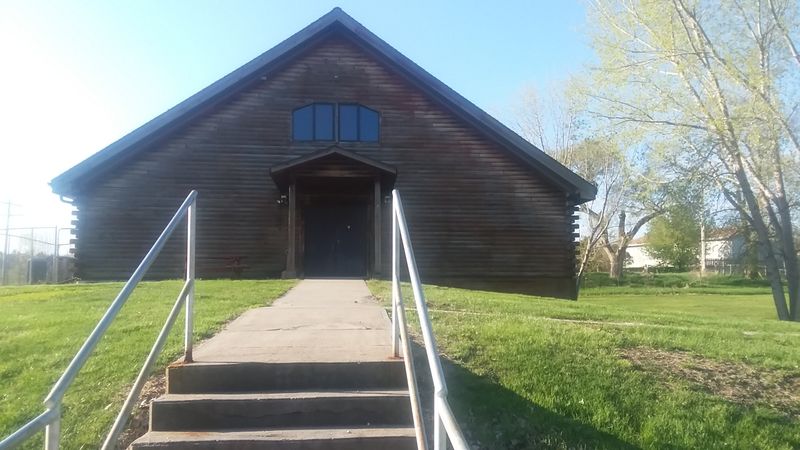
Ever wonder how a Dakota nation from Minnesota ended up in northeast Nebraska? This museum answers that question with the tribe’s own voice.
The story begins in the Santee homeland in Minnesota. After the 1863 expulsion of the Dakota people there, the tribe’s path eventually led to this corner of the state.
Exhibits follow that journey from the homeland to the present-day Santee Sioux Nation. It’s a story of displacement, but also of a people who stayed together.
Researchers and family historians get a treat too. The tribe’s collection has included reservation census records and historic Dakota-language newspapers.
Photographs and Dakota history books round out the experience. You’ll leave with names, places and dates you probably never saw in a classroom.
The Santee were historically woodland people who farmed and lived in villages. That detail alone challenges the single image many of us were taught.
Restrooms and on-site parking are available. Weekday visits work best, since the museum closes on weekends.
Since it’s close to the Ponca museum, you can easily see both in one day. Two nations, two very different routes to the same stretch of Nebraska.
Address: Spirit Lake Dwellers Ave, Niobrara, NE 68760
5. Susan LaFlesche Picotte Center
In 1889, Susan LaFlesche Picotte became the first Native American woman to earn a medical degree in the United States. Her story deserves way more airtime.
She was a member of the Omaha Tribe, and she returned home to care for her people. Later, she opened a hospital in Walthill in 1913.
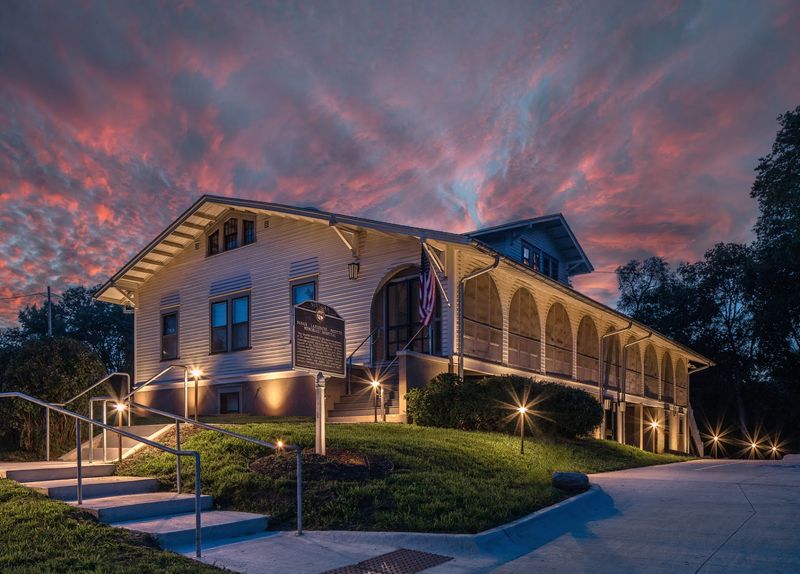
That hospital building is now the Susan LaFlesche Picotte Center. It’s a National Historic Landmark, and you can visit it today.
A small museum and shop fill the first and second floors. Exhibits trace her life and the work it took to become a doctor.
Here’s a twist you might not expect. The lower level houses a clinic, so the building still serves the community’s health.
Imagine a physician making house calls across the reservation by buggy. She did exactly that, often traveling long distances in rough weather.
Hours are limited to midweek, so check the schedule before you go. Larger groups should call ahead to arrange a tour.
Free parking is easy to find, both on-site and on the street. Walthill is just a short drive from Winnebago, making a natural pairing.
Address: 503 Matthewson St, Walthill, NE 68067
6. Museum of the Fur Trade
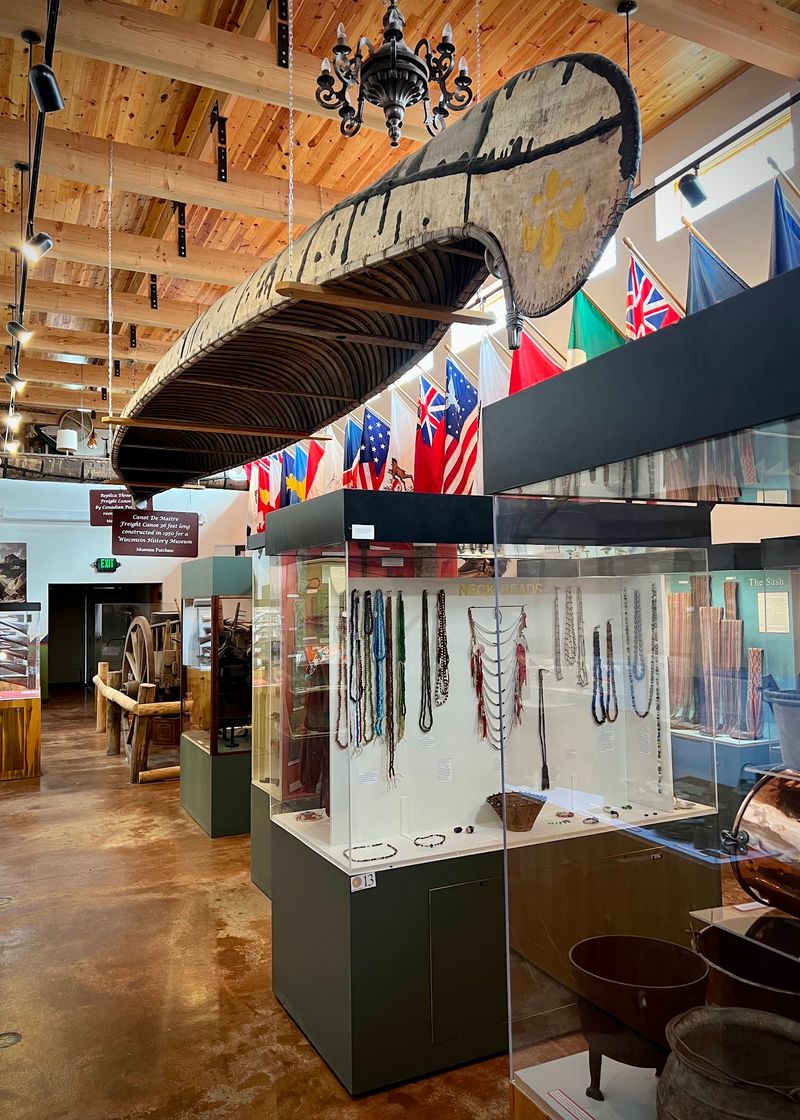
Trade goods tell stories that treaties leave out, and this Panhandle museum is packed with them. You’ll find artifacts tied to the fur trade across North America and beyond.
The heart of the place is how Native nations intertwined with English, French and Spanish traders. That relationship shaped the continent in ways school rarely explained.
A substantial collection of Native American artifacts sits at the center of the exhibits. Period firearms add another layer to the trading story.
Step outside and the history gets physical. You’ll find tipis, a sod house and a reconstructed trading post on the grounds.
The museum sits on the site of Bordeaux Trading Post, which dates to the 1830s. That’s history right under your feet.
A short film helps you get your bearings before exploring. It’s handy if you want context before the cases full of beads and blankets.
Families will find plenty for kids, and there’s a gift shop on the way out. Active military visitors can get a discount.
Open daily, it’s an easy add to a western Nebraska road trip. Chadron and the Pine Ridge country are right next door.
Address: 6321 US-20, Chadron, NE 69337
7. Fort Robinson Museum & History Center
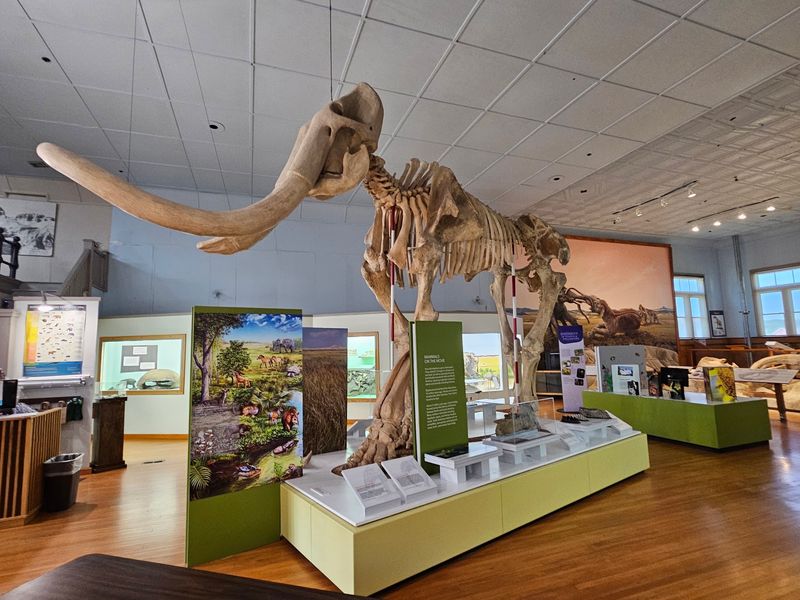
Crazy Horse’s story ended here in 1877, and the fort doesn’t skip that chapter. It’s one of the most significant places in Plains history.
Fort Robinson’s museum weaves the Native American story into the history of the fort and region. You get more than soldiers and cavalry here.
The Northern Cheyenne breakout in 1879 also took place at the fort. Learning about it on site gives the event weight that a paragraph in a textbook can’t.
Exhibits stretch well past the 1800s, too. The fort became a huge horse remount station and later held German prisoners of war during World War II.
Dog lovers, take note. The site also trained K-9 units during World War II.
Beyond the museum, the surrounding state park offers horseback riding, hiking, fishing and swimming. The pine ridges and buttes make a striking backdrop.
A bookstore and gift shop sit inside the museum. Parking is free, and tours are offered.
Plan your visit for a weekday, since the history center is closed weekends. History Nebraska runs it, and the depth shows.
Address: 3200 US-20, Crawford, NE 69339
8. Agate Fossil Beds National Monument Visitor Center
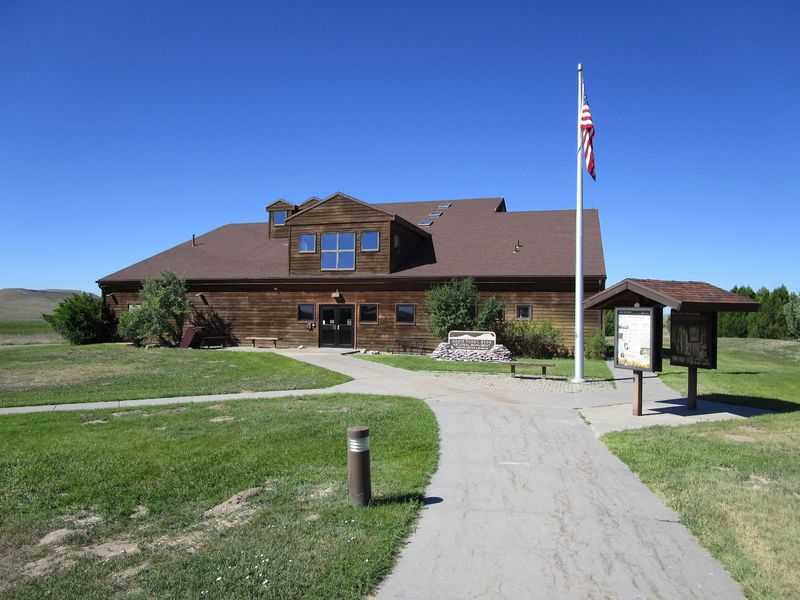
You came for ancient mammals, but you might leave talking about Lakota beadwork. This visitor center holds a surprise that fossil fans don’t always expect.
The James H. Cook collection features Lakota artifacts gathered through a real friendship.
Cook was a rancher who formed a close bond with Red Cloud.
Red Cloud and his family visited Cook’s ranch many times over the years. Gifts exchanged during those visits became part of this remarkable collection.
Of course, the fossils deserve their spotlight too. Roughly 20 million years ago, animals gathered near watering holes here in the Niobrara River valley.
Today, trails lead to hills where those fossil beds were found. You can walk them and picture a very different Nebraska.
Combining natural history and Lakota history makes this spot unlike anything else on the list. One building, two kinds of deep time.
The visitor center opens daily, and restrooms are on site. Kids tend to love the giant bones, which makes it an easy family stop.
It’s remote, so fuel up before heading out. Sioux County is wide open, and that’s half the fun.
Address: 301 River Rd, Harrison, NE 69346