Older Than Nebraska Statehood, These 8 Buildings Still Open Their Doors To Visitors Today
A log cabin in Nebraska was built by hand with an ax in the 1830s. People kept living in it until 1954.
That means one home sheltered families from the fur trade era to the age of television. I love that detail.
It makes history feel less like a textbook and more like a house key.
Nebraska didn’t become a state until March 1, 1867. Yet a handful of buildings from the territory days still stand, and you can still step through their doors.
One once sheltered freedom seekers. Another was a gristmill tied to a pioneer winter camp.
I can’t think of a better way to spend a weekend than tracing those old walls. Some open only by appointment, and some open just a few afternoons a week.
So which one will you visit first?
1. The Bellevue Log Cabin
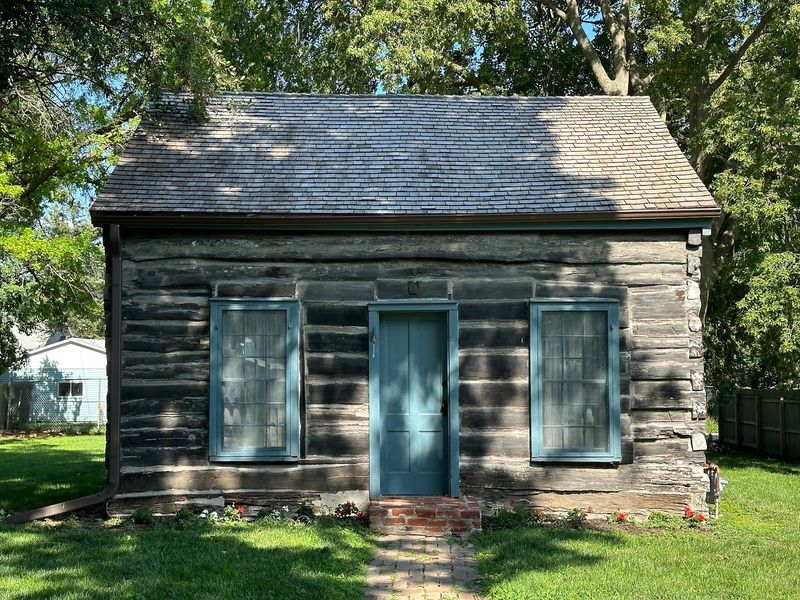
Nebraska’s oldest building is not a fort or a courthouse. It’s a modest log cabin built in the 1830s, hand-shaped with an ax.
The cabin sits at a quiet spot on Hancock Street in Bellevue. It’s commonly acknowledged as the oldest building in the state, which is quite a title for something so small.
Here’s the part that surprised me most. People actually lived in this cabin until 1954, more than a century after its walls went up.
Think about everything that happened outside those logs. Nebraska became a territory, then a state, and the railroads rolled through.
Two world wars came and went while the cabin still served as somebody’s home.
You can’t just stroll in on a whim, though. Viewing happens by appointment only through the Sarpy County Museum, so a little planning goes a long way.
That appointment system works in your favor. You get a focused visit instead of a rushed peek through the window.
History buffs will appreciate how well the structure has been maintained over the years. Kids tend to enjoy it too, since a real ax-built cabin beats a picture in a book any day.
Bellevue itself is one of Nebraska’s oldest towns, so the setting fits the story nicely.
Address: 1805 Hancock St, Bellevue, NE 68005
2. Florence Mill & Winter Quarters Mill Museum
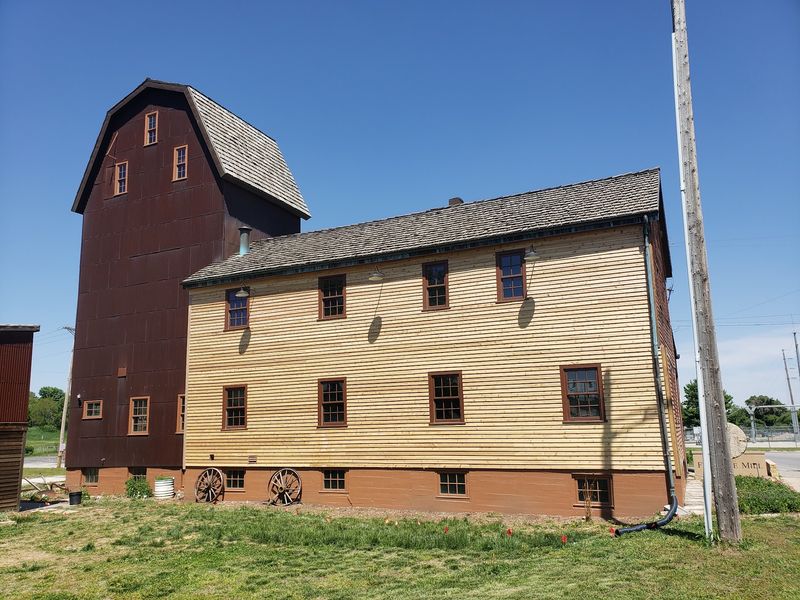
Few Omaha buildings can claim roots in a pioneer winter camp. Florence Mill was first erected in 1846 during the Mormon Winter Quarters encampment.
It was rebuilt as a mill in 1856, still more than a decade before statehood. That gives the old timber frame a double layer of frontier history.
Today the mill works as a historic museum instead of grinding grain. You can explore its story on regular open afternoons later in the week and on Sundays.
Sundays bring extra life to the grounds. During the season, a farmers market sets up with fresh produce and local vendors right beside this old structure.
I love that pairing. Food and community still gather at a spot that once supplied flour to settlers.
Tours are offered, and there’s a gift shop worth a browse before you leave. The site also hosts live performances from time to time, so check what’s on before you go.
Families fit right in here. A free on-site parking lot makes the visit easy, and restrooms are available too.
If you want a calmer visit, weekday afternoons tend to be quieter. Sunday is the busiest stretch, thanks largely to that market crowd.
Address: 9102 N 30th St, Omaha, NE 68112
3. Mayhew Cabin Museum Inc.
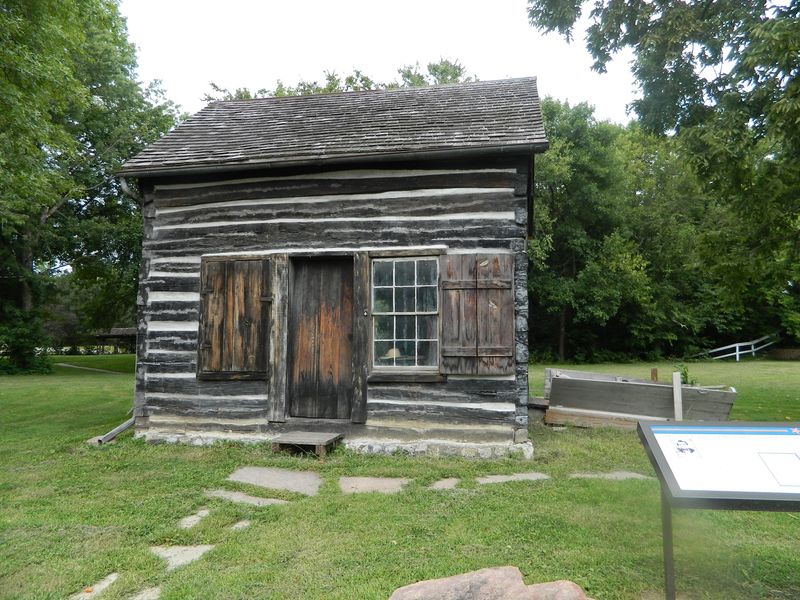
Courage once hid inside these walls. The Mayhew Cabin was the first Underground Railroad site in Nebraska officially recognized by the National Park Service.
That recognition placed it in the National Underground Railroad Network to Freedom. It’s a big honor for a humble territorial home built around 1855.
The cabin also ranks among the oldest buildings in Nebraska. So you’re seeing a rare survivor and a powerful story at the same time.
Inside, the museum explains how the Underground Railroad worked in Nebraska. Exhibits in the cabin and the cave give you a visual sense of the conditions people faced.
Reading those stories in the actual space hits differently. You aren’t imagining a distant place, because you’re standing right in it.
Kids and adults both get something out of the visit. It opens the door to real conversations about freedom and bravery on the frontier.
Timing matters here. The museum keeps limited hours, usually Saturday mornings into early afternoon, so plan your trip around that window.
Nebraska City has plenty of history nearby, which makes it easy to pair this stop with another. Still, this one is the visit that tends to stay with you on the drive home.
Address: 2012 4th Corso, Nebraska City, NE 68410
4. Arbor Lodge State Historical Park
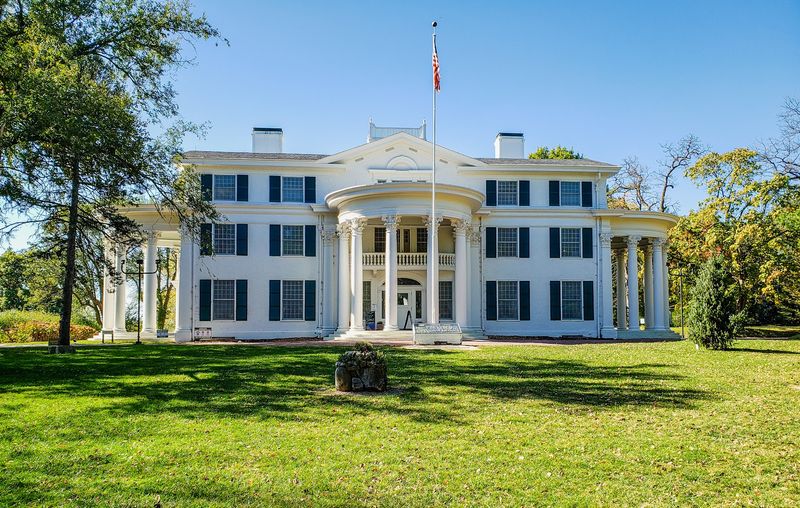
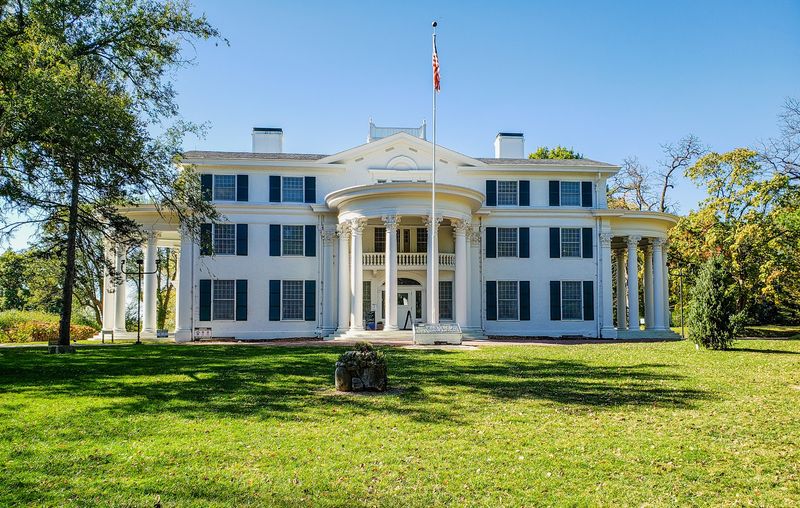
Talk about a glow-up. The founder of Arbor Day started here in 1855 with a simple four-room territorial home.
J. Sterling Morton’s modest house later grew into the grand mansion you can tour today.
The original core still predates Nebraska statehood by more than a decade.
Fittingly, the trees steal plenty of attention. The grounds work as an arboretum, with trees from around the world spread across the estate.
A trail lets you wander the grounds at your own pace. Picnic tables, swings and a playground make it easy to turn a history stop into a full afternoon.
Don’t skip the carriage house. It holds a striking collection of old carriages and buggies that shows how the Morton family got around.
The mansion and carriage house together tell the story of Arbor Day and the family behind it. That’s a pretty proud chapter for Nebraska to share.
Dogs are allowed on the grounds, so your four-legged hiking buddy can tag along outside. Kid-friendly hikes add even more reasons to bring the whole crew.
Hours usually run Friday through Sunday, from late morning to late afternoon. Pack lunch, grab a picnic spot and soak up the shade Morton made famous.
Address: 2600 Arbor Ave, Nebraska City, NE 68410
5. Brown-Carson House
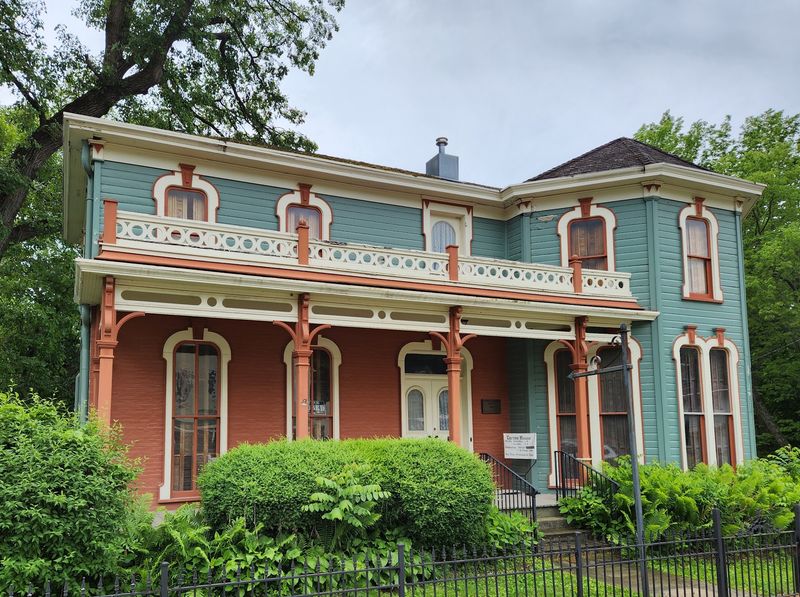
A town founder and a banker walk into the same house. Okay, not at the same time, but both left their mark on this Brownville home.
Richard Brown, who founded Brownville, built the house in 1860. Banker John L.
Carson bought it in 1864, still three years before Nebraska became a state.
That double name tells you a lot about early Brownville. Ambitious founders and businessmen were betting big on this river town.
Today the house stands as a preserved heritage property right on Main Street. It’s one of several historic stops in a town that wears its past proudly.
Expect close quarters once you step inside. Rooms in the 1860s weren’t built for crowds, and that snug scale is part of the charm.
The interior makes up for its size with plenty to study. You get a real feel for how a prosperous frontier family arranged their daily life.
There’s a gift shop on site, plus a theater connection that ties into Brownville’s arts scene. Kids are welcome, which makes it an easy family stop.
Since Brownville is so walkable, you can easily pair this house with neighboring landmarks. A few blocks covers a remarkable slice of territorial history.
Address: 300 Main St, Brownville, NE 68321
6. Brownville Historical Society Museum at Bailey House
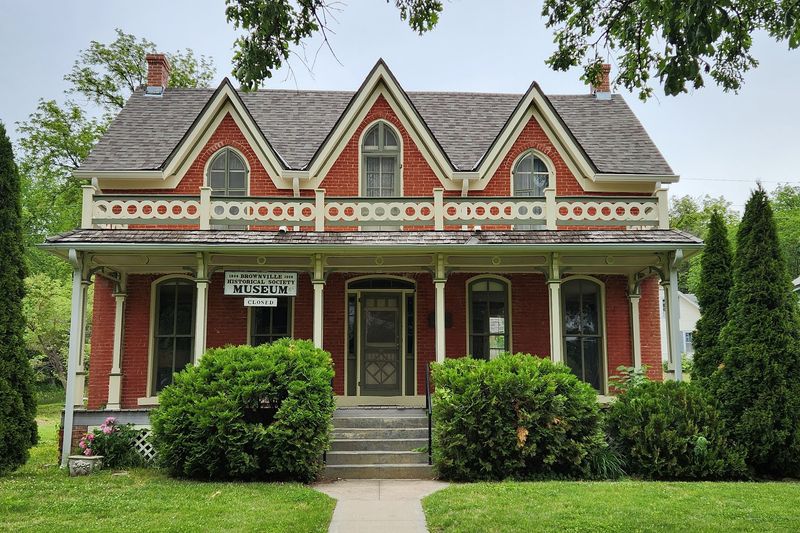
Locally fired brick did some serious heavy lifting back in 1859. That’s the year Captain Benson M.
Bailey built this sturdy house in Brownville.
Bailey later served in the Civil War, adding another layer to the home’s story. The building now houses the Brownville Historical Society Museum.
So you get two things in one visit. There’s the old house itself, plus a museum focused on one of Nebraska’s earliest towns.
Guides lead tours and share the history as you move through the rooms. Having someone explain the backstory makes the details click much faster.
It’s a beautiful old house with plenty of history packed inside. Brick that has stood since before statehood has a quiet way of impressing you.
Restrooms are on site, which is handy if you’re spending the day exploring Main Street. There’s also a gift shop for a small souvenir.
The house sits just down the street from other historic homes. That makes it a natural anchor for a walking tour through town.
Brownville grew up along the Missouri River during the territorial years. Visiting this museum helps you understand why so much early Nebraska history still lives here.
Address: 412 Main St, Brownville, NE 68321
7. Governor Furnas House Museum
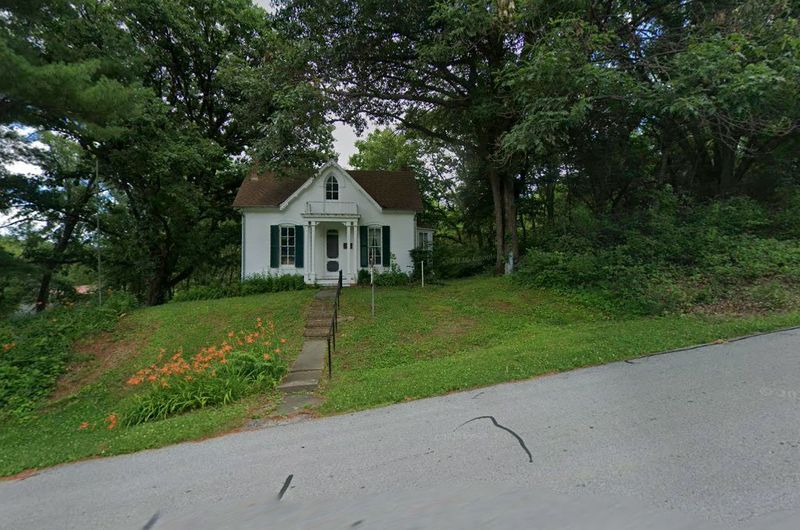
Before he led the state, Robert W. Furnas called Brownville home.
His house there now serves as a museum honoring a future Nebraska governor.
Furnas settled in Brownville during the territorial years. His home dates from before 1867, when Nebraska was still waiting to join the Union.
Why does that matter? Visiting a governor’s house from before the state even existed is a fun twist on history.
Furnas went on to play a major role in Nebraska’s public life. Seeing where he lived first gives you a grounded look at his early years.
The museum keeps fairly generous afternoon hours compared with some small sites. You’ll usually find it open Thursday through Sunday in the afternoon.
On-site parking makes the stop simple. That’s a nice perk in a town where you’ll probably want to explore several places in one trip.
Families are welcome, and kids can connect a real house to a name from their history lessons. That link tends to make facts stick.
Brownville packs an impressive number of historic homes into a small area. This one adds a political chapter to the town’s story, rounding out your day nicely.
Address: 230 S 6th St, Brownville, NE 68321
8. Emmanuel Lutheran Church
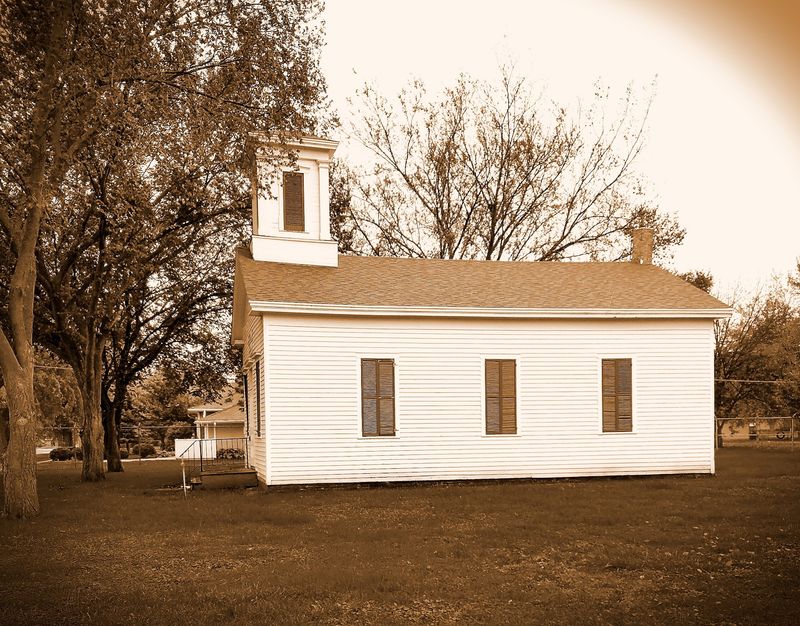
Sunday bells were ringing in Dakota City years before Nebraska had a governor. Emmanuel Lutheran Church was built and dedicated in 1860.
That date makes it Nebraska’s oldest standing Lutheran church building. For a state shaped by German and Scandinavian settlers, that’s a meaningful landmark.
Picture early families gathering here on the far northeast edge of the territory. Dakota City sits near the Missouri River, a key route for newcomers back then.
The Dakota County Historical Society now preserves the church. It opens the building to the public for visits and events.
That care is the reason you can still step inside today. Without dedicated local caretakers, a modest frontier church could easily have been lost.
The building also offers practical comforts for modern visitors. A wheelchair accessible entrance and a restroom make the stop easier for more people.
Visits can depend on the historical society’s schedule, so check ahead before driving out. Events at the church can be a great way to see it in use.
Of all the buildings on this list, this one feels the most tied to faith and community. It’s a peaceful way to wrap up a tour of pre-statehood Nebraska.
Address: 1500 Hickory St, Dakota City, NE 68731