This Kentucky Mosque Is Where An Entire Bosnian Community Keeps Its Language, Faith, And Traditions Alive
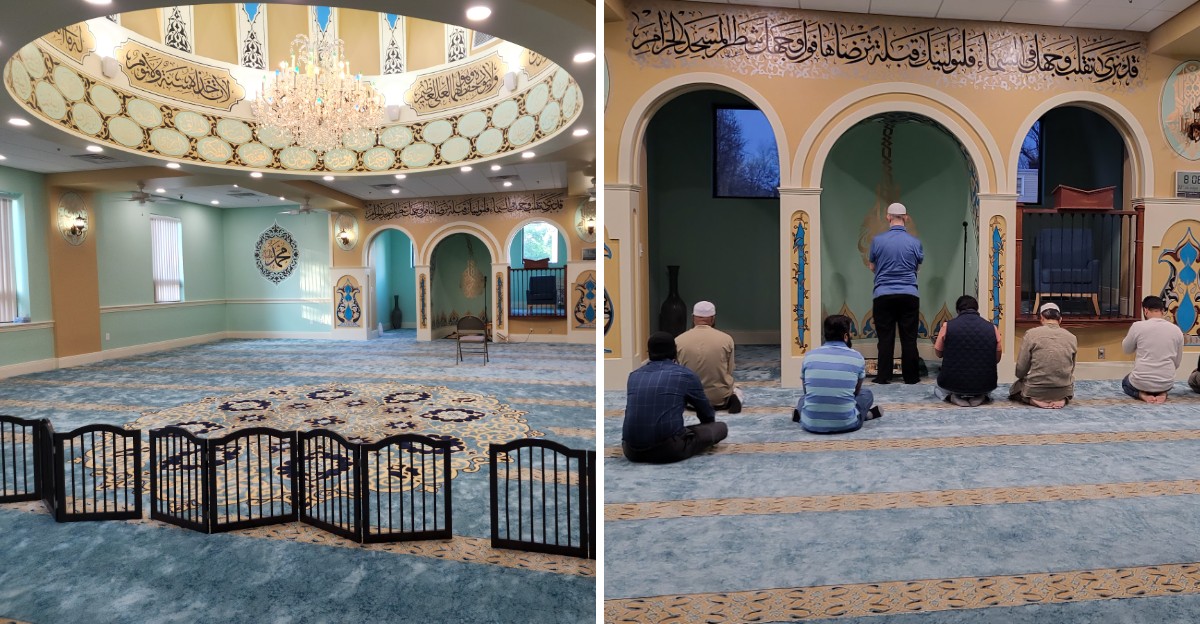
Every wall on both floors of this mosque carries hand-written verses from the Quran. Someone painted that calligraphy with real patience, and I can’t imagine how long it took.
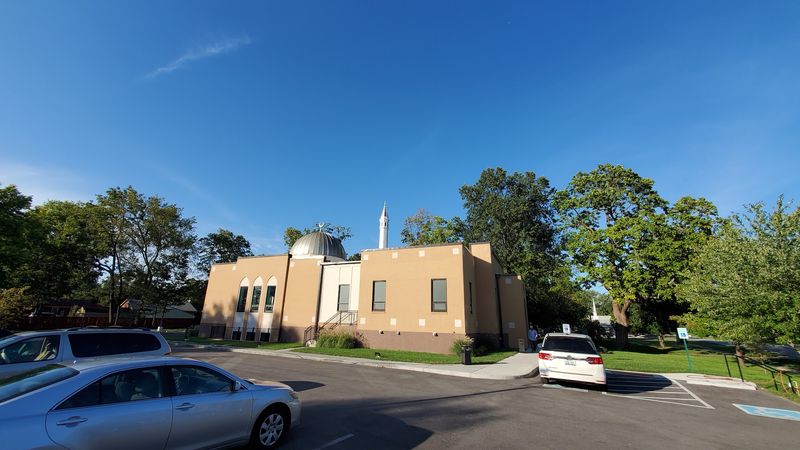
The building came together after four years of community fundraising. Families pooled their gifts until a small converted house became a modern mosque with a minaret.
Inside, kids learn Bosnian alongside Quran lessons. Big dinners break the Ramadan fast in a spacious hall downstairs.
I admire how one building in Kentucky can hold a whole homeland’s worth of faith, food, and words.
How did a community far from the Balkans build something this meaningful? And why does it feel so welcoming to people from every background?
A Small Building Grew Into Something Remarkable
Back in May 2001, a group of Bosniaks in Louisville made a big decision. They founded the Bosniak American Islamic Center of Louisville to meet daily religious and cultural needs.
The goal was simple but heartfelt. Families wanted to practice Islam the way they had back home in Bosnia.
In December 2004, the community bought its first building. It wasn’t a mosque yet, so members renovated it and added a minaret.
They moved in by October 2005. The official opening followed in September 2006, a proud milestone for a young community.
Growth kept coming, though. By March 2012, the old building simply couldn’t hold everything the community wanted to do.
Leaders chose to build a brand-new mosque on the very same site. That choice kept the community rooted in the spot where it all started.
Some longtime worshippers remember the little building that came first. Knowing that history makes the current mosque feel even more impressive.
It’s a reminder that big things often begin with modest walls and stubborn hope. Honestly, that origin story deserves a movie.
Four Years Of Fundraising Built Masjid Kevser
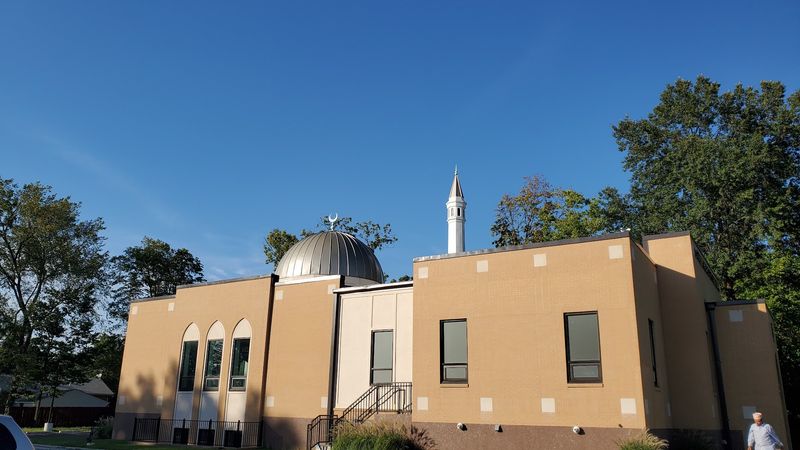
Raising money for a mosque takes serious grit. The Bosnian community in Louisville spent four full years collecting funds before construction could begin.
Building finally started in October 2016. Crews worked on the new structure until the second half of April 2019.
The final price tag reached about 1.7 million dollars. That amount came largely from Bosnian families who believed in the project.
The finished mosque goes by the name Džamija Kevser, also called Masjid Kevser. Kevser refers to Al-Kawthar, a name tied to abundance and blessing in Islamic tradition.
Fun fact: the word džamija is simply Bosnian for mosque. So even the building’s name keeps the language alive.
The total space covers about 900 square meters. That’s roughly 9,700 square feet of room for prayer, learning, and gathering.
I believe projects like this say a lot about a community. People don’t give that much unless they truly care about passing something on.
When you see the building today, you’re looking at years of sacrifice. Every brick carries a little piece of family generosity from right here in Kentucky.
Look Up, Because The Walls Are Covered In Quran Verses
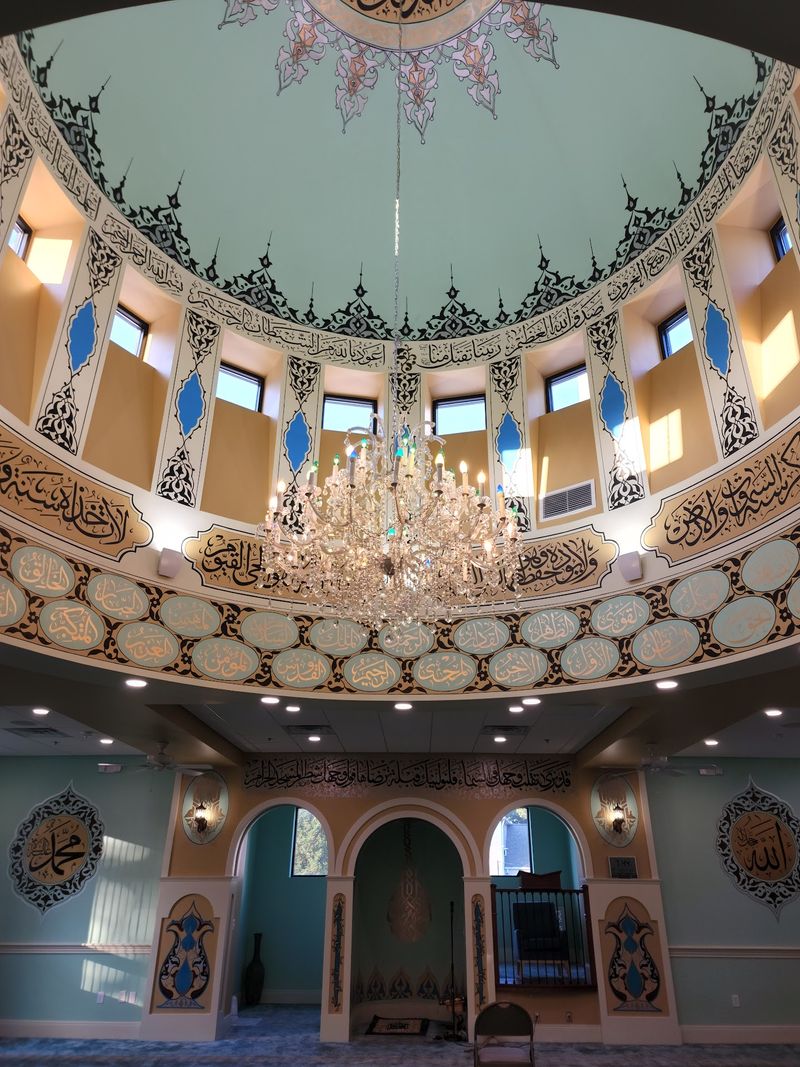
Hand-written calligraphy is the showstopper here. Verses from the Quran decorate the walls on both floors of the Bosniak American Islamic Center of Louisville.
That detail matters more than you might expect. Arabic calligraphy is one of the most respected art forms in Islamic culture.
Instead of pictures of people or animals, mosques often use beautiful lettering. The words themselves become the decoration and the message.
Hand-written work also feels personal. Every curve and line reflects careful effort, not something printed by a machine.
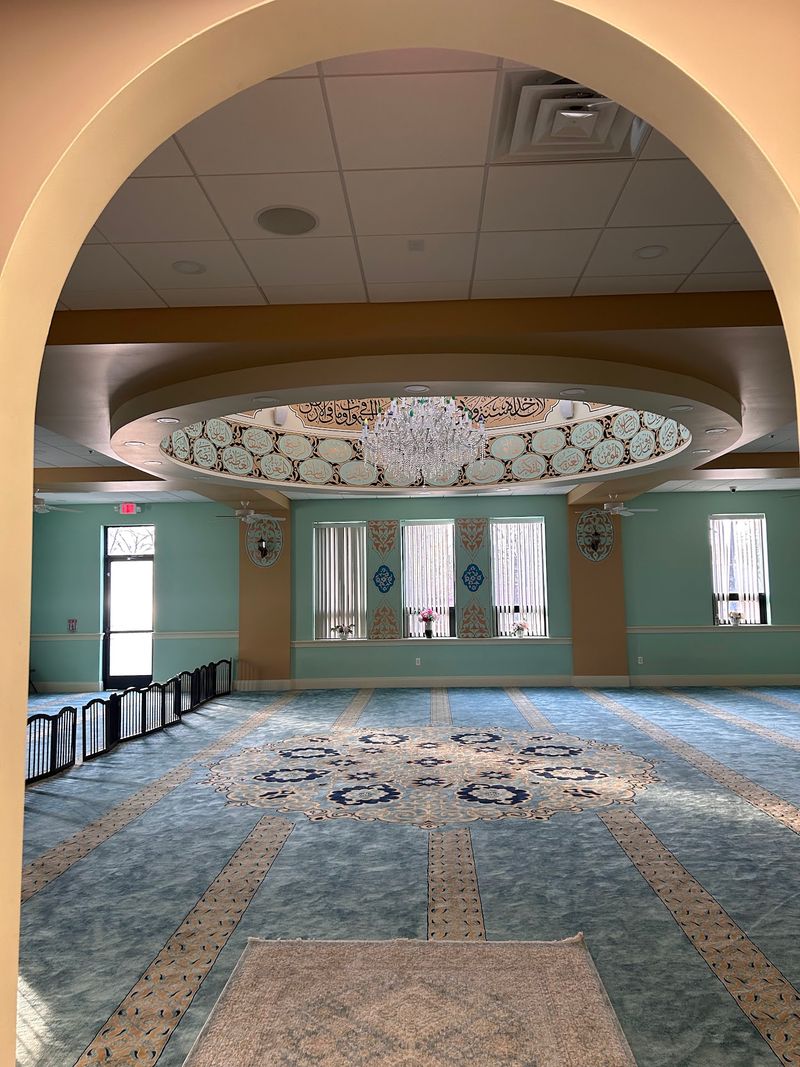
The prayer space sits on the first floor. It’s described as a beautiful and calm room meant for worship and reflection.
Visitors often point to how clean and comfortable the space feels. The modern design keeps things bright and peaceful without feeling cold.
If you visit, take a moment to notice the script on the walls. Even if you can’t read Arabic, the flow of the letters is easy to admire.
Art lovers, this one’s for you. It’s like a gallery where the frames are the walls themselves.
Kids Learn Faith And Bosnian Words Downstairs
Language fades fast when nobody uses it. That’s why the ground-floor classrooms here matter so much.
These rooms host mekteb, which means Islamic instruction for children. Kids learn about their faith, prayers, and the Quran in a friendly setting.
The center also offers Sunday school and language classes. Bosnian lessons help younger generations stay connected to their parents and grandparents.
Think about a child born in Kentucky with family roots in Bosnia. Classes like these let that kid chat comfortably with a grandmother overseas.
Both English and Bosnian are spoken at the center. That mix makes it easy for families who switch languages at the dinner table.
Every room comes equipped with modern audio-video technology. Teachers can use screens and sound to make lessons more engaging.
The classrooms also support other Islamic and cultural activities. So the space stays busy with more than just weekend lessons.
If you’re a parent, this setup offers a smart lesson. Keeping heritage alive works best when learning feels like part of normal life, not homework.
The Downstairs Hall Was Made For Big Iftar Dinners
Sunset during Ramadan is a big deal. After a full day of fasting, families gather to break the fast together at iftar.
The Bosniak American Islamic Center of Louisville planned for that. Its ground floor includes a kitchen and a spacious hall for formal dinners and iftars.
Shared meals are a huge part of Bosnian culture. Gathering around a table keeps traditions going just as much as a classroom does.
The hall also works for other community events. Celebrations, meetings, and cultural programs can all find a home here.
Guests have even been invited to picnics hosted by the community. Outsiders have felt welcomed and well fed, which is always a good sign.
One recent visitor thanked the hosts for making them feel at home. They even signed off with a cheerful Bosnian thank-you.
Food has a funny way of turning strangers into friends. A full plate breaks the ice faster than any speech.
If you ever get an invitation to an iftar here, say yes. Just maybe skip that big lunch first.
Everyone Gets A Warm Welcome, Not Just Bosnians
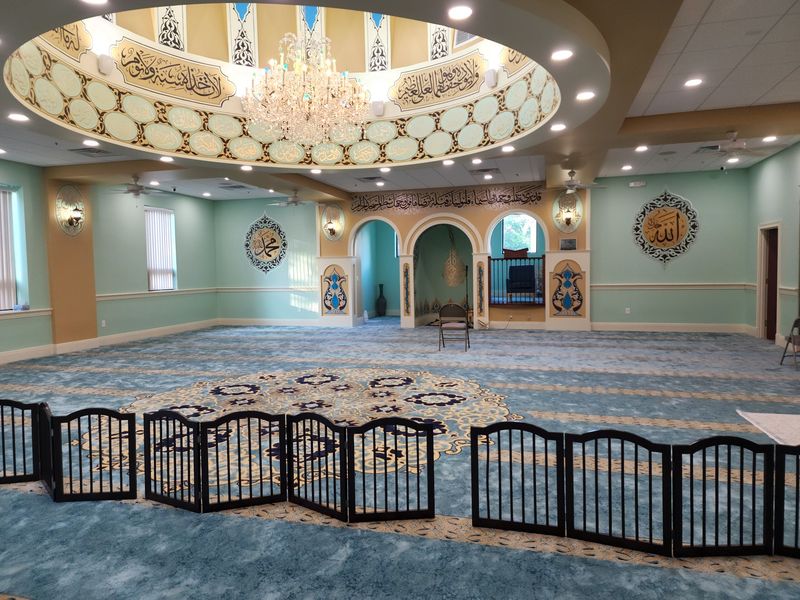
Bosnian families built this mosque, but the doors open wide. People of many nationalities pray and gather here.
That openness shows up again and again in how the community is described. Members come across as friendly, caring, and genuinely glad to see new faces.
Louisville has a diverse Muslim population. Somali, Arab, South Asian, and American Muslims can all find a spot in the prayer hall.
One visitor once asked about Friday prayer times because the website was in Bosnian. Small hiccups like that show just how proudly Bosnian this place is.
Still, English is spoken at the center too. So newcomers shouldn’t worry about feeling lost.
I like how a place rooted in one culture can make room for so many others. It turns a cultural center into a true neighborhood hub.
The community also hosts cultural events that bring people together. These gatherings build friendships across backgrounds and languages.
If you’re curious about Islam or Bosnian culture, this is a friendly place to start learning. Respectful questions are welcome.
Meet The Imam Who Guides Daily Prayers
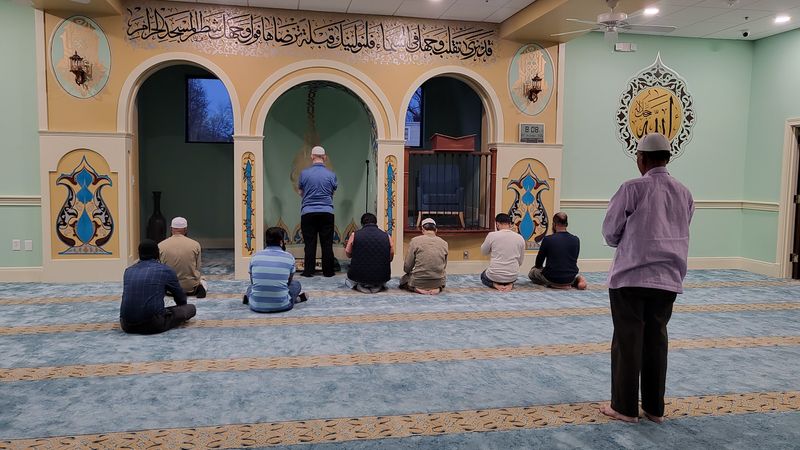
Five daily prayers happen here with an imam leading them. That steady rhythm gives the community a strong spiritual backbone.
He’s known for his kind, soft-spoken manner. Many people appreciate his patience when helping visitors learn about Islam.
Friday sermons draw extra attention. The Friday prayer, called džuma in Bosnian, is the week’s biggest gathering.
Planning a Friday visit? Arrive a little early, because parking can get tight on those days.
Membership is available for those who want to stay involved. Members help support the services, classes, and programs that keep everything running.
An imam in a community like this wears many hats. He leads prayers, teaches, advises families, and helps keep traditions strong.
Bosnian Islam has its own customs and scholarly traditions. Having a dedicated imam helps pass those down correctly to the next generation.
It’s comforting to know someone is there to answer questions. Faith feels easier to explore with a patient guide nearby.
Smart Details Make The Building Easy To Use
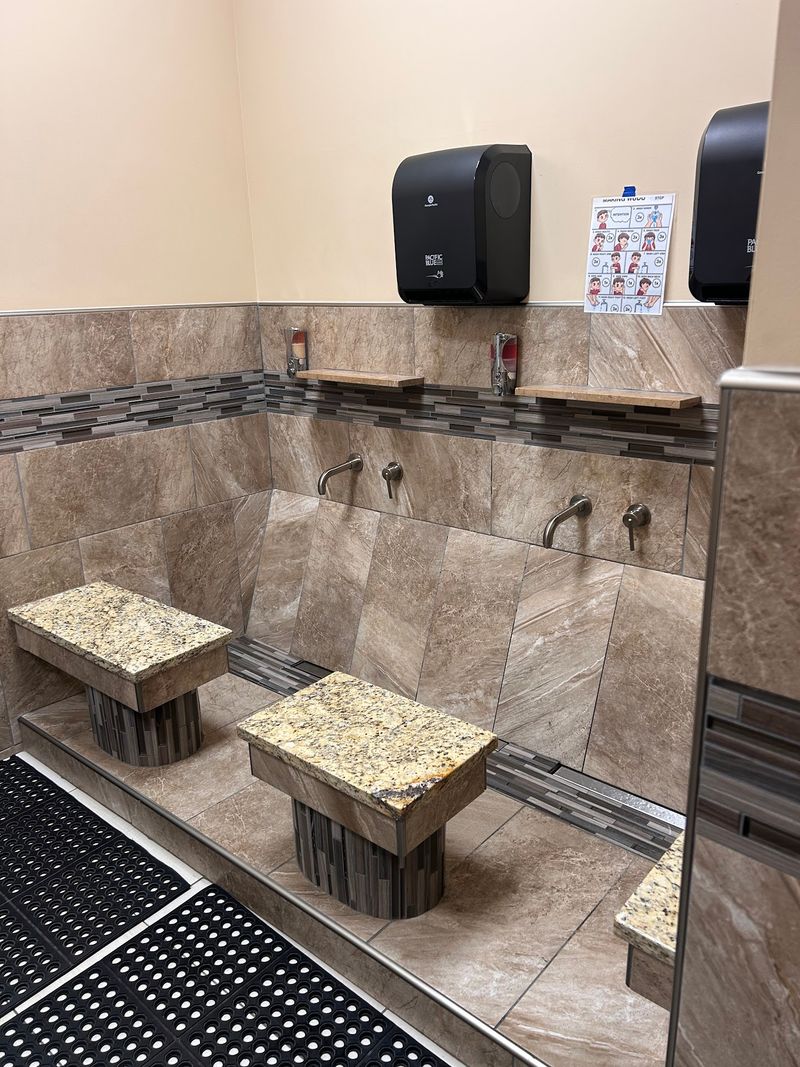
Good design often hides in the practical stuff. This mosque has plenty of thoughtful touches that make worship easier.
Separate ablution areas, called abdesthana in Bosnian, serve both men and women. Muslims wash before prayer, so these rooms get plenty of use.
The building also includes separate restrooms and office spaces. A library offers books for anyone wanting to study further.
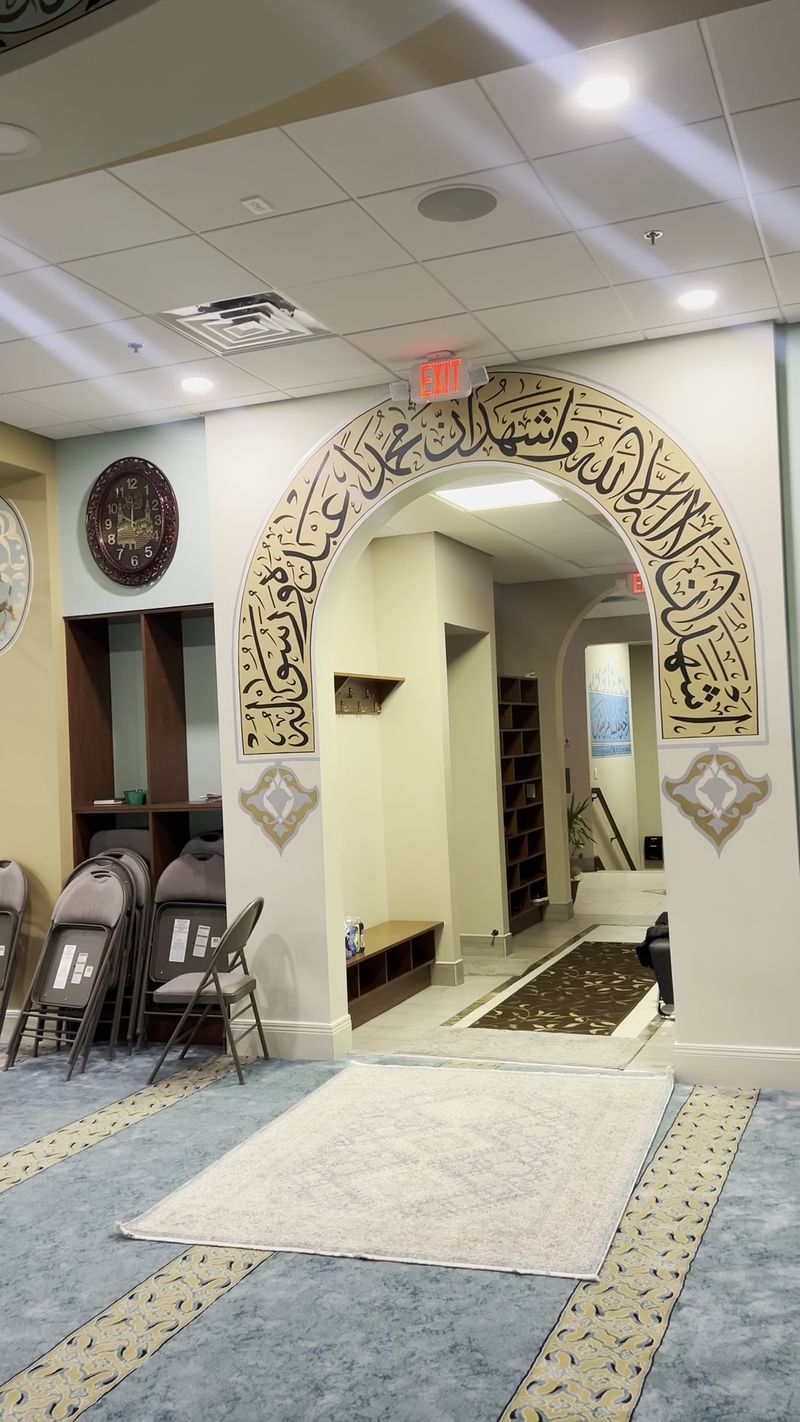
Shoe storage sits ready at the entrance. Shoes come off before entering prayer areas, so racks keep things tidy.
There’s a designated area for women to pray and sit. Wheelchair access helps make the center easier to reach for everyone.
Cleanliness gets lots of praise here. A spotless space matters a lot in a place built for prayer.
Visitors should dress modestly and remove shoes when asked. Following simple customs shows respect and makes everyone comfortable.
Women often bring a scarf to cover their hair in the prayer space. Packing one ahead of time saves any awkward scrambling.
A little preparation goes a long way. You’ll feel more relaxed and ready to enjoy the visit.
Plan Your Trip To Six Mile Lane
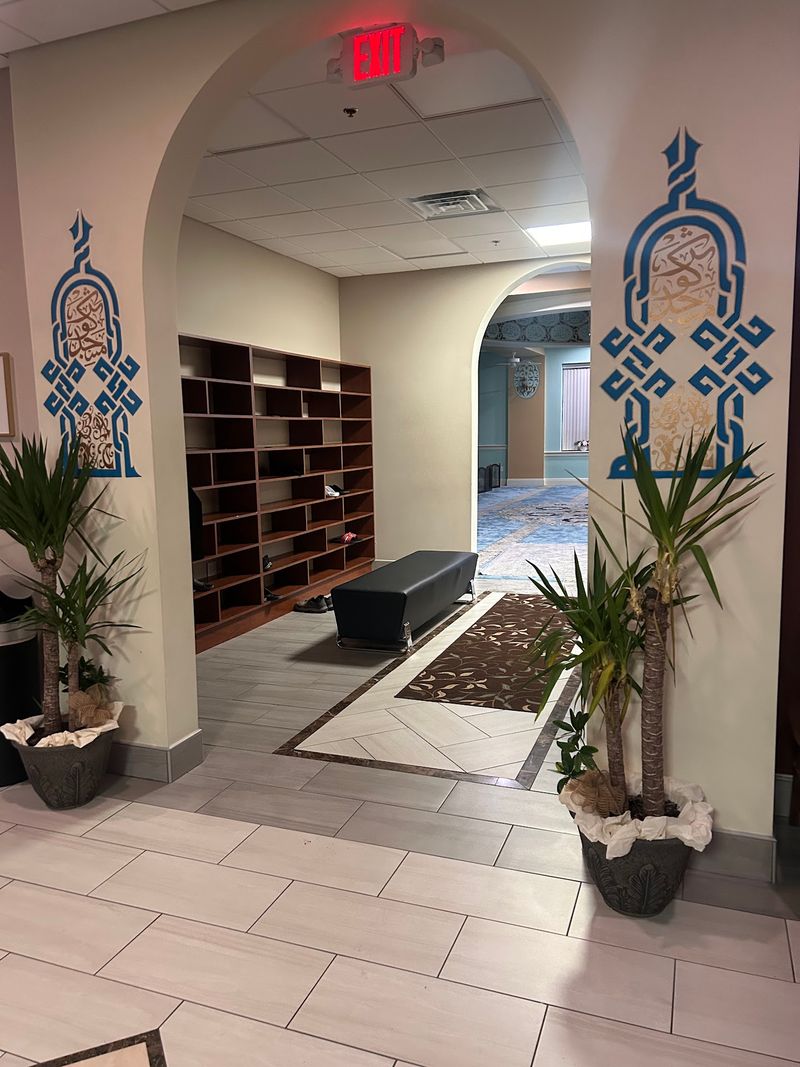
Finding the mosque is pretty simple. You’ll find the Bosniak American Islamic Center of Louisville at 5927 Six Mile Lane, Louisville, Kentucky.
The area sits in the southeastern part of the city. Louisville is home to one of the largest Bosnian communities in the United States.
Many Bosnian refugees resettled in Louisville during the 1990s. Over time, they opened businesses, raised families, and built institutions like this one.
Fridays bring the biggest crowds for weekly prayer. Parking can be limited then, so carpooling is a clever move.
Security matters too, and the building may sometimes stay locked between prayers. Calling ahead before a visit is a smart idea.
Visitors are welcome, especially those who come with respect and curiosity. It’s a great stop if you want to understand Kentucky’s diverse communities.
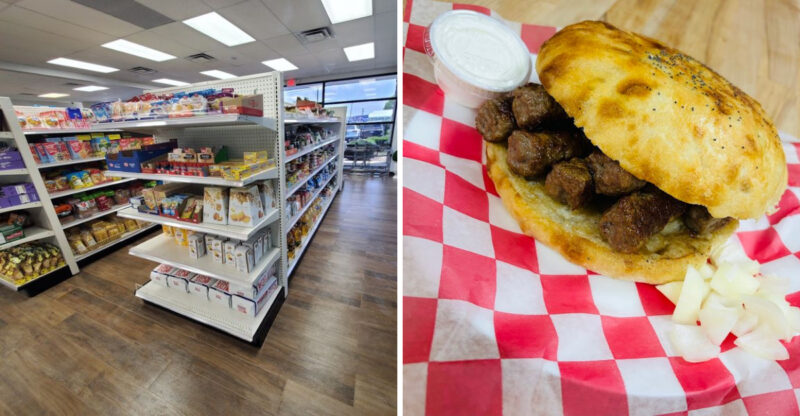
Afterward, the surrounding area has Bosnian bakeries and markets worth exploring. Trying burek or ćevapi makes a tasty follow-up.
Honestly, the whole trip offers a peek into another culture without a passport. A quiet road in Kentucky turns out to hold a whole world of tradition.