Retired Telephone Workers Spent More Than 66,500 Hours Transforming An 1896 Missouri Building Into A Museum
A switchboard once used by four U.S. presidents now sits inside an old Army officers’ duplex.
Calling it a phone museum feels a bit like calling the moon a night light.
The building dates to 1896, and it needed serious work. Retired telephone workers gave more than 66,500 volunteer hours to bring it back.
That’s not a weekend project. That’s years of dedication from people who once kept Missouri talking.
Inside, the collection runs from the late 1800s to the 2000s. Candlestick phones, pay phones, military gear, and early cell phones all share the space.
Some exhibits still work, so you can actually dial. A simple label like old phones on display just doesn’t cover it.
Volunteers Rang Up A Truly Ridiculous Number Of Hours
More than 66,500 hours is a number worth appreciating. That’s how much time volunteers poured into repairing and renovating the building housing the Jefferson Barracks Telephone Museum.
Many of the volunteers belonged to the Telecom Pioneers, a nonprofit service organization associated with the telecommunications industry.
Some spent their careers keeping telephone systems running. Then, instead of taking it easy, they picked up tools again. They repaired and renovated an 1896 building that needed plenty of attention.
Think about what that many hours really means. If one person worked 40 hours every week on it, the job would stretch past three decades. With dozens of volunteers contributing, the renovation took 13 years.
The project included installing a new slate roof, refinishing wooden surfaces, updating heating and cooling systems, and making the building accessible.
The museum welcomed its first visitors on May 4, 2016.
So when you look around, remember the effort behind the restored woodwork, floors, and exhibit rooms. The finished museum represents a remarkable contribution to Missouri history.
Officers Once Called This Building Home
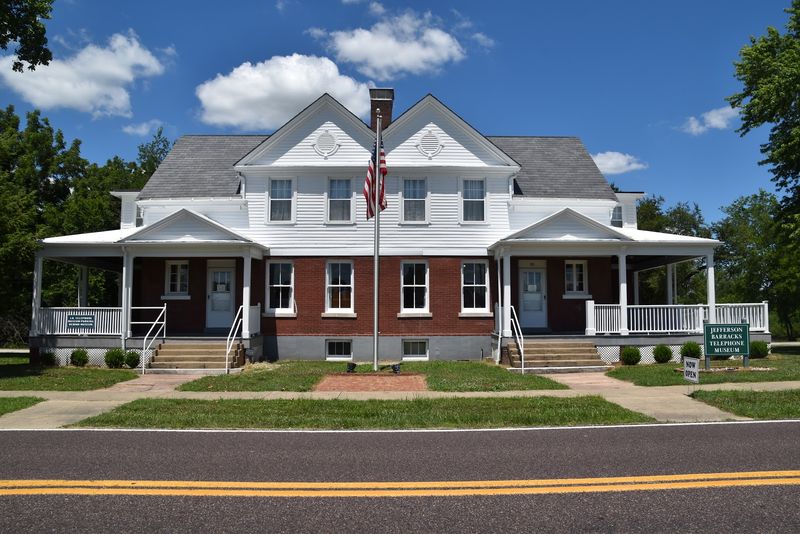
Long before anyone displayed a rotary phone here, Army officers and their families lived inside these walls. The building started out in 1896 as a two-story residential duplex at Jefferson Barracks.
That origin gives the museum a layered personality. You’re learning about one slice of history while standing inside another.
The historic post was established in 1826 and grew into an extensive complex. This duplex is one of two surviving buildings from the original Officers’ Row on the northern side of the former parade grounds.
Electricity arrived in 1909, and bathrooms were installed in 1925. Sunrooms were added upstairs in 1938.
Converting a home into a museum isn’t simple. The two residences originally had separate, mirrored floor plans. Volunteers created connecting doorways by cutting through approximately 11 inches of brick and plaster.
Today, the public exhibits occupy the ground floor, while the upper level serves other purposes.
It’s a wonderful example of historic preservation giving an old building a new purpose. This one found a second career, and it’s ringing along nicely.
A Presidential Switchboard Steals The Spotlight
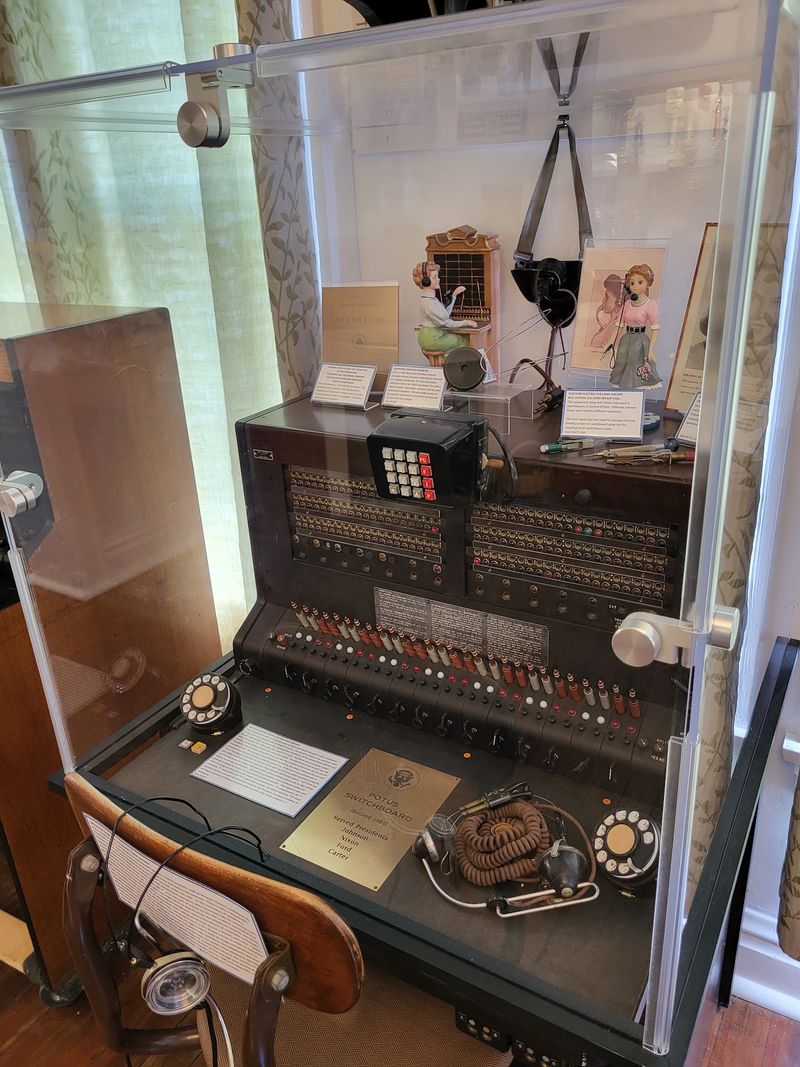
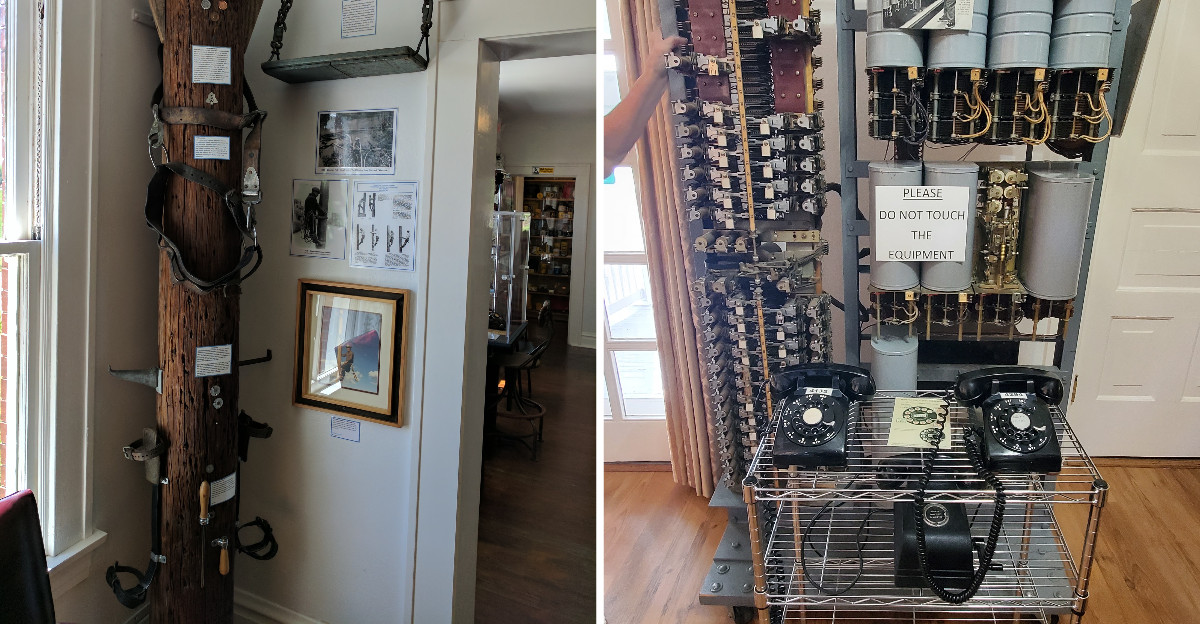
Four presidents, one switchboard. The portable equipment provided communications during St. Louis visits by Lyndon B. Johnson, Richard Nixon, Gerald Ford, and Jimmy Carter.
The switchboard was temporarily installed at the Mayfair Hotel during presidential visits. Today, it forms part of the museum’s collection of historic telephone equipment.
Presidential travel requires reliable communication everywhere the leader goes. Switchboards like this one connected calls the old-fashioned way, with operators and cords. Seeing it in person offers a fascinating connection to those historic trips.
It also shows how much hands-on work went into telephone service back then. Operators using manual equipment connected calls by inserting cords into the appropriate jacks.
The collection includes operator switchboards from the 1920s, 1940s, and 1960s, making it possible to compare equipment from different periods.
Children growing up with touchscreen devices can discover why physical cords, switches, and numbered connections once mattered so much.
Consider how different those communication arrangements were from today’s mobile technology. What now fits into a pocket once required specialized equipment and trained operators.
Bring Your Dialing Finger Because Some Phones Actually Work
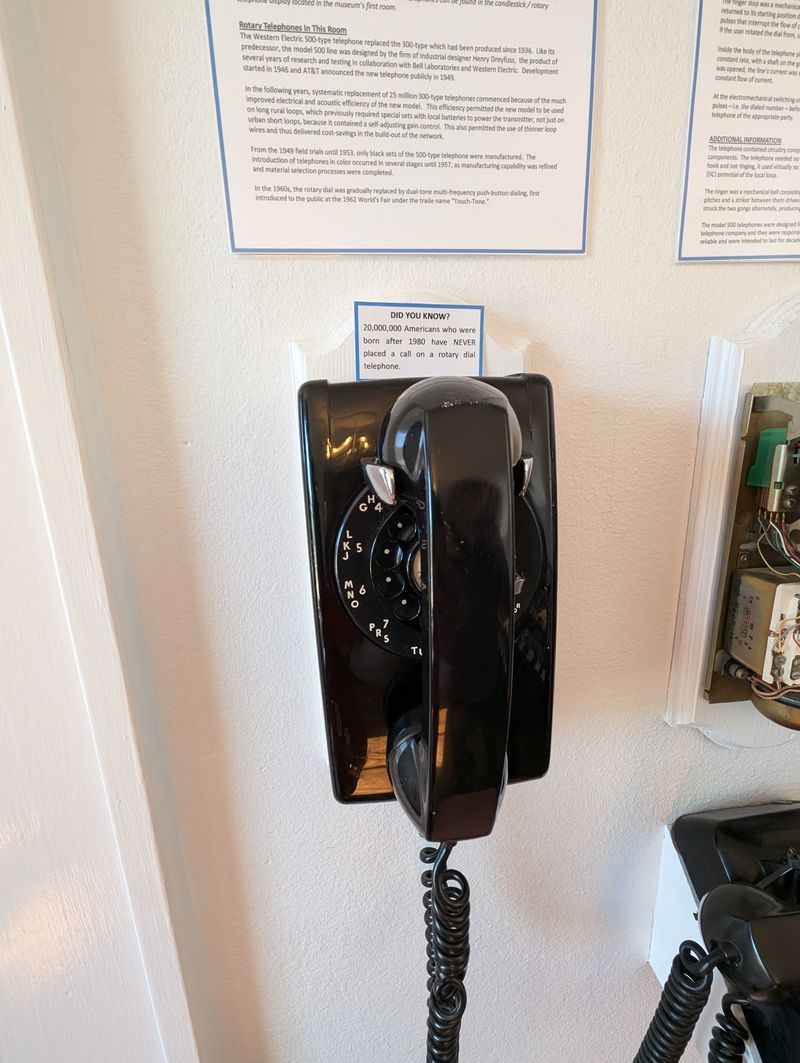
Rotary dialing is a skill many younger visitors have never tried. At the Jefferson Barracks Telephone Museum, they finally get their chance.
A working telephone circuit lets you make rotary-dialed calls between two phones. It sounds simple, but figuring out the dial can be entertaining for someone accustomed to a touchscreen.
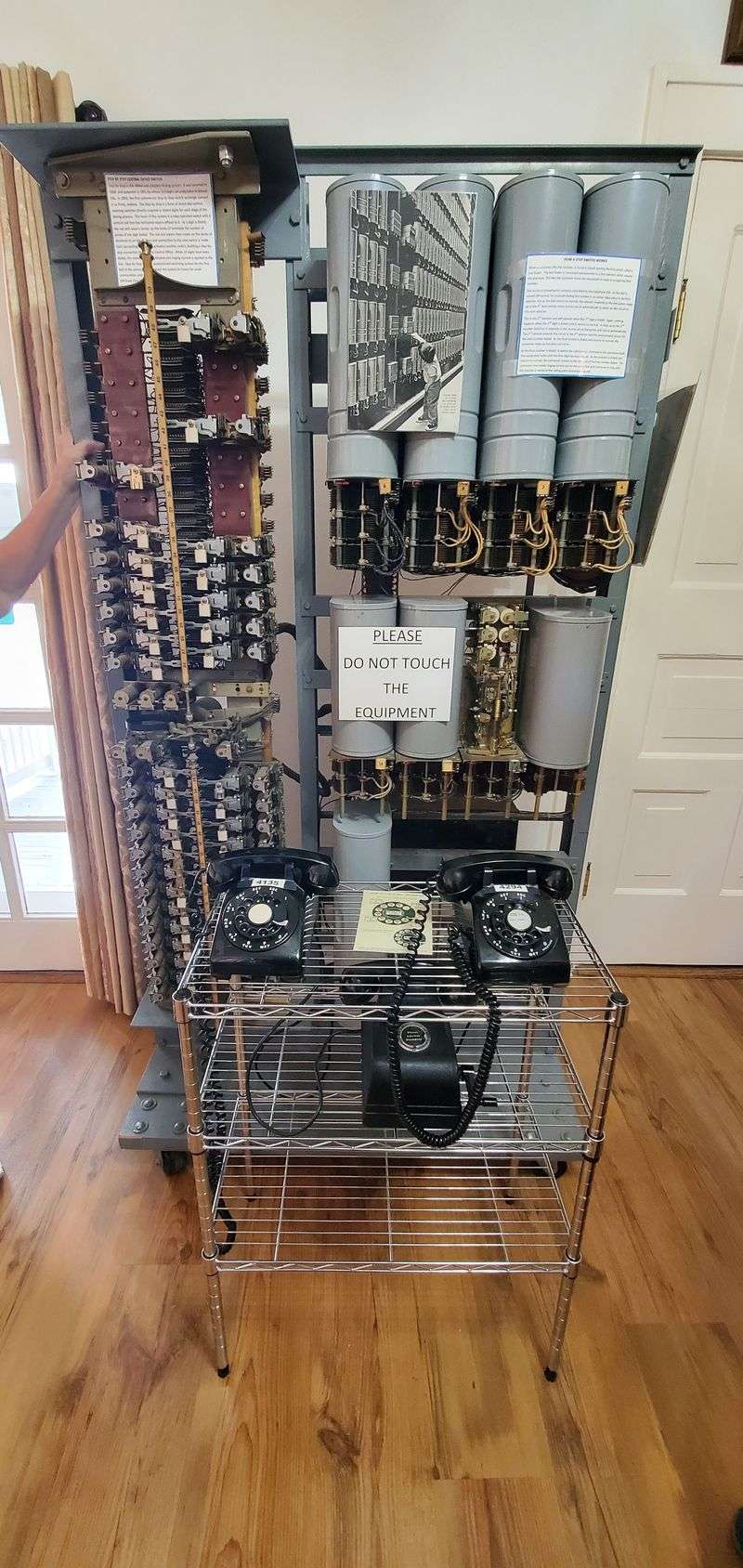
The museum features an operational central office step switch. Its mechanical components click and move as a number is dialed, eventually establishing a connection that causes the second telephone to ring.
Some exhibits are set up for touching and handling. Ask a volunteer which items you can operate before trying unfamiliar equipment.
There’s also an interactive pay phone demonstration. Older pay phones produced distinctive sounds when coins were deposited, allowing operators to recognize the amount inserted.
Novelty telephones shaped like race cars and familiar cartoon characters bring a playful touch to the collection.
Here’s a practical tip for parents. Let your kids try the rotary phone before explaining it. Discovering how the mechanism works can become an entertaining little challenge.
Patience, it turns out, was built into every call.
Your Phone’s Great-Great-Grandparents Are All Here
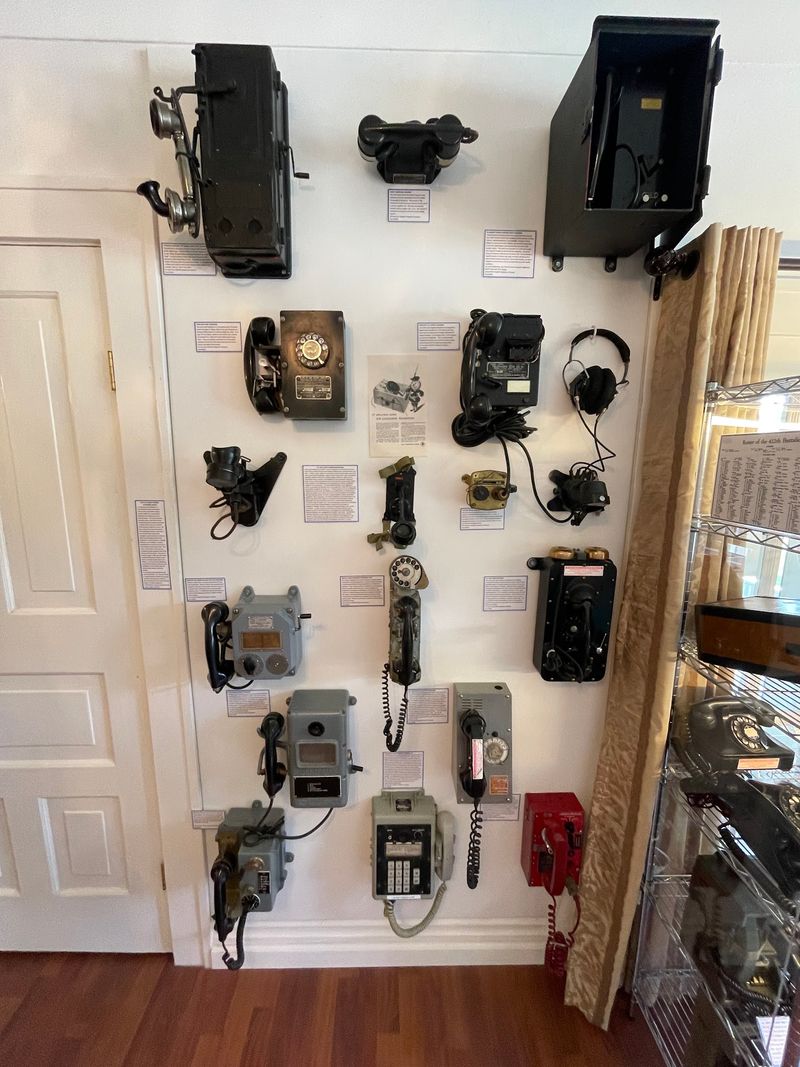
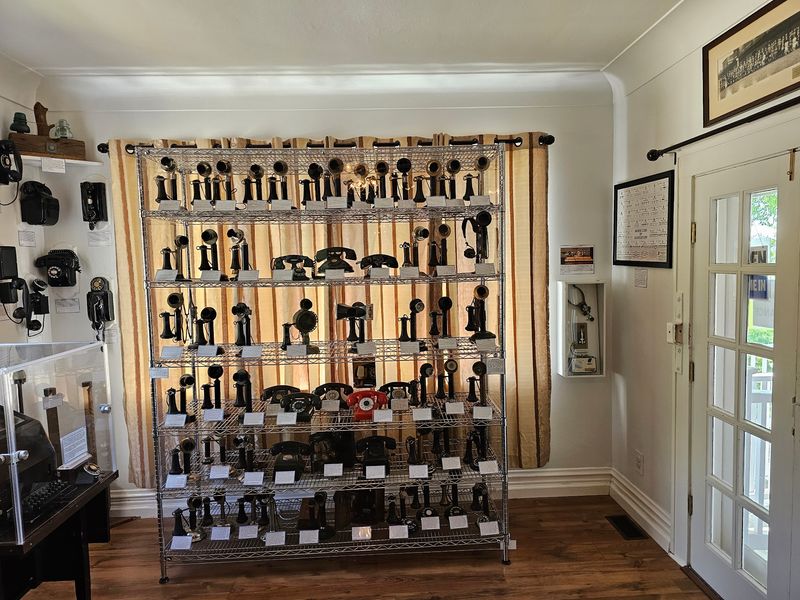
Candlestick phones stand proudly near wooden wall telephones, rotary models, and more modern devices. The collection stretches across more than a century of telephone development.
It’s basically a family reunion for devices that once connected calls. Pay phones show up, and so do operator stations.
Early cell phones make an appearance, too. Seeing them next to older models reveals just how dramatically the technology changed. Mobile phones became smaller, lighter, and eventually compact enough to fit comfortably in a pocket.
One interesting display features colorful Princess and Trimline telephones. These designs illustrate how household telephones gradually became decorative accessories as well as practical appliances.
The collection has also included a pay phone salvaged from the former Busch Stadium before its demolition in 2005. It’s a distinctive piece of Missouri’s communication history.
The museum fits a lot into a relatively small footprint. Numerous displays contain equipment, tools, advertising materials, and telephone accessories.
A good approach is to pick a favorite era. Then compare it with what’s in your pocket right now. The differences are fun to talk about on the ride home.
Military Phones Reveal Another Side Of Communication History
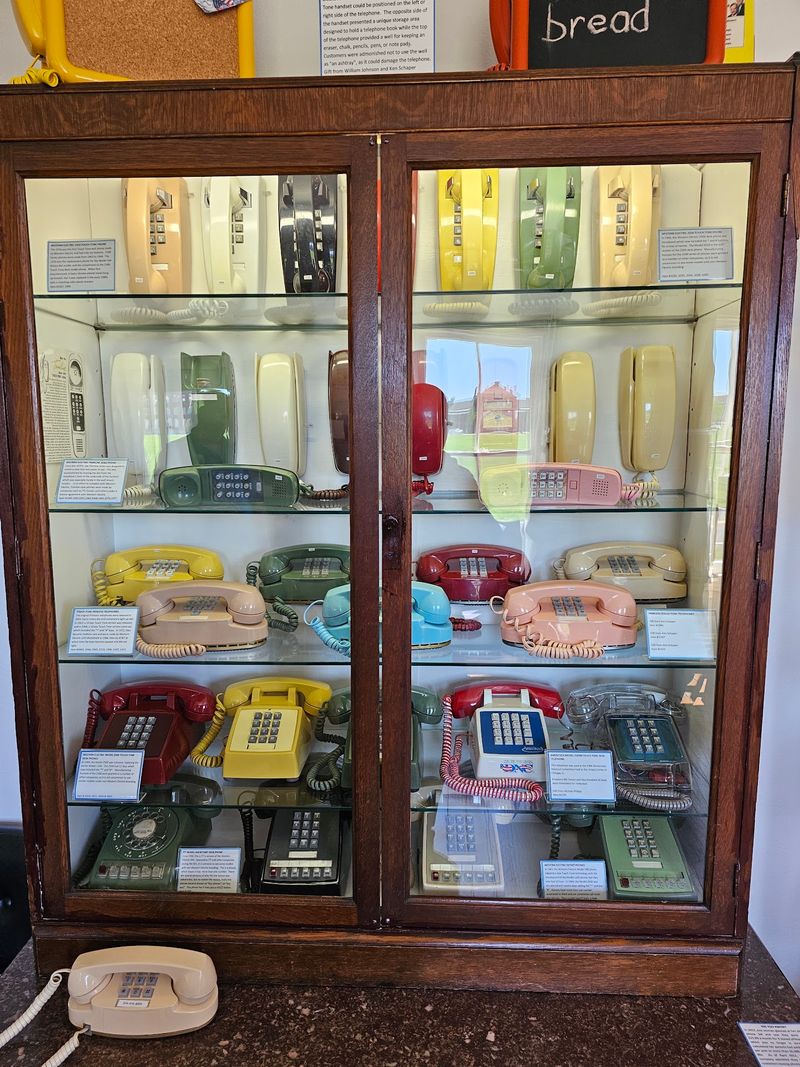
Not every phone in the building lived a quiet life on a kitchen wall. The museum includes military telephones spanning much of the twentieth century.
Many of these devices feature protective housings and practical designs suited to demanding operating conditions. Their appearance contrasts noticeably with the colorful household telephones elsewhere in the museum.
The location makes this collection especially fitting. Jefferson Barracks has a long military history, so these devices feel right at home.
Reliable communication was an important part of daily operations at military installations. Specialized telephone equipment helped personnel relay information between different locations.
The broader museum collection also includes tools used by telephone technicians, offering another perspective on how communication networks operated.
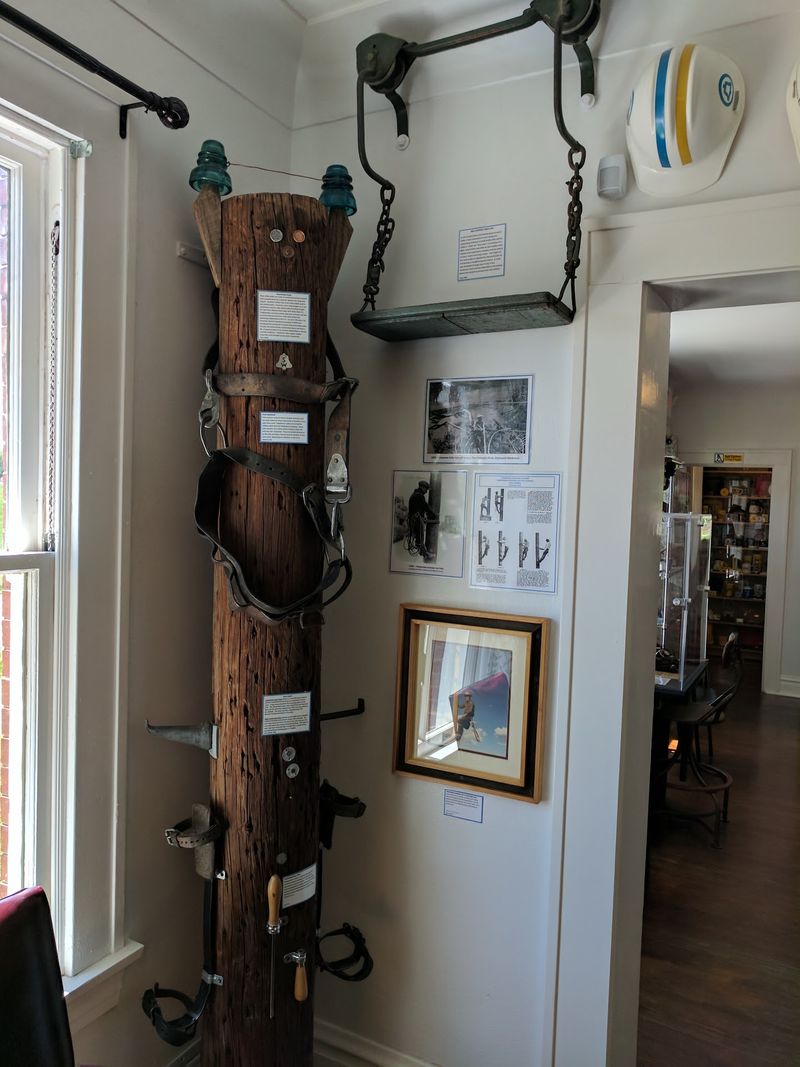
A telephone pole displayed with traditional climbing equipment illustrates the physical work involved in installing and maintaining overhead lines.
For history fans, these exhibits add real depth to the visit. They show the telephone as a working tool, not just a household convenience.
Spend a few extra minutes examining the equipment. Its design reveals a great deal about the practical tasks it was built to handle.
The Guides Know This Stuff Because They Lived It
Many of the volunteers here previously worked in the telecommunications industry, including former Southwestern Bell employees. Some spent decades in the telephone business before sharing their knowledge with visitors.
That background turns conversations about the equipment into something closer to storytelling. Many volunteers have firsthand experience with technologies represented throughout the museum.
Docent-led tours are available for groups of 10 or more. These tours typically last an hour and should be arranged at least two weeks in advance. The duration can also be adjusted to accommodate a group’s needs.
Individual visitors can explore the museum independently. Exhibit labels provide historical information, and volunteers can answer questions about the collection.
Interactive displays make the museum an interesting destination for school groups and homeschool field trips. Children can discover how everyday communication worked long before smartphones became familiar household items.
Here’s a friendly suggestion. Come with a question or two ready. Ask how a switchboard operator handled multiple calls or how telephone technicians maintained overhead lines.
The answers can give you a much greater appreciation for the equipment displayed around the rooms.
Plan Around A Schedule That Rewards Early Birds
Timing matters here, since the museum keeps a relatively short daily schedule. It’s open Wednesday through Sunday from 9 a.m. to 2 p.m.
Mondays and Tuesdays are closed. The museum operates throughout the year, apart from Easter, Thanksgiving, and Christmas.
You’ll find the Jefferson Barracks Telephone Museum at 12 Hancock Ave, St. Louis. It sits within the 426-acre Jefferson Barracks Park, roughly 15 minutes south of downtown St. Louis by car.
Parking is available, including accessible spaces. A wheelchair-accessible entrance and restroom make the museum easier to navigate for visitors with mobility needs.
All public exhibits occupy one floor, and chairs are available throughout the museum for anyone who needs a short break.
Because hours end at 2 p.m., mornings work best. Arriving early gives you time to explore the displays without rushing. It also leaves the afternoon open for other stops nearby.
Allow at least an hour for your visit, with additional time if you’re particularly interested in telecommunications history.
Pack light, wear comfortable shoes, and bring curiosity. That’s really all this Missouri stop asks of you.