At Pocatello’s Bannock County Historical Complex, Idaho Visitors Walk Through The Oregon Trail Story
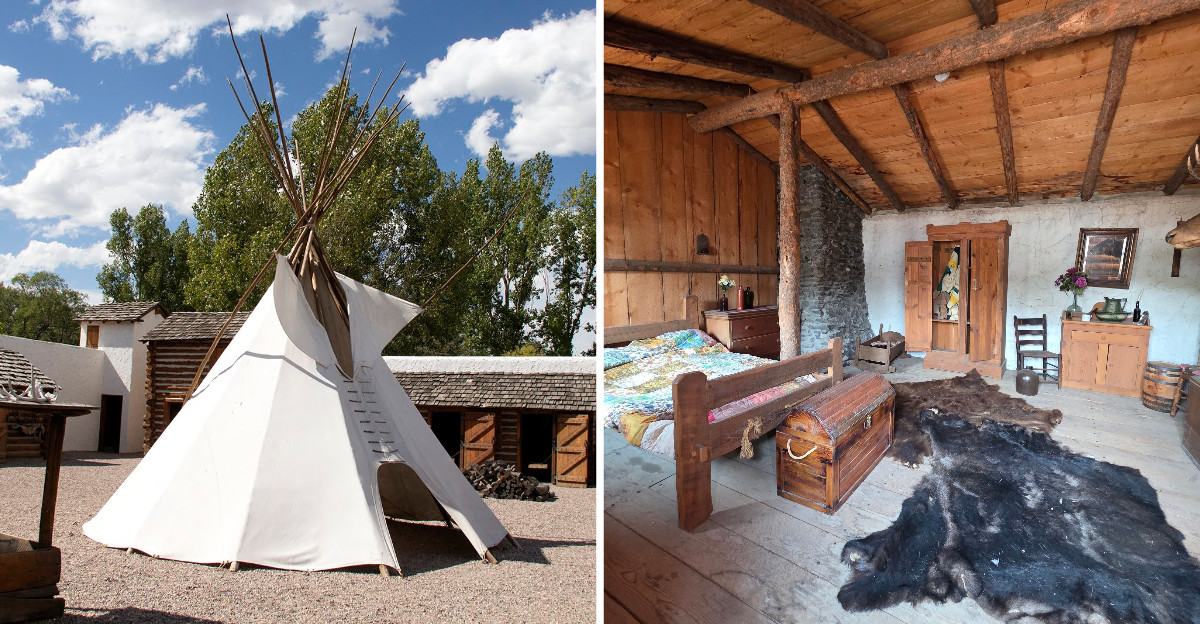
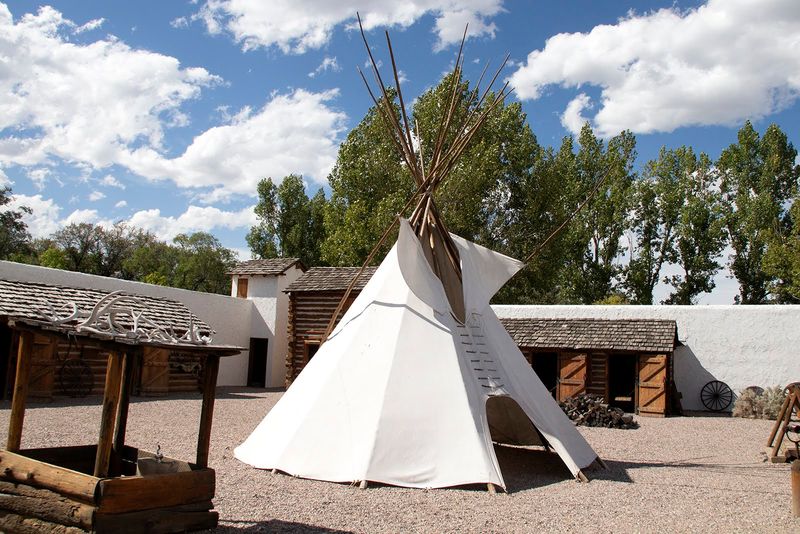
A full-size frontier trading fort stands in Idaho today, rebuilt from the original Hudson’s Bay Company floor plans.
The first fort opened in 1834, and wagon families leaned on it hard. That alone would earn a road trip.
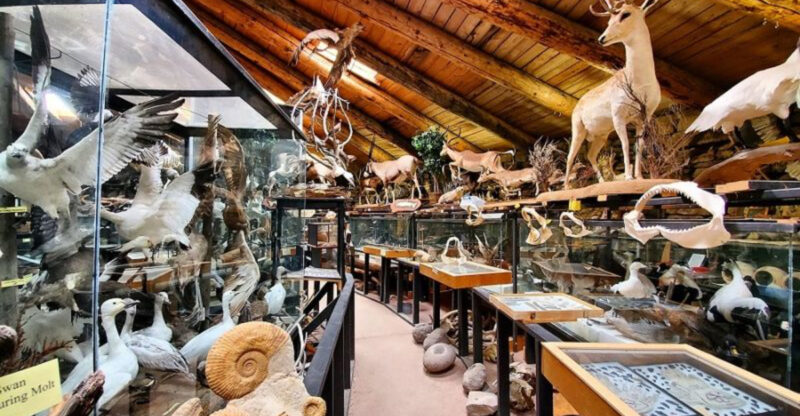
The same grounds also hold a three-quarter-scale railroad town and a museum packed with a stagecoach, a printing press and Prohibition police evidence.
I like how one stop covers fur trappers, pioneers and the rail boom without making you choose.
I believe history sticks better when you can stand inside it. Log walls, a frontier schoolhouse and a real stagecoach beat any textbook paragraph.
So how does an Oregon Trail outpost end up beside a tiny railroad town?
The answer involves two big Idaho birthday parties, a pile of community donations and some very clever planning.
Three Slices Of Frontier History Share One Address Here
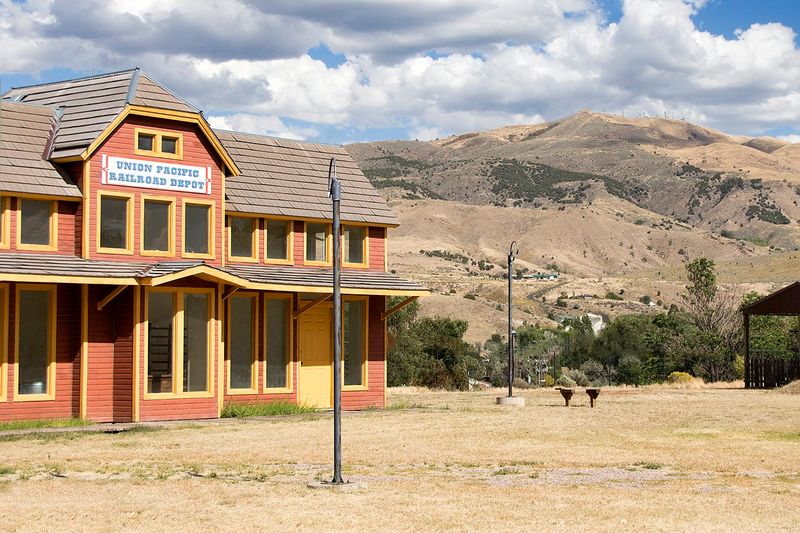
One ticket, three eras. The Bannock County Historical Complex in Pocatello bundles a museum, a fort replica and a pint-sized pioneer town into a single outing.
The anchor is the Fort Hall Replica, a full-size recreation of a famous Oregon Trail trading post. Next door sits the Bannock County Historical Museum, packed with artifacts and records from the county’s past.
Then comes Pocatello Junction, a scaled-down version of the original townsite. A footpath links the pieces, so you move from trapper days to railroad days on your own two feet.
The setup is deliberate. The museum was built near the fort because planners believed the closeness would give visitors a more complete experience.
That thinking pays off. You can study an object indoors, then step outside and see the kind of place where it once mattered.
The complex leans hard into the Oregon Trail story, but it doesn’t stop there. Native history, ranching, printing and even early telephones get their moment, which keeps the visit from feeling like one long history lecture.
It feels more like flipping through a family album that happens to cover all of southeastern Idaho.
Why Wagon Families Counted On The Original Fort Hall
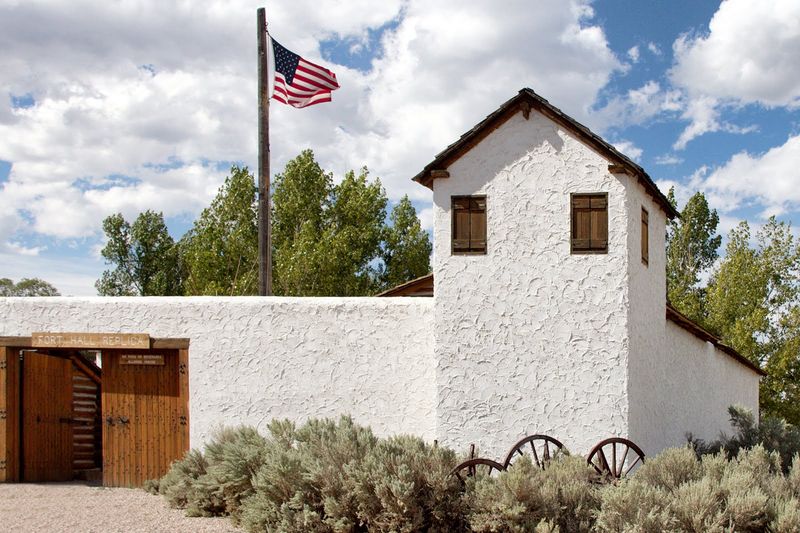
Back in 1834, a businessman named Nathaniel Wyeth set up a fur trading post on the Snake River plain. He called it Fort Hall, and it soon became one of the most important stops in the region.
Fur trading came first. Trappers swapped pelts for supplies, and the post became a gathering point for people moving through the wild country.
Things changed as the Oregon Trail filled with wagons. The fort turned into a supply post for emigrants, and later it served as a stage stop too.
Picture arriving after weeks of dust and broken wheels. Under Hudson’s Bay Company ownership, a place like this offered provisions, equipment and a rare chance to regroup before the hardest stretches ahead.
That role explains why the fort earned a full-size tribute. It sat at a crossroads where trappers, Native peoples and westbound families all met.
Knowing this backstory makes the replica far more interesting. You’re not just looking at old logs, you’re looking at the last real resupply many travelers saw before Oregon.
Kind of like the frontier version of a final gas station before a long, empty highway.
A Replica Built From The Hudson’s Bay Blueprints
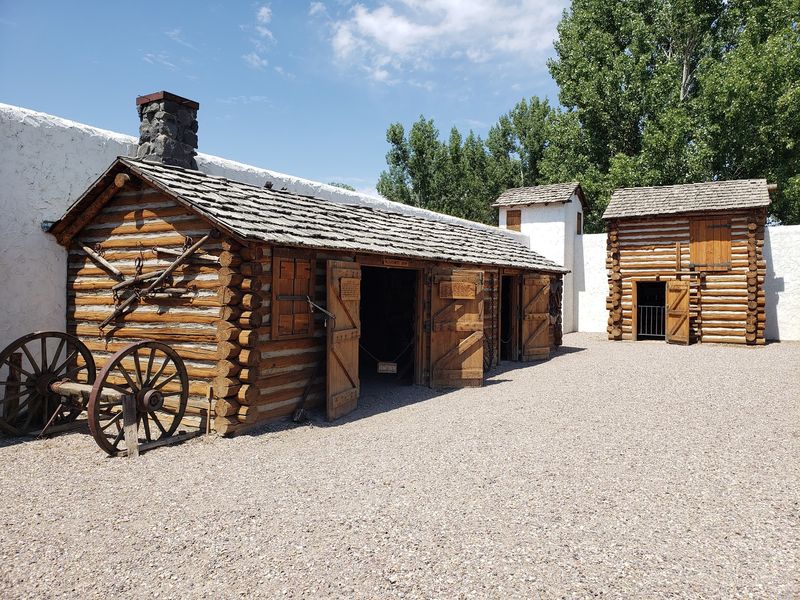
Plenty of replicas get built from guesswork and old sketches. The Fort Hall Replica took a smarter route and used original Hudson’s Bay Company floor plans.
Workers built it to scale with traditional materials and methods. Construction ran from 1963 to 1967, timed to honor Idaho’s Territorial Centennial.
That attention to detail shows. The log buildings were insulated with thick wood and pitch, so the inside often feels cooler than the summer air outside.
The fort spreads across multiple floors, which gives you more to poke around than a single room ever could. Each space helps explain how trade and daily life worked at the post.
A video presentation inside walks through the history of Fort Hall. It’s a handy way to get your bearings before you start climbing stairs and peeking into corners.
Inside the Fort Hall Commemorative Trading Post, you’ll also find an original Oregon Trail marker first set in 1907. That stone connects the reconstruction to the real trail that inspired it.
It’s a neat reminder that the folks building replicas in the 1960s were also preserving the work of an earlier generation of history fans.
Pocatello Junction Shrinks A Whole Townsite Down To Size
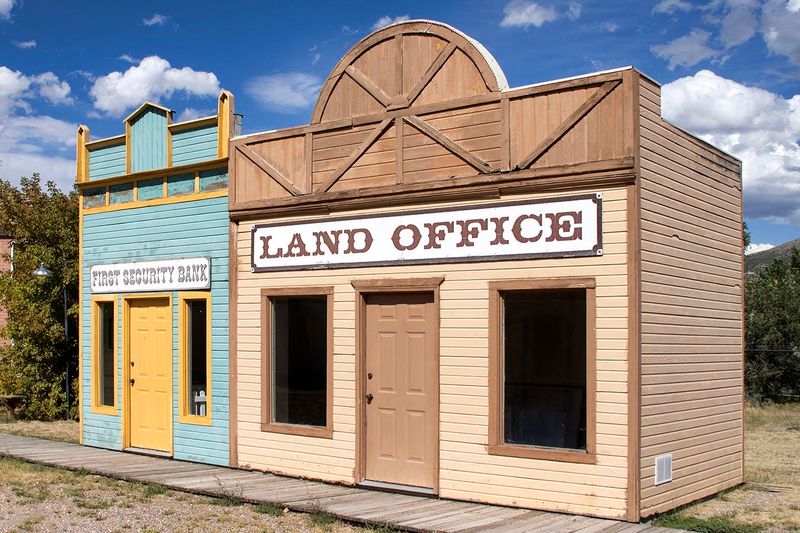
Here’s a fun twist on the usual pioneer village. Pocatello Junction recreates the original railroad townsite at about three-quarter scale.
Twelve buildings make up the outdoor exhibit. They represent the main community buildings and businesses that formed the early town.
You’ll spot a school, a church and the everyday businesses a young settlement needed to function. Many buildings have windows with displays showing the tools and necessities of the era.
The junction was built in 1990 as part of Idaho’s Centennial Celebration. That makes it a birthday gift from the state’s 100th year, which is a pretty great way to celebrate.
The story it tells is simple and satisfying. A small train stop grew into a full city, and the scaled buildings show the bones of that beginning.
A long footpath leads from the museum to the town. The walk itself becomes part of the experience, like leaving the present behind one step at a time.
The slightly smaller size also gives the whole place a storybook feel. Grown-ups get history, and younger visitors get something that looks a bit like a life-size playset.
Stagecoaches, Parlors And Police Evidence Under One Roof
Prohibition police evidence and a refined Victorian parlor sit in the same building. That kind of jump keeps the Bannock County Historical Museum anything but sleepy.
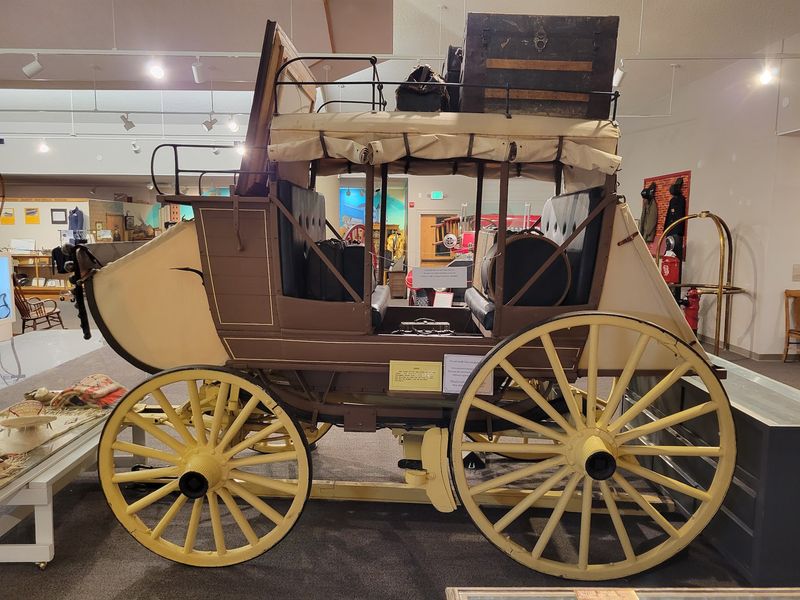
A Holladay Overland Stage Co. stagecoach anchors the travel story. Authentic horse tack nearby shows what it took to keep those wheels rolling.
The Standrod Mansion room adds a dose of local elegance. It offers a peek at how one of Pocatello’s grander households might have looked.
Then the mood shifts again. A recreated general store, a photography studio and a printing press show how ordinary work got done before screens and keyboards.
Ranching and farming exhibits round out the working life of the county. These displays remind you that the region ran on cattle, crops and long days.
Early medical practices appear too, which might make you grateful for modern clinics. Old tools have a way of making the present look downright luxurious.
The variety is the charm here. You never stay in one century for long, and each corner rewards a slow look rather than a quick glance.
Shoshoni And Bannock Stories Belong At The Center
Long before wagons rolled through, this land belonged to the Shoshoni and Bannock peoples. The complex makes sure that story isn’t treated as a footnote.
Exhibits include Shoshoni and Bannock ethnographic photographs and objects. These collections give faces and craftsmanship to the region’s original communities.
Native attire also appears among the displays. The clothing shows skill, artistry and a deep connection to the land of southeastern Idaho.
Archaeological specimens from the area push the timeline back even further. They reveal layers of human life far older than any trading post or rail line.
That depth changes how the whole visit feels. The Oregon Trail becomes one chapter in a much longer book, not the opening page.
The county itself carries the Bannock name, which makes this section feel especially fitting. It’s a meaningful way to honor the people whose homeland became the setting for everything else here.
Spend real time with these cases. They offer some of the most thoughtful perspective in the entire complex, and they make the fort next door far easier to understand.
Timing Your Visit Around The Outdoor Season
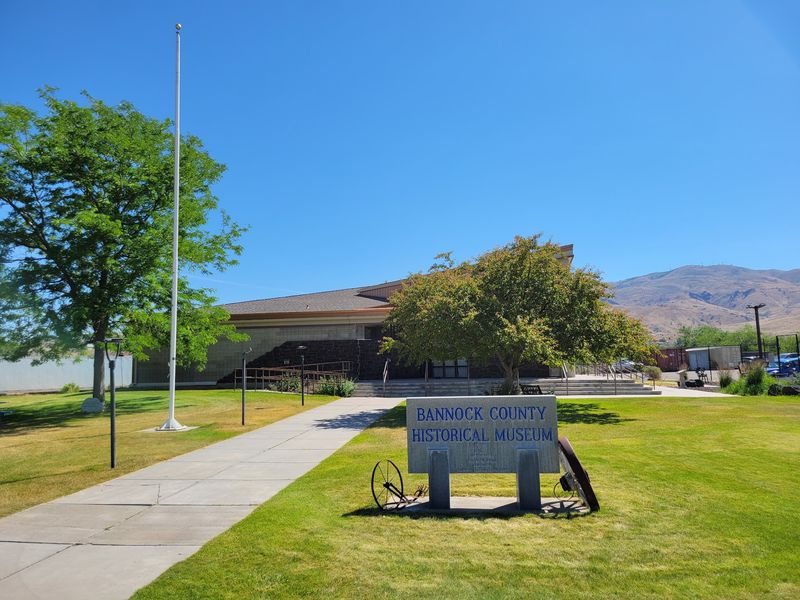
Season matters a lot here. The Fort Hall Replica and Pocatello Junction are seasonal outdoor attractions, generally open from May through September, weather permitting.
Show up in winter and you’ll still have the museum. The indoor exhibits run year-round, though the schedule shrinks during the colder months.
In summer, the complex opens Monday through Saturday and stays closed on Sundays. Winter hours trim the week further, so a quick check before driving saves headaches.
Opening dates for the outdoor exhibits can shift slightly from year to year. Calling ahead in late spring is a smart move if the fort is your main reason for coming.
Small staffing also plays a role. The museum runs with very few employees, and on rare slow days it may close a little early.
So arriving earlier in the day is a solid plan. You’ll have more time to explore, and you won’t feel rushed through the final buildings.
For the full experience with every building open, aim for a summer weekday. That’s when all three pieces of the complex come together at once.
Getting There And What A Ticket Costs
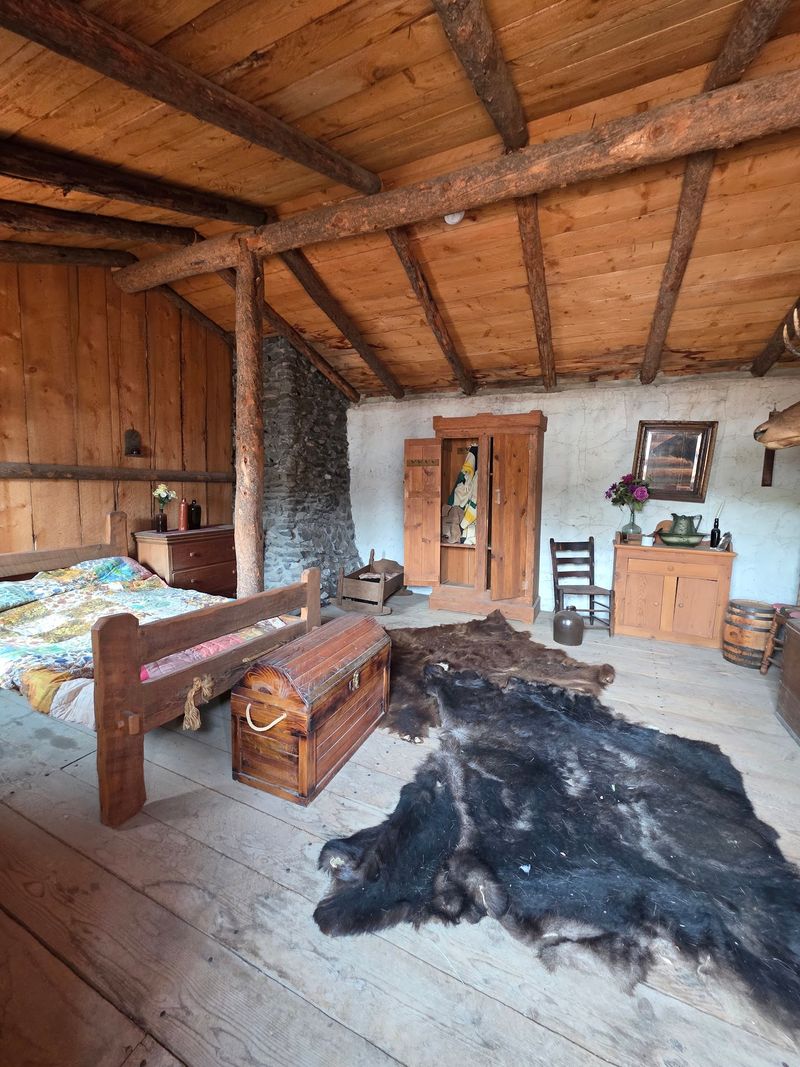
Finding the place is easy once you know the street. The Bannock County Historical Complex sits at 3000 Avenue of the Chiefs, Pocatello, ID 83204.
That puts it within reach for a southeastern Idaho day trip. Travelers following the old Oregon Trail corridor can slip it into the route without much fuss.
Admission stays friendly to family budgets. Rates differ for adults, seniors, military and youth, and children under four get in free.
One ticket covers the museum and the outdoor exhibits when they’re open. That bundled approach makes the visit feel like a bargain for the amount of history packed inside.
Fees also help support a museum that runs on a lean budget. Your entry quietly keeps local history on display for the next visitor.
Restrooms are on site, which matters more than any brochure admits. A small gift shop near the front rounds out the practical side of the stop.
Bring comfortable shoes for the footpath between buildings. Sun protection helps too, since much of the summer exploring happens outdoors under a big Idaho sky.