Since 1893, Pennsylvania’s Busiest Indoor Market Has Packed About 80 Merchants Under A Train Shed
Back in the 1890s, a group of stubborn food merchants refused to move, so a railroad built them a market right under its train shed.
The trains are long gone now, but the merchants never left.
Today about 80 vendors fill that same block with roast pork sandwiches, hand-twisted pretzels, and ice cream from a family company that signed its lease in 1892.
I love that a protest turned into a lunch destination.
The basement once held 52 separate refrigerated rooms, each cooled to its own temperature. That was cutting-edge food storage before most homes had an icebox worth bragging about.
I believe Pennsylvania has plenty of great markets, but this one plays in its own league.
So how does a place stay open, busy, and hungry for more than 130 years?
The Market That Sits Under A Former Railroad Terminal
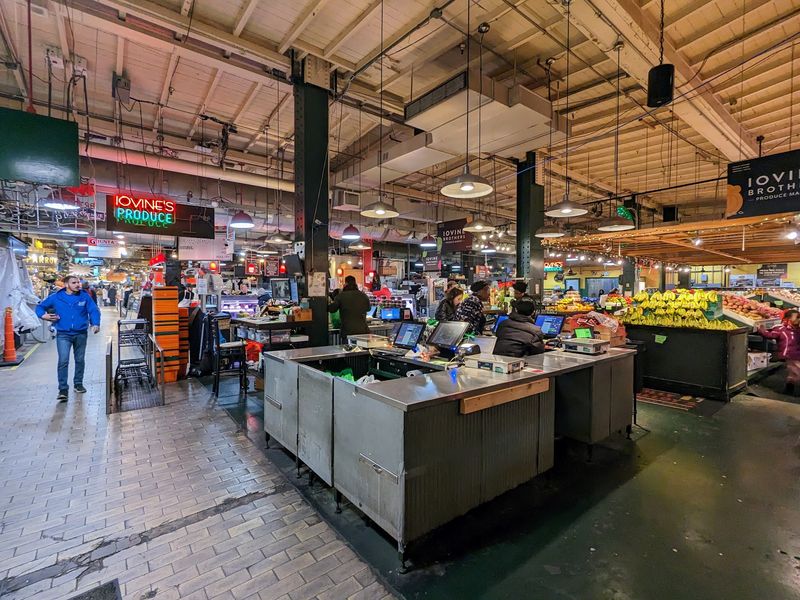
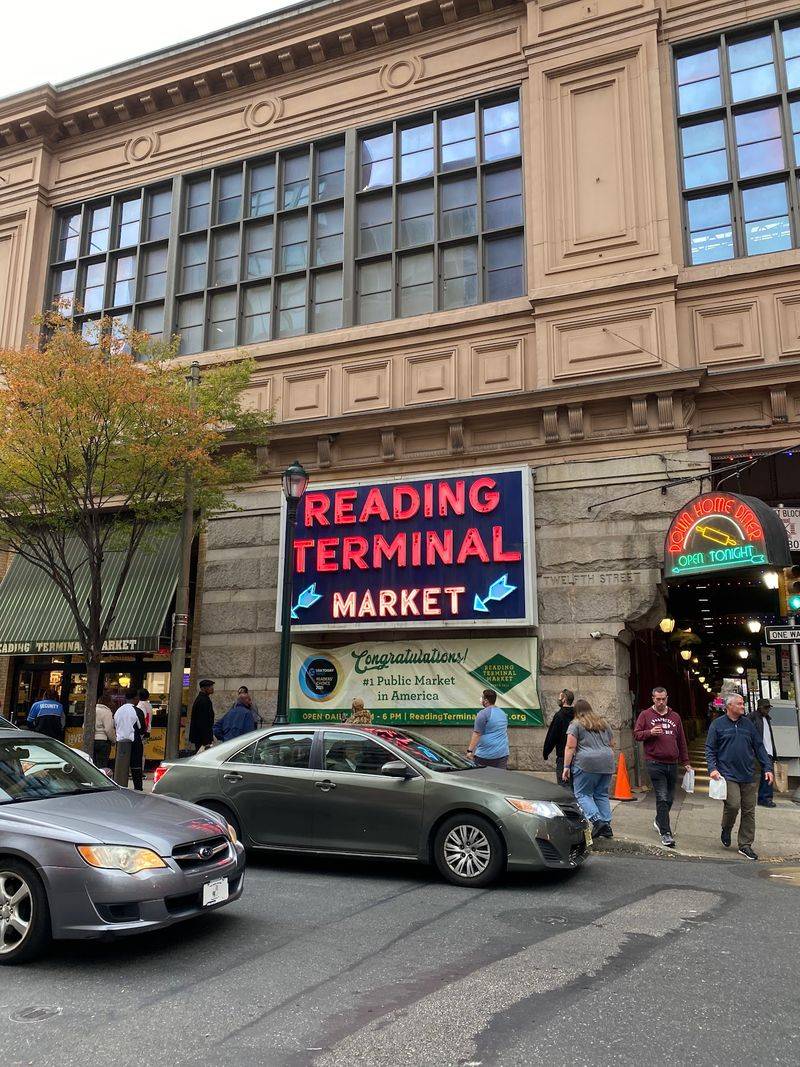
Reading Terminal Market fills an entire city block in Center City Philadelphia. It stretches between 11th and 12th Streets, with Filbert and Arch Streets framing the other sides.
The setup is gloriously simple. Roughly 80 independent merchants share one big ground floor, selling everything from fresh produce to cheesesteaks to flowers.
It also holds a title few places can touch. Reading Terminal Market is recognized as America’s oldest continuously operating public market.
That’s not a museum label, either. Shoppers still pick up meats, fish, artisan cheese, baked goods, and groceries here, the same basic mission it had in the 1890s.
Above the stalls sits the old Reading Railroad train shed. Today that shed belongs to the Pennsylvania Convention Center, which makes for an unusual pair of neighbors.
So one building handles conventions upstairs and soft pretzels downstairs. Honestly, that sounds like the most Pennsylvania compromise ever made.
The mix inside covers far more than food. Books, crafts, clothing, and housewares share the aisles with bakeries and butcher counters.
For anyone across Pennsylvania planning a city day trip, it’s an easy anchor. You can eat breakfast, shop for dinner, and grab a gift without ever stepping outside.
Stubborn Vendors Who Got Their Way In 1893
Long before this spot existed, Philadelphia shoppers bought food at open-air stalls along Market Street. The city later pushed to move those markets indoors for safety and sanitary reasons.
Then the Philadelphia and Reading Railroad Company bought this block in 1890 for a grand new terminal. The merchants already working there resisted leaving.
Their solution was clever. The railroad agreed to build a new market right beneath its train shed, and it opened for business on February 22, 1893.
The early years were huge. The market started with nearly 800 merchant spaces, and by 1913 it held 250 food dealers and 100 farmers.
It even offered free delivery. Orders reached suburban towns and seaside resorts, which feels wildly modern for a market from the horse-and-buggy days.
Things shifted over time. The trains stopped running through the station in 1984, after commuter rail was rerouted.
In 1990, ownership passed to the Pennsylvania Convention Center Authority, which began revitalizing the space. A nonprofit called the Reading Terminal Market Corporation took over management in 1994.
That’s a lot of change for one block. Somehow the vendors kept selling through all of it.
A Record-Setting Roof And A Basement Full Of Cold Rooms
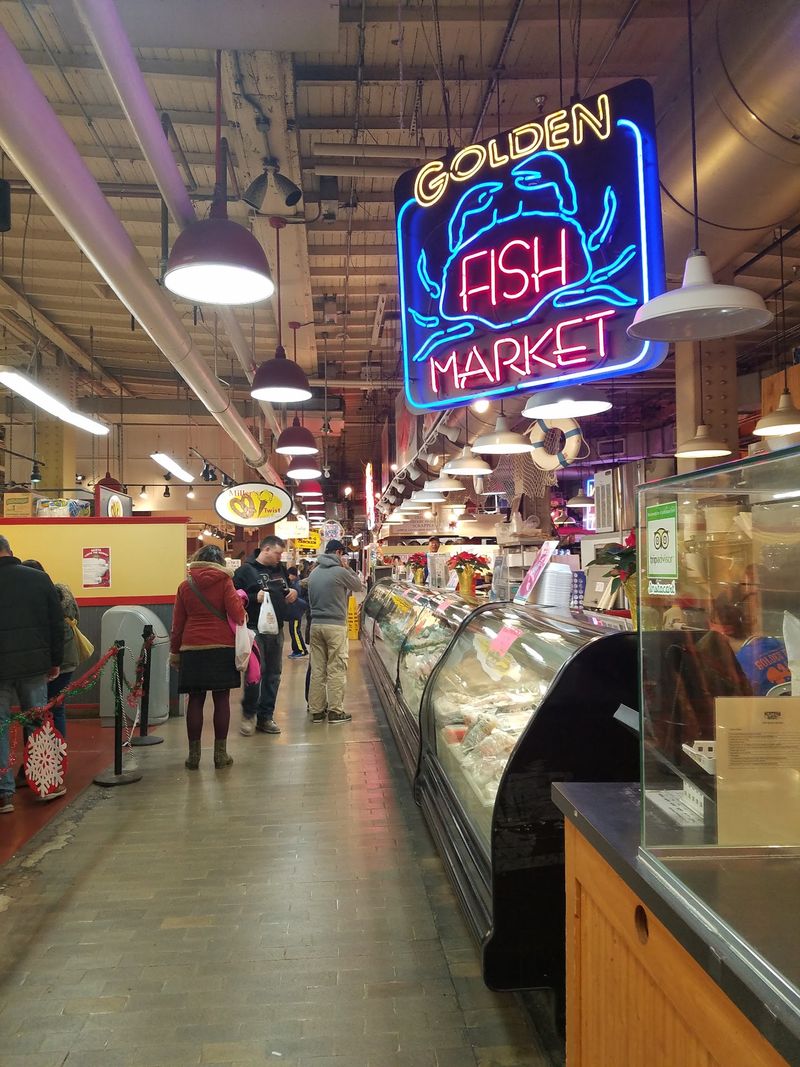
Most markets don’t come with an engineering brag. This one has two, and both date to 1893.
Overhead, the train shed was designed by F. H.
Kimball. When it was finished, it ranked among the largest single-span arched-roof structures in the world.
That shed was named a National Historic Landmark in 1976. So yes, your sandwich lunch technically happens beneath a piece of national history.
Now look down, at least in your mind. The basement held a state-of-the-art refrigerated storage area built when the market opened.
It contained 52 separate rooms, each cooled to its own temperature. The goal was to keep products fresh all year, a big deal in the 1890s.
Think about what that meant for shoppers then. Fresh meat and fish in July were not a given back when iceboxes ruled the kitchen.
The market occupies the ground floor and basement of the old shed. The upstairs space now serves the Pennsylvania Convention Center.
It’s a smart reuse of a building that could easily have been lost. Instead, the arches still stand, and the stalls below still hum with business.
Sandwiches Worth Planning Your Whole Lunch Around
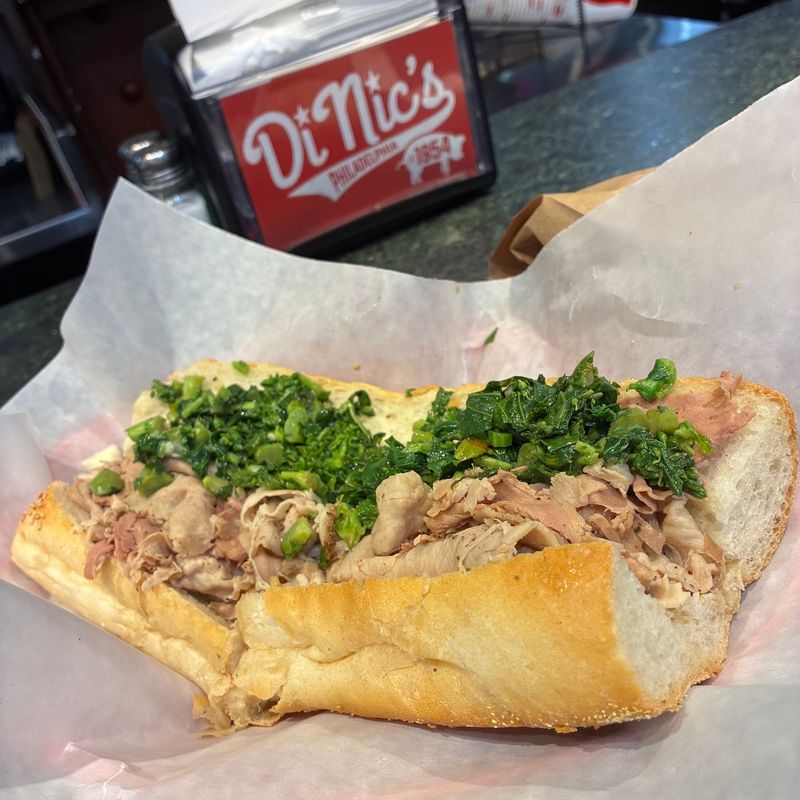
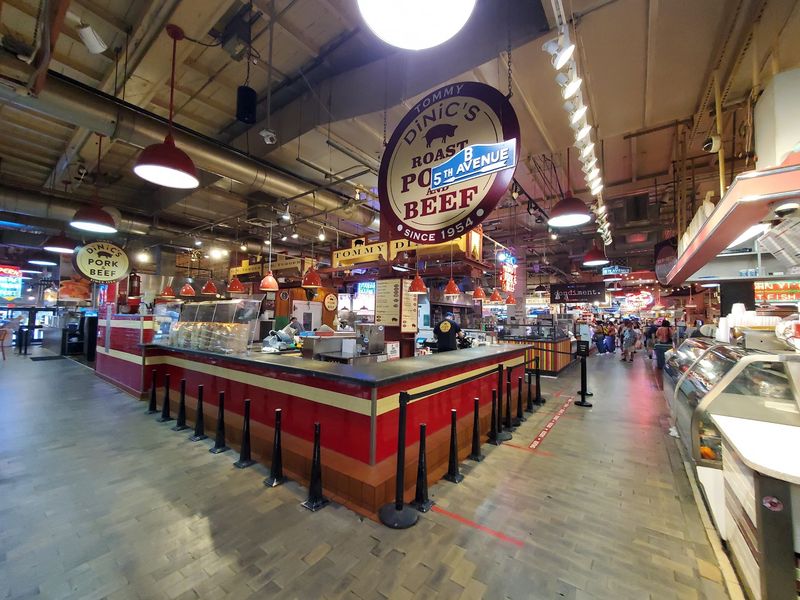
Thinly sliced roast pork, sharp provolone, and broccoli rabe on a roll. That combination at DiNic’s Roast Pork earned the title Best Sandwich in America from the Travel Channel.
It’s a bold sandwich with a big reputation. And it might be the reason some folks drive in from the far corners of the state.
Cheesesteaks get plenty of attention here too. Uncle Gus’ Steaks is one of the names serving Philadelphia’s famous sandwich inside the market.
Italian hoagies round out the classic lineup. Between the three, you could easily eat your way through a Philly food checklist before noon.
The menu board doesn’t stop at local legends. Vendors also serve soul food, Asian dishes, Middle Eastern plates, and much more.
That variety makes group trips easier. Everyone can split up, order something different, and meet back at a table.
Lines at the most popular counters can grow long, especially around lunch. Arriving earlier in the morning or later in the afternoon may help.
My advice? Pick a sandwich, then pick a backup.
Somebody in your group will want a second round anyway.
Amish Pretzels, Shoofly Pie, And Pennsylvania Dutch Comfort
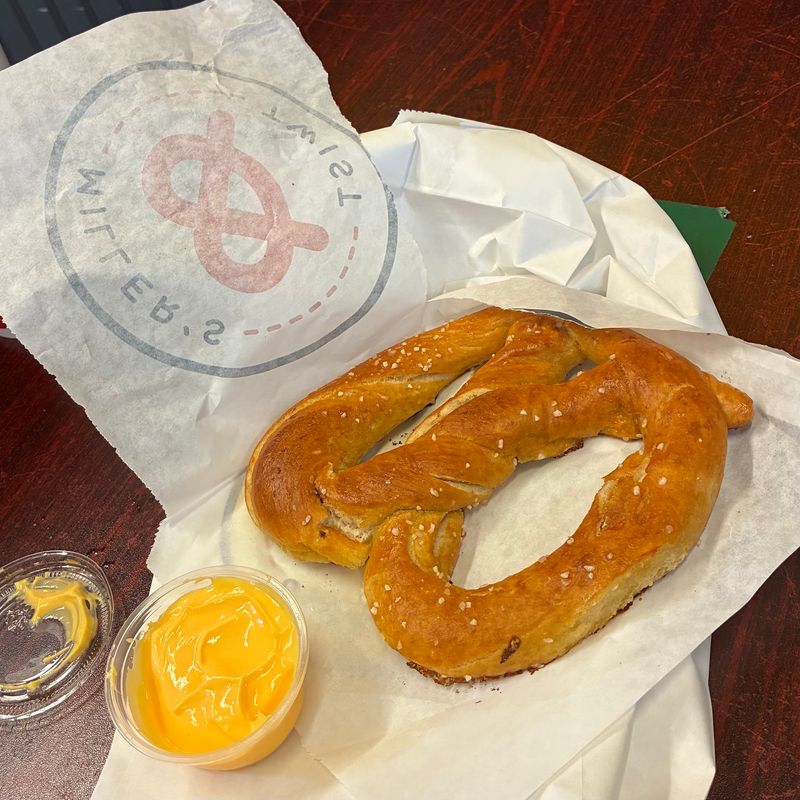
Watching someone hand-twist a pretzel never gets old. At Miller’s Twist, Amish bakers shape warm, buttery soft pretzels right in front of the counter.
The menu goes beyond the plain twist. Stuffed options like sausage, egg, and cheese pretzels make a hearty breakfast.
A few steps away, Dutch Eating Place serves traditional Pennsylvania Dutch meals. Chicken pot pie, warm apple dumplings, and sticky shoofly pie all show up on the menu.
Breakfast brings scrapple with eggs. If you grew up in Pennsylvania, that plate probably needs no introduction.
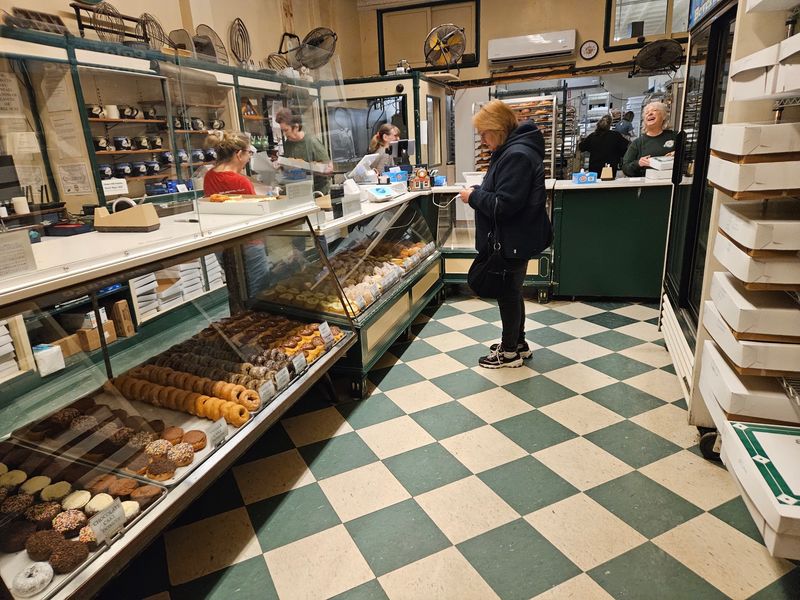
Beiler’s Doughnuts adds yet another reason to show up early. Those glass cases and fresh glazes can be hard to walk past.
One practical note helps here. A small but significant group of Pennsylvania Dutch merchants generally close on Sundays.
So if pot pie or pretzels top your wish list, plan a weekday or Saturday visit. Checking ahead saves a sad Sunday surprise.
I like how these stands connect the city to farm country. You get a taste of Lancaster County cooking without leaving downtown Philadelphia.
Save Room For Ice Cream With A Very Old Lease
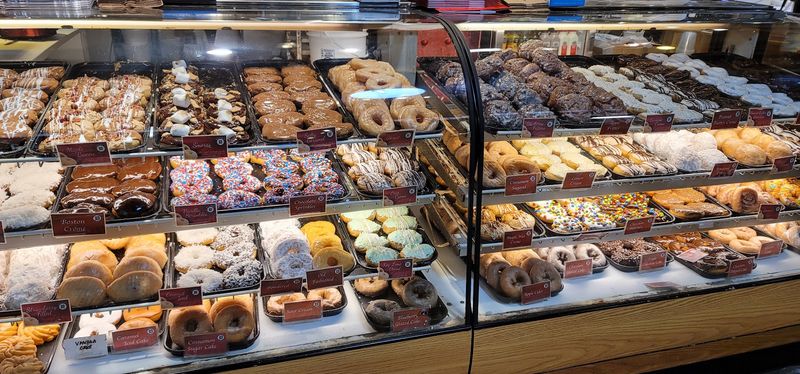
Bassett’s Ice Cream signed its lease with the market in 1892. That’s before the place even opened its doors.
It’s America’s oldest ice cream company, and it’s still family-owned and operated. Talk about commitment to one address.
Bassett’s offers more than 40 flavors. Choosing one may be the hardest decision of the whole trip.
The sweets keep going from there. Termini Brothers Bakery brings Sicilian treats, including cannoli filled fresh on-site and marble cheesecake.
Chocolate fans can stop by Mueller Chocolate Co. Famous 4th Street Cookies is another option for anyone who needs dessert to go.
Here’s a smart move for families. Let everyone pick one sweet stop, then share bites around the table.
It keeps things fair and fun. It also gives you a reason to try three desserts while pretending you only had one.
Bakeries and dessert counters make the market a solid breakfast stop too. Pastries and coffee are easy to find before the lunch crowd rolls in.
Nobody needs permission to start with dessert. In a market this old, maybe that’s a tradition.
Busy Aisles, A Bronze Pig, And Room For Everyone
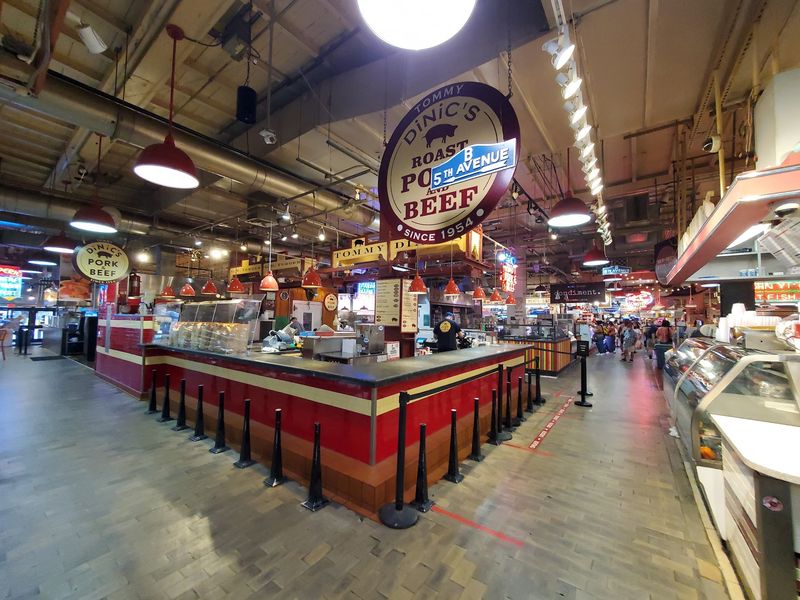
Meet Philbert, a life-size bronze pig sitting in the middle of the market. He collects donations for children’s nutrition education, which makes him the most useful statue in town.
Kids tend to find him fast. He also makes a handy meeting point when your group splits up to chase different lunches.
The aisles can get tight and crowded. Lunchtime is the busiest window, so patience goes a long way.
Seating comes in a few forms. There’s an open area with communal tables, and some vendors keep counters or seats of their own.
Outdoor seating sits along Filbert Street too. That covered spot helps when every indoor table seems spoken for.
The crowd here really is a mix. Families, office workers, shoppers stocking up, and day-trippers all share the same tables.
Guided tours are available for anyone who wants deeper stories about the merchants. It’s a nice option if the sheer size feels a bit much at first.
The market also throws an annual celebration called Party for the Market. In 2026, it was voted the No. 1 Best Public Market in America by USA Today 10Best readers.
Plan Smart, Arrive Hungry, Leave With Bags
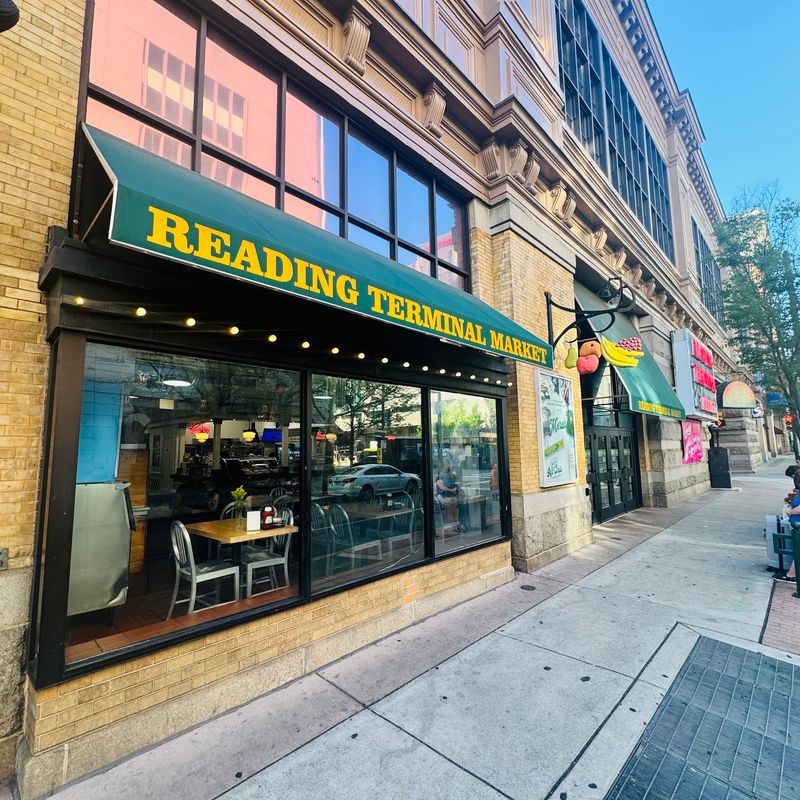
Getting there is easier than you’d think. The main address is 1136 Arch St, Philadelphia, PA 19107, right in Center City.
The market sits beside the Pennsylvania Convention Center. That central spot makes it simple to pair with other downtown stops.
The market opens every day of the week. Individual merchant hours can vary, so check ahead before making the drive.
Early mornings tend to bring calmer aisles. Late afternoon can also be a good bet if lunch crowds aren’t your thing.
Parking is available in nearby garages. Some offer validation through market merchants, so ask a vendor when you pay for your food.
Bring a cooler if you’re driving in from elsewhere in Pennsylvania. Butchers, fishmongers, produce stands, and cheese counters make it tempting to shop for dinner.
Most snacks and sandwiches stay in an affordable range. Still, a dozen tempting stops add up quickly, so pace yourself.
My verdict is simple. A market built because vendors refused to move has stayed busy for over 130 years, and that kind of loyalty usually means the food earned it.
Go hungry, go early, and leave room in the trunk.