You Can Still Walk Real Wagon Ruts Above The Snake River At This Idaho State Park
A boulder covered in signatures from the 1800s sits behind a protective gate in one quiet Idaho park.
Pioneers carved those names while heading west, and many are still readable today.
I like how history stays this close to the ground here. A trail of about a mile and a half leads to wagon ruts left by real emigrant wagons.
You can stand where those wheels rolled and look out over the Snake River.
The park also has cabins, riverside campsites, fishing docks, and two full disc golf courses.
That mix feels a little unexpected for a place packed with pioneer stories. I can’t imagine many road-trip breaks that offer this much in one stop.
So who carved those names, and what else hides among the rocks? The answers sit just off the interstate.
A River Stop With Pioneer Roots
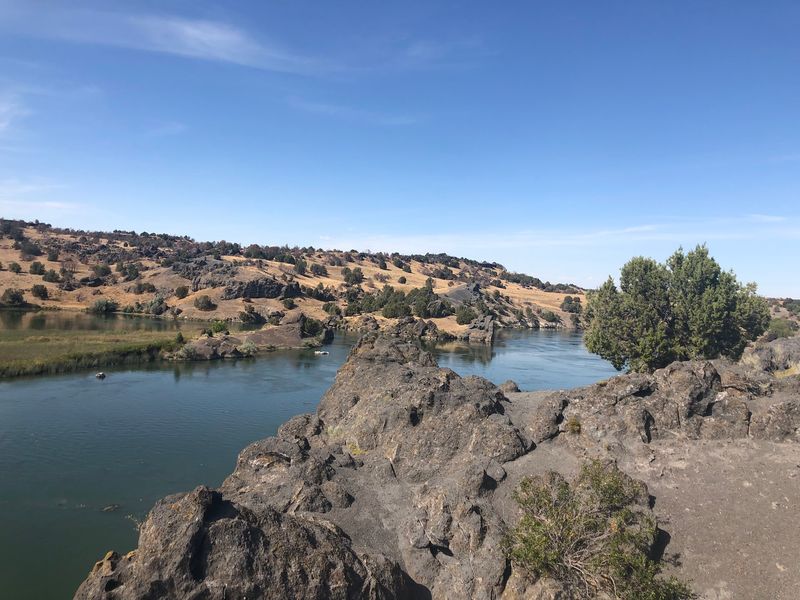
Interstate travelers zip past one of southern Idaho’s most storied river bends every day. Massacre Rocks State Park sits right along the Snake River, west of American Falls and a short hop from the highway.
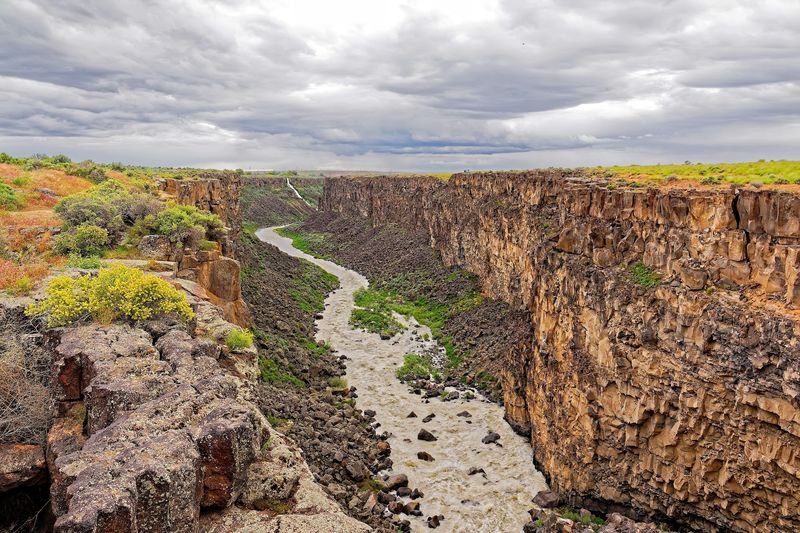
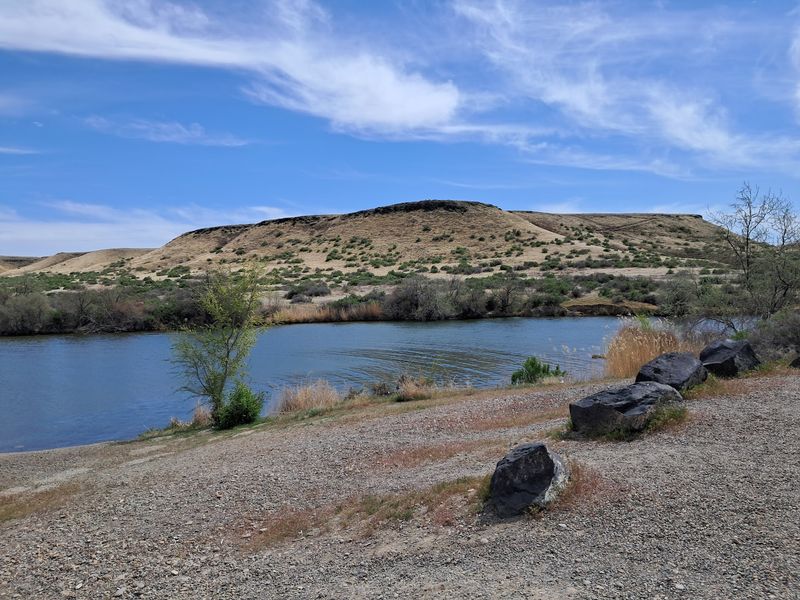
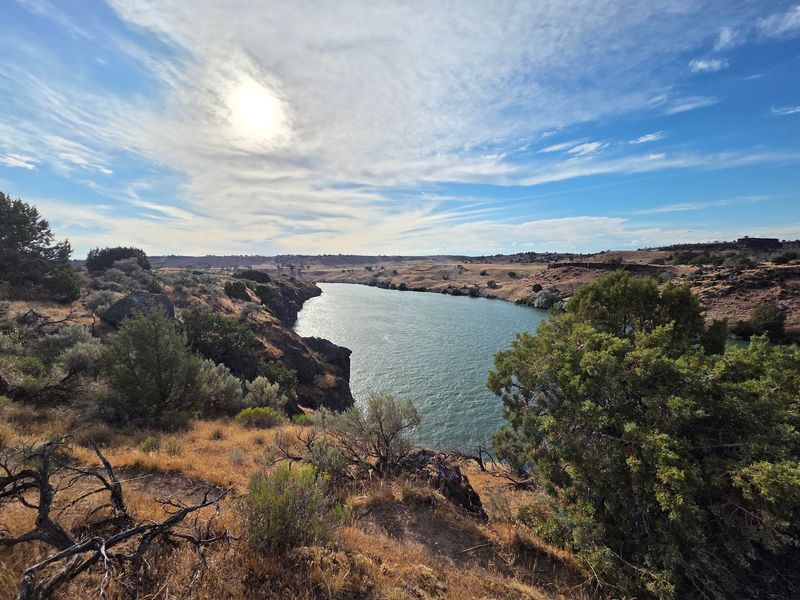
The setting is rugged in the best way. Massive, colorful boulders and juniper trees crowd the hillsides, while the river glows below with a turquoise tint.
Massacre Rocks State Park packs a surprising amount into its rocky ground. Hiking trails, a visitor center with museum exhibits, campgrounds, cabins, a boat ramp, and two disc golf courses all share the space.
History is the real headliner, though. Emigrants on the Oregon and California Trails passed through this stretch, and they left marks you can still see today.
That blend makes the park work for nearly anyone. Families get trails and a junior ranger program, anglers get river access, and history fans get the real thing up close.
It also works as a quick stretch break on a long drive. A short stop can easily turn into a full afternoon once the trails start calling.
Plenty of people plan a quick look and end up staying the night instead.
Names Scratched Into A Boulder More Than A Century Ago
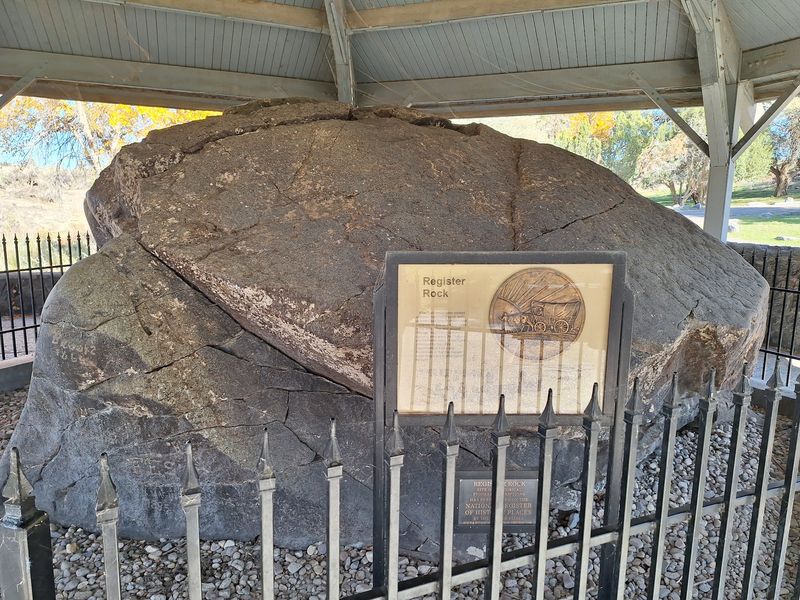
Long before guest books and selfies, pioneers left proof of their trip with a knife and a rock. Register Rock holds emigrant signatures carved in the 1800s, and it sits a little way down the road from the main park area.
The boulder is remarkably well preserved. A gate now surrounds it, which keeps modern hands from adding their own unwanted autographs.
Reading those old names feels oddly personal. Each one marks a family or traveler who stopped here during a long, hard journey west.
The site has its own restrooms, which is handy if you’re making a separate quick visit. It’s an easy stop to pair with the visitor center or a picnic.
Kids tend to understand history faster when they can see it carved in stone. A single boulder can spark more questions than a whole chapter in a textbook.
Bring a camera and some patience for the details. Some carvings are bold, and others take a closer look to make out.
The gate keeps you at a respectful distance, so a zoom lens or sharp eyes will help you pick out names and dates.
Follow Real Wagon Ruts On Foot
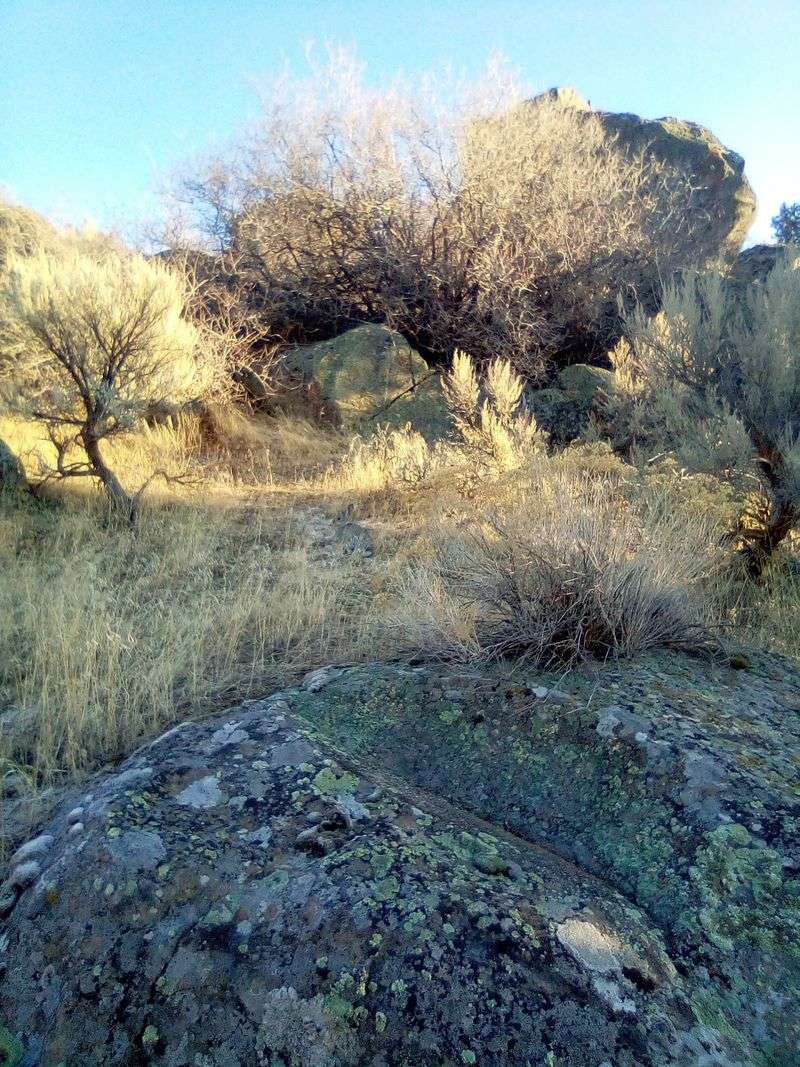
Wagon wheels carved these grooves, and they’re still visible across the sagebrush. A hike of roughly 1.6 miles leads to the Oregon Trail ruts inside the park.
That’s a manageable distance for most walkers. Still, the terrain is very rocky, so sturdy shoes make the trip far more pleasant.
The walk itself sets the mood nicely. Sagebrush and grassland stretch out around you, giving a sense of what emigrants faced on the same ground.
Seeing the ruts in person changes how the Oregon Trail feels. It stops being a line on a map and becomes a path you can actually trace.
Massacre Rocks State Park connects this route to both the Oregon and California Trails. Both emigrant roads ran through this corridor beside the Snake River.
Summer heat can be serious out here, so carry water and plan for shade breaks. Morning walks tend to be the most comfortable choice in warmer months.
Dogs are welcome on the park trails, which makes this a fun outing for four-legged hikers too. Just keep them close on the rocky stretches, where footing can get tricky.
Small Visitor Center, Big Pioneer Stories
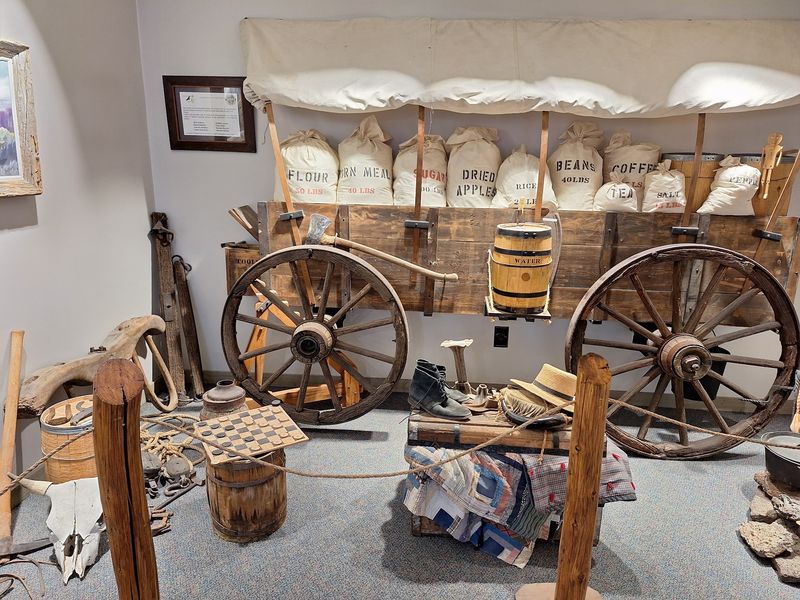
Good things come in compact packages here. The visitor center is small, but its exhibits share detailed information about the pioneers who camped in this area.
Museum displays cover the trail era and the people who traveled it. It’s a smart first stop before heading out to the ruts or Register Rock.
A gift shop sits inside, along with clean restrooms. The staff also handles campground check-ins, so it doubles as the park’s front desk.
Families can ask about the junior ranger backpack program. It gives kids a hands-on way to explore the park instead of just tagging along.
Practical supplies are here too. Firewood and ice are sold on site, and disc golf discs are available if you forgot yours.
Out back, an overlook trail opens up views of the Snake River and the rocky hills beyond. It’s a short walk with a big payoff.
One tip is worth remembering. Visitor center hours can vary by season, so check the Idaho Parks and Recreation page before you count on it being open.
A quick call ahead saves disappointment.
Paddles, Fishing Lines And Two Disc Golf Courses
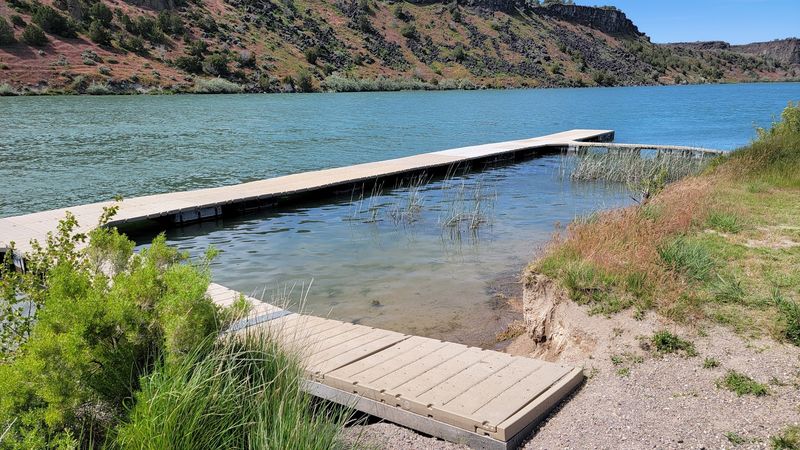
Pioneer history is only half the fun. The other half happens on the river and across the park’s two disc golf courses.
Floating docks give anglers a place to cast and paddlers a spot to launch. A boat ramp adds access for larger watercraft.
Kayaks and paddleboards are popular, though you’ll need to bring your own. High cliffs and boulders rise along the riverbanks, making a paddle feel like a scenic tour.
Caution matters on the water. The river has some slow, pooled areas, but the main current can run swift for swimmers and rafters.
Birdwatchers have reasons to linger too. Western grebes have been spotted raising families near the grassy island in front of the park.
On land, the disc golf scene is a genuine draw. Having two courses in one Idaho state park is a nice bonus for regular players and curious beginners alike.
Lizards, bats, and plenty of birds share the grounds. A plant walk adds another easy way to learn what grows among these rocks.
Wildflowers and berries show up in early summer.
Pick The Lower Loop For Quieter Nights
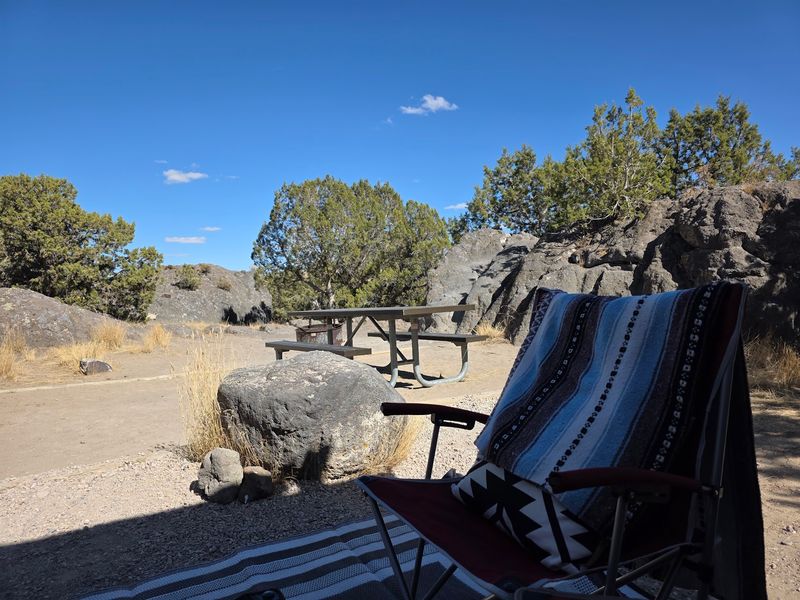
Campers here face one key decision: upper loop or lower loop. The lower campground sits farther from the interstate, so it’s the better pick for lighter sleepers.
The upper campground hears more truck noise during the day. At night, crickets help drown out much of the road sound.
Every site comes with water and electricity. Some spots offer views of the river in both directions, which makes morning coffee feel extra scenic.
Juniper trees and big boulders provide shade at many sites. Campsites tend to feel spacious and private compared with tighter campgrounds.
Comfort stations include flush toilets and individual shower rooms. Hot water and solid water pressure make a long travel day easier to shake off.
RV travelers will find a dump station on site for a fee. It’s well set up for rinsing tanks before hitting the road again.
Camp hosts are around to help with questions. Seasonal timing matters too, because the lower campground doesn’t open as early as the upper one.
Check opening dates before planning a spring trip around the quieter loop.
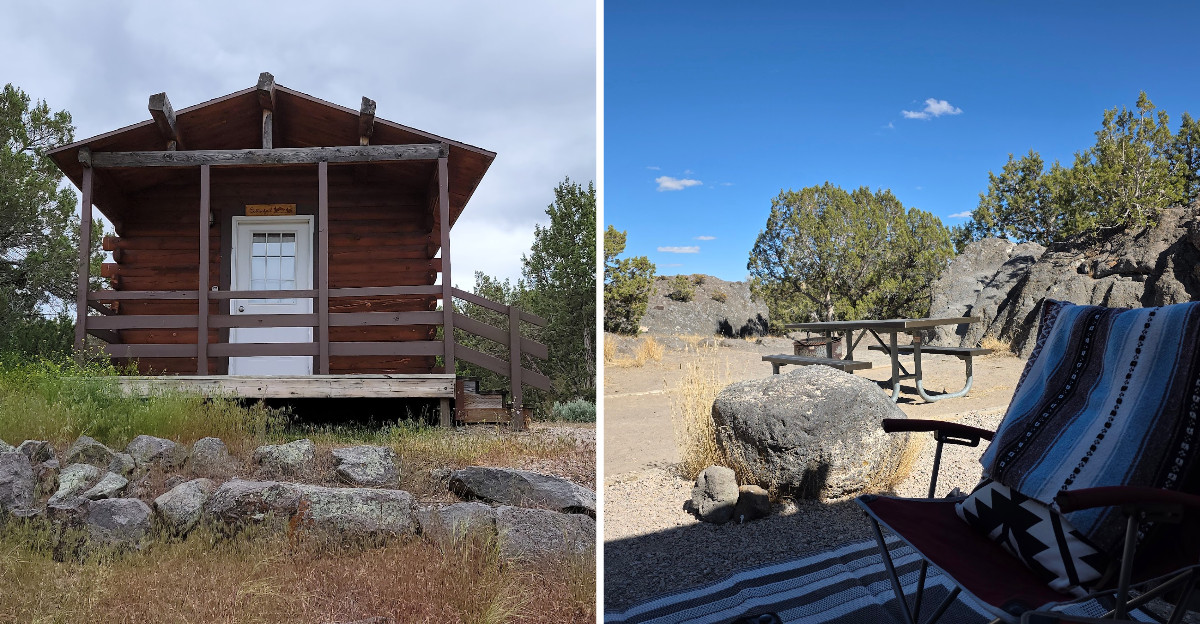
Cozy Cabins Among The Sagebrush
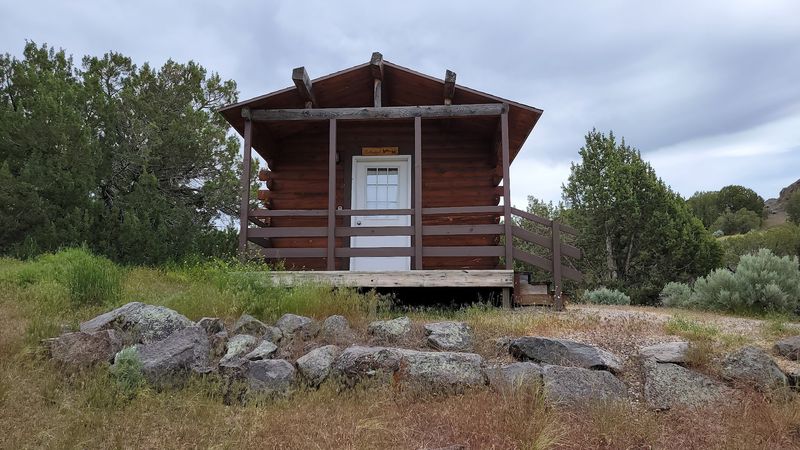
Not everyone wants to wrestle a tent pole after a long drive. Massacre Rocks State Park offers small cabins for guests who’d rather have four walls and a door.
One of them goes by the name Cottontail. Cute name, and it fits the sagebrush and grassland setting nicely.
The cabins sit in a peaceful part of the park. Quiet surroundings make them a solid choice for couples or small families wanting a calm night.
They also make the park a good fit for travelers without camping gear. You still get the river, the trails, and the history without the setup.
Showers and restrooms are spread through the park. That keeps cabin stays simple and comfortable.
Cabins work well as an off-season option too. Travelers crossing southern Idaho can break up a long route with a restful overnight here.
Booking ahead is wise, especially during popular summer weekends. Idaho state park cabins are reserved through the state’s reservation system, so plan early if you have dates in mind.
A cabin night here feels like a small reward for the miles behind you.
Worth The Exit Off The Interstate
Getting here takes almost no detour at all. Massacre Rocks State Park sits at 3592 Park Ln, American Falls, ID 83211, just off the interstate.
A day-use fee applies, so plan for that at the entrance. The visitor center can point you toward trails, Register Rock, and river access.
Summer brings heat, so pack water and sun protection. Spring and fall can be pleasant times for hiking the rocky trails.
Leashed dogs can join the fun on park trails. The park is small, with no playground, so families should bring their own entertainment for younger kids.
Fishing, paddling, picnicking, and disc golf can fill a whole day. Add the wagon ruts and pioneer carvings, and the history buffs stay happy too.
So is it worth stopping? For anyone curious about the Oregon Trail, it’s an easy yes.
Few places let you walk the route and read pioneer names in a single visit.
Give it at least a couple of hours. You might end up booking a campsite before you leave.
Southern Idaho has many road-trip stops, but few carry this much story.