A Real Ranger Station And An Old Ice House Sit Inside This Free Idaho Mountain Museum
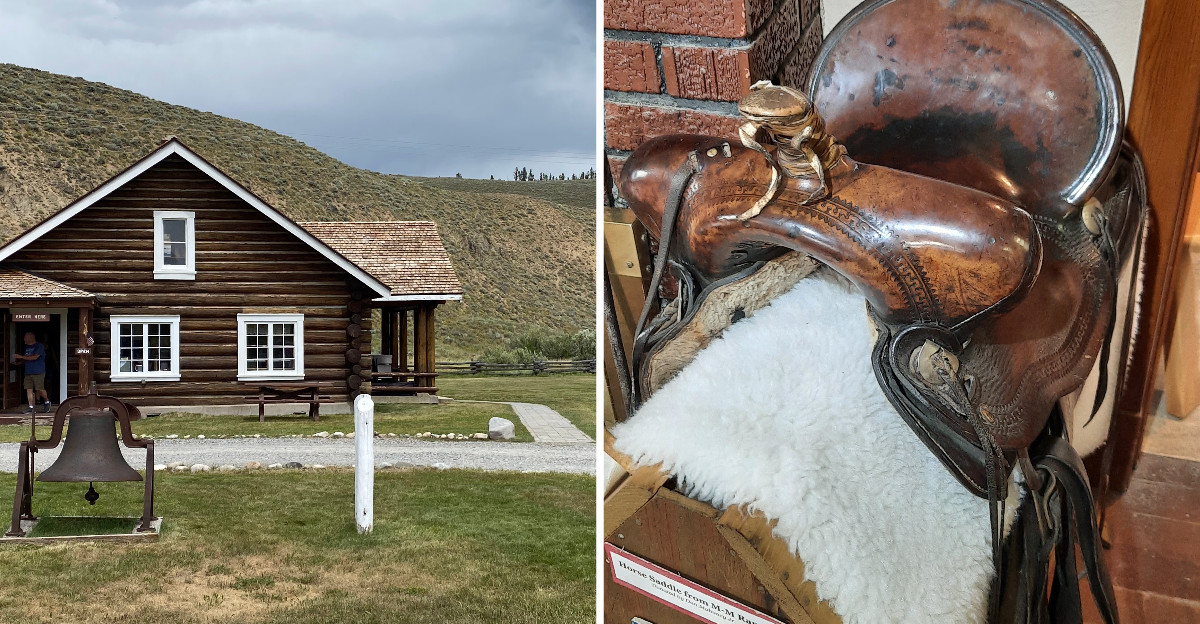
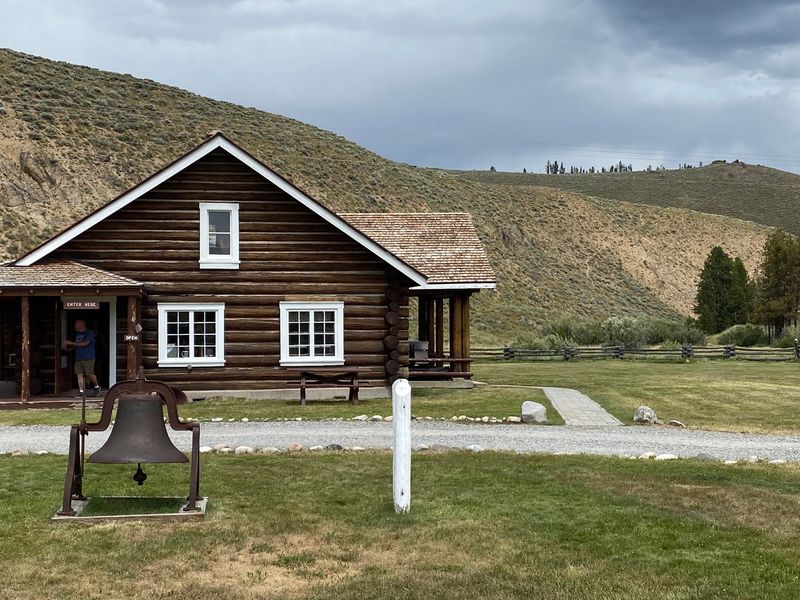
A small log ranger station built in 1933 now holds one of the best free history stops in the mountains.
Out back sits an old ice house, restored to look the way it did when people kept food cold without a single plug.
The Forest Service ran things from this spot until 1972. Rangers came and went with the seasons, and the Sawtooth peaks watched it all.
I like how a place this modest can explain an entire valley.
Old photos show homesteaders, loggers, miners and ranchers figuring out life in some of the roughest country in Idaho. Kids even get a scavenger hunt to chase.
Admission costs nothing at all. So why do so many travelers zip right past it on the highway?
A Log Ranger Station Hiding In Plain Sight Off Highway 75
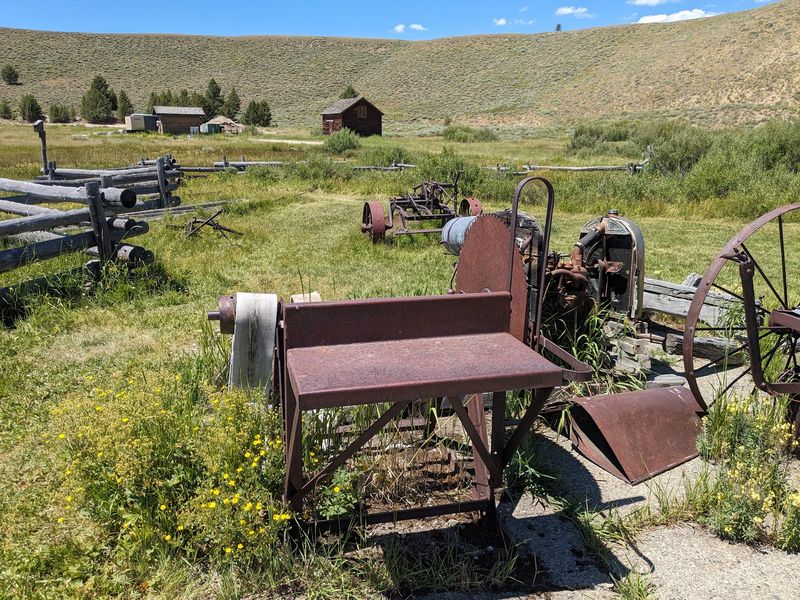
Mountain towns rarely come smaller or more scenic than Stanley, and its local museum fits right in. The Stanley Museum sits along Highway 75 north, between Stanley and Lower Stanley, in the heart of the Sawtooth Valley.
Instead of a modern gallery, you get the historic Valley Creek Ranger Station. The building itself is the first exhibit, before you even open the door.
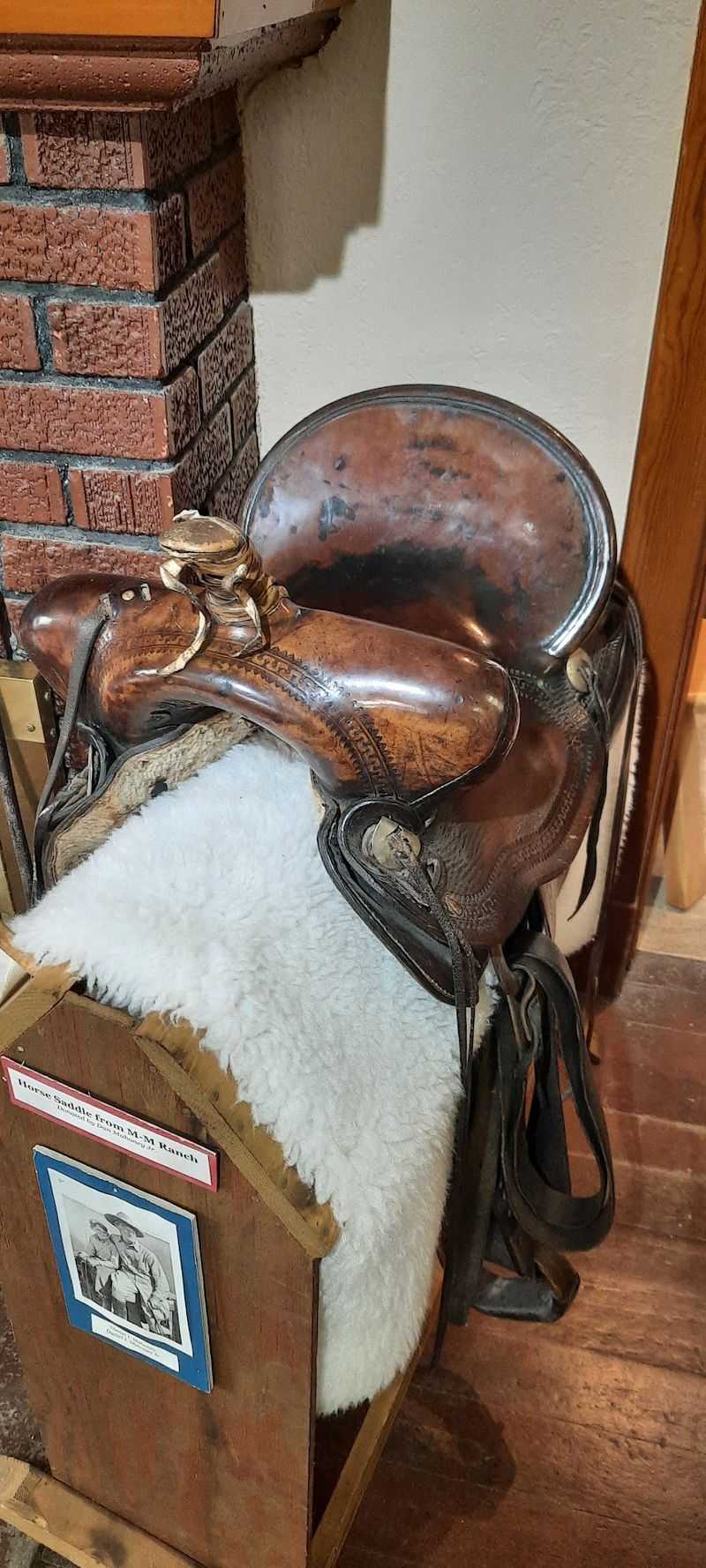
The museum focuses on the early history of the valley and the people who settled it. Photographs and artifacts tell the story of pioneer life in a landscape that never made anything easy.
Out back, a restored ice house shows how folks kept food cold long before refrigerators. A tool shed exhibit covers the Forest Service, which makes sense given where you’re standing.
The Sawtooth Interpretive and Historical Association runs the whole operation. It received a special use permit from the Forest Service back in 1982.
That partnership keeps the doors open in summer and the history in good hands. It also explains the knowledgeable crew behind the front desk.
Think of it as a pocket-sized history lesson with a mountain view. In Idaho, that combination is hard to beat.
Built In 1933 By Hands That Knew Hard Work
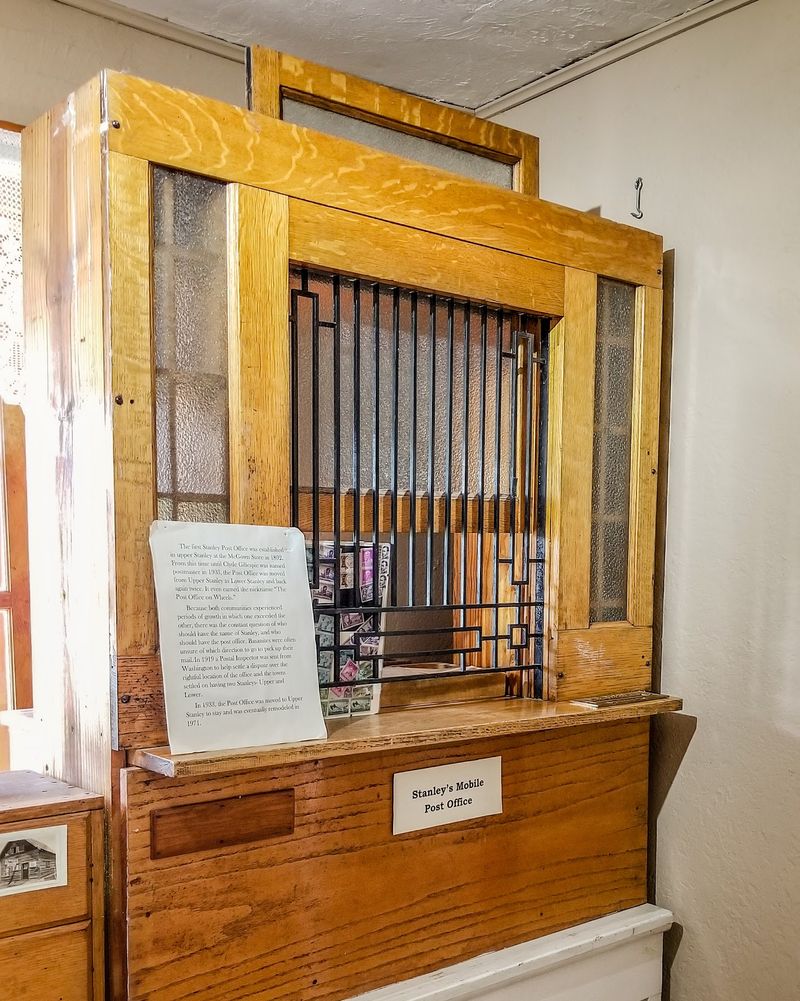
Construction wrapped up in 1933, right in the middle of some tough years for the country. The Civilian Conservation Corps helped build the Valley Creek Ranger Station complex.
Forest Service Ranger Merle Markle and his wife pitched in too. That detail makes the place feel personal, almost like a family project with government paperwork attached.
For nearly four decades, the station did real work. Rangers managed the surrounding forest from here until the station closed out its duties in 1972.
Then came a quiet decade. In 1982, the Sawtooth Interpretive and Historical Association began operating the site as a museum.
I believe that’s the best possible second act for an old work building. Rather than sitting empty, it now explains the very valley it once helped manage.
History buffs will appreciate how the timeline stacks up. You can stand in a building that saw the CCC era, decades of rangers and fifty-plus years of curious visitors.
Few small museums can say their walls actually took part in the story. This one can, and it wears that history without fuss or fancy signage.
The Ice House Out Back Still Keeps Its Cool
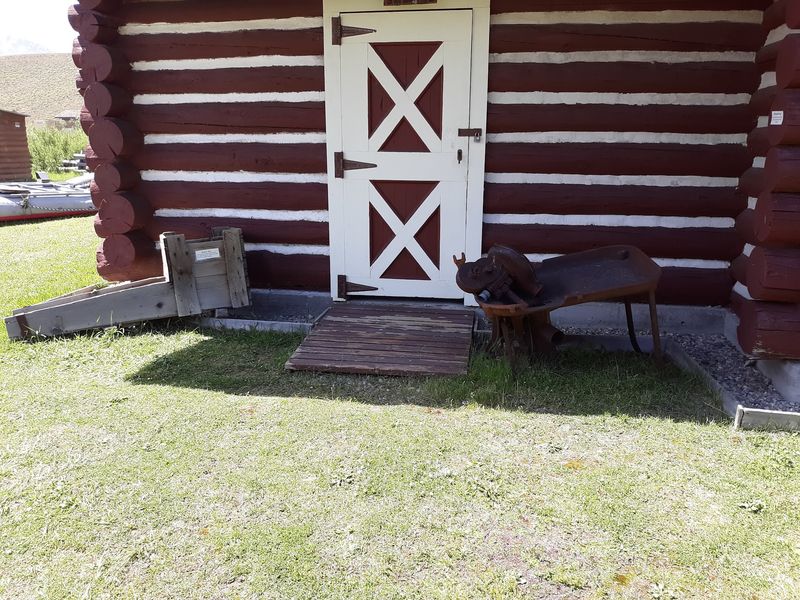
Refrigerators are a pretty recent luxury in the mountains. Before them, people cut ice, packed it away and hoped it lasted through summer.
The Stanley Museum’s restored ice house, also called a cold cellar, shows exactly how that worked. The exhibit recreates the space as it looked when it was actively used for refrigeration.
Its exterior restoration was completed in 2011. That effort keeps a humble but clever building standing for new generations.
The ice house shows up again and again in visitor comments as a highlight. Families mention kids learning how it worked, and one even noted it was actually cold inside.
Real ice harvesting equipment adds to the picture. Seeing the tools makes the hard labor behind a cold drink feel very real.
Young visitors with a soft spot for frozen princesses may find it oddly thrilling. Grown-ups tend to leave grateful for their freezers at home.
Honestly, it’s one of those exhibits that sticks with you. Next time you grab ice from a dispenser, you might think of this little cellar in Idaho.
Old Photos That Explain An Entire Valley
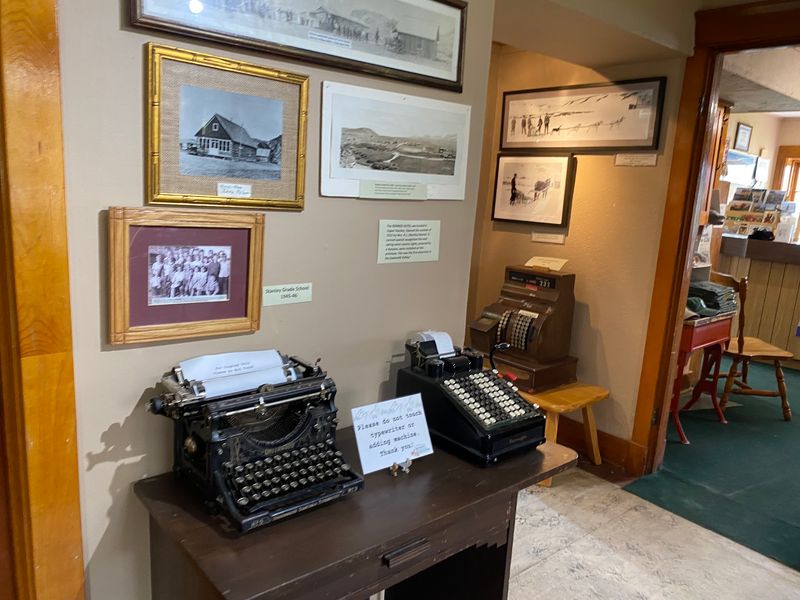
Homesteaders didn’t pick the Sawtooth Valley for its easy living. Long winters and rugged terrain demanded grit, and the museum’s photos show it plainly.
Inside the ranger station, photographs and artifacts trace the early history of the area. Exhibits touch on logging, mining and ranching, the jobs that shaped the region.
You’ll get a sense of what establishing a homestead actually involved. It’s sobering, a little inspiring and a great reality check for anyone grumbling about slow Wi-Fi.
One fun touch is a list comparing prices from around the turn of the century with modern ones. Math-minded kids reportedly love it, and adults may wince a bit.
The museum also covers the Sawtooth National Recreation Area and the people who lived in the valley over the years. That context makes the scenery outside feel richer.
Nothing here is overwhelming or sprawling. The collection fits comfortably in a short visit.
Still, small doesn’t mean shallow. The stories pack plenty of character, and the old faces in those frames feel like neighbors you never got to meet.
Forest Service Stories Live In The Tool Shed
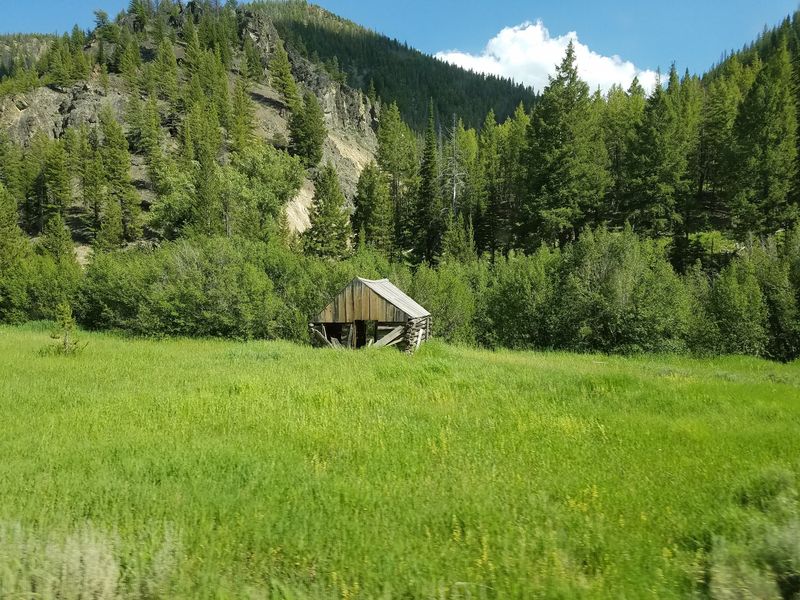
Some museums tuck their best stories in a back room. Here, they’re in a tool shed.
Opened to the public in 2021, the tool shed exhibit highlights the history of the USDA Forest Service in the area. It’s a fitting addition for a former ranger station.
After all, rangers worked this ground for decades. Telling their story on the same property feels right, like hanging a family portrait in the family home.
The exhibit gives context to everything around you. The trails, forests and campgrounds you enjoy today came from generations of careful management.
If you’ve ever wondered what rangers actually did all day, this is your chance. The answer probably involves more tools and paperwork than you’d guess.
The shed pairs nicely with the main building and the ice house. Together, they show both daily survival and long-term stewardship in the mountains.
Give yourself a few extra minutes out here. It’s easy to breeze through, but the details reward anyone who slows down and reads.
A Weather Station With Deep Roots In Stanley
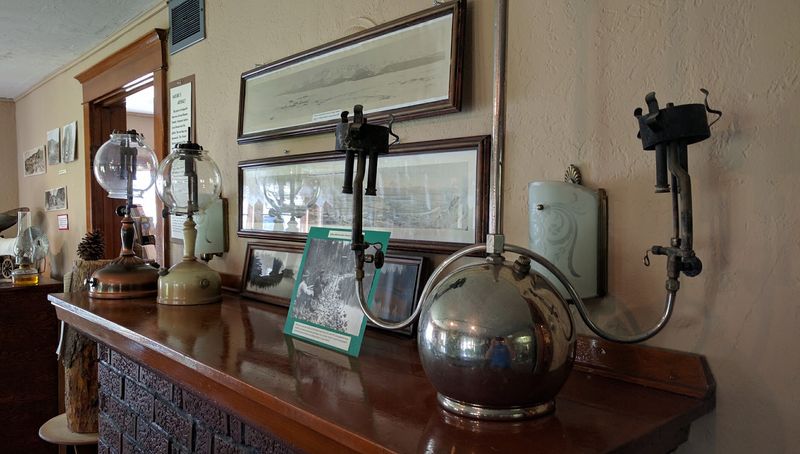
Stanley has a reputation for chilly weather, and someone has been keeping track for a long time. Weather observations in Stanley began in 1916.
In the spring of 2026, a restored historic weather station shelter was installed at the museum. It stands near the original site where those early observations started.
That’s a neat full-circle moment for a mountain town. The newest feature on the grounds is also one of its oldest ideas.
Weather wasn’t small talk for early valley residents. It decided when crops grew, when roads opened and how much ice could go into storage.
Seeing the shelter helps connect the dots between climate and daily life. Suddenly, the ice house and homestead photos make even more sense.
Science-minded kids will likely find it interesting too. A simple shelter like this once held instruments that recorded conditions day after day.
Look for it on your way around the grounds. It’s a quiet little structure, but it carries more than a century of local weather history.
Bring The Kids For The Scavenger Hunt And Ice House
Kids and history museums don’t always mix. The Stanley Museum quietly solves that problem with a scavenger hunt.
Families mention it often, and it turns browsing into a game. Children get a mission, and parents get a few peaceful minutes to read the exhibits.
The ice house adds another hands-on hook. Young visitors seem to walk away actually understanding how cold storage worked before electricity.
One family even shared that staff let the kids ring the giant bell out front. That’s not guaranteed, but it gives you a sense of the welcoming mood.
The museum’s size helps too. Little legs won’t wear out before the visit wraps up.
A group with kids ages 10, 15 and 20 reported that everyone enjoyed it. That’s a wide age range to please at once.
Pair the visit with a picnic or a lake stop nearby, and you’ve got an easy family day. Learning sneaks in without anybody noticing, which is the best kind.
Plan Around The Short Summer Season
Timing matters more than anything with this stop. The museum operates seasonally and stays closed from December through May.
In summer, it typically opens daily from June 13 through Labor Day, from 10 am to 5 pm. Weekend hours continue through September.
Admission is free, with donations accepted. That makes it one of the easiest decisions on any Idaho road trip.
You’ll find it at 2 Museum Drive on Highway 75 north, Stanley, ID 83278. Look for it between Stanley and Lower Stanley.
Plan on a short visit, which fits nicely between hikes or lake time. Some folks even duck in to wait out a passing summer thunderstorm.
Fall can be a pleasant window, with fewer people around before many places close for winter. Just double-check the weekend schedule before you go.
Arriving after hours isn’t a total loss, though. One traveler said the view from the parking lot alone deserved five stars, and the Sawtooths make that easy to believe.