This 149-Year-Old Kentucky Temple Is One Of The Oldest Synagogues Still In Use In America
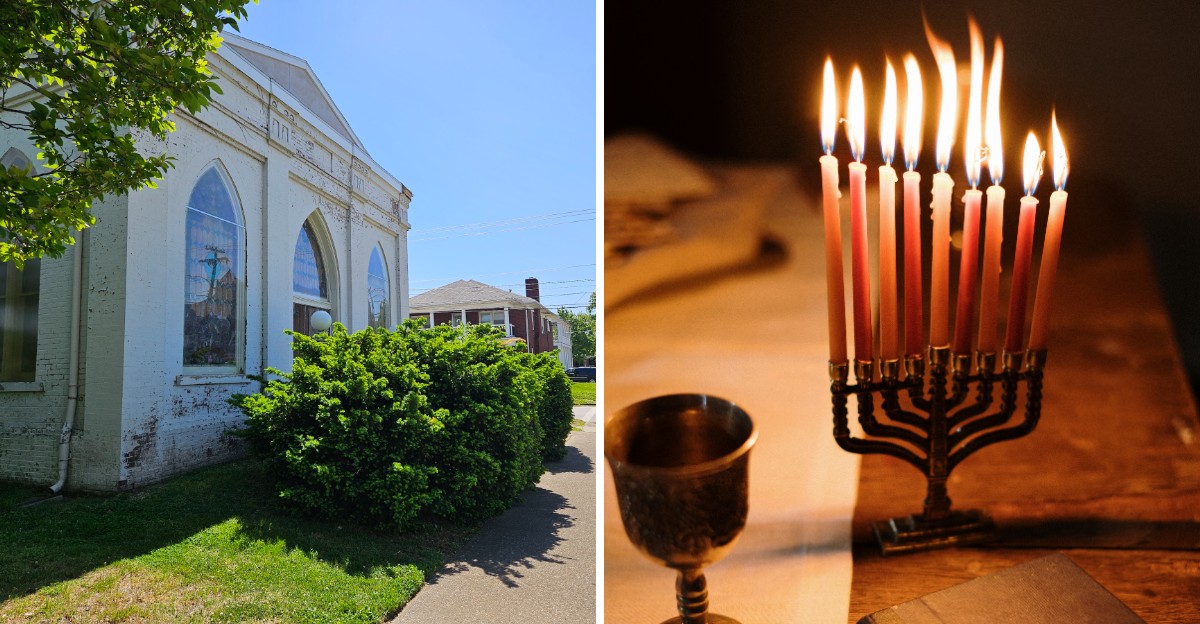
Four onion-shaped domes once sat on top of a small brick synagogue in western Kentucky. They came down in 2015 to protect the roof from water damage.
The building itself? Still standing, still open, still holding services after 149 years.
I love that this place mixes Gothic arches, classical columns, and Moorish flair on one modest facade. It sounds like an argument between three architects.
Somehow, it works beautifully.
The congregation behind it started in 1858, before the Civil War even began. Today it ranks among the oldest synagogue buildings still in use anywhere in America.
Inside, European stained glass and a pipe organ wait for anyone curious enough to stop by.
Visitors of any faith are openly welcomed here. What does a building this old still have to teach us?
A Tiny Synagogue With A Seriously Big Record
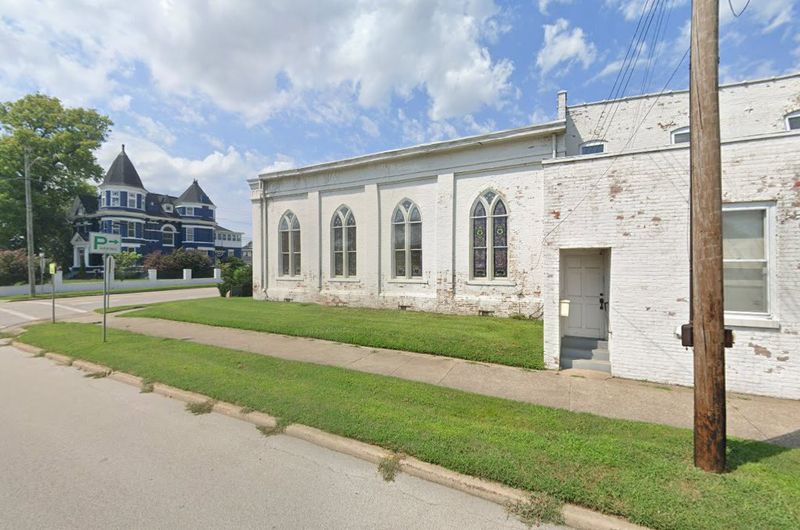
Thirteenth place sounds modest until you learn what the race is. Temple Adath Israel in Owensboro ranks as the 13th longest-running synagogue in the United States.
That puts this Kentucky landmark in rare company.
The building went up around 1877 or 1878. That makes it roughly 149 years old and still doing the job it was built for.
It also holds another title worth bragging about. Temple Adath Israel is the oldest synagogue building still in use in Kentucky.
No other congregation in the state can say it has prayed in the same room for this long.
Plenty of historic buildings become museums or offices. Some sit empty behind locked doors and fading signs.
This one skipped that path entirely and kept its purpose.
I like that the walls have heard the same prayers for generations. The building isn’t frozen in time.
It’s still part of real weekly life.
The congregation follows the Reform Jewish tradition and is lay-led today. That means members guide services themselves instead of relying on a full-time rabbi.
For a small community, that’s a big commitment.
A record this long doesn’t happen by accident. It happens because people keep showing up.
The Congregation Got Here Before The Civil War Did

In 1858, Owensboro was a growing river town, and a group of Jewish families decided to organize. That year, they formed the congregation that became Temple Adath Israel.
It’s one of the earliest Jewish congregations in Kentucky.
Most of these founders were immigrants from Europe. Many came from German states, though others arrived from different countries too.
They didn’t just settle in. Many became prominent merchants who helped build Owensboro’s business district.
Their shops and trades were part of the town’s commercial growth.
The congregation also became a charter member of the Union of American Hebrew Congregations. That group helped organize Reform Judaism across the country.
So this small Kentucky community had a seat at the table early on.
Think about the timing for a second. The congregation existed for nearly two decades before its famous building went up.
Members gathered and planned long before they had their own permanent home.
That patience says a lot about them. They wanted something that would last, and they waited until they could build it right.
Spoiler alert: they did build it right. The proof is still standing downtown today.
Three Architectural Styles Walked Into One Facade
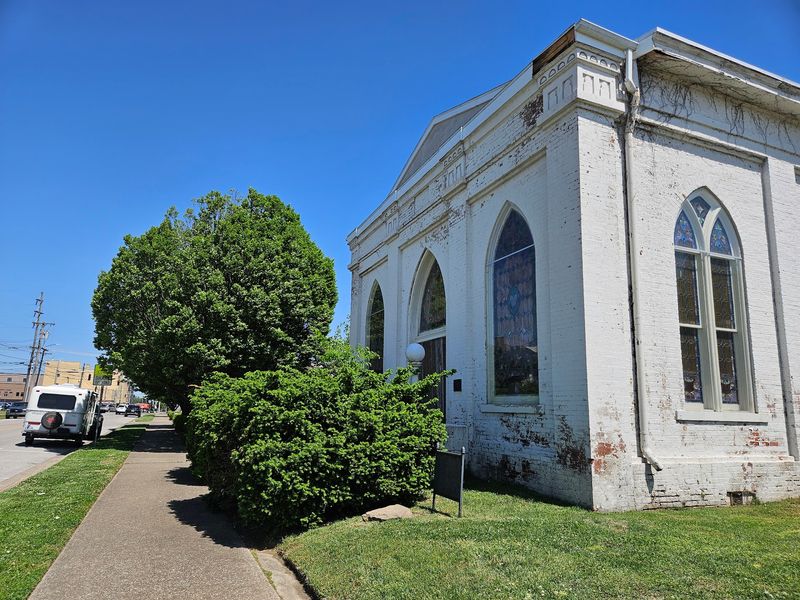
Gothic, Classical, and Moorish styles usually keep to their own neighborhoods. On this one-story brick and stone building, they share a single front wall.
The result is wonderfully hard to label.
The center entrance is pure Gothic, with a pointed arch. Narrow lancet windows stand on either side like tall, quiet guards.
Then the classical style shows up. Pilasters, which are flat decorative columns, hold up a simple cornice along the top.
It feels orderly and calm.
Above that, the parapet wall gets fancy. It’s dressed with elaborate windows and panels that pull your eye upward.
The facade is arranged in three bays, giving it a balanced look.
Historians have called this mix a fanciful combination. Some believe it reflects the varied backgrounds of the original members.
People from different places brought different ideas of what beauty looked like.
I find that idea really charming. The building looks like a conversation between cultures, frozen in brick.
Bring a camera and stand across the street for the full view. The details reward anyone who slows down and looks closely.
Those Onion Domes Had A Good Run
For well over a century, four small onion-shaped domes crowned the roof. These Moorish ogee domes gave the building its most memorable silhouette.
Nothing else in town looked quite like them.
In June 2015, the domes were removed. The reason was practical rather than dramatic.
Water was the problem. The domes were taken down to protect the roof from water damage.
Anyone who owns an old house knows roof leaks are no joke, and a 19th-century building is no exception.
Losing the domes was a trade-off. The skyline lost a quirky feature, but the building gained a better shot at another hundred years.
Sometimes caring for history means making tough calls.
Old photos still show the domes in their glory. If you search for vintage images of the temple, you’ll spot them right away.
They make a fun before-and-after comparison with the building today.
Honestly, the story makes me appreciate the place more. Keeping a historic building alive takes real decisions, not just good intentions.
The Moorish spirit hasn’t vanished completely either. It still lives in the playful mix of styles across the front.
European Glass Lights Up A Surprisingly Simple Room
Stained glass imported from Europe fills the front and side windows. It dates to around the turn of the 20th century.
When sunlight hits it, the plain room gets a burst of color.
The interior itself is simply finished. It doesn’t stick strictly to one architectural style, which matches the playful spirit outside.
The sanctuary seats about 200 people. That’s cozy by big-city standards, but it fits a close-knit congregation nicely.
Nobody gets lost in the back row here.
There’s also a pipe organ inside. Organs are common in Reform synagogues from this era, and this one adds to the room’s historic feel.
It’s a detail many people don’t expect.
I love the contrast between the plain finishes and the bright windows. The glass does the heavy lifting, and the rest of the room lets it shine.
Imported glass also tells a story about the founders. Bringing windows across an ocean was no small effort.
It showed how much this space mattered to them.
If you attend an evening gathering, notice how the room feels compared to the busy street outside. Quiet has a way of settling right in.
A National Register Listing Made It Official
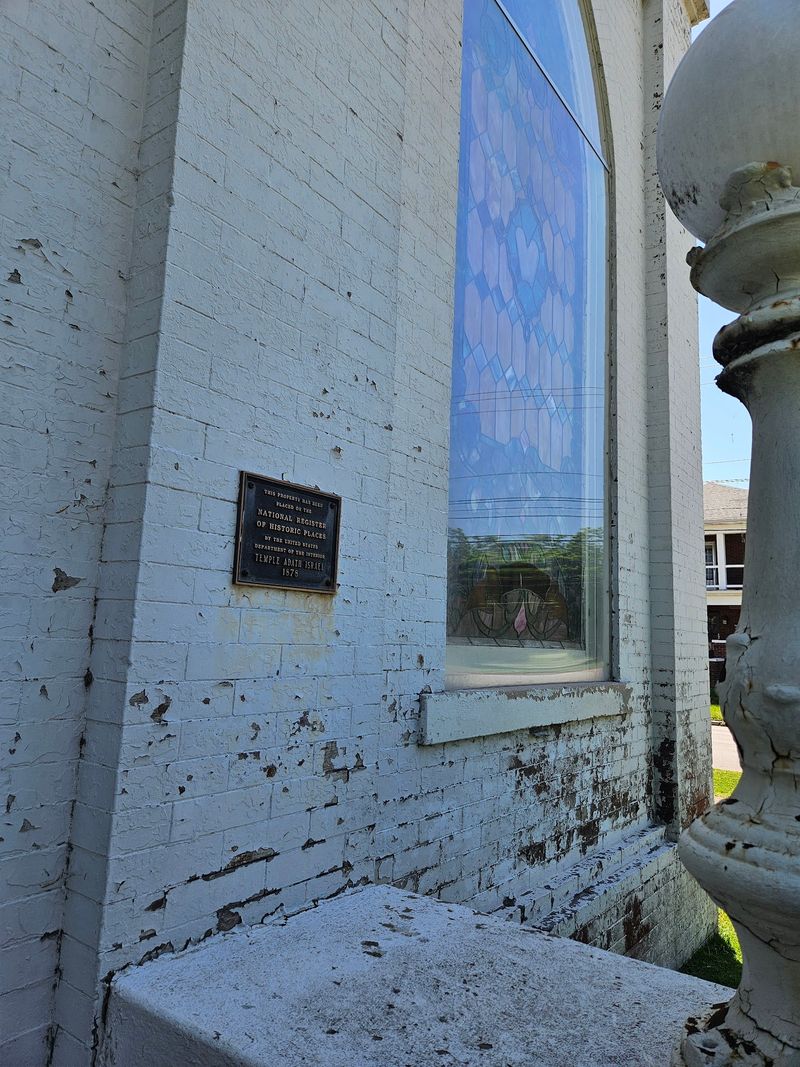
Back in 1986, Temple Adath Israel joined the National Register of Historic Places. That’s the federal list of buildings worth preserving across America.
Getting on it takes a strong case.
The listing points to two big reasons. One is the eclectic religious architecture, and the other is the building’s role in local history.
Since the mid-1800s, this temple has anchored Owensboro’s Jewish community. It wasn’t just a place for services.
It was a symbol that this community belonged here.
The building made a bold statement for a small but prosperous group. It spoke of permanence and identity.
In a city that gave them a living but kept certain social lines in place until the 1970s, that mattered.
I believe that’s the most powerful part of the story. An elaborate building said, clearly and calmly, we are here to stay.
Historic recognition also helps protect places like this. It encourages careful care and reminds the public of their value.
Kentucky has many landmarks, but few carry this particular layer of meaning.
So the plaque-worthy status isn’t just a nice honor. It confirms what the building has quietly said for generations.
Thursday Nights Are For Big Questions
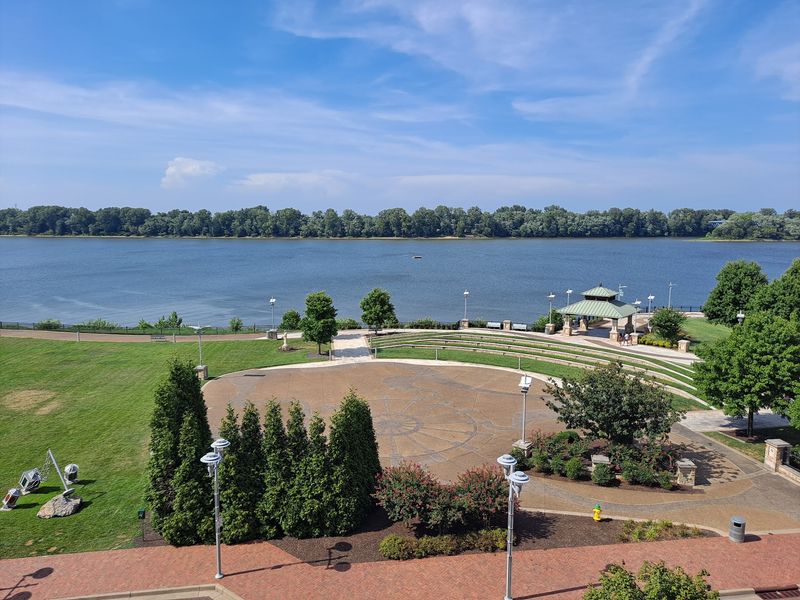
Torah study happens here on Thursday nights at 6:30. It’s a regular weekly gathering, and you don’t need to be Jewish to join.
Curious minds are genuinely welcome.
The Torah is the first five books of the Hebrew Bible. Studying it means reading, discussing, and asking questions together.
Because the congregation is lay-led, members guide these sessions themselves. That gives the gatherings a personal, community feel.
It’s less lecture hall and more friendly table talk.
Non-Jewish visitors show up in notable numbers too. The congregation openly welcomes them.
That openness feels refreshing for a place with so much history.
If you’ve ever wanted to learn more about Judaism, this is an easy first step. You can listen, ask questions, and learn at your own pace.
No pressure, no quiz at the end.
A few tips help. Arrive a little early, dress respectfully, and bring an open mind.
Schedules can change, so it’s smart to confirm the time before heading over.
I like that an old building still hosts fresh conversations every week. Ancient texts plus modern questions make for a pretty great Thursday.
Friday Evenings Bring A Gentle Shabbat Tradition
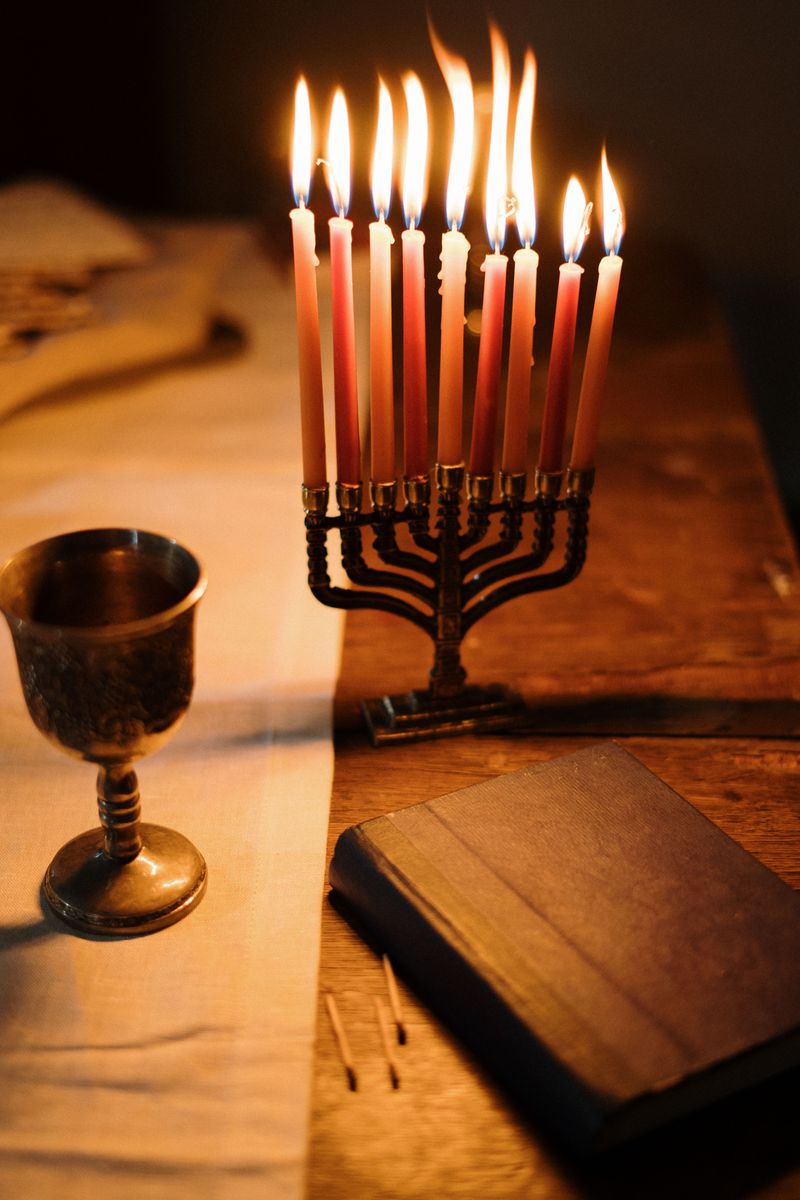
Once a month, on the first Friday evening, the temple holds a simple Shabbat service. Shabbat is the Jewish day of rest, starting Friday at sundown.
It’s a weekly pause that has lasted thousands of years.
The services here are described as simple. That makes them a comfortable option for first-timers who feel nervous about not knowing the routine.
Visitors of other faiths are openly welcomed at these services too. It’s a chance to see a living tradition up close.
You’ll be sitting in a sanctuary that has hosted Shabbat for nearly 150 years.
That idea gives me goosebumps a little. Generations of families have gathered in this same room on Friday nights.
Now you can be part of that long chain.
Planning helps. Check the congregation’s current schedule before you go, since monthly events can shift.
Showing up a few minutes early lets you find a seat and soak in the room.
Respectful clothing and quiet phones are always good choices. Following along with others is perfectly fine.
Small congregations often feel especially warm. Here, a newcomer isn’t just another face in the crowd.
A Downtown Corner Worth Adding To Your Owensboro Stroll
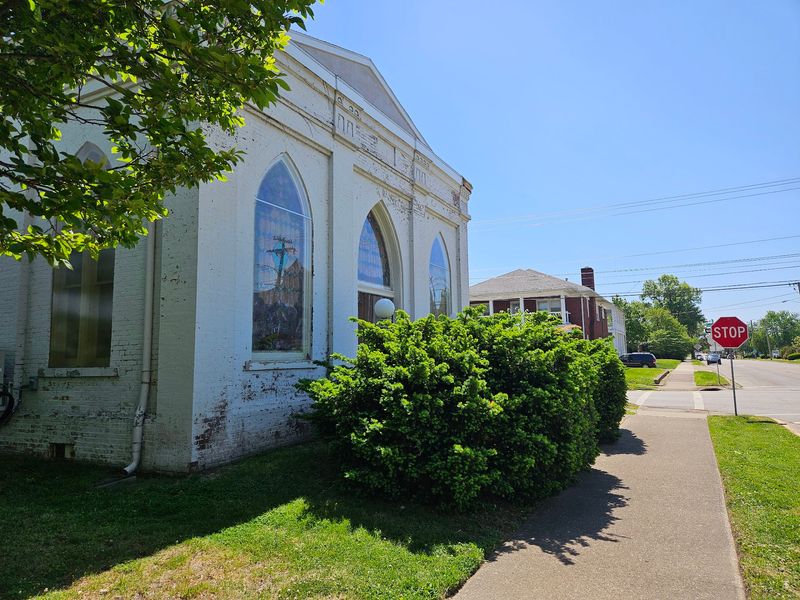
Finding it is easy. The temple sits at 429 Daviess Street, Owensboro, Kentucky, right at the corner of Fifth and Daviess streets.
It’s part of the city’s downtown area.
That location makes it simple to fold into a day of exploring. You can admire the facade from the sidewalk anytime.
The community has faced real challenges over the years. After World War II, Owensboro’s Jewish population shrank as people moved away and the economy shifted.
Still, Temple Adath Israel kept its doors open.
A one-story addition was built at the rear of the original building. It helps the space serve modern needs without changing the historic front.
The face that greets the street stays true to its roots.
For the best photos, step across the intersection for a wider angle. The three-bay front fits nicely in one frame from there.
If you want to see the inside, plan around Thursday study or a first-Friday service. Those are the best windows for a visit.
Kentucky has plenty of famous stops. This quiet corner deserves a spot on the list too, and it costs nothing but a little curiosity.