A Captivating Historic Village In Pennsylvania Where You Will Feel Like You Have Stepped Back Into The 19th Century
This remarkable village in Pennsylvania recreates everyday nineteenth century life with incredible authenticity throughout.
Horse drawn wagons move slowly past shops, homes, and workshops filled with historic character.
Costumed interpreters demonstrate traditional crafts while sharing stories connected to the surrounding community daily.
I always enjoy destinations where simple details completely reshape the atmosphere around visitors naturally.
Fresh baked aromas drift through narrow streets beside carefully maintained gardens and wooden fences nearby.
Do you think that modern towns could ever recreate this same warmth and timeless charm again this convincingly?
Every corner encourages slower exploration while revealing another memorable glimpse into America’s fascinating past.
The Village Story
Long before smartphones and superhighways, Sugartown Road was one of the busiest crossroads in Chester County.
Historic Sugartown preserves that story with honesty and care. The village grew up around a cluster of trades and services that local families depended on every single day.
By the early 1800s, the site included a tavern, a general store, a blacksmith shop, and several private homes. Each building tells a different chapter of rural Pennsylvania life. The community was a true hub for commerce and connection in its era.
Dedicated volunteers and staff have restored the original structures with impressive attention to detail. Nothing here feels staged or artificial.
What makes the story even richer is how ordinary it was. This was not a famous battlefield or a politician’s estate.
It was simply where people lived, worked, and built a community. That everyday humanity is exactly what makes it so worth your time.
Architecture And Grounds
The moment you arrive at the grounds at 273 Boot Rd in Malvern, the architecture does all the talking.
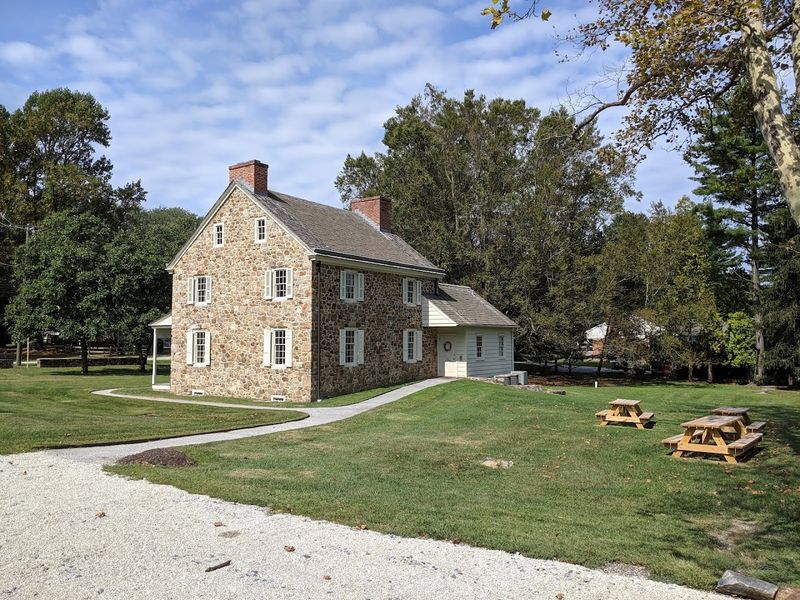
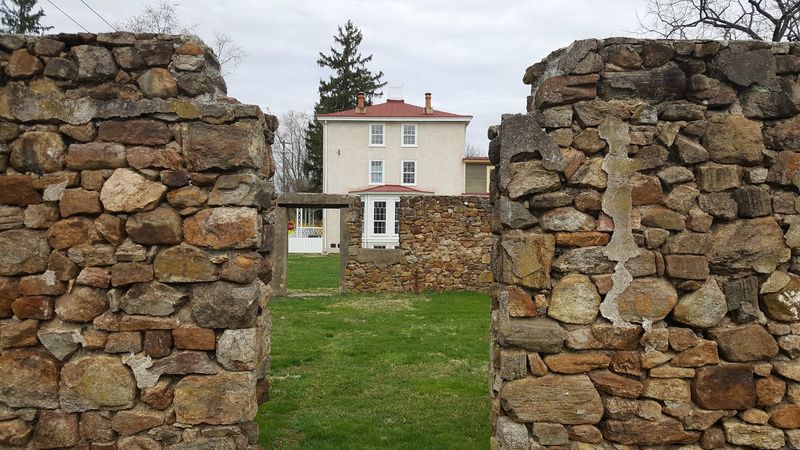
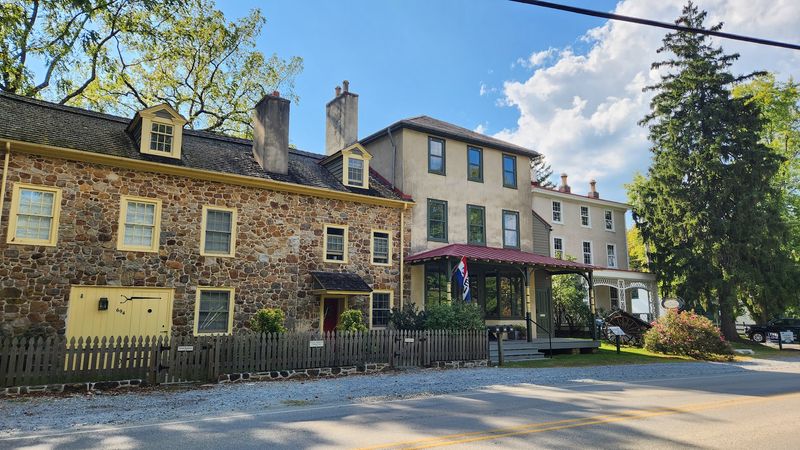
Stone walls, hand-hewn timber frames, and original mortar joints remind you that real craftsmen built these structures to last. Pennsylvania’s building traditions are proudly on display at every turn.
Several of the buildings date back to the late 1700s and early 1800s. They have survived floods, storms, and more than two centuries of change. The fact that they are still standing is a quiet kind of miracle.
The grounds themselves are beautifully maintained. Wide open lawns connect the buildings, and mature trees provide shade on warm days. It is the kind of setting that makes you slow down without even trying.
Seasonal flowers add color to the landscape depending on when you visit. The whole property feels purposeful but relaxed at the same time.
Every corner you turn reveals another detail worth pausing to appreciate.
There are no loud attractions or crowded gift shops here. Just original buildings, open air, and the kind of quiet that lets history speak for itself.
Guided Tour Experience
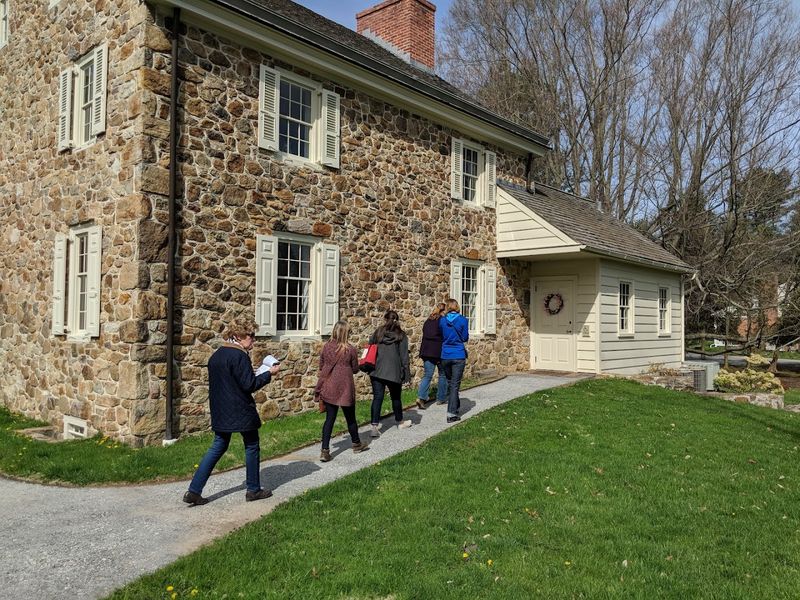
A good tour guide can make or break a history visit.
Fortunately, the guides at this Pennsylvania landmark are known for being genuinely knowledgeable and enthusiastic.
Tours typically run about 90 minutes and cover multiple buildings across the property. You move from structure to structure, learning about the people who once lived and worked in each one.
The pace is comfortable and the explanations are easy to follow.
One popular tip passed around by returning visitors is to ask your guide about the monkey. Yes, there is a story involving a monkey, and it is exactly as entertaining as it sounds.
Little surprises like that keep the tour from ever feeling like a dry lecture.
Groups are kept small enough that you can actually hear the guide and ask questions freely. That intimacy makes a big difference.
You leave feeling like you had a real conversation with history, not just a walk past some old buildings.
Tours are available on Saturdays from 11 AM to 4 PM and Sundays from 1 to 4 PM, running from May through November.
The Blacksmith Shop
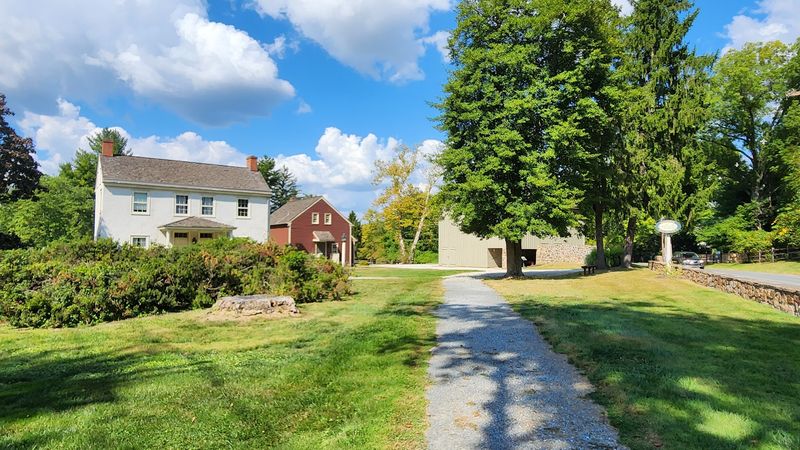
Few things connect you to the past quite like watching a skilled blacksmith work.
Just down the street from the main village cluster, the working blacksmith shop at Historic Sugartown is one of the most memorable stops on any visit. The heat, the sound, and the smell hit you all at once.
In the 19th century, a blacksmith was essential to any functioning community. Horseshoes, tools, hinges, and hardware all came from the forge.
Without the blacksmith, daily life in rural Pennsylvania would have ground to a halt.
The shop at this site is not just a display. It operates as a working forge, which means you can watch real metalworking happen right in front of you. That hands-on authenticity is rare and genuinely impressive.
Watching iron transform under a hammer is something that sticks in your memory long after you leave. It is loud, hot, and completely fascinating.
The craftsmanship on display reflects a time when every object was made by hand with skill and patience. Seeing it in person gives you a new appreciation for the tools and objects we take for granted today.
Workshops And Classes
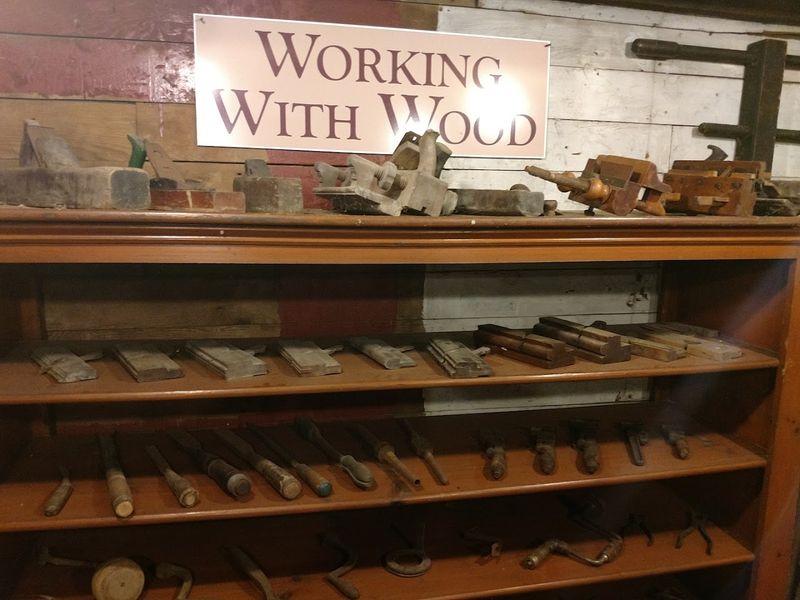
Not every historic site lets you roll up your sleeves and actually make something.
Historic Sugartown does, and that is one of the things that sets it apart from typical museum experiences. The bookbinding workshops here have earned serious praise from participants.
Held in the historic bookbindery on site, these classes are taught by skilled instructors who know their craft inside and out. You work hard, but you walk away with a real handmade book.
The bookbinding tradition dates back centuries, and learning it in a building that is itself a piece of history adds a layer of meaning to the whole experience. You are not just making a craft project.
You are connecting with a genuine trade from the past. Classes are available periodically throughout the season, so checking the website in advance is a smart move.
Beyond bookbinding, the site occasionally hosts other skill-based programs tied to 19th-century trades and crafts. Each one offers a different window into how people in Pennsylvania once created the tools and objects of everyday life.
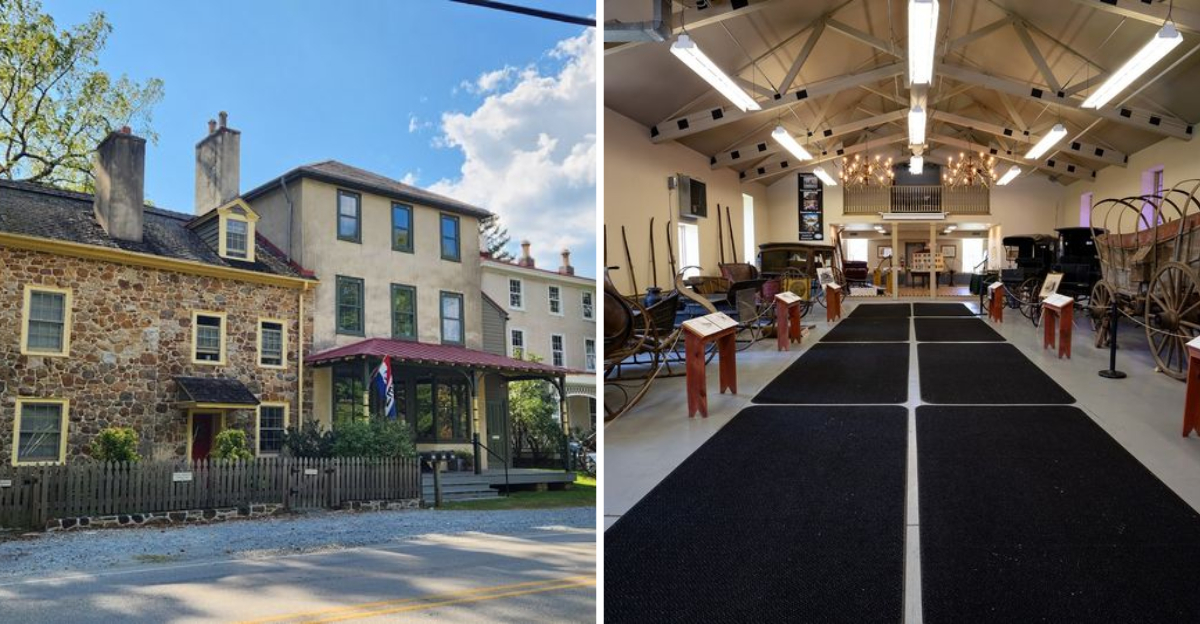
The Carriage Museum
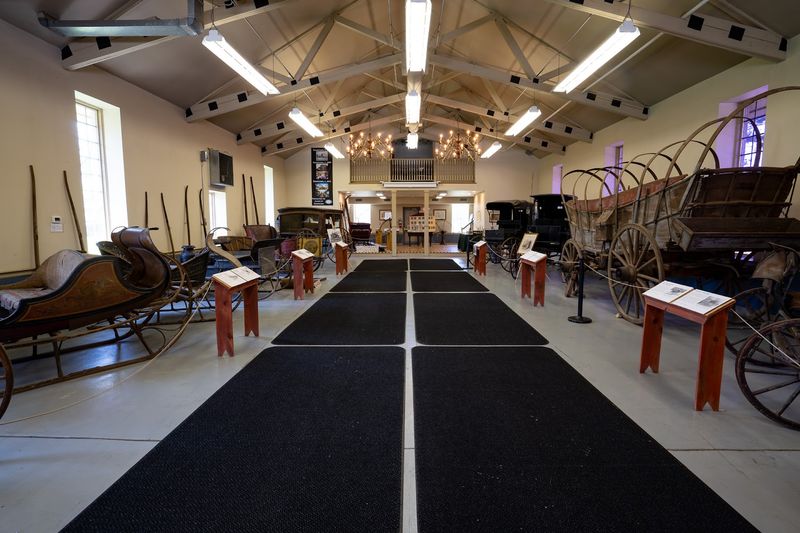
Before cars ruled the road, carriages were the ultimate form of transportation.
The carriage museum at Historic Sugartown gives you a front-row look at how people in Pennsylvania got around before the combustion engine changed everything. The collection is genuinely cool.
Several antique carriages and wagons are preserved and displayed with care. Each one represents a different purpose, from everyday family travel to formal occasions.
Looking at them up close, you start to appreciate the craftsmanship and the engineering involved.
The variety in the collection is surprising. Some carriages are elegant and ornate, clearly built for comfort and status. Others are sturdy and practical, designed for rough country roads and hard daily use.
This stop tends to appeal to visitors of all ages. Young kids love the sheer size of the wagons. Adults find themselves drawn into the details of the woodwork, ironwork, and upholstery.
If you have any interest in the history of transportation, this museum earns its place as a highlight of the entire site.
Seasonal Events
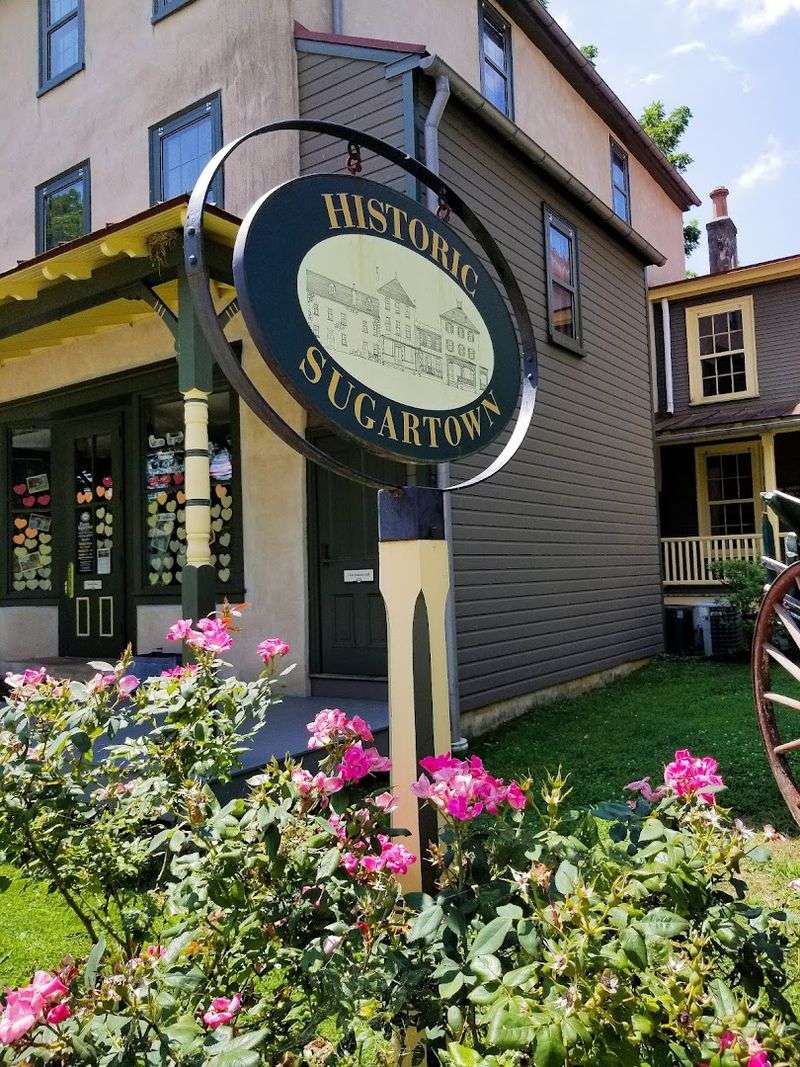
Some places come alive in a special way during their seasonal events, and Historic Sugartown is one of them.
The annual Bee Festival is a perfect example of what this site does so well. Local beekeepers bring real hives and walk visitors through the fascinating world of honey production.
Watching a beekeeper calmly work with live bees while explaining the structure of a hive is both educational and a little thrilling.
You learn how bees protect themselves, how honey is harvested from the combs, and why these tiny insects matter so much to the wider ecosystem.
The Lantern Tour is another standout event that draws visitors back year after year. Candles line the paths through the village after dark, and a guide leads your group through the buildings by lantern light. It transforms the whole site into something quietly magical.
Light snacks are provided at some evening events, which is a thoughtful touch after a long tour. The atmosphere during these special programs is warm and communal. You end up chatting with other visitors in a way that rarely happens at bigger attractions.
Pennsylvania has no shortage of history, but few places package it as inventively as this. Checking the event calendar before your visit is strongly recommended to catch one of these memorable programs.
Planning Your Visit
Getting your timing right makes all the difference when visiting this site.
Historic Sugartown is open on Saturdays from 11 AM to 4 PM and Sundays from 1 to 4 PM, but only from May through November. Arriving outside those hours means finding a quiet property with no active programs running.
Parking is ample and free, which is a genuine relief compared to many historic sites in Pennsylvania where parking can be a headache. The layout of the property is easy to navigate on foot, and the terrain is mostly flat and accessible.
Tour prices are very reasonable for what you get. A roughly 90-minute guided tour covers the full village and includes access to multiple buildings.
Families with children find the price especially easy to justify given how much there is to see and do.
Bringing layers is a smart idea if you are visiting in the shoulder months of May or October. The site is largely outdoors, and temperatures can shift during a 90-minute tour. Comfortable walking shoes are also a practical must.