A Connecticut Lighthouse Tower Where The View Stretches Across Three States
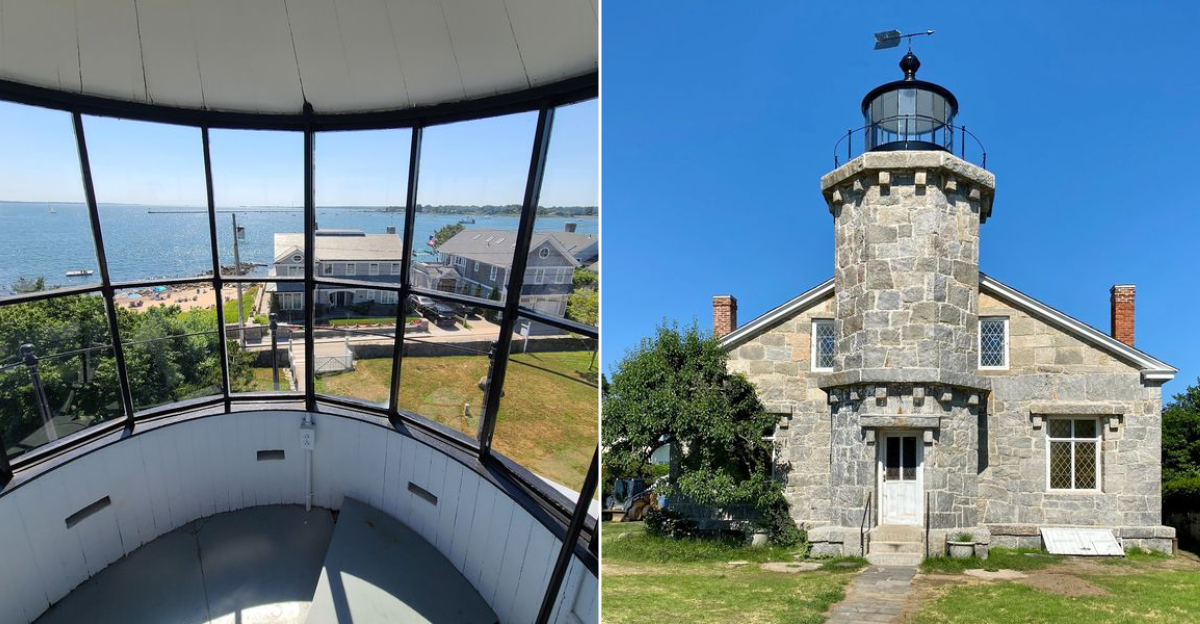
A lighthouse climb becomes a very different experience when the stairs finally give way to open sky.
Inside, the museum keeps the maritime story close at hand, but the tower is where curiosity really takes over. After a short climb, the view suddenly stretches much farther than the compact building suggests.
From this Connecticut perch, visitors can look out across three states, which feels almost unfair for such a small tower.
The coastline does most of the showing off. Water fills the horizon while rooftops sit below.
The old beacon feels perfectly placed above it all.
You do not need a huge museum to make an afternoon memorable. Sometimes one narrow staircase is enough.
The fun comes from realizing how much history can fit inside such a modest structure.
By the top, the lighthouse feels less like a quick stop and more like a tiny lookout with an enormous reward waiting above.
1. Maritime History Inside An 1840 Lighthouse
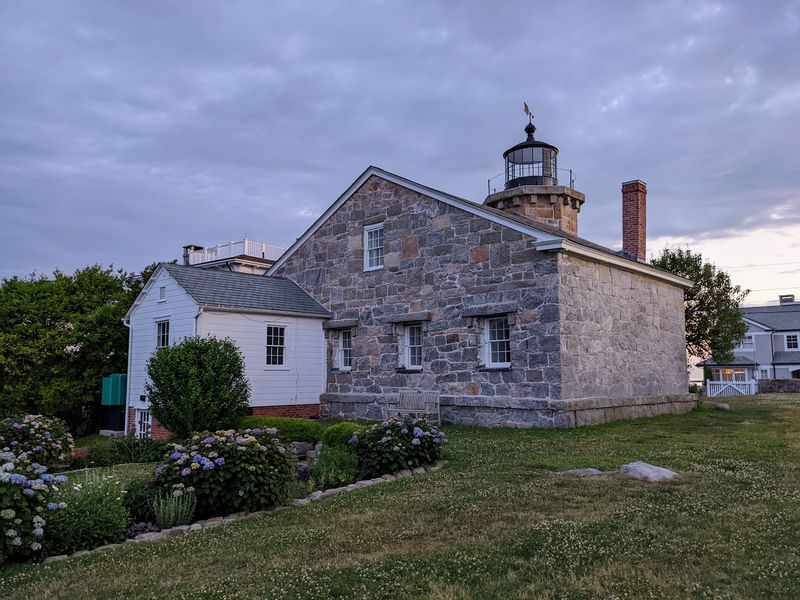
This little stone lighthouse has a surprisingly big story. Built in 1840, it once guided ships into Stonington Harbor through the rough waters of Fishers Island Sound.
Back then, its beam was working equipment, not a scenic extra.
The light stayed active until 1889. New beacons on the harbor breakwaters eventually took over the job.
Even then, the building did not retire completely. Keepers responsible for those newer lights continued living here until 1909.
Its next chapter turned out to be just as interesting. The federal government later offered the property for sale, and the Stonington Historical Society bought it in 1925.
Two years later, the doors opened to the public as a museum.
That move gave the Old Lighthouse Museum a remarkable distinction. It became the first lighthouse museum in the United States.
The collection has continued welcoming curious visitors for generations, aside from a break during most of World War II.
Today, visitors can explore exhibits tied to the town’s maritime past and climb into the tower itself. The stonework still feels wonderfully sturdy.
More than 180 years later, the building remains one of the borough’s most memorable landmarks.
2. Near The Tip Of Stonington Point
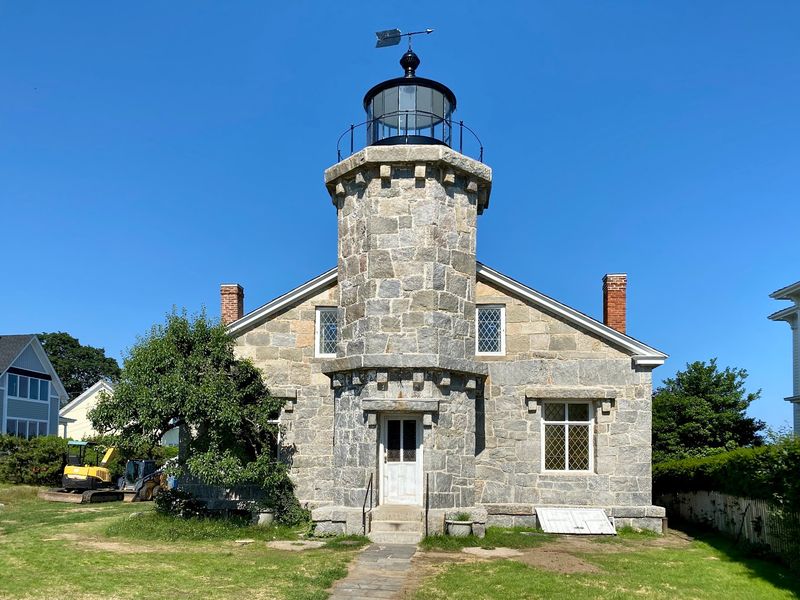
The walk gets prettier with every block. Water Street narrows toward Stonington Point, where historic homes give way to wider harbor views and salty air.
By the time the lighthouse appears, water seems to frame the entire end of the peninsula.
The Borough adds to the charm, with narrow streets and old architecture that make wandering feel like part of the visit. The Old Lighthouse Museum stands at 7 Water Street in Stonington, close to the tip of the point.
Its grounds face Little Narragansett Bay toward Watch Hill and Napatree Point, giving the small museum a wonderfully open setting.
Parking is available at Stonington Point, followed by a short walk back toward the lighthouse. DuBois Beach is nearby, so museum time can easily turn into a longer afternoon by the water.
Picnic spots on the lighthouse grounds make lingering even easier.
Everything feels close once the car is parked. Shops and village streets can be explored on foot without much planning or backtracking.
The lighthouse becomes the natural highlight rather than the only reason to come. Save time for the walk itself, because the approach through the Borough makes the final harbor view feel even better.
3. Granite Walls With Unusual Decorative Stonework
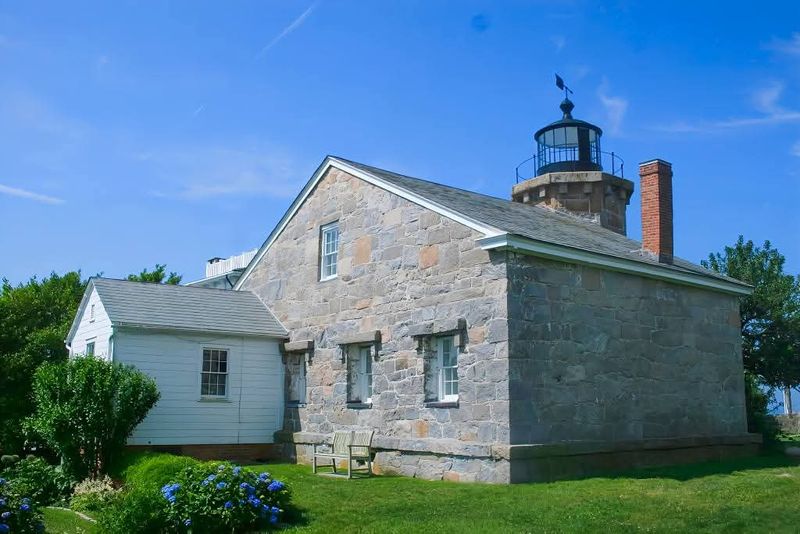
Most lighthouses aim for plain and practical. Not this one.
The walls are built from large irregular granite blocks, and instead of stopping there, the builders added decorative touches that were unusual for lighthouses of the period.
Ornamental cornices wrap around the tower, giving the stonework a finished, almost architectural quality. Heavy granite lintels sit above the doorways and windows, thick slabs that make each opening look deliberately framed.
Look at the middle of the tower and again at the top, and you will notice forceful corbelling, which means projecting courses of stone that step outward in bands. The effect adds weight and rhythm to what could have been a blank column.
Together these details create a strong impression of mass and stability, as if the whole structure grew straight out of the rocky shoreline. Photographers tend to love the texture, especially in low afternoon light when the shadows deepen between the blocks.
Run your eyes along the joints and you can see how irregular each stone is, no two shaped alike. Builders in 1840 fit them together by hand, and nearly two centuries of salt air later, the walls still hold their lines beautifully.
4. Twenty-Nine Circular Steps To The Tower
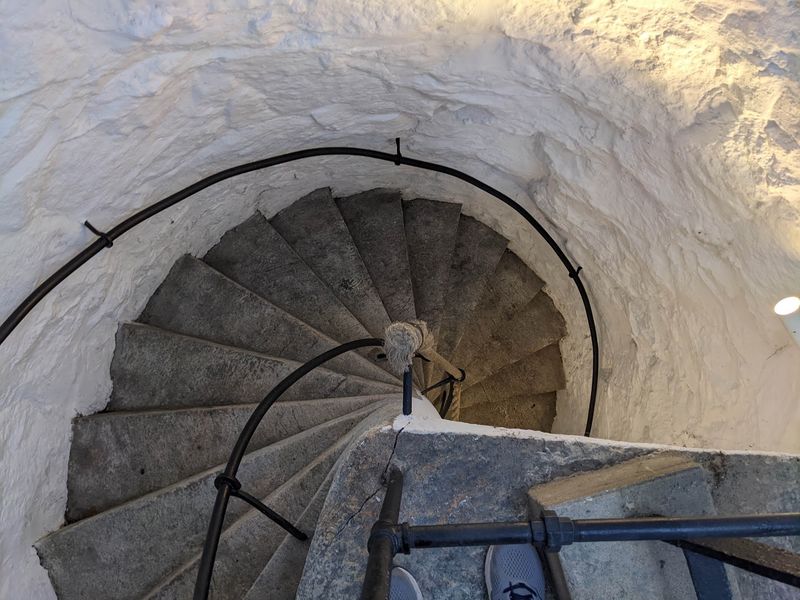
Twenty-nine steps. That is the whole climb, which makes this one of the friendliest lighthouse ascents on the New England coast.
The staircase curves upward in a tight circle, and the space is genuinely snug, so groups usually go up a few people at a time. Visitors often mention how quickly the climb passes compared to taller towers where the steps run into the dozens upon dozens.
At the top of the stairs, a short ladder handles the final stretch into the lantern room. It takes a bit of care and a free hand, but plenty of visitors describe it as manageable and well worth the small effort.
Wear shoes with decent grip and leave bulky bags below if you can, since the passage is narrow. Anyone uneasy about ladders or tight spaces can enjoy the exhibits and grounds instead without missing the heart of the visit.
Staff members are known for being helpful and full of stories, and they will let you know what to expect before you head up. The reward at the top arrives almost immediately, because the moment your head clears the hatch, the water opens up all around you.
5. Three States Visible From The Top
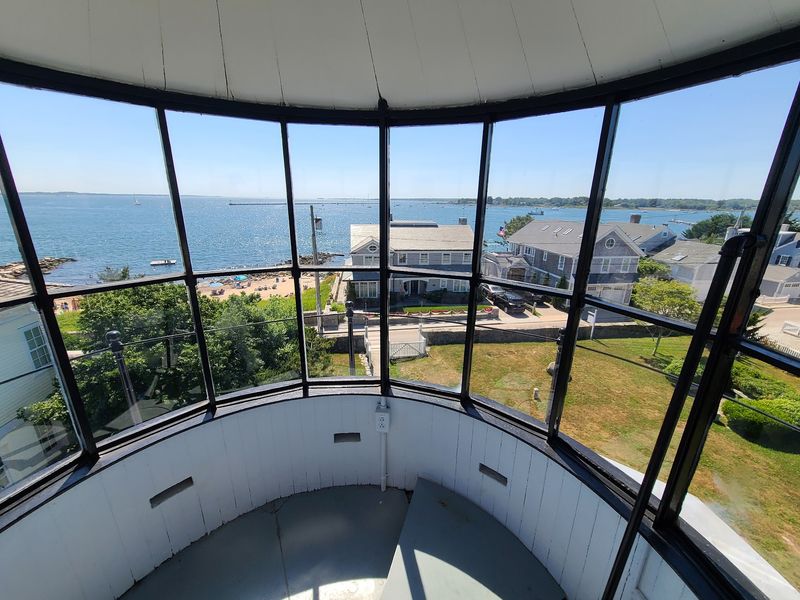
Here is the payoff that makes the ladder worthwhile. From the lantern room, the horizon spreads out in three directions and covers three different states without you moving your feet.
To the west runs the Connecticut coastline, low and green where it meets the sound. Turn east and you are looking at Watch Hill and Napatree Point in Rhode Island, a sandy arm reaching out into the water.
Face south and Fishers Island, New York, sits across the sound, with open water stretching beyond it. The layers of land, water, and sky stack up in a way that photographs never quite capture.
Boats slide past below, and on breezy days you can watch sails tilt across the channel. Visitors frequently call the view the highlight of the whole stop, which says a lot for a museum full of interesting objects.
Clear days obviously give the best results, so if you have flexibility, check the sky before you drive out. Morning light tends to be softer for looking east, while late afternoon warms up the shore.
Give yourself a few extra minutes up there. Three states at once does not happen often.
6. A Gabled Roof Added After Early Leaks
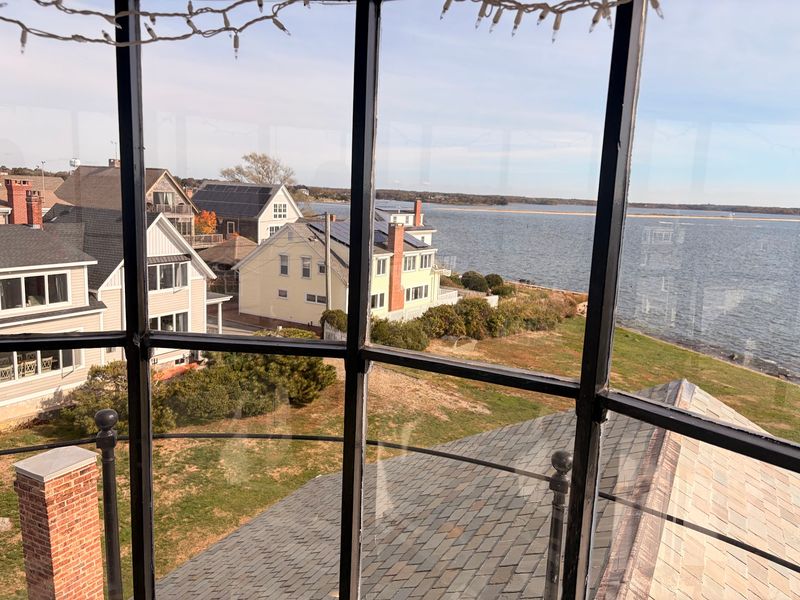
Not every design choice works out, even on a building this solid. When the lighthouse went up in 1840, it wore a nearly flat roof topped with simulated battlements, a look that gave it the air of a tiny stone fort.
The battlements were handsome. The roof was not watertight.
Rain found its way in, and the leaking became enough of a problem that something had to change. Two years later, in 1842, local craftsmen were brought in to install a gabled roof over the structure.
That pitched roof is the one you see today, still doing its job after roughly 180 years. It solved the leaks and gave the building the shape most visitors now picture when they think of the Stonington light.
Small stories like this one make old buildings feel human. Someone made a decision, it did not quite work, and someone else fixed it with a practical solution that outlasted them both.
When you stand outside, take a moment to picture the original flat top with its fake castle notches. The building would have looked noticeably different, and arguably far less charming than the version that survived.
7. Local Seafaring History Inside The Museum
A cannonball stuck in a hearthstone. That single object tells you plenty about what waits inside these thick granite walls.
The exhibits trace Stonington’s maritime and farming past through the belongings of the people who lived it: sailors, farmers, sea captains, explorers, and business owners. Rooms are small and the collection is compact, which visitors often appreciate because nothing feels overwhelming.
Locally made stoneware sits alongside objects from the China trade that Stonington captains carried home from the other side of the world. Portraits of townspeople from the 1700s and 1800s watch from the walls, putting faces to the names in the labels.
The defense of the village gets its own attention. That cannonball, lodged in a hearthstone during the 1814 British attack, shares space with a rare Congreve rocket fired on the town by the Royal Navy.
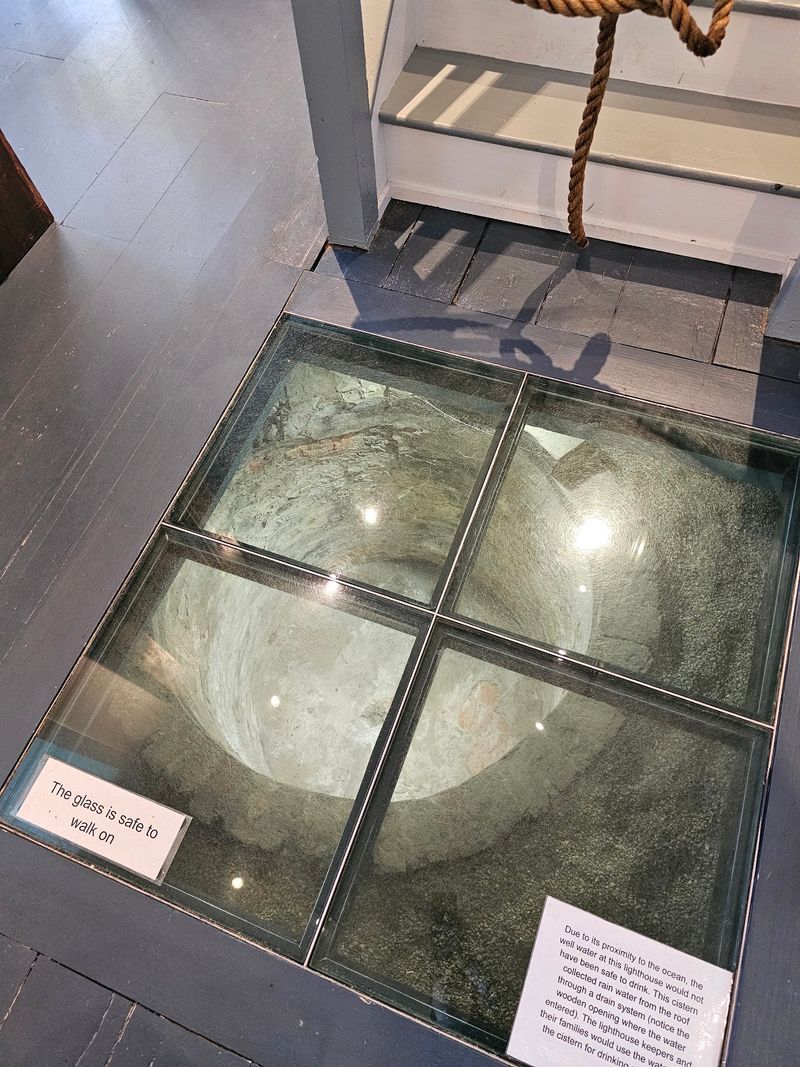
A cistern set beneath glass in the main hallway floor draws a lot of comments, a reminder that this was once a working home with practical needs.
Staff here are widely described as knowledgeable and generous with stories, so ask questions. The objects are interesting on their own, but the context turns them into something memorable.
8. Watch Hill Beyond The Grassy Grounds
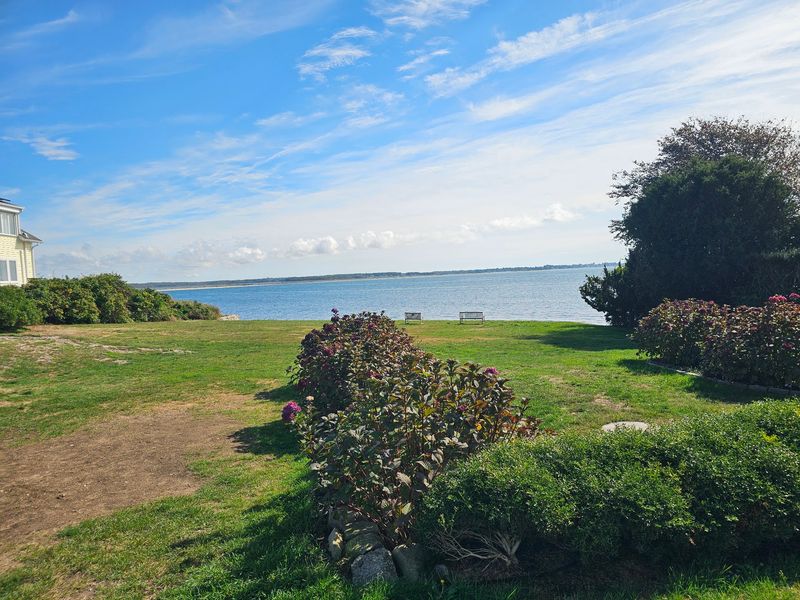
Some of the best moments here cost nothing at all. The grassy lawn wrapping around the lighthouse is open and inviting, with room to spread out, sit down, and watch the water do its thing.
Look across Little Narragansett Bay from the grass and you will spot Watch Hill and Napatree Point in Rhode Island on the far shore. It is the same view you get from the tower, just at eye level and with more time to enjoy it.
Perennial borders along the grounds are cared for by the Stonington Garden Club, which adds color through the growing season. The plantings soften the granite and make the whole setting feel looked after.
The lawn also hosts events through the year, including galas, concerts, holiday gatherings, and private celebrations. On ordinary days it simply belongs to whoever wanders down.
Picnic tables and benches near the parking area make this an easy place to eat lunch with a sea breeze. Families often pair the stop with the small beach nearby.
Worth knowing: the museum keeps seasonal hours, so check before you go if you want to climb the tower.