A Connecticut Natural Playground Where Trails And Woodland Play Replace The Usual Plastic Playsets
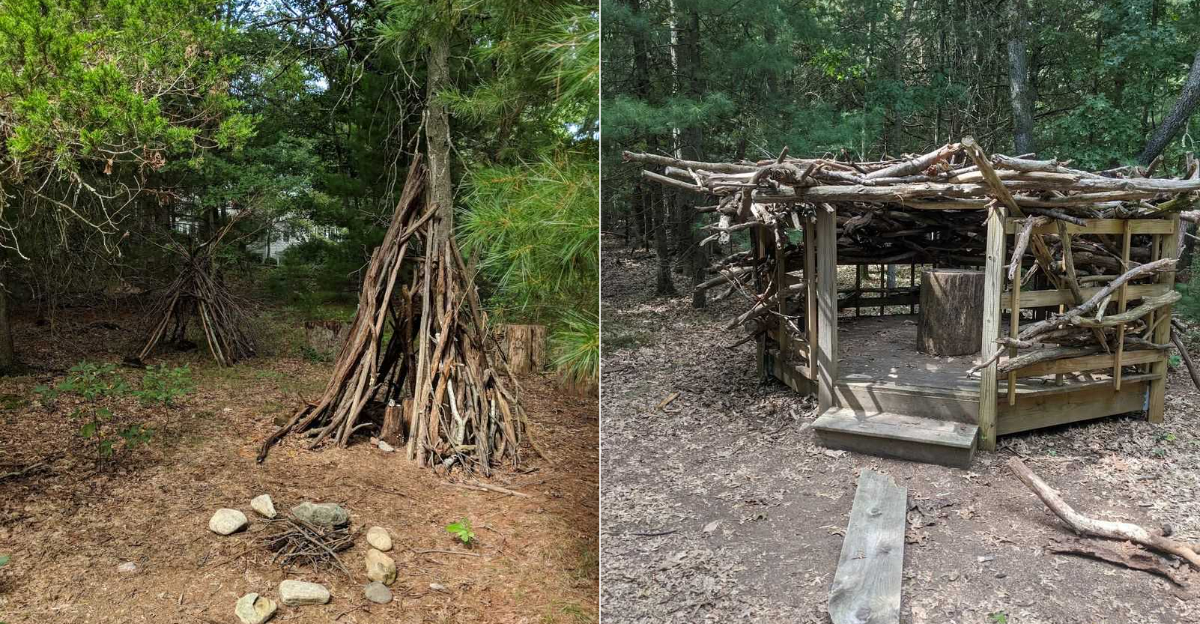
Playgrounds get far more interesting when the woods are allowed to do some of the work.
Instead of bright plastic equipment taking over the scene, kids get logs and trails to explore at their own speed. The play area was built with natural materials found on the preserve, creating room for hands-on fun that actually fits the landscape.
Parents may appreciate this Connecticut spot just as much because the whole outing feels refreshingly different from a standard playground.
There is space for climbing and fort building, but the setting keeps everything grounded in nature. A family trail extends the adventure beyond the play area, so curious kids can keep moving without the day feeling overly structured.
That loose, outdoorsy setup is really the charm. Nobody needs flashing lights or giant plastic slides here.
Sometimes a pile of sticks and a little imagination can beat the fanciest playground in town.
1. Where The Forest Itself Becomes The Playground
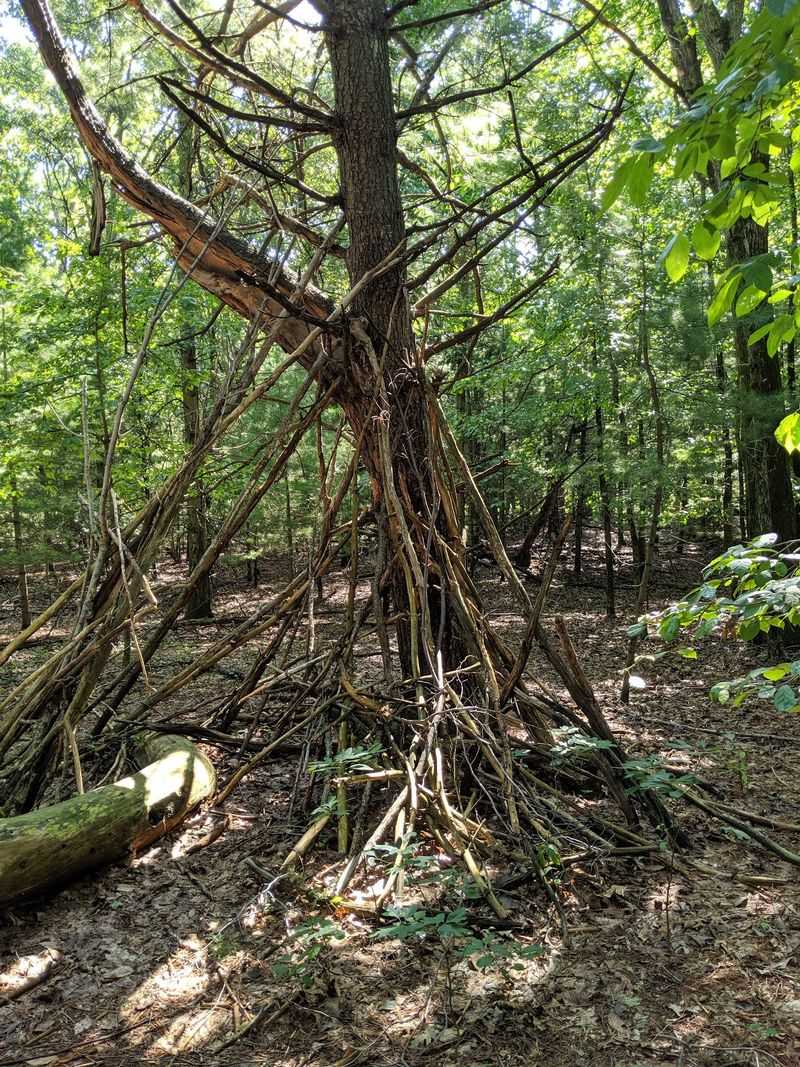
Forget the metal monkey bars and rubber mulch. At the Leonard Schine Preserve in Westport, the forest floor is the playground, and every tree root and mossy patch becomes an invitation to explore.
Children arriving here quickly shift into a different mode of play, one that is slower, more curious, and entirely led by what the woods offer on any given day.
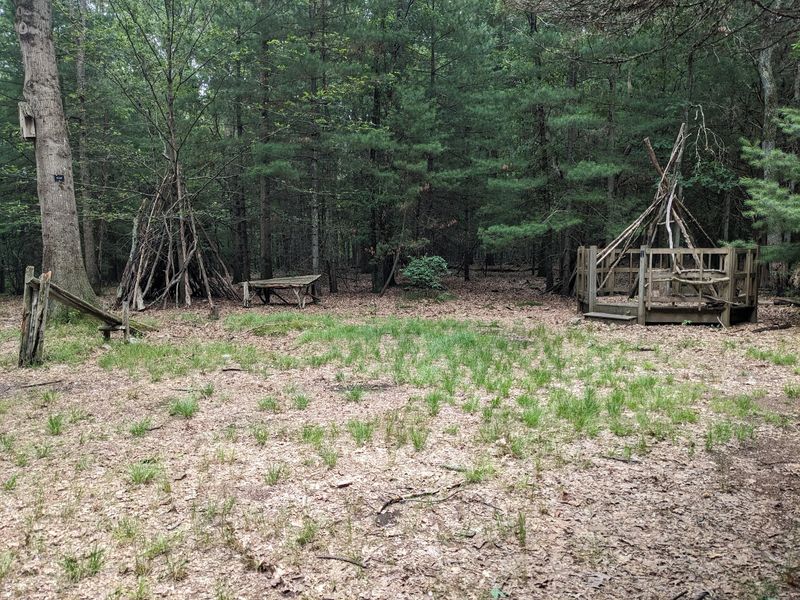
The natural play area spans roughly 10,000 square feet within a serene meadow setting, giving children room to roam without feeling crowded. Fallen branches invite fort-building, open patches of earth encourage digging, and sturdy logs serve as balance beams for developing coordination.
An elvin village nestled in a tree adds a whimsical layer to the experience, sparking storytelling and imaginative play that manufactured equipment rarely inspires.
Stick-stacking, leaf collage-making, and quiet tea parties on mossy ground all emerge naturally from the environment itself. Each visit tends to feel different from the last, as the seasons shift the landscape and change what children discover.
The preserve is open from dawn to dusk, making it accessible for morning adventures or late-afternoon wind-downs alike.
2. Natural Materials Replace Bright Plastic Equipment
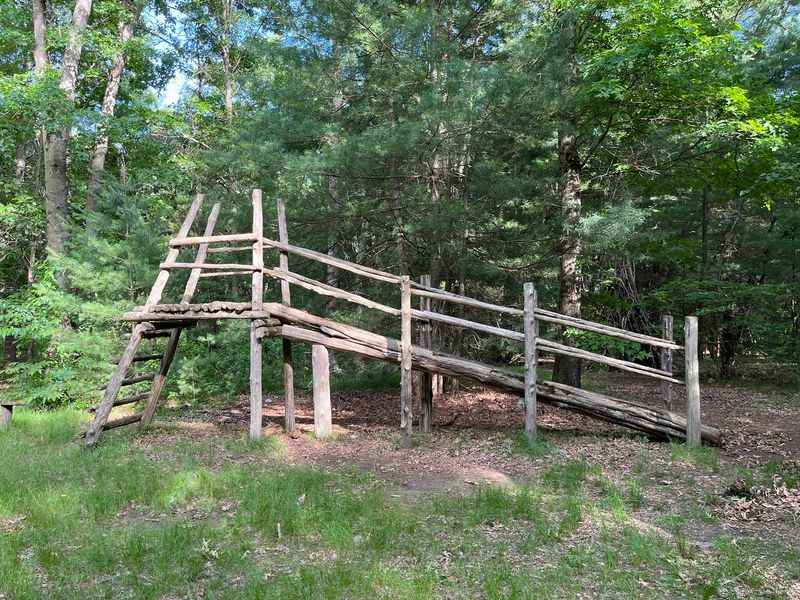
Natural textures change the entire feel of play at Leonard Schine Preserve, where children climb, build, dig, and explore without relying on conventional playground equipment.
The approximately 10,000-square-foot natural playground opened in 2010 and was designed especially for younger children, with the surrounding landscape shaping nearly every part of the experience.
Red cedar native to the preserve forms many of the structures. Volunteers have also gathered logs and saplings from natural sources, while smaller materials such as pine cones and acorns become objects children can move around and incorporate into their own games.
Rather than directing every activity, the space encourages kids to invent what happens next.
Different areas invite fort building or climbing, and children can follow trails that extend the adventure beyond the main play space.
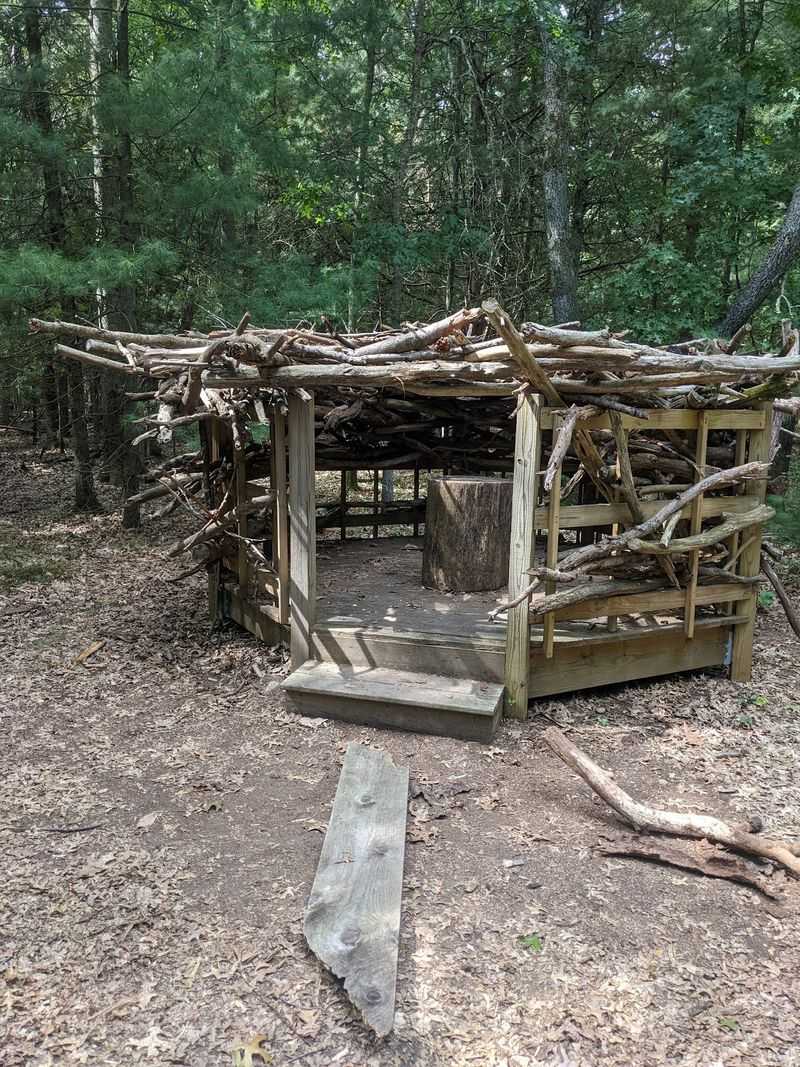
An imaginative miniature village adds another playful detail, while a giant bird’s nest and vine-covered bear den make the setting feel wonderfully unconventional.
Everything works closely with the surrounding woods instead of competing with them. The irregular wood shapes and constantly changing loose materials mean one visit may never unfold exactly like another.
Parents can explore alongside younger children while letting curiosity determine the pace, creating a play experience that feels connected to the preserve itself.
3. The Playground Was Built For Young Explorers
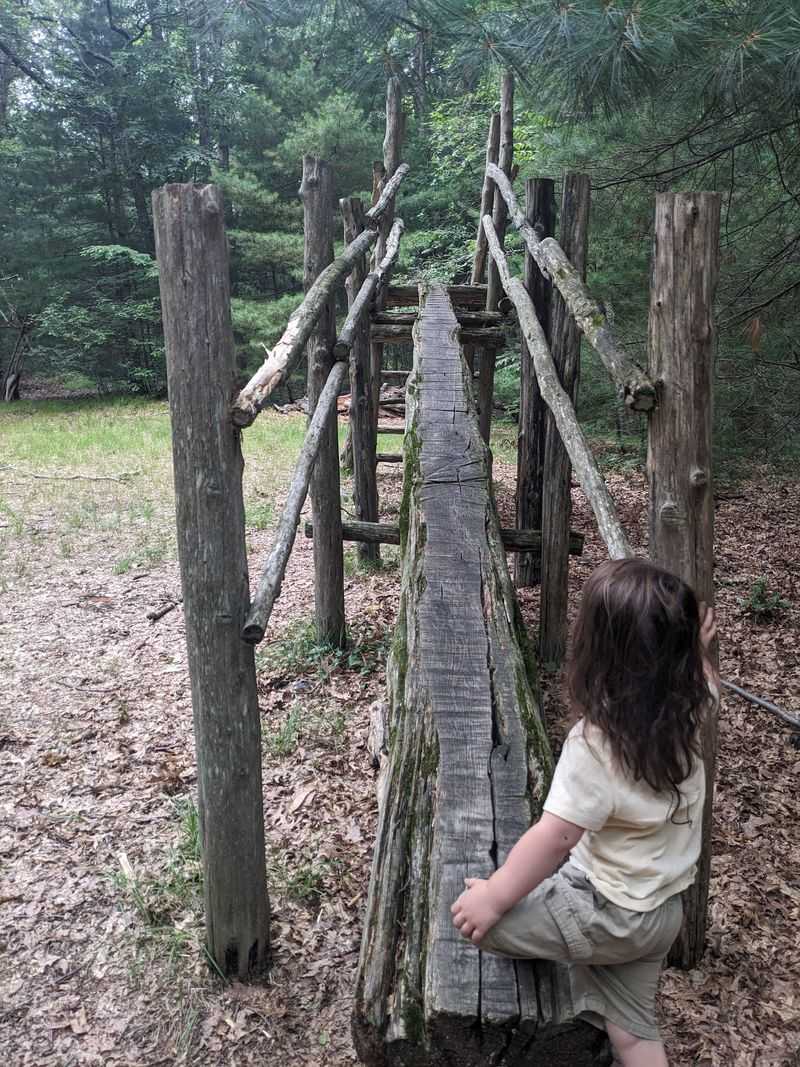
Children between the ages of three and seven tend to thrive in spaces that invite open-ended discovery rather than structured activity, and the Leonard Schine Preserve was designed with exactly that age group in mind.
The layout encourages children to lead their own play, choosing their own pace and direction rather than following a predetermined course.
Fine motor skills get a quiet workout through activities like arranging pine cone dolls in the elvin village or stacking sticks into small sculptures. Gross motor skills develop through climbing, balancing on logs, and navigating the uneven terrain of the forest floor.
Neither activity requires instruction, because the environment itself guides children toward engagement in the most natural way possible.
The goal behind the playground’s design is to connect children’s hearts, minds, and imaginations to the natural world in a meaningful and lasting way.
For very young visitors, the terrain can include roots, stones, and uneven ground, so wearing sturdy footwear makes a real difference in comfort and safety.
Bringing along a simple change of clothes is also a smart move, since digging and exploring tend to leave their marks on little adventurers by the time the visit wraps up.
4. A Minnesota Arboretum Inspired The Original Design
Good ideas travel well, and the concept behind the Leonard Schine Preserve’s natural playground found its spark far from the state.
The original design drew direct inspiration from the Green Play Yards at the Minnesota Landscape Arboretum, a renowned horticultural destination located in Chaska, Minnesota.
The Minnesota Landscape Arboretum manages extensive acreage filled with gardens, plant collections, and dedicated nature play spaces designed for children from infancy through age five.
Its Green Play Yards are divided into zones that serve different developmental stages, offering sensory-rich areas for infants, nature pathways for toddlers, and imaginative structures for preschoolers.
The underlying philosophy centers on making nature play a natural part of daily childhood experience rather than a special occasion.
Bringing that philosophy to Westport meant adapting it to the specific landscape and native materials of a Connecticut woodland preserve. The result is a space that shares the same core values as its midwestern inspiration while feeling entirely rooted in its own environment.
Knowing this connection adds an interesting layer to any visit, turning a simple afternoon outing into a small chapter within a larger, ongoing story about how communities across the country are rethinking what a playground can and should be.
5. The Family Nature Trail Extends The Adventure
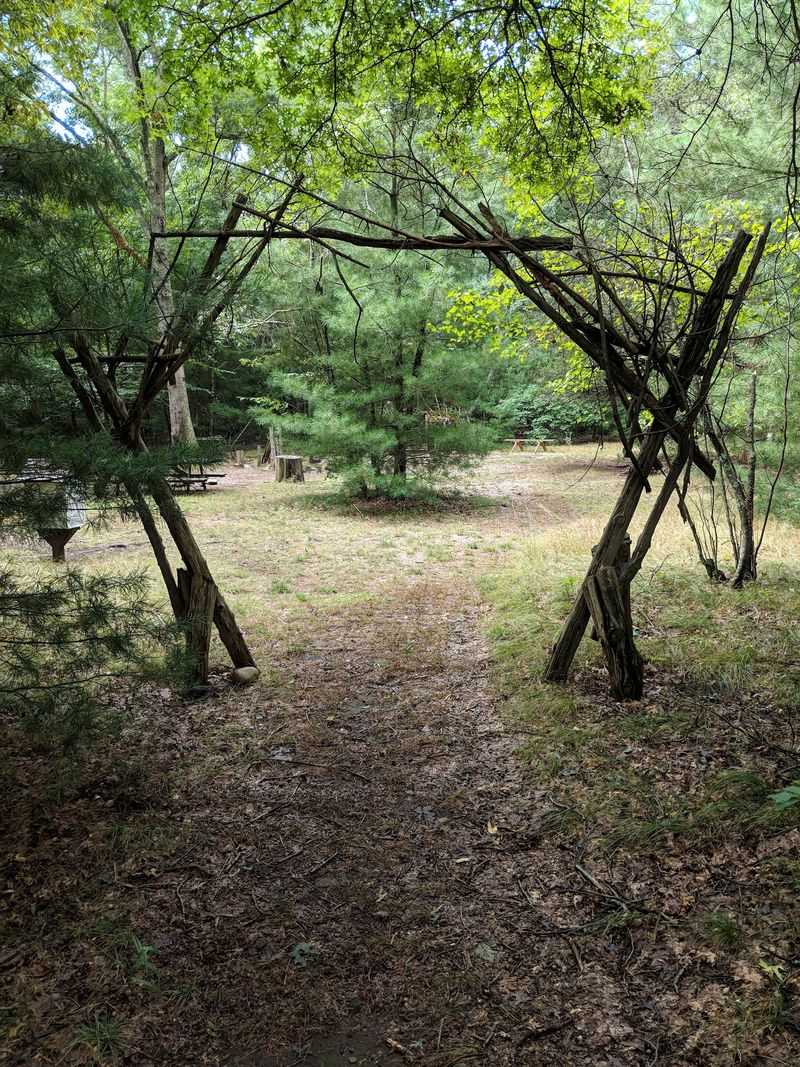
Once the playground has been thoroughly explored, the adventure does not have to end. The Family Nature Trail at the Leonard Schine Preserve officially opened in June 2016, adding a guided outdoor journey that complements the free play area beautifully.
Designed specifically for families, the trail introduces visitors to the ecological features found across Fairfield County’s diverse landscape.
Acorn trail markers affixed to trees serve as guides along the path, giving children a sense of purpose and direction as they move through different sections of the preserve.
Maps are available from a designated box at the trailhead, and visitors are encouraged to return them after their walk, keeping the system running smoothly for the next family.
The trail connects naturally with the playground area, so families can move fluidly between structured exploration and open-ended play throughout their visit.
Pacing along this trail tends to be leisurely rather than demanding, making it approachable for younger children who are still building their endurance for longer walks.
Wearing bug spray and performing tick checks after the visit are strongly recommended, as the preserve sits within a wooded environment where ticks are a common seasonal concern.
Closed-toe shoes with good grip will serve young hikers far better than sandals on the rooted, sometimes uneven ground.
6. Woodland Surprises Keep Kids Looking Ahead
Curiosity is one of the most powerful engines of childhood learning, and the trails at the Leonard Schine Preserve are deliberately designed to keep that engine running.
Rather than revealing everything at once, the paths unfold gradually, offering what the preserve describes as little surprises positioned throughout the route.
A bear’s den crafted from woven grapevines invites children to step inside and experience the cozy, enclosed feeling of a woodland shelter.
Nearby, a giant bird’s nest large enough for children to enter provides a hands-on way to understand scale in nature, and loose sticks are available for adding to the nest’s construction.
The elfin village built into a tree adds another playful touch, creating a special space for imaginative play that children often revisit during the same trip.
Beyond these constructed features, the preserve holds genuine geological interest. Glacial kettles, depressions formed thousands of years ago when buried ice blocks slowly melted, are visible in the eastern portion of the property.
Pointing these out to children transforms a walk into a quiet history lesson, connecting the landscape underfoot to processes that unfolded long before any playground or trail existed here.
7. Educational Signs Add Discovery Along The Trails
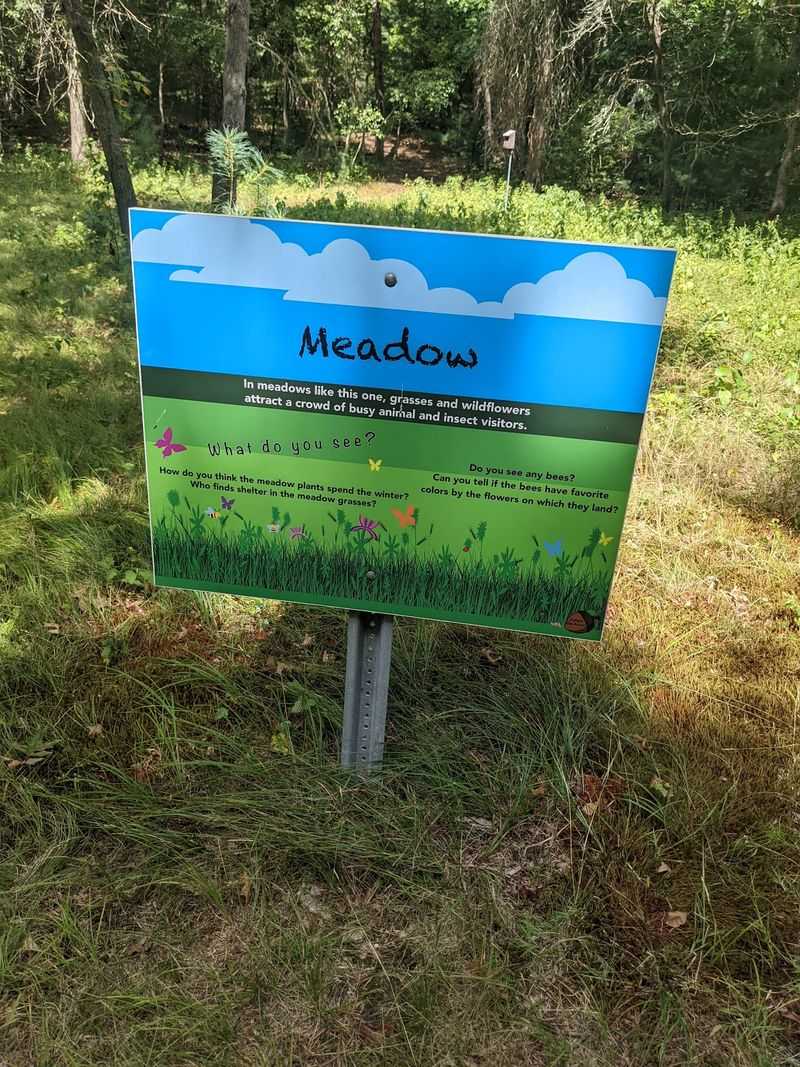
Learning does not always happen in a classroom, and the Leonard Schine Preserve makes a convincing case for the forest as a perfectly capable teacher.
Ten larger interpretive signs are placed at thoughtful intervals along the Family Nature Trail, each one offering context and explanation for the natural features surrounding visitors at that specific point.
Topics covered by the signs span a wide range of ecological themes. A welcoming sign greets visitors at the start, while subsequent panels explain the meadow environment, the woodland floor, and specific tree species including pitch pine and sassafras.
Deeper into the trail, signs address woodland succession, nutrient cycling, tree bark identification, and the characteristics of upland wetland habitats.
A closing sign near the end of the route provides a reflective finish to the educational journey, giving children and adults alike a moment to absorb what they have observed.
The language on these signs is designed to be accessible rather than technical, making the information approachable for younger visitors without oversimplifying for older ones.
Parents who engage with the signs alongside their children often find that the questions sparked by those panels carry the conversation well beyond the trail itself, turning a short nature walk into a topic that resurfaces at the dinner table later that evening.
8. The Preserve Has Welcomed Play Since 2010
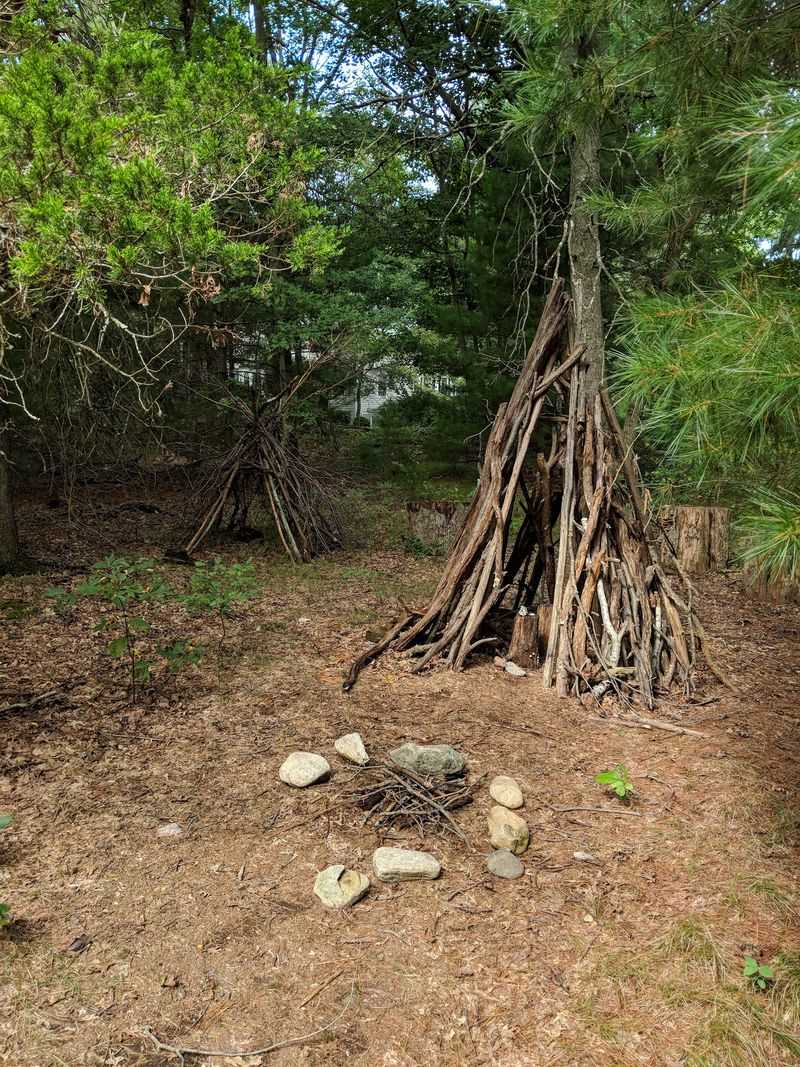
More than a decade of outdoor play has taken place within this quiet woodland, and the history behind the space adds warmth to every visit. The children’s natural playground opened to the public in June 2010, marking a meaningful expansion of the preserve’s purpose beyond conservation alone.
The broader Leonard Schine Preserve has deeper roots, originally established in 1967 as the Twin Bridges Nature Preserve following a generous twenty-acre land donation.
The preserve was renamed in 1983 to honor a foundational figure in the Aspetuck Land Trust, the organization that continues to manage the property today.
The Family Nature Trail followed years later, opening in June 2016 and rounding out the visitor experience with a guided educational component.
In 2015, the playground earned recognition as one of the Top 50 Playgrounds in the U.S. by Early Childhood Education Zone, a distinction that reflects its thoughtful and distinctive approach to children’s outdoor recreation.
Finding the preserve requires a bit of attention. Visitors should turn off Weston Road, also known as Route 57, onto Glendinning Place and proceed approximately 150 to 300 feet, looking for a preserve sign on the right side where roadside parking is available in front of wooden guard rails.
The preserve is open from dawn to dusk throughout the year.