A Creepy Ghost Town Is Hidden In Michigan And It Feels Straight Out Of A Horror Movie
I have visited plenty of strange places in Michigan, but nothing prepared me for this one. My hands were shaking by the time I got back to the car.
Not from the cold. From the silence.
Empty buildings still stand where a busy community once thrived. Doors hang open.
Windows stare back at you like hollow eyes. Locals told me stories that kept me up that night, and I consider myself hard to scare.
The past here did not fade quietly. It lingers in every rotting beam and every overgrown path.
Horror movies borrow from places like this for a reason. Michigan holds many secrets, but few feel this heavy.
Here is what remains of Pere Cheney today, where to find it, and the history and legends that continue to draw curious visitors.
The Town That Time Forgot
A whole town vanished, and almost nobody noticed. Pere Cheney, Michigan, was once a thriving lumber community founded in 1874 by George Cheney in Crawford County.
It had a sawmill, a general store, a hotel, and even a post office.
The Michigan Central Railroad ran right through it. At its peak, around 1,500 people called this place home.
That is a real, breathing community with families, kids, and weekend plans.
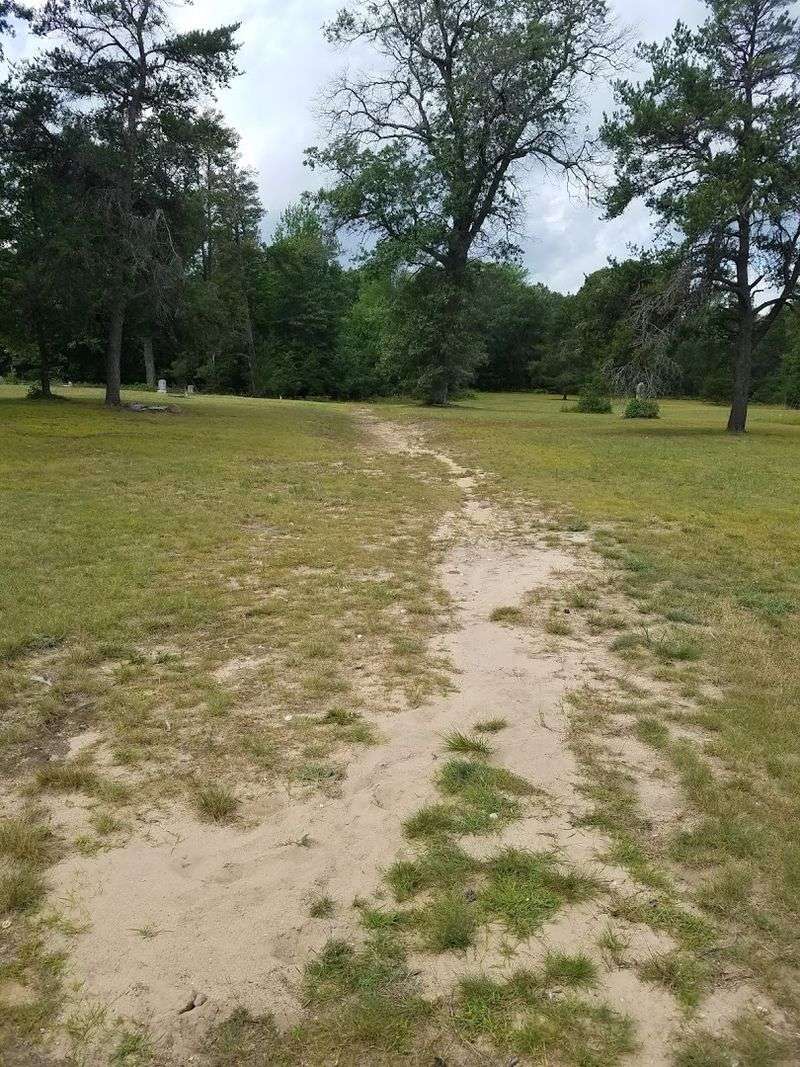
Today, you would never guess any of it existed. The land is now a thick, heavily wooded area with moss blanketing the ground.
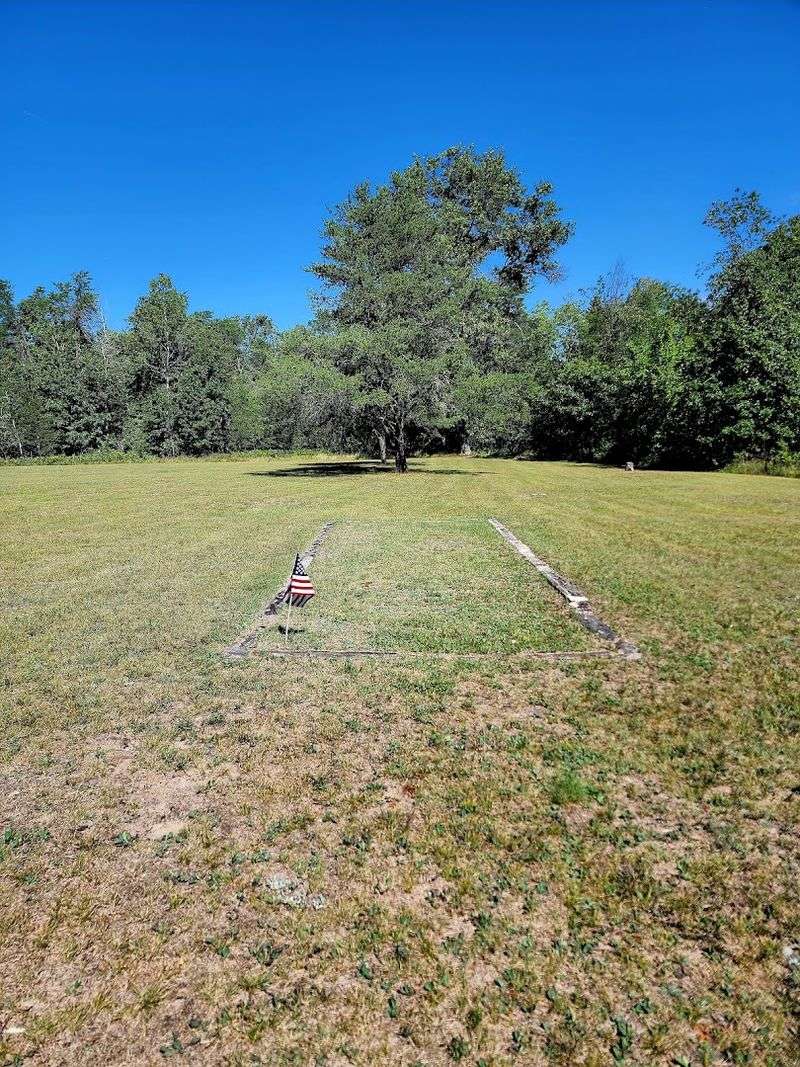
Faint depressions in the earth are the only clues that buildings once stood there.
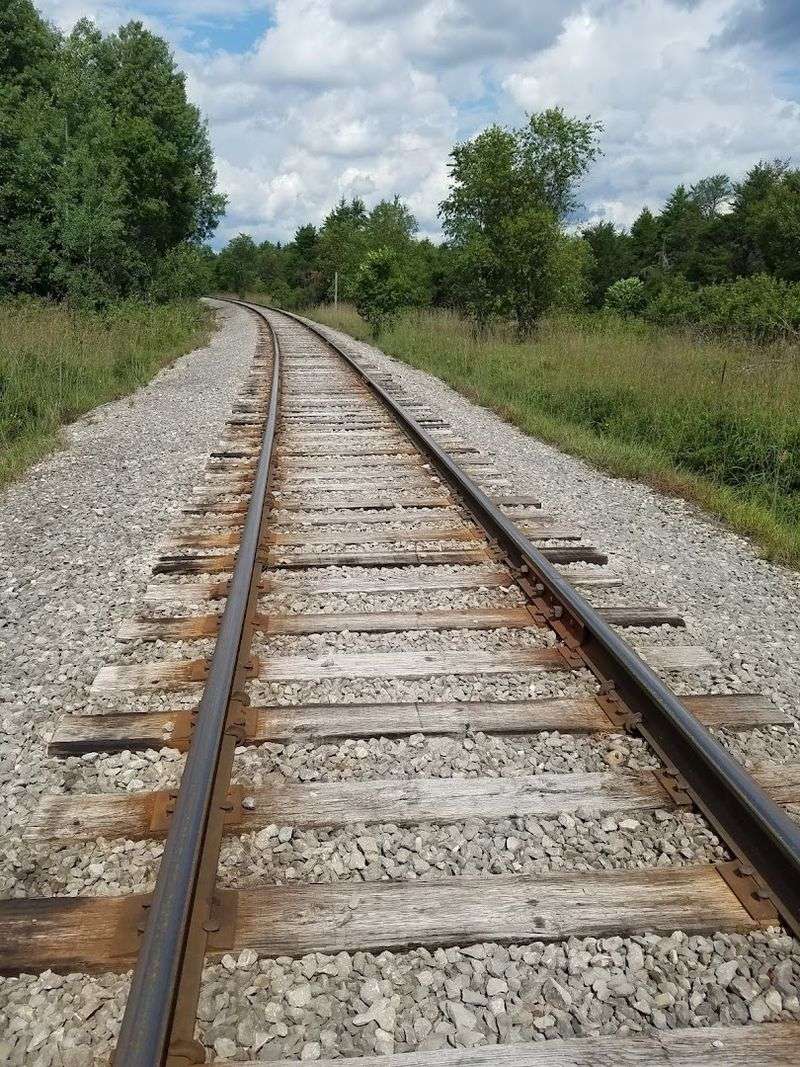
Active railroad tracks still cut through the area, which feels surreal against the silence. Standing there, you can almost hear the echo of a town that simply stopped.
The address is Beaver Creek Township, MI 48653, deep in Crawford County near Grayling.
How A Booming Lumber Town Fell Apart
Lumber towns burned fast and bright in 19th-century Michigan. Pere Cheney was no different.
The sawmill drove everything, pulling workers and families into the woods with promises of steady work.
Business was good, the railroad connected them to the outside world, and the future looked solid. Then everything started cracking at once.
A brutal diphtheria outbreak hit in 1893 and tore through the population.
Fires, likely sparked by the mills themselves, destroyed much of what was left. Disease returned again in 1897, hitting an already weakened community even harder.
By 1901, only 25 residents remained in the entire town.
By 1917, fewer than 20 people were still there. The post office shut down in 1912.
The land went to public auction, and Pere Cheney was officially abandoned.
It is a classic story of boom and bust, but the speed of the collapse makes it feel almost intentional. Some historians point to poor timing and bad luck.
Others, well, they point to something else entirely.
The Cemetery That Survived Everything
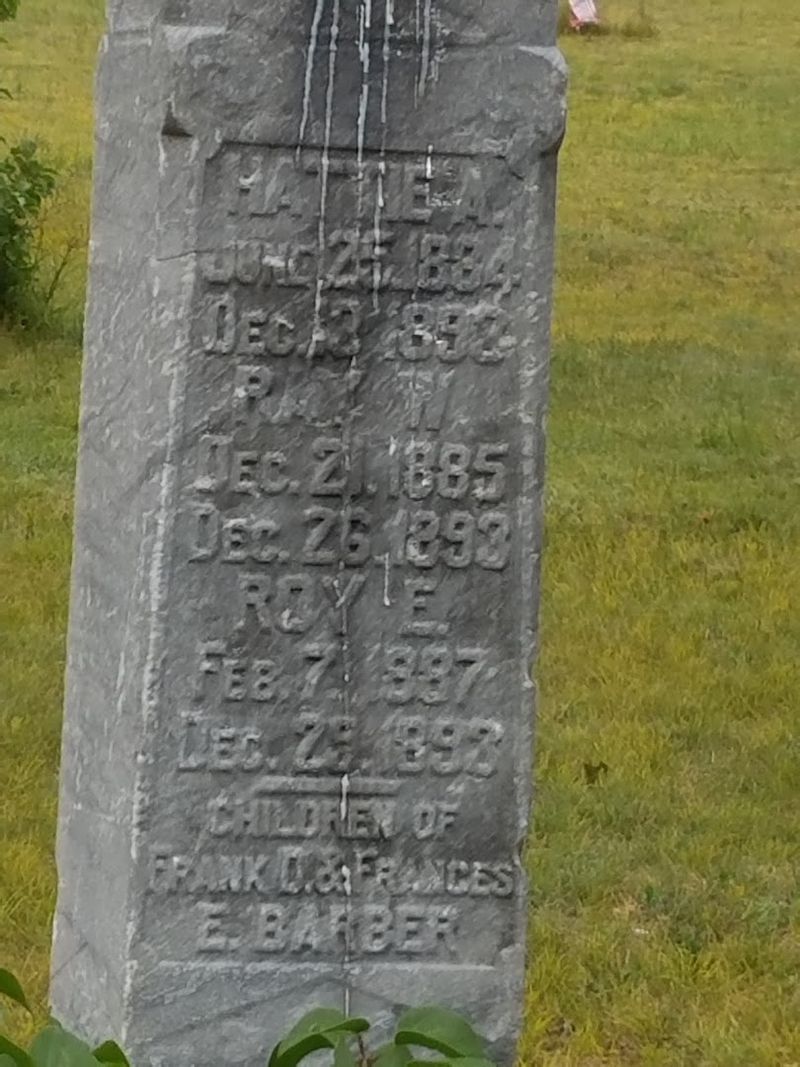
Cemeteries usually outlast the towns they belong to, and this one is proof. The Pere Cheney Cemetery is the only physical landmark left from the original settlement.
Everything else crumbled, burned, or disappeared into the trees.
It sits deep in the woods southeast of Grayling, accessible only by a narrow one-lane dirt road. Getting there requires a vehicle with decent clearance, especially after rain.
Cell service essentially disappears once you turn off the main road.
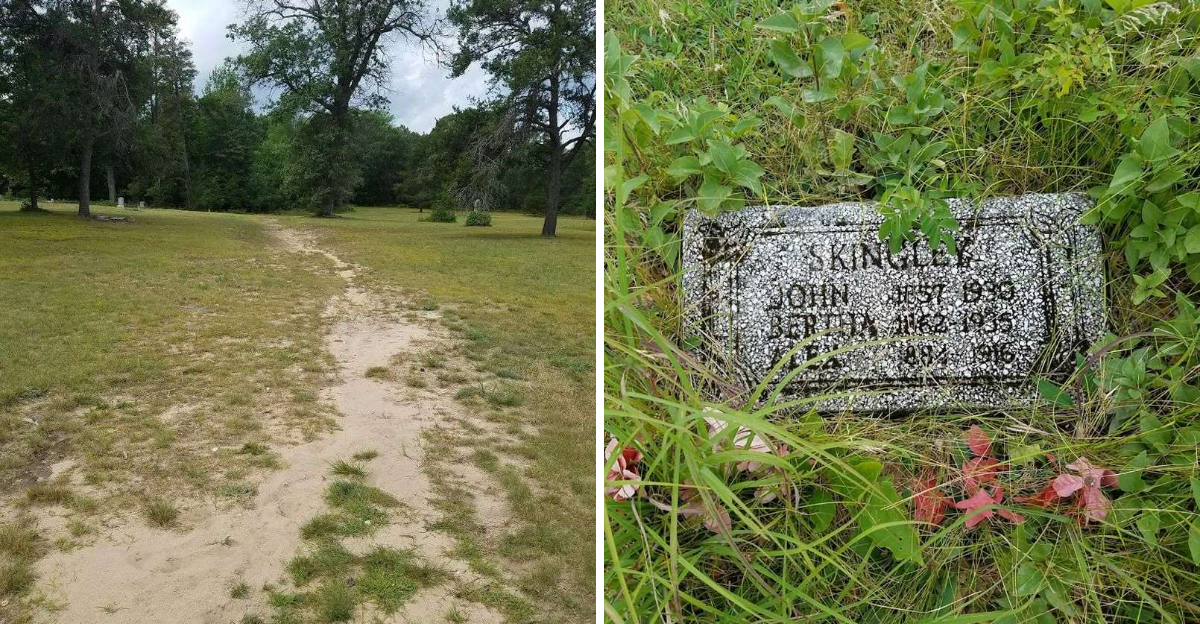
Inside, around 90 graves are spread across the clearing. Many belong to children, which adds a weight to the air that is hard to describe.
Broken and toppled headstones are scattered throughout, the result of years of neglect and vandalism.
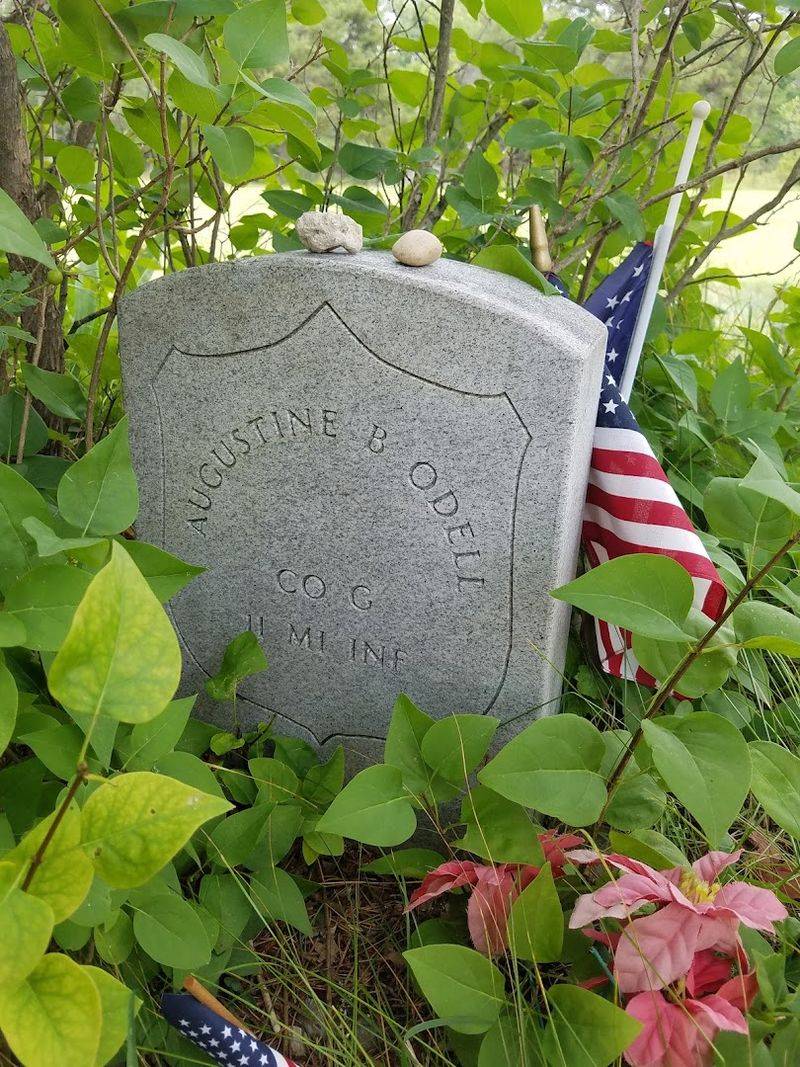
Some families marked graves using simple rocks because the original stones were stolen. Local volunteers now help maintain the site.
Wooden signs at the entrance ask visitors to be respectful, particularly after dark.
Beaver Creek Township officially owns and maintains the cemetery today. It is not perfectly preserved, but it is cared for.
And honestly, that makes it feel even more real.
Why So Many Children Are Buried Here
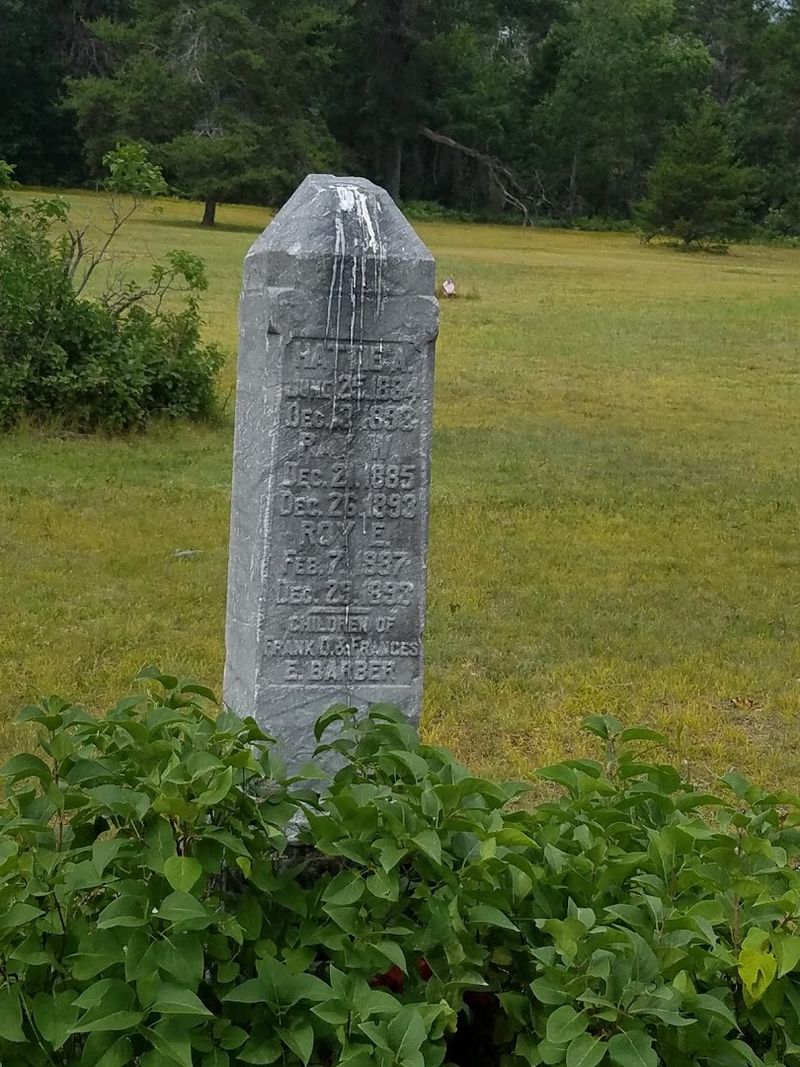
The sheer number of children buried here is what hits you first. Diphtheria was a brutal disease in the 19th century, and it targeted the young with terrifying efficiency.
Pere Cheney had no real defense against it.
Medical care in remote Michigan lumber towns was extremely limited. Families relied on each other and on whatever remedies they could manage.
When diphtheria swept through in 1893, children were the most vulnerable.
The 1897 outbreak made things worse. By that point, the community was already fractured and exhausted.
Families who had lost children once were losing more.
Walking through the cemetery and reading the dates on the smaller stones is genuinely sobering. Some markers show children who lived only a few years.
Others lived just months.
This is not a manufactured horror story. These are real people who lived, suffered, and were buried by grieving parents in a town that was already falling apart.
That historical reality is far more powerful than any ghost story. It gives the place a gravity that lingers long after you leave.
Paranormal Reports That Keep Piling Up
Ghost hunters have been visiting this spot for decades, and the reports never seem to stop. Some visitors have reported seeing apparitions drifting between the trees or strange figures that seem to vanish into the woods.
Glowing orbs have been photographed floating among the gravestones. People report disembodied voices echoing through the clearing.
Some claim to hear children laughing from somewhere deeper in the woods.
Perhaps the most unsettling report involves cars. Multiple visitors have returned to their vehicles to find unexplained handprints pressed into the dusty surfaces.
Nobody was near the cars. Nobody saw anything.
These accounts come from different people across different years. That consistency is what makes them interesting rather than dismissible.
Paranormal investigation groups have documented their visits online with photos and audio recordings. Some of the evidence is genuinely puzzling.
Others are easy to explain away. But the sheer volume of reports from this one small cemetery in the Michigan woods suggests that something about this place gets under your skin.
And sometimes, apparently, onto your car.
What The Drive Out There Actually Feels Like
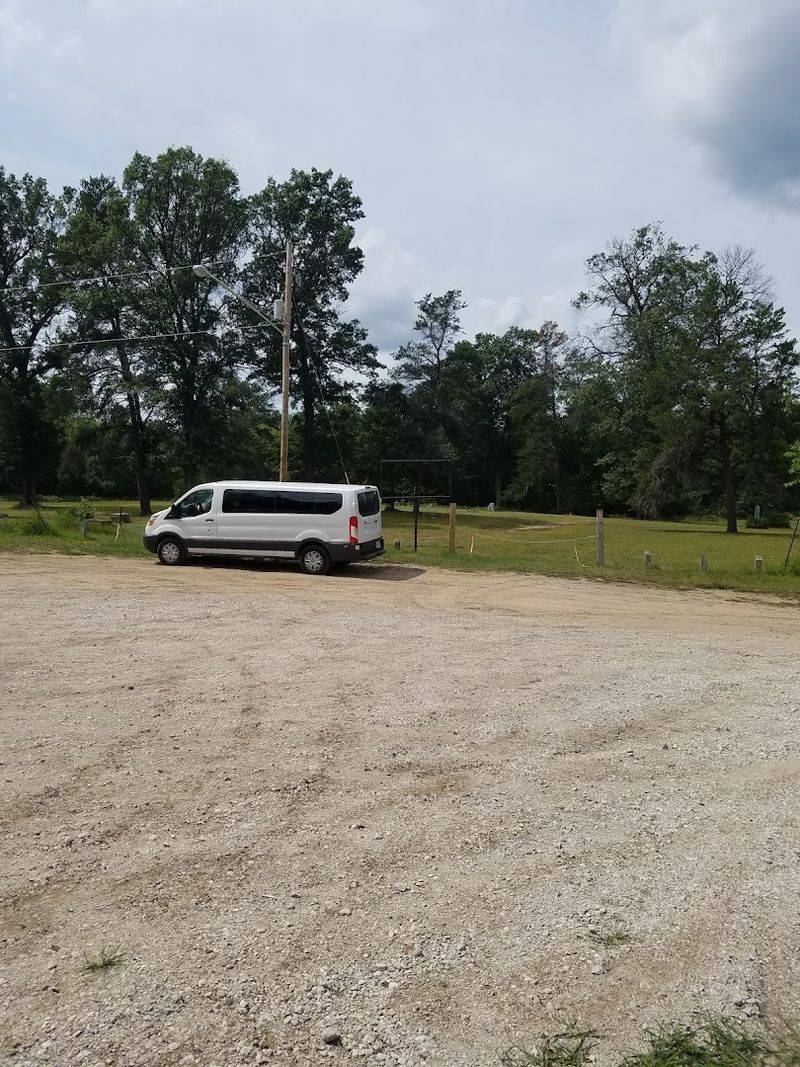
Getting to this place is half the experience. The drive from Grayling takes you off the main roads quickly.
Paved roads give way to gravel, and gravel gives way to a narrow two-track dirt road cutting through thick forest.
Tree branches close in overhead as you go deeper. The road is rough enough that a vehicle with decent ground clearance makes the trip much less stressful.
After rain, parts of the road can get genuinely tricky.
Cell service fades out well before you arrive. That means no GPS updates, no quick searches, and no calling for help if something goes wrong.
Planning ahead is not optional here, it is necessary.
The isolation is part of what makes the visit memorable. You are not pulling into a parking lot or following a tour group.
You are navigating actual wilderness to reach a forgotten cemetery.
When you finally step out of the car and hear nothing but wind and birds, the atmosphere hits immediately. It does not feel like a tourist destination.
It feels like a place that was not meant to be found again. That feeling does not go away once you are standing among the graves.
Respecting A Place With Real History
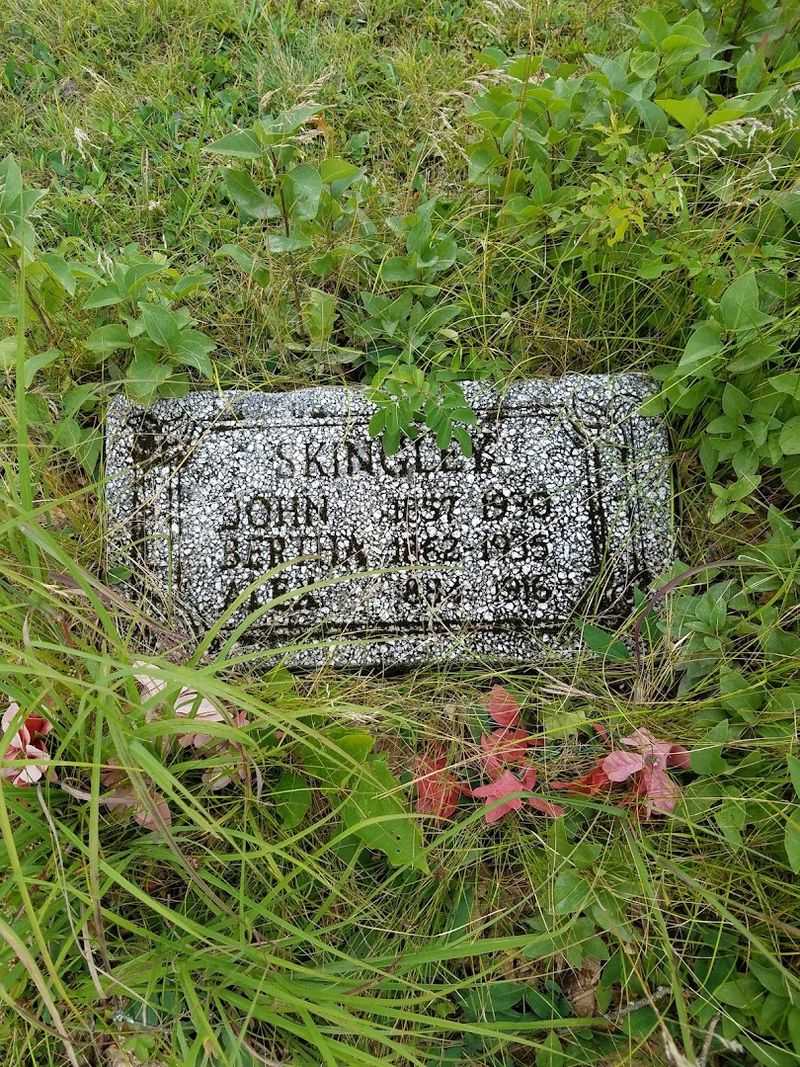
Not every creepy place deserves to be treated like a theme park. Pere Cheney Cemetery has real graves, real history, and real families connected to the people buried there.
That matters more than the ghost stories.
Vandalism has already damaged many of the headstones. Some have been broken deliberately.
Others were stolen entirely, which is why certain graves are marked only with rocks placed by family members.
Wooden signs at the entrance specifically ask visitors to behave respectfully, especially after dark. That request exists because not everyone who visits does so with good intentions.
Late-night visits have caused damage in the past.
Beaver Creek Township maintains the site with help from local volunteers who clearly care about preserving what is left. Their work keeps the cemetery accessible to the public.
Without them, the remaining markers would disappear into the undergrowth.
If you visit, treat it like any other historic cemetery. Do not touch the stones.
Do not leave trash. Do not go looking for a scare at the expense of the site itself.
The history here is genuinely worth preserving. The real story is more compelling than any legend could ever be.
Why This Place Sticks With You Long After You Leave
Some places fade from memory the moment you drive away. This one does not work like that.
The combination of real tragedy, genuine isolation, and layered folklore creates something that sits in your mind for days.
It is not just the ghost stories. It is the fact that a real community of 1,500 people completely disappeared within a few decades.
Real children are buried in that clearing. Real families walked away from everything they built.
The witch legend adds color, but the historical record is what gives this place its actual weight. You can look up the facts.
The diphtheria outbreaks happened. The fires happened.
The population collapse was real and documented.
Standing in a quiet forest clearing where a town once stood, surrounded by mossy ground and broken gravestones, puts history into perspective in a way that no textbook ever could. The silence feels loaded.
Michigan has plenty of interesting historical sites, but few of them carry this particular combination of documented tragedy and persistent mystery. Pere Cheney earns its reputation honestly.
Visit it with curiosity, leave it with respect, and expect to think about it for a while after you get home.