A Georgia Man Built Himself A Stone Castle In The Middle Of Atlanta More Than A Century Ago
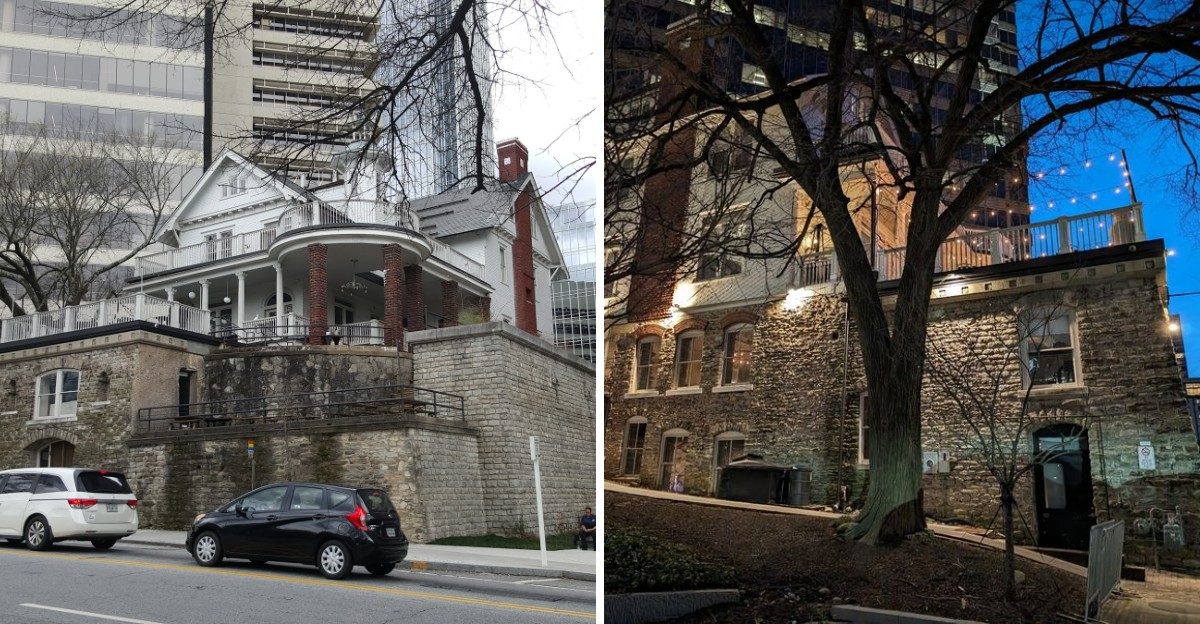
Cannon mouths poke out of a granite wall on a busy city street, and the man who put them there wanted roses growing from them. I love that detail more than I probably should.
The builder was a wealthy inventor and farm supplier who called his retirement home Fort Peace. He designed it as half ship and half fortress.
Then he kept tinkering with it for years after the main house was done.
Today, glass towers rise all around it in the heart of Georgia’s biggest city. The stone walls have outlasted theater troupes, painters, poets, and a famous coffee shop.
I can’t imagine a stranger survivor in a neighborhood this modern.
A Retired Inventor Decided His House Needed Cannons
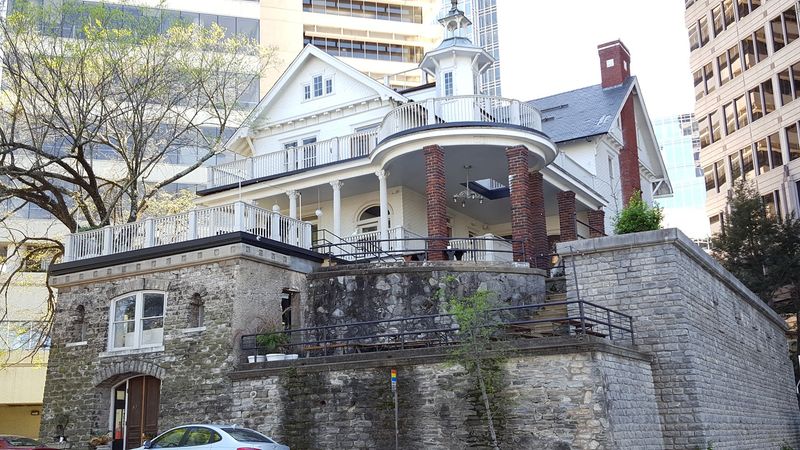
Most people retire with a garden and a hammock. Ferdinand Dallas McMillan retired with a granite fortress.
The building is officially called The Castle, and it sits in Midtown Atlanta, Georgia. McMillan, though, named it Fort Peace.
He was a wealthy agricultural supplier, an inventor, and a Civil War veteran.
Work on the house began by early March 1909. The main structure was mostly finished by the end of 1910.
That puts its stone walls well past the century mark.
McMillan didn’t stop there. He was known as a consummate putterer, which is a polite way of saying he couldn’t leave anything alone.
He kept refining the building and its grounds for years after it was done.
I like that his retirement project never really retired. Plenty of people dream about building something wild.
He actually did it, then kept fiddling with the details like a kid with a favorite model kit.
Keep that spirit in mind as you learn more. Almost every odd feature here traces back to one man who clearly enjoyed doing things his own way.
That personality is baked right into the stone.
Half Ship, Half Fortress, And Fully Unbothered By Normal
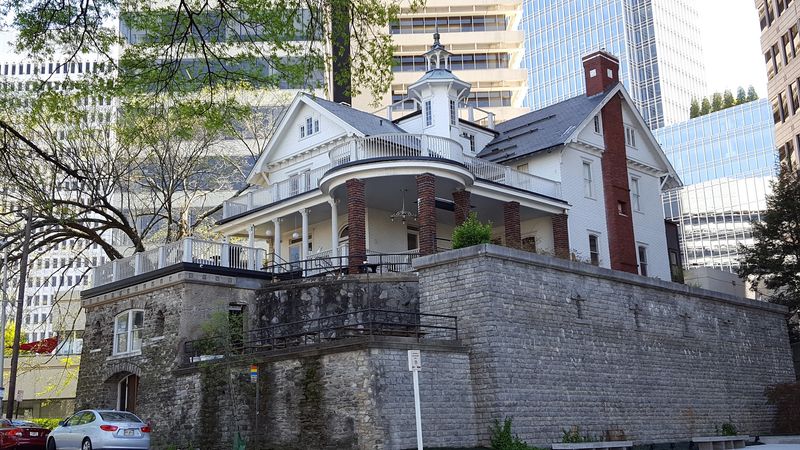
Ships and forts don’t usually share a floor plan. McMillan blended them anyway, designing his home as a curious hybrid of the two.
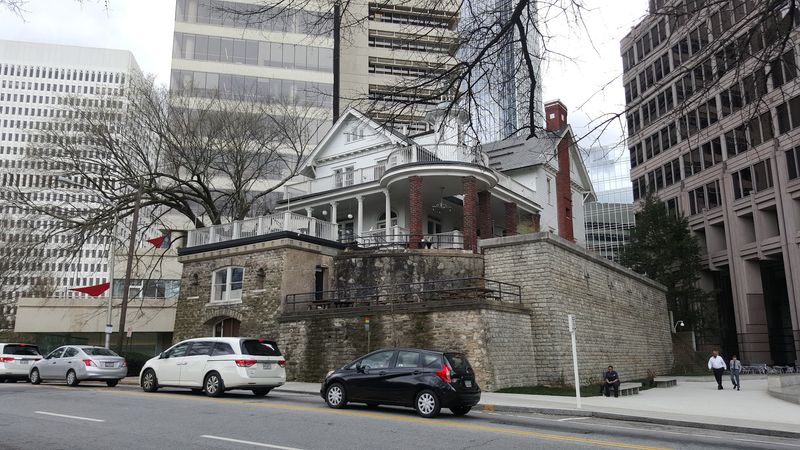
The star of the show is the big granite wall running along 15th Street. It works as a retaining wall.
It also encloses the lower two levels of the house.
Then come the cannons. Well, the mouths of cannon, poking out from the high stone wall.
That’s a bold choice for a quiet residential street in the early 1900s.
Here’s the sweet twist. McMillan reportedly wanted roses to grow out of those cannon barrels.
Weapons turned into flower pots feels very on brand for a place he called Fort Peace.
The building rises five stories in total. The outside is covered in shaped asbestos shingles, considered an early and fine example of that material.
A granite pediment adds even more old-world drama.
Stand across the street and look up if you visit the area. The mix of stone, shingles, and height makes the whole thing feel like a ship that ran aground in a fortress.
Somehow, it works.
Marble Rabbits Once Saluted A Famous Neighbor
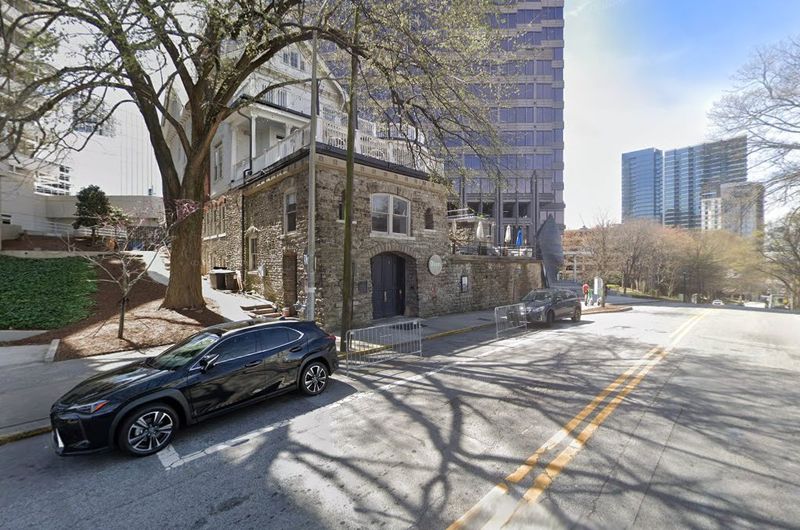
Two tiny niches on the 15th Street side tell one of the sweetest stories about this building. They once held carved marble rabbits.
Those rabbits honored McMillan’s neighbor and friend, Joel Chandler Harris. Harris was the author behind the Uncle Remus stories.
A stone-and-cannon fortress with bunny tributes? That’s a delightful mix.
Below them, to the left of the main entrance, sat another small niche. It held the Uncle Remus spring, a public drinking fountain for people walking by.
Think about that for a second. A private homeowner built free water into his wall for strangers.
You don’t see that kind of neighborly gesture in many fancy homes today.
The inside had its own quirks too. A den overlooked 15th Street, and McMillan reportedly planned a swimming pool in the area behind it.
There was also a so-called skeleton room, where women were famously not allowed. Nobody needs to explain that one to make it memorable.
These small touches show the human side of The Castle. Behind the granite, there was a guy who liked his friends, his jokes, and his odd little rooms.
Artists Moved In And Brought The Paintbrushes
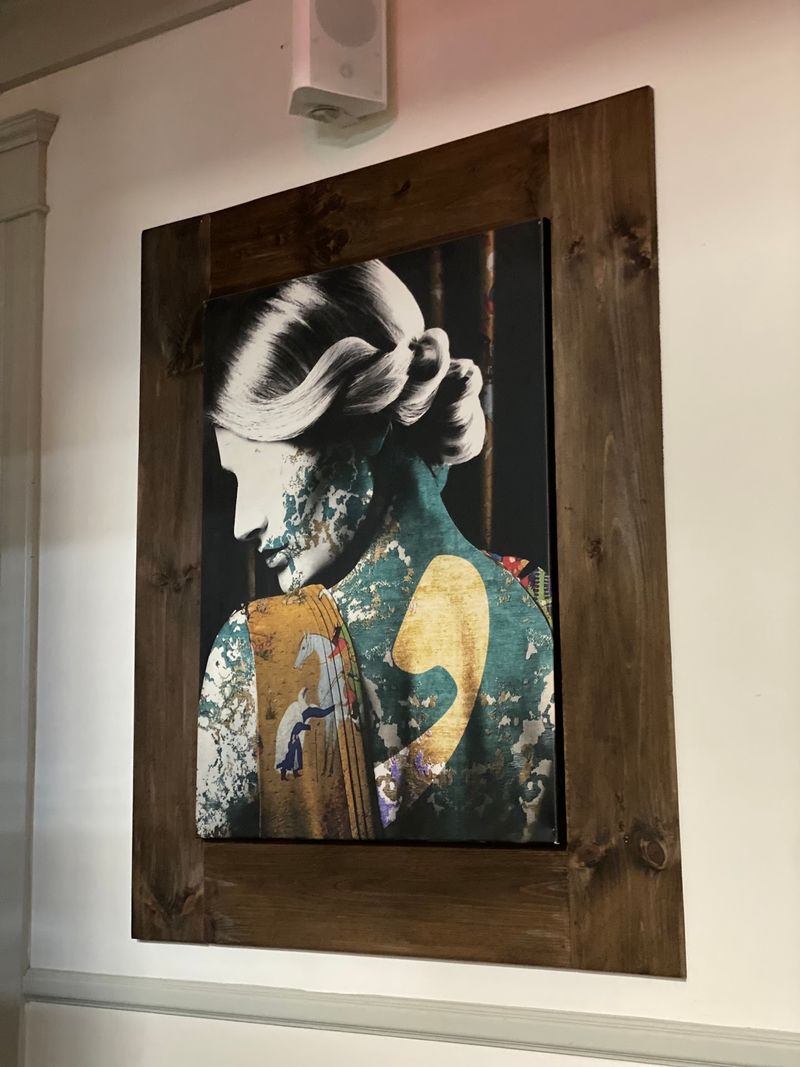
After McMillan passed in 1920, the fortress found a new crowd. Atlanta’s creative community started calling The Castle home.
The Atlanta Theatre Guild moved in starting in 1938. The group stayed through most of World War II.
Rehearsals inside a stone castle sound like a playwright’s dream setup.
In 1945, Hazel Butler Roy bought the house. She leaned hard into the artsy vibe.
She reportedly even accepted artwork as rent from some tenants.
Landlords like that don’t come around often. Through the 1940s, the building housed scenic painters, dressmakers, music teachers, and commercial artists.
Every floor seemed to hold a different talent.
The creative streak kept going into the 1950s and 1960s. The Artists Assembly Club, the Children’s Theatre of Atlanta, and the Atlanta Writers’ Club all used the space.
I believe this chapter explains why the building still feels so special. It stopped being one man’s retreat and became a shared workshop for Georgia’s makers and dreamers.
That’s a pretty great second act for any house, let alone one with cannons out front.
Atlanta Got Its First Espresso Cafe Behind These Walls
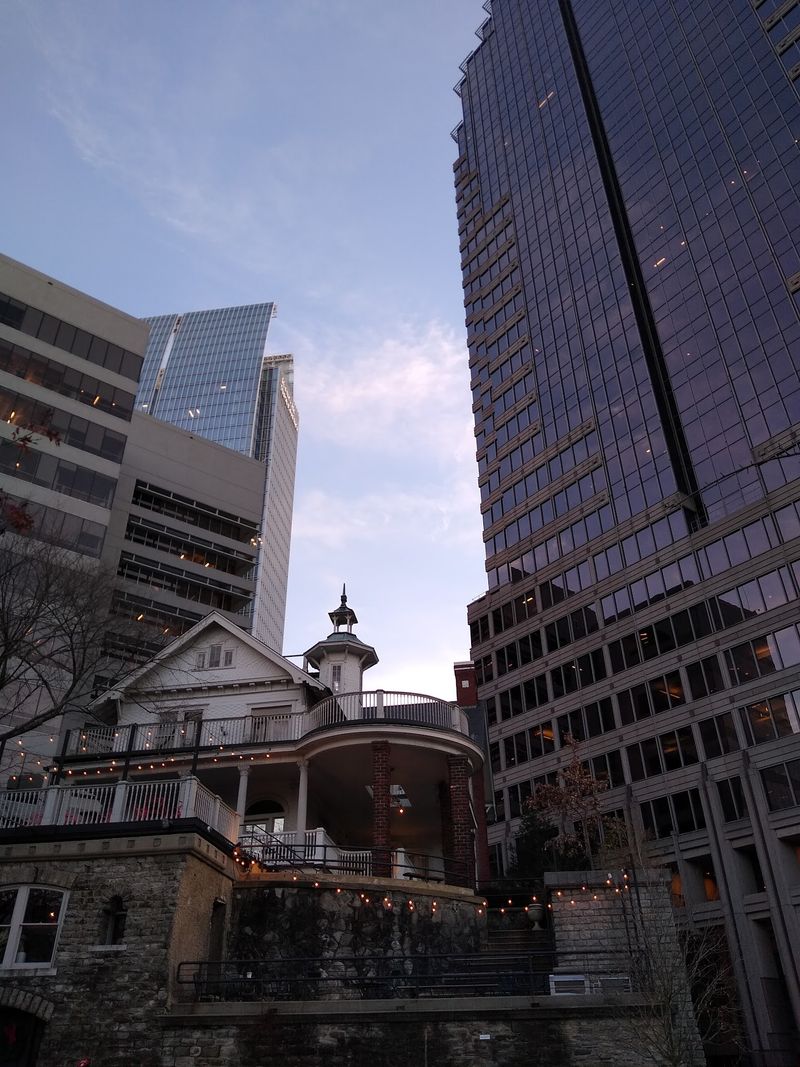
The cafe ran from 1958 to 1960. It sat in the old carriage room at street level.
Yes, the place that once held carriages started serving tiny strong coffees.
The decor went medieval, which fits a castle perfectly. Long trestle tables gave it a feast-hall look.
The cafe spread mostly by word of mouth and still earned international fame.
The guest list was impressive. Metropolitan Opera soprano Leontyne Price came through.
Writer James Dickey held poetry readings there.
Classes even moved in. Emory University professors led discussions at those long tables.
Art instructors from a nearby art institute held life drawing classes there too.
Picture homework with an espresso and stone walls around you. That beats a plain classroom by a mile.
The cafe lasted only a couple of years. Still, it left a big mark on the building’s story.
Next time you sip a latte in Midtown, remember where the city’s espresso habit got its start.
Somebody Called It Junk, And The Castle Won Anyway
Former Atlanta Mayor Andrew Young once described the building as a hunk of junk. That was during a fight over whether to save it.
Good thing the preservation side kept pushing. In 1989, the City of Atlanta designated The Castle a Landmark Building Exterior.
That protects the look of the outside.
The building also got some serious help in the 1990s. AT&T stabilized it for use as an arts venue during the 1996 Atlanta Olympics.
So the old fortress had a small role in a world event. Not bad for a retirement home with rabbit niches.
I like how this part of the story feels like an underdog movie. The Castle went through stretches of neglect and some unkind nicknames.
Then people stepped up and decided it mattered.
Every protected landmark has someone who fought for it. This one clearly had plenty of champions, and the stone walls are still standing because of them.
McMillan Picked The High Ground For A Reason
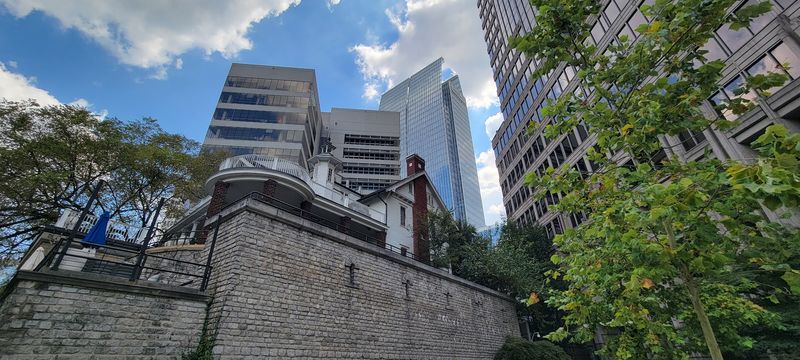
Nineteen peaks. That’s how many McMillan claimed he could see from his property.
He chose the spot on purpose. The site was originally part of the Ansley Park development, and it was one of the highest points around.
A fortress builder naturally wants the hill.
Today, The Castle sits at the crest of that small rise. It looks out over the Woodruff Arts Center complex.
That includes the High Museum of Art.
The full address is 87 15th St NE, Atlanta, GA 30309. It’s right in Midtown, surrounded by apartment towers and high-rise homes.
That contrast is the fun part. A stone castle stands among sleek buildings that didn’t exist when it went up.
It looks like a time traveler who refused to leave.
The grounds add some charm too. There are outdoor sitting areas, stacked stone retaining walls, and landscaped walkways.
If you’re heading to the arts center, look across the street. The castle is easy to spot and hard to forget.
Those nineteen peaks may be hidden by towers now, but the hilltop pride remains.
The Next Chapter Is Still Being Written
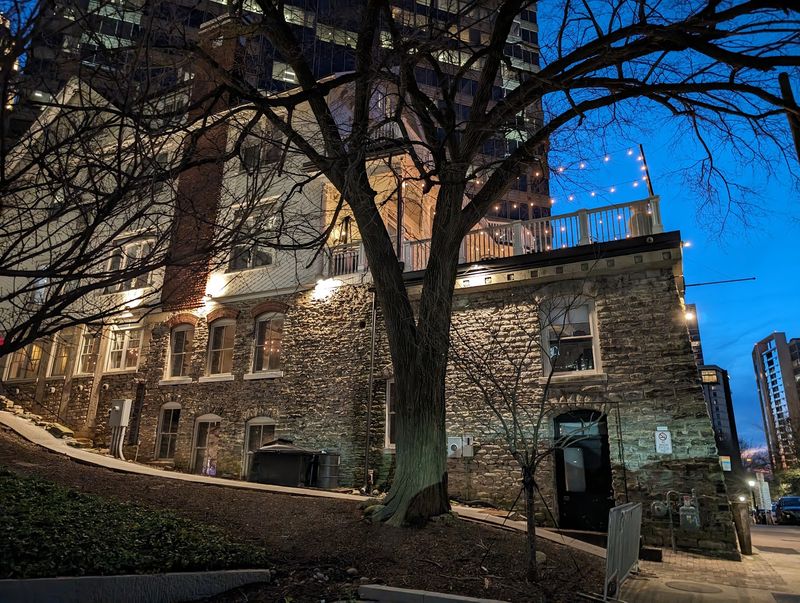
Castles change hands, and this one is no exception. The Castle went up for auction in late 2020.
The Simpson Organization, an Atlanta-based real estate investment firm, bought it. The building has since been marketed for lease.
The offer covers about 12,500 square feet. It could work for a restaurant or for offices.
The five-story building has been marketed for lease, with options for tenants to occupy individual floors.
I respect that choice. Splitting a castle into little pieces would feel a bit like cutting a cake before the party.
The building also has updated internal systems. Pair that with the kitchen and dining room, and it’s ready for someone with a big idea.
Who will move in next? It could be a chef, a company, or something nobody has thought of yet.
This building has hosted a retired inventor, actors, painters, poets, and espresso fans.
Whatever comes next, the granite walls in Georgia’s capital aren’t going anywhere. The cannon mouths still face the street.
Somewhere in there, McMillan’s tinkering spirit is probably waiting to see what happens.