A Lot Of People Don’t Know About This Natural Colorado Hot Spring And Locals Prefer It That Way
Colorado has a hot spring that most people have never found.
The locals who know about it do not spread the word. Not casually and not even by accident in any conversation.
The water maintains a temperature that feels designed rather than lucky. The setting produces a kind of quiet most places never achieve.
Arriving here feels lucky even when the visit was carefully planned.
What makes a hidden place worth this level of protective loyalty? Everything about this particular one earns that protection completely.
The directions exist in the quieter corners of the internet. Patient people find their way there and understand immediately why.
The Trail That Tests You
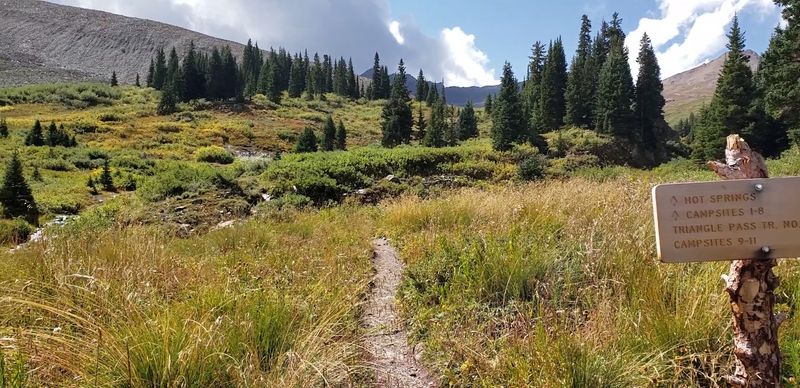
Not every great destination hands itself to you easily. The Conundrum Hot Springs Trail demands real commitment from the start.
Beginning near Aspen, Colorado, the trail stretches roughly 9 miles one way. That means an 18-mile round trip if you plan to hike out the same day.
The elevation gain is serious, climbing over 2,500 feet throughout the route. I started before sunrise to give myself enough time.
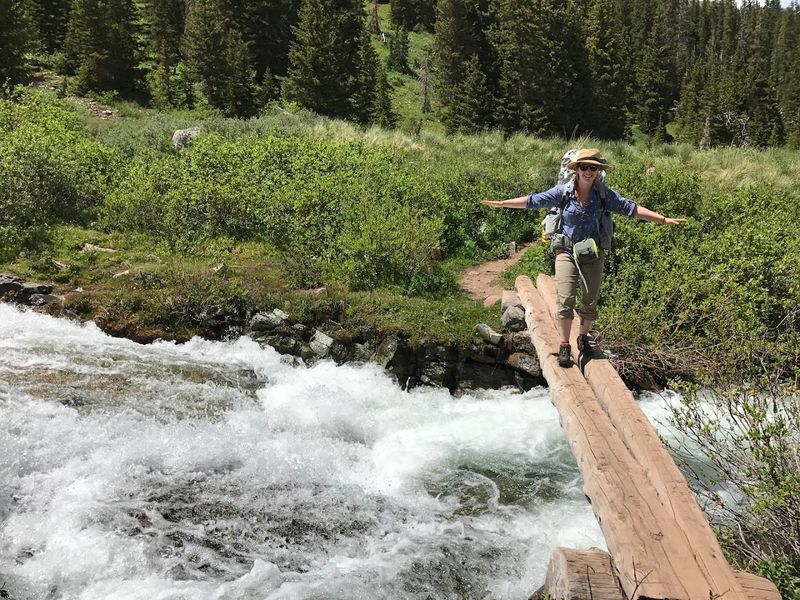
The trail follows Conundrum Creek for most of the journey, which gives you a steady soundtrack of rushing water as you push upward.
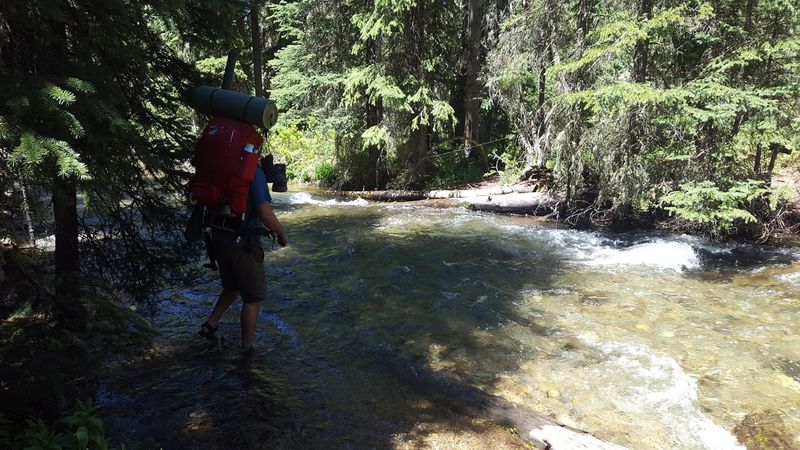
Rocky sections and stream crossings appear as you climb higher. The path narrows in places and opens into wide meadows in others.
Weather changes fast at this altitude, so checking forecasts the night before is a smart move.
Afternoon thunderstorms are common in Colorado summers, especially on exposed ridgelines. Starting early is not just a suggestion here, it is practically a rule.
Proper footwear with ankle support made a noticeable difference during my own hike. The trail rewards those who respect it with scenery that keeps getting better with every mile gained.
Where It All Begins
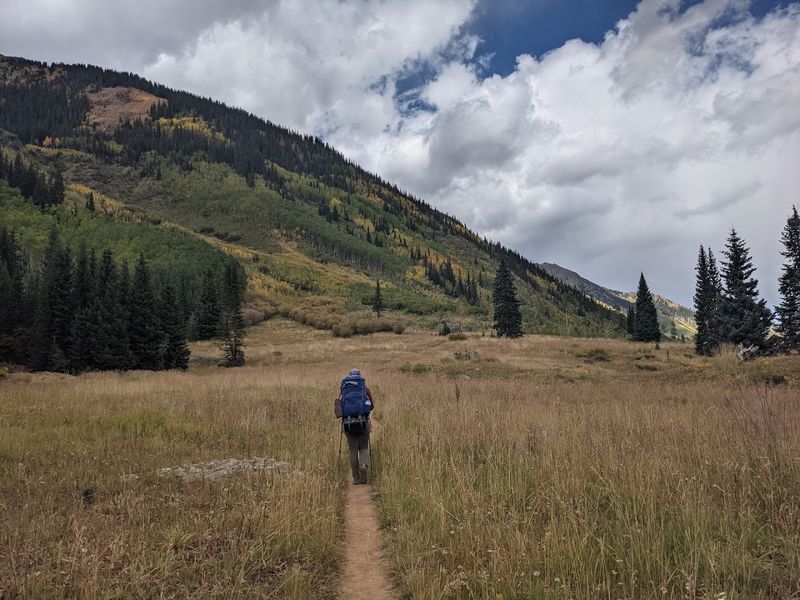
The address associated with the area is Colorado 81611, placing it firmly in the heart of Pitkin County. Parking fills up fast, especially on summer weekends, so arriving early is absolutely essential.
I showed up at 5:30 in the morning and still found other hikers already lacing up their boots. The trailhead has a small information board where you can review trail rules and permit requirements.
Permits are required for overnight stays, and they book out months in advance.
Day hikers have a different set of requirements, so reading the current Forest Service guidelines before your trip saves a lot of stress.
The Maroon Bells-Snowmass Wilderness area manages this trail, which means Leave No Trace principles apply strictly. Pack out everything you carry in, including food waste.
The starting elevation is already above 8,700 feet, which catches some visitors off guard. Colorado altitude affects everyone differently.
Spending a night in Aspen before your hike helps your body adjust. That small preparation step can genuinely transform how your legs feel by mile seven.
Valley Views Unfold
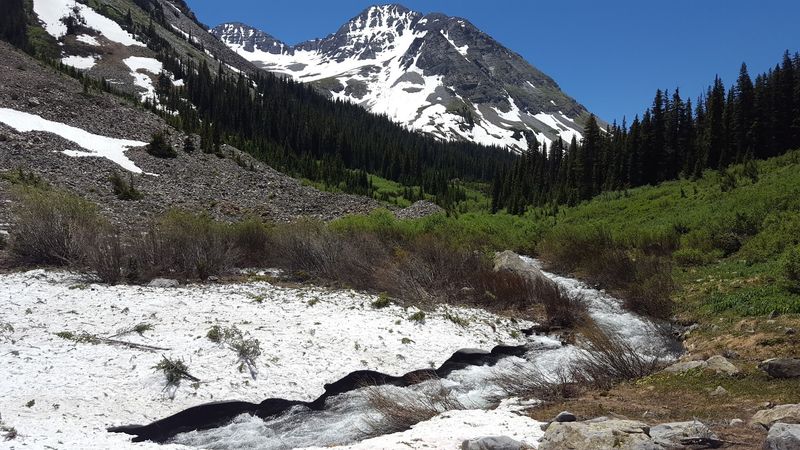
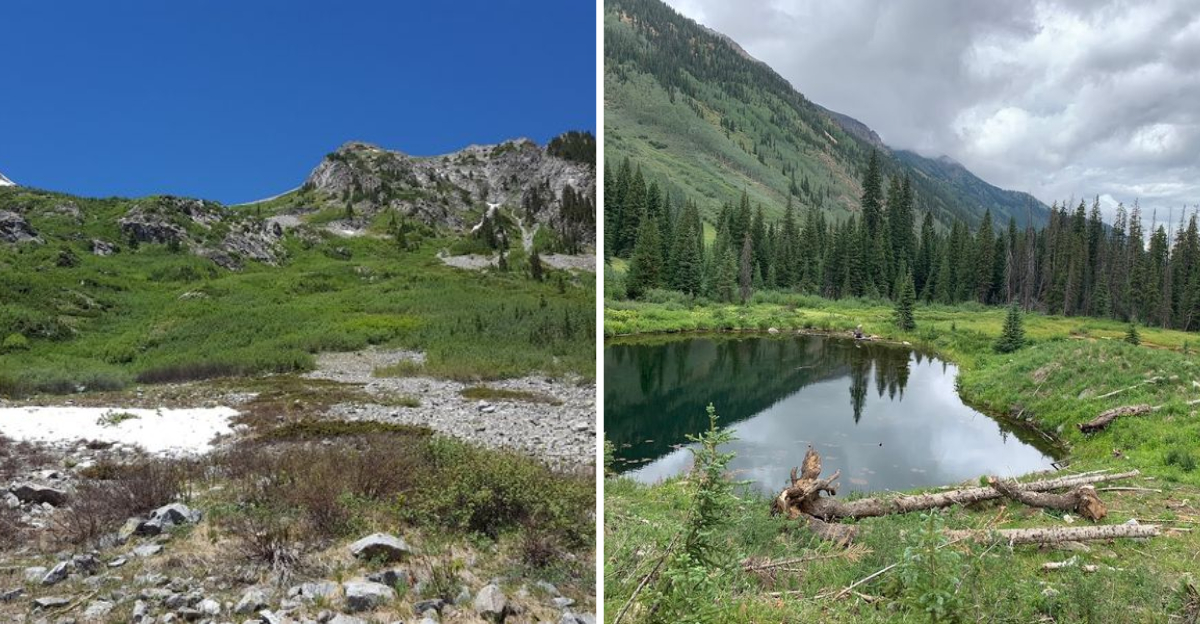
Somewhere around mile three, the trees begin to thin and the valley opens up in a way that genuinely stops you mid-stride.
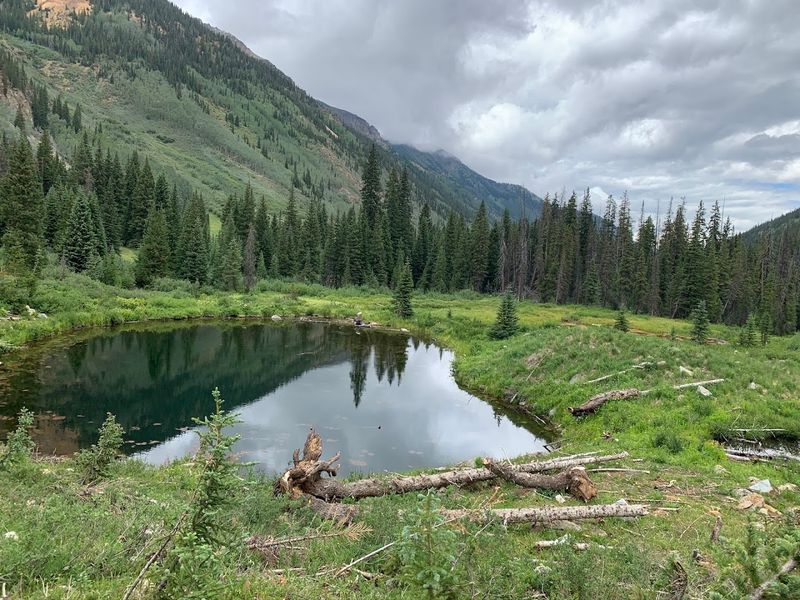
The Conundrum Creek valley stretches ahead with peaks rising on both sides. Colorado has no shortage of stunning scenery, but this particular corridor feels almost theatrical in its grandeur.
Wildflowers carpet the meadows from late June through August. I counted at least six different species blooming simultaneously during my late July visit.
Purple lupine, yellow columbine, and bright red paintbrush competed for attention along the trail edges.
Wildlife sightings are common in this valley. Black bears roam the area regularly, and moose have been spotted near the creek and even in the springs themselves.
Keeping a respectful distance and storing food properly in a bear canister is not optional here.
Ptarmigan, those stocky alpine birds, sometimes appear on the upper trail sections and show almost no fear of hikers.
The valley also sits near the gateway to the Maroon Bells, one of Colorado’s most photographed mountain ranges. Every step forward in this valley feels like turning a page in a very impressive picture book.
Arriving At The Springs
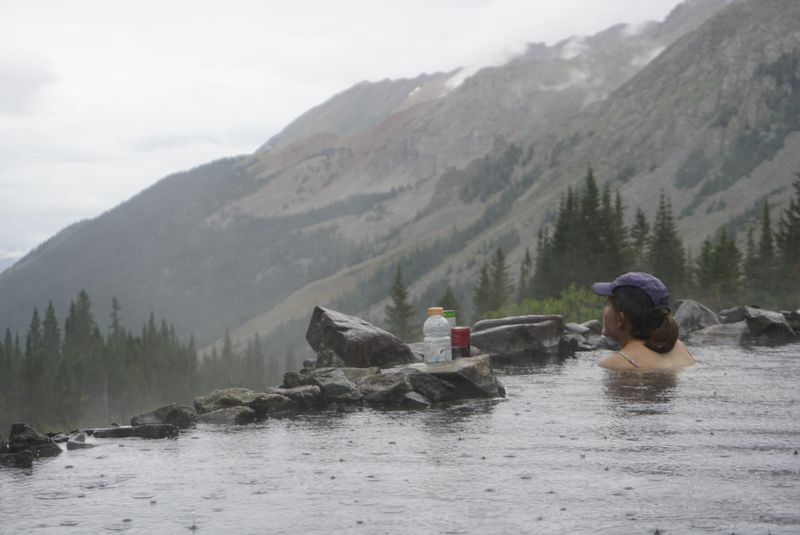
After nearly nine miles of uphill effort, the first sight of steam rising from the earth hits differently than you might expect.
Conundrum Hot Springs appears as a modest, naturally formed pool set directly into the alpine landscape. There is no concrete, no pipe system, no resort infrastructure of any kind.
The main pool is the largest and most popular soaking spot. Thermal bubbles rise visibly from the bottom, which I found genuinely mesmerizing to watch.
The water temperature in the main pool sits at a comfortable soaking range, though it can vary depending on season and water flow conditions.
Two smaller pools sit above the main one. One runs lukewarm and the other runs extremely hot, hot enough to be uncomfortable without caution.
Moving between the different pools gives you a natural contrast experience that feels surprisingly refreshing at high altitude.
The bottom of the main pool has a natural mucky texture, which surprises first-time visitors. This is simply what a primitive, unaltered hot spring feels like.
Camping Above The Clouds
Spending the night near Conundrum Hot Springs is a completely different experience from doing it as a day hike.
The designated campsites sit scattered around the upper valley, and some offer staggering views of the surrounding peaks.
I reserved my spot four months in advance and still felt lucky to get it. The campsites have no amenities whatsoever, no water stations, no trash cans.
Everything you need must come in on your back, and everything you generate must leave with you.
Sleeping at over 11,000 feet in Colorado means cold nights even in midsummer. I packed a sleeping bag rated for 15 degrees Fahrenheit and was glad I did.
Temperatures can drop sharply after sunset, especially if clouds roll in from the west.
Waking up before dawn and walking to the springs while stars are still overhead is one of those experiences that stays with you for years. The springs are quieter in the early morning hours before other hikers arrive.
That peaceful window, just you and the steaming water and the dark mountain sky, is worth every ounce of gear you carried up the trail.
Permits And Planning
Planning a trip to Conundrum Hot Springs requires more advanced work than most hikes in Colorado.
The White River National Forest manages access, and overnight permits are mandatory for anyone camping in the area. The permit system exists because this trail became overwhelmed with visitors in recent years.
Permits typically open for reservation several months before the summer season. Booking as soon as the reservation window opens gives you the best selection of dates and campsites.
Day use does not require an overnight permit, but regulations can change, so checking the Forest Service website before your trip is always the right call.
Mosquitoes are a real presence during summer months, particularly near the creek. Bug spray rated for outdoor use made my evenings significantly more comfortable.
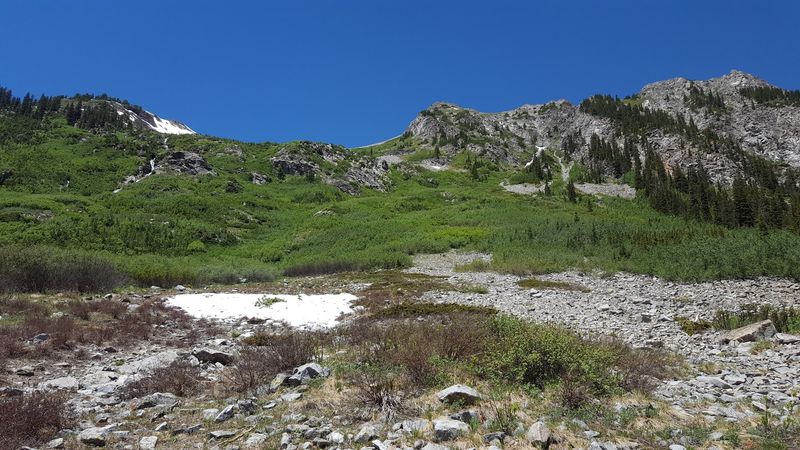
Sunscreen is equally important since the high-altitude Colorado sun reflects off rocky terrain and snow patches with surprising intensity. Preparation here is not optional, it is the foundation of a good trip.
The Atmosphere Up There
Something about soaking in a natural pool at 11,200 feet changes the social dynamic between strangers.
People arrive exhausted and humbled by the trail, and that shared effort creates an easy, open atmosphere around the springs. During my visit, conversations started naturally between people who I had never met before.
The clothing-optional nature of the springs is worth knowing about before you arrive. Some visitors soak in swimwear and others do not.
The environment tends to be relaxed and respectful, with most people focused on recovery and the surrounding scenery rather than anything else.
Evenings at the springs get busier as campers finish setting up their sites. Getting there in the early morning or midday offers a quieter experience with fewer people sharing the pool.
The overall vibe I encountered was one of genuine appreciation for the place. Nobody was loud or careless.
People packed out their trash without being reminded. There is an unspoken code of conduct that seems to come naturally to everyone.
Best Time to Visit
Timing a visit to Conundrum Hot Springs takes some research and flexibility.
The trail is typically accessible from late June through early October, depending on snowpack levels each year. Early season visits can mean navigating leftover snow and swollen creek crossings from snowmelt.
Late July through August offers the most reliable trail conditions and the best wildflower displays in Colorado’s high country. The trade-off is that this window also attracts the most visitors.
Weekday trips during mid-August tend to strike a reasonable balance between good conditions and manageable crowds.
Fall brings a dramatic color change to the valley as aspen trees turn gold across the lower sections of the trail. Temperatures drop noticeably in September, and early snowstorms are possible.
Checking avalanche and weather reports becomes even more important as the season shifts toward winter.
Winter and early spring access is essentially impossible without advanced mountaineering skills and equipment.