A Massive California Museum Packed With Rare Vintage Cars And Automotive Legends To Visit In 2026
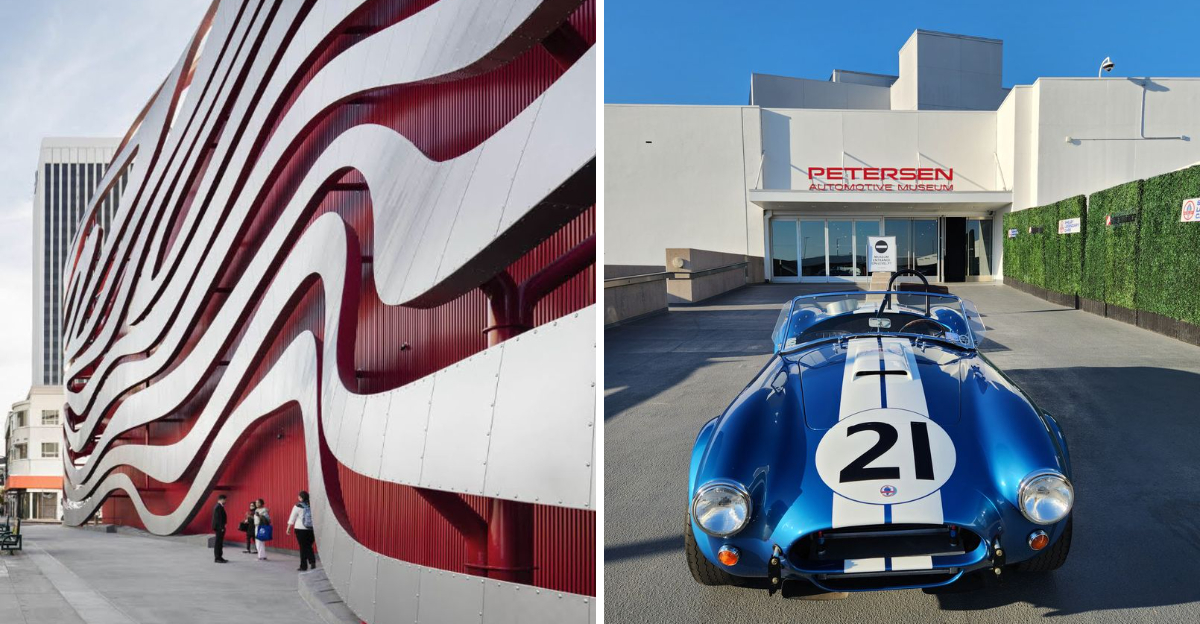
Automotive history doesn’t just sit behind glass in Los Angeles – it roars to life. Inside one of the city’s most eye-catching buildings, hundreds of legendary vehicles tell the story of speed, design, and cultural obsession with the open road.
The Petersen Automotive Museum has become a must-visit destination for anyone fascinated by classic cars, Hollywood rides, and futuristic supercars all under one roof.
Founded in 1994 by publishing magnate Robert E. Petersen, the museum has evolved into a world-class showcase that draws visitors from across the globe.
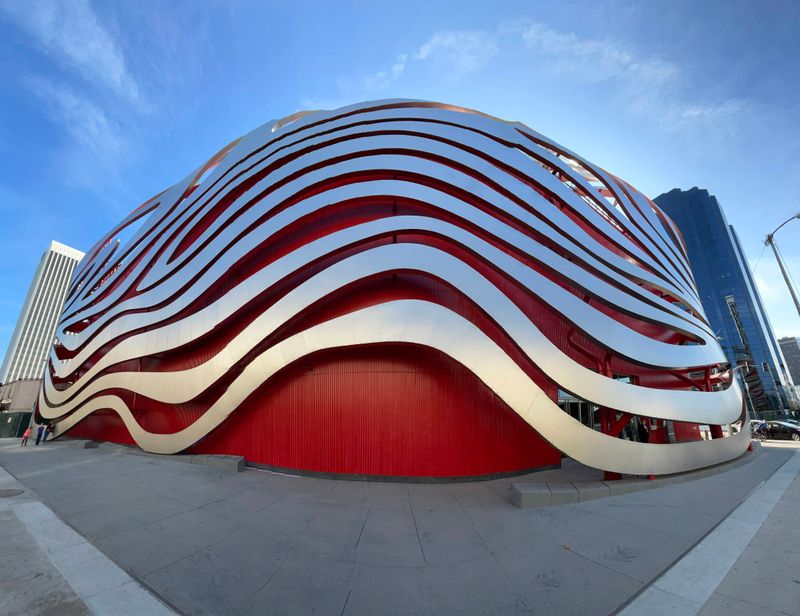
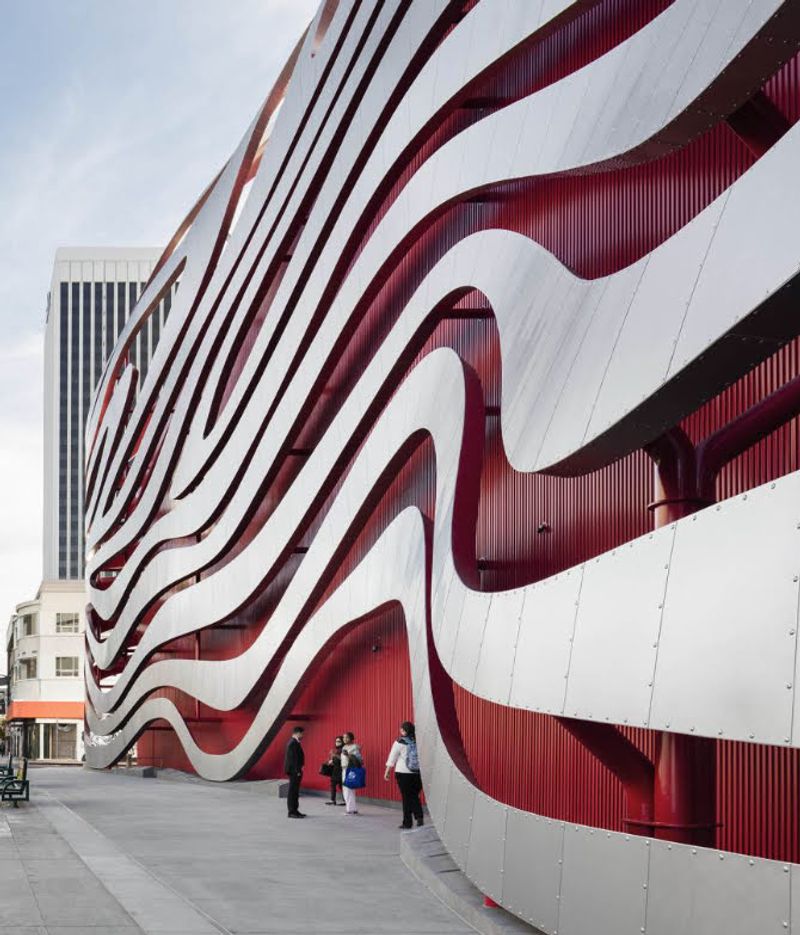
A dramatic 2015 redesign wrapped the structure in a sweeping stainless steel ribbon facade, hinting at the innovation waiting inside.
More than 100 vehicles fill the public galleries, while hundreds more remain hidden in a massive underground vault the size of a small city block.
Vintage roadsters, race cars, and famous film vehicles reveal how automotive design shaped California car culture and the way the world drives.
1. Over 100 Vehicles Across 25 Themed Galleries
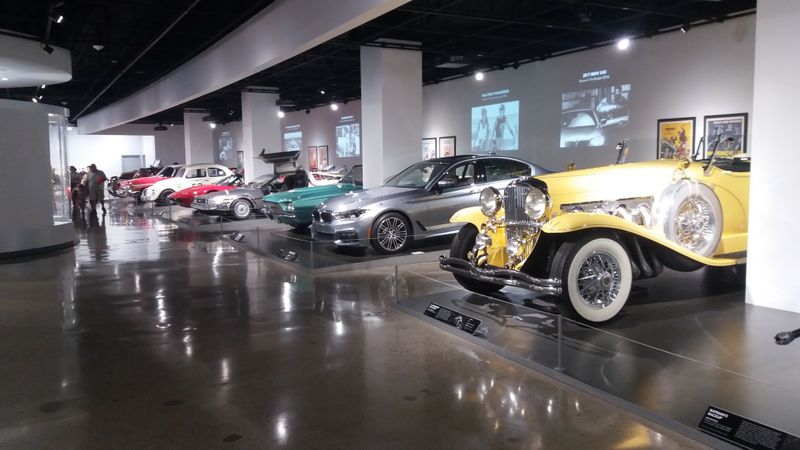
Walking through the main exhibition floors feels like stepping into different chapters of automotive history.
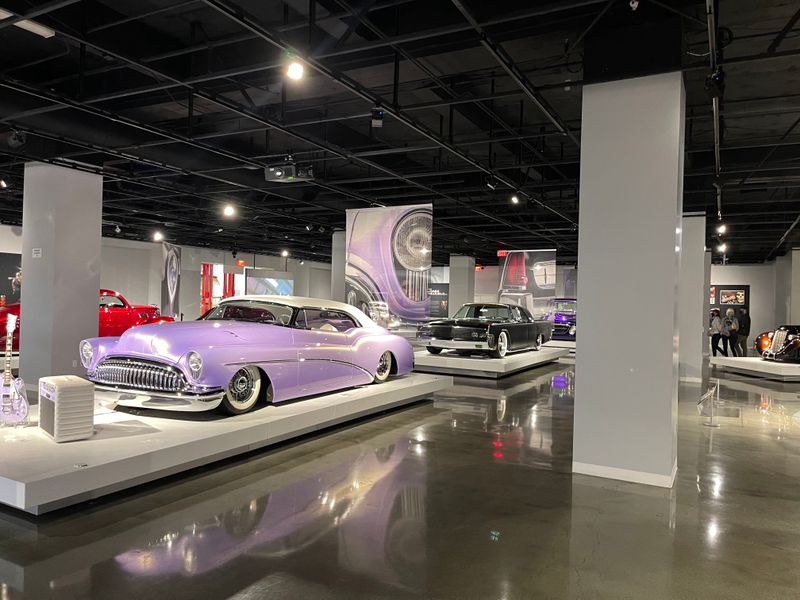
The museum organizes its permanent collection across 25 distinct galleries, each focusing on specific themes, eras, or vehicle types.
Visitors encounter everything from early horseless carriages to cutting-edge electric vehicles, all arranged to tell cohesive stories about innovation and culture.
The museum sits at 6060 Wilshire Boulevard in Los Angeles, California 90036, making it easily accessible from major freeways and public transportation routes.
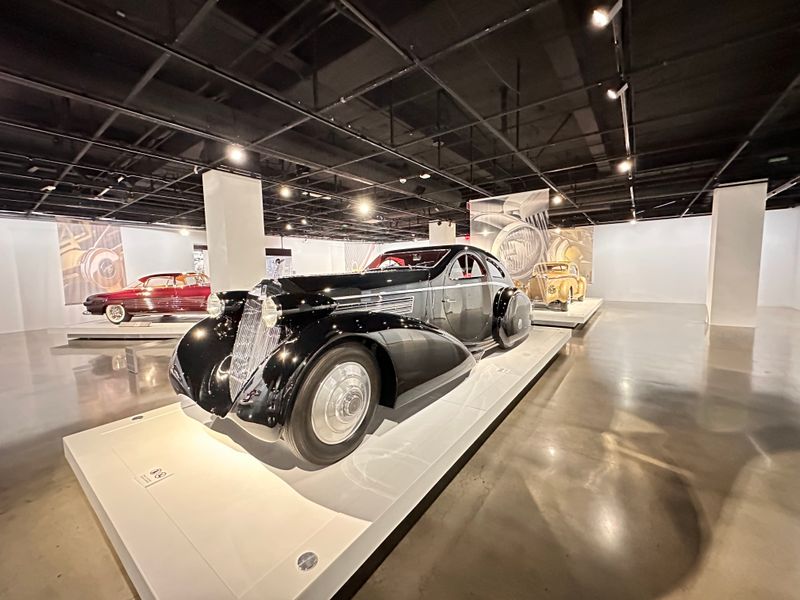
Each gallery receives careful attention to lighting, context, and presentation, ensuring that every vehicle can be appreciated from multiple angles.
The spacing allows visitors to walk around most displays, examining details that might otherwise go unnoticed. The variety keeps even casual visitors engaged for hours.
Racing enthusiasts find dedicated spaces showcasing competition vehicles, while those interested in custom culture discover galleries devoted to hot rods and personalized creations.
Industrial design fans appreciate exhibits exploring how automotive styling evolved decade by decade.
The rotating nature of some displays means that return visits often reveal different vehicles and fresh perspectives on familiar themes.
2. The Vault Houses 300 Rare Vehicles Underground
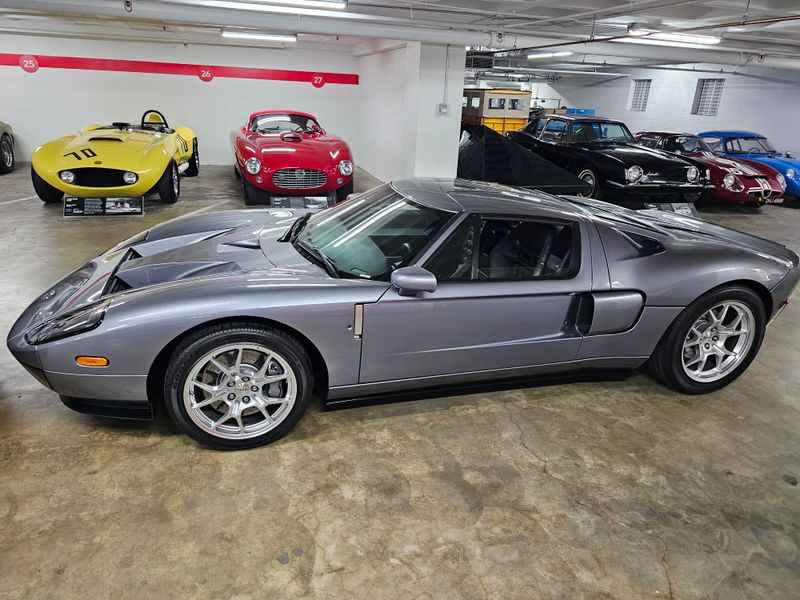
Beneath the main museum lies one of the most remarkable automotive collections in existence. The Vault occupies an entire small city block underground, housing approximately 300 vehicles that rotate in and out of public displays.
This climate-controlled storage facility functions as both a preservation space and an exclusive viewing experience for those who book special tours.
Access to The Vault requires separate tickets beyond general admission, but the experience offers unprecedented proximity to automotive rarities.
Tour groups remain small, allowing guides to share detailed stories about specific vehicles and their historical significance.
The underground space feels more like a working archive than a traditional museum, with vehicles arranged in organized rows rather than theatrical displays.
What makes The Vault special is the diversity of its collection. Visitors might encounter prototype vehicles that never reached production, celebrity-owned cars with fascinating provenance, or competition machines that claimed victories in legendary races.
The casual storage environment actually enhances the experience, allowing visitors to see these machines as functional objects rather than untouchable artifacts.
Staff members occasionally move vehicles for photography, research, or transfer to upstairs galleries, adding a sense of ongoing activity to the space.
3. Totally Awesome 1980s And 1990s Vehicle Exhibit Through April 2026
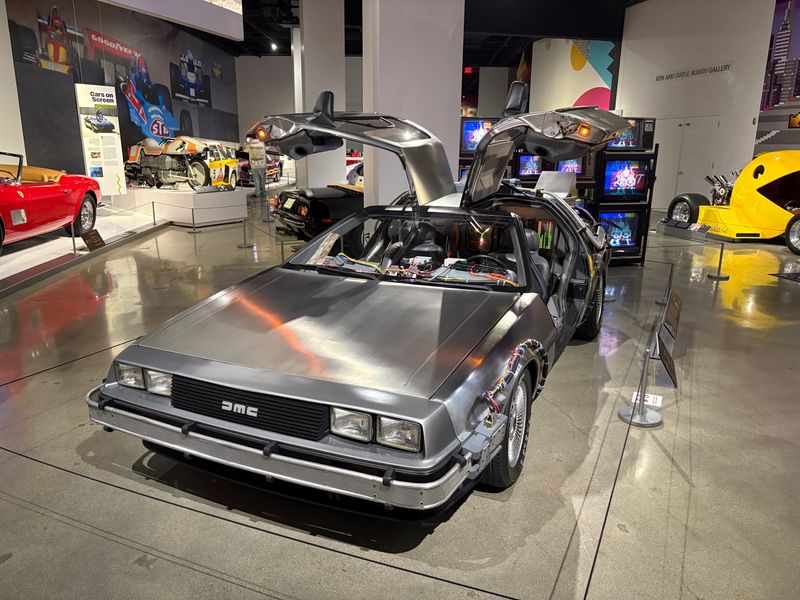
Nostalgia meets automotive design in one of the museum’s most popular temporary exhibitions.
Running through April 2026, the Totally Awesome exhibit celebrates vehicles from the 1980s and 1990s, decades that produced some of the most distinctive and memorable automotive designs in history.
More than 30 vehicles fill the exhibition space, representing everything from attainable dream cars to ultra-rare supercars.
The star attractions include a 1995 McLaren F1, one of the fastest production cars ever built, and the DeLorean DMC-12 featured in the Back to the Future film trilogy. These headline vehicles draw crowds, but the supporting cast deserves equal attention.
Period-correct sports cars, family vehicles, and quirky designs that defined their era create a comprehensive picture of automotive culture during these transformative decades.
The exhibition design incorporates era-appropriate aesthetics, with bold colors and geometric patterns that evoke the period’s visual style.
Visitors who grew up during these decades often experience strong emotional connections to the vehicles on display, recalling first cars, childhood memories, or aspirational models they once dreamed of owning.
Younger visitors discover designs that influenced current automotive trends, recognizing how styling elements from decades ago continue appearing in modern vehicles.
4. Educational Workshops And Behind-The-Scenes Vault Tours
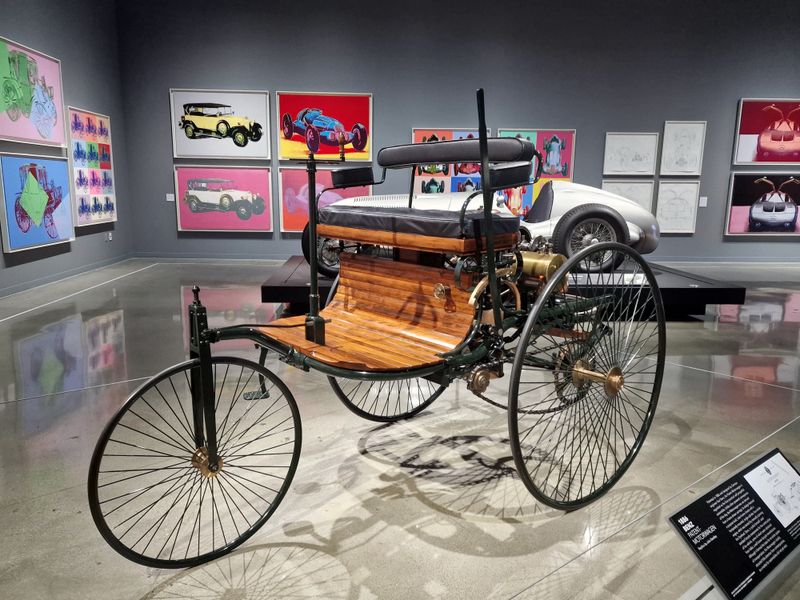
Learning opportunities extend far beyond reading exhibit placards.
The museum offers various educational programs designed to deepen understanding of automotive history, technology, and culture.
Workshop topics range from basic automotive maintenance to the business of collecting and preserving historic vehicles.
These sessions attract diverse audiences, from teenagers considering careers in automotive fields to retirees pursuing new interests.
The Holiday Tour and Vault Experience represents one of the most comprehensive educational offerings.
These special tours provide extended access to The Vault, including areas not typically open during standard vault tours.
Guides share stories about specific vehicles, explain restoration techniques, and discuss the challenges of maintaining a collection of this magnitude.
Participants often gain access to restoration areas where they can observe ongoing conservation work.
The intimate group sizes ensure that participants can ask questions and engage in detailed discussions with knowledgeable staff members.
Photography opportunities abound, as the tours pause at particularly significant or visually striking vehicles.
The educational component goes beyond simple facts and dates, exploring broader themes about how automobiles influenced urban development, social mobility, and American identity.
These programs appeal to serious enthusiasts while remaining accessible to those with casual interest in automotive subjects.
5. Membership Benefits Including Exclusive Access And Discounts
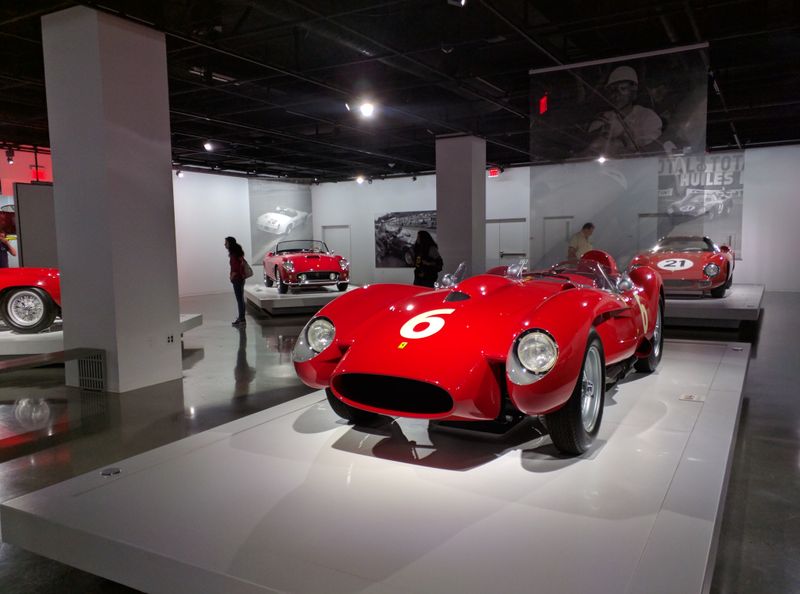
Regular visitors often find that membership provides better value than paying for individual visits. The museum offers several membership tiers, each providing different levels of access and benefits.
All memberships include unlimited general admission, allowing members to visit as often as they wish throughout the year.
This proves particularly valuable for local residents who enjoy stopping by for short visits to see specific vehicles or check on rotating exhibits.
Members receive priority access to special events, often with early entry times before the general public arrives.
Exclusive member-only events occur throughout the year, ranging from curator talks to private viewings of new acquisitions before they enter public displays.
Discount benefits extend to the museum store, Vault tours, and special programs, quickly offsetting the membership cost for active participants.
Higher-tier memberships include guest passes, making it easy to share the museum experience with friends and family. Some levels provide reciprocal benefits at other automotive museums across the country.
The membership structure recognizes that automotive enthusiasm often involves social connections, and the benefits facilitate bringing others into the community.
Members also receive newsletters and email updates about upcoming exhibits, acquisitions, and events, helping them stay connected to the museum between visits.
6. All American Cruise-In Event Celebrating 250 Years Of America
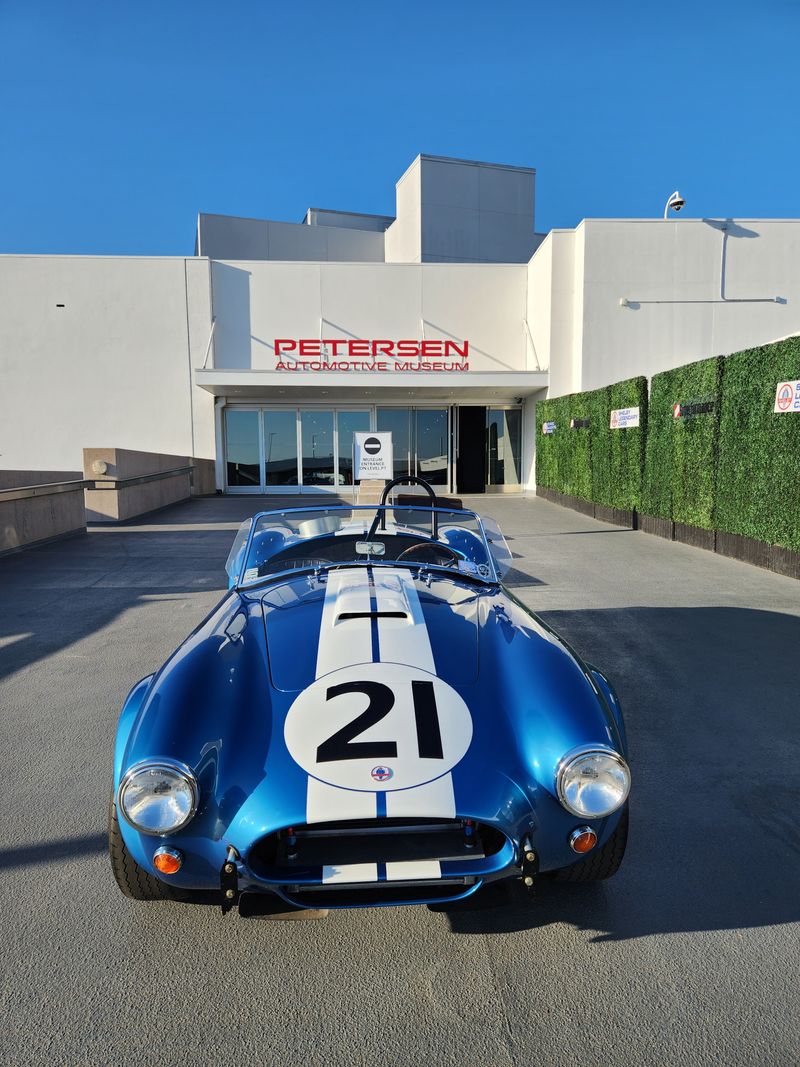
Special events throughout the year bring the automotive community together at the museum. The All American Cruise-In scheduled for July 26, 2026, commemorates 250 years of American independence with a celebration of American-made vehicles.
This outdoor event transforms the surrounding streets into a showcase of domestic automotive achievement spanning multiple generations.
Car owners from across Southern California bring their prized American vehicles to participate in the display.
The variety typically ranges from pre-war classics to modern muscle cars, representing every major American manufacturer and countless independent brands that contributed to the industry.
Attendees can examine vehicles up close, speak with owners about restoration projects and maintenance, and appreciate the craftsmanship that went into both original construction and preservation efforts.
The cruise-in format creates a relaxed atmosphere quite different from the formal museum galleries. Families spread out across the event space, children point excitedly at colorful paint jobs, and enthusiasts engage in detailed discussions about engine specifications and historical significance.
Food vendors and merchandise booths add to the festival atmosphere. These events demonstrate how automotive culture extends beyond passive observation, creating communities built around shared appreciation for mechanical artistry and historical preservation.
7. On-Site Parking With Electric Vehicle Charging Stations
Practical considerations matter when planning a museum visit, and parking availability significantly impacts the overall experience.
The Petersen provides on-site parking facilities that eliminate the stress of searching for street parking in a busy Los Angeles neighborhood.
The dedicated parking structure offers convenient access directly to the museum entrance, particularly valuable for visitors with mobility concerns or families with young children.
The inclusion of electric vehicle charging stations reflects the museum’s acknowledgment of automotive evolution.
Multiple charging stations allow EV drivers to replenish their batteries while exploring the exhibits, typically providing enough charge during a standard museum visit to make range anxiety unnecessary.
The charging infrastructure demonstrates how the museum embraces all eras of automotive development, from vintage gasoline engines to modern electric propulsion. Parking fees apply, but rates remain reasonable compared to other Los Angeles attractions.
The structure provides weather protection, important during rare rainy days or hot summer afternoons when returning to a sun-baked vehicle becomes unpleasant. Clear signage guides visitors from parking to the museum entrance.
The parking facility undergoes regular maintenance and security monitoring, providing peace of mind for visitors concerned about leaving vehicles unattended. This attention to visitor comfort extends the museum’s hospitality beyond the exhibits themselves.
8. Accessible Facilities For Visitors With Disabilities
Inclusive design ensures that automotive history remains accessible to everyone regardless of physical abilities.
The museum maintains comprehensive accessibility features throughout its facilities, beginning with barrier-free entrance access.
Ramps, elevators, and wide pathways allow wheelchair users and visitors with mobility aids to navigate all public areas without assistance.
The 2015 renovation incorporated modern accessibility standards, making the museum one of the more accommodating cultural institutions in Los Angeles.
Gallery layouts provide sufficient space between exhibits for wheelchair maneuvering, and display heights allow seated visitors to view vehicles and read informational panels comfortably.
Accessible restrooms appear on every public floor, meeting current ADA requirements. Staff members receive training in assisting visitors with various disabilities, though the physical design minimizes the need for special accommodation in most cases.
The Vault tours present additional accessibility considerations due to the underground location, but the museum works with visitors to ensure that those with mobility challenges can participate in modified experiences when standard tours prove impractical.
Service animals receive welcome throughout the facility. The museum’s commitment to accessibility extends to its website and promotional materials, which provide detailed information about available accommodations.
This inclusive approach recognizes that automotive enthusiasm crosses all demographic boundaries and that everyone deserves opportunities to engage with this cultural heritage.
9. Prime Wilshire Boulevard Location Open Daily
Location significantly influences visitor experience, and the museum occupies one of Los Angeles’s most recognizable corridors.
The building stands on Wilshire Boulevard in Los Angeles, positioned along a major thoroughfare that connects downtown Los Angeles to the western neighborhoods and beach communities.
This central location makes the museum accessible from virtually any part of the metropolitan area. The museum maintains consistent operating hours, opening daily from 10 AM to 6 PM.
This schedule accommodates various visitor preferences, whether arriving early to avoid crowds or visiting during afternoon hours when natural light filters through the building’s architectural features.
The daily schedule eliminates the disappointment of arriving on a closure day, a common frustration at institutions that maintain limited weekly hours.
The Wilshire Boulevard address places the museum near other cultural attractions, restaurants, and shopping districts, allowing visitors to build full-day itineraries around their museum visit.
Public transportation options include multiple bus lines running along Wilshire Boulevard, and the museum sits within reasonable walking distance of Metro stations.
The neighborhood offers various dining options for pre- or post-visit meals. The building’s distinctive facade makes it impossible to miss, with stainless steel ribbons wrapping the exterior in a design that suggests speed and motion even when viewed from passing vehicles.
10. Founded In 1994 To Document Automotive Impact On Culture
Every major institution begins with vision and commitment from dedicated individuals. Robert E. Petersen founded the museum in 1994, bringing together his passion for automobiles and his understanding of their cultural significance.
Petersen built a publishing empire largely focused on automotive enthusiast magazines, giving him unique insight into how vehicles shaped American life beyond mere transportation.
His vision extended beyond creating another car collection, aiming instead to document and interpret the automobile’s role in social change, economic development, and cultural identity.
The museum’s founding mission emphasized exploration and presentation of automotive history through multiple lenses.
Exhibits examine not just the vehicles themselves but the industries, communities, and lifestyles that grew around automobile culture.
This approach distinguishes the Petersen from collections that focus solely on rare or valuable vehicles without contextualizing their broader significance.
Three decades after its founding, the museum continues fulfilling Petersen’s vision while adapting to contemporary interests and scholarship.
The collection grows strategically, acquiring vehicles that fill gaps in the historical narrative or represent emerging trends in automotive development.
Educational programs expand the mission beyond physical exhibits, reaching students and enthusiasts who might never visit in person.
The institution stands as a monument to one individual’s recognition that automobiles deserve serious cultural study, not just admiration as mechanical objects.